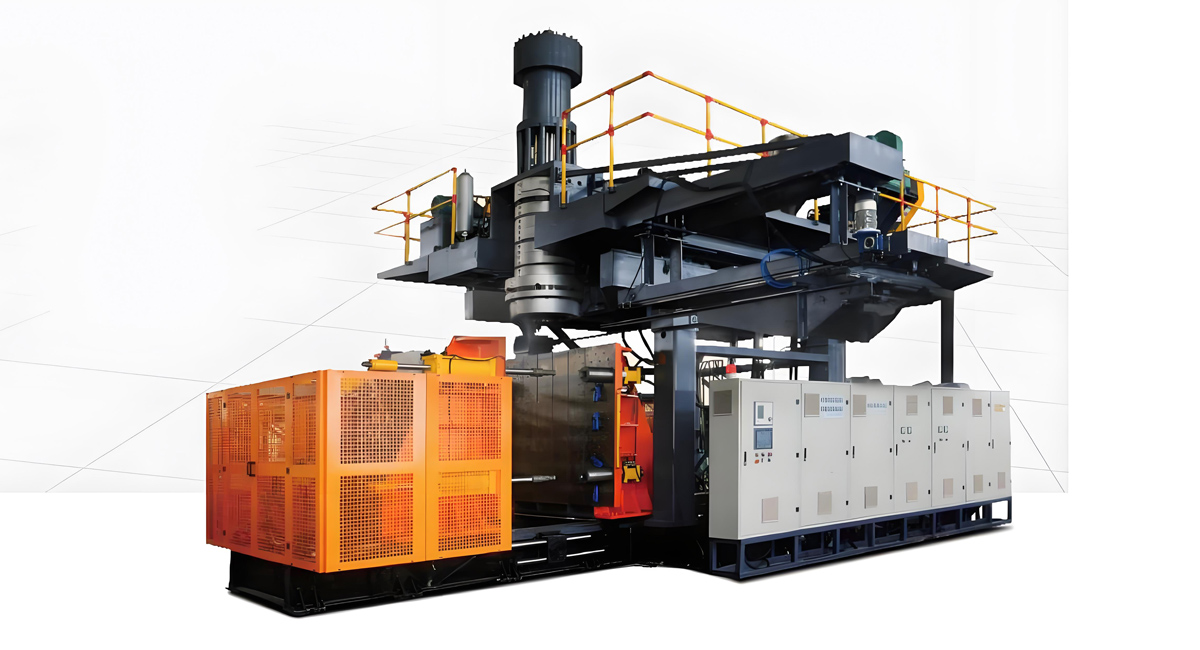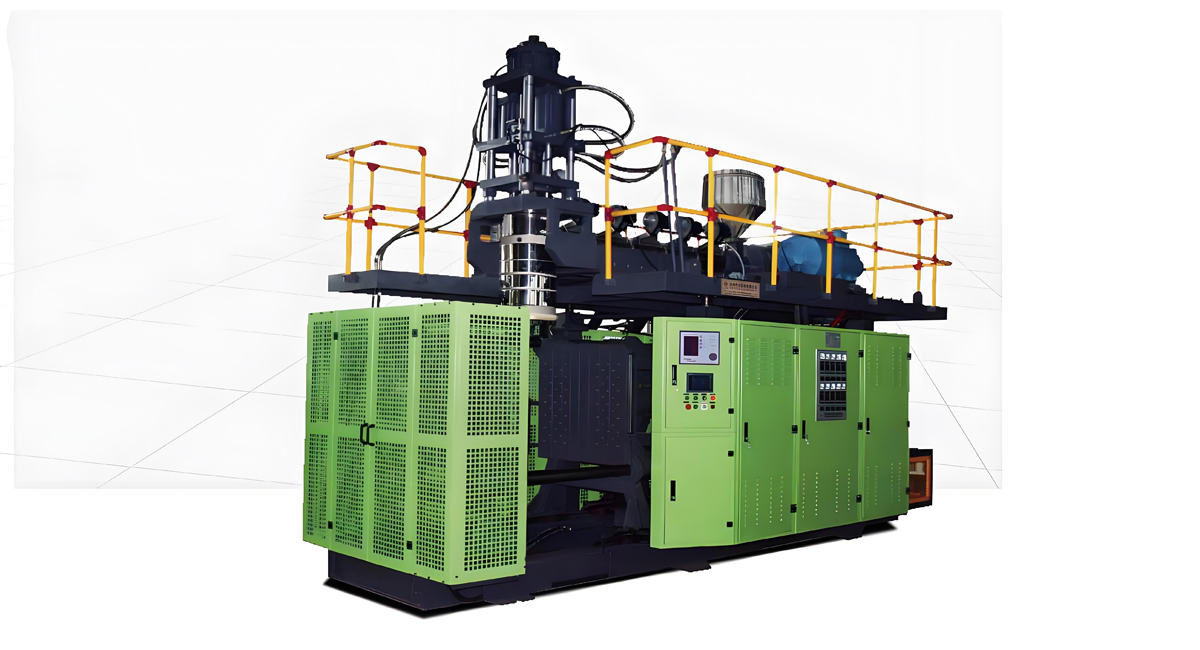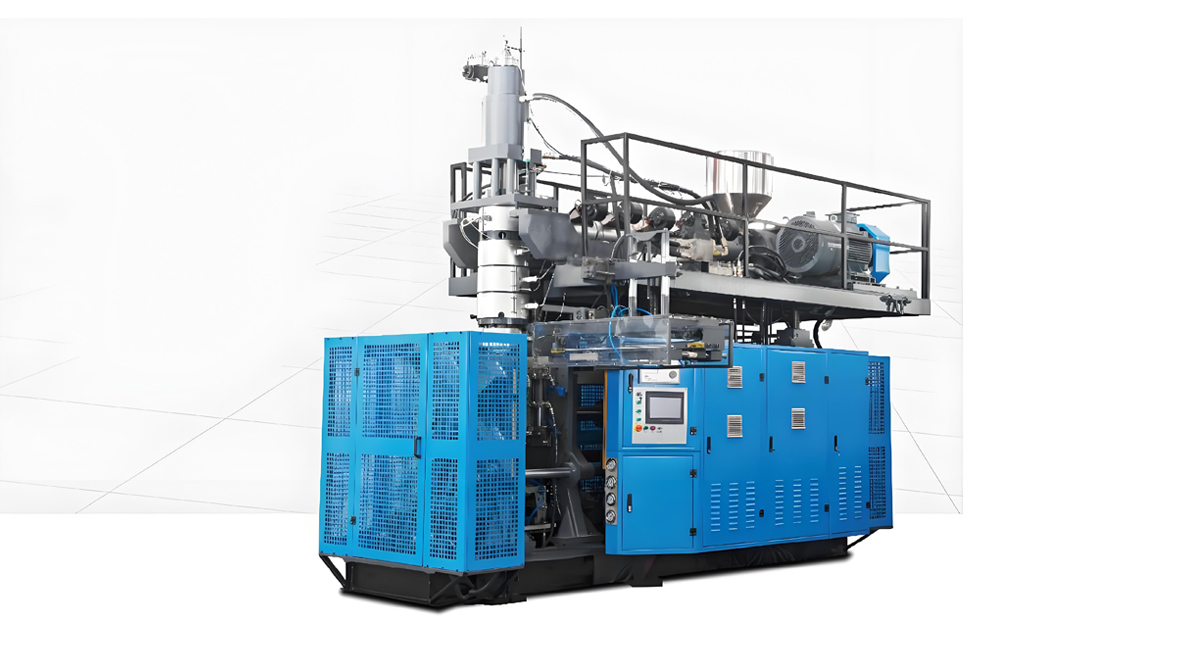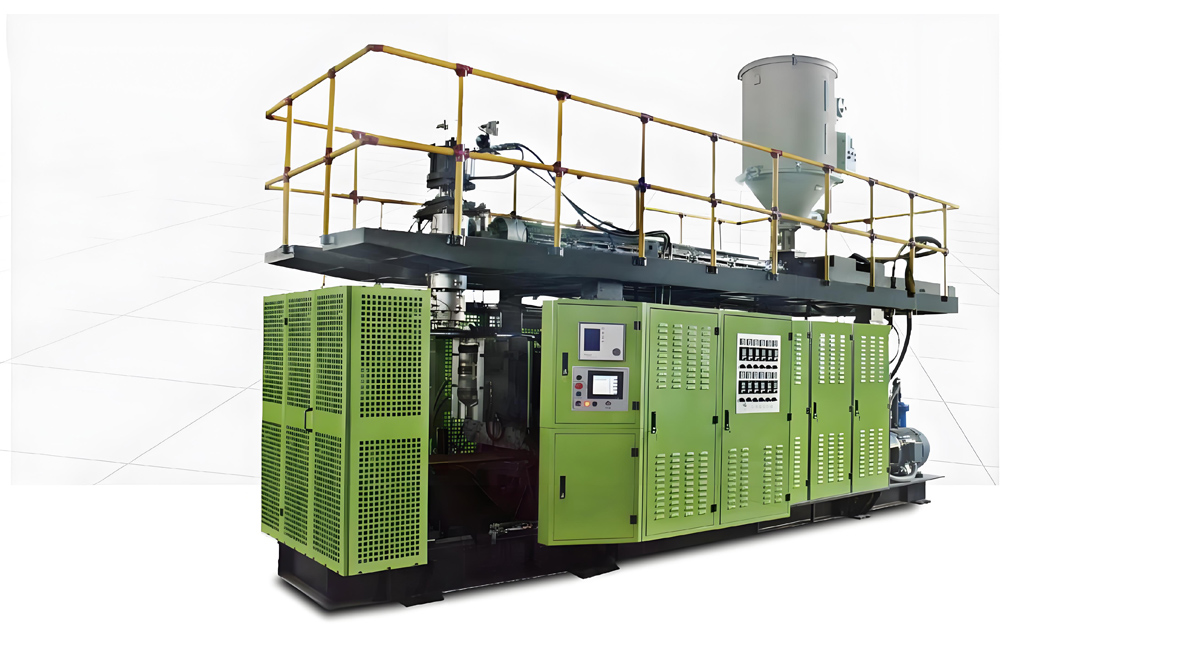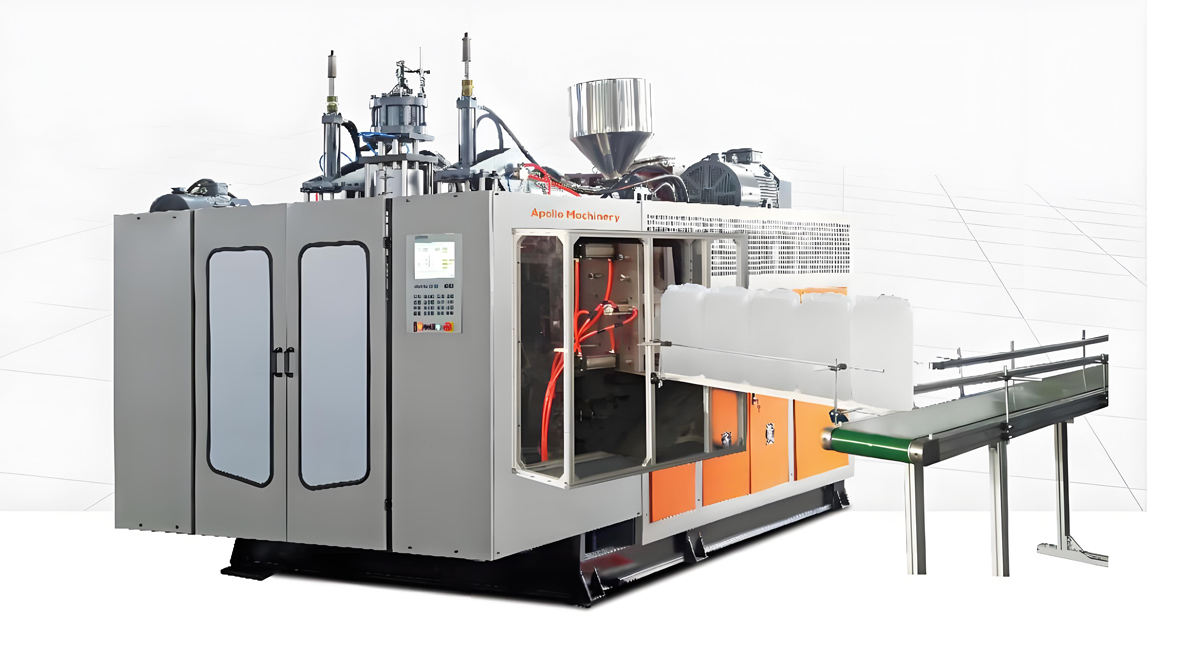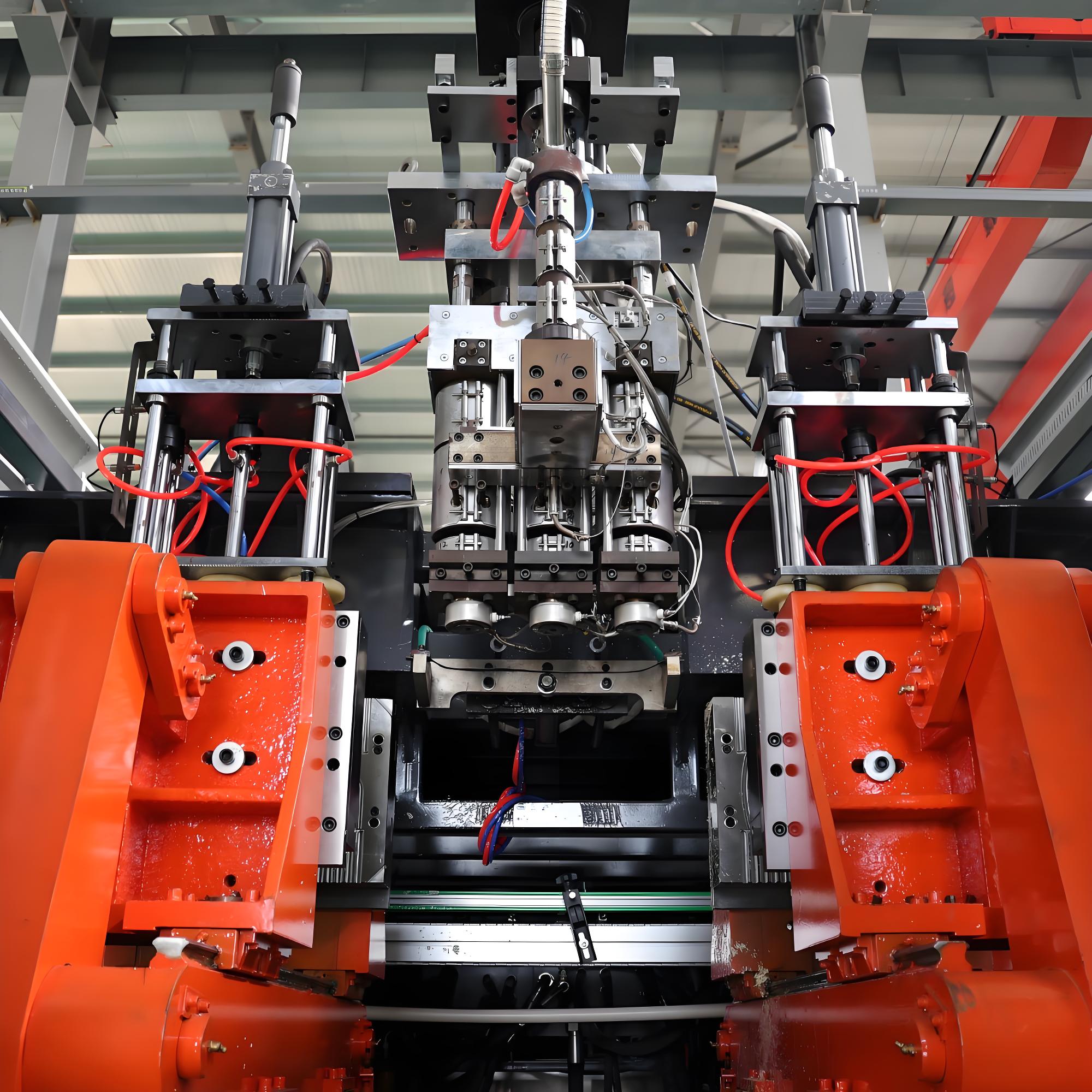
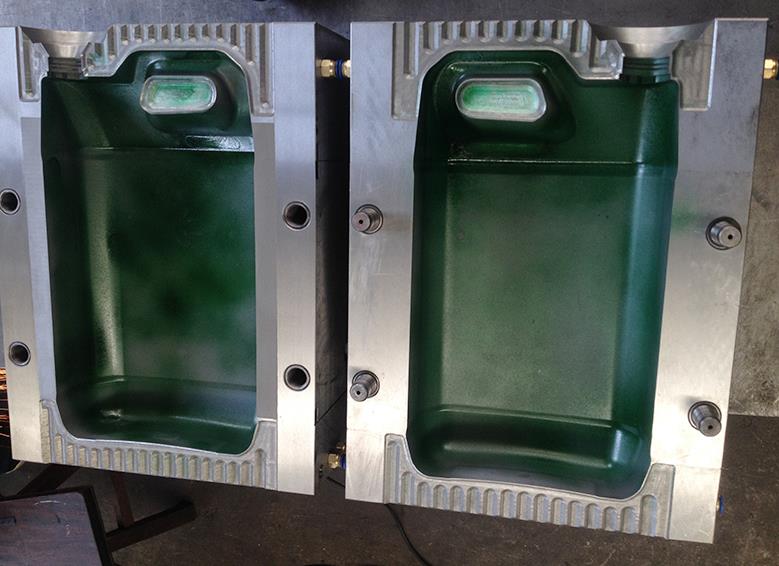
Plastic jerrycans are widely used in industries such as chemicals, petroleum, agriculture, and daily necessities due to their excellent sealing, impact resistance, and corrosion resistance. The extrusion blow molding machine mold, as the core equipment for jerrycan production, has a significant impact on the product quality, production efficiency, and overall cost. This article focuses on analyzing the price composition of plastic jerrycan molds, explores the key factors affecting pricing, and provides a reference price range denominated in US dollars, aiming to provide practical guidance for relevant enterprises in procurement and cost control.
1. Core Composition of Plastic Jerrycan Mold Prices
The price of plastic jerrycan molds is not a single fixed value but is comprehensively determined by multiple cost components and market factors. According to the general pricing logic of extrusion blow molding machine molds in the industry, their total price mainly includes six parts: material cost, design cost, processing cost, labor cost, additional costs (such as trial mold, packaging, and transportation), and manufacturer’s profit. The proportion of each part varies slightly with the complexity of the mold, but the overall structure is relatively stable.
1.1 Material Cost: The Foundation of Pricing
Material cost accounts for 15%-30% of the total mold price, which is the core part of the mold cost. It mainly includes the cost of mold base steel, cavity/core steel, and standard accessories (such as guide pillars, thimbles, and sliders). For plastic jerrycan molds, the choice of steel material directly affects the mold’s service life and production stability.
Common mold base materials include ordinary steel P20, with a domestic price of 7-8 yuan/kg, equivalent to about 1.01-1.16 USD/kg (calculated at an exchange rate of 6.9 USD/CNY). High-quality corrosion-resistant steel S136H costs about 35 yuan/kg domestically, or 5.07 USD/kg. The core and cavity, which are in direct contact with the molten plastic, usually adopt high-hardness and wear-resistant steel such as H13, with a domestic price of 38-39.5 yuan/kg, equivalent to 5.51-5.72 USD/kg. A set of 20L plastic jerrycan molds has a total steel weight of about 500-800 kg. Taking P20 as the mold base and H13 as the core material, the material cost is roughly 3,255-6,176 USD.
In addition, standard accessories such as imported hot runner systems (YUDO/HASCO brands) cost 5,000-10,000 yuan domestically, equivalent to 725-1,450 USD, which will further increase the material cost if the mold requires high production efficiency.
1.2 Design and Processing Costs: The Key to Price Differentiation
Design cost accounts for 5%-15% of the total mold price, depending on the structural complexity of the jerrycan. For jerrycans with special requirements such as anti-eccentricity and high sealing, it is necessary to use CAD/CAM/CAE software for simulation analysis and structural optimization, which increases the design man-hours. The design cost of a set of medium-complexity 20L jerrycan molds is about 800-2,500 USD.
Processing cost is the largest component of the total price, accounting for 30%-50%. It involves multiple processes such as CNC milling, EDM, wire cutting, and polishing. The processing cost is closely related to the mold’s precision and structural complexity. Ordinary CNC processing costs 80-150 yuan/hour domestically (11.59-21.74 USD/hour), while high-speed CNC and slow wire cutting cost 300-800 yuan/hour (43.48-115.94 USD/hour) and 150-300 yuan/hour (21.74-43.48 USD/hour) respectively. A set of 20L jerrycan molds requires about 300-500 processing hours, and the processing cost is roughly 6,522-46,376 USD. For molds requiring five-axis linkage processing (800-1,200 yuan/hour, equivalent to 115.94-173.91 USD/hour), the processing cost will increase by 10%-20%.
1.3 Labor, Additional Costs and Profit
Labor cost includes the wages of designers, process engineers, and fitters, accounting for about 10%-20% of the total price. Combined with the processing cycle of 45-65 days, the labor cost of a set of molds is roughly 1,500-4,000 USD.
Additional costs include trial mold, packaging, and transportation fees. The trial mold cost of large and medium-sized molds is controlled within 3% of the total price, about 300-1,500 USD. The packaging and transportation cost is about 3% of the total price, roughly 300-1,500 USD. In addition, the VAT tax rate is about 13%, which is an indispensable part of the final quotation.
Manufacturer’s profit is generally 15%-20% of the total cost. Under the premise of ensuring quality, manufacturers will adjust the profit margin according to market competition. For bulk orders (more than 5 sets), the profit margin may be reduced by 5%-10%.
2. Key Factors Affecting Plastic Jerrycan Mold Prices
2.1 Jerrycan Specifications and Cavity Number
The capacity of plastic jerrycans (5L, 10L, 20L, 25L, 50L) directly determines the mold size and material usage. The larger the capacity, the higher the material and processing costs. Taking 20L as the benchmark, the price of 50L jerrycan molds is about 1.8-2.5 times that of 20L, while the price of 5L molds is only 30%-50% of 20L.
The number of cavities is another key factor affecting the price. Single-cavity molds are suitable for small-batch production, with a lower initial investment, while multi-cavity molds (2-cavity, 4-cavity) can improve production efficiency but have higher costs. The price of a 4-cavity 20L jerrycan mold is about 2.5-3.5 times that of a single-cavity mold. For example, the price of a single-cavity 20L mold is about 15,000-35,000 USD, and the 4-cavity mold can reach 45,000-100,000 USD.
2.2 Material Selection and Quality Requirements
The choice of mold steel directly affects the price. Using imported steel (such as German Glitzer S136, Japanese Daido NAK80) will increase the material cost by 30%-50% compared with domestic steel. For jerrycans used in food and medical fields, the mold requires high surface finish and corrosion resistance, so it is necessary to use S136H steel and perform mirror polishing, which will increase the processing cost by 10%-20%.
Precision requirements also affect the price. If the dimensional tolerance of the jerrycan is required to be within ±0.02mm, it is necessary to use high-precision processing equipment and increase the detection frequency, and the mold price will increase by 15%-30% compared with ordinary precision molds.
2.3 Regional Differences of Manufacturers
There are significant price differences among mold manufacturers in different regions. Chinese manufacturers (such as those in Taizhou, Zhejiang) have obvious cost advantages due to lower labor and raw material costs. The price of a single-cavity 20L jerrycan mold is about 15,000-35,000 USD. European and American manufacturers (such as Germany and the United States) have higher technical levels and stricter quality control, and their mold prices are 2-3 times that of Chinese manufacturers, ranging from 35,000-80,000 USD. Southeast Asian manufacturers (such as Vietnam and Thailand) have prices between China and Europe and the United States, about 20,000-50,000 USD.
3. Reference Price Range of Plastic Jerrycan Molds (USD)
Based on the above analysis, combined with the current market situation (as of 2025), the reference price range of plastic jerrycan molds of different specifications is as follows:
- 5L single-cavity mold: 5,000-15,000 USD; 4-cavity mold: 15,000-40,000 USD
- 20L single-cavity mold: 15,000-35,000 USD; 4-cavity mold: 45,000-100,000 USD
- 50L single-cavity mold: 30,000-60,000 USD; 2-cavity mold: 55,000-110,000 USD
Note: The above prices are for ordinary precision molds using domestic steel. If imported steel, high precision, or special structures (such as hot runner systems) are required, the price will be increased accordingly.
4. Conclusion and Suggestions
The price of plastic jerrycan molds is comprehensively affected by multiple factors such as material selection, specifications, processing precision, and regional differences of manufacturers. Enterprises should not only focus on the initial mold investment but also consider the comprehensive cost of subsequent production efficiency, mold service life, and maintenance. For small-batch and multi-variety production, single-cavity molds with moderate prices can be selected; for large-batch production, multi-cavity molds can be considered to improve efficiency and reduce the unit product cost.
In terms of procurement channels, Chinese manufacturers can be preferred for cost-sensitive projects, while European and American manufacturers can be selected for projects with high precision and quality requirements. At the same time, it is recommended to conduct in-depth communication with manufacturers, clarify technical requirements and cost composition, and avoid hidden costs caused by subsequent modifications. In addition, signing long-term cooperation agreements or bulk procurement can effectively reduce the mold price and improve the cost-effectiveness of procurement.