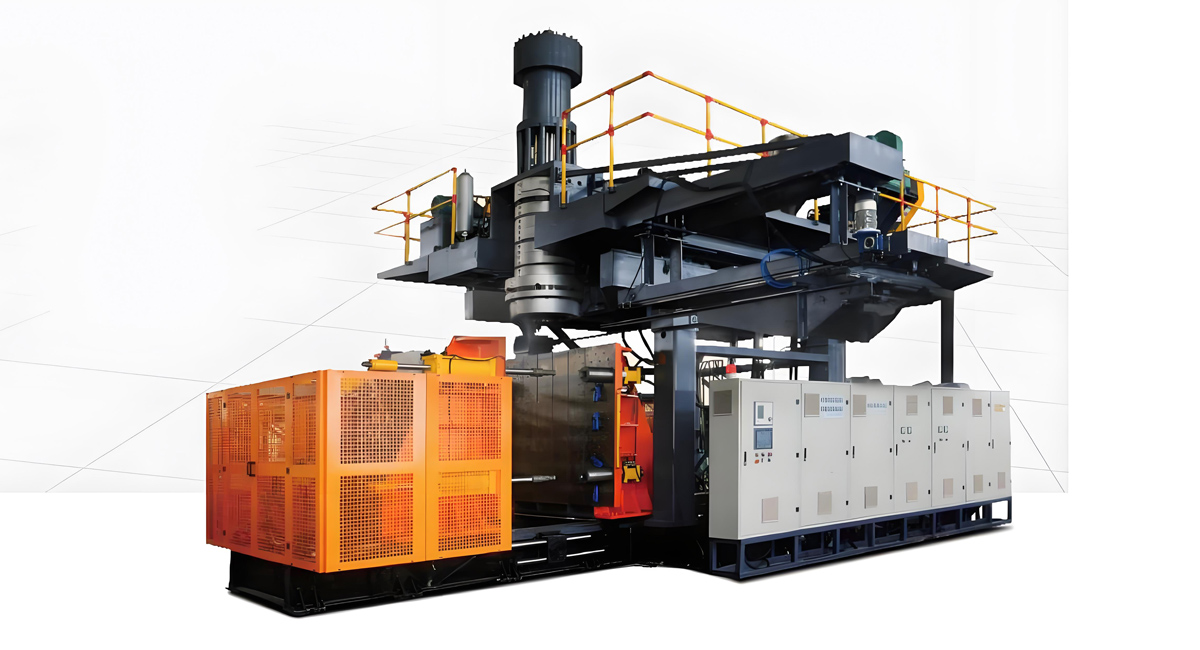
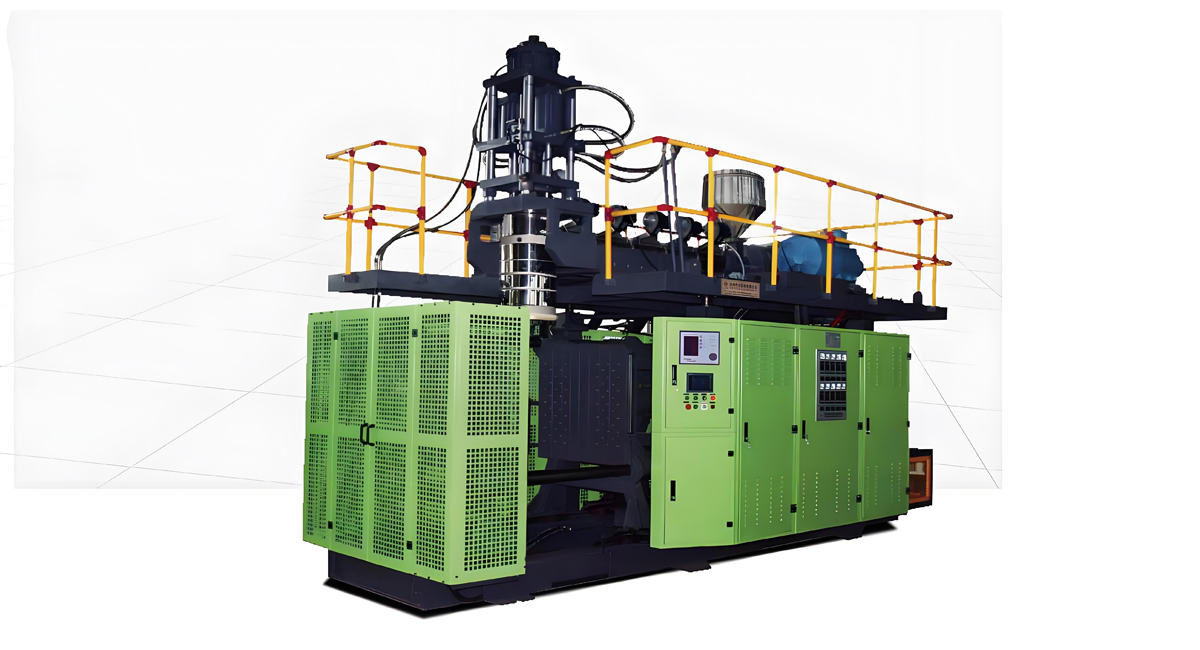
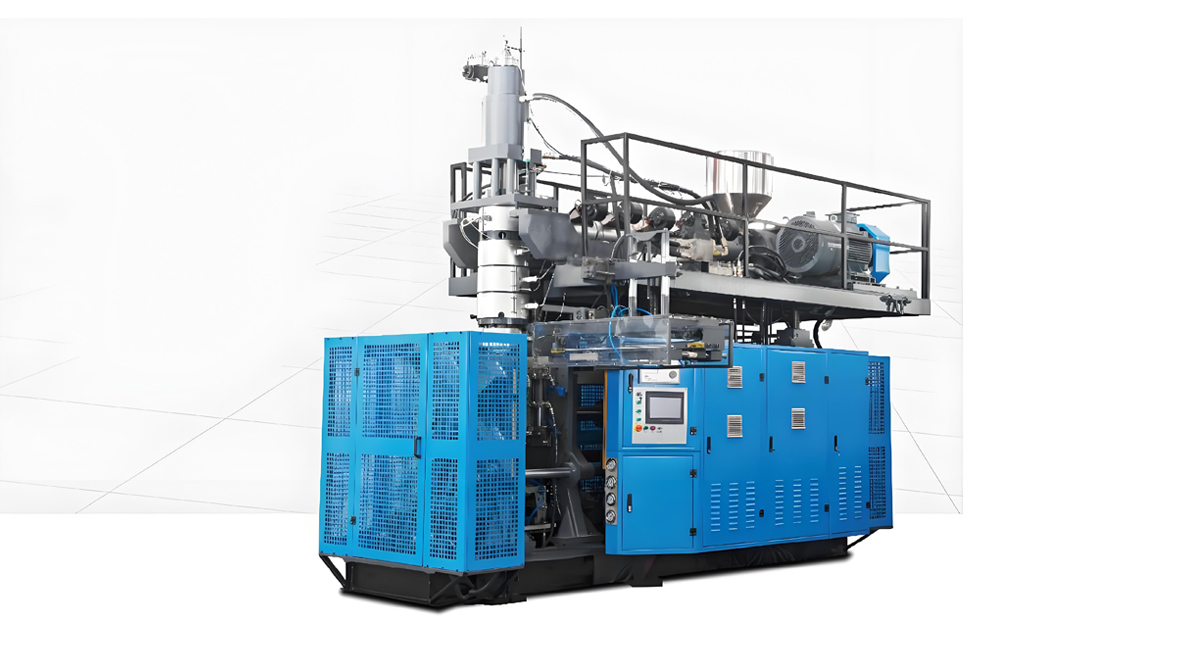
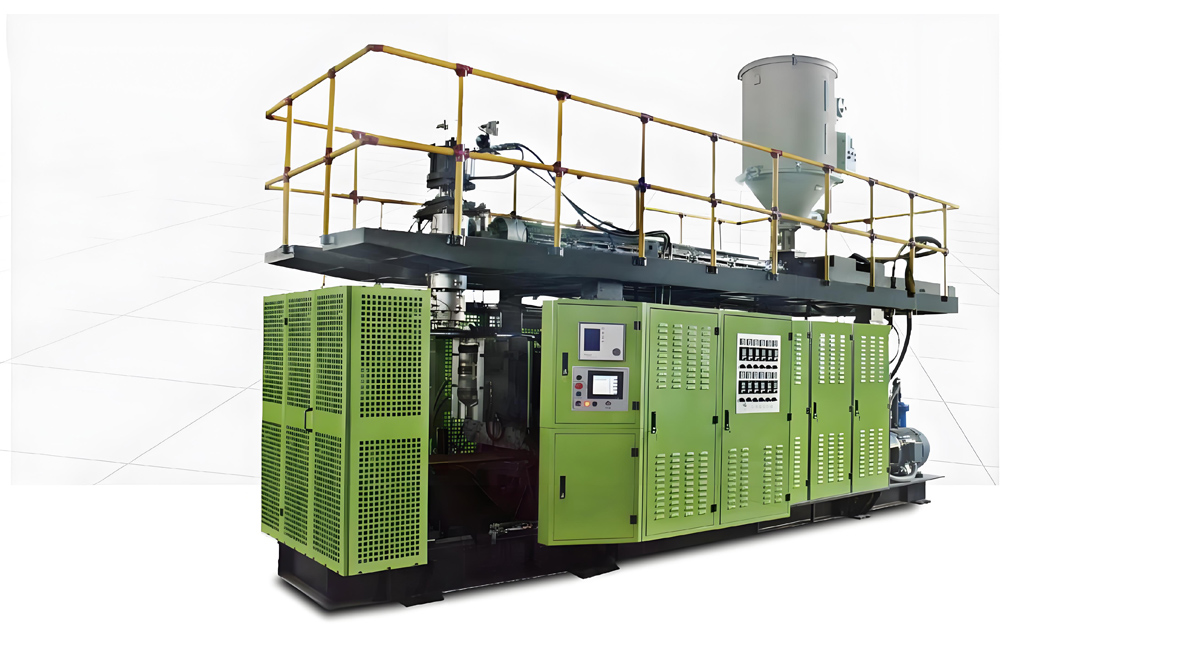
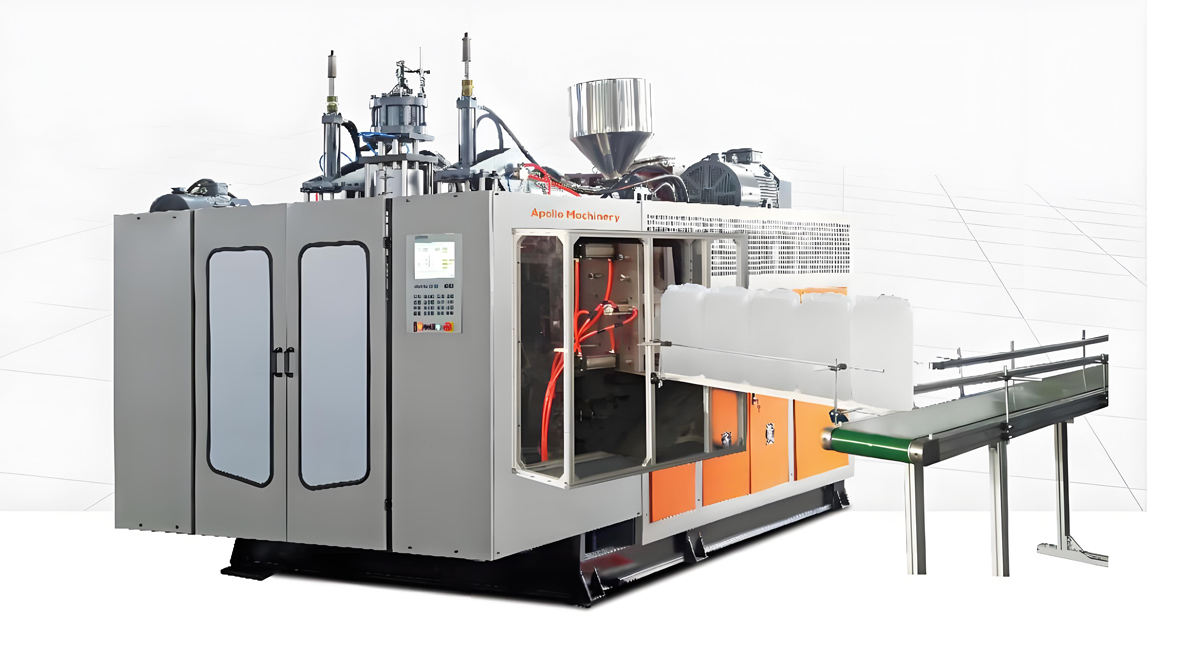
Selection and Price Analysis of Used Extrusion Blow Molding Machines
Apollo
I. Overview: Value and Applications of Used Extrusion Blow Molding Machines
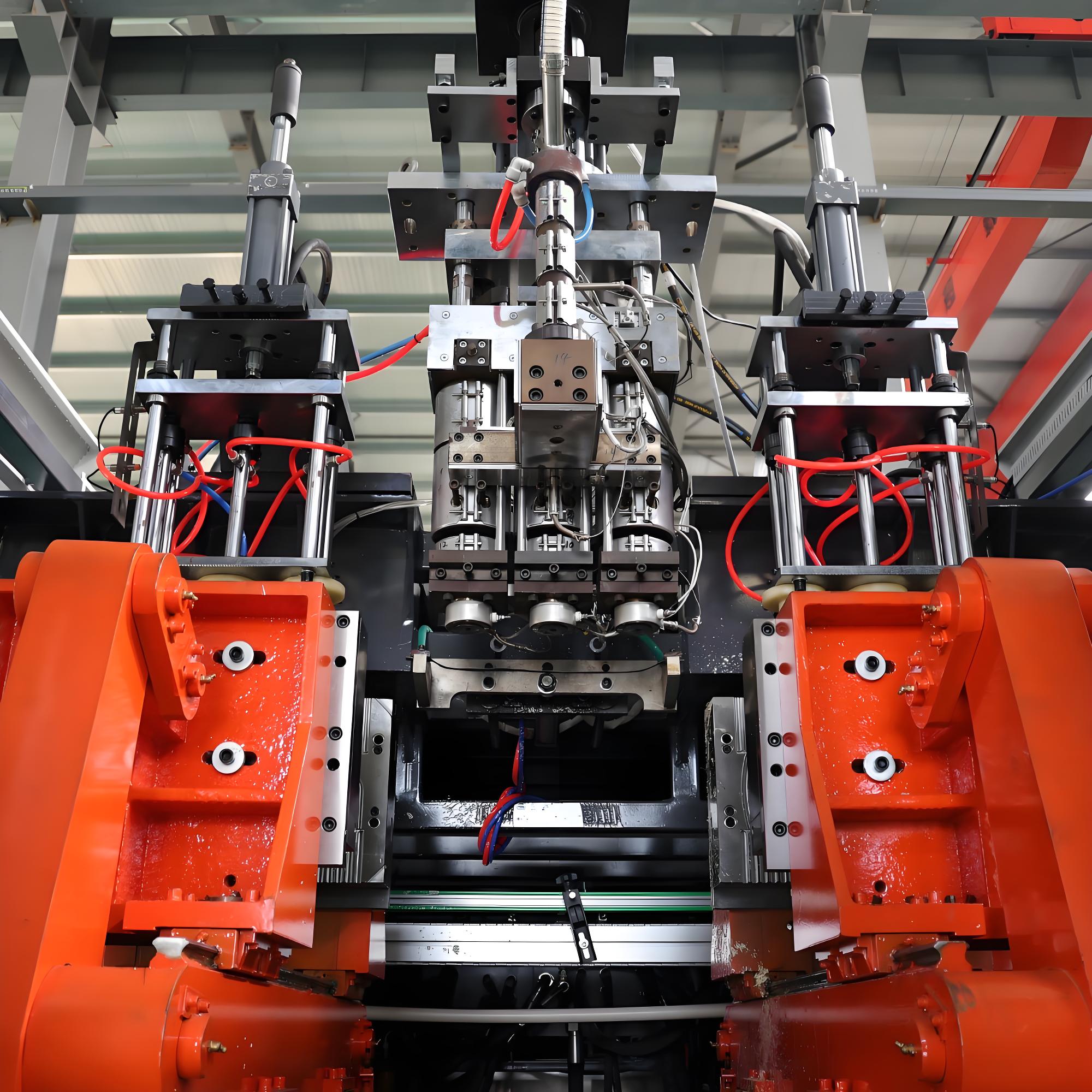
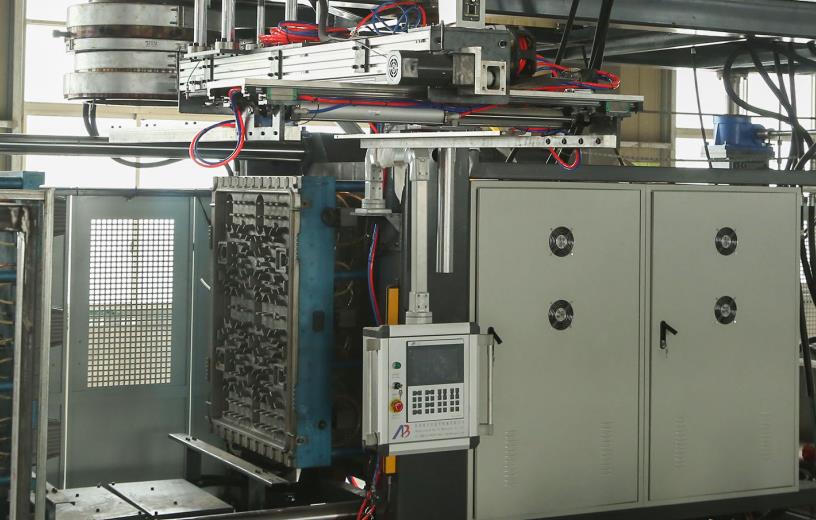
Extrusion blow molding machines are core equipment in the plastic processing industry, primarily used for producing various hollow plastic products such as bottles, buckets, cans, fuel tanks, and industrial containers. Used extrusion blow molding machines have become the preferred choice for small and medium-sized enterprises (SMEs) and startups due to their cost advantages (typically 30%-70% of the price of new machines), rapid commissioning, and flexible adaptability. They also provide large enterprises with an economical option for production line expansion or backup equipment.
II. Core Factors for Selecting Used Extrusion Blow Molding Machines
2.1 Clarify Application Requirements
Before selecting used equipment, it is crucial to precisely define production needs to avoid resource mismatch:
On-site Inspection: Check equipment condition, conduct test runs, and collect samples for quality evaluation
Price Negotiation: Negotiate based on equipment condition, market conditions, and maintenance costs (reserve 10%-15% negotiation space)
Transaction and Acceptance: Sign detailed contract (including equipment condition and warranty terms); conduct final acceptance test before payment and retain acceptance report
Installation and Commissioning: Ensure proper equipment installation, conduct production commissioning, and train operators
III. Price Analysis of Used Extrusion Blow Molding Machines: Influencing Factors and Market Trends
3.1 Weight Analysis of Price-influencing Factors
Influencing Factor
Weight
Influence Mechanism
Price Fluctuation Range
Equipment Condition
30%
Operating hours, maintenance records, appearance, and performance
±20%-30% (good vs. average condition)
Brand and Model
25%
International brand premium and equipment scarcity
+20%-25% (top-tier vs. second-tier brands)
Manufacturing Year
20%
Technological obsolescence and durability attenuation
-30%-40% (5-year-old vs. 10-year-old equipment)
Technical Configuration
15%
Automation level, control system, and special functions
+15%-20% (servo vs. hydraulic drive)
Market Supply and Demand
10%
Seasonal factors and industry prosperity
±5%-10% (peak vs. off-season)
3.2 2025 Market Price Ranges (USD)
1. Price Ranges by Specification
Equipment Specification
Applicable Products
Used Price Range
New Machine Reference Price
Used Discount Rate
Small Semi-automatic
Small bottles (≤5L), output ≤500kg/h
$3,500 – $11,600
$14,500 – $29,000
30%-40%
Medium Fully Automatic
Medium bottles/buckets (5L-200L), output 500-1,500kg/h
$11,600 – $43,500
$36,250 – $116,000
40%-50%
Large Industrial-grade
Large buckets (≥200L), multi-layer co-extrusion, special products
2. Price Cases by Brand (December 2025 Market Data)
Brand and Model
Specification
Year/Hours
Used Price
New Machine Reference Price
Discount Rate
Leshan Model 75
Screw 75mm, clamping force 50 tons
2020/12,000h
$31,900
$79,750
40%
Zhangjiagang Model 110
Screw 110mm, clamping force 120 tons
2019/18,000h
$43,500
$108,750
40%
Battenfeld
Screw 90mm, servo drive
2018/25,000h
$65,250
$174,000
37.5%
Jinming 3-layer Co-extrusion
Die head 150mm, multi-layer co-extrusion
2021/8,000h
$79,750
$199,375
40%
3.3 Price Fluctuation Rules and Trends
Seasonal Fluctuation: ±8% price fluctuation around Chinese New Year and mid-year promotions; 5%-10% price reduction in off-season (July-August)
Year Effect: Annual depreciation rate of approximately 10%-15%; depreciation slows for equipment over 5 years old
Supply and Demand Impact: Balanced supply and demand for general specifications (50-90mm screws) with stable prices; 10%-15% premium for special specifications (e.g., medical-grade)
Exchange Rate Impact: Imported used equipment affected by exchange rate fluctuations (±5% fluctuation range)
3.4 Used vs. New Machines: Cost-benefit Analysis
Cost Dimension
Used Equipment
New Equipment
Difference
Procurement Cost
30%-70% of new machine price
100%
30%-70% cost savings
Delivery Cycle
1-4 weeks
8-16 weeks
75%+ reduction
Investment Payback Period
6-12 months
18-36 months
66%+ reduction
Maintenance Cost
Slightly higher (10%-20%)
Low
Reserve maintenance budget for used equipment
Service Life
Remaining 5-10 years
15-20 years
Used equipment = ~2/3 service life of new machines
IV. Purchase Risks and Mitigation Strategies
4.1 Key Risk Points
Performance Risk: Actual capacity/precision inconsistent with claims, severe equipment aging
Maintenance Risk: Core components (screw/barrel/hydraulic pump) near service life, hidden faults
Compliance Risk: Non-compliance with latest environmental/safety standards, lack of key certifications
After-sales Risk: No warranty, difficulty in sourcing spare parts
4.2 Risk Mitigation Strategies
Professional Evaluation: Hire third-party institutions or industry experts for equipment inspection (cost: 2%-3% of equipment price)
Contract Protection: Clarify equipment condition, performance indicators, and warranty period (3-6 months recommended); reserve 10%-15% balance for payment after qualified acceptance
Spare Part Verification: Confirm availability and price of key spare parts (screws, heating coils, sensors)
Test Run Guarantee: Require 4-8 hours of continuous test run; produce samples for quality inspection
Reliable Sources: Prioritize equipment from formal distributors, leasing companies, or bankruptcy auctions; avoid unprotected personal transfers
V. Optimal Selection Plans for Used Extrusion Blow Molding Machines
5.1 Selection Recommendations for Different User Groups
1. Startups/Small-batch Production
Recommendation: Second-tier Chinese brands, 5-8 years old, 50-75mm screw diameter, hydraulic drive
Set budget ceiling; reserve 10% for maintenance and commissioning
Screen 3-5 equipment matching parameters and budget; compare brand, year, and operating hours
Prioritize equipment with ≤20,000 operating hours and no major repairs in the past 2 years
Conduct on-site test runs to produce samples; verify consistency between actual performance and claims
Negotiate reasonably based on equipment condition and market conditions; finalize the transaction
VI. Conclusion and Action Recommendations
Used extrusion blow molding machines are an ideal choice for plastic processing enterprises to reduce investment risks and expand production capacity rapidly. However, comprehensive technical evaluation and price analysis are required to avoid hidden costs. Key success factors include: precise matching of needs and equipment parameters, strict evaluation of equipment condition, reasonable price judgment, and establishment of a sound risk control mechanism.
Remember, the core of purchasing used equipment is not to pursue the lowest price, but to find the optimal balance between performance and price, ensuring the equipment can stably and efficiently meet production needs and create long-term value for the enterprise.
To provide the best experiences, we use technologies like cookies to store and/or access device information. Consenting to these technologies will allow us to process data such as browsing behavior or unique IDs on this site. Not consenting or withdrawing consent, may adversely affect certain features and functions.
Functional
Always active
The technical storage or access is strictly necessary for the legitimate purpose of enabling the use of a specific service explicitly requested by the subscriber or user, or for the sole purpose of carrying out the transmission of a communication over an electronic communications network.
Preferences
The technical storage or access is necessary for the legitimate purpose of storing preferences that are not requested by the subscriber or user.
Statistics
The technical storage or access that is used exclusively for statistical purposes.The technical storage or access that is used exclusively for anonymous statistical purposes. Without a subpoena, voluntary compliance on the part of your Internet Service Provider, or additional records from a third party, information stored or retrieved for this purpose alone cannot usually be used to identify you.
Marketing
The technical storage or access is required to create user profiles to send advertising, or to track the user on a website or across several websites for similar marketing purposes.