Introduction to EBM Machine Capacity Selection
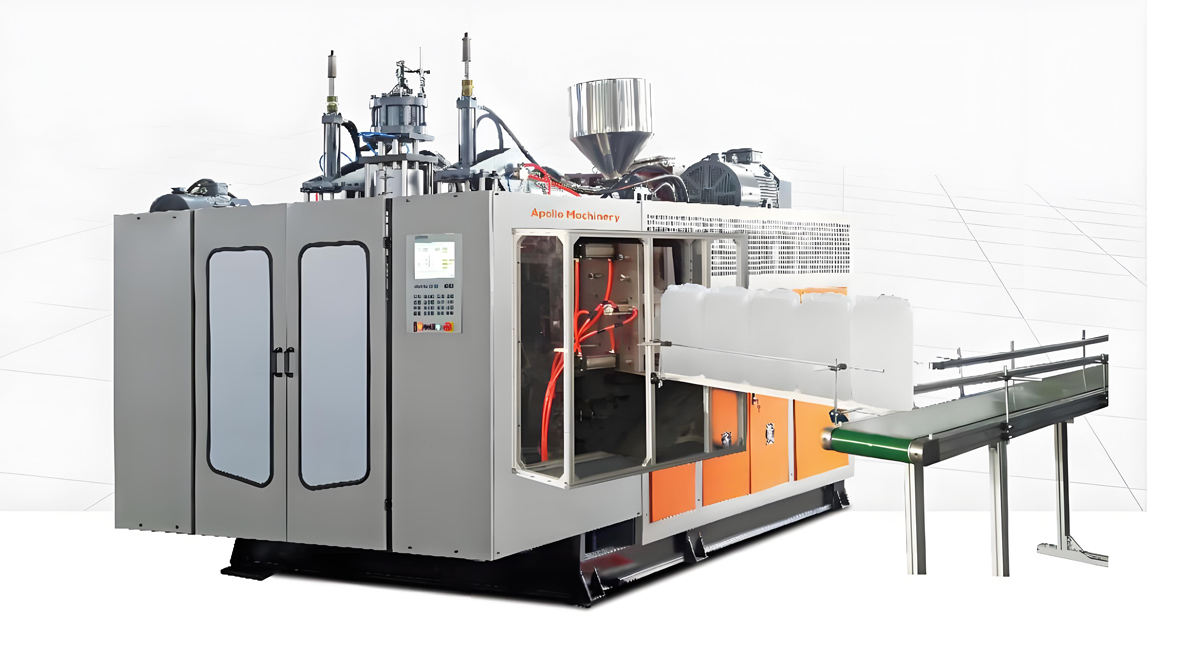
Extrusion blow molding (EBM) machines are essential equipment for producing hollow plastic products such as bottles, containers, tanks, and automotive components. When selecting an EBM machine, one of the most critical factors to consider is its capacity, which refers to the maximum volume of plastic that the machine can process per unit time. Choosing the right EBM machine capacity is crucial for ensuring that your plastic manufacturing operations are efficient, cost-effective, and able to meet the demands of your customers. Apollo offers a wide range of EBM machines with different capacities to meet the diverse needs of our customers.
Key Factors to Consider When Selecting EBM Machine Capacity
Production Volume Requirements
The first and most important factor to consider when selecting EBM machine capacity is your production volume requirements. You need to determine how many plastic products you need to produce per day, week, or month, and then choose a machine that can meet or exceed that volume. It is important to consider both your current production needs and any potential future growth, as investing in a machine with a higher capacity than you currently need can help you avoid having to upgrade your equipment in the near future.
Product Size and Shape
The size and shape of the plastic products you will be producing also play a significant role in determining the appropriate EBM machine capacity. Larger and more complex products typically require more plastic material and longer cycle times, which means you will need a machine with a higher capacity to meet your production volume requirements. On the other hand, smaller and simpler products can be produced more quickly and with less material, allowing you to use a machine with a lower capacity.
Material Type and Properties
The type and properties of the plastic material you will be using also affect the EBM machine capacity. Different plastic materials have different melting points, viscosities, and flow characteristics, which can impact the speed and efficiency of the extrusion blow molding process. For example, materials with higher melting points and viscosities may require more energy and longer cycle times to process, which means you will need a machine with a higher capacity to maintain your production volume. It is important to choose a machine that is compatible with the specific plastic material you will be using and that can handle its unique properties.
Production Cycle Time
The production cycle time is another important factor to consider when selecting EBM machine capacity. The cycle time refers to the total time it takes to produce one plastic product, including the time for extrusion, blowing, cooling, and ejection. A shorter cycle time means you can produce more products in a given period, which allows you to use a machine with a lower capacity to meet your production volume requirements. However, it is important to balance the cycle time with the quality of the product, as reducing the cycle time too much can lead to defects and reduced product quality.
Automation Level
The level of automation in your EBM machine can also affect its capacity. Fully automated machines typically have higher capacities than semi-automated or manual machines, as they can operate continuously without the need for human intervention. Automated machines also offer greater precision and consistency, which can help to improve product quality and reduce waste. However, automated machines are usually more expensive than semi-automated or manual machines, so you need to consider your budget and production requirements when deciding on the level of automation.
Apollo’s EBM Machine Capacity Range
ABLB Series (200ML-20L)
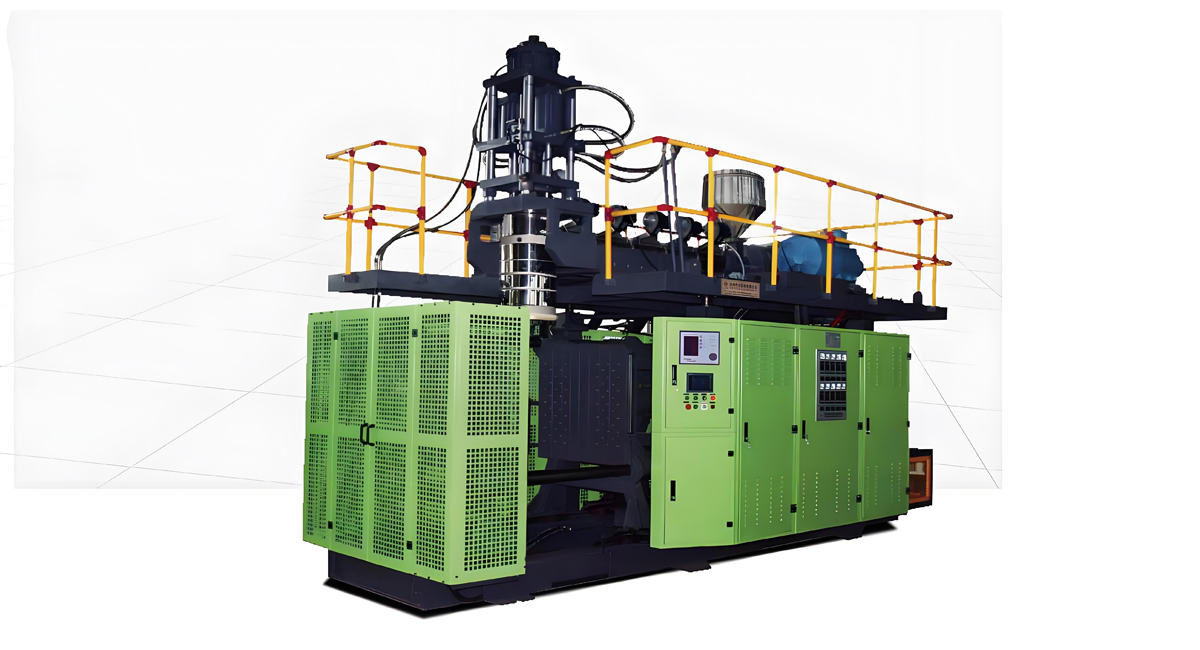
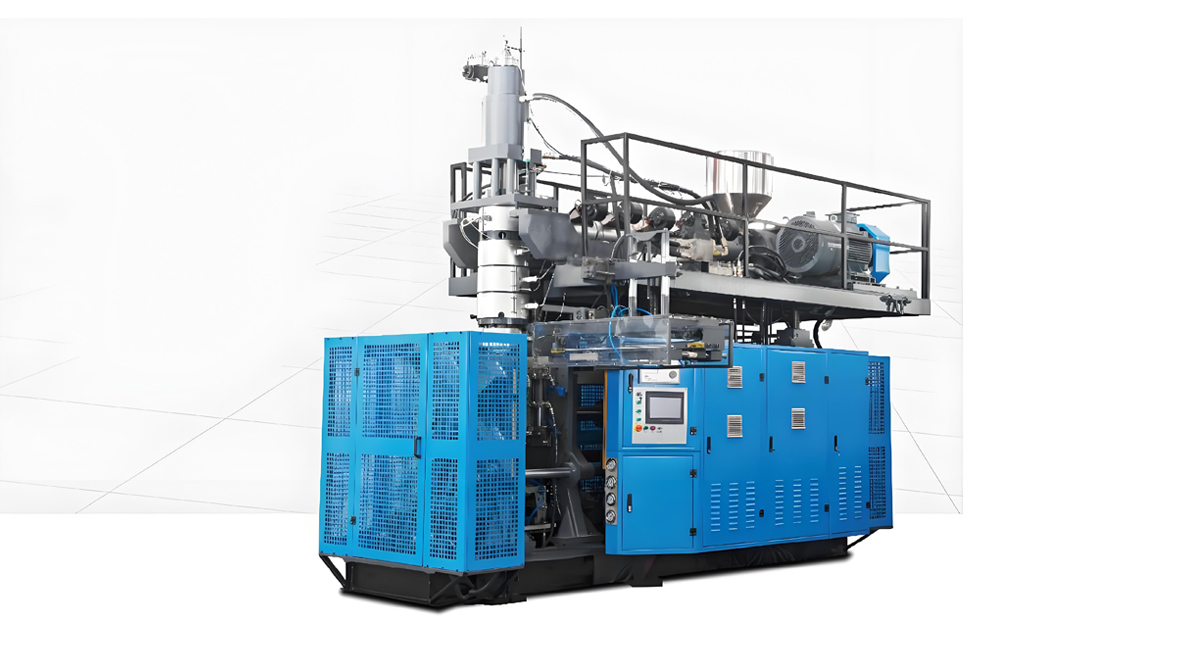
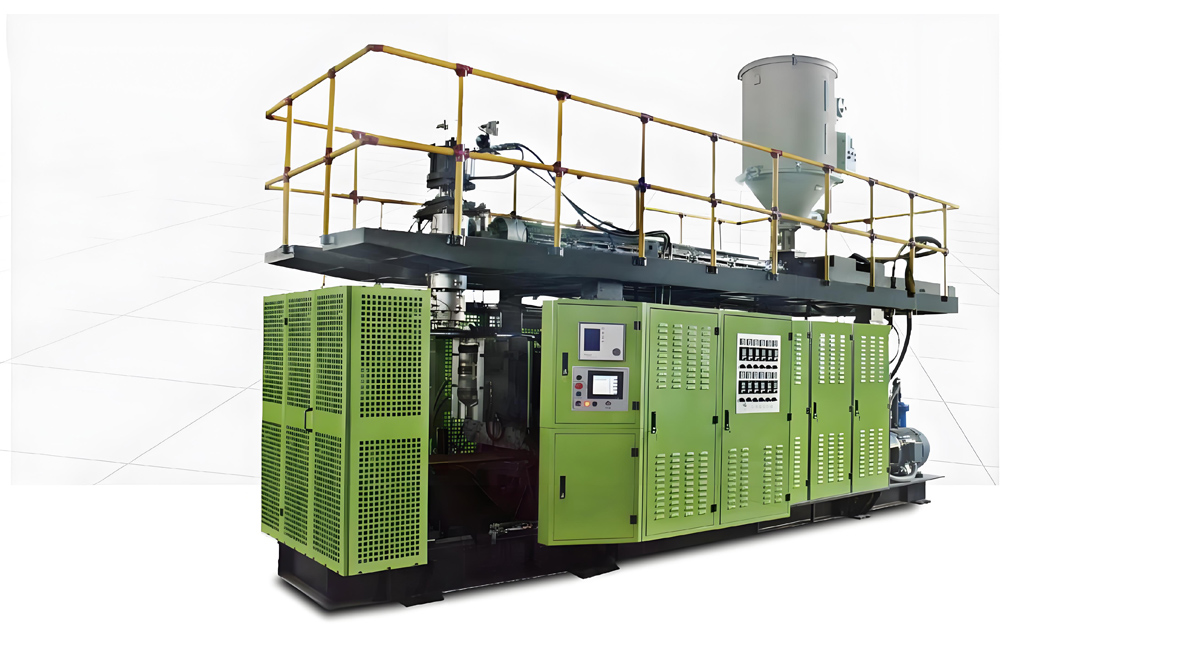
Apollo’s ABLB series EBM machines are designed for producing small to medium-sized plastic products with capacities ranging from 200 milliliters to 20 liters. These machines are ideal for applications such as packaging for food and beverage, cosmetics, pharmaceuticals, and household chemicals. The ABLB series machines feature a compact design, high precision extrusion system, and advanced control system, making them an excellent choice for small to medium-sized production facilities.
ABLD Series (20L-1500L)
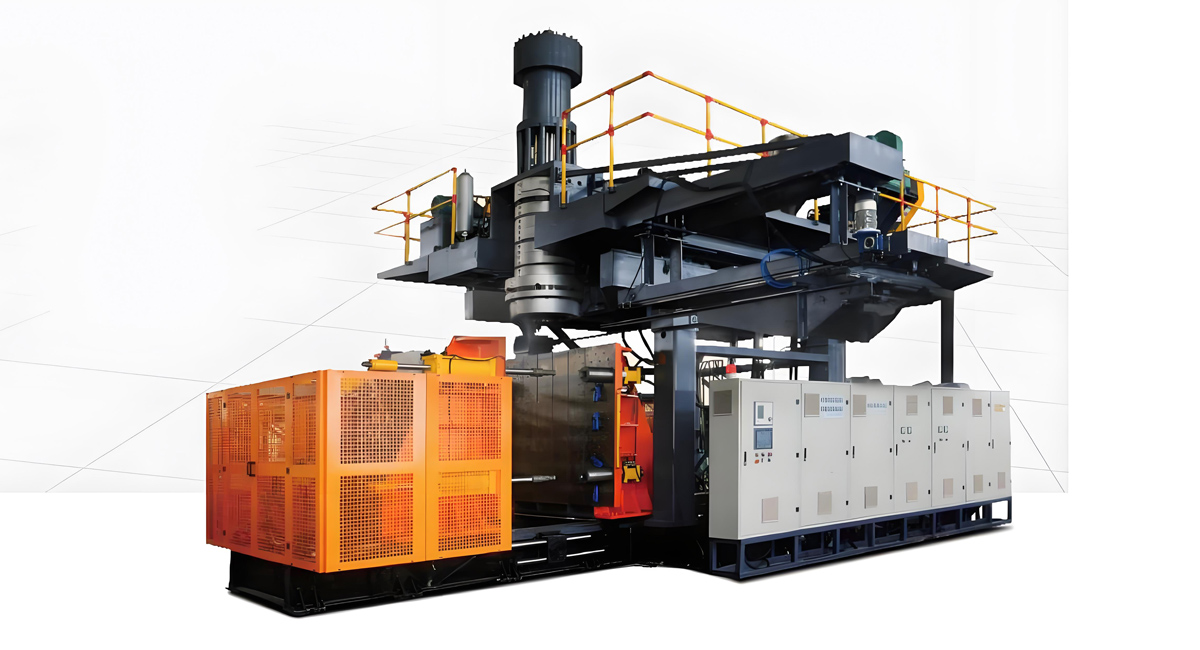
The ABLD series EBM machines are designed for producing large-sized plastic products with capacities ranging from 20 liters to 1500 liters. These machines are commonly used in industries such as chemical, oil and gas, and construction for producing storage tanks, drums, and other large containers. The ABLD series machines feature a heavy-duty clamping system, high capacity extrusion system, and robust construction, ensuring reliable performance even in demanding production environments.
Fully Electric Series (200ML-20L)
Apollo’s Fully Electric series EBM machines offer a combination of high precision, efficiency, and environmental friendliness. These machines use servo motors instead of hydraulic systems, resulting in lower energy consumption, reduced noise, and improved precision. The Fully Electric series machines are suitable for producing small to medium-sized plastic products with high quality requirements, such as medical devices, automotive components, and high-end packaging.
How to Determine the Right EBM Machine Capacity for Your Needs
Step 1: Calculate Your Production Volume Requirements
The first step in determining the right EBM machine capacity is to calculate your production volume requirements. You need to know how many plastic products you need to produce per day, week, or month, and then convert that into a volume per hour or minute. For example, if you need to produce 10,000 bottles per day and each bottle has a capacity of 1 liter, you will need to produce 10,000 liters per day. If your production runs for 8 hours per day, you will need to produce 1,250 liters per hour.
Step 2: Consider the Cycle Time
Next, you need to consider the cycle time for producing each plastic product. The cycle time depends on several factors such as the size and shape of the product, the material type, and the level of automation. You can estimate the cycle time by referring to the machine’s specifications or by conducting a test run with a sample product. Once you know the cycle time, you can calculate the number of products you can produce per hour or minute.
Step 3: Determine the Required Capacity
After calculating your production volume requirements and considering the cycle time, you can determine the required capacity of the EBM machine. The capacity is typically measured in kilograms per hour (kg/h) or liters per hour (L/h), depending on the material type and product size. You need to choose a machine with a capacity that is equal to or greater than your required capacity to ensure that you can meet your production volume requirements.
Step 4: Evaluate Machine Specifications and Features
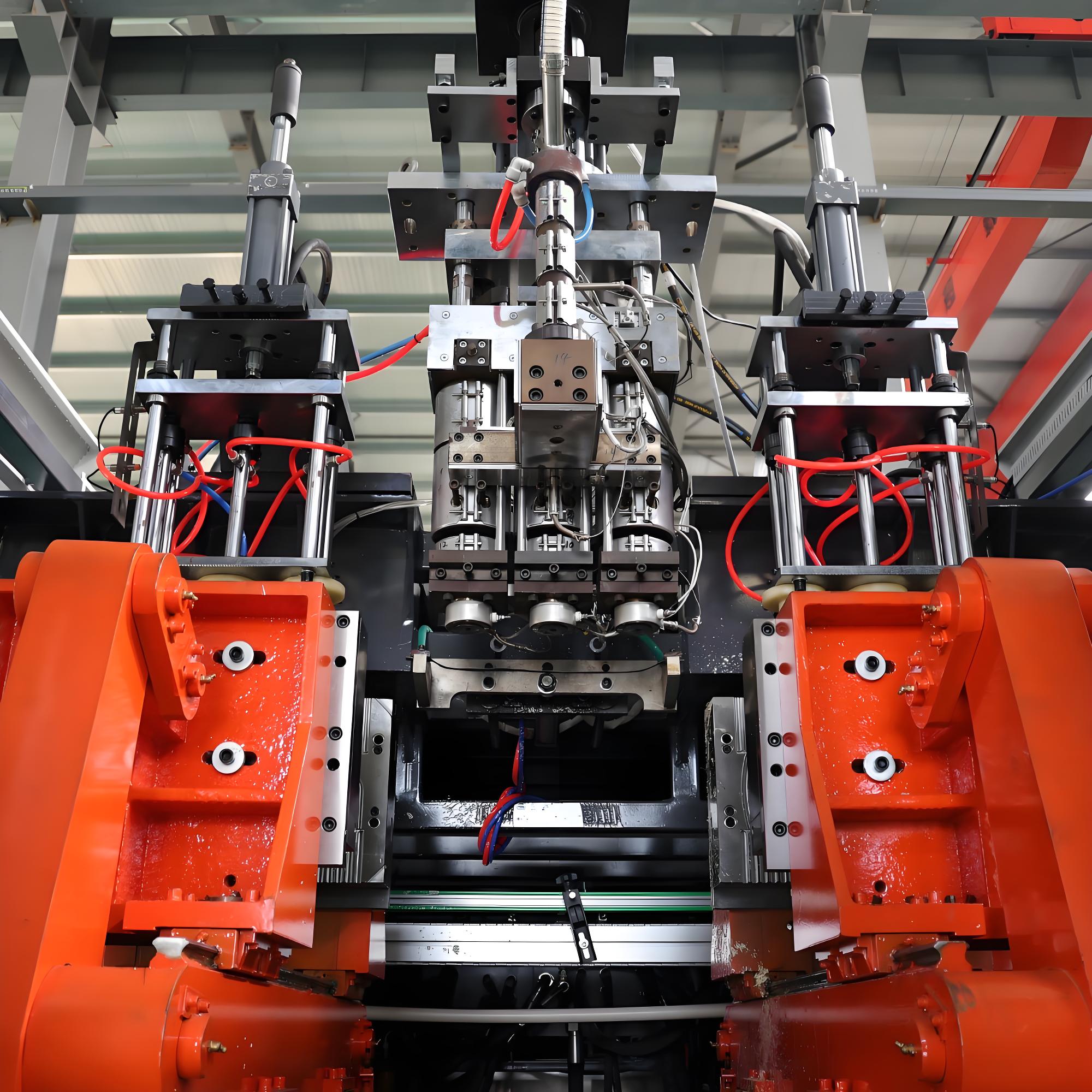
Once you have determined the required capacity, you need to evaluate the specifications and features of different EBM machines to find the one that best meets your needs. You should consider factors such as the machine’s extrusion system, clamping system, control system, automation level, and energy efficiency. You should also look for machines that are compatible with the specific plastic material you will be using and that offer the features and capabilities you need to produce high-quality products.
Step 5: Consider Total Cost of Ownership
Finally, you need to consider the total cost of ownership of the EBM machine, including the initial purchase price, operating costs, maintenance costs, and downtime costs. Apollo’s EBM machines are designed to be cost effective, with low operating costs and minimal maintenance requirements. Our machines also have a long service life, reducing the need for frequent replacements and further lowering the total cost of ownership.
Conclusion
Selecting the right EBM machine capacity is crucial for ensuring that your plastic manufacturing operations are efficient, cost-effective, and able to meet the demands of your customers. By considering factors such as production volume requirements, product size and shape, material type and properties, production cycle time, and automation level, you can determine the appropriate capacity for your needs. Apollo offers a wide range of EBM machines with different capacities to meet the diverse needs of our customers, from small to medium-sized production facilities to large-scale manufacturing operations. With our high-quality machines and comprehensive after-sales service, you can trust Apollo to provide you with the right EBM machine for your plastic manufacturing needs.