
Introduction
The global manufacturing industry is undergoing a significant transformation as companies embrace the concepts of Industry 4.0 and smart factory technologies. At the heart of this transformation is the integration of advanced digital systems with physical manufacturing processes, enabling greater efficiency, flexibility, and productivity. One key area where this integration is having a profound impact is in the operation of extrusion blow molding machines, where touch screen interfaces are replacing traditional control panels to provide smarter, more intuitive operation.
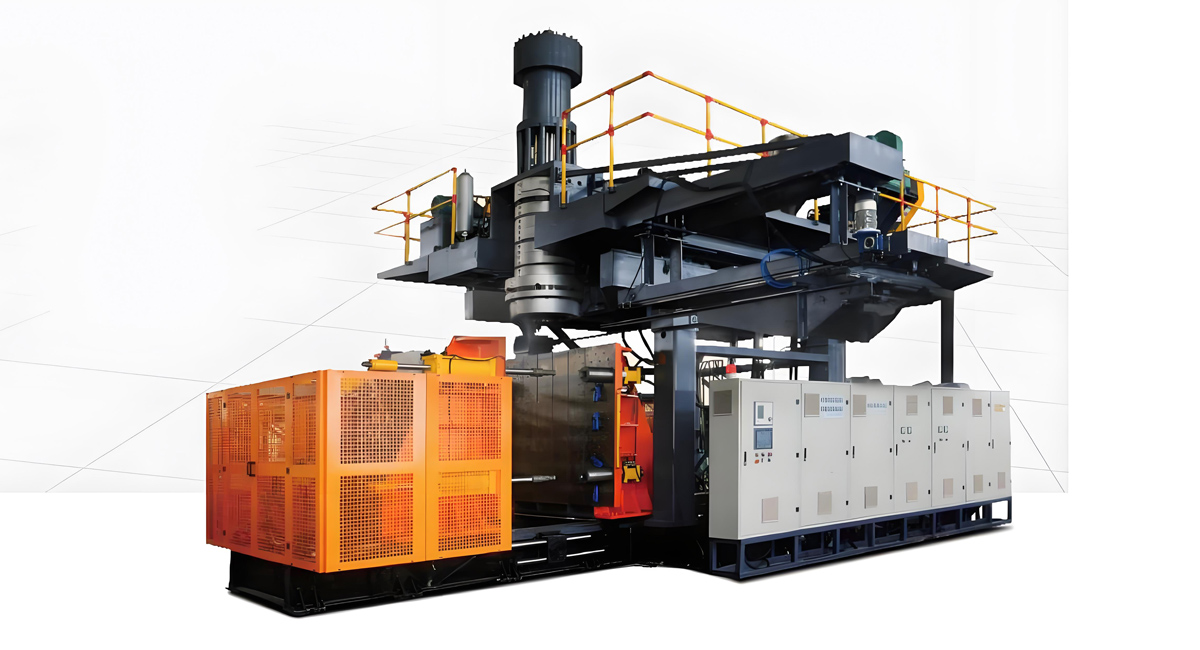
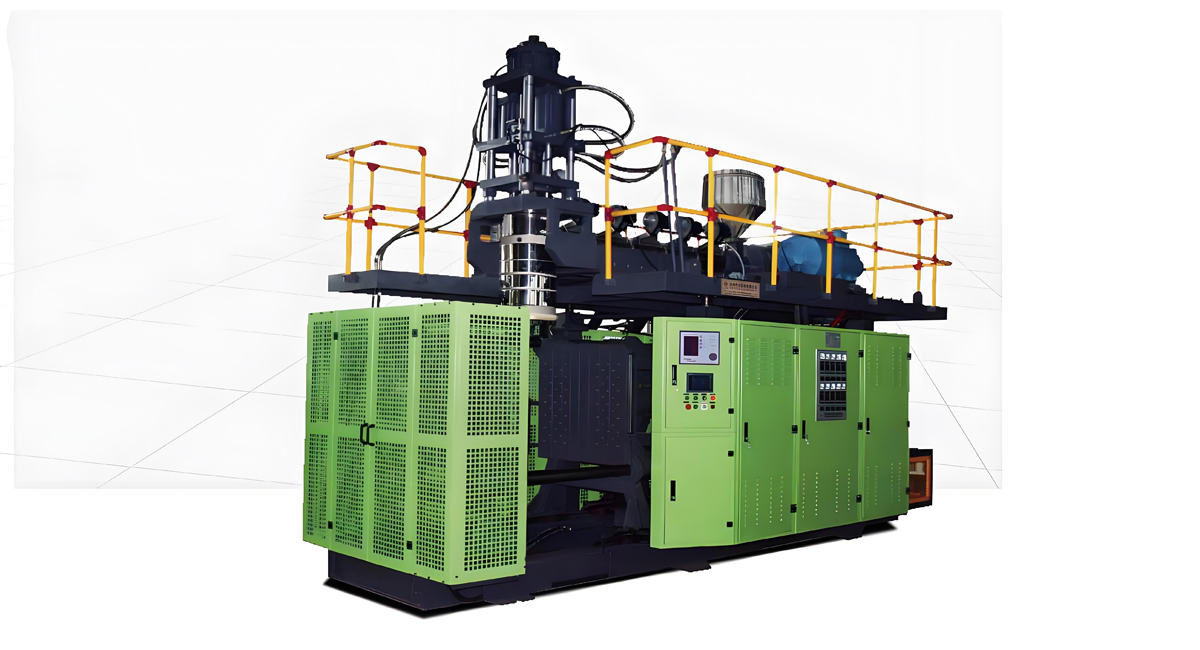
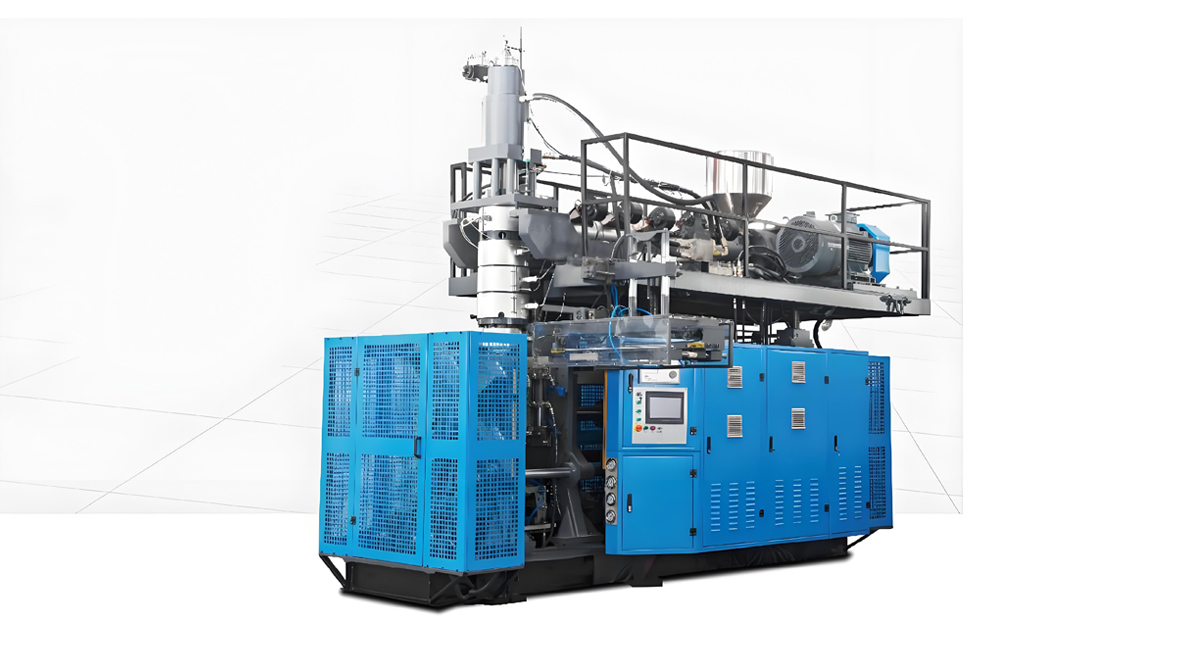
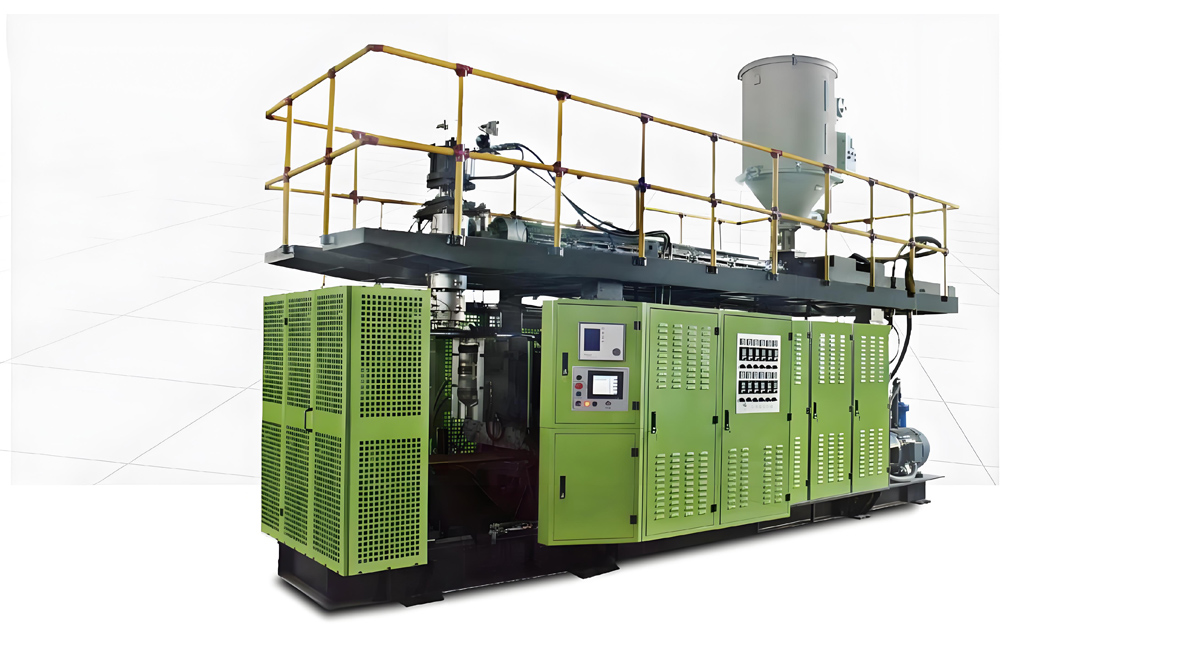
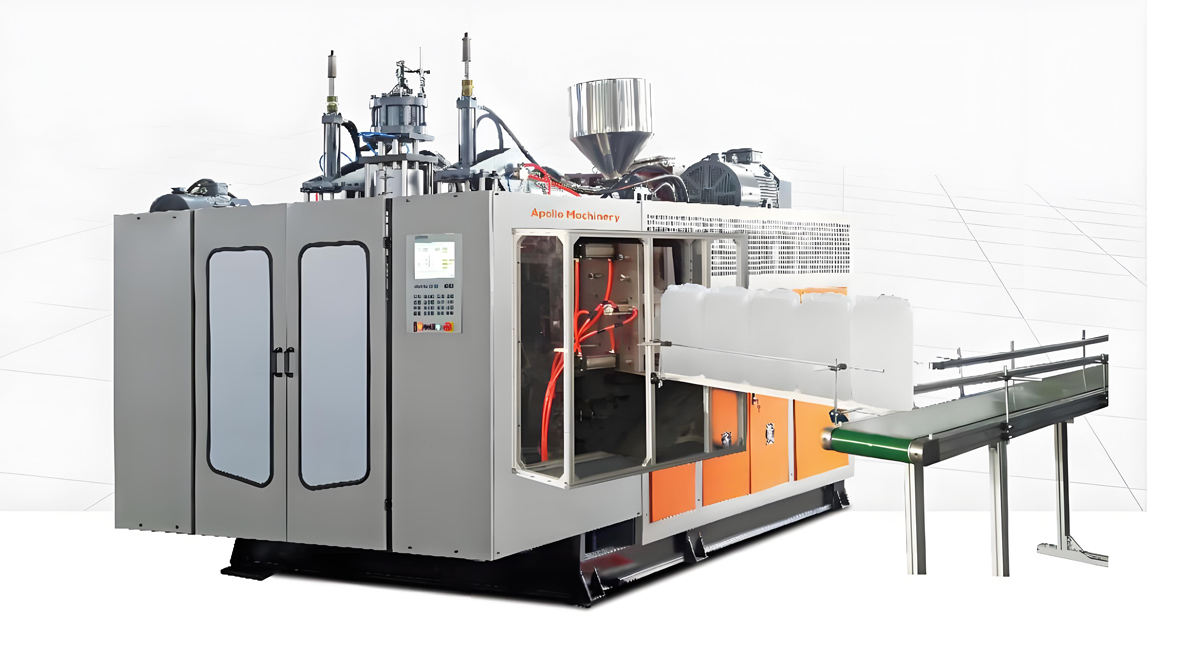
Apollo, a leading manufacturer of extrusion blow molding machines, has been at the forefront of this technological revolution, developing a range of machines equipped with advanced touch screen interfaces that offer unprecedented levels of control and monitoring. In this article, we will explore the benefits of touch screen operation in extrusion blow molding machines, examine the key features of Apollo’s smart solutions, and discuss how these technologies are shaping the future of manufacturing.
1. Evolution of Machine Control Systems
The history of machine control systems in extrusion blow molding has seen a remarkable evolution from manual levers and dials to sophisticated digital interfaces. In the early days of blow molding technology, operators relied entirely on manual adjustments to control temperature, pressure, and other critical parameters. This required extensive training and experience to achieve consistent results, and production efficiency was often limited by the skill level of individual operators.
The introduction of electronic control systems in the 1980s and 1990s brought significant improvements in machine control and repeatability. These systems used digital displays and push-button interfaces to provide operators with more precise control over machine parameters. However, these early electronic systems were often complex and required operators to navigate through multiple layers of menus to access different functions, making them less intuitive and more time-consuming to use.
The advent of touch screen technology in the 2000s marked a major turning point in machine control interface design. Touch screens offer a more intuitive and user-friendly way to interact with machine control systems, allowing operators to access functions and adjust parameters with simple taps and swipes. This has significantly reduced the learning curve for new operators and has made machine operation more efficient and less prone to errors.
2. Key Features of Apollo Touch Screen Interfaces
Apollo has developed a range of touch screen interfaces for its extrusion blow molding machines that are designed to provide operators with a comprehensive set of tools for controlling and monitoring production processes. These interfaces incorporate several key features that set them apart from traditional control systems:
2.1 User-Friendly Interface Design
Apollo’s touch screen interfaces feature a clean, intuitive design that allows operators to quickly access the functions they need without navigating through complex menus. The main screen provides a clear overview of the machine’s current status, including key production parameters such as temperature, pressure, and cycle time. Operators can easily switch between different screens to access specific functions, such as parameter adjustment, production data monitoring, and maintenance settings.
2.2 Real-Time Production Monitoring
One of the most significant benefits of touch screen operation is the ability to monitor production processes in real time. Apollo’s interfaces provide operators with detailed information about the current state of production, including data on cycle count, production speed, and material consumption. This information is presented in an easy-to-understand format, often using graphs and charts to visualize trends over time.
Real-time monitoring allows operators to quickly identify and address any issues that may arise during production, such as deviations from target parameters or equipment malfunctions. This can help to minimize downtime and reduce the risk of producing defective parts.
2.3 Advanced Parameter Control and Optimization
Apollo’s touch screen interfaces provide operators with precise control over a wide range of machine parameters, including temperature, pressure, and cycle time. The interfaces allow operators to easily adjust these parameters to optimize production for specific materials and product designs.
Many Apollo machines also include advanced optimization features that automatically adjust parameters to minimize material waste, reduce energy consumption, and improve product quality. These features can help manufacturers to achieve significant cost savings and improve their overall production efficiency.
2.4 Data Logging and Analysis Capabilities
Apollo’s touch screen interfaces include powerful data logging and analysis capabilities that allow manufacturers to collect and analyze production data over time. This data can be used to identify trends and patterns in production performance, such as variations in cycle time or quality issues, and to develop strategies for continuous improvement.
The interfaces allow operators to export data in various formats, such as CSV or Excel, for further analysis using specialized software. This can help manufacturers to gain deeper insights into their production processes and make more informed decisions about process optimization and equipment maintenance.
3. Smart Operation Benefits for Factories
The adoption of touch screen extrusion blow molding machines offers numerous benefits for factories looking to improve their production efficiency and competitiveness. These benefits include:
3.1 Reduced Operator Training Time
Touch screen interfaces are generally more intuitive and easier to use than traditional control panels, which means new operators can learn how to operate the machines more quickly. This can help to reduce training costs and minimize the time required to bring new operators up to speed.
In addition, Apollo’s touch screen interfaces often include built-in tutorials and help functions that provide operators with guidance on how to perform specific tasks. This can be particularly useful for less experienced operators who may need additional support to operate the machines effectively.
3.2 Increased Production Efficiency
The ability to quickly access functions and adjust parameters using touch screen interfaces can help to reduce setup and changeover times between production runs. This means manufacturers can switch between different products and production tasks more quickly, improving their overall production efficiency.
In addition, the real-time monitoring capabilities of touch screen interfaces allow operators to identify and address production issues more quickly, reducing downtime and improving the overall availability of the machines.
3.3 Improved Product Quality Consistency
Touch screen interfaces provide operators with precise control over machine parameters, which can help to ensure consistent product quality across production runs. The interfaces also allow operators to easily save and recall production settings for different products, which can help to minimize variations in product quality when switching between different production tasks.
Many Apollo machines also include advanced quality control features that automatically detect and reject defective parts during production. This can help to reduce waste and ensure that only high-quality parts are shipped to customers.
3.4 Remote Monitoring and Diagnostics
Many of Apollo’s touch screen interfaces include remote monitoring and diagnostics capabilities that allow technicians to monitor machine status and perform troubleshooting tasks from a remote location. This can help to reduce the time required to diagnose and resolve equipment issues, minimizing downtime and improving overall equipment effectiveness.
In addition, remote monitoring capabilities can help manufacturers to implement predictive maintenance strategies, which involve monitoring machine performance data to identify potential issues before they cause equipment failures. This can help to reduce maintenance costs and improve the overall reliability of the machines.
4. Integration with Factory Automation Systems
Apollo’s touch screen extrusion blow molding machines can be integrated with a wide range of factory automation systems, including ERP (Enterprise Resource Planning) and MES (Manufacturing Execution System) systems. This integration can help manufacturers to achieve greater visibility and control over their production processes, as well as to optimize the flow of information and materials throughout the factory.
4.1 Connectivity with ERP and MES Systems
Integration with ERP and MES systems allows manufacturers to link production data with other critical business information, such as inventory levels, customer orders, and production planning. This can help to improve production scheduling and ensure that the right products are produced at the right time.
In addition, connectivity with ERP and MES systems allows manufacturers to track production costs in real time, which can help to identify areas where costs can be reduced and to improve overall profitability.
4.2 Data Sharing for Production Planning
The integration of touch screen extrusion blow molding machines with factory automation systems enables manufacturers to share production data with other departments, such as production planning and quality control. This can help to ensure that all departments have access to the information they need to make informed decisions and to coordinate their activities effectively.
For example, production planning departments can use real-time production data from the machines to adjust production schedules based on actual production rates and equipment availability. Quality control departments can use production data to identify trends in product quality and to develop strategies for improving product quality over time.
4.3 Predictive Maintenance Capabilities
Integration with factory automation systems also enables manufacturers to implement predictive maintenance strategies for their extrusion blow molding machines. This involves using real-time machine data to identify potential issues before they cause equipment failures, allowing maintenance technicians to perform maintenance tasks proactively.
Predictive maintenance can help to reduce unplanned downtime and maintenance costs, as well as to improve the overall reliability and lifespan of the machines. It also allows manufacturers to schedule maintenance tasks during periods of low production demand, minimizing the impact of maintenance on overall production efficiency.
5. Case Studies: Smart Factory Implementations
Several manufacturers have already implemented Apollo’s touch screen extrusion blow molding machines as part of their smart factory initiatives, with impressive results. Here are a few examples:
5.1 High-Volume Detergent Bottle Production
A large detergent manufacturer in Europe was facing challenges with its production efficiency and product quality due to the complexity of its production processes and the high volume of parts being produced. The company decided to invest in a new production line using Apollo’s ABLB series extrusion blow molding machines with touch screen interfaces.
The implementation of the new production line with touch screen interfaces has helped the manufacturer to achieve significant improvements in production efficiency and product quality. The touch screen interfaces have made it easier for operators to monitor and control the production process, reducing setup times and minimizing the risk of errors. In addition, the real-time monitoring capabilities have allowed the manufacturer to quickly identify and address production issues, reducing downtime and improving overall equipment effectiveness.
5.2 Automotive Component Manufacturing with Real-Time Monitoring
A leading automotive component manufacturer in North America was looking to improve the quality and consistency of its air duct production processes. The company decided to invest in Apollo’s ABLD series extrusion blow molding machines with advanced touch screen interfaces.
The touch screen interfaces have provided the manufacturer with detailed real-time data on the production process, allowing operators to quickly identify and address any issues that may arise. This has helped to improve the quality and consistency of the air ducts produced, reducing the number of defective parts and improving customer satisfaction.
In addition, the integration of the machines with the manufacturer’s MES system has allowed the company to track production costs in real time, identifying areas where costs can be reduced and improving overall profitability.
6. Future of Smart Extrusion Blow Molding
The future of extrusion blow molding is likely to be characterized by continued advancements in digital technology and machine learning. These advancements are expected to further improve the performance and capabilities of extrusion blow molding machines, making them even more efficient, flexible, and intelligent.
6.1 AI-Powered Predictive Process Control
One of the most promising areas of development is the integration of artificial intelligence (AI) and machine learning algorithms into extrusion blow molding machine control systems. These algorithms can analyze large amounts of production data to identify patterns and trends that may not be immediately apparent to human operators.
AI-powered predictive process control systems can use this information to automatically adjust machine parameters to optimize production for specific materials and product designs. This can help to minimize material waste, reduce energy consumption, and improve product quality.
6.2 Integration with Industrial IoT Networks
Another key trend in smart extrusion blow molding is the integration of machines with industrial IoT networks. This allows manufacturers to connect their machines with other devices and systems throughout the factory, creating a fully connected and integrated production environment.
Integration with industrial IoT networks enables manufacturers to collect and analyze data from multiple sources, including machine performance data, sensor data, and production data. This can help to identify inefficiencies in production processes and to develop strategies for improving overall production efficiency.
6.3 Augmented Reality Support for Machine Operation
The use of augmented reality (AR) technology is also likely to become more common in extrusion blow molding machine operation. AR technology can overlay digital information onto the physical world, providing operators with real-time guidance and information about machine operation and maintenance.
For example, AR technology can provide operators with step-by-step instructions for performing maintenance tasks, or it can display real-time data about machine performance directly on the machine itself. This can help to reduce the time required to perform complex tasks and to minimize the risk of errors.
Conclusion
Touch screen extrusion blow molding machines offer a range of benefits for manufacturers looking to improve their production efficiency and competitiveness. Apollo’s touch screen interfaces provide operators with a comprehensive set of tools for controlling and monitoring production processes, while also offering advanced features such as real-time production monitoring, data logging and analysis, and remote monitoring and diagnostics.
The integration of touch screen extrusion blow molding machines with factory automation systems can help manufacturers to achieve greater visibility and control over their production processes, as well as to optimize the flow of information and materials throughout the factory. As digital technology continues to advance, we can expect to see further improvements in the performance and capabilities of extrusion blow molding machines, making them even more efficient, flexible, and intelligent.
If you’re looking to improve your production efficiency and competitiveness, consider investing in Apollo’s touch screen extrusion blow molding machines. These machines offer a range of benefits that can help you to achieve your production goals and to stay ahead of the competition.