Introduction to Extrusion Blow Molding Machines for Pharmaceutical Containers
Extrusion blow molding machines are commonly used in the production of pharmaceutical containers, such as bottles, vials, and syringes. These machines are designed to produce high-quality, sterile containers that meet the strict requirements of the pharmaceutical industry. In this article, we will discuss the importance of GMP compliance in the production of pharmaceutical containers and how extrusion blow molding machines can be designed and operated to meet these requirements.
What is GMP Compliance?
GMP (Good Manufacturing Practice) compliance refers to the adherence to a set of regulations and guidelines that ensure the quality, safety, and efficacy of pharmaceutical products. GMP regulations cover all aspects of the production process, including the design and construction of production facilities, the qualification and validation of equipment, the training of personnel, the control of materials and products, and the documentation of production activities. Compliance with GMP regulations is essential for pharmaceutical companies to ensure that their products are safe and effective for use by patients.
The Role of Extrusion Blow Molding Machines in Pharmaceutical Container Production
Extrusion blow molding machines play a critical role in the production of pharmaceutical containers. These machines are used to shape molten plastic into hollow containers, which are then used to store and transport pharmaceutical products. The quality and integrity of the containers are essential for ensuring the safety and efficacy of the pharmaceutical products they hold. Extrusion blow molding machines must be designed and operated to meet the strict requirements of GMP compliance to ensure that the containers are sterile, free from contaminants, and of consistent quality.
Key Features of GMP-Compliant Extrusion Blow Molding Machines
GMP-compliant extrusion blow molding machines must have several key features to ensure that they meet the strict requirements of the pharmaceutical industry. Some of the most important features include:
Sterilization Capabilities
The machine must be capable of being sterilized to ensure that the containers produced are free from contaminants. This includes the use of sterile air and water in the production process, as well as the use of materials and components that can withstand sterilization processes, such as autoclaving or gamma irradiation.
Cleanroom Compatibility
The machine must be designed to be used in a cleanroom environment, where the air quality and temperature are controlled to minimize the risk of contamination. This includes the use of materials and components that do not generate particles or contaminants, as well as the use of systems to maintain the cleanliness of the machine and the surrounding environment.
Traceability
The machine must be capable of tracking and documenting all aspects of the production process, including the materials used, the production parameters, and the quality of the containers produced. This information must be stored in a secure, retrievable format to ensure that the production process can be audited and verified for compliance with GMP regulations.
Validation and Qualification
The machine must be validated and qualified to ensure that it meets the specific requirements of the pharmaceutical industry. This includes the performance of validation tests to verify that the machine is capable of producing containers that meet the required quality standards, as well as the qualification of the machine for use in a specific production environment.
Apollo Extrusion Blow Molding Machines for Pharmaceutical Containers
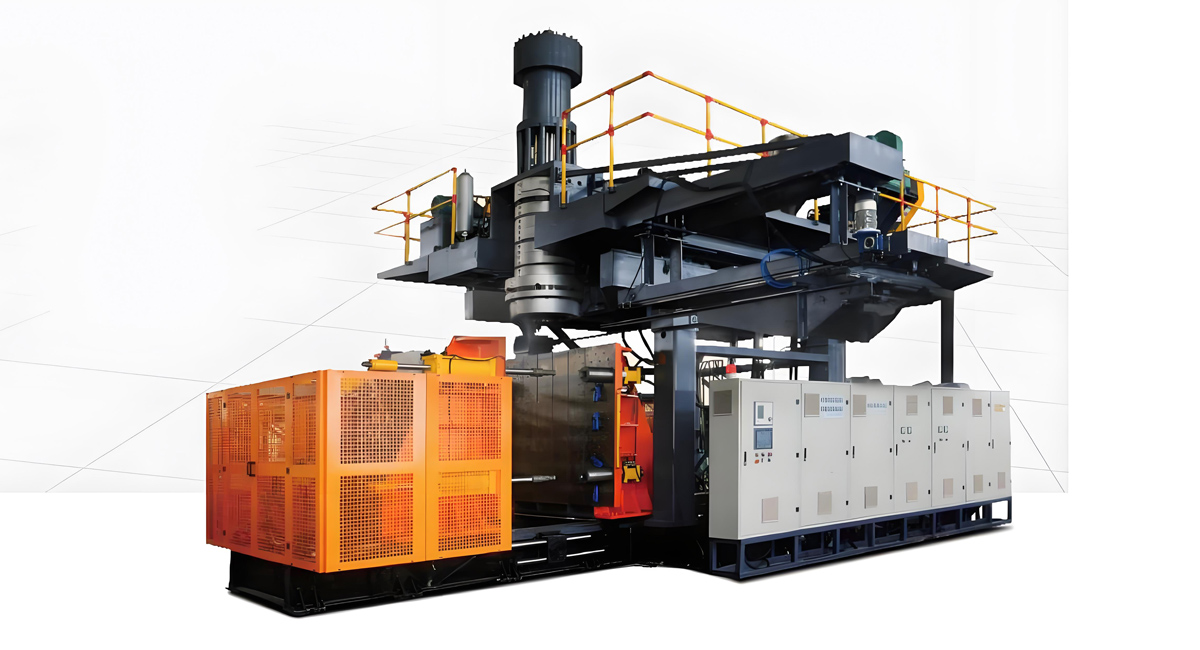
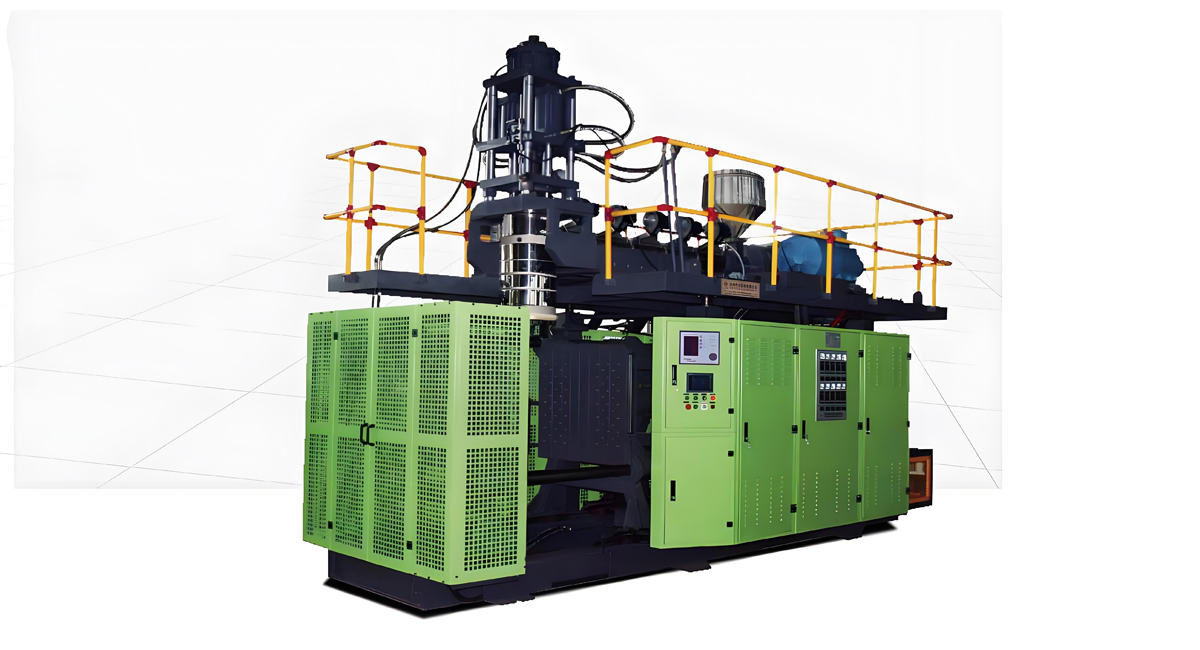
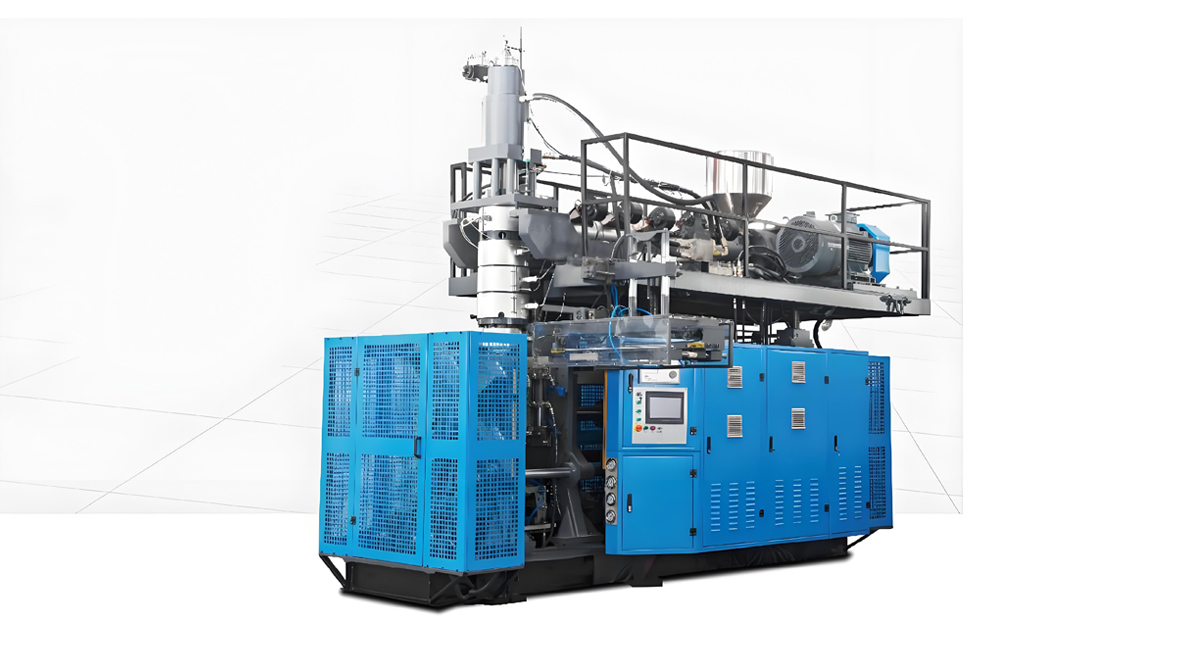
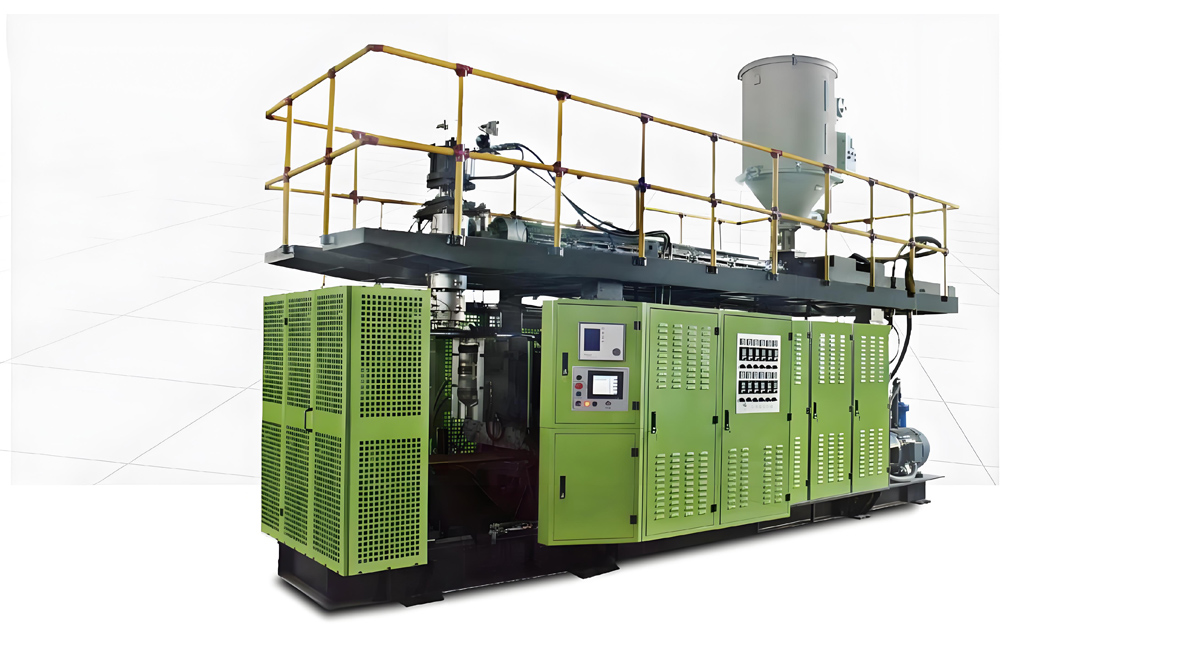
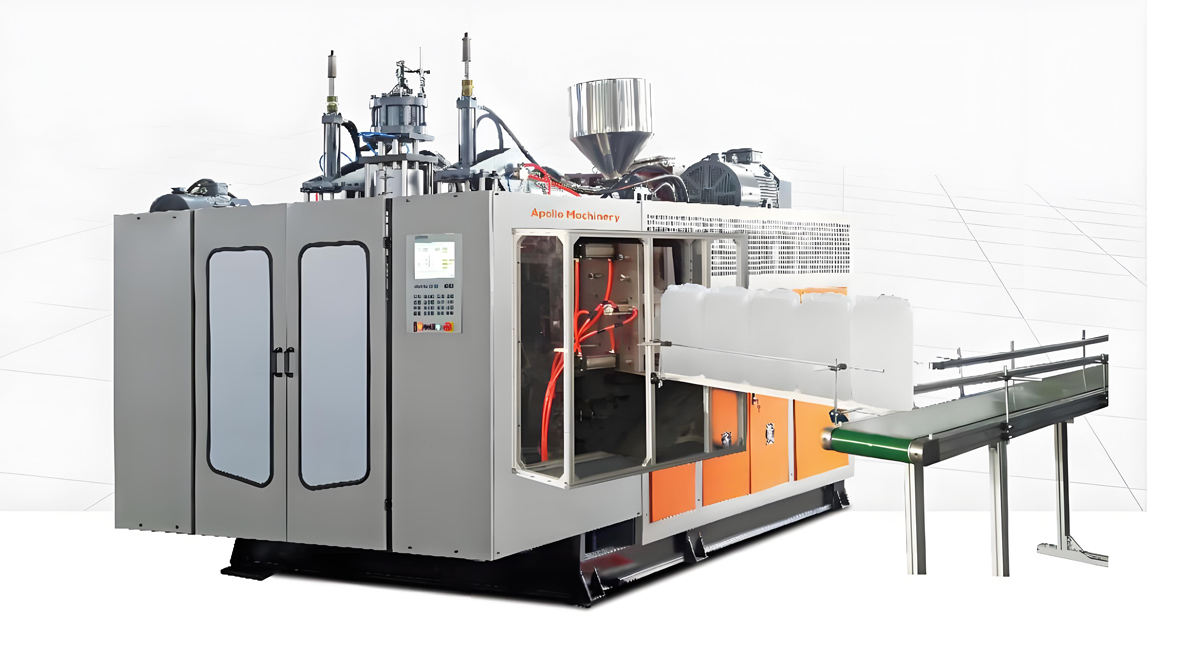
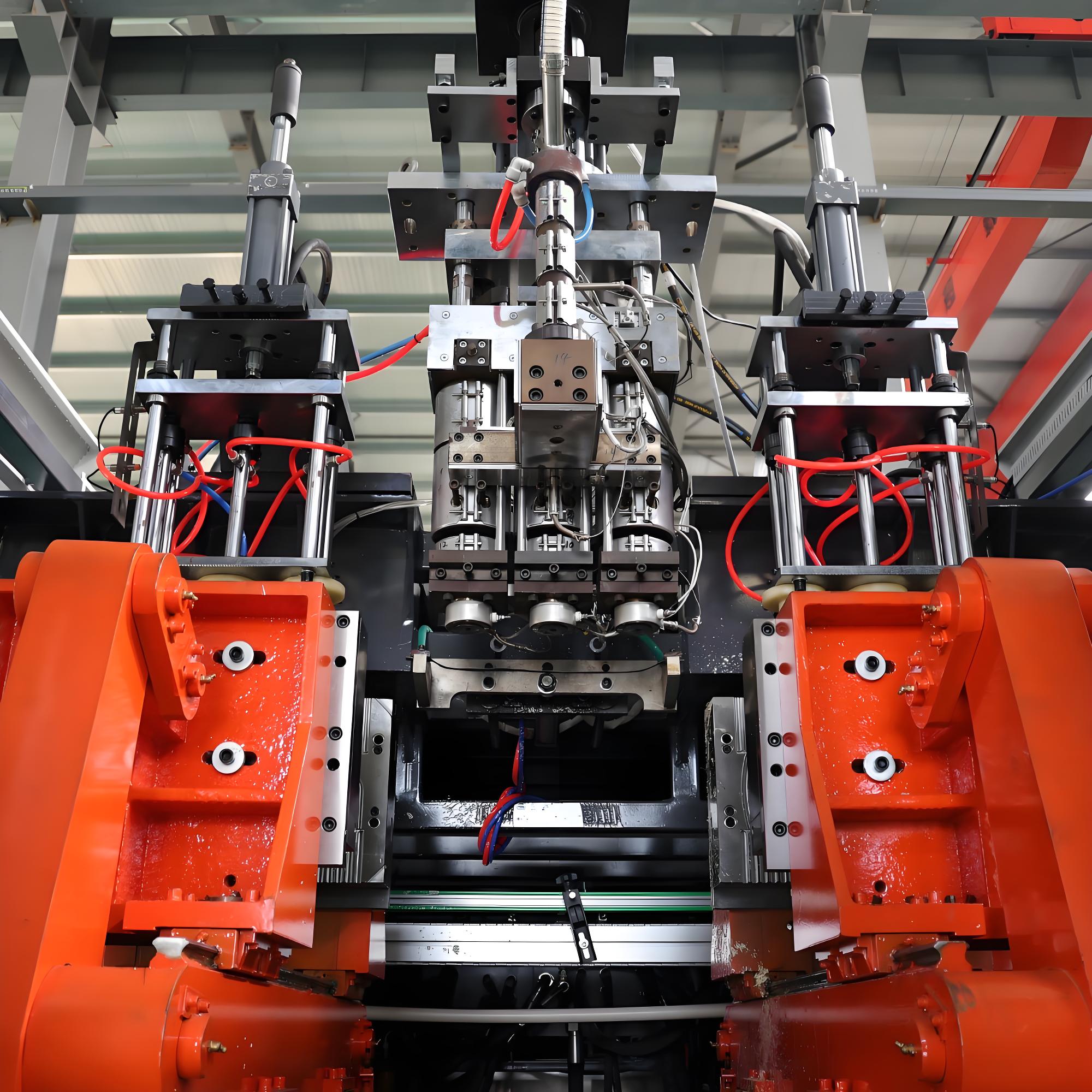
Apollo Machinery is a leading manufacturer of extrusion blow molding machines in China. Their machines are designed to meet the strict requirements of the pharmaceutical industry, offering high quality, reliability, and compliance with GMP regulations. Apollo’s extrusion blow molding machines for pharmaceutical containers are equipped with advanced features such as computer control, automatic mold opening and closing, and adjustable parison thickness, making them easy to operate and maintain. Additionally, Apollo offers a range of customization options to meet the specific needs of their customers, including the use of sterile air and water systems, cleanroom compatibility, and traceability systems.
Case Study: Production of Pharmaceutical Containers with Apollo Extrusion Blow Molding Machine
A pharmaceutical company was looking to produce high-quality, sterile containers for the storage and transportation of their products. They chose Apollo’s extrusion blow molding machine for its GMP compliance and advanced features. The machine was installed in a cleanroom environment, and all aspects of the production process were validated and qualified to ensure compliance with GMP regulations. The containers produced by the machine were sterile, free from contaminants, and of consistent quality, meeting the strict requirements of the pharmaceutical industry. The company was able to reduce production costs by 20% compared to their previous production method, and the quality of the containers was significantly improved.
How to Ensure GMP Compliance with Extrusion Blow Molding Machines
To ensure GMP compliance with extrusion blow molding machines for pharmaceutical containers, there are several steps that pharmaceutical companies can take, including:
Select the Right Machine
Choose a machine that is designed and built to meet the specific requirements of the pharmaceutical industry. This includes machines that are capable of being sterilized, cleanroom compatible, and equipped with traceability and validation systems.
Validate and Qualify the Machine
Perform validation and qualification tests to ensure that the machine is capable of producing containers that meet the required quality standards. This includes the performance of design qualification (DQ), installation qualification (IQ), operational qualification (OQ), and performance qualification (PQ) tests.
Train Personnel
Train personnel to operate and maintain the machine in accordance with GMP regulations. This includes training on the use of sterile air and water systems, cleanroom procedures, and documentation requirements.
Implement Quality Control Measures
Implement quality control measures to ensure that the containers produced are of consistent quality and meet the required standards. This includes the performance of in-process tests and final inspection of the containers.
Conclusion
GMP compliance is essential for pharmaceutical companies to ensure that their products are safe and effective for use by patients. Extrusion blow molding machines play a critical role in the production of pharmaceutical containers, and these machines must be designed and operated to meet the strict requirements of GMP compliance. Apollo’s extrusion blow molding machines are designed to meet the specific needs of the pharmaceutical industry, offering high quality, reliability, and compliance with GMP regulations. By choosing the right machine, validating and qualifying the machine, training personnel, and implementing quality control measures, pharmaceutical companies can ensure that their extrusion blow molding machines meet the strict requirements of GMP compliance and produce high-quality, sterile containers for their products.