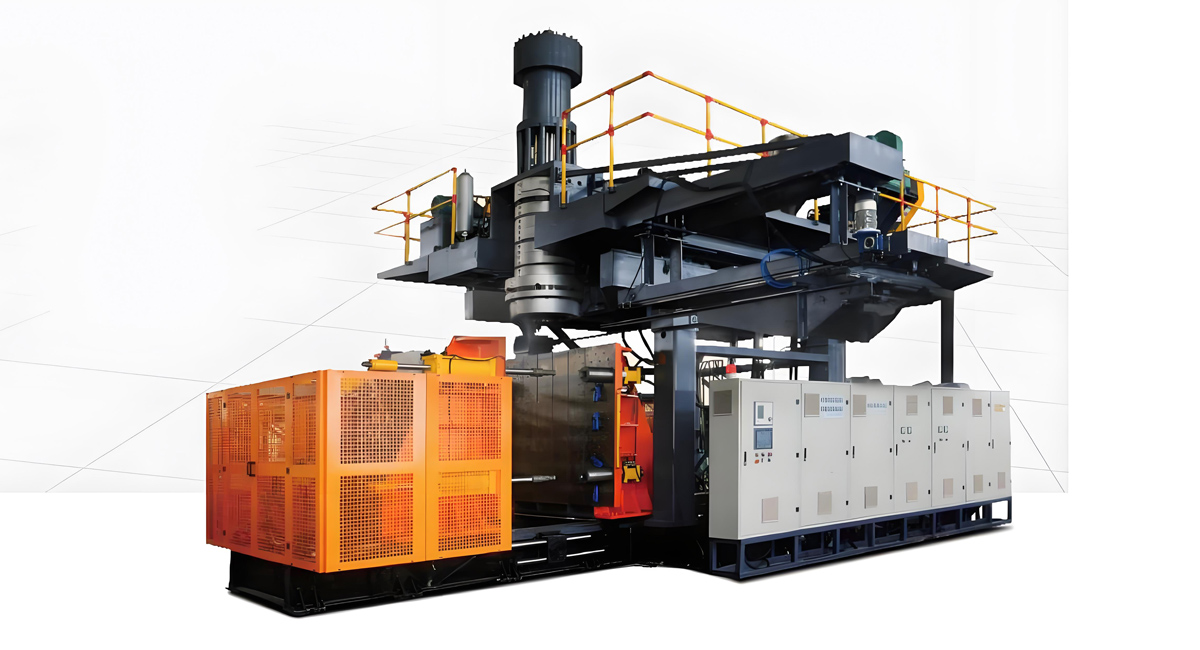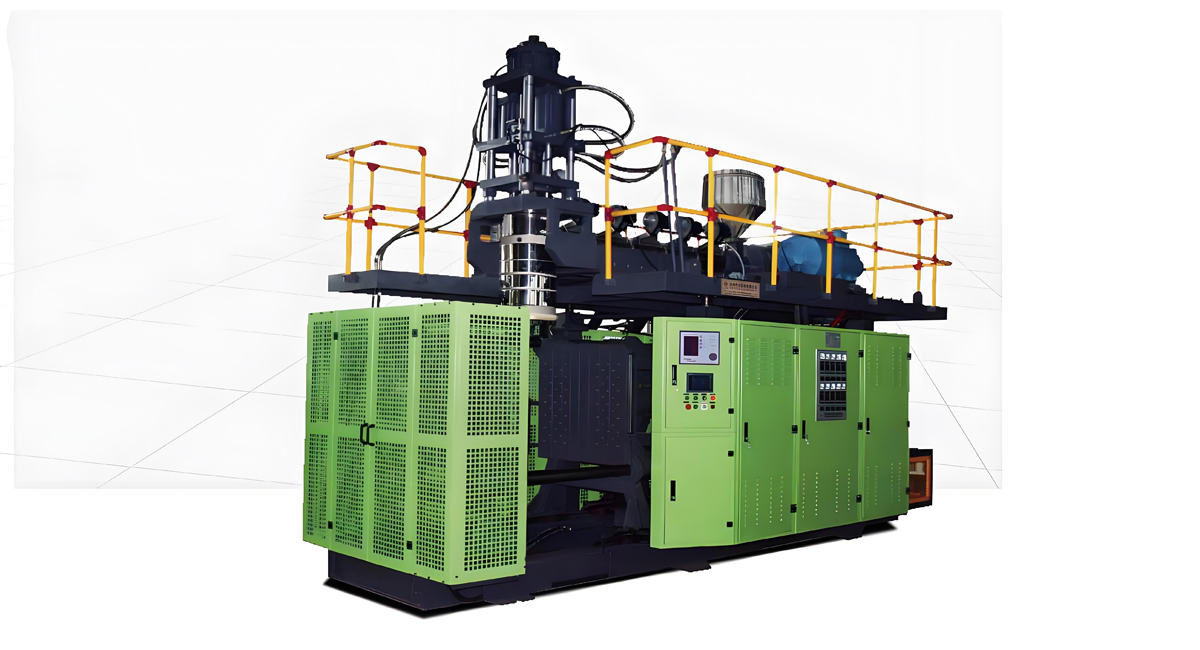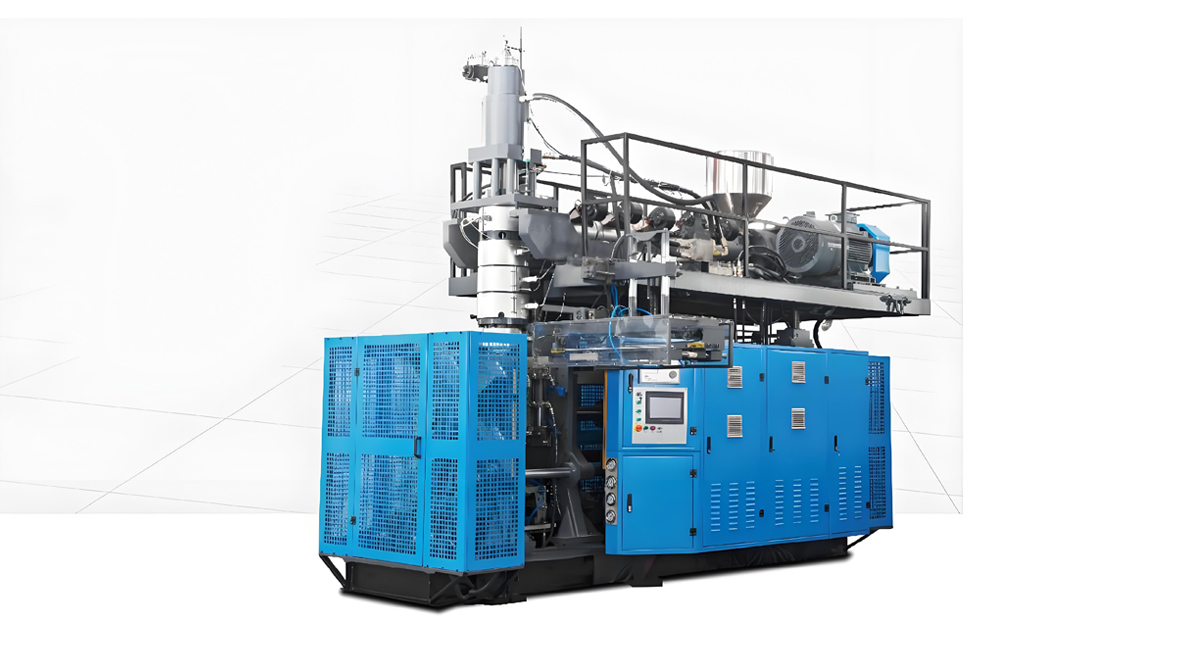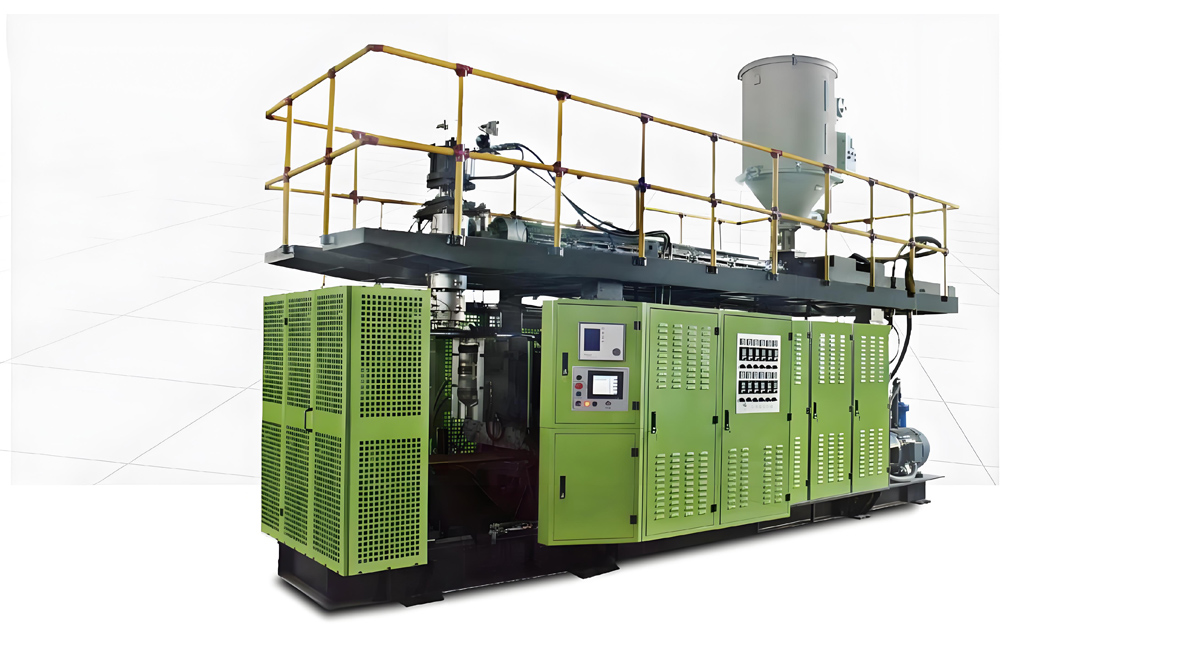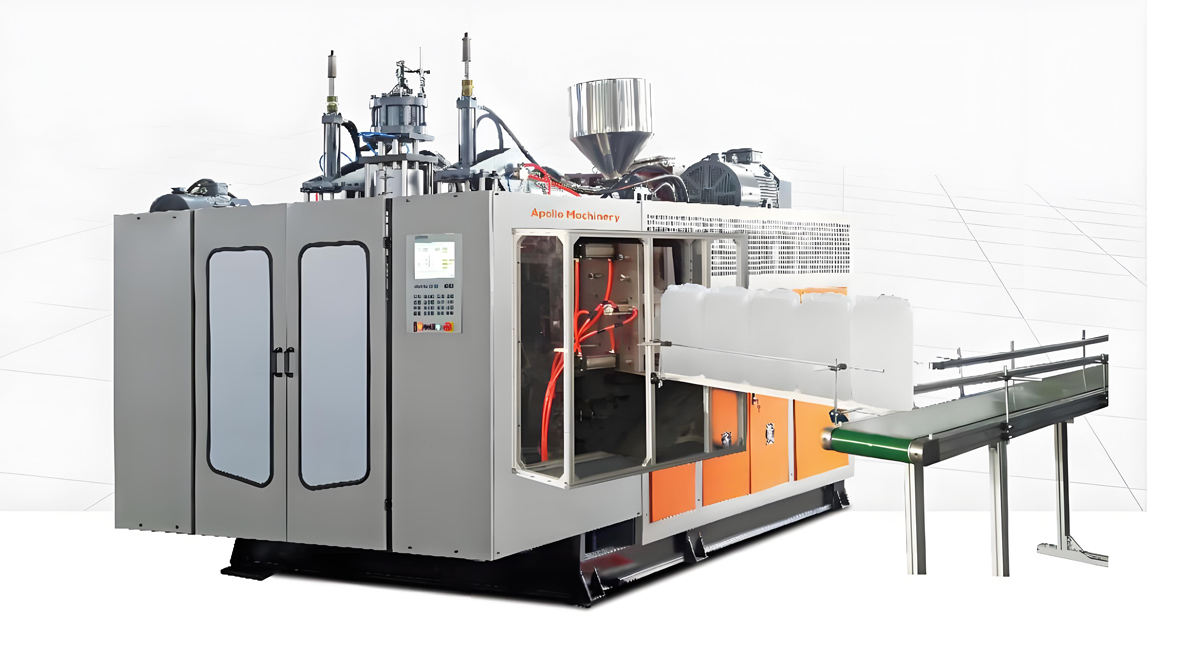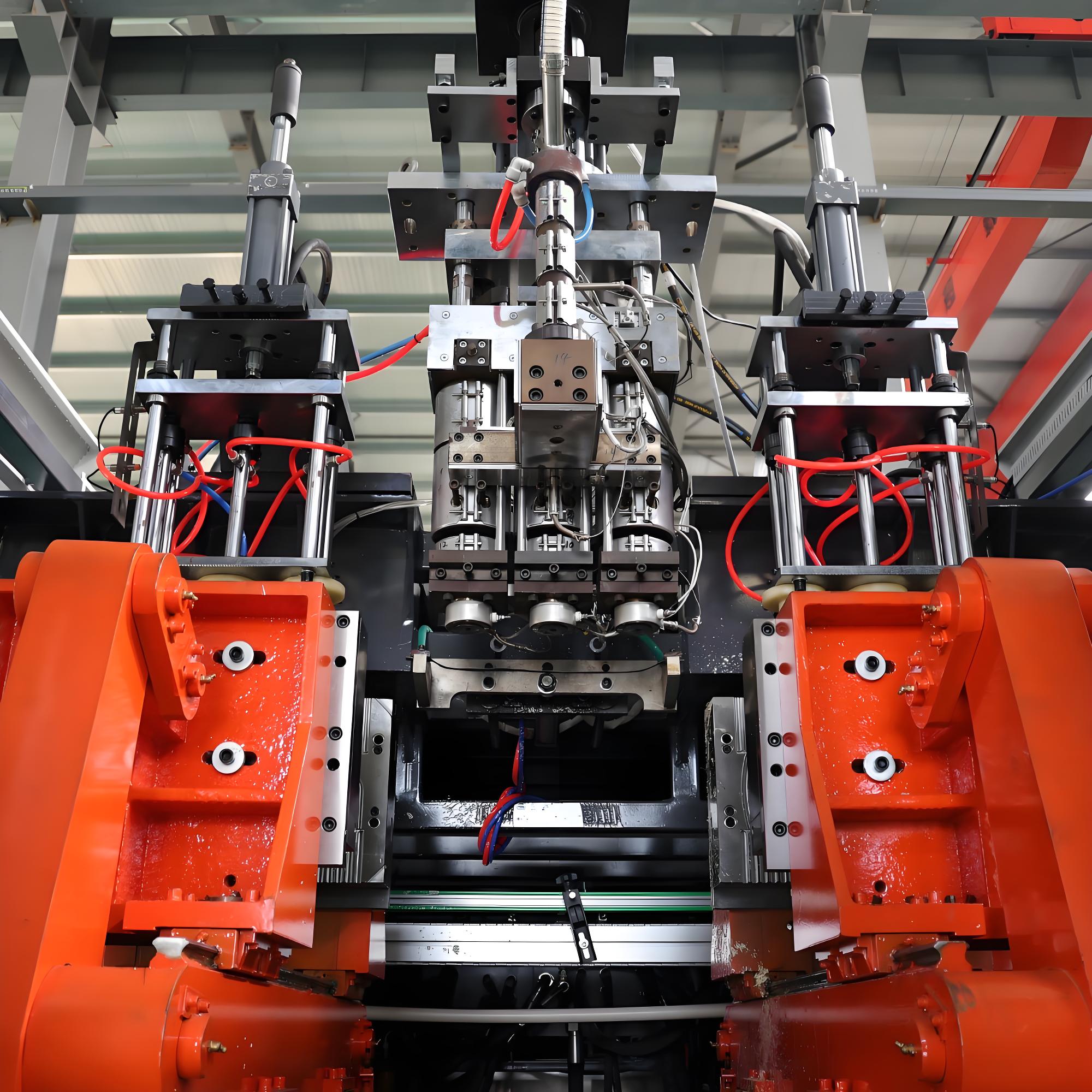
Importing heavy industrial machinery like an Extrusion Blow Molding (EBM) machine from China to your facility overseas is a complex logistical operation. It involves strict adherence to international shipping regulations, detailed documentation for customs clearance, and specialized packaging to prevent damage. As a leading exporter, Apollo China has streamlined this process for hundreds of clients worldwide. This guide provides a comprehensive overview of the export process, helping you understand what to expect and how to prepare for the arrival of your new EBM machine.
Understanding the Export Process: An Overview
The export of an EBM machine can be divided into four main phases: Preparation & Packaging, Domestic Logistics (China), International Freight, and Destination Customs Clearance. Each phase requires specific documentation and coordination. Failure to prepare correctly can result in port demurrage charges, fines, or even damage to the machine. Apollo China offers a “Door-to-Door” or “Port-to-Port” service to manage these complexities on your behalf.
Packaging Requirements for EBM Machines
EBM machines are heavy and contain precision components. They are susceptible to moisture, shock, and tilting during transport.
Moisture Protection
Sea freight involves significant temperature changes that cause condensation (container rain). All sensitive electrical components (PLC, motors, sensors) are vacuum-sealed with desiccant bags. The entire machine is often wrapped in vapor-barrier plastic film before being placed in the container.
Shock Absorption and Bracing
The machine is bolted to a heavy-duty wooden pallet or steel base. The base is designed with forklift pockets for easy handling. Between the machine and the container walls, we use blocking and bracing—typically lumber or airbags—to prevent any movement. Hydraulic units and the extruder barrel are secured with heavy-duty nylon straps. Apollo uses “floors-loading” for large machines where the container floor is reinforced to support the weight without a pallet.
Fumigation
International shipping regulations (ISPM 15) require that all wood packaging materials (pallets, crates, bracing) be heat-treated or fumigated with methyl bromide. Apollo China ensures all wood packaging is stamped with the IPPC mark to avoid rejection at the destination port.
Open Top vs. Flat Rack Containers
Standard EBM machines fit into 40ft High Cube (40HC) containers. However, if the machine exceeds height limits or requires top loading (common for large IBC tank lines), we use Open Top containers. For extremely heavy or oversized components (like a 5-meter extruder), Flat Rack containers are used, allowing loading from the side or top without height restrictions.
International Shipping Methods: Sea vs. Air
Ocean Freight (The Standard Choice)
95% of EBM machines are shipped via ocean freight due to the size and weight. It is the most cost-effective method.
LCL (Less than Container Load): Not recommended for whole machines due to damage risk, but used for spare parts.
FCL (Full Container Load): The machine fills one or more containers exclusively. This is the safest option.
Transit Time: Varies by destination (e.g., 30 days to US West Coast, 45 days to Europe, 20 days to Southeast Asia).
Bill of Lading (B/L): The primary shipping document issued by the carrier.
Air Freight (For Urgent Parts Only)
Shipping a whole EBM machine by air is prohibitively expensive and logistically difficult due to size. Air freight is typically reserved for critical spare parts (e.g., a replacement PLC or servo motor) needed urgently to fix a breakdown. Apollo can arrange air freight for parts within 24-72 hours.
Multimodal Transport
For inland destinations (e.g., a factory in the US Midwest), we often use multimodal transport: Truck to Chinese port, Ocean freight to US port, then Rail or Truck to the final destination. We coordinate the entire chain to ensure seamless transfer.
Export Documentation Checklist
Accurate paperwork is the key to smooth customs clearance. Missing one document can hold up the shipment. Apollo China prepares the following:
1. Commercial Invoice
This is the bill for the goods. It must detail the machine’s value, currency, HS Code (Harmonized System code for machinery), and terms of sale (Incoterms like FOB, CIF, DDP). It is used by customs to assess duties and taxes.
2. Packing List
This document lists the weight, dimensions, and quantity of every package in the shipment. It helps customs inspectors verify the cargo and calculate freight charges. It must match the Bill of Lading exactly.
3. Bill of Lading (Ocean) or Air Waybill (Air)
A contract between the shipper and the carrier. It serves as a receipt for the goods and a document of title. The “Original B/L” is required to take possession of the goods at the destination.
4. Certificate of Origin (COO)
Issued by the China Chamber of Commerce, this document certifies that the goods were manufactured in China. It is crucial for determining if preferential duty rates apply under trade agreements.
5. Export License (If Applicable)
While most plastic machinery is freely exportable, certain technologies may require an export license. Apollo handles this bureaucracy.
6. Insurance Certificate
Marine insurance covers loss or damage during transit. Apollo strongly recommends “All Risks” coverage, which includes damage during loading/unloading.
Incoterms: Who Pays for What?
Understanding Incoterms is vital to avoid financial surprises. Common terms for Apollo machines:
FOB (Free On Board)
Seller (Apollo) pays for costs until the machine is loaded onto the vessel at the Chinese port. Buyer pays for ocean freight, insurance, and import duties. This is the most common term as it gives the buyer control over shipping costs.
CIF (Cost, Insurance, and Freight)
Seller pays for shipping and insurance to the destination port. Buyer pays for import clearance and on-land transport. Convenient for buyers without a shipping agent.
DDP (Delivered Duty Paid)
Seller handles everything, including paying import duties and delivering to the buyer’s door. This is the most expensive option but offers the least hassle for the buyer. Apollo can provide DDP quotes for specific regions (e.g., USA/EU under certain conditions).
Customs Clearance at Destination
When the machine arrives at the port of destination, you (or your customs broker) must file an entry. Here is what to expect:
Duty Rates
Duty rates for plastic molding machinery vary. For example, in the USA, the HTS code (e.g., 8477.20) often carries a “Free” or very low duty rate (0-2%) under the generalized system of preferences, but this changes. Always check the current HTS code. In the EU, duties range from 2-4%. Apollo’s commercial invoice clearly states the HS code to ensure accurate assessment.
Taxes
In addition to duty, you will likely pay VAT (Value Added Tax) or GST (Goods and Services Tax). In the US, this might be Merchandise Processing Fee (MPF) and Harbor Maintenance Fee (HMF) if arriving by sea at US ports.
Customs Inspections
Customs may inspect the shipment to verify the description and value. This is random but common for high-value machinery. If selected, the container is opened, and an inspector checks the serial numbers and condition. Having all documents in order (especially the packing list matching the machine) speeds up this process. Do not attempt to ship used machinery as new; this is illegal and will result in seizure.
On-Site Delivery and Final Handling
Once customs clears the machine, it moves to “final mile” delivery.
Heavy Haulage
An EBM machine can weigh 5 to 20 tons. Standard trucks cannot handle this. You need a low-boy trailer or heavy-haul truck with a lift gate or crane. Ensure the road to your factory can support this weight. If not, a smaller local carrier must be used to offload from the port terminal.
Unloading and Positioning
Use a forklift with sufficient capacity (check the machine’s weight distribution) or an overhead crane. Never drag the machine. Once inside the factory, use machinery skates (roller boards) to move the machine into position. Ensure the floor is level; an unlevel floor will cause the machine to twist, leading to alignment issues with the mold.
Common Pitfalls to Avoid in Importing
Underestimating Port Charges
Ports charge “demurrage” (storage fees) if the container is not picked up within the free time (usually 3-7 days) and “detention” (fees for using the container too long). These can add up to hundreds of dollars per day. Have your customs broker ready before the ship arrives.
Electrical Compatibility
China uses 380V/50Hz (3-phase) standard. If your country uses 480V/60Hz (like the US) or 400V/50Hz (like the UK), you need a transformer or a motor/drive upgrade. Apollo machines can be configured with motors that handle dual voltage or we can supply the correct transformer. Do not plug a 380V machine into a 480V outlet without a step-down transformer—it will burn out instantly.
Language Barriers in Manuals
Ensure the operation manual is in your local language (English, Spanish, French, etc.). While Apollo provides English manuals, we can arrange for professional translation of critical safety sections if required.
Apollo China’s Logistics Advantage
Why do clients choose Apollo for export? Because we treat logistics as part of the product quality. We have a dedicated logistics department that speaks fluent English and understands the import regulations of major markets (USA, Mexico, Brazil, Germany, Russia, India, etc.). We pre-alert our clients 30 days before shipment, providing the Bill of Lading draft for review. We also assist with ISF filing (Importer Security Filing) for US-bound cargo. Our goal is to make the machine arrive on time, in perfect condition, and with all paperwork ready for immediate customs release.
Conclusion: Smooth Sailing for Your Machinery Investment
Importing an Extrusion Blow Molding Machine from China is a significant logistical undertaking, but with the right partner, it is entirely manageable. By understanding the packaging requirements, documentation, and customs procedures outlined in this guide, you can mitigate risks and ensure a smooth delivery. Apollo China is not just a machine builder; we are your logistics partner. From the moment you place an order to the moment the machine is bolted to your factory floor, we guide you through every step. Trust Apollo to handle the complexities of international shipping so you can focus on production. Contact us today to start your export journey with confidence.