
Introduction to International Shipping of Extrusion Blow Molding Machines
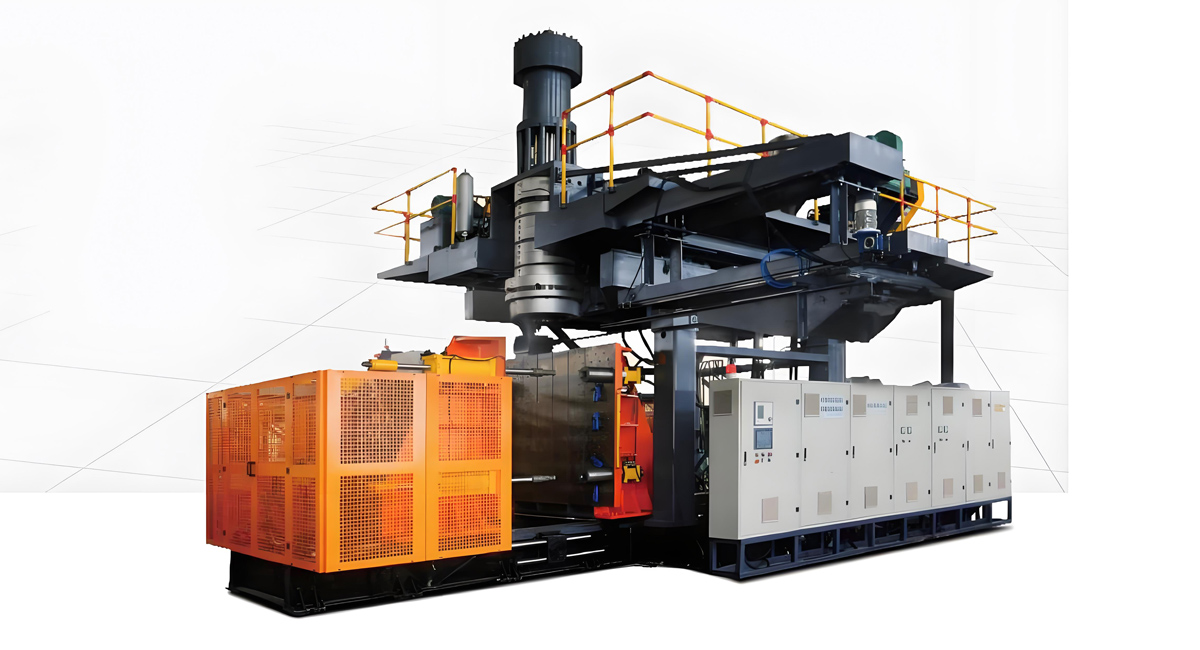
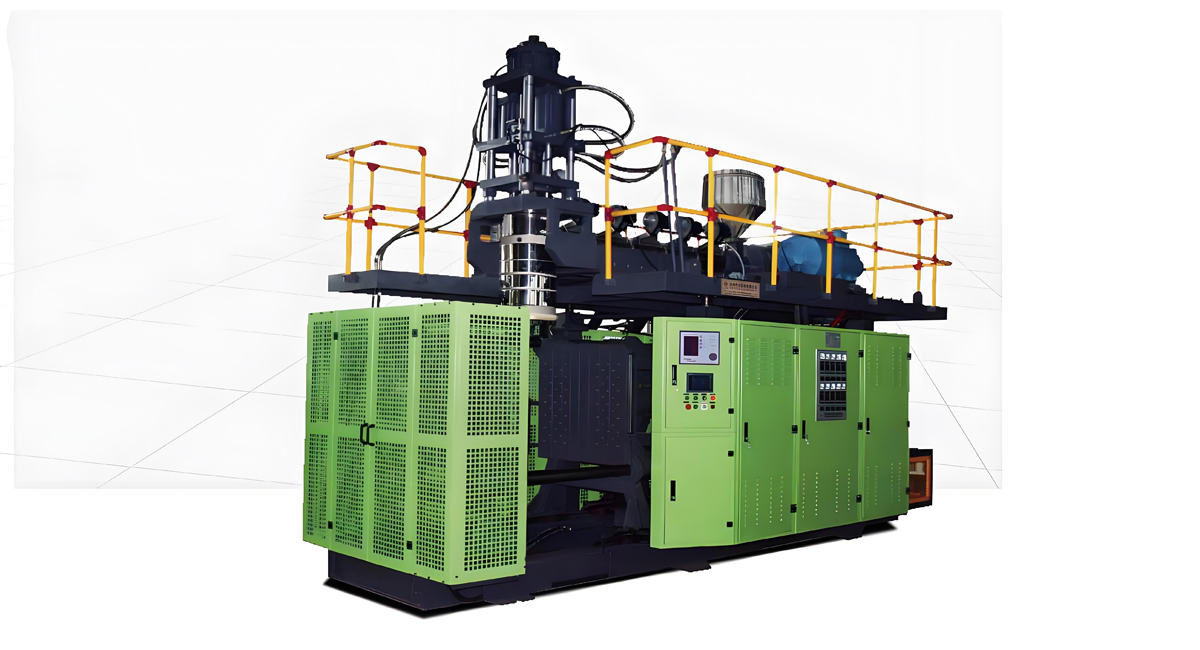
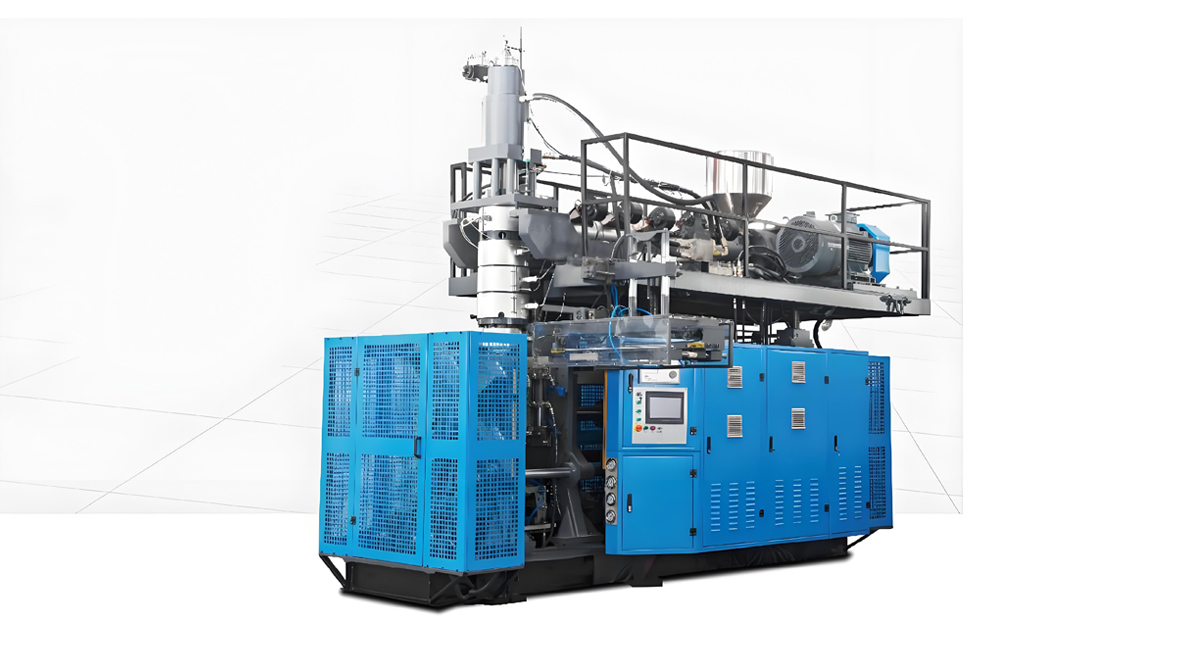
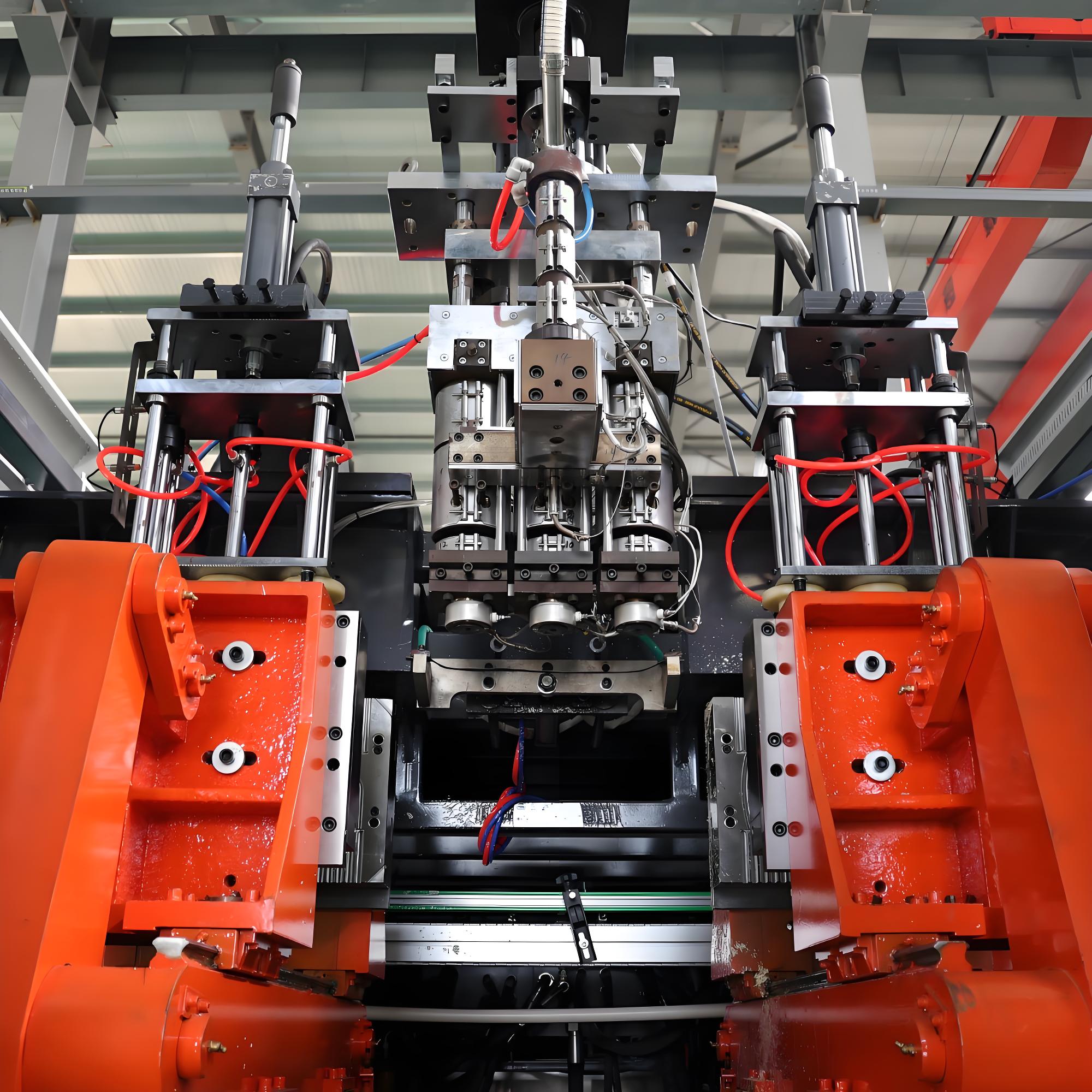
International shipping represents critical consideration when purchasing extrusion blow molding machines from China, involving complex logistics decisions balancing cost, time, and equipment protection requirements. Understanding shipping options, procedures, and potential challenges enables informed decision-making ensuring smooth equipment delivery while minimizing total acquisition costs. This comprehensive guide explores sea and air freight options for EBM machines from Apollo, including specific considerations for large equipment shipping, documentation requirements, and cost optimization strategies.
Sea Freight Options for EBM Machines
Sea freight represents the most common and cost-effective shipping method for extrusion blow molding machines from China, offering excellent value for equipment shipment despite longer transit times. Understanding various sea freight options enables optimal selection based on time requirements, budget considerations, and destination accessibility.
Full Container Load (FCL) Shipping
Full container load shipping provides exclusive use of entire container offering optimal protection and scheduling flexibility for EBM machine shipment. Standard 20-foot containers (20GP) accommodate smaller EBM machines including ABLD 80-90 models with appropriate packaging and securing. Larger 40-foot containers (40GP) or high-cube 40-foot containers (40HQ) accommodate larger machines including ABLD 100-120 models and associated auxiliary equipment. FCL shipping offers advantages including container sealing security, reduced cargo handling during transit, and flexible scheduling options. Typical FCL transit times from Shanghai range 25-45 days depending on destination, with European destinations averaging 35-40 days and North American destinations 25-35 days.
Less than Container Load (LCL) Shipping
Less than container load shipping consolidates multiple shipments in single container, providing cost-effective solution for smaller EBM machines or partial equipment orders. LCL shipping suits smaller machines like ABLD 80 models when not requiring full container capacity. While LCL offers lower freight cost per unit for smaller shipments, disadvantages include increased cargo handling during consolidation and deconsolidation at transshipment ports, potential damage risk from cargo mixing, and longer total transit times due to consolidation operations. LCL typically costs 60-80% less than FCL for equivalent cargo weight but involves higher risk and longer transit times of 35-55 days.
Breakbulk Shipping for Oversized Equipment
Breakbulk shipping accommodates oversized EBM machines exceeding container dimensions or requiring special handling. Large EBM machines like ABLD 120 models with extensive auxiliary equipment may exceed container capacity, requiring breakbulk shipment. Breakbulk shipping involves securing equipment directly on ship deck or cargo hold using specialized lifting equipment and securing methods. While breakbulk accommodates any equipment size, disadvantages include significantly higher shipping costs (3-5 times container shipping), extended transit times of 45-70 days, increased cargo exposure to weather conditions during deck loading, and more complex loading and unloading procedures. Breakbulk typically reserved for largest equipment when containerization impossible.
RORO (Roll-on/Roll-off) Shipping
RORO shipping accommodates self-propelled or wheeled equipment rolled directly onto specialized vessels offering unique advantages for EBM machines when appropriately configured. RORO shipping suits large EBM machines mounted on shipping bases or skids enabling self-loading and unloading. Advantages include reduced cargo handling compared to breakbulk, competitive pricing relative to container shipping for large equipment, and specialized equipment handling expertise. However, RORO requires appropriate machine base configuration for loading, limited vessel availability and routing options, and transit times similar to breakbulk at 45-60 days. RORO represents specialized option for specific equipment configurations.
Air Freight Options for EBM Machines
Air freight provides fastest shipping option for EBM machines when time sensitivity outweighs cost considerations, offering significantly reduced transit times but at substantially higher shipping costs. Understanding air freight capabilities and limitations enables appropriate decisions based on urgency and budget constraints.
Standard Air Freight
Standard air freight accommodates EBM machines fitting within aircraft size and weight restrictions, typically smaller models like ABLD 80 with disassembly capability. Maximum cargo dimensions depend on aircraft type, with wide-body aircraft accommodating approximately 3.0 meters x 2.4 meters x 1.6 meters (L x W x H). Weight restrictions typically maximum 1000-2000 kg per piece depending on aircraft and routing. Standard air freight offers fastest transit times of 5-12 days including pickup, consolidation, flight, and delivery, but at costs of $15-25 per kilogram for international routes. Air freight suits urgent requirements, emergency replacements, or time-critical production startups despite high cost.
Charter Air Freight
Charter air freight provides exclusive aircraft use offering maximum flexibility for EBM machine shipping when standard air freight cannot accommodate size or scheduling requirements. Charter suits oversized equipment, urgent requirements with specific timing needs, or shipments requiring special handling not available on commercial flights. Advantages include equipment transportation despite size limitations, flexible scheduling based on specific requirements, reduced cargo handling and transshipment, and customized routing direct to destination. However, charter air freight costs $50,000-200,000 per flight depending on aircraft size and routing, representing most expensive shipping option available. Charter typically reserved for emergency situations or very large time-critical shipments.
Air Freight via Disassembly
Many EBM machines can be partially disassembled enabling air freight shipping of components separately, reducing individual piece dimensions and weight for standard air freight accommodation. Disassembly typically involves separating major components including extruders, clamping units, control cabinets, and auxiliary equipment into manageable sections. While disassembly increases complexity and requires reassembly at destination, advantages include significantly faster shipping times (5-12 days vs 25-45 days sea freight), reduced risk compared to large single-piece air freight, and lower costs than charter options. Disassembly and reassembly costs $3,000-8,000 depending on machine complexity and destination labor rates, often justified by time savings for urgent requirements.
Cost Analysis and Comparison
Understanding complete cost structure for different shipping options enables informed decisions balancing time requirements and budget constraints. Shipping costs include freight charges, insurance, documentation, terminal charges, and various ancillary fees affecting total landed cost.
Sea Freight Cost Structure
Sea freight costs vary significantly based on container type, routing, and destination. FCL shipping for 40-foot containers from Shanghai to major European ports typically costs $2,500-4,500 including container rental and basic freight charges. North American destinations typically cost $2,000-3,500 for West Coast and $3,000-4,500 for East Coast due to longer routing. Additional costs include marine insurance (0.3-0.5% of machine value), port handling charges ($300-800 per container), destination terminal charges ($400-1,200), customs clearance ($200-500), and inland transportation ($500-2,000 depending on distance). Total landed shipping costs for FCL typically range $4,000-9,000 excluding inland transport to final installation location. LCL shipping costs typically $200-400 per cubic meter plus similar ancillary charges.
Air Freight Cost Structure
Air freight costs based on chargeable weight (greater of actual weight or volumetric weight) with rates varying by destination and carrier. Standard air freight rates from Shanghai to European destinations typically $15-25 per kg, to North American destinations $18-30 per kg. For typical ABLD 80 machine weighing approximately 8,000 kg, air freight costs $120,000-240,000 excluding ancillary charges. Additional costs include air freight insurance (0.5-0.8% of machine value), air terminal handling charges ($500-1,500), customs clearance ($200-400), and inland transportation ($300-1,000). Total air freight costs typically represent 50-150% of machine value depending on weight and destination, representing premium pricing for time savings.
Total Cost of Ownership Considerations
Shipping decisions should consider total cost of ownership including opportunity costs of delayed equipment availability. For production-critical equipment where daily production value exceeds $5,000, the 30-day time savings from air freight vs sea freight may justify additional shipping costs through increased revenue during earlier production startup. However, for non-critical additions or capacity expansion, sea freight provides excellent value despite longer transit times. Total cost analysis should include machine value, shipping costs, potential production revenue, and equipment financing costs representing time value of money.
Documentation and Customs Requirements
International shipping of EBM machines requires comprehensive documentation and customs compliance to ensure smooth delivery and avoid delays or penalties. Understanding documentation requirements and customs procedures facilitates efficient shipping process.
Export Documentation from China
Apollo provides comprehensive export documentation ensuring legal export and smooth customs clearance. Required export documents include Commercial Invoice detailing machine specification and value, Packing List describing packaging and cargo details, Bill of Lading or Air Waybill serving as transport document and title to goods, Certificate of Origin verifying Chinese manufacturing, Inspection Certificate verifying equipment compliance with specifications, and Export License if required for specific technologies. Documentation processing requires 3-7 days before shipment availability, with Apollo providing complete document package for customer customs clearance.
Import Documentation and Customs Clearance
Import customers must provide documentation for customs clearance at destination. Required documents include Commercial Invoice, Packing List, Bill of Lading/Air Waybill, Certificate of Origin, Insurance Certificate, and Import License if required by destination country. Additional documentation may include technical specifications, product manuals, and safety certifications depending on destination regulations. Customs broker services typically recommended handling documentation and clearance procedures for customers unfamiliar with international trade requirements. Customs clearance typically requires 2-5 days at destination port or airport.
Regulatory Compliance and Certification
Ebm machine importation requires compliance with various regulations depending on destination country. European Union requires CE certification confirming compliance with Machinery Directive and other applicable directives. United States requires UL or ETL certification confirming electrical safety compliance along with compliance with OSHA regulations. Other countries have specific requirements including CCC certification for China, GOST certification for Russia, and various regional certifications. Apollo machines comply with major international standards and include appropriate certification documentation facilitating import compliance. Non-compliant equipment may require modification or certification before customs clearance.
Packaging and Preparation for Shipping
Proper packaging and preparation ensures EBM machine protection during transit and prevents damage from handling, vibration, or environmental exposure. Understanding packaging requirements and preparation procedures facilitates smooth shipping process.
Crating and Packaging Standards
Apollo provides professional packaging ensuring equipment protection during international shipping. Standard packaging includes heavy-duty wooden crates constructed from suitable hardwood materials, waterproofing and corrosion protection components, foam padding and shock absorption materials, internal bracing and securing preventing movement, and weather-resistant outer protection. Packaging designed to withstand stacking, handling, and transportation stresses encountered during sea and air freight. Larger machines may require multiple crates for modular shipment with reassembly at destination. Packaging costs typically $2,000-6,000 depending on machine size and complexity.
Equipment Preparation Before Shipment
Proper equipment preparation before shipment prevents damage and facilitates installation at destination. Preparation includes draining fluids including hydraulic oil and lubricants, removing loose components and securing movable parts, disconnecting and securing electrical connections, protecting sensitive components including control systems, and creating detailed reassembly documentation with photographs and instructions. Preparation reduces risk of damage during transit and facilitates efficient reassembly at destination. Preparation typically requires 2-3 days after machine production completion.
Container Loading and Securing
Proper container loading and securing prevents cargo movement and damage during sea freight transit. Loading procedures include verifying container condition and cleanliness, using appropriate lifting equipment for machine positioning, placing cargo to optimize weight distribution and stability, installing blocking and bracing preventing movement, and securing cargo using appropriate strapping and tie-down methods. Proper loading ensures cargo withstands vessel motion including rolling, pitching, and heaving during ocean transit. Loading documentation includes photographs showing final securing arrangements for insurance purposes.
Insurance and Risk Management
Adequate insurance coverage protects investment in EBM machines against loss or damage during international shipping. Understanding insurance options and coverage terms ensures appropriate protection for valuable equipment.
Marine Cargo Insurance
Marine cargo insurance covers loss or damage during sea freight transit including equipment damage, loss from vessel sinking or other maritime perils, damage from handling at ports, and theft during transit. Insurance typically covers replacement cost value excluding depreciation. Insurance costs 0.3-0.5% of machine value for sea freight, with slightly higher rates for air freight at 0.5-0.8%. Insurance terms include conditions and exclusions requiring careful review. All-risk coverage provides most comprehensive protection but costs more than named-perils coverage covering specific risks.
Air Freight Insurance
Air freight insurance covers similar risks during air transportation including aircraft accidents, cargo handling damage, theft during transit, and natural disasters. Air freight typically involves less risk than sea freight due to shorter transit times and reduced handling, but insurance remains important for valuable equipment. Air freight insurance costs 0.5-0.8% of machine value, slightly higher than sea freight due to higher cargo value density and different risk profile.
Insurance Claim Procedures
Insurance claim procedures require prompt notification of damage or loss, documentation including photographs and evidence, professional inspection survey determining cause and extent of damage, and repair or replacement cost documentation. Claims must be filed within specified timeframes typically 3-7 days from discovery. Working with experienced freight forwarders and insurance brokers facilitates claim processing. Apollo provides support including documentation and technical information during claim process for machines purchased with shipping included.
Freight Forwarder and Logistics Partner Selection
Selecting appropriate freight forwarder and logistics partner significantly affects shipping success, costs, and customer satisfaction. Understanding partner selection criteria enables informed decisions ensuring smooth international shipping experience.
Freight Forwarder Qualifications
Quality freight forwarders provide comprehensive services including cargo booking, documentation preparation, customs clearance coordination, cargo tracking and status reporting, and problem resolution during transit. Selection criteria include experience with machinery and equipment shipping, established relationships with reputable carriers, knowledge of destination country requirements, competitive pricing with transparent cost structure, and responsive communication with status updates. Apollo maintains relationships with qualified freight forwarders and can recommend reliable partners based on destination and specific requirements.
Logistics Partner Capabilities
Comprehensive logistics partners provide end-to-end services including inland transportation from Apollo factory, port or airport handling, international shipping coordination, destination clearance and delivery, and installation site delivery coordination. Capabilities to evaluate include equipment handling experience for large machinery, access to multiple shipping options and carriers, customs brokerage services at destination, track and trace systems providing real-time status, and 24/7 customer service and support. Partner selection should balance cost considerations with service quality and reliability.
Shipping Coordination Timeline
Effective shipping coordination requires proper timeline management from machine production completion through delivery at destination. Typical timeline includes production completion and quality inspection (2-3 days), equipment preparation and packaging (2-3 days), documentation preparation and processing (3-7 days), container loading and booking confirmation (2-4 days), inland transportation to port or airport (1-3 days), international transit time (25-45 days sea, 5-12 days air), destination customs clearance (2-5 days), inland transportation to installation site (1-5 days). Total time from production completion to installation site delivery typically 40-70 days for sea freight and 15-30 days for air freight depending on destination and logistics complexity.
Destination Considerations and Requirements
Destination countries have varying requirements affecting EBM machine importation and delivery. Understanding destination-specific considerations facilitates planning and compliance.
European Union Requirements
European Union importation requires CE certification demonstrating compliance with Machinery Directive (2006/42/EC) and other applicable directives including EMC Directive and Low Voltage Directive. Customs clearance requires commercial invoice, packing list, bill of lading, and CE documentation. VAT typically applies at importation varying by country (typically 19-25% of CIF value plus duty). Additional requirements may include technical documentation file, declaration of conformity, and user manual in local language. Typical customs duty for machinery from China ranges 0-8% depending on specific classification. CE certification available for Apollo machines facilitating EU importation.
North American Requirements
United States importation requires UL or ETL certification confirming electrical safety compliance along with compliance with OSHA regulations and FCC requirements for electronic equipment. Customs clearance requires commercial invoice, packing list, bill of lading, and safety certification documentation. No VAT applies, but customs duties vary by classification typically 2-8% for machinery. Additional requirements may include EPA requirements for certain equipment types and FDA requirements for equipment contacting food or medical products. UL certification available for Apollo machines facilitating US importation. Canadian requirements similar but require CSA certification in place of UL.
Other Regional Requirements
Other regions have specific requirements including CCC certification for China, GOST certification for Russia, SASO certification for Saudi Arabia, and various other regional certifications. Import duty rates vary significantly by country from 0-30% depending on trade agreements and specific product classification. Some countries require pre-shipment inspection or use of specific inspection agencies. Working with experienced import brokers familiar with destination requirements ensures compliance and smooth clearance. Apollo machines comply with major international standards facilitating importation to most destinations.
Installation and Commissioning Considerations
Shipping coordination should account for installation and commissioning requirements at destination, ensuring proper equipment placement and startup. Understanding installation considerations facilitates complete project planning.
Site Preparation Before Delivery
Installation site should be prepared before equipment arrival including adequate foundation per specifications, utility connections including electrical power, compressed air, and cooling water, access for delivery trucks and equipment handling, and clearance space for installation and future maintenance. Site preparation should follow Apollo installation specifications provided with equipment delivery. Proper site preparation prevents delays in installation and commissioning after equipment arrival.
Equipment Unloading and Placement
Equipment unloading and placement requires appropriate lifting equipment including forklifts or cranes with sufficient capacity, lifting attachments appropriate for machine configuration, and trained personnel following safety procedures. EBM machine weights range from 15-80 tons depending on model requiring substantial lifting capacity. Site access and floor capacity should accommodate equipment weight and handling requirements. Unloading procedures should prevent damage during final positioning.
Apollo Installation Support
Apollo provides installation and commissioning support including on-site technician supervision for unloading and placement, installation verification ensuring proper positioning and connection, startup and testing verifying proper operation, operator training on machine operation and maintenance, and technical support during initial production. Installation support costs vary depending on duration and location, typically $10,000-25,000 plus travel and accommodation expenses. Installation support typically requires 5-15 days on-site depending on machine complexity and operator experience level.
Cost Optimization Strategies
Implementing cost optimization strategies reduces total shipping and acquisition costs while maintaining quality and timeliness requirements. Understanding optimization opportunities enables better value from international equipment procurement.
Shipping Mode Selection Optimization
Shipping mode selection should consider total cost including freight costs, equipment financing costs representing time value of money, and opportunity cost of delayed production capability. For most applications, sea freight provides optimal cost-effectiveness. Air freight justified only when time-critical requirements or emergency replacement needs exist. Cost-benefit analysis should quantify production revenue potential offsetting additional freight costs for faster shipping.
Consolidation and Volume Optimization
Consolidating multiple equipment purchases into single shipment reduces per-unit shipping costs through shared containers and documentation costs. Planning equipment purchases together rather than sequential purchases enables consolidation benefits. Large orders may qualify for volume discounts from freight forwarders and carriers. Apollo offers volume discounts on equipment purchases providing additional savings from consolidated ordering.
Seasonal and Route Optimization
Shipping costs vary seasonally with peak periods commanding premium rates. Planning shipments during off-peak periods can save 10-20% on freight costs. Route selection considering multiple routing options enables cost savings through competition between carriers. Some destinations have multiple port options with varying costs and transit times. Working with freight forwarders exploring routing alternatives identifies cost optimization opportunities.
Risk Mitigation and Problem Resolution
International shipping involves various risks requiring mitigation strategies and contingency planning. Understanding potential problems and resolution approaches facilitates smooth shipping process.
Common Shipping Problems
Common shipping problems include delays due to port congestion, weather delays affecting vessel or aircraft schedules, customs clearance issues from documentation problems, cargo damage during handling or transit, and lost or delayed documentation. Problems occur approximately 5-15% of shipments depending on route and complexity. Most issues resolve within additional 3-10 days causing minor delays, but significant problems can extend delivery by weeks if not properly managed.
Preventive Measures
Preventive measures reduce shipping risk probability and impact including thorough documentation preparation and verification, appropriate insurance coverage, working with experienced freight forwarders, buffer time in planning allowing for delays, and communication contingency plans maintaining contact during transit. Apollo provides preventive support including verified documentation, quality packaging, and experienced freight partner recommendations reducing risk frequency and severity.
Problem Resolution Strategies
When problems occur, effective resolution strategies include prompt communication with freight forwarder and carrier, documentation of problems and damages for insurance claims, alternative routing or shipping arrangements when necessary, and technical support from Apollo for equipment-related issues. Most shipping problems resolve through coordination between freight forwarder, carrier, and insurer with customer support. Apollo provides assistance during problem resolution as part of shipping services.
Conclusion and Recommendations
International shipping of EBM machines from China requires careful planning and coordination balancing cost, time, and risk considerations. Sea freight provides excellent value for most applications with typical costs $4,000-9,000 for FCL shipment and transit times of 25-45 days. Air freight offers faster delivery at substantially higher costs of $120,000-240,000 for typical machines with transit times of 5-12 days. Apollo provides comprehensive shipping support including quality packaging, complete documentation, and logistics coordination ensuring smooth international delivery.
Key Success Factors
Successful EBM machine shipping requires appropriate mode selection based on time sensitivity and budget, thorough documentation preparation ensuring customs compliance, quality packaging preventing damage during transit, experienced freight forwarder providing reliable service, and contingency planning addressing potential problems. Apollo’s experience with international equipment shipping provides proven processes and reliable partners ensuring customer satisfaction.
Next Steps
Contact Apollo sales team to discuss shipping requirements and receive detailed quotations including equipment cost, shipping options, and total landed cost. Provide destination address and timeline requirements for optimized shipping recommendations. Consider site preparation requirements and plan utility connections before equipment arrival. Work with recommended freight forwarders or provide preferred logistics partner for coordination. Schedule installation and commissioning support with Apollo technicians ensuring smooth equipment startup and production commencement.