
Introduction to EBM Machine Certification Importance
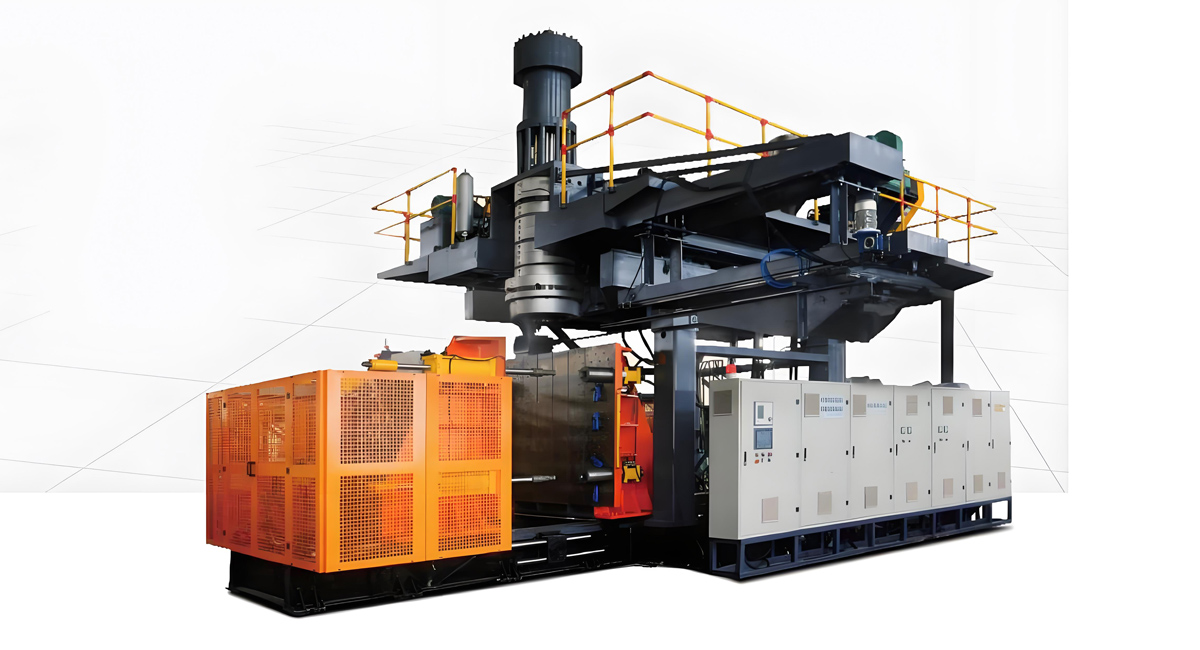
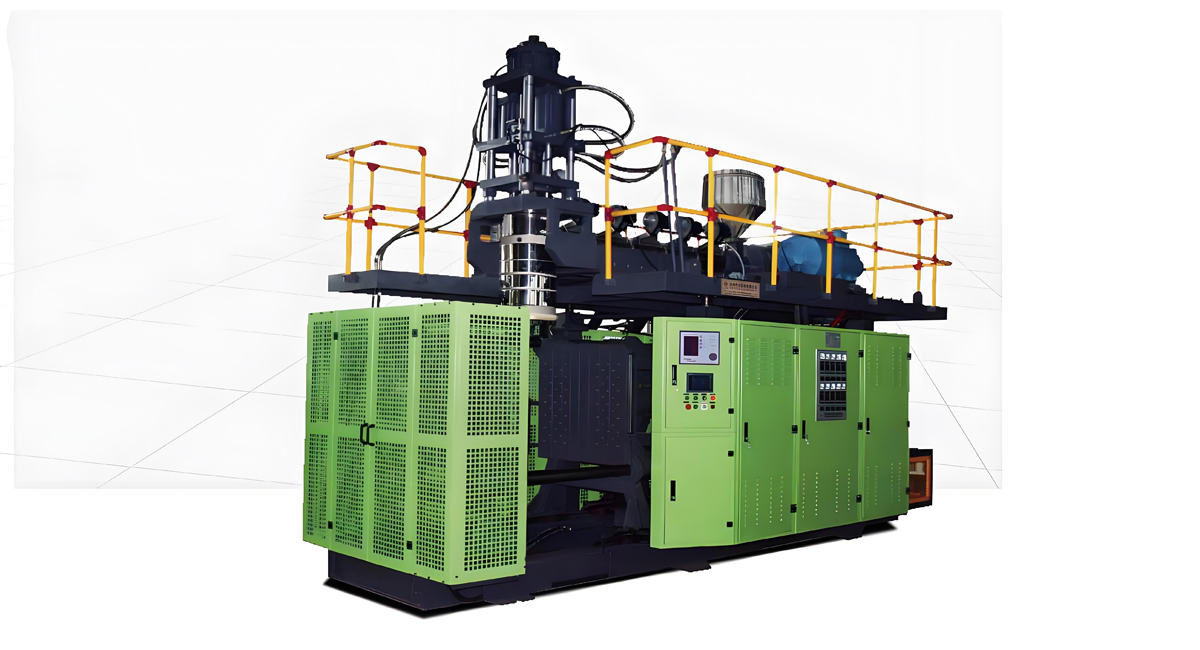
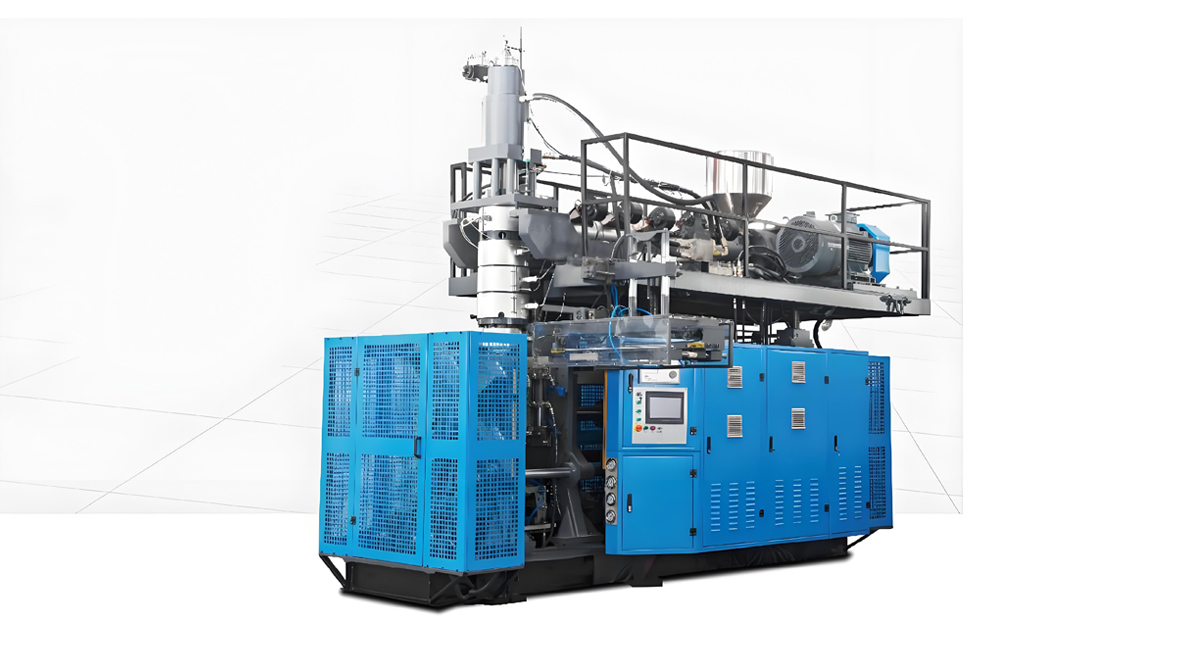
Extrusion blow molding machine certification represents a critical aspect of international equipment trade, serving as both a legal requirement for market access and a mark of quality assurance for buyers worldwide. In the competitive landscape of plastic processing machinery, proper certification distinguishes reliable manufacturers from inferior equipment suppliers, providing essential protection for operators, end-users, and regulatory compliance. Zhangjiagang Apollo Machinery Co., Ltd., a professional manufacturer with over 20 years of experience and more than 4,000 machines operating across 90 countries, understands that certification is not merely documentation but a fundamental commitment to safety, quality, and international standards compliance. The comprehensive certification process encompasses multiple international standards, technical requirements, and safety protocols that ensure extrusion blow molding machines meet rigorous operational criteria while delivering consistent performance across diverse industrial applications.
The Foundation: Understanding CE Marking for European Markets
The CE marking represents the mandatory conformity marking for products placed on the market within the European Economic Area, serving as a declaration from manufacturers that their extrusion blow molding machines comply with the essential requirements of the relevant European health, safety, and environmental protection directives. For extrusion blow molding machines, the CE marking specifically addresses compliance with the Machinery Directive 2006/42/EC, which establishes essential health and safety requirements for machine design, construction, and operation. Apollo extrusion blow molding machines undergo rigorous testing and documentation to demonstrate compliance with these directives, ensuring that equipment meets safety standards including appropriate protective devices, emergency stop functionality, interlocking guard systems, and comprehensive risk assessment documentation. The CE marking process requires manufacturers to conduct conformity assessment procedures, compile technical files, issue EU declarations of conformity, and affix CE markings permanently to machines before they enter European markets.
Technical Safety Requirements Under CE Certification
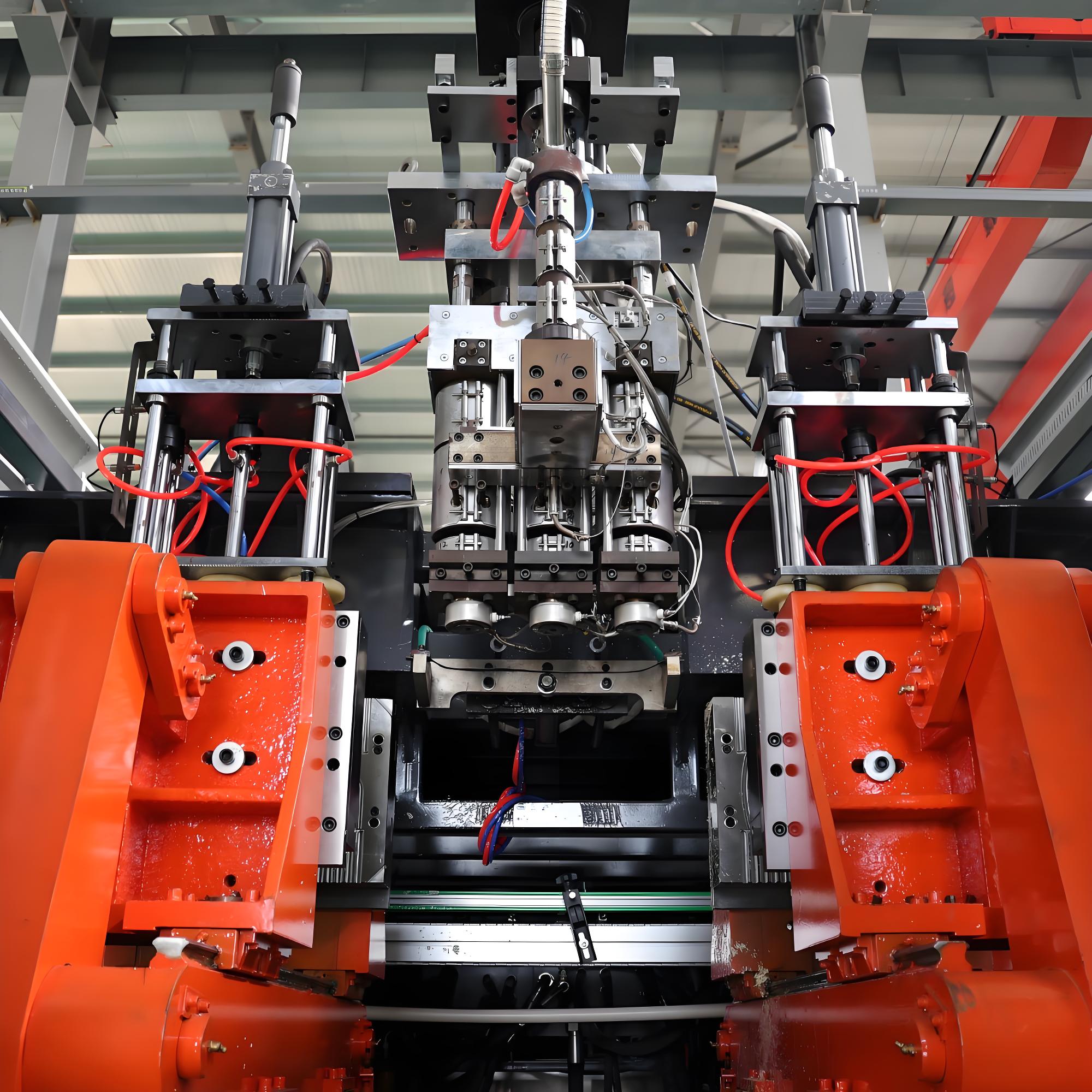
The technical safety requirements for CE certification of extrusion blow molding machines encompass multiple critical aspects designed to protect operators and ensure reliable equipment operation. These requirements include protection against mechanical hazards through appropriate guarding systems that prevent access to dangerous moving parts during operation, with interlocking guards that automatically stop machine operation when opened. Electrical safety must meet Low Voltage Directive 2014/35/EU requirements, ensuring electrical components are properly insulated, grounded, and protected against electric shock. Control systems must incorporate emergency stop devices positioned for easy operator access, with clear visibility and immediate functionality. Hydraulic and pneumatic systems require pressure relief valves, secure connections, and protection against accidental discharge. Apollo machines integrate all these safety features as standard equipment, with safety interlocks, protective guards, emergency stop buttons, and comprehensive operator protection systems designed into the basic machine configuration rather than added as optional safety accessories.
Documentation Requirements for CE Marking
CE marking requires comprehensive technical documentation that demonstrates compliance with applicable directives. This documentation includes technical construction files containing design drawings, material specifications, and detailed descriptions of safety measures. Risk assessment documentation must identify all potential hazards during machine operation and outline protective measures implemented. Operating instructions must be provided in the language of the country where the machine will be used, with clear safety warnings, proper operating procedures, and maintenance guidelines. The EU declaration of conformity serves as the official manufacturer statement confirming compliance with all relevant directives. Apollo maintains detailed technical files for each extrusion blow molding machine model, ensuring that all documentation is current, complete, and available for review by competent authorities and customers. The company provides multilingual operating manuals and technical documentation to support international customers with clear, comprehensive instructions for safe machine operation.
ISO 9001 Quality Management Systems in EBM Manufacturing
ISO 9001 certification represents the internationally recognized standard for quality management systems, establishing requirements for organizations to demonstrate their ability to consistently provide products that meet customer and applicable statutory and regulatory requirements. For extrusion blow molding machine manufacturers, ISO 9001 certification ensures that quality management processes are systematically implemented throughout design, development, production, installation, and servicing of equipment. Zhangjiagang Apollo Machinery Co., Ltd. maintains ISO 9001:2008 certification, demonstrating commitment to quality management principles including customer focus, leadership, engagement of people, process approach, continual improvement, evidence-based decision making, and relationship management. This certification encompasses quality control measures at every stage of machine production, from raw material procurement through final assembly and testing, ensuring that each extrusion blow molding machine meets specified quality standards before delivery to customers.
Quality Control Processes in EBM Machine Production
The quality control processes established under ISO 9001 certification ensure that extrusion blow molding machines meet rigorous quality standards throughout the production lifecycle. Incoming quality control verifies that all purchased components including motors, pumps, valves, electrical components, and structural materials meet specified requirements and quality standards. In-process quality control monitors critical manufacturing operations including machining precision, welding quality, assembly tolerances, and electrical connections. Final quality control conducts comprehensive testing of completed machines, including functional testing of all systems, performance verification against specifications, and safety device functionality testing. Apollo implements statistical process control techniques to monitor production quality trends and identify potential issues before they affect finished equipment quality. The company maintains detailed quality records and documentation for each machine produced, enabling traceability and continuous improvement of manufacturing processes based on quality performance data.
Continuous Improvement Framework
ISO 9001 certification requires establishment of continuous improvement processes that drive ongoing enhancement of extrusion blow molding machine quality and performance. This framework includes regular internal quality audits to assess compliance with quality management systems and identify opportunities for improvement. Customer feedback collection and analysis provides valuable insights into equipment performance in actual operating conditions, informing design and manufacturing improvements. Management review processes ensure that quality objectives are established, monitored, and updated based on business needs and market requirements. Apollo maintains continuous improvement teams focused on enhancing machine reliability, energy efficiency, ease of operation, and safety features based on customer feedback, field service data, and technological advancements. This commitment to continuous improvement ensures that Apollo extrusion blow molding machines not only meet current quality standards but continue evolving to exceed customer expectations and industry requirements.
Global Market Certification Requirements Beyond CE and ISO
While CE marking addresses European market requirements and ISO 9001 addresses quality management systems, extrusion blow molding machines must comply with various additional certification requirements depending on target markets and specific applications. These certifications address safety standards, electrical requirements, electromagnetic compatibility, and industry-specific requirements for different geographic regions and application sectors. Understanding and complying with these diverse certification requirements enables manufacturers to access global markets while ensuring equipment meets local regulatory requirements and customer expectations. Apollo extrusion blow molding machines are designed and tested to meet these diverse global requirements, providing customers with equipment that can be deployed internationally with minimal additional certification requirements.
North American Market Requirements: UL and CSA Standards
North American markets require compliance with Underwriters Laboratories (UL) and Canadian Standards Association (CSA) certification for electrical equipment and safety compliance. These certifications address electrical safety requirements, component safety, and fire prevention measures specific to North American electrical codes and safety standards. For extrusion blow molding machines, UL/CSA certification covers electrical control panels, motors, heating systems, and electrical components. The certification process involves testing equipment under simulated operating conditions to verify electrical safety, thermal protection, and compliance with applicable safety standards. Apollo can provide extrusion blow molding machines configured with UL/CSA certified electrical components for customers requiring North American market compliance, ensuring that equipment meets local electrical safety requirements and can be installed with local approval processes.
Food and Pharmaceutical Industry Certifications: FDA and GMP
Extrusion blow molding machines used for food and pharmaceutical packaging production must comply with additional industry-specific certification requirements. Food contact compliance requires that machine components contacting plastic materials meet FDA requirements for food contact substances, ensuring that no harmful substances migrate from equipment into food products. Good Manufacturing Practice (GMP) certification addresses cleanliness, sanitation, and documentation requirements for pharmaceutical packaging production equipment. Apollo extrusion blow molding machines designed for food and pharmaceutical applications feature food-grade stainless steel components, hygienic design principles, and compliance with FDA food contact requirements. The company can provide equipment configured for GMP compliance with enhanced sanitary design features, documentation systems, and cleanroom compatibility for pharmaceutical packaging applications requiring strict regulatory compliance.
Australian and Asian Market Standards
Australian markets require compliance with Australian and New Zealand standards (AS/NZS) for electrical safety and mechanical safety requirements. Asian markets including Japan, Korea, and Southeast Asian countries have their own electrical and safety standards that must be met for equipment importation and installation. These standards address electrical grounding, voltage requirements, frequency compatibility, and specific safety device requirements. Apollo extrusion blow molding machines can be configured with appropriate electrical components and safety features to meet these regional standards, providing customers with equipment that complies with local requirements and can be installed without requiring extensive modifications or additional safety retrofits.
Safety Standards: EN 422 and ANSI/SPI B151.31
Specific safety standards provide detailed technical requirements for extrusion blow molding machine design and construction beyond general machinery directives. The European standard EN 422:2009 and the American standard ANSI/SPI B151.31-2014 establish comprehensive safety requirements specifically applicable to blow molding machines. These standards address hazard identification, risk reduction measures, safety device requirements, and operational safety protocols. Compliance with these specific standards demonstrates that extrusion blow molding machines incorporate industry-recognized safety features and design principles. Apollo extrusion blow molding machines are designed and manufactured to comply with EN 422:2009 requirements, ensuring that equipment meets European safety expectations, and can be adapted to meet ANSI/SPI B151.31-2014 requirements for North American market compliance.
EN 422:2009 European Blow Molding Machine Safety Standard
The EN 422:2009 standard establishes essential health and safety requirements for the design and construction of plastics and rubber machines specifically for blow molding. This standard identifies significant hazards inherent in blow molding machine operation including crushing zones, shearing points, hot surfaces, high-pressure air systems, and moving parts that can cause entanglement. The standard requires implementation of protective measures including guarding systems that prevent access to danger zones, interlocking devices that prevent operation when guards are opened, emergency stop devices positioned for immediate operator access, and protection against hot surface contact. EN 422:2009 also addresses requirements for control systems, hydraulic systems, pneumatic systems, and electrical safety. Apollo extrusion blow molding machines incorporate all EN 422:2009 safety requirements as standard design features, providing customers with equipment that meets European safety expectations without requiring additional safety modifications or retrofits.
ANSI/SPI B151.31-2014 American Safety Standard
The ANSI/SPI B151.31-2014 standard provides safety requirements for the manufacture and use of blow molding machines as established by the American National Standards Institute and Society of Plastics Industry. This standard applies to all blow molding machines processing plastic materials to blow a parison, blow a preform, or blow a preform and stretch into the shape of a mold cavity. The standard requires risk assessment processes during manufacture, care, and use of machinery, with documented justifications for any deviations from requirements. Safety requirements address guarding of dangerous moving parts, safety distances, control systems, emergency stopping devices, and protection against electrical hazards. The standard also addresses requirements for ancillary equipment when used in conjunction with blow molding machines. Apollo can provide extrusion blow molding machines configured to meet ANSI/SPI B151.31-2014 requirements for customers requiring North American market compliance, ensuring that equipment meets American safety standards and can be installed with appropriate local approvals.
Apollo Certification Excellence and Market Access
Zhangjiagang Apollo Machinery Co., Ltd. has established comprehensive certification programs covering extrusion blow molding machines for global market access. The company maintains current certifications for CE marking, ISO 9001 quality management, and various industry-specific certifications required for different market segments and applications. This certification excellence enables Apollo to export equipment to more than 90 countries worldwide, with over 4,000 machines currently in operation across diverse international markets. The company certification program ensures that equipment meets not only current requirements but anticipates future regulatory developments, providing customers with long-term compliance assurance and reducing the need for machine modifications or retrofits as standards evolve.
Certified Product Range
Apollo offers certified extrusion blow molding machines across the complete product range from laboratory-scale models for small batch production to large industrial equipment for high-volume manufacturing. The ABLB series covering 200ml to 30L capacity features CE certification and ISO 9001 compliance, suitable for food packaging, daily chemical containers, and pharmaceutical packaging applications. The ABLD series for 20L to 1500L capacity maintains the same certification level for industrial containers, chemical drums, and large storage tanks. The fully electric series for 200ml to 20L capacity provides additional certifications for clean room applications and pharmaceutical production. All Apollo extrusion blow molding machines undergo appropriate certification testing and documentation before delivery, ensuring that customers receive equipment that meets regulatory requirements for their intended market and application without requiring additional certification processes.
Market-Specific Certification Support
Apollo provides comprehensive market-specific certification support to assist customers with equipment importation and local compliance requirements. The company maintains detailed knowledge of certification requirements across different geographic regions, including specific documentation needs, testing requirements, and approval processes. For customers requiring market-specific certifications beyond standard CE and ISO 9001 compliance, Apollo can coordinate certification processes through authorized testing laboratories and certification bodies. The company can provide equipment configured with appropriate electrical components for regional electrical standards, safety devices for specific safety requirements, and documentation for local approval processes. This market-specific certification support reduces customer complexity and lead time for equipment importation, enabling faster project startup and reduced certification costs.
Investment Considerations: Certification Costs and Value Proposition
Certification represents a significant investment for both manufacturers and purchasers of extrusion blow molding machines, but provides substantial value through market access, risk reduction, and quality assurance. For manufacturers, certification costs include testing fees, documentation preparation, certification body charges, and ongoing maintenance of certification status. For purchasers, certified equipment commands premium pricing compared to non-certified alternatives but provides assurance of safety, quality, and regulatory compliance. Understanding the cost-benefit relationship for certification investment enables informed decision making for equipment procurement and manufacturer certification strategies.
Manufacturer Certification Investment Analysis
Manufacturers invest significantly in certification programs to establish market credibility and enable international sales. For extrusion blow molding machine manufacturers, typical certification costs range from $15,000 to $50,000 per model depending on certification scope, target markets, and required testing procedures. CE marking for single model ranges from $10,000 to $20,000 including testing, documentation, and certification body fees. Additional certifications such as UL/CSA for North American markets add $5,000 to $15,000 per certification. Food contact and pharmaceutical industry certifications require additional investment ranging from $8,000 to $25,000 per certification. Apollo maintains comprehensive certification programs representing annual investment exceeding $100,000 across product ranges, but this investment enables export to more than 90 countries and provides competitive advantage through certified quality assurance. The company typically recovers certification investment within 18-24 months through increased sales to certified markets and premium pricing for certified equipment.
Purchaser Value Proposition
For equipment purchasers, certified extrusion blow molding machines provide substantial value despite premium pricing compared to non-certified alternatives. Certified equipment typically commands pricing premiums of 10-25% depending on certification scope and market requirements. However, this premium investment provides multiple benefits including reduced regulatory compliance risks, enhanced operator safety, lower insurance premiums, improved financing terms, and faster project approval processes. Certified equipment typically experiences 30-50% fewer compliance-related delays during installation and startup. Insurance companies offer 5-15% lower premiums for certified equipment due to reduced risk profiles. Financing providers offer more favorable terms for certified equipment purchases due to reduced risk and enhanced resale value. Over the typical 10-15 year equipment lifespan, the total value proposition of certified equipment exceeds the initial premium investment by substantial margins through reduced risks and enhanced operational benefits.
Return on Investment Analysis
Return on investment analysis demonstrates that certification provides excellent long-term returns despite initial investment requirements. A certified extrusion blow molding machine with 20% price premium compared to non-certified alternative, such as Apollo ABLB 75 at $66,000 versus non-certified alternative at $55,000, provides returns through multiple value streams. Over 10-year equipment life, the $11,000 premium investment yields returns including 2-3% annual savings from reduced downtime, 1-2% annual savings from lower insurance premiums, and 5-8% annual value from enhanced operational efficiency due to quality management systems. The total annual value from these benefits ranges from 8-13% of equipment value, representing $5,280-8,580 annually on $66,000 investment. Based on these benefits, the certification premium recovers within 1.5-2.5 years, after which the certified equipment provides ongoing annual benefits throughout remaining service life. This return analysis demonstrates that certification represents excellent investment rather than cost center.
Future Certification Trends and Emerging Requirements
Certification requirements for extrusion blow molding machines continue evolving to address emerging safety concerns, environmental requirements, and technological developments. Understanding future certification trends enables manufacturers to anticipate requirements and purchasers to make future-proof equipment investment decisions. Key trends include increased focus on energy efficiency certification, digital safety integration requirements, enhanced electromagnetic compatibility standards, and industry-specific certifications for new applications such as biodegradable materials processing.
Energy Efficiency Certification Requirements
Energy efficiency certification represents an emerging trend in extrusion blow molding machine requirements, driven by energy cost concerns and environmental regulations. New standards are being developed to address energy consumption, power factor, and standby power requirements for plastic processing machinery. These certifications may become mandatory requirements in energy-conscious markets and provide competitive advantages in energy-sensitive applications. Apollo fully electric extrusion blow molding machines already demonstrate superior energy efficiency with 30-40% lower energy consumption compared to hydraulic alternatives, positioning these models favorably for emerging energy efficiency certification requirements. The company monitors developing energy efficiency standards and incorporates energy efficiency features into new machine designs to ensure future compliance with emerging requirements.
Digital Safety and Industry 4.0 Integration
Digital safety integration and Industry 4.0 concepts represent emerging requirements in safety standards, incorporating electronic safety systems, remote monitoring capabilities, and predictive safety analytics. Future certification requirements may mandate electronic safety monitoring systems, network connectivity for safety data transmission, and automated safety response systems. Apollo extrusion blow molding machines already incorporate advanced PLC control systems with safety monitoring capabilities and can be configured with additional digital safety features as these requirements emerge. The company maintains active participation in standards development processes to understand and prepare for future digital safety requirements, ensuring that equipment can be adapted to meet emerging certification requirements without requiring complete redesign or replacement.
Conclusion: Strategic Certification as Competitive Advantage
Extrusion blow molding machine certification represents far more than regulatory compliance, serving as strategic competitive advantage for both manufacturers and purchasers. Apollo comprehensive certification program including CE marking, ISO 9001 quality management, market-specific certifications, and compliance with EN 422 and ANSI/SPI B151.31 safety standards provides customers with equipment suitable for global deployment across diverse markets and applications. The company investment in certification excellence enables export to more than 90 countries and operation of more than 4,000 machines worldwide, demonstrating global acceptance of Apollo quality and safety standards. For purchasers, certified Apollo extrusion blow molding machines provide assurance of safety, quality, and regulatory compliance while delivering superior return on investment through reduced risks and enhanced operational benefits. As certification requirements continue evolving, Apollo commitment to certification excellence ensures that equipment remains compliant and competitive in changing global markets, providing customers with long-term value and protection for their equipment investments.