Understanding Noise Pollution in Plastic Manufacturing
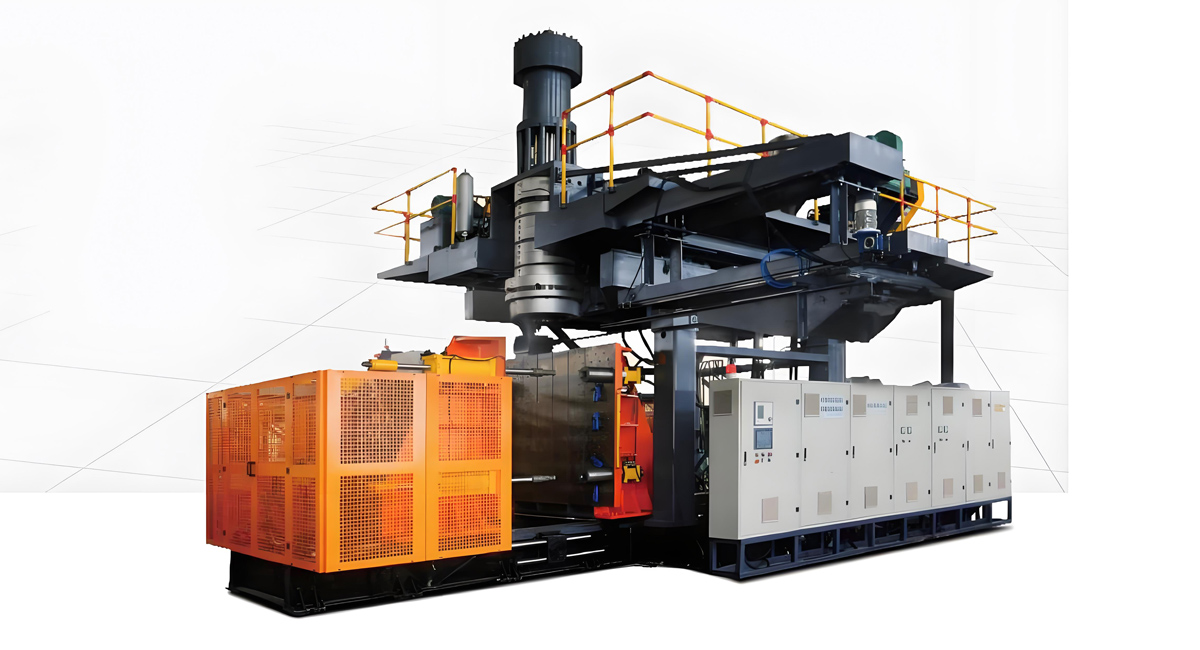
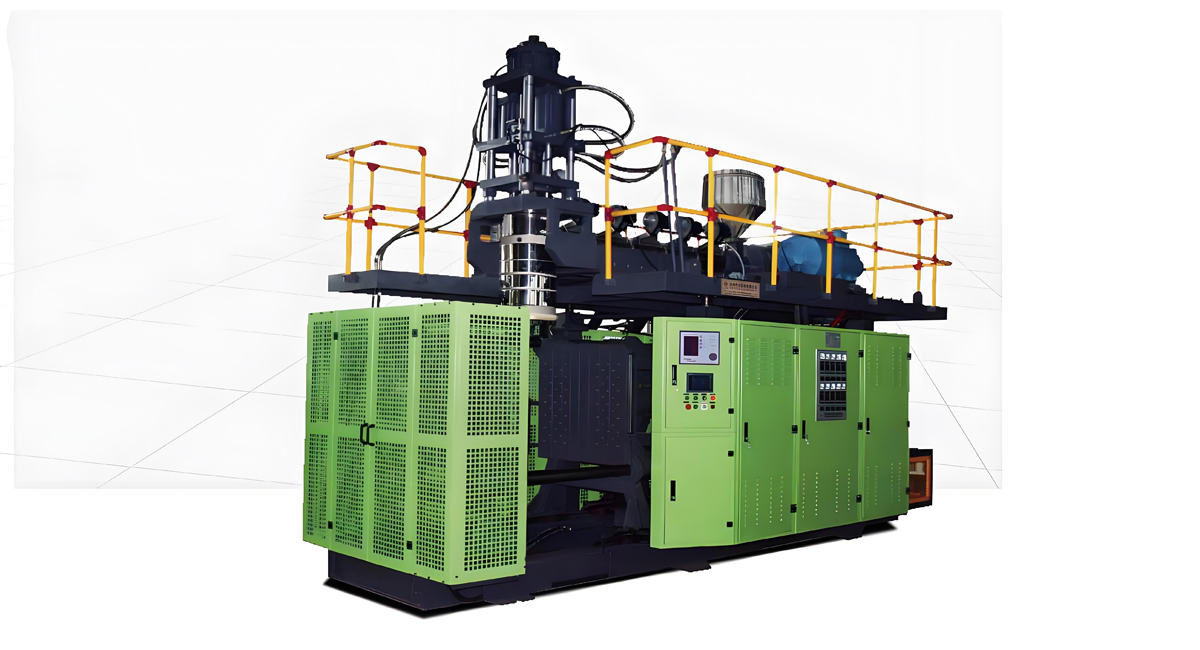
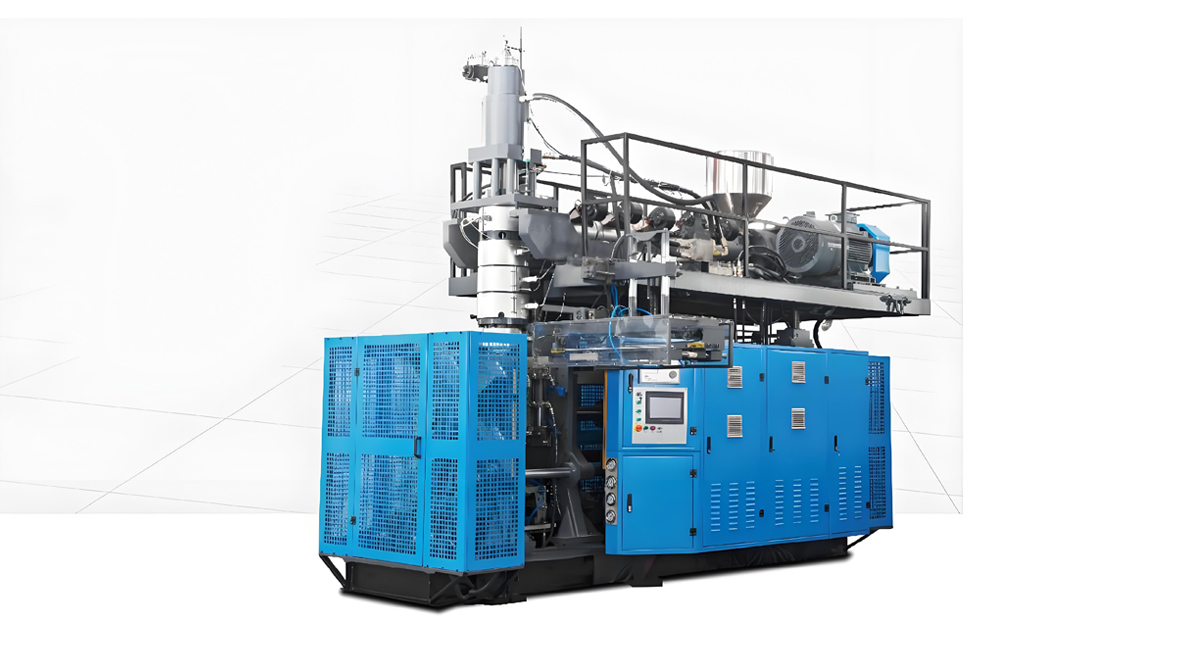
Noise pollution in plastic manufacturing facilities represents a significant challenge affecting worker health, regulatory compliance, and community relations. Extrusion blow molding machines generate substantial noise during operation through multiple sources including hydraulic systems, motors, pumps, compressed air exhaust, and mechanical movement. Understanding the nature, sources, and impacts of noise in plastic manufacturing environments enables manufacturers to implement effective noise reduction strategies that improve working conditions, ensure regulatory compliance, and enhance community acceptance. Zhangjiagang Apollo Machinery Co., Ltd., with over 20 years of manufacturing experience and more than 4,000 machines operating across 90 countries, understands that noise reduction is not merely a regulatory requirement but a fundamental aspect of creating safe, comfortable, and productive working environments. Apollo extrusion blow molding machines incorporate advanced noise reduction technologies, achieving noise levels as low as 75 decibels for all-electric models compared to 85-95 decibels for conventional hydraulic machines, representing a 10-20 decibel reduction that significantly improves workplace conditions.
Noise Sources in Extrusion Blow Molding Machines
Extrusion blow molding machines generate noise through multiple components and operational processes, each requiring specific noise reduction strategies for effective overall noise control. Primary noise sources include hydraulic pumps and motors that generate low-frequency mechanical noise through rotating components and pressure fluctuations, gearboxes that produce gear meshing noise through tooth contact and vibration, compressed air systems that create high-frequency exhaust noise during blow cycle operations, and mechanical movement components including mold closing systems, parison cutting, and material handling. Understanding the frequency characteristics, noise levels, and operational patterns of each noise source enables manufacturers to implement targeted noise reduction measures that address the most significant noise contributors first. Apollo noise reduction analysis identifies and prioritizes noise sources based on decibel measurements, frequency analysis, and worker exposure patterns, ensuring that noise reduction investments provide maximum benefit for minimum cost.
Hydraulic System Noise Analysis
Hydraulic systems represent the most significant noise source in conventional extrusion blow molding machines, generating noise through multiple mechanisms. Hydraulic pumps create noise through pressure pulses as pistons move between high and low pressure conditions, generating pressure fluctuations that translate to acoustic energy transmission through hydraulic fluid. Hydraulic motors produce mechanical noise through rotating components, bearing friction, and vibration transmission. Hydraulic valves generate noise through rapid pressure changes and fluid turbulence during opening and closing operations. Hydraulic lines and fittings transmit and radiate noise through vibration of pipe walls and connection points. Apollo hydraulic systems incorporate advanced noise reduction technologies including variable-speed pump drives that reduce pressure fluctuations, low-noise hydraulic components with improved design tolerances, and vibration isolation mounts that reduce noise transmission. These technologies collectively reduce hydraulic system noise by 8-12 decibels compared to conventional hydraulic systems, making substantial contributions to overall noise reduction.
Mechanical Motion Noise Generation
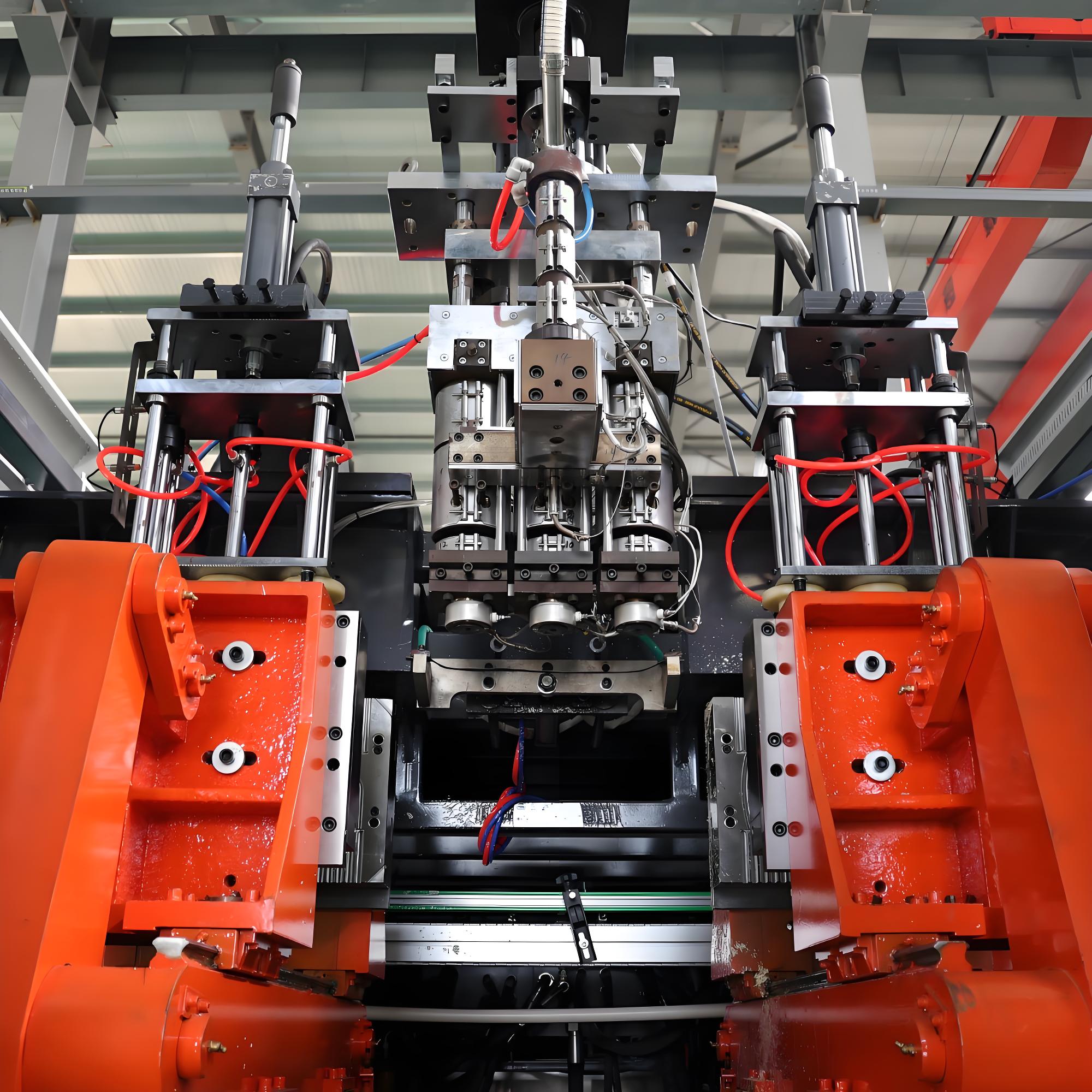
Mechanical motion components generate noise through multiple mechanisms during extrusion blow molding machine operation. Gearboxes produce gear meshing noise through tooth contact, misalignment, and wear, typically generating noise in the 500-2000 Hz frequency range that is particularly audible to human hearing. Clamping systems generate noise through rapid acceleration and deceleration of heavy mold components, creating impact noise during mold closing and opening operations. Parison cutting systems generate cutting noise through blade contact with hot plastic material and mechanical actuation noise through cutting mechanism movement. Material handling systems including product ejection and transfer generate noise through product impact with conveyor surfaces and mechanical operation of transfer devices. Apollo mechanical systems incorporate noise reduction features including precision-machined gear components with improved tooth profiles for reduced meshing noise, shock-absorbing mounts for clamping systems, optimized cutting mechanisms with reduced impact energy, and soft-contact product handling surfaces. These mechanical noise reduction measures collectively reduce mechanical noise by 5-8 decibels compared to conventional systems.
Compressed Air System Noise
Compressed air systems generate high-frequency noise during blow cycle operations when compressed air exhausts from molds and components. Air exhaust noise generation occurs through turbulent airflow at exhaust ports, rapid pressure equalization when air vents to atmosphere, and air impingement on surrounding surfaces. This noise typically occurs in the 1000-8000 Hz frequency range, which is particularly annoying and damaging to human hearing. Air exhaust noise represents the most intermittent and variable noise source in extrusion blow molding operations, occurring during each blow cycle and varying significantly based on product size, blow pressure, and exhaust design. Apollo compressed air systems incorporate noise reduction technologies including mufflers and silencers that reduce exhaust turbulence, baffled exhaust ports that impede direct sound transmission, and exhaust redirection systems that direct exhaust noise away from operator work areas. These measures reduce air exhaust noise by 15-25 decibels compared to uncontrolled exhaust systems, providing substantial improvement in working conditions.
Health and Safety Impacts of Industrial Noise
Industrial noise exposure creates substantial health and safety risks for workers in plastic manufacturing facilities, including hearing damage, communication interference, stress-related health issues, and accident potential. Understanding these health impacts drives regulatory requirements and business cases for noise reduction investments. Regulatory bodies including OSHA in the United States, EU Directive 2003/10/EC in Europe, and various national regulations establish maximum permissible noise exposure limits and hearing conservation requirements. Health impacts accumulate over time with chronic noise exposure, making noise reduction essential not merely for regulatory compliance but for worker health and safety protection. Apollo commitment to workplace safety extends beyond regulatory compliance to providing machines that enable creation of safe, comfortable, and productive working environments for all workers.
Hearing Damage and Conservation
Chronic noise exposure causes cumulative hearing damage that progressively reduces hearing sensitivity over years of exposure, eventually causing permanent hearing loss that cannot be medically reversed. Noise-induced hearing loss occurs through damage to delicate hair cells in the inner ear that convert sound vibrations to electrical signals, with damage accumulating over time as these cells are progressively destroyed. The damage begins in high-frequency ranges above 4000 Hz, where hearing sensitivity is most vulnerable, and gradually progresses to lower frequencies that affect speech comprehension and everyday hearing. Workers exposed to noise levels above 85 decibels for 8 hours daily experience measurable hearing loss after 5-10 years of exposure, with more severe damage occurring at higher noise levels or longer exposure durations. Regulatory agencies establish permissible exposure limits typically at 85 decibels for 8-hour exposures, with allowable exposure times halving for each 3-decibel increase above this level. Apollo extrusion blow molding machines achieve noise levels as low as 75 decibels in all-electric models, providing substantial protection against hearing damage compared to conventional machines operating at 85-95 decibels.
Communication and Safety Implications
High noise levels interfere with verbal communication between workers, creating safety implications when communication becomes impossible or requires shouting that increases noise further. Communication interference affects normal workplace coordination, emergency response capabilities, and supervisor-worker interactions. When noise levels exceed 85 decibels, normal conversation becomes impossible without shouting, and shouting further increases overall noise levels in the facility. Communication difficulties create safety hazards when workers cannot hear warnings, instructions, or equipment alarms due to ambient noise. Regulatory requirements mandate that workplaces maintain noise levels low enough to enable communication without shouting, with many jurisdictions requiring separate communication areas when noise exceeds specific thresholds. Apollo noise reduction strategies create working environments where normal communication is possible without shouting, enabling effective workplace coordination while reducing overall noise levels through elimination of shouting as additional noise source.
Stress-Related Health Impacts
Chronic noise exposure causes physiological stress responses that contribute to various health conditions including cardiovascular disease, hypertension, sleep disorders, and psychological stress. High noise levels activate the body stress response, releasing hormones including cortisol and adrenaline that increase heart rate, blood pressure, and blood glucose levels. Chronic activation of these stress responses contributes to development of cardiovascular disease, high blood pressure, and metabolic disorders over time. Sleep disruption from noise exposure, even in evening hours after work shifts end, impairs recovery and contributes to health deterioration. Psychological effects include increased irritability, anxiety, and reduced concentration and job satisfaction. Research indicates that workers in high-noise environments experience 30-50% higher rates of stress-related health conditions compared to workers in low-noise environments. Apollo noise reduction initiatives create workplaces with noise levels below 80 decibels, reducing stress-related health impacts and improving worker health outcomes.
Regulatory Compliance Requirements
Noise exposure regulations establish legal requirements for workplace noise levels that manufacturers must meet to operate legally and avoid penalties. These regulations vary by jurisdiction but commonly establish maximum permissible exposure limits, monitoring requirements, hearing conservation programs, and worker training requirements. Compliance with noise regulations requires understanding applicable standards, implementing measurement and monitoring programs, and implementing noise control measures when limits are exceeded. Apollo extrusion blow molding machines are designed to meet regulatory noise limits in major markets worldwide, including OSHA standards in the United States, EU Directive 2003/10/EC requirements in European markets, and various national standards in Asia and other regions. Understanding regulatory requirements and designing equipment to meet these requirements prevents compliance issues while improving worker safety and reducing potential legal liabilities.
International Noise Standards
International noise standards establish consistent requirements for workplace noise exposure across different jurisdictions, providing common frameworks for manufacturers operating globally. The European Union Directive 2003/10/EC establishes comprehensive noise requirements including maximum exposure limits of 87 decibels for 8-hour daily exposure, with action levels triggering noise control measures at 80 decibels for lower exposure and 85 decibels for upper exposure. The United States OSHA standard establishes permissible exposure limits of 90 decibels for 8-hour exposures, with action levels at 85 decibels requiring hearing conservation programs. ISO standards including ISO 1999 provide guidance on noise assessment and control. Various national standards establish additional requirements beyond these international frameworks. Apollo extrusion blow molding machines are designed to meet these international standards through comprehensive noise reduction engineering, enabling global deployment while meeting local regulatory requirements in all major markets.
Monitoring and Assessment Requirements
Regulatory compliance requires systematic noise monitoring and assessment programs to measure workplace noise levels, identify exposure risks, and verify control measure effectiveness. Monitoring requirements include noise level measurement using calibrated sound level meters, worker exposure assessment through personal dosimetry for workers in high-noise areas, and area monitoring to identify noise sources and exposure patterns. Assessment programs must measure A-weighted decibels, which approximate human hearing response, and frequency analysis to identify dominant noise frequencies that require targeted control measures. Regulatory requirements typically mandate annual monitoring programs, with more frequent monitoring when noise levels approach exposure limits. Apollo provides noise level specifications for all machine models based on standardized testing conditions, enabling facility noise level calculations and assessment programs. Extrusion blow molding machines achieving noise levels below 80 decibels typically require minimal monitoring beyond basic verification measurements, while machines operating near 85 decibels require comprehensive monitoring programs.
Hearing Conservation Program Requirements
When workplace noise levels exceed regulatory action levels, employers must implement hearing conservation programs including audiometric testing, hearing protection provision, worker training, and noise control measure implementation. Audiometric testing programs establish baseline hearing levels and monitor changes over time to detect hearing damage early. Hearing protection programs provide and mandate use of appropriate hearing protection devices including earplugs and ear muffs when noise exceeds permissible levels. Worker training programs educate employees about noise risks, hearing protection use, and noise control measures. Noise control measure programs implement engineering and administrative controls to reduce noise levels to minimum practical levels. Apollo extrusion blow molding machines with noise levels below 80 decibels typically eliminate requirements for comprehensive hearing conservation programs by maintaining noise below action levels. Machines operating at 80-85 decibels may require partial hearing conservation programs, while machines above 85 decibels require comprehensive programs with all elements.
Engineering Noise Control Strategies
Engineering noise control strategies represent the most effective approach to reducing workplace noise levels by addressing noise sources directly rather than merely protecting workers through hearing protection or administrative controls. Engineering controls include equipment design modifications, noise path interruption, and noise reception area treatments that reduce noise levels at the source or during transmission before reaching workers. Engineering controls provide permanent noise reduction without requiring continuous worker action, making them preferable to administrative controls for sustainable noise reduction. Apollo extrusion blow molding machines incorporate comprehensive engineering noise control strategies throughout machine design, including noise reduction at noise sources, vibration isolation, and enclosure technologies that reduce overall noise emissions by 15-25 decibels compared to uncontrolled machines.
Noise Source Reduction
Noise source reduction represents the most effective engineering control strategy by reducing noise generation at the source rather than attempting to control noise after generation. Noise source reduction strategies include selecting low-noise components, optimizing operational parameters to reduce noise generation, and implementing design modifications that reduce noise-producing mechanisms. For hydraulic systems, noise source reduction includes variable-speed pump drives that operate at minimum necessary speed, low-noise pump designs with improved pressure pulse characteristics, and smooth hydraulic control valves that reduce pressure transients. For mechanical systems, noise source reduction includes precision-machined components with tighter tolerances, optimized gear tooth profiles for reduced meshing noise, and shock-absorbing mechanisms for impact reduction. For air exhaust systems, noise source reduction includes muffler designs that reduce exhaust turbulence and baffled exhaust ports that impede sound radiation. Apollo noise source reduction strategies achieve 8-15 decibel reductions at primary noise sources, providing substantial overall noise reduction when combined with other control measures.
Vibration Isolation and Damping
Vibration isolation and damping reduce noise transmission by preventing mechanical vibrations from traveling through machine structures and radiating as acoustic energy. Vibration isolation strategies include resilient mounts that isolate vibrating components from machine frames, flexible couplings that prevent vibration transmission between rotating components and driven equipment, and floating floor installations that prevent structure-borne noise transmission. Vibration damping strategies include damping materials applied to vibrating surfaces, constrained layer damping treatments that reduce panel radiation, and mass loading treatments that increase surface mass and reduce vibration amplitude. Apollo vibration isolation applications include rubber isolation mounts for motors and pumps, resilient couplings between motors and gearboxes, and isolation pads for machine foundation installation. Vibration damping applications include viscoelastic damping materials on machine panels, constrained layer treatments on large surface areas, and strategic mass loading on resonant panel surfaces. These isolation and damping measures collectively reduce structure-borne noise transmission by 5-10 decibels.
Enclosure and Barrier Technologies
Enclosure and barrier technologies interrupt noise transmission paths by blocking, absorbing, or redirecting noise between noise sources and receiver areas. Enclosure strategies include complete machine enclosures that surround noise sources, partial enclosures that target specific high-noise components, and barrier walls that block direct noise transmission. Absorption strategies include acoustic absorption materials that convert sound energy to heat rather than reflecting sound, perforated panel designs that enhance absorption, and reactive absorbers tuned to specific frequencies. Apollo enclosure applications include optional full machine enclosures that reduce noise emissions by 15-20 decibels, partial enclosures for high-noise components like pumps and compressors, and interior panel treatments that reduce interior reverberation. Enclosure effectiveness depends on acoustic transmission loss through enclosure materials, absorption characteristics of interior surfaces, and sealing effectiveness at openings and penetrations. Well-designed enclosures provide 15-25 decibel reduction at receiver positions, making them highly effective for noise control when properly engineered.
Hydraulic System Noise Reduction Technologies
Hydraulic systems represent the most significant noise source in conventional extrusion blow molding machines, making hydraulic noise reduction a priority for overall noise control. Hydraulic noise reduction technologies address pump noise, motor noise, valve noise, and fluid transmission noise through specialized component designs and system optimizations. Apollo hydraulic systems incorporate comprehensive noise reduction technologies including variable-speed pump drives, low-noise hydraulic components, and system optimizations that reduce hydraulic noise generation by 10-15 decibels compared to conventional hydraulic systems. These improvements create substantial workplace noise reduction while maintaining hydraulic system performance and reliability.
Variable-Speed Pump Drive Systems
Variable-speed pump drive systems reduce hydraulic noise by operating pumps only at speeds necessary to meet actual hydraulic demand, reducing pressure fluctuations and motor speed compared to constant-speed systems. Variable-frequency drives control motor speed to match hydraulic demand rather than operating at constant maximum speed, reducing pump noise proportionally to speed reduction. At reduced loads and idle conditions, variable-speed drives can reduce pump speed by 50-70%, generating corresponding noise reductions of 6-12 decibels. During normal operation, variable-speed drives optimize pump speed to match actual demand, generating 3-6 decibel reduction compared to constant-speed operation. Beyond noise reduction, variable-speed drives provide energy savings of 20-40% through reduced motor operation and improved hydraulic efficiency. Apollo variable-speed pump systems achieve noise levels 8-12 decibels lower than constant-speed systems while reducing energy consumption by 25-35%, providing both noise reduction and energy efficiency benefits.
Low-Noise Hydraulic Components
Low-noise hydraulic components incorporate design modifications that reduce noise generation while maintaining hydraulic performance and reliability. Low-noise pumps feature improved piston and cylinder designs that reduce pressure pulses, optimized valve timing that smooths pressure transitions, and precision manufacturing that reduces internal clearances and turbulence. Low-noise motors feature precision winding and rotor balancing that reduce electromagnetic noise and mechanical vibration, improved fan designs that reduce air movement noise, and high-quality bearings that reduce friction noise. Low-noise valves feature tapered seating surfaces that reduce pressure transients, optimized flow paths that reduce turbulence, and damping mechanisms that reduce impact noise during opening and closing. Apollo hydraulic systems specify low-noise components from quality manufacturers, achieving 3-5 decibel reduction per component compared to conventional components. The cumulative effect of multiple low-noise components across the hydraulic system achieves 8-12 decibel system-level noise reduction.
Hydraulic System Optimization
Hydraulic system optimization reduces noise through system-level design rather than individual component improvements. Optimization strategies include properly sized hydraulic lines that reduce flow velocity and turbulence, minimized sharp bends and fittings that reduce flow restrictions and turbulence, optimized accumulator sizing that reduces pressure fluctuations, and balanced system design that minimizes unnecessary pressure generation. Proper hydraulic line sizing reduces fluid velocity to recommended ranges below 15 feet per second for return lines and below 25 feet per second for pressure lines, reducing flow turbulence and associated noise. Minimizing fittings and bends reduces flow restrictions and pressure drops that generate turbulence noise. Optimized accumulator sizing provides smooth pressure supply and absorbs pressure pulses that would otherwise generate noise. Apollo hydraulic system optimization achieves 3-6 decibel noise reduction while improving hydraulic efficiency and reducing system heating.
All-Electric Machine Noise Advantages
All-electric extrusion blow molding machines provide inherent noise reduction advantages compared to hydraulic machines by eliminating hydraulic system noise sources entirely. All-electric machines replace hydraulic systems with electric servo drives, eliminating hydraulic pump noise, hydraulic motor noise, and hydraulic transmission noise while providing superior motion control and energy efficiency. Apollo all-electric extrusion blow molding machines achieve noise levels as low as 75 decibels during operation, representing 10-20 decibel reduction compared to hydraulic machines operating at 85-95 decibels. This substantial noise reduction creates significant workplace improvements while providing additional benefits including reduced energy consumption, eliminated hydraulic oil maintenance, and improved motion precision.
Electric Servo Drive Noise Characteristics
Electric servo drives generate significantly less noise than hydraulic systems due to fundamental differences in power transmission and operation mechanisms. Electric servo motors generate electromagnetic noise through current flow in windings and mechanical noise through bearing friction and cooling fans, but these noise sources generate lower decibel levels and different frequency characteristics than hydraulic noise sources. Electric servo noise typically occurs in higher frequency ranges above 1000 Hz, which is less damaging to human hearing than the lower frequency hydraulic noise below 1000 Hz. Electric servo systems eliminate the low-frequency pressure pulse noise characteristic of hydraulic pumps, which represents the most significant hydraulic noise component. Cooling fan noise in electric motors can be significant but occurs at frequencies above 2000 Hz and can be addressed through fan design optimization and intake silencing. Apollo all-electric systems achieve overall noise levels 10-15 decibels lower than comparable hydraulic systems while providing energy savings of 30-40% and eliminating hydraulic maintenance requirements.
Motion Control and Noise Generation
Electric servo systems provide superior motion control that enables noise reduction through optimized motion profiles and reduced impact forces compared to hydraulic systems. Servo systems implement programmable acceleration and deceleration profiles that reduce mechanical shock and impact noise during machine movement. Hydraulic systems, by contrast, typically use fixed acceleration profiles determined by hydraulic valve characteristics and system inertia, generating more mechanical noise through rapid acceleration and deceleration of heavy loads. Servo systems also provide precise position control that reduces overtravel and impact at motion limits, further reducing impact noise. Apollo servo motion programming optimizes acceleration and deceleration for each axis based on load characteristics and motion requirements, reducing mechanical noise by 3-5 decibels compared to hydraulic motion systems.
Energy Efficiency and Noise Correlation
Energy efficiency improvements in all-electric machines correlate with noise reduction due to fundamental relationships between energy consumption and noise generation. Motors operating at higher efficiency convert more electrical energy to mechanical motion and less to waste heat and associated losses that generate noise. Servo systems provide on-demand power delivery that operates motors only at necessary speed and power levels, reducing motor noise at partial loads compared to constant-speed hydraulic motors. Lower energy consumption reduces cooling requirements and associated cooling fan noise. Apollo all-electric machines achieve energy consumption reductions of 30-40% compared to hydraulic systems, with corresponding noise reduction through lower cooling requirements and reduced motor operation levels. The energy efficiency and noise reduction correlation provides dual benefits of lower operating costs and improved workplace environments.
Factory Layout and Noise Management
Factory layout and noise management strategies reduce worker noise exposure through spatial arrangement of equipment, zoning of high-noise areas, and administrative controls that limit exposure time and intensity. Strategic factory layout can reduce noise exposure by 5-15 decibels at individual work positions without requiring equipment modifications or noise control investments. Effective noise management through layout optimization requires understanding noise source characteristics, worker exposure patterns, and facility constraints that affect layout possibilities. Apollo factory noise assessment services help customers optimize facility layouts for noise reduction, providing recommendations for equipment placement, zoning strategies, and administrative controls that reduce worker noise exposure.
Equipment Placement and Distance Attenuation
Equipment placement strategies utilize distance attenuation, where noise levels decrease predictably with distance from noise sources according to inverse square law principles. Placing high-noise equipment away from worker areas reduces noise exposure through natural distance attenuation. Doubling the distance from a noise source reduces noise levels by approximately 6 decibels in free field conditions, providing substantial reduction for worker positions moved further from equipment. Facility layouts should position high-noise equipment near facility perimeters rather than in central areas, maintain maximum practical distances between high-noise equipment and frequently occupied work areas, and consider noise transmission characteristics through facility structures that may reflect or absorb sound differently than free field conditions. Apollo noise assessment services calculate noise levels throughout facility layouts based on equipment specifications and room characteristics, enabling equipment placement optimization that maximizes distance attenuation benefits.
Zoning and Area Classification
Zoning and area classification strategies create designated noise zones that determine permissible noise levels, required controls, and worker exposure limitations. High-noise zones designate areas where noise levels exceed permissible exposure limits and require comprehensive control measures including hearing protection, restricted access, and time-limited exposure. Medium-noise zones have noise levels between action levels and exposure limits, requiring hearing protection and some control measures. Low-noise zones maintain noise levels below action levels, requiring minimal controls. Zoning strategies optimize facility layouts by concentrating high-noise equipment in designated areas away from primary work areas, creating buffer zones between high-noise equipment and sensitive areas, and positioning administrative and support functions in low-noise zones. Apollo noise management planning helps customers develop appropriate zoning strategies based on their specific equipment mix and facility characteristics.
Administrative Controls
Administrative controls reduce worker noise exposure through work schedule modifications, job rotation, and training programs rather than equipment modifications. Administrative controls include limiting exposure time in high-noise areas through job rotation schedules that distribute exposure among multiple workers, scheduling high-noise operations during shifts with fewer workers present, and implementing quiet work practices that reduce unnecessary noise generation. Job rotation ensures that no individual worker exceeds permissible exposure limits by rotating workers through high-noise and low-noise areas throughout shifts. Scheduling high-noise operations during maintenance shifts or off-peak periods reduces total worker exposure. Training programs educate workers about noise hazards, hearing protection use, and noise reduction work practices. Administrative controls typically provide 3-8 decibel effective reduction in worker exposure when properly implemented, representing low-cost noise reduction strategy when engineering controls are insufficient.
Personal Hearing Protection
Personal hearing protection represents the final line of defense against workplace noise exposure when engineering and administrative controls cannot reduce noise to safe levels. Hearing protection devices including earplugs and ear muffs reduce noise reaching the wearer ears, preventing hearing damage when used correctly and consistently. Proper hearing protection programs include device selection, fitting training, use requirement enforcement, and regular replacement to ensure effectiveness. Apollo extrusion blow molding machines designed for low noise operation reduce or eliminate hearing protection requirements compared to higher-noise equipment, reducing program costs and improving worker comfort and communication.
Hearing Protection Device Selection
Hearing protection device selection must match noise exposure characteristics, job requirements, and worker preferences to ensure consistent use and adequate protection. Earplugs provide discrete, lightweight protection ideal for extended wear in moderate noise environments, with typical noise reduction ratings of 25-35 decibels. Ear muffs provide higher protection levels up to 30-40 decibels but are bulkier and hotter for extended wear, making them better suited for intermittent high-noise tasks or moderate noise environments requiring protection. Dual protection combining both earplugs and ear muffs provides maximum protection up to 45-50 decibel reduction but is rarely necessary except for extreme noise conditions. Apollo machine noise levels below 80 decibels typically require only earplugs for protection, while machines operating at 80-85 decibels may require ear muffs or dual protection depending on exposure duration.
Proper Fitting and Use
Proper fitting and use of hearing protection devices is essential for achieving rated noise reduction capabilities. Improperly fitted or inconsistently used hearing protection provides substantially less protection than rated specifications. Proper fitting includes inserting earplugs correctly to achieve seal within ear canal, adjusting ear muff headbands to maintain consistent seal around ears, and ensuring no gaps or loose areas that allow noise leakage. Use requirements mandate consistent wearing during all noise exposure periods, not just during particularly noisy operations. Training programs teach proper fitting techniques, demonstrate protection effectiveness through before-and-after demonstrations, and establish supervisor oversight to ensure consistent use. Apollo noise reduction initiatives aim to reduce workplace noise to levels where hearing protection is unnecessary or minimal, reducing compliance burdens and improving worker acceptance.
Program Management and Effectiveness Verification
Hearing protection program management includes device distribution and replacement, training provision, compliance monitoring, and effectiveness verification through noise exposure assessments. Effective programs maintain adequate device inventory for all workers, replace devices at appropriate intervals based on usage and wear, provide training for new workers and refresher training for existing workers, and monitor compliance through supervision and spot checks. Effectiveness verification includes periodic noise exposure assessments to verify that actual exposure levels remain below permissible limits when hearing protection is used, audiometric testing to detect hearing damage early, and program adjustment based on assessment results. Apollo machines with noise levels below 80 decibels eliminate requirements for comprehensive hearing protection programs, reducing program management burdens and costs while improving worker comfort.
Cost-Benefit Analysis of Noise Reduction
Cost-benefit analysis of noise reduction investments quantifies economic benefits against implementation costs to justify noise reduction projects and prioritize investments. Benefits of noise reduction include reduced regulatory compliance costs, lower hearing protection program costs, improved worker productivity through better working conditions, reduced accident risk through improved communication, and potential liability reduction from workplace injury claims. Implementation costs include equipment modifications, facility renovations, and program administration expenses. Apollo noise reduction technologies typically provide positive return on investment within 1-3 years through benefit realization, making noise reduction economically attractive beyond regulatory compliance requirements.
Quantifiable Economic Benefits
Quantifiable economic benefits of noise reduction include direct cost savings and productivity improvements that can be measured and monetized. Regulatory compliance cost savings include eliminated hearing conservation program costs for machines achieving noise levels below action levels. Hearing protection program savings include reduced hearing protection device purchases, reduced audiometric testing costs, and reduced training and program administration costs. Productivity improvements include reduced error rates in high-noise environments, improved communication reducing coordination errors, and reduced worker absenteeism related to noise-induced health issues. Apollo all-electric machines achieving noise levels below 80 decibels eliminate comprehensive hearing conservation program requirements, saving $5,000-15,000 annually per machine in program administration costs while providing productivity improvements worth $10,000-25,000 annually.
Qualitative Benefits and Risk Reduction
Qualitative benefits of noise reduction include improved worker satisfaction, reduced turnover, improved community relations, and reduced liability risk. Worker satisfaction improves as noise levels decrease, reducing complaints and creating more pleasant working environments. Reduced turnover saves recruitment and training costs when workers choose to remain with employers providing better working conditions. Improved community relations reduce complaints and potential regulatory intervention when facility noise emissions affect surrounding areas. Liability risk reduction occurs as noise-induced injuries decrease, reducing workers compensation claims and potential legal liabilities. Apollo noise reduction investments provide substantial qualitative benefits that improve overall business performance and risk profile beyond quantifiable economic benefits.
Return on Investment Analysis
Return on investment analysis for noise reduction projects considers both quantifiable benefits and qualitative benefits compared to implementation costs. All-electric machine upgrades costing $80,000-120,000 above hydraulic machine costs provide return on investment within 2-3 years through combined quantifiable benefits including $15,000-40,000 annual energy savings, $5,000-15,000 annual hearing conservation program savings, and $10,000-25,000 annual productivity improvements. Qualitative benefits including improved worker satisfaction and reduced liability risk provide additional value difficult to quantify but significant for long-term business success. Apollo noise reduction technologies typically achieve payback periods of 12-36 months depending on specific application and benefit realization rates, making noise reduction economically attractive beyond regulatory compliance requirements.
Conclusion: Creating Quieter, Safer Workplaces
Noise reduction in plastic manufacturing facilities represents essential investment in worker health, regulatory compliance, and overall business performance. Apollo extrusion blow molding machines, with over 20 years of manufacturing experience and more than 4,000 machines operating across 90 countries, incorporate comprehensive noise reduction technologies that create safer, quieter workplaces while improving productivity and reducing operating costs. All-electric machines achieving noise levels as low as 75 decibels represent state-of-the-art noise reduction performance, eliminating many hearing protection requirements while providing energy savings of 30-40% and superior motion precision. Hydraulic machine noise reduction technologies including variable-speed pump drives, low-noise components, and system optimization achieve 10-15 decibel reductions compared to conventional systems, creating substantial workplace improvements. Strategic noise management through factory layout optimization, zoning, and administrative controls provides additional reduction without requiring equipment modifications. Comprehensive noise reduction strategies combining engineering controls, administrative controls, and hearing protection programs create workplaces where noise hazards are effectively controlled, worker health is protected, and business performance is enhanced through improved working conditions. Apollo commitment to noise reduction reflects understanding that workplace quality directly affects business success, worker satisfaction, and long-term competitiveness.