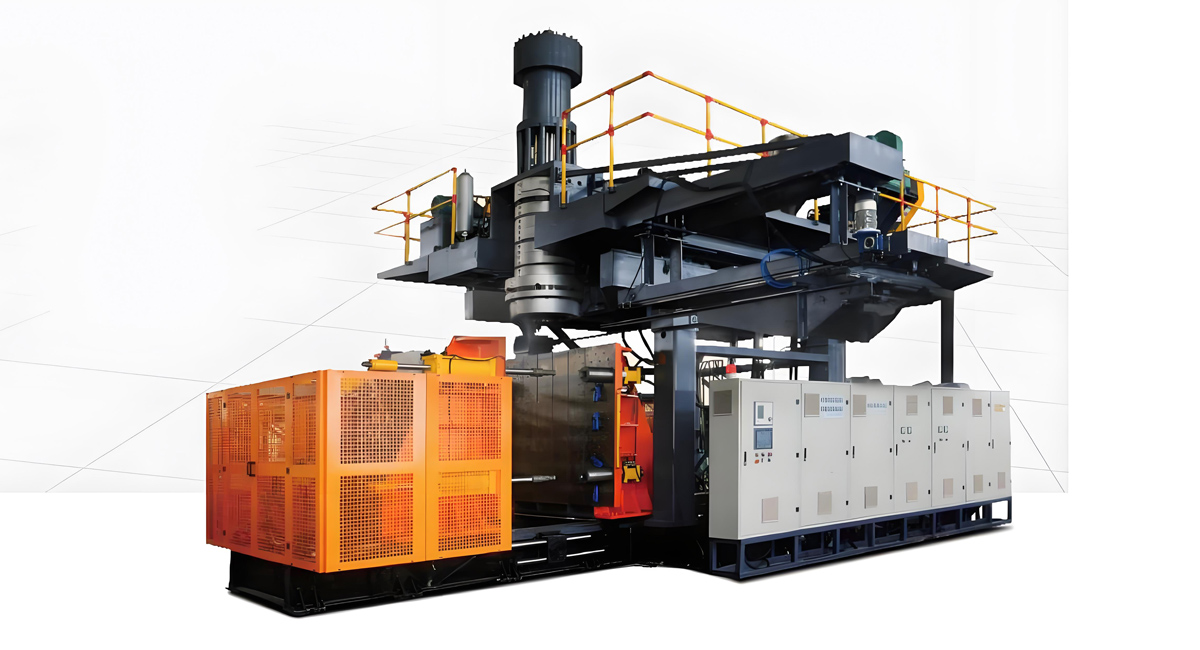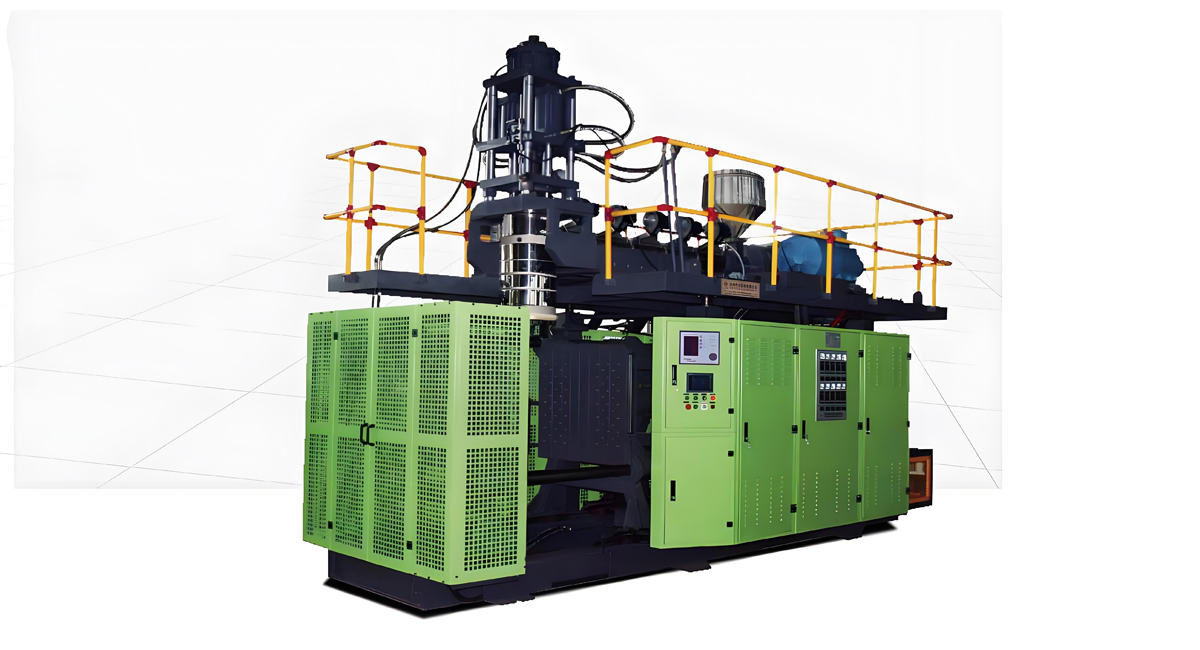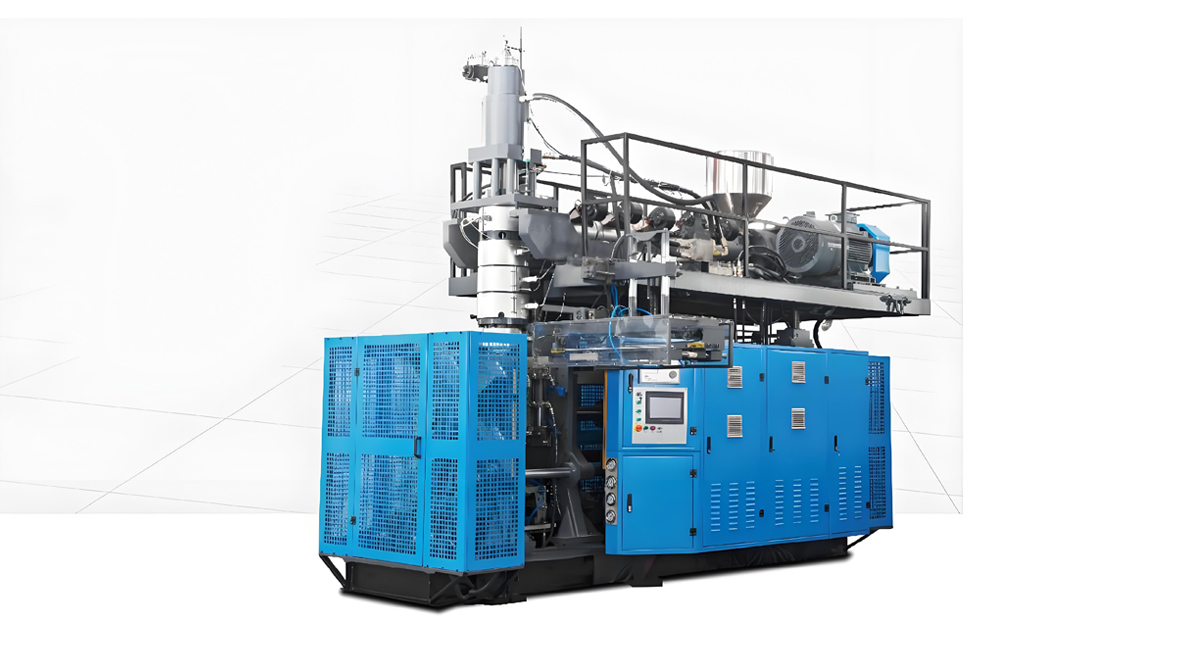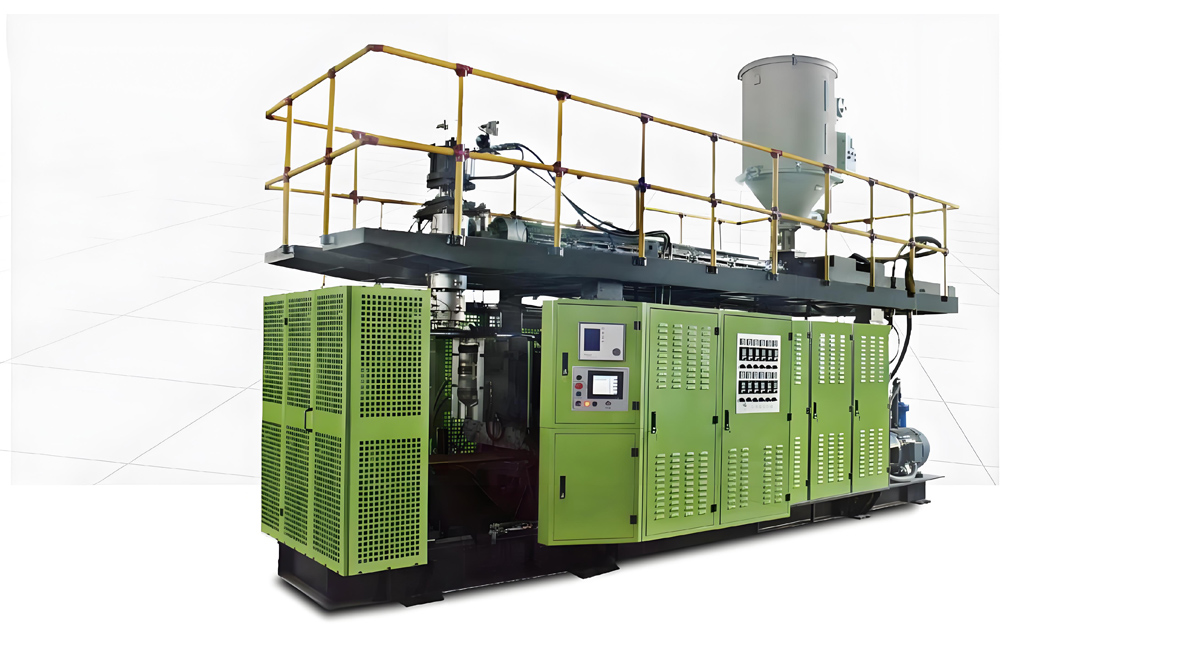
Introduction to Machine Upgrading
Many manufacturing operations continue to rely on aging extrusion blow molding machines that, while still functional, may not meet modern performance standards for efficiency, energy consumption, or production capabilities. Upgrading existing equipment represents a cost-effective alternative to complete machine replacement, allowing manufacturers to enhance performance, reduce operating costs, and extend equipment life without the substantial investment required for new machinery. Apollo Machinery provides comprehensive upgrade solutions tailored to breathe new life into aging equipment, delivering significant performance improvements at a fraction of the cost of new machines.
The decision to upgrade rather than replace existing equipment involves careful consideration of multiple factors including equipment condition, upgrade feasibility, expected performance gains, and return on investment. With over 20 years of experience in the plastic machinery industry, Apollo has developed extensive expertise in evaluating, designing, and implementing upgrade solutions for various makes and models of extrusion blow molding equipment. Our upgrade approach combines technical innovation with practical economic analysis to deliver solutions that maximize customer value and improve manufacturing competitiveness.
Evaluating Upgrade Potential
Before undertaking any upgrade project, thorough evaluation of existing equipment is essential to determine upgrade feasibility and identify the most cost-effective upgrade options. This evaluation considers mechanical condition, electrical system status, control capabilities, and compatibility with modern upgrade technologies. Apollo provides comprehensive assessment services to help customers make informed decisions about upgrading versus replacement.
Equipment Condition Assessment
Mechanical condition assessment examines the structural integrity and wear condition of critical machine components including the extrusion system, clamping mechanism, and frame structure. Evaluation includes measurement of component wear, assessment of repair history, and identification of components requiring replacement before upgrade implementation. Machines with sound mechanical structure make excellent candidates for upgrade, while those with extensive structural damage or excessive wear may be better candidates for replacement.
Extrusion system evaluation examines the condition of the screw, barrel, and drive components. Screw and barrel wear affects processing consistency and energy efficiency, with excessive wear potentially limiting the benefits of other upgrades. Clamping mechanism assessment examines wear on guide rods, bushings, and clamping cylinders. Frame structure evaluation examines structural integrity and alignment. This comprehensive mechanical assessment provides the foundation for determining upgrade feasibility and estimating upgrade costs.
Electrical and Control System Evaluation
Electrical and control system evaluation determines the compatibility of existing electrical infrastructure with modern upgrade technologies. This assessment examines the condition and capacity of electrical cabinets, motor drives, control relays, and wiring infrastructure. Modern upgrades including servo drives, advanced control systems, and enhanced monitoring capabilities require adequate electrical infrastructure for proper operation.
Electrical assessment also considers safety compliance with current regulations, as older equipment may not meet modern electrical safety standards. Control system evaluation examines the capabilities and expandability of existing controls to determine whether partial or complete control system replacement is required. This assessment provides the technical foundation for planning control system upgrades and estimating costs.
Economic Viability Analysis
Economic viability analysis compares upgrade costs to new equipment costs and estimates return on investment from performance improvements. This analysis considers upgrade costs, expected production gains, energy savings, reduced maintenance requirements, and extended equipment life. The analysis also accounts for downtime during upgrade implementation and potential production disruption.
Typical upgrade costs range from 25,000 to 120,000 US dollars depending on upgrade scope and machine complexity. New equipment costs typically range from 80,000 to 400,000 US dollars depending on machine size and capabilities. Upgrade payback typically occurs within 18-48 months through performance improvements, making upgrading an attractive alternative to replacement for machines with sound mechanical condition. Apollo provides detailed economic analysis to help customers make informed upgrade decisions.
Control System Upgrades
Control system upgrades represent one of the most impactful upgrade categories, delivering immediate improvements in operator efficiency, production consistency, and monitoring capabilities. Modern control systems feature intuitive touch screen interfaces, advanced data logging capabilities, enhanced processing algorithms, and connectivity for Industry 4.0 integration. These upgrades transform operator experience and provide capabilities that were not available when older equipment was manufactured.
Touch Screen Interface Modernization
Touch screen interface upgrades replace aging button panels and basic displays with modern graphical interfaces that dramatically improve operator experience and reduce training requirements. Modern interfaces provide intuitive navigation, real-time visualization of machine status, parameter adjustment screens, production monitoring displays, and troubleshooting guides. These interfaces reduce operator error, accelerate setup times, and enhance overall production efficiency.
Touch screen upgrades typically include 10-15 inch industrial touch screens with protective enclosures suitable for manufacturing environments. Screen interfaces can be customized based on customer preferences and production requirements. Costs for touch screen interface upgrades typically range from 12,000 to 28,000 US dollars depending on screen size, enclosure requirements, and interface complexity. Implementation typically requires 3-5 days including installation, integration with existing machine controls, and operator training.
Advanced PLC and Control Systems
Advanced PLC upgrades replace aging controllers with modern systems featuring significantly enhanced processing capabilities, memory capacity, and communication options. Modern PLCs support more sophisticated control algorithms, faster processing speeds, expanded I/O capabilities, and integration with modern sensors and actuators. These upgrades provide the foundation for implementing advanced features including closed-loop control, adaptive processing, and enhanced monitoring capabilities.
PLC upgrade costs typically range from 15,000 to 35,000 US dollars depending on system capabilities and machine complexity. Implementation typically requires 5-7 days including hardware installation, control programming, integration with machine systems, and commissioning. Modern PLC upgrades provide long-term expandability, ensuring that control systems can accommodate future upgrade requirements and production technology advances.
Real-Time Monitoring and Data Logging
Real-time monitoring systems provide comprehensive visibility into machine operation and production performance. These systems collect and display data including machine parameters, production rates, quality metrics, and energy consumption. Advanced systems include trend analysis, production reporting, and notification capabilities for abnormal conditions. Monitoring systems enable data-driven decisions and proactive maintenance planning.
Monitoring system costs vary based on capabilities and scope. Basic monitoring systems cost 8,000 to 18,000 US dollars, while comprehensive systems with advanced analytics and reporting capabilities cost 20,000 to 50,000 US dollars. Implementation typically requires 3-5 days including sensor installation, system configuration, and integration with control systems. Monitoring systems typically achieve payback within 12-24 months through improved efficiency, reduced downtime, and optimized operation.
Drive System Modernization
Drive system upgrades address some of the most significant energy efficiency and performance improvement opportunities in aging equipment. Older hydraulic drive systems consume substantial energy and require ongoing maintenance for fluid changes, filter replacements, and leak repairs. Modern servo drive systems offer dramatically improved energy efficiency, enhanced performance, and reduced maintenance requirements while providing superior control precision.
Servo Drive Conversion
Servo drive conversions replace hydraulic systems with electric servo motors and drives for extrusion, clamping, and other machine functions. Servo systems consume 40-60% less energy than equivalent hydraulic systems while providing more precise control and faster response. Elimination of hydraulic systems also removes ongoing maintenance requirements for hydraulic fluid, filters, and leak repairs, further reducing operating costs.
Servo drive conversion costs typically range from 35,000 to 95,000 US dollars depending on machine size and number of drives converted. Implementation typically requires 10-20 days including mechanical modifications, electrical system updates, system commissioning, and tuning. Energy savings typically range from 30-50% depending on machine usage patterns, with annual energy cost savings often exceeding 15,000 US dollars for high-utilization equipment. Most servo drive conversions achieve payback within 24-48 months based on energy savings alone, with additional benefits from improved performance and reduced maintenance.
Energy Cost Analysis
Energy cost analysis for drive upgrades requires consideration of local energy rates, machine utilization, and system efficiency improvements. Typical hydraulic blow molding machines consume 40-80 kWh per operating hour depending on size and configuration. At an average industrial electricity cost of 0.12 US dollars per kWh, this represents 4.80-9.60 US dollars per hour in energy costs. Servo drive conversions typically reduce energy consumption by 40-60%, representing savings of 1.92-5.76 US dollars per hour.
For machines operating 4,000 hours annually, this represents annual energy cost savings of 7,680-23,040 US dollars. Over a 10-year equipment life, total energy savings exceed 75,000-200,000 US dollars, significantly exceeding the initial investment in servo drive conversion. These savings do not account for energy price increases that will likely occur over the equipment life, making servo drive conversion an even more attractive investment.
Variable Frequency Drive Integration
Variable frequency drive (VFD) upgrades provide energy savings and performance improvements for motors that continue to operate at fixed speeds. VFDs enable variable speed control based on load requirements, reducing energy consumption during low-demand periods. VFDs also reduce mechanical stress during motor starting and stopping, extending motor and driven equipment life.
VFD upgrades typically cost 3,000 to 8,000 US dollars per motor depending on motor size and application. Implementation typically requires 1-2 days per VFD including installation, programming, and integration with control systems. Energy savings vary based on application and operating profile but typically range from 20-40% for motors with variable load requirements. VFD upgrades achieve payback within 12-36 months depending on operating profile and energy costs.
Extrusion System Enhancement
Extrusion system upgrades address the heart of the blow molding process, improving material quality, processing consistency, and production throughput. Upgrades in this category can include screw replacements, barrel improvements, enhanced heating systems, and advanced parison programming capabilities. These upgrades directly impact product quality and production efficiency.
Screw and Barrel Replacement
Advanced screw designs provide improved mixing capabilities, better melt homogeneity, and enhanced throughput compared to original screws. Wear-resistant barrel materials and coatings extend service life and maintain processing consistency. For machines operating with significant screw and barrel wear, replacement with modern components can dramatically improve processing consistency and reduce quality problems.
Screw replacement costs typically range from 8,000 to 25,000 US dollars depending on screw size and design sophistication. Barrel replacement costs typically range from 12,000 to 35,000 US dollars depending on size and material. Replacement typically requires 3-7 days including component removal, installation, alignment, and commissioning. Benefits include improved product quality, reduced scrap rates, and enhanced throughput. Screw and barrel replacement typically achieves payback within 18-30 months through quality improvements and scrap reduction.
Advanced Heating System Upgrades
Modern heating systems provide more precise temperature control, faster heat-up times, and improved energy efficiency compared to older resistance heating systems. Ceramic band heaters offer longer service life and better heat transfer than traditional mica heaters. Infrared heating systems provide rapid heat-up and precise control. These improvements enhance processing consistency and reduce energy consumption.
Heating system upgrade costs vary based on system scope and technology. Band heater replacements typically cost 4,000 to 10,000 US dollars depending on number of zones and heater quality. Advanced ceramic or infrared systems cost 10,000 to 25,000 US dollars. Implementation typically requires 3-5 days including installation, wiring, and control integration. Benefits include improved temperature consistency, reduced energy consumption, and faster startup times. Energy savings typically range from 10-25% for heating system upgrades.
Parison Programming Technology
Parison programming technology enables precise control of wall thickness distribution throughout the container, optimizing material usage while ensuring adequate thickness for strength and performance. This technology was not available on many older machines but represents a significant upgrade opportunity for improved quality and material efficiency. Parison programming can reduce material usage by 5-15% while enhancing container quality.
Parison programming upgrades typically cost 18,000 to 40,000 US dollars including control system upgrades, die head modifications, and programming interface. Implementation typically requires 5-8 days including mechanical modifications, electrical integration, and training. Material savings typically justify the investment within 12-24 months for high-volume production. For a 5-liter container using 300 grams of material, a 10% material reduction saves 30 grams per container, representing approximately 0.03 US dollars per container based on typical HDPE material cost of 1.00 US dollar per kilogram.
Automation and Quality Integration
Automation upgrades enhance productivity, reduce labor requirements, and improve quality consistency. Integration of automatic handling systems, quality inspection equipment, and packaging automation transforms basic blow molding operations into efficient, automated production lines. These upgrades are particularly valuable for increasing capacity and reducing per-unit labor costs.
Automatic Takeout Systems
Automatic takeout systems remove containers from molds and place them on conveyors for further processing, eliminating manual container handling and reducing cycle times. Takeout systems provide consistent container removal that can enable faster cycles and higher production rates. Systems can include integrated deflashing for removal of excess material, ensuring clean container appearance.
Automatic takeout system costs typically range from 20,000 to 55,000 US dollars depending on container size and system sophistication. Implementation typically requires 7-10 days including mechanical installation, electrical integration, and programming. Benefits include reduced labor requirements (typically 1-2 operators per machine), increased productivity through faster cycles, and improved consistency. Takeout systems typically achieve payback within 12-30 months depending on labor costs and productivity gains.
Leak Testing Integration
Automated leak testing systems ensure consistent product quality while reducing manual inspection requirements. Various testing methods including pressure decay testing, helium mass spectrometry, and bubble testing can be integrated into production lines. Automatic rejection of leaking containers ensures quality while reducing manual sorting and inspection requirements.
Leak testing system costs vary based on testing method and throughput requirements. Pressure decay systems typically cost 20,000 to 50,000 US dollars. Helium mass spectrometry systems provide higher sensitivity at costs of 40,000 to 120,000 US dollars. Implementation typically requires 5-10 days depending on system complexity. Benefits include consistent quality assurance, reduced manual inspection labor, and prevention of customer quality issues. Leak testing systems are essential for critical applications and typically achieve payback within 18-36 months.
Automated Handling and Packaging
Automated handling and packaging systems integrate downstream processes to create complete automated production lines. These systems may include container conveying, accumulation, orientation, case packing, and palletizing. Complete automation reduces labor requirements, increases consistency, and enables higher production rates with minimal operator intervention.
Automated handling and packaging costs vary significantly based on scope and complexity. Basic conveying systems cost 15,000 to 35,000 US dollars. Complete automated lines including case packing and palletizing may cost 60,000 to 250,000 US dollars depending on throughput and complexity. Implementation typically requires 10-20 days. Benefits include dramatic labor reduction (potentially 3-6 operators per line), increased production rates, and improved consistency. ROI analysis must consider labor costs, production volume, and market competition to determine payback period.
Safety System Modernization
Safety system upgrades ensure compliance with current safety regulations and provide a safer working environment for operators. Older equipment may lack modern safety features that have become standard in current equipment. Safety upgrades not only protect workers but also reduce liability exposure and ensure compliance with workplace safety regulations.
Guarding and Safety Interlock Upgrades
Modern guarding systems provide enhanced protection while maintaining good machine accessibility. Safety interlock systems prevent operation when guards are open or removed. These upgrades address evolving safety requirements and protect operators from hazardous machine areas. Guarding upgrades may include improved visibility, better access for maintenance while maintaining safety, and more robust guard construction.
Guarding and interlock upgrade costs typically range from 5,000 to 18,000 US dollars depending on machine size and scope of upgrades. Implementation typically requires 3-5 days including installation, safety system integration, and operator training. Benefits include improved worker safety, reduced accident risk, compliance with modern safety standards, and potential reduction in insurance premiums. Safety upgrades represent an essential investment that cannot be measured purely in financial terms.
Emergency Stop and Hazard Mitigation
Enhanced emergency stop systems provide improved operator control and faster machine shutdown in emergency situations. Hazard mitigation upgrades address specific machine hazards including hot surface protection, electrical hazard reduction, and improved machine stability. These upgrades address safety concerns identified through risk assessments and regulatory compliance reviews.
Emergency stop and hazard mitigation upgrades typically cost 3,000 to 12,000 US dollars depending on scope. Implementation typically requires 2-4 days. While difficult to quantify in financial terms, these upgrades reduce accident risk and improve workplace safety. Many regulatory authorities require modernization of safety systems on older equipment to meet current safety standards, making these upgrades necessary for continued legal operation.
Maintenance and Reliability Enhancements
Maintenance-focused upgrades address common failure points and improve overall equipment reliability. These upgrades reduce maintenance requirements, extend component life, and increase equipment availability. By addressing known weak points in older equipment, these upgrades reduce unplanned downtime and maintenance costs.
Lubrication System Improvements
Automatic lubrication systems provide consistent lubrication to critical machine components, reducing wear and extending component life. Automated systems eliminate manual lubrication requirements, ensure proper lubrication intervals, and prevent lubrication-related failures. These upgrades are particularly valuable for machines with extensive lubrication points or hard-to-access lubrication locations.
Automatic lubrication system costs typically range from 4,000 to 12,000 US dollars depending on number of lubrication points and system sophistication. Implementation typically requires 3-5 days including installation, plumbing, and system setup. Benefits include reduced maintenance labor, extended component life, prevention of lubrication-related failures, and reduced unplanned downtime. Lubrication system upgrades typically achieve payback within 18-36 months through reduced maintenance costs.
Enhanced Monitoring and Diagnostics
Enhanced monitoring systems provide early warning of developing problems, enabling predictive maintenance and preventing catastrophic failures. Systems monitor critical parameters including temperatures, pressures, vibration, and component condition to detect anomalies that may indicate impending failures. Early detection enables planned maintenance during scheduled downtime rather than emergency repairs during production.
Enhanced monitoring and diagnostic system costs vary based on scope and sophistication. Basic monitoring packages cost 8,000 to 18,000 US dollars. Comprehensive predictive maintenance systems cost 20,000 to 50,000 US dollars. Implementation typically requires 3-7 days including sensor installation, system configuration, and integration with control systems. Benefits include reduced unplanned downtime, extended component life, optimized maintenance scheduling, and reduced maintenance costs. Predictive maintenance systems typically achieve payback within 12-24 months through reduced downtime and maintenance costs.
Upgrade Implementation Planning
Successful upgrade implementation requires careful planning to minimize production disruption and ensure successful outcomes. Planning should consider production schedules, component availability, technical resources, and training requirements. Apollo provides comprehensive project management services to coordinate upgrade implementation for minimal customer disruption.
Production Impact Management
Production impact management involves coordinating upgrade implementation with production schedules to minimize disruption. Options include performing upgrades during planned shutdowns, scheduling production around upgrade timelines, or utilizing temporary replacement equipment during major upgrades. Planning should consider the urgency of upgrades, production requirements, and available production capacity alternatives.
Most upgrades can be completed within planned maintenance windows or shutdown periods with proper planning. Major upgrades such as servo drive conversions may require 2-3 weeks of downtime, while less extensive upgrades may be completed in a few days. Customers should communicate production schedules well in advance to enable proper planning and component procurement. Apollo provides upgrade timeline estimates to facilitate production planning and minimize disruption.
Technical Resource Planning
Technical resource planning ensures that appropriate expertise is available for upgrade implementation. Apollo provides experienced technicians and engineers for all upgrade projects, but customers may need to provide internal support for coordination, logistics, and operator training. Technical requirements vary based on upgrade scope, with more extensive upgrades requiring more coordination and customer involvement.
Customers should designate a project coordinator to serve as the primary contact with Apollo upgrade teams. This coordinator should have authority to make decisions regarding upgrade implementation and access to relevant production and technical personnel. Effective coordination significantly reduces implementation time and improves upgrade outcomes. Apollo provides detailed implementation plans specifying customer responsibilities and technical resource requirements.
Training and Documentation
Operator and maintenance training ensures that upgraded equipment is operated and maintained effectively. Training should address new capabilities, operating procedures, and maintenance requirements resulting from upgrades. Documentation including updated operation manuals, maintenance procedures, and technical specifications should be provided with upgraded equipment.
Training is typically provided during or immediately following upgrade implementation. Training durations vary based on upgrade scope but typically range from 1-3 days for control system upgrades to 3-5 days for extensive upgrades including mechanical systems. Documentation should be updated to reflect all modifications and new capabilities. Adequate training and documentation are essential for achieving full benefit from upgrades and ensuring proper equipment operation and maintenance.
Return on Investment Analysis
Return on investment analysis quantifies the financial benefits of upgrades relative to implementation costs. This analysis should consider performance improvements, cost savings, extended equipment life, and competitive advantages. Comprehensive ROI analysis provides confidence in upgrade decisions and helps prioritize among multiple upgrade options.
Performance Improvement Valuation
Performance improvements including increased throughput, reduced cycle times, and enhanced quality represent direct financial benefits. Increased throughput enables higher production without additional equipment investment. Reduced cycle times increase capacity for existing production demands. Enhanced quality reduces scrap rates and customer returns. These improvements directly impact production costs and revenue potential.
Performance improvement valuation requires quantifying improvements and translating them to financial terms. Increased throughput can be valued based on additional revenue generation or reduced capital requirements. Cycle time reductions increase effective capacity, potentially reducing overtime costs or enabling increased sales. Quality improvements reduce material waste and rework costs while enhancing customer satisfaction. Comprehensive ROI analysis includes valuation of all performance improvements resulting from upgrades.
Operational Cost Reduction
Operational cost reductions from upgrades include energy savings, reduced maintenance costs, labor savings from automation, and reduced material consumption through improved efficiency. These cost reductions provide ongoing financial benefits throughout equipment life. Energy savings from drive system upgrades represent significant ongoing savings, while reduced maintenance costs improve equipment availability and reduce repair expenses.
Operational cost reduction valuation requires identifying all cost categories affected by upgrades and quantifying the expected cost reduction. Energy savings calculations should consider current energy costs and expected efficiency improvements. Maintenance cost reductions should account for both preventive maintenance costs and avoided repair costs from reduced failures. Labor savings from automation should be valued based on current labor costs and expected reduction requirements. Material savings from parison programming or process improvements should be valued based on material costs and expected reduction percentages.
Equipment Life Extension
Equipment life extension represents a significant but often overlooked benefit of upgrades. Upgraded equipment may gain 5-10 years of additional productive life compared to unupgraded equipment. Life extension delays the substantial capital investment required for replacement equipment while maintaining production capabilities. The value of life extension can be quantified as the avoided replacement cost amortized over the extended life period.
Equipment life extension valuation should consider the current condition of equipment and the expected remaining life without upgrades. If equipment without upgrades would require replacement in 3 years but upgraded equipment can operate for 10 years, the upgrade has effectively added 7 years of equipment life. The value of this life extension equals the present value of the replacement cost deferred for 7 years. Life extension provides substantial value particularly for equipment with good mechanical foundation but aging technology.
Upgrade Success Stories
Customer success stories demonstrate the real-world value of equipment upgrades across various applications and machine types. These stories illustrate the range of upgrade possibilities and the significant benefits that can be achieved through strategic upgrades. Success stories provide practical examples for customers considering upgrade investments.
Energy Efficiency Transformation
A packaging manufacturer operating a 15-year-old hydraulic blow molding machine faced escalating energy costs and increasing maintenance requirements. Apollo performed a comprehensive upgrade including servo drive conversion replacing all hydraulic systems, control system modernization with touch screen interface, and enhanced monitoring capabilities. The upgrade reduced energy consumption by 52%, reduced maintenance costs by 65%, and improved cycle time by 12%. Total upgrade investment of 85,000 US dollars achieved payback in 28 months through energy and maintenance savings alone, with additional productivity benefits.
Quality Enhancement Through Technology
A cosmetics producer operating older blow molding machines experienced quality problems with inconsistent container weight and wall thickness. Apollo implemented parison programming technology along with screw and barrel replacement and control system upgrades. Container weight variation decreased from ±5% to ±1.5%, wall thickness consistency improved significantly, and material usage decreased by 8% through optimized wall thickness distribution. Quality improvements reduced customer returns by 70% and material savings achieved payback for the 45,000 US dollar upgrade investment in 18 months.
Automation for Competitiveness
A food packaging company faced competitive pressure to reduce production costs while maintaining quality. Apollo implemented comprehensive automation including automatic takeout systems, automated leak testing, and packaging line integration. Labor requirements decreased by 4 operators per line, production throughput increased by 35%, and quality consistency improved. The 180,000 US dollar automation investment achieved payback in 22 months through labor savings alone, with quality improvements and increased capacity providing additional competitive advantages.
Conclusion
Upgrading old extrusion blow molding equipment represents a strategic opportunity to enhance performance, reduce costs, and extend equipment life at a fraction of the cost of new machinery. Apollo’s comprehensive upgrade capabilities address all aspects of machine performance including control systems, drive systems, extrusion components, automation, safety, and reliability. Strategic upgrades tailored to specific customer needs can deliver dramatic improvements in energy efficiency, production capacity, product quality, and operational consistency.
The decision to upgrade requires careful evaluation of equipment condition, upgrade feasibility, and expected return on investment. Apollo provides comprehensive assessment services, detailed cost analysis, and professional project management to ensure successful upgrade outcomes. With proper planning and implementation, upgrades can transform aging equipment into high-performance assets that deliver competitive advantages for many years.
For equipment evaluation, upgrade recommendations, or project planning assistance, contact Apollo Machinery to discuss how upgrade solutions can enhance your production capabilities. Apollo’s expertise and experience enable effective upgrades that deliver maximum value and extended equipment life, ensuring that your manufacturing operation remains competitive in demanding global markets.