Chemical Container Production Challenges
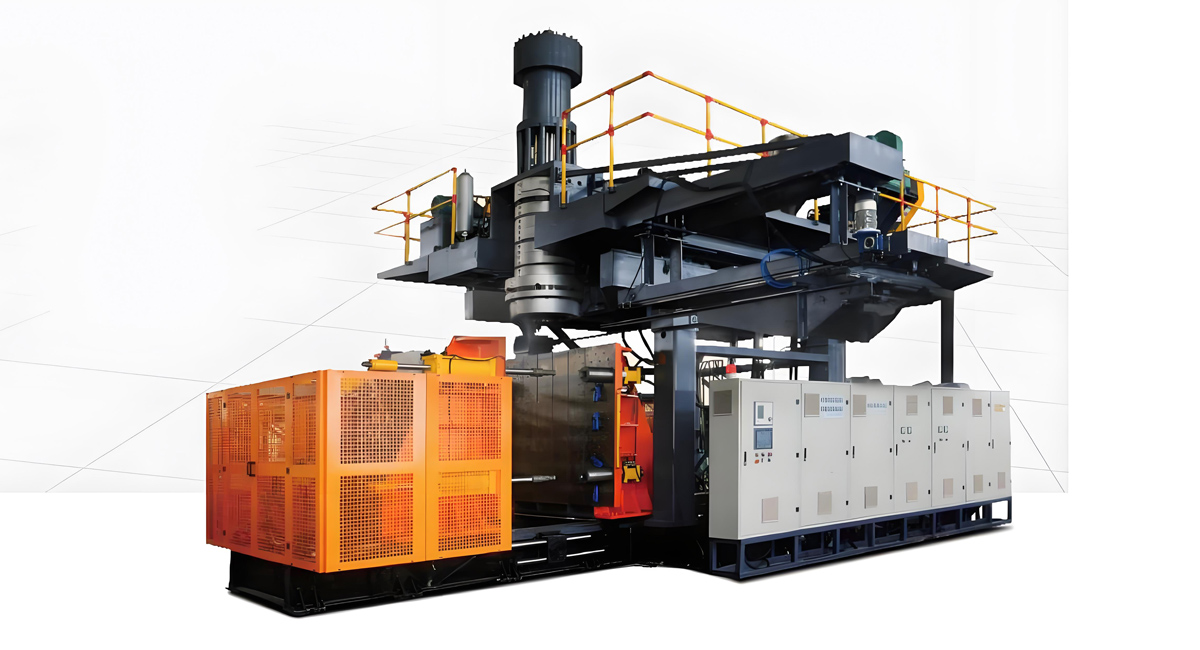
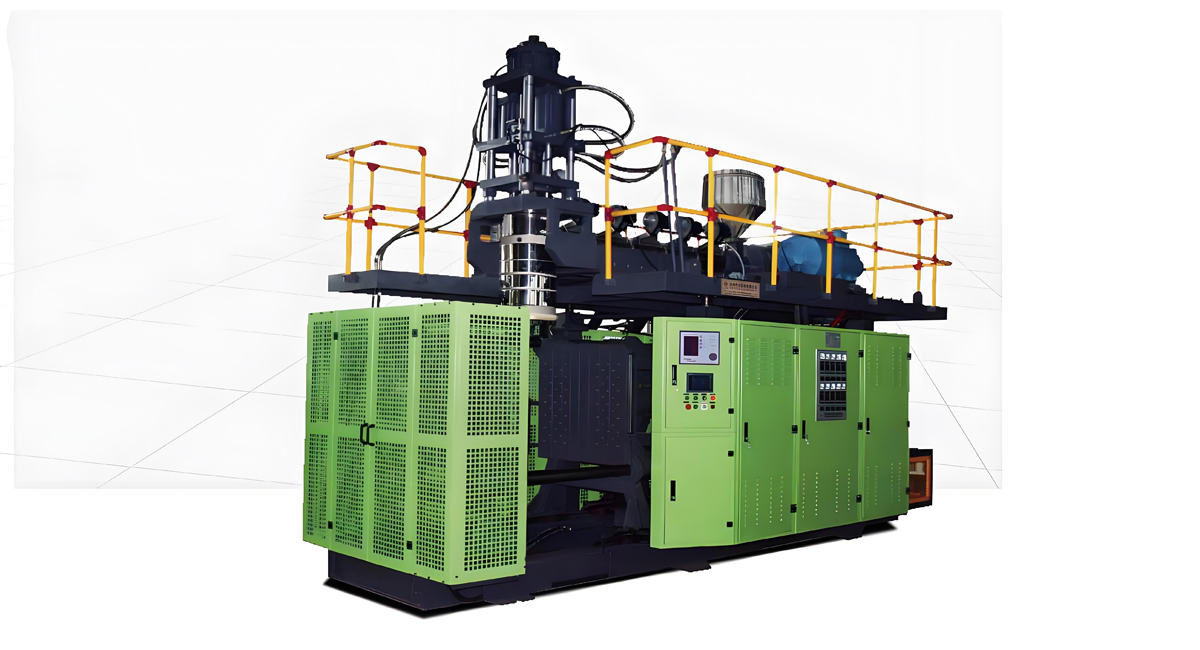
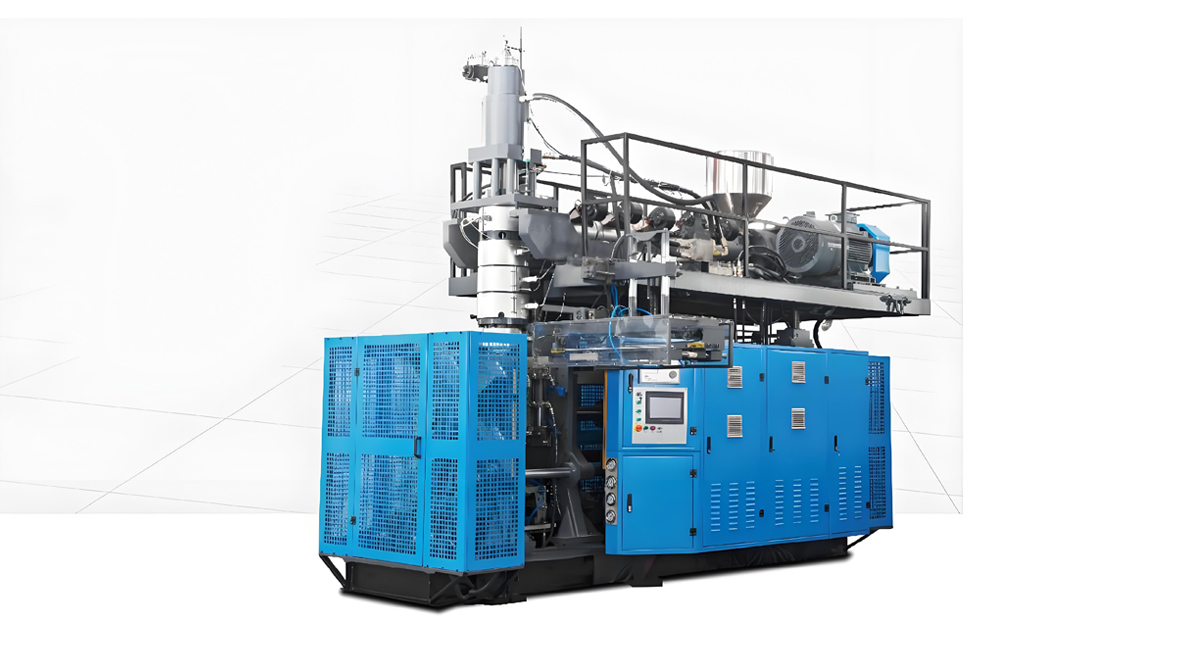
Chemical container production presents unique challenges requiring specialized equipment capable of handling corrosive materials, maintaining structural integrity, and ensuring leak-free performance. Chemical containers must withstand aggressive chemical environments while containing contents safely for extended periods. Apollo EBM machines designed for chemical container applications incorporate corrosion-resistant materials, specialized construction, and processing capabilities that address these demanding requirements.
Chemical container production requires understanding of chemical compatibility, material selection, and processing requirements specific to chemical applications. Containers must resist chemical attack from both internal contents and external environments. Structural integrity must be maintained under varying temperature conditions and during transportation. Regulatory compliance requirements for chemical packaging add additional complexity to production processes.
Chemical Compatibility Requirements
Chemical compatibility represents fundamental requirement for container production, ensuring materials resist chemical attack and maintain performance. Different chemicals exhibit varying corrosiveness requiring appropriate material selection. Acids, bases, solvents, and oxidizers each present unique compatibility challenges. Material selection must account for chemical concentration, temperature exposure, and exposure duration.
Testing protocols including immersion testing and long-term exposure verification confirm material compatibility. Apollo EBM machines support processing of chemical-resistant materials including HDPE, PP, and specialized chemical-resistant polymers. Material selection should be based on chemical compatibility charts, supplier recommendations, and application-specific testing.
Structural Integrity and Leak Prevention
Chemical containers require exceptional structural integrity and leak prevention to ensure safe chemical containment. Wall thickness must be sufficient to withstand internal pressure and external handling stresses. Structural design must accommodate chemical expansion, thermal cycling, and impact resistance. Leak prevention requires proper sealing, adequate wall uniformity, and quality control verification.
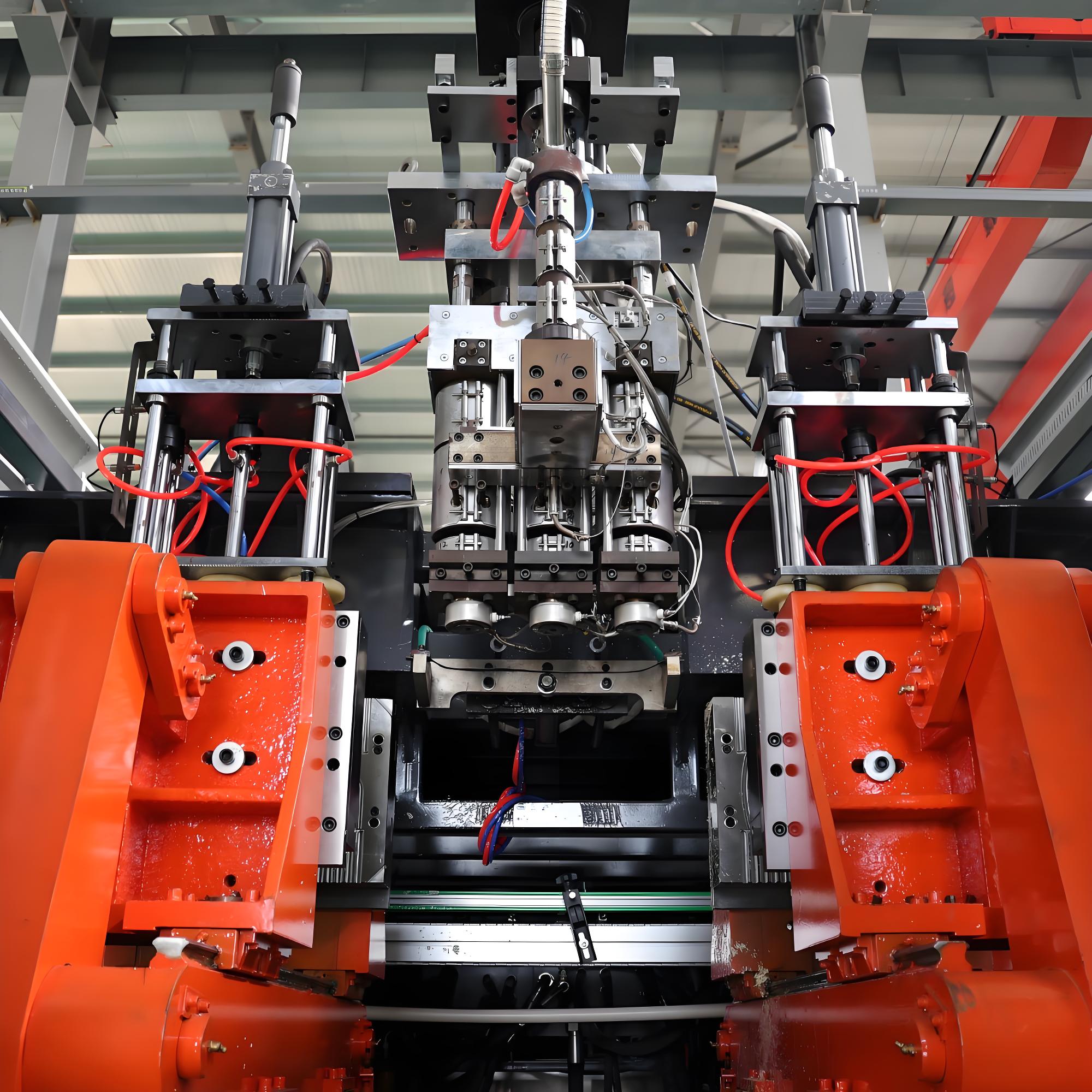
Apollo EBM machines with advanced parison control ensure consistent wall thickness critical for chemical container performance. Quality control including leak testing, pressure testing, and dimensional verification ensures compliance with chemical packaging standards. Structural integrity verification through drop testing, stacking testing, and impact testing confirms container performance under handling conditions.
Corrosion-Resistant Machine Design
Corrosion-resistant machine design addresses chemical exposure during production and prevents equipment degradation. Apollo EBM machines for chemical applications incorporate specialized materials and construction features ensuring long-term reliability.
Material Selection for Machine Components
Machine components exposed to chemical environments require corrosion-resistant materials. Stainless steel components provide excellent chemical resistance for critical areas including material contact surfaces, dies, and mold components. Coatings and platings protect susceptible components from chemical attack. Seals and gaskets use chemical-resistant materials including fluoropolymers and specialized elastomers.
Material selection considers chemical type, exposure concentration, and exposure duration. Apollo provides guidance on appropriate materials for specific chemical applications. High-quality corrosion-resistant materials may increase machine cost but significantly extend service life and reduce maintenance requirements in chemical production environments.
Sanitary Construction Design
Sanitary construction design prevents chemical accumulation and facilitates thorough cleaning. Smooth, crevice-free surfaces prevent chemical entrapment and bacterial growth. Rounded corners and polished surfaces facilitate effective cleaning and maintenance. Accessible design enables inspection and cleaning of all exposed surfaces.
Sanitary construction supports production changes between different chemicals without cross-contamination. Easy-to-clean designs reduce cleaning time and chemical consumption during changeover. Apollo EBM machines designed for chemical applications prioritize sanitary construction ensuring both product quality and equipment longevity.
Chemical-Resistant Materials
Chemical container production requires selection of appropriate materials with demonstrated chemical resistance for intended applications. Different polymers offer varying chemical resistance characteristics.
High-Density Polyethylene (HDPE)
HDPE provides excellent chemical resistance across broad chemical spectrum including acids, bases, and many solvents. HDPE offers good impact resistance, rigidity, and processability making it popular for chemical containers. Cost-effectiveness compared to specialized polymers makes HDPE economical choice for many chemical applications.
HDPE chemical resistance varies based on specific formulation and additive packages. Some additives improve chemical resistance while others may reduce resistance. Apollo EBM machines process HDPE efficiently with appropriate screw and die designs. Typical HDPE processing temperatures for chemical containers range from 190-230 degrees Celsius requiring precise temperature control.
Polypropylene (PP)
PP offers superior chemical resistance to many acids, bases, and organic solvents compared to other polyolefins. Higher temperature capability enables container use with hot-fill chemical applications. Excellent fatigue resistance makes PP suitable for containers subject to repeated stress.
PP exhibits lower density than HDPE providing material efficiency benefits. Processability characteristics enable production of thin-walled containers with adequate strength. Apollo machines with appropriate temperature profiles and screw designs process PP effectively for chemical container applications. Processing temperatures typically range from 200-240 degrees Celsius.
Specialized Chemical-Resistant Polymers
Specialized polymers including fluorinated polymers and specialty polyolefins provide enhanced chemical resistance for demanding applications. PVDF offers exceptional chemical resistance particularly for aggressive acids and solvents. Crosslinked polyethylene provides enhanced chemical resistance and temperature capability compared to standard HDPE.
Specialized polymers typically command higher material costs and require specialized processing conditions. Apollo EBM machines with advanced temperature control and processing capabilities accommodate specialized materials when required. Material selection should balance chemical resistance requirements with cost and processability considerations.
Production Process Optimization
Production process optimization ensures chemical container quality while maximizing production efficiency. Temperature control, parison programming, and quality control systems are critical for consistent production.
Temperature Profile Optimization
Temperature profile optimization affects material properties and chemical resistance. HDPE chemical container production typically requires temperature profiles from 190-230 degrees Celsius across extruder zones. PP processing typically requires 200-240 degrees Celsius. Temperature uniformity ensures consistent material properties throughout production.
Temperature control precision within 2-3 degrees Celsius ensures consistent processing conditions. Die temperature significantly affects parison formation and wall thickness uniformity. Mold temperature affects cooling rate and dimensional accuracy. Precise temperature control ensures consistent chemical container performance.
Parison Programming for Chemical Containers
Parison programming ensures adequate wall thickness in critical areas while optimizing material usage. Chemical containers typically require minimum wall thickness of 2.0-6.0 millimeters depending on container size and chemical characteristics. Thicker sections in base and cap areas ensure structural integrity under handling and stacking.
Parison programming reduces material usage while maintaining required strength and chemical resistance. Uniform wall thickness prevents weak points susceptible to failure under chemical exposure. Advanced parison control systems enable precise thickness control within plus or minus 0.1 millimeter ensuring consistent container performance.
Quality Control for Chemical Containers
Comprehensive quality control ensures chemical containers meet performance and regulatory requirements. Testing protocols verify chemical resistance, structural integrity, and leak prevention.
Leak Testing and Verification
Leak testing ensures containers provide secure containment for chemical contents. Pressure testing verifies structural integrity and resistance to internal pressure. Testing pressures typically range from 1-3 bar depending on container size and application. Dye penetration testing identifies small leaks not detected by pressure testing.
Leak testing should be conducted on statistical sampling from production lots. Testing frequency depends on production volume and application criticality. Documentation of leak testing results provides traceability and demonstrates compliance with quality standards. Statistical process control monitors leak test results for trend analysis and early problem detection.
Chemical Resistance Testing
Chemical resistance testing verifies container compatibility with intended chemical contents. Immersion testing exposes containers to intended chemicals for specified durations under various temperature conditions. Dimensional stability testing measures container deformation after chemical exposure. Mechanical testing evaluates strength retention after chemical exposure.
Testing protocols should simulate actual service conditions including temperature, concentration, and exposure duration. Accelerated aging testing provides prediction of long-term performance. Chemical resistance testing confirms material selection and validates production process control. Testing documentation provides evidence of container suitability for chemical applications.
Cost Analysis and Investment
Cost analysis enables informed investment decisions for chemical container production equipment. Understanding investment, operational, and lifecycle costs provides basis for financial decisions.
Machine Investment Costs
Apollo EBM machines for chemical container production typically range from 75,000 to 220,000 US dollars depending on machine size, corrosion-resistant features, and automation level. Chemical-resistant machine construction including stainless steel components and specialized coatings may add 15-25% to base machine cost compared to standard machines.
Machine selection depends on container size, production volume, and chemical application requirements. Larger capacity machines with advanced corrosion-resistant features justify higher investment through superior performance, longer service life, and reduced maintenance. Lifecycle cost analysis should consider total cost of ownership including maintenance, downtime, and replacement costs.
Production Cost Analysis
Production costs for chemical containers include materials, energy, labor, and quality control. Chemical-resistant materials typically cost 15-30% more than standard polymers depending on specific material and additives. Energy consumption for chemical container production typically ranges from 0.15-0.25 kWh per kg of product.
Quality control costs including chemical resistance testing and leak verification represent additional expense compared to standard container production. However, quality control prevents costly failures and recalls. Production cost per container typically ranges from 0.45-1.20 US dollars depending on container size, material, and quality requirements.
Maintenance and Durability
Proper maintenance ensures machine performance and extends equipment service life in corrosive chemical production environments.
Preventive Maintenance Programs
Preventive maintenance programs should address corrosion protection, seal replacement, and component inspection. Regular inspection of corrosion-resistant coatings identifies wear requiring repair or replacement. Seal replacement schedules should follow manufacturer recommendations considering chemical exposure conditions. Component inspection includes checking for stress corrosion cracking, pitting, and material degradation.
Maintenance documentation provides history of component replacement and repair, identifying patterns indicating maintenance interval adjustments. Preventive maintenance typically costs 3-5% of machine investment annually when properly implemented. Well-maintained equipment provides longer service life and reduced downtime in corrosive environments.
Spare Parts and Inventory Management
Spare parts inventory should include components susceptible to chemical attack including seals, gaskets, and coated surfaces. Critical spare parts availability prevents extended downtime during component failure. Material compatibility of spare parts must match chemical exposure requirements to prevent premature failure.
Inventory management should consider lead times for specialized components and potential for chemical exposure during storage. Proper storage conditions prevent degradation of spare parts. Spare parts management ensures rapid response to maintenance requirements and minimizes production interruptions.
Frequently Asked Questions
This section addresses common questions regarding chemical container production using extrusion blow molding machines.
What materials are best for chemical container production?
Material selection depends on chemical compatibility, application requirements, and cost considerations. HDPE provides excellent chemical resistance across broad chemical spectrum and offers cost-effectiveness for many applications. PP provides superior chemical resistance to many acids, bases, and organic solvents with higher temperature capability. Specialized polymers including PVDF and crosslinked polyethylene provide enhanced chemical resistance for demanding applications. Material selection should be based on chemical compatibility charts, testing verification, and application-specific requirements.
How much do corrosion-resistant EBM machines cost?
Corrosion-resistant EBM machines typically range from 75,000 to 220,000 US dollars depending on machine size, corrosion protection level, and automation features. Stainless steel components, specialized coatings, and chemical-resistant materials add 15-25% to base machine cost. Larger capacity machines with advanced corrosion-resistant features and automation justify higher investment through superior performance and longer service life. Total cost of ownership analysis should consider maintenance savings, reduced downtime, and extended equipment lifespan in corrosive environments.
What quality control measures ensure chemical container performance?
Quality control for chemical containers should include leak testing, pressure testing, dimensional verification, wall thickness measurement, and chemical resistance testing. Leak testing ensures secure containment for chemical contents. Pressure testing verifies structural integrity. Dimensional and wall thickness verification ensure consistent container construction. Chemical resistance testing confirms container compatibility with intended contents. Statistical process control monitors production consistency and identifies trends requiring correction. Comprehensive quality control ensures regulatory compliance and product performance.
How does chemical exposure affect machine maintenance requirements?
Chemical exposure increases maintenance requirements through accelerated wear, seal degradation, and potential corrosion. Preventive maintenance intervals may be shorter for machines processing aggressive chemicals. Seal and gasket replacement frequency increases based on chemical compatibility and exposure conditions. Regular inspection for corrosion, material degradation, and component wear identifies problems before failure. Proper cleaning procedures prevent chemical accumulation between production runs. Maintenance planning should account for accelerated wear due to chemical exposure and include appropriate inventory of replacement components.
What safety considerations apply to chemical container production?
Safety considerations for chemical container production include chemical handling procedures, worker protection, ventilation requirements, and emergency response planning. Chemical handling procedures must address storage, dispensing, and cleanup of chemicals used in production. Personal protective equipment including chemical-resistant gloves, eye protection, and respiratory protection prevents chemical exposures. Ventilation systems control chemical vapors and ensure safe work environment. Emergency response plans address chemical spills, leaks, and worker exposure. Regular safety training and hazard communication ensure worker awareness and proper response to chemical hazards.
Conclusion
Chemical container production using extrusion blow molding machines requires specialized equipment, materials, and processes designed for corrosive environments. Apollo EBM machines with corrosion-resistant design, sanitary construction, and advanced processing capabilities provide excellent solutions for chemical container applications. Proper material selection, process optimization, and comprehensive quality control ensure production of high-performance chemical containers meeting regulatory requirements and market demands.
Investment in corrosion-resistant equipment provides long-term benefits through extended service life, reduced maintenance, and reliable performance in demanding chemical environments. Understanding chemical compatibility, structural requirements, and quality control requirements enables successful chemical container production operations. Apollo’s proven performance, comprehensive support, and equipment reliability provide confidence for chemical container production applications.
Chemical container production represents challenging but rewarding opportunity when supported by appropriate equipment, materials, and processes. Apollo EBM machines provide the capabilities necessary for successful chemical container production across diverse chemical applications and market segments.