Understanding Installation Cost Components
Investing in an extrusion blow molding (EBM) machine represents a significant capital expenditure that extends beyond the initial purchase price. Proper budgeting for EBM machine installation requires comprehensive understanding of all associated costs including site preparation, foundation work, utility connections, installation labor, and operational setup. Apollo EBM machines from Zhangjiagang Apollo Machinery Co., Ltd. require careful planning and budget allocation to ensure successful deployment and optimal performance. This comprehensive guide outlines all cost components and provides detailed budgeting strategies for your new EBM equipment investment.
The total installation cost typically represents 15-35% of the machine purchase price, depending on site conditions, machine size, and local requirements. Understanding these cost components enables accurate financial planning and prevents unexpected expenses during installation. Proper budgeting ensures adequate funding for each installation phase and facilitates smooth equipment deployment without financial constraints or delays.
Machine Purchase Price Structure
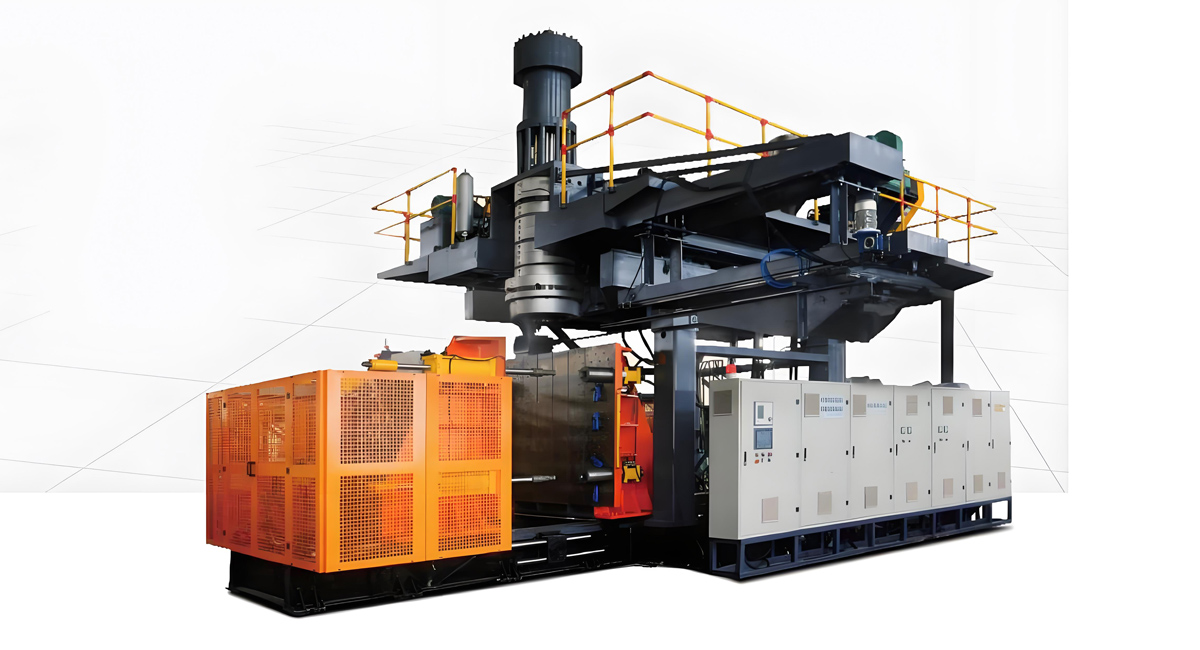
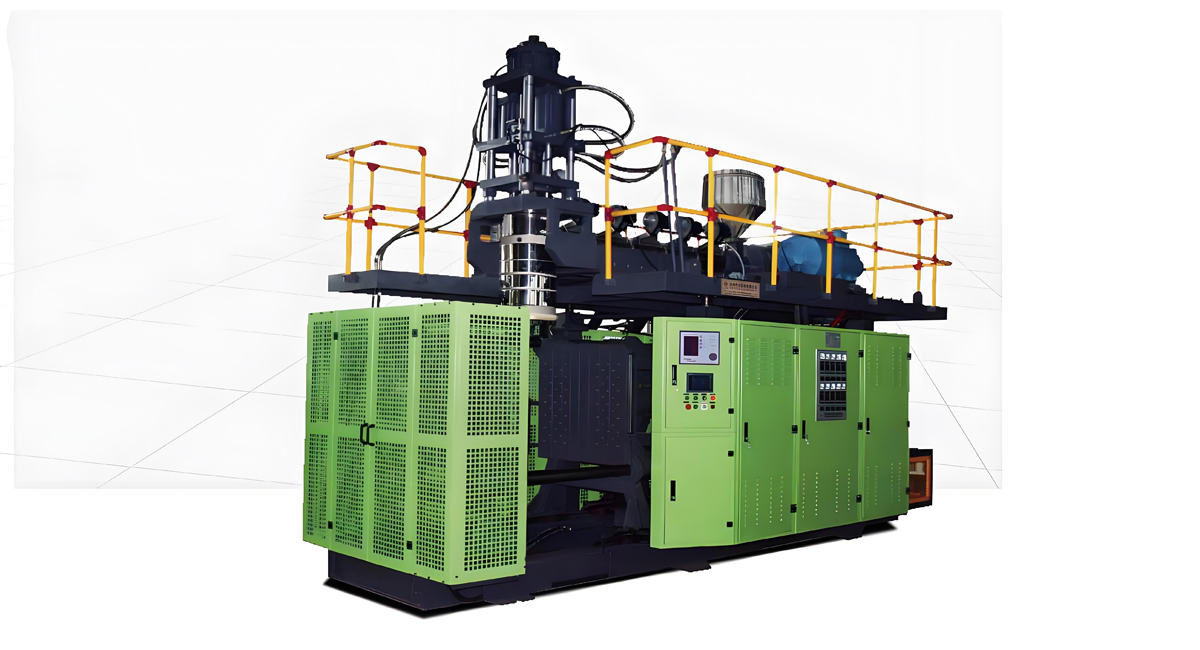
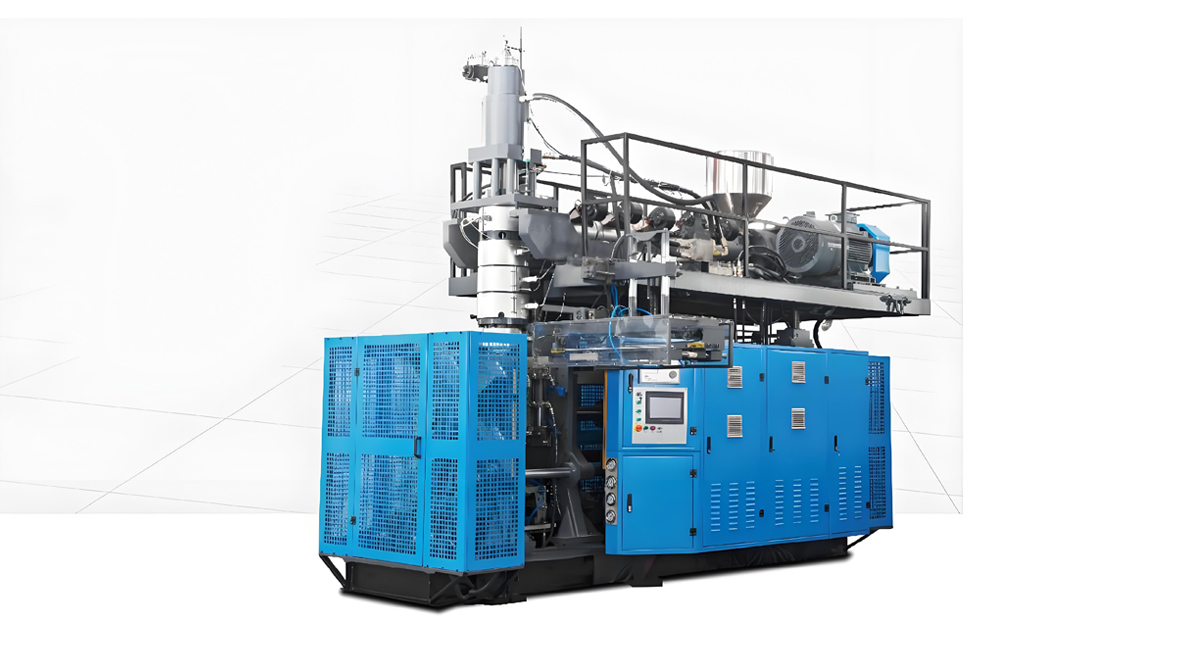
Apollo EBM machines offer multiple series including ABLB Series (200ML-20L), ABLD Series (20L-1500L), and Fully Electric Series (200ML-20L). The machine purchase price varies significantly based on series, capacity, automation level, and configuration. Entry-level ABLB Series machines suitable for small bottle production typically range from 28,000 to 75,000 US dollars. Mid-range ABLD Series machines for larger container production typically range from 85,000 to 180,000 US dollars. Fully Electric Series machines with advanced automation and energy efficiency features typically range from 95,000 to 250,000 US dollars.
The machine purchase price includes the main extrusion blow molding unit, standard mold clamp, basic control system, and standard accessories. Optional equipment including advanced molds, automated handling systems, auxiliary equipment, and enhanced control features add to the total equipment cost. Understanding the machine configuration and included features is essential for accurate budgeting and comparison with alternative suppliers.
Site Preparation and Foundation Costs
Site preparation represents a critical installation cost component that varies significantly based on existing facility conditions and machine requirements. Apollo EBM machines require specific floor loading capacity, level surfaces, and environmental conditions for optimal performance. Site preparation costs include floor reinforcement or replacement, leveling and foundation work, environmental control modifications, and facility access improvements.
Floor reinforcement costs typically range from 3,500 to 12,000 US dollars depending on existing floor conditions and machine weight requirements. Apollo EBM machines require floor loading capacity of 500-2,000 kg per square meter depending on machine size and model. Existing floors may require reinforcement or replacement to meet these specifications, significantly impacting installation budget. Foundation work including concrete pouring and anchoring typically costs 2,500 to 8,000 US dollars based on machine size and local construction costs.
Utility Connection Expenses
Utility connections represent substantial installation costs including electrical power supply, compressed air systems, water cooling systems, and exhaust ventilation. Apollo EBM machines require specific electrical specifications including voltage, amperage, and phase configuration. Electrical connection costs typically range from 5,000 to 18,000 US dollars depending on existing electrical infrastructure and machine power requirements.
Three-phase electrical power supply with appropriate amperage and voltage stabilization is essential for reliable machine operation. Electrical panel upgrades, transformer installation, and power factor correction equipment may be required. Compressed air system costs including air compressor installation, piping, and filtration typically range from 4,000 to 12,000 US dollars. Water cooling system installation including cooling tower or chiller, circulation pumps, and piping typically costs 6,000 to 15,000 US dollars depending on cooling capacity requirements.
Installation Labor and Service Costs
Installation labor represents a significant cost component that varies based on machine complexity, installation location, and local labor rates. Apollo provides installation services including equipment setup, calibration, testing, and initial operator training. Understanding installation labor costs enables accurate budgeting for professional services and ensures proper equipment deployment.
Professional Installation Services
Apollo installation services typically include equipment unloading and positioning, leveling and anchoring, electrical and utility connections, system calibration, and performance testing. Installation service costs typically range from 6,500 to 18,000 US dollars depending on machine size and complexity. Installation duration typically ranges from 5 to 15 days depending on machine configuration and site conditions.
Installation costs include technician travel expenses, accommodation, and per-diem charges for on-site service. International installation requires additional considerations including travel arrangements, visa requirements, and importation of necessary tools and equipment. Installation service agreements may include additional services including extended commissioning, process optimization, and advanced operator training.
Operator Training Costs
Comprehensive operator training ensures safe and efficient machine operation. Apollo provides training services including machine operation, maintenance procedures, troubleshooting, and quality control. Training costs typically range from 2,500 to 8,000 US dollars depending on training duration and number of personnel trained.
Basic operator training typically requires 2-3 days covering machine startup, shutdown, operation, and basic maintenance. Advanced training may include process optimization, mold changing procedures, and troubleshooting techniques. Training costs include instructor time, training materials, and certification documentation. Investing in comprehensive training reduces operational issues and ensures optimal machine performance from initial production.
Permits, Regulatory, and Compliance Costs
Regulatory compliance represents essential installation costs including building permits, electrical permits, environmental permits, and safety certifications. Requirements vary significantly based on local regulations, machine specifications, and facility use. Understanding regulatory requirements and associated costs prevents installation delays and ensures compliance with applicable laws and standards.
Building and Electrical Permits
Building permits are required for machine installation, structural modifications, and utility connections. Permit costs typically range from 500 to 5,000 US dollars depending on project scope and local requirements. Electrical permits specifically cover electrical system modifications and machine power connections. Electrical permit costs typically range from 300 to 3,000 US dollars based on electrical work scope and local regulations.
Permit application processes typically require detailed engineering drawings, load calculations, and equipment specifications. Professional engineering services may be required to prepare permit application documentation. Engineering service costs typically range from 1,500 to 5,000 US dollars depending on complexity and local requirements. Permit processing timeframes vary from 2 weeks to 3 months depending on local jurisdiction workload and requirements.
Environmental and Safety Compliance
Environmental compliance may require permits for air emissions, wastewater discharge, or hazardous material handling depending on local regulations and machine processes. Environmental permit costs typically range from 1,000 to 8,000 US dollars. Safety certifications including machine safety assessments, electrical safety inspections, and workplace safety certifications represent additional costs typically ranging from 500 to 3,000 US dollars.
Apollo EBM machines comply with international safety standards including CE certification and ISO requirements. However, local safety standards may require additional compliance measures and certifications. Understanding local regulatory requirements early in the planning process enables accurate budgeting and prevents unexpected compliance expenses during installation.
Auxiliary Equipment Costs
Auxiliary equipment represents significant additional costs that may be required for complete EBM system operation. While some auxiliary equipment may be included in standard machine packages, additional equipment is often required for specific production requirements, automation levels, or operational efficiency improvements.
Mold and Tooling Costs
Mold and tooling represents substantial additional investment required for specific production applications. Apollo provides molds for various bottle and container types including refill bottles, kettles, containers, and specialized shapes. Mold costs vary significantly based on complexity, size, material, and production volume requirements.
Standard bottle molds typically range from 3,000 to 15,000 US dollars depending on bottle size and complexity. Complex molds for multi-cavity production or specialized shapes may range from 12,000 to 45,000 US dollars. Mold maintenance including regular refurbishment and replacement represents ongoing operational costs typically averaging 5-8% of initial mold cost annually.
Material Handling and Automation Systems
Material handling equipment including raw material storage, conveying systems, and finished product handling systems represents additional installation costs. Automated material handling systems improve efficiency and reduce labor requirements but require significant capital investment. Basic material handling equipment typically costs 3,500 to 12,000 US dollars. Advanced automated systems including robotic loading and unloading typically range from 25,000 to 85,000 US dollars.
Conveyor systems, palletizers, and storage systems facilitate efficient material flow and finished product handling. System costs vary significantly based on automation level, capacity requirements, and facility layout. Investing in appropriate material handling equipment during installation reduces operational costs and improves overall production efficiency.
Ongoing Operational Costs
While not strictly installation costs, ongoing operational costs must be considered in comprehensive equipment budgeting. Understanding operational costs enables accurate financial planning and return on investment analysis. Operational costs include energy consumption, maintenance, materials, labor, and consumables.
Energy Consumption Costs
Energy consumption represents a significant ongoing operational cost for EBM machines. Apollo EBM machines vary in energy efficiency based on series, configuration, and production processes. Typical energy consumption ranges from 25 to 120 kWh per hour depending on machine size and production requirements. Based on typical electricity rates of 0.08 to 0.15 US dollars per kWh, annual energy costs typically range from 15,000 to 85,000 US dollars assuming 2,000 annual operating hours.
Fully Electric Series machines demonstrate superior energy efficiency compared to traditional hydraulic models, reducing energy consumption by 30-50%. Energy efficiency improvements significantly impact long-term operational costs and return on investment. Understanding energy consumption characteristics and local energy costs enables accurate operational budgeting.
Maintenance and Spare Parts Costs
Regular maintenance ensures optimal machine performance and extends equipment life. Apollo provides annual maintenance packages including 500 US dollars worth of free spare parts. Additional maintenance costs including labor, spare parts beyond the free allowance, and scheduled maintenance services typically represent 3-6% of machine purchase price annually.
Spare parts inventory including heating elements, hydraulic components, electrical components, and wear parts represents additional investment. Initial spare parts inventory typically costs 3,000 to 8,000 US dollars depending on machine size and complexity. Preventive maintenance programs reduce unexpected downtime and extend equipment service life, representing sound investment for long-term operational efficiency.
Financing and Payment Terms
Financing options and payment terms significantly impact cash flow requirements for EBM machine acquisition. Understanding available financing alternatives enables selection of appropriate payment structures that match financial capabilities and business requirements.
Traditional Financing Options
Traditional equipment financing including bank loans and equipment leasing provides flexible payment options for EBM machine acquisition. Typical financing terms range from 3 to 7 years with interest rates varying based on creditworthiness and market conditions. Down payments typically range from 10-30% of equipment cost. Understanding financing options enables selection of appropriate payment structures that balance cash flow requirements with total cost of ownership.
Equipment leasing provides tax advantages and preserves capital for other business investments. Lease terms typically range from 3 to 5 years with end-of-lease purchase options. Lease payments may be tax deductible as operating expenses, providing significant tax advantages. Consulting with financial advisors enables selection of optimal financing strategies for specific business requirements.
Apollo Payment Terms
Apollo typically requires 30% deposit for machine order confirmation, 60% payment before shipment, and 10% payment after successful installation and testing. Understanding payment terms enables accurate cash flow planning throughout the machine acquisition process. International purchases may require additional considerations including letters of credit, foreign exchange management, and international payment processing.
Payment terms may be negotiable based on order size, customer relationship, and market conditions. Discussing payment options with Apollo representatives enables identification of favorable terms that align with financial capabilities and project requirements.
Cost Reduction Strategies
Several strategies can reduce total installation and operational costs while maintaining equipment quality and performance. Implementing cost reduction strategies optimizes investment return and improves overall project economics.
Site Optimization Strategies
Optimizing existing facility conditions reduces site preparation costs. Conducting thorough site assessment early in planning identifies opportunities to minimize modification costs. Utilizing existing infrastructure including electrical systems, compressed air, and cooling systems reduces utility connection costs. Facility layout optimization may reduce material handling and automation requirements.
Standardizing machine specifications across multiple units reduces installation complexity and costs. Modular facility designs enable future expansion without major renovation. Implementing cost reduction strategies during planning stages maximizes savings while maintaining operational requirements.
Equipment Configuration Optimization
Optimizing machine configuration balances performance requirements with capital investment. Selecting appropriate capacity, automation level, and feature sets prevents overinvestment while meeting production requirements. Utilizing standard features and options reduces costs compared to highly customized configurations.
Phased implementation enables investment in essential capabilities initially with subsequent additions as production requirements evolve. Staged implementation reduces initial capital requirements while enabling future expansion. Understanding production requirements and growth projections enables optimal equipment configuration.
Budget Planning Checklist
Comprehensive budget planning requires consideration of all installation cost components. Following a systematic budget planning checklist ensures all costs are identified and properly estimated for accurate financial planning.
Initial Planning Phase
During initial planning, assess machine requirements, production capacity needs, and site conditions. Obtain detailed quotations including all standard and optional equipment. Conduct site assessment to identify necessary modifications. Research local regulatory requirements and permit processes. Develop preliminary budget including machine purchase, installation, and operational costs.
Initial planning should include consultation with Apollo representatives to understand installation requirements and service options. Understanding Apollo installation processes and requirements enables accurate budgeting and realistic timeline development.
Detailed Budgeting Phase
During detailed budgeting, obtain specific quotations for all installation components including site preparation, utility connections, permits, and services. Develop comprehensive timeline identifying all required activities and associated costs. Include contingency amounts for unexpected expenses typically 10-15% of total installation budget. Review budget with financial advisors and project stakeholders.
Detailed budgeting should account for currency fluctuations for international purchases, inflation for phased projects, and interest costs for financing arrangements. Understanding total cost of ownership including operational costs enables accurate return on investment analysis.
Return on Investment Analysis
Return on investment analysis evaluates financial viability of EBM machine investment by comparing costs with projected revenues and operational savings. Understanding return on investment enables informed decision-making and financial planning.
Revenue Projections
Revenue projections based on production capacity, product pricing, and market demand provide basis for return on investment analysis. Apollo EBM machines typically produce 200-2,000 bottles per hour depending on machine size and product type. Production capacity multiplied by operating hours and product value provides revenue projections.
Revenue projections should consider market demand, competitive pricing, and production efficiency. Conservative revenue projections provide realistic return on investment estimates. Understanding revenue potential enables evaluation of investment financial viability.
Cost Savings Analysis
Cost savings analysis identifies operational savings from improved efficiency, reduced labor, and enhanced product quality. Apollo EBM machines demonstrate energy savings, reduced material waste, and improved productivity compared to older equipment. Cost savings significantly impact return on investment calculations.
Fully Electric Series machines provide significant energy savings reducing operational costs by 30-50%. Reduced labor requirements through automation decrease labor costs. Improved product quality reduces scrap and rework costs. Understanding cost savings opportunities enhances return on investment analysis accuracy.
Common Installation Budgeting Mistakes
Avoiding common budgeting mistakes prevents unexpected expenses and project delays. Understanding typical errors enables proactive measures to ensure accurate budgeting and successful project execution.
Underestimating Site Preparation Costs
Underestimating site preparation costs represents common budgeting error. Existing facility conditions often require more extensive modifications than initially anticipated. Floor reinforcement, utility upgrades, and environmental control modifications frequently exceed preliminary estimates.
Conducting thorough site assessment with professional engineers provides accurate site preparation cost estimates. Including contingency amounts for unexpected site conditions prevents budget overruns. Understanding local construction costs and regulatory requirements improves estimation accuracy.
Overlooking Auxiliary Equipment Costs
Overlooking auxiliary equipment requirements represents another common budgeting error. Molds, material handling equipment, automation systems, and auxiliary processing equipment represent significant additional costs beyond the base machine price. Production requirements often evolve necessitating additional equipment investments.
Identifying all required auxiliary equipment during planning stages enables accurate budgeting. Phased implementation allows gradual investment in auxiliary equipment as production requirements develop. Understanding total system requirements prevents unexpected expenses during installation.
Frequently Asked Questions
This section addresses common questions regarding EBM machine installation costs and budgeting.
What percentage of machine purchase price should be budgeted for installation?
Installation costs typically represent 15-35% of machine purchase price depending on site conditions, machine size, and local requirements. Site preparation, utility connections, permits, and professional installation services comprise major installation cost components. Including contingency amounts for unexpected expenses is advisable. Accurate site assessment and detailed quotation collection enable precise installation cost estimation.
How long does EBM machine installation typically take?
EBM machine installation duration typically ranges from 2 to 6 weeks from equipment arrival depending on machine complexity, site conditions, and preparation level. Site preparation and foundation work typically require 1-3 weeks depending on existing conditions. Equipment positioning and connection typically requires 1-2 weeks. Calibration, testing, and training typically require 1 week. International installations may require additional time for shipping, customs clearance, and technical support coordination.
What ongoing operational costs should be considered?
Ongoing operational costs include energy consumption, maintenance, materials, labor, and consumables. Energy consumption represents significant operational cost typically 15,000-85,000 US dollars annually. Maintenance costs typically represent 3-6% of machine purchase price annually. Material costs depend on production volume and product specifications. Labor costs vary based on automation level and operational requirements. Understanding ongoing operational costs enables accurate total cost of ownership analysis.
Are financing options available for EBM machine purchase?
Multiple financing options are available for EBM machine purchase including bank loans, equipment leasing, and vendor financing. Traditional financing terms typically range from 3 to 7 years with down payments of 10-30%. Equipment leasing provides tax advantages and capital preservation. Apollo offers payment terms including 30% deposit, 60% before shipment, and 10% after installation. Consulting with financial advisors enables optimal financing structure selection.
How can installation costs be reduced without compromising quality?
Installation costs can be reduced through site optimization, equipment configuration optimization, and strategic planning. Utilizing existing infrastructure reduces utility connection costs. Facility layout optimization reduces material handling requirements. Selecting appropriate capacity and automation level prevents overinvestment. Phased implementation reduces initial capital requirements. Comprehensive planning and early consultation with Apollo representatives identify cost reduction opportunities while maintaining quality and performance requirements.
Conclusion and Action Plan
Successful EBM machine installation requires comprehensive budgeting covering machine purchase, site preparation, utility connections, installation services, permits, auxiliary equipment, and ongoing operational costs. Understanding all cost components enables accurate financial planning and prevents unexpected expenses. Proper budgeting ensures adequate funding for each installation phase and facilitates smooth equipment deployment.
Begin budgeting process with thorough assessment of production requirements and site conditions. Consult with Apollo representatives to understand machine specifications and installation requirements. Obtain detailed quotations including all standard and optional equipment. Conduct professional site assessment to identify required modifications. Research local regulatory requirements and permit processes. Develop comprehensive budget including all cost components with contingency amounts for unexpected expenses.
Implement cost reduction strategies during planning stages while maintaining quality and performance requirements. Consider financing options that align with financial capabilities and business requirements. Conduct return on investment analysis to evaluate financial viability. Avoid common budgeting mistakes through thorough planning and professional consultation.
Apollo EBM machines from Zhangjiagang Apollo Machinery Co., Ltd. provide excellent performance, reliability, and value across diverse applications. Comprehensive budgeting and planning ensures successful installation and optimal long-term performance. Contact Apollo representatives for detailed quotations, installation support, and guidance throughout the equipment acquisition process.