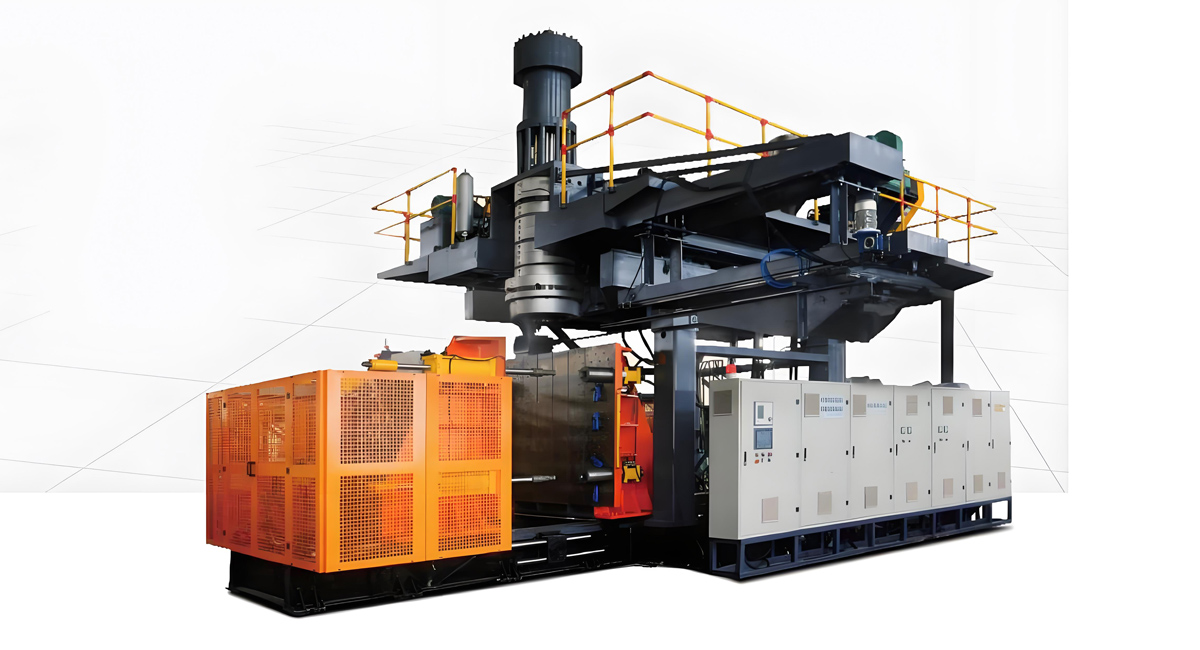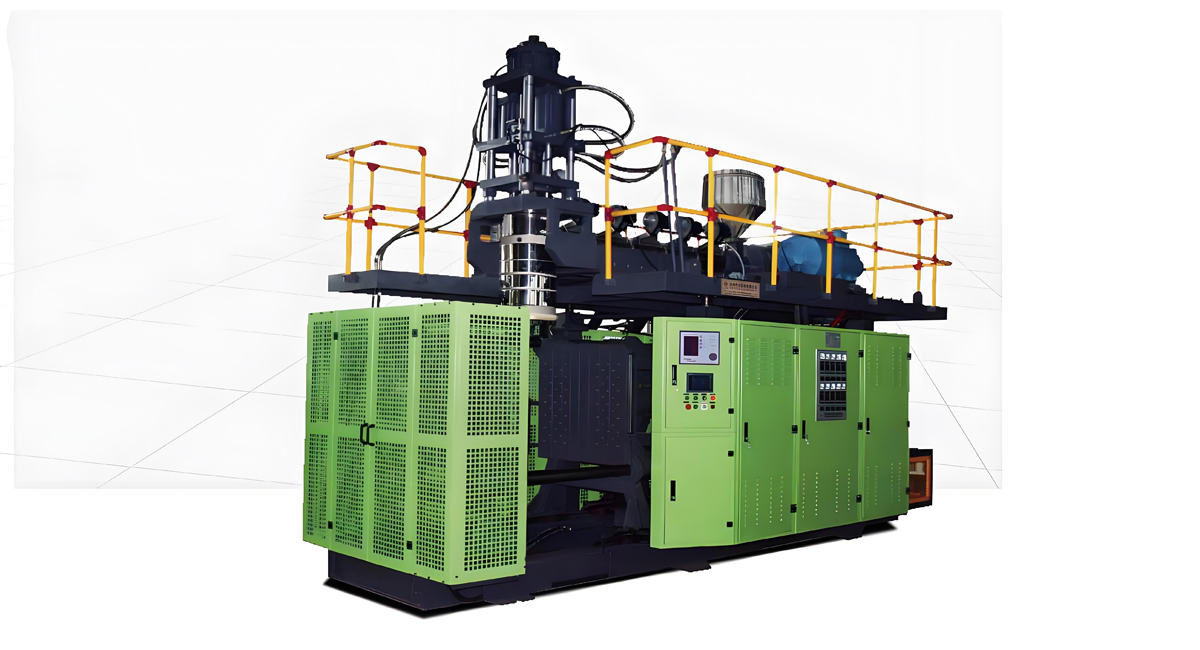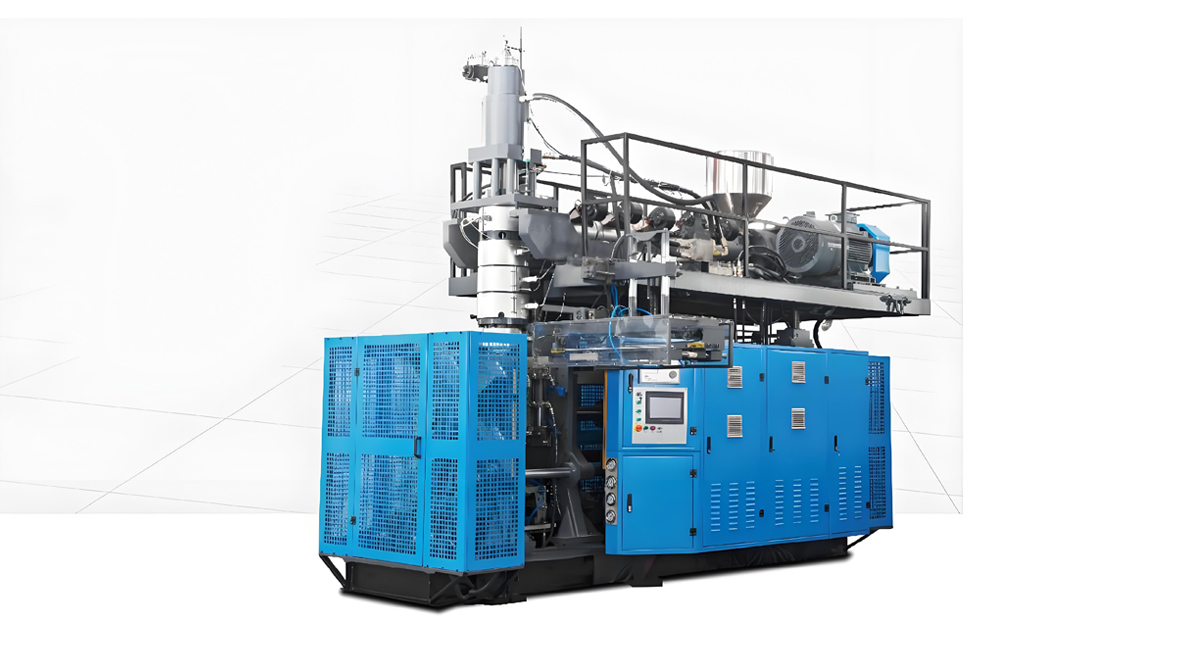

In the competitive world of plastic bottle manufacturing, flexibility is as important as speed. Consumers demand a wide variety of bottle shapes, sizes, and colors, often in small batches. The ability to switch from one bottle design to another quickly—known as “changeover”—is a critical competitive advantage. A slow changeover can consume 20-30% of a shift, eating into profits. This article explores the technology behind fast changeover EBM machines, specifically designed for plastic bottles, and how Apollo-China’s engineering solutions minimize downtime while maximizing output.
The Challenge of Frequent Changeovers in Bottle Production
Unlike large industrial drums or jugs which run for weeks on a single mold, bottles (water, soda, cosmetic, pharmaceutical) often require daily or even hourly mold changes. A standard changeover involves:
1. Cooling down and removing the old mold.
2. Installing the new mold and aligning it.
3. Changing the neck ring and blow pins.
4. Adjusting the parison programmer for the new bottle weight and wall thickness.
5. Re-tuning the extrusion and clamp parameters.
6. Heating up and producing test shots until quality is stable.
This process can take 2-4 hours on older machines. Fast changeover models aim to reduce this to under 30 minutes. The cost of downtime is significant. If a line produces 2,000 bottles/hour at a profit of $0.05 each, one hour of downtime costs $100 in lost profit. Over a year, this adds up to tens of thousands of dollars.
Key Technologies for Fast Changeover
1. Quick-Mold-Change (QMC) Systems
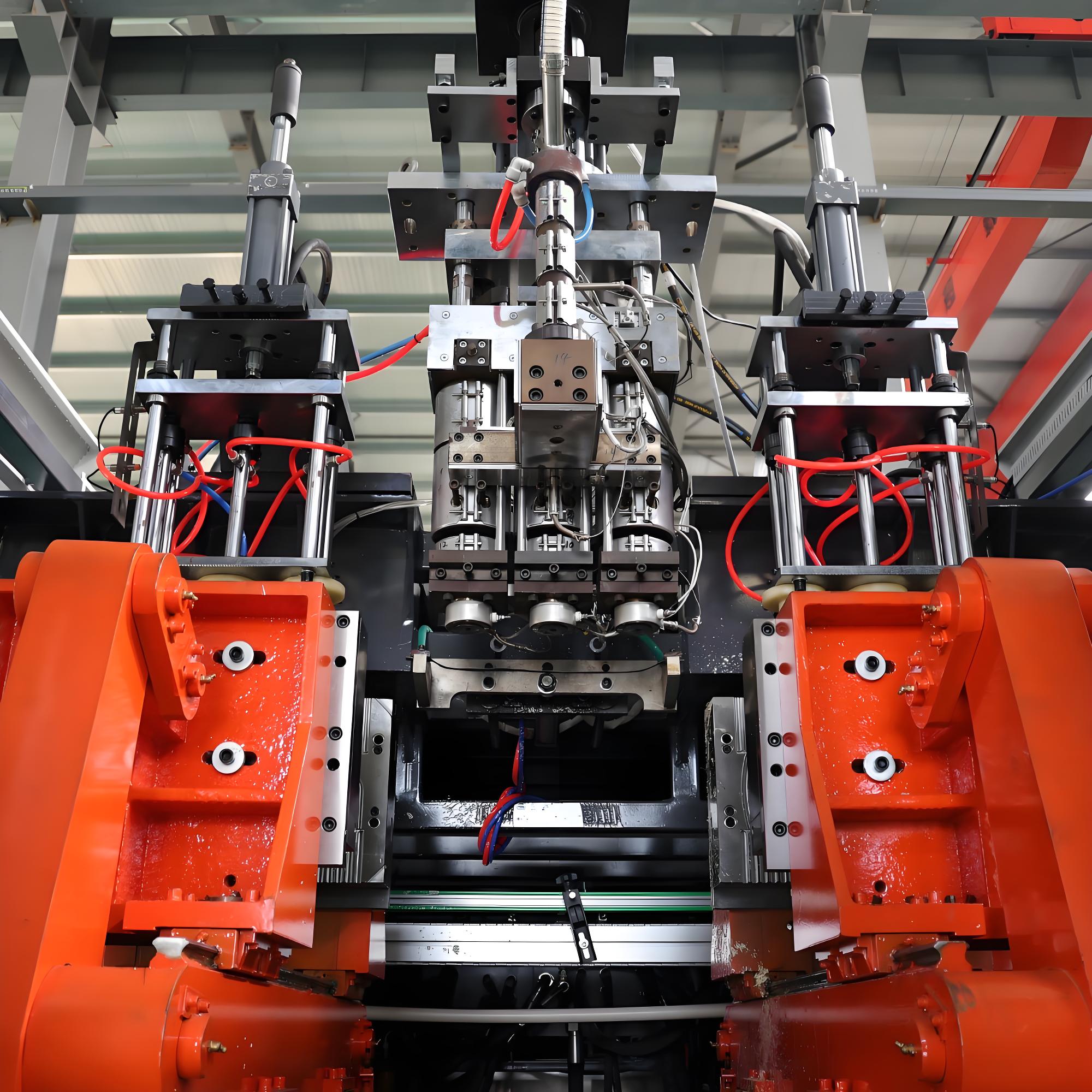
The heaviest and most time-consuming part of the changeover is the mold. Traditional molds are bolted directly to the platen with large hex bolts, requiring wrenches and cranes. QMC systems use hydraulic clamps or toggle mechanisms that allow the operator to unlock, slide out, and replace the mold in minutes without tools. Apollo-China’s QMC systems feature:
– Self-locking clamps that ensure mold safety under high pressure.
– Mold carts with wheels and leveling jacks to support the heavy mold (often 1-2 tons) outside the machine.
– Centering rings (conical/cylindrical) that ensure the new mold is perfectly aligned automatically when slid into place, eliminating the need for manual shimming with feeler gauges (which can take hours).
Using a QMC system can reduce mold change time from 60 minutes to 15 minutes.
2. Automatic Neck Ring and Blow Pin Changing
For bottles, the neck finish is critical. The neck ring defines the thread and the seal surface. In multi-cavity molds, each cavity has its own neck ring and blow pin. Changing these manually is tedious. Fast changeover machines use a “turret” system or a sliding carriage that holds multiple sets of neck rings. The operator can slide the entire carriage to the side, swap the set, and slide it back, or the machine can automatically index to the next set if it’s a rotary design. Some advanced Apollo lines have robotic arms that automatically remove and install blow pins, further reducing human error and time.
3. Parison Programming and Recipe Management
Every bottle size requires a different parison weight and wall thickness distribution. On old machines, this meant manually adjusting the die gap or re-writing the PLC code. Modern machines use “Recipe Management” software. The operator selects the bottle SKU from a touchscreen, and the machine automatically:
– Adjusts the accumulator stroke and speed.
– Sets the die gap profile (if it’s an electric die).
– Adjusts the clamp speed and blow pressure.
– Sets the cooling time.
Apollo-China’s PLC systems can store hundreds of recipes. Switching recipes takes seconds. Combined with servo-driven parison control, the machine can adapt to a new bottle weight in just a few shots, minimizing scrap during the setup phase.
4. Induction Heating for Molds
Heating a large steel mold to 180°C using electric band heaters can take 1-2 hours. Induction heating coils mounted directly on the mold platen can heat the mold in 15-20 minutes. This is a game-changer for fast changeovers. While induction systems are more expensive upfront, the energy savings and time savings justify the cost for high-mix production environments.
Cost Analysis: Fast Changeover vs. Standard Machine
Investing in a fast changeover model involves a premium price. Let’s analyze the economics.
Scenario A: Standard EBM Machine
Price: $180,000
Changeover Time: 3 hours
Downtime Cost per Changeover (2000 bph * $0.05 * 3h): $300
Assuming 1 changeover per day, 300 days/year: $90,000/year in lost production.
Scenario B: Fast Changeover EBM Machine (Apollo Model)
Price: $230,000 (Premium of $50,000)
Changeover Time: 30 minutes (0.5 hours)
Downtime Cost per Changeover: $50
Annual Downtime Cost: $15,000/year
Savings: $75,000/year.
ROI on Premium: The $50,000 extra cost is paid back in 8 months ($50,000 / $75,000 * 12 months). Over a 5-year lifespan, the fast changeover machine saves $375,000 in downtime costs alone, not including the value of being able to accept smaller, more profitable orders.
Design Considerations for Bottle Molds
To maximize changeover speed, the mold design itself must be optimized. Apollo-China works with mold makers to ensure:
– Lightweight construction using aluminum or beryllium copper where possible (though steel is needed for high volume).
– Standardized water connection manifolds (quick-disconnect couplings) so hoses don’t need to be unscrewed individually.
– Integrated handle mechanisms that don’t require manual assembly during mold change.
– Wear plates on high-wear areas (like the handle cut) that can be replaced quickly without sending the whole mold back to the manufacturer.
The cost of a high-quality, fast-change mold is higher ($15,000-$25,000 vs $8,000 for a basic mold), but it is an essential part of the fast-changeover system.
Reducing Scrap During Setup (First-Pass Yield)
Even with fast mechanical changeover, the first few dozen bottles are often scrap because the parameters aren’t tuned yet. This “setup scrap” is a hidden cost. Advanced EBM machines use:
– In-line vision systems to measure bottle weight and wall thickness in real-time and auto-adjust the extruder.
– Leak testers that provide immediate feedback to the PLC to adjust clamp force or blow pressure.
– Simulation software that predicts the optimal settings for a new mold based on the CAD model, reducing the trial-and-error period.
Apollo-China’s systems can achieve a “first-pass yield” of over 95%, meaning only 5% of the startup production is scrap, compared to 20-30% on older machines. For a run of 100,000 bottles, this saves 15,000 bottles worth of material (approx. $3,000-$5,000 depending on resin cost).
Maintenance for Changeover Systems
Fast changeover systems have moving parts that require maintenance. The QMC clamps need regular greasing. The centering rings must be kept clean and free of burrs, or alignment will suffer. Hydraulic hoses on the mold carts should be inspected for leaks. The electrical connectors for the mold heaters and sensors (often military-spec connectors for durability) should be checked for corrosion. A maintenance schedule specifically for the changeover system should be implemented, perhaps during the weekly production break.
Apollo-China’s Modular Approach to Bottle EBM
Apollo-China understands that not every customer needs a fully automated, multi-station line. They offer modular solutions. A customer can start with a basic single-station machine and upgrade to a dual-station or rotary wheel system later. The control system is scalable. For bottle producers, Apollo offers the “Accumulator Head” option which is crucial for large bottles (1L+) to ensure fast extrusion without sagging. They also provide specialized die heads for multi-layer bottles (EVOH barrier), which are common in food and chemical packaging. The ability to retrofit a standard Apollo machine with a QMC system later is a selling point, protecting the customer’s future investment.
Future Trends: AI-Driven Changeover
The next step in fast changeover is eliminating the human operator from the setup process. Using Digital Twins and AI, the machine will scan the new mold (via QR code or RFID tag), download the CAD data, and automatically adjust all parameters. The machine will run a simulation, predict the optimal settings, and start production with near-perfect first-pass yield. While still emerging, Apollo-China is integrating IoT capabilities that allow remote experts to guide local operators through complex changeovers via augmented reality glasses, effectively “teleporting” expertise to the factory floor.
Conclusion
For plastic bottle manufacturers, the speed of changeover is directly proportional to profitability. A fast changeover EBM machine is not a luxury; it is a necessity for handling the high-mix, low-volume orders that dominate the modern market. By investing in technologies like Quick-Mold-Change systems, automatic neck ring changers, and advanced recipe control, manufacturers can reduce downtime from hours to minutes. Apollo-China’s range of extrusion blow molding machines is engineered with these efficiency drivers in mind, offering a compelling ROI through reduced scrap, lower labor costs, and the ability to respond instantly to market demands. When evaluating a new line, look beyond the cycle time specification and ask: “How fast can I change the mold?” The answer will determine your true production capacity.