
The Evolution of Automation in Plastic Manufacturing
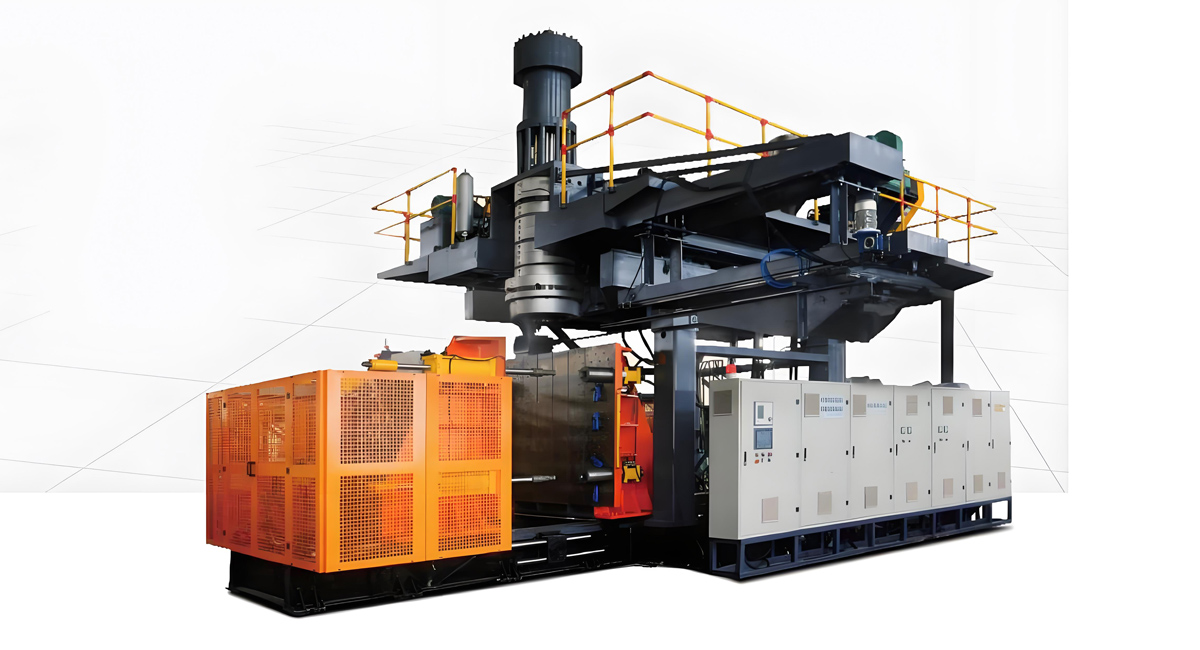
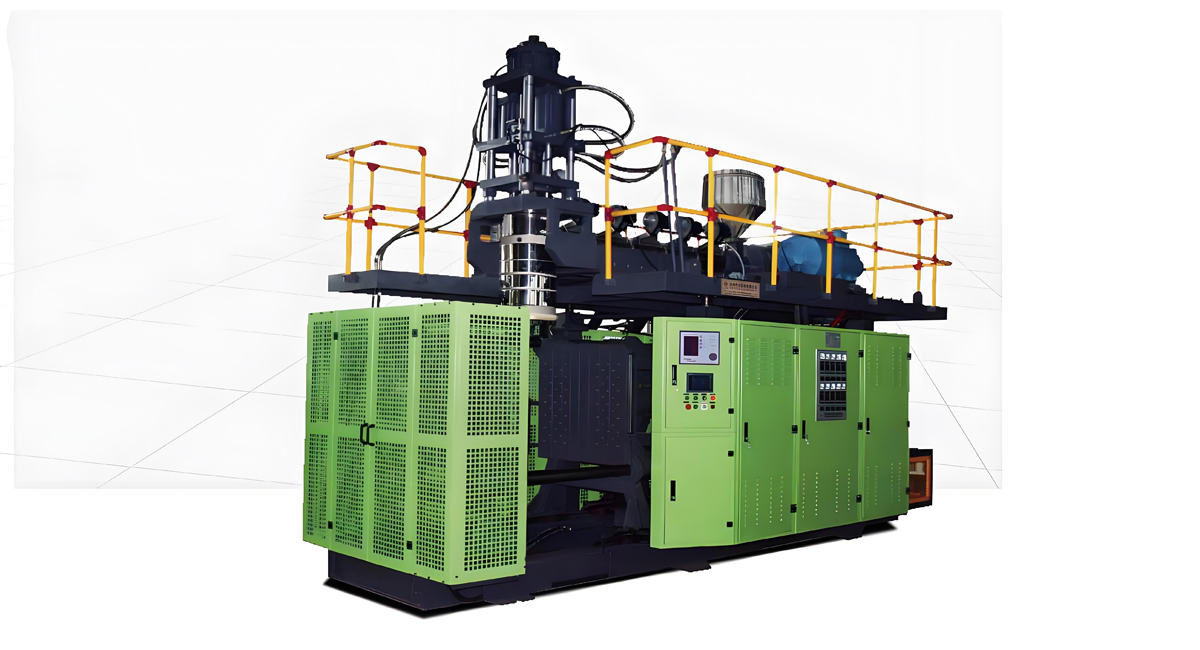
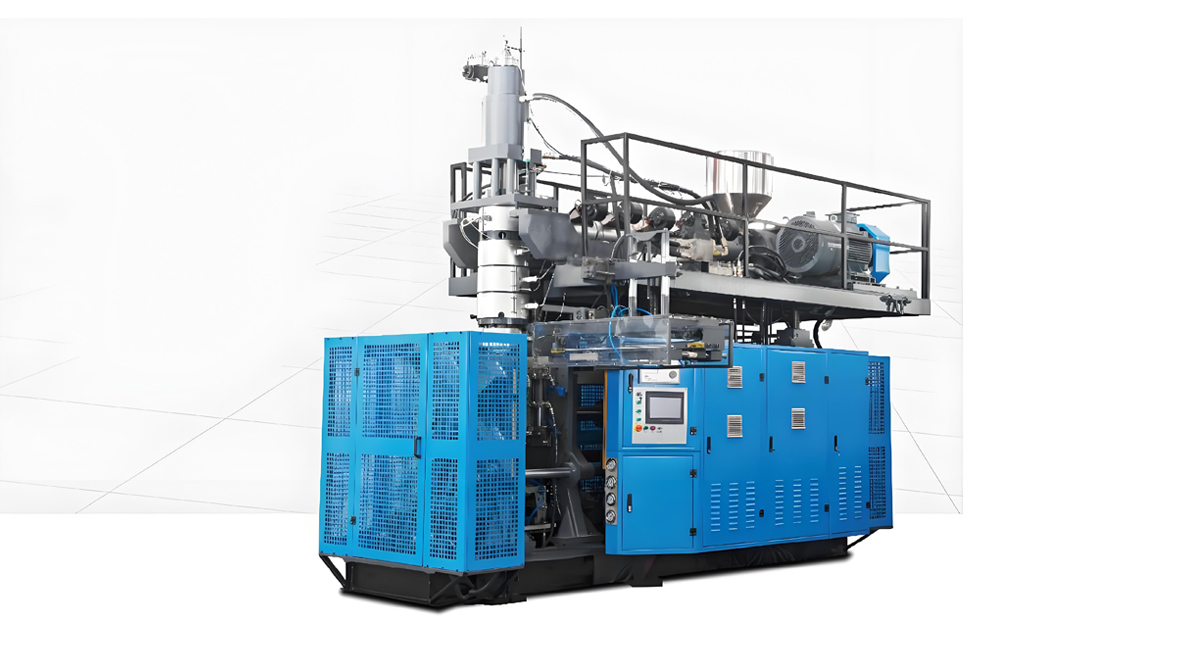
Automatic extrusion blow molding machines have revolutionized plastic bottle manufacturing by dramatically increasing production efficiency, reducing labor requirements, and improving product consistency. The transition from manual and semi-automatic systems to fully automated production lines represents a fundamental shift in manufacturing capability that enables plastic factories to compete effectively in demanding global markets. Apollo Extrusion Blow Molding machines incorporate advanced automation technology that streamlines operations from material feeding to finished product accumulation.
Modern plastic manufacturers face intense competitive pressure to reduce costs while maintaining or improving product quality. Automatic extrusion blow molding machines address these challenges through integrated automation systems that minimize operator intervention, optimize production parameters automatically, and maintain consistent quality around the clock. The result is significantly improved factory efficiency measured in output per labor hour, reduced scrap rates, and enhanced competitiveness in increasingly challenging market environments.
Core Automation Features and Capabilities
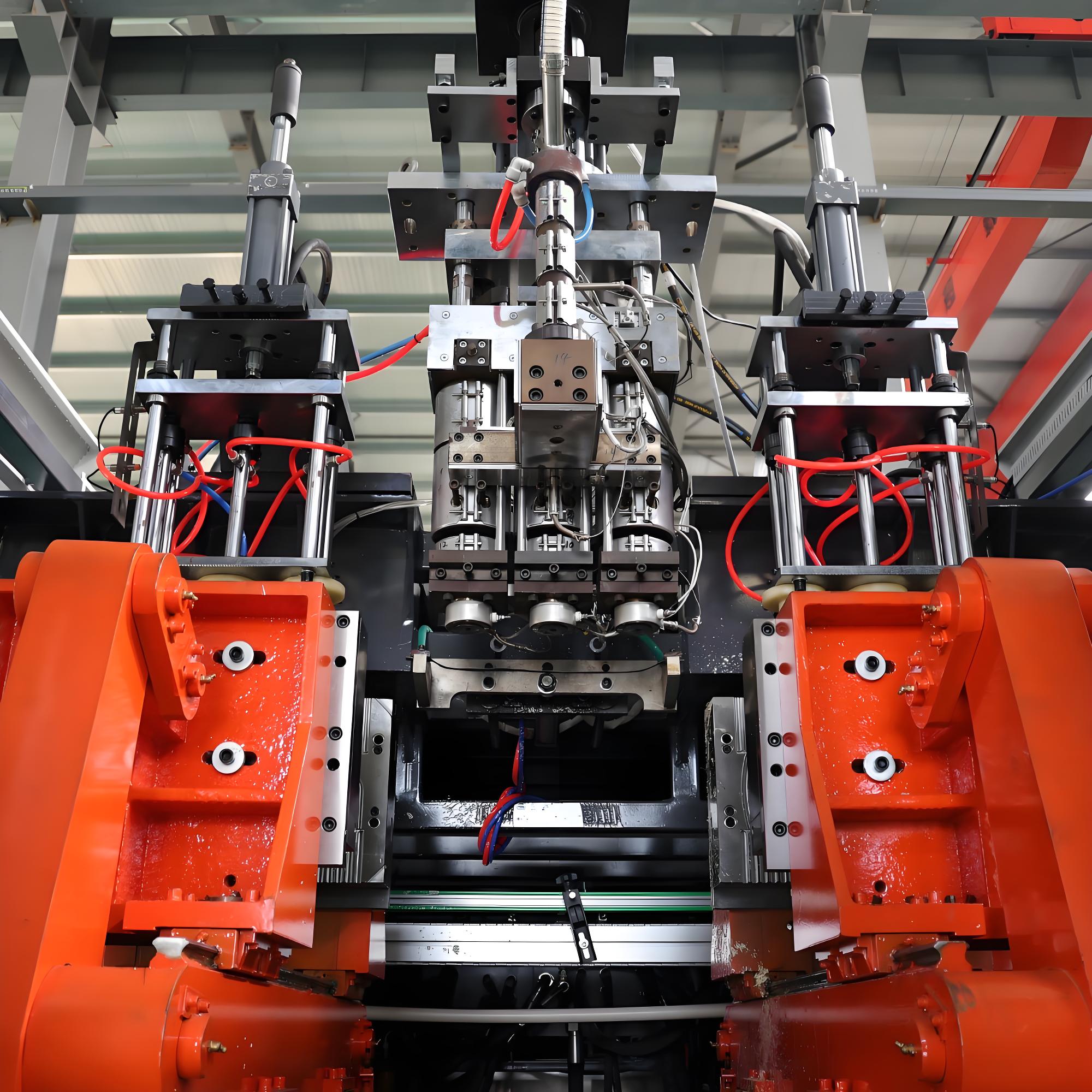
Apollo automatic extrusion blow molding machines incorporate comprehensive automation features that eliminate manual intervention throughout the production cycle. Material feeding systems automatically deliver plastic resin to the extruder at precisely controlled rates, ensuring consistent material input without manual monitoring. Parison formation systems automatically adjust die lip position based on programmed profiles, maintaining uniform bottle wall thickness without operator adjustment.
Mold closing and opening sequences execute automatically through programmed motion control, ensuring consistent cycle times and eliminating operator timing variations. Bottle ejection systems automatically remove finished bottles from molds and transfer them to downstream handling equipment. Automated quality monitoring systems inspect bottle characteristics continuously, diverting defective products without manual sorting requirements.
Integrated Control Systems
Advanced programmable logic controllers coordinate all machine functions through sophisticated software algorithms that optimize production performance. Touchscreen human-machine interfaces provide intuitive operation with real-time process monitoring and parameter adjustment capabilities. Remote monitoring capabilities enable production supervision from anywhere within the facility or through secure internet connections for multi-site operations.
Data logging systems capture production data including cycle times, temperature profiles, energy consumption, and quality metrics for analysis and continuous improvement. Recipe management systems store optimized production parameters for each product type, enabling rapid changeovers with consistent results. Integration capabilities with plant-wide manufacturing execution systems enable comprehensive production coordination and reporting across the entire facility.
Production Efficiency Metrics and Performance Indicators
Automatic extrusion blow molding machines deliver measurable efficiency improvements across multiple performance dimensions compared to manual or semi-automatic alternatives. Production throughput increases significantly due to consistent cycle times, minimized non-productive intervals, and optimized machine operation around production capabilities. Labor requirements decrease dramatically as automation eliminates manual tasks previously requiring operator attention throughout production cycles.
Material efficiency improves through precise process control that reduces scrap generation and optimizes material usage per unit produced. Energy efficiency gains result from optimized machine operation, intelligent power management, and reduced production variations. Overall equipment effectiveness improves as automation reduces unplanned downtime, maximizes production availability, and extends maintenance intervals.
Quantitative Efficiency Comparisons
Production capacity comparisons demonstrate automatic machine advantages clearly. Manual systems typically achieve 50 to 70 percent of theoretical maximum capacity due to operator limitations and manual intervention requirements. Semi-automatic systems improve to 70 to 85 percent capacity utilization through partial automation. Fully automatic Apollo systems regularly achieve 95 to 99 percent of theoretical capacity, maximizing return on equipment investment.
Labor productivity measurements show automatic machines produce 3 to 5 times more output per operator compared to manual systems. Manual operation typically requires 2 to 3 operators per machine for material handling, quality monitoring, and product removal. Automatic systems reduce requirements to 0.2 to 0.5 operators per machine, representing dramatic labor cost reductions and improved labor productivity metrics.
Investment Analysis and Return on Investment
Automatic extrusion blow molding machine investment represents significant capital expenditure but delivers compelling returns through efficiency gains and cost reduction. Basic automatic systems for moderate production volumes typically range from 120,000 to 180,000 US dollars for single-station machines with standard automation features. Mid-range automatic systems with enhanced automation capabilities and production monitoring range from 180,000 to 280,000 US dollars depending on configuration and capacity.
Advanced fully automatic systems with comprehensive automation, integrated quality monitoring, and remote management capabilities represent investments between 300,000 to 550,000 US dollars. Return on investment calculations based on labor cost savings, quality improvements, and capacity increases typically show payback periods between 18 to 36 months for high-volume production operations operating multiple shifts.
Cost Reduction Analysis
Labor cost reductions represent the most significant benefit of automatic extrusion blow molding machines. Manual operations typically incur labor costs of 8 to 12 US dollars per hour per operator requiring 2 to 3 operators per machine. Automatic systems reduce labor requirements to 0.2 to 0.5 operators per machine, reducing direct labor costs by 70 to 85 percent. Multi-shift operations magnify labor savings through continuous automated operation eliminating shift coverage requirements.
Quality improvements reduce scrap costs typically ranging from 3 to 7 percent of production value on manual systems. Automatic systems reduce scrap rates to 0.5 to 1.5 percent through consistent process control and automated defect removal. Energy efficiency improvements reduce energy costs by 15 to 25 percent compared to manual operation through optimized machine control and reduced production variations.
Production Optimization Strategies
Automatic extrusion blow molding machines enable production optimization strategies unavailable with manual or semi-automatic equipment. Lean manufacturing principles become achievable through reduced setup times, minimized material waste, and continuous flow production. Just-in-time production capabilities enable synchronized production with downstream operations, reducing inventory requirements and working capital needs.
Flexible manufacturing concepts become practical through rapid automated changeovers that enable product diversification without dedicated production lines for each product type. Mass customization capabilities emerge through automated adjustments that enable personalized products without manual reconfiguration. Continuous improvement initiatives benefit from detailed production data captured by automation systems for analysis and optimization.
Lean Manufacturing Implementation
Automatic extrusion blow molding machines support lean manufacturing principles through multiple capabilities. Automated material handling eliminates manual material transport, reducing non-value-added activity. Integrated quality monitoring eliminates manual inspection requirements while improving defect detection reliability. Automated changeover systems reduce setup time from hours to minutes, enabling flexible production without dedicated equipment for each product.
Production data captured by automation systems enables value stream mapping, bottleneck identification, and process optimization activities that reduce waste throughout production operations. Continuous flow becomes achievable through synchronized automated operation between equipment and processes. Pull systems implement effectively through automated production scheduling based on downstream consumption signals.
Quality Enhancement Through Automation
Automatic extrusion blow molding machines deliver consistent product quality through process control that eliminates human variation and errors. Sophisticated monitoring systems measure critical quality parameters including bottle weight, dimensions, wall thickness, and visual characteristics in real-time. Automated feedback systems adjust process parameters automatically to maintain specifications without operator intervention.
Statistical process control capabilities track quality trends and detect process drift before quality issues occur. Automated inspection systems detect and remove defective products before they reach downstream operations or customers. Traceability systems record production parameters for each production lot, enabling quality issue investigation and continuous improvement.
Advanced Quality Monitoring Technologies
Weight measurement systems verify bottle weight within specified tolerances on every bottle, detecting under or over-fill conditions before products accumulate. Dimensional verification systems measure critical bottle dimensions to ensure conformance with specifications. Wall thickness monitoring systems verify uniform wall thickness distribution without manual measurement requirements.
Visual inspection systems using camera technology detect surface defects, contamination, and appearance issues that would escape manual inspection on high-speed production lines. Automated testing systems perform leak testing, drop testing, and burst testing on sample bottles without manual intervention. Real-time quality dashboards display quality metrics and trends for production supervision and rapid response to developing issues.
Automation Levels and Configuration Options
Apollo offers multiple automation levels to match specific production requirements and investment considerations. Basic automation provides essential automatic functions including automatic cycle operation, material feeding, and product ejection while requiring some operator monitoring. Standard automation adds automated parison control, temperature management, and quality monitoring suitable for most production applications.
Advanced automation incorporates comprehensive process control, integrated quality assurance, and remote monitoring capabilities for maximum production efficiency. Custom automation configurations address specialized requirements including unique product handling, special quality requirements, or integration with specific production systems. Automation upgrades enable progression from basic to advanced automation as production requirements evolve.
Scalable Automation Architecture
Modular automation architecture enables progressive automation investment that matches business growth and production requirements. Initial investment in basic automation delivers immediate efficiency improvements while establishing foundation for future automation expansion. Standard automation modules add capabilities incrementally as production volume increases or quality requirements become more demanding.
Advanced automation features incorporate as competitive pressures demand further efficiency improvements or market requirements demand enhanced capabilities. Integration capabilities enable connection to plant-wide systems including enterprise resource planning, manufacturing execution systems, and quality management systems. Open architecture ensures compatibility with future technology developments and evolving industry standards.
Operator Requirements and Skill Development
Automatic extrusion blow molding machines transform operator roles from manual machine operation to supervision, monitoring, and optimization. Operators focus less on manual intervention and more on process monitoring, quality assurance, and troubleshooting. Reduced physical demands improve working conditions and expand potential operator pool beyond skilled machine operators to include personnel with technical aptitude for monitoring and optimization activities.
Training requirements shift emphasis from manual skills to system understanding, data interpretation, and problem-solving abilities. Apollo provides comprehensive training programs covering machine operation, monitoring systems, troubleshooting techniques, and optimization methods. Training duration typically ranges from one week for basic operation to three weeks for advanced system management and optimization.
Skill Requirements for Automated Operation
Effective automated machine operation requires understanding of automation principles, control systems, quality monitoring, and production optimization. Operators develop skills in human-machine interface operation, data interpretation, alarm response, and production parameter adjustment. Technical abilities enable understanding of process relationships, parameter interactions, and optimization strategies.
Continuous learning becomes essential as automation technology evolves and production requirements change. Cross-training enables operators to understand multiple machines and production lines, improving operational flexibility. Supervision skills emerge as operators oversee multiple automatic machines and coordinate production activities with broader production systems.
Maintenance and Reliability Considerations
Automatic extrusion blow molding machines incorporate advanced reliability features that maximize uptime and minimize maintenance requirements. Predictive maintenance capabilities monitor equipment condition and anticipate component failure before production disruption occurs. Self-diagnostic systems identify developing issues and provide early warning for maintenance intervention, reducing unscheduled downtime.
Modular design enables rapid component replacement and minimal repair time. Standardized components simplify spare parts management and reduce maintenance complexity. Remote diagnostics capabilities enable technical support analysis without requiring on-site visits in many cases, reducing maintenance response time and cost.
Reliability Improvements Through Automation
Automatic operation eliminates human errors that cause machine damage and production disruption. Consistent operation reduces equipment stress and wear compared to manual operation with variations in cycle timing and parameter control. Process monitoring prevents out-of-specification operation that could damage components or cause quality issues.
Automated maintenance scheduling ensures preventive maintenance occurs at optimal intervals based on actual operating conditions rather than fixed schedules. Condition monitoring detects developing issues before failure occurs, enabling planned maintenance during scheduled downtime rather than emergency repairs during production periods. Enhanced reliability reduces total cost of ownership through reduced downtime and extended equipment life.
Energy Efficiency and Environmental Benefits
Automatic extrusion blow molding machines incorporate energy efficiency features that reduce environmental impact and operating costs. Servo drive systems consume energy only when required, eliminating continuous energy consumption typical of hydraulic systems. Regenerative braking captures energy during deceleration phases for reuse, improving overall energy efficiency.
Optimized process control reduces energy waste from over-processing and cycle variations. Intelligent power management minimizes energy consumption during idle periods and non-production intervals. Energy monitoring systems provide real-time energy consumption data, enabling optimization and cost reduction initiatives.
Sustainable Production Through Automation
Automatic machines enable sustainable production practices that reduce environmental impact while improving efficiency. Material optimization through precise process control reduces plastic resin consumption per unit, minimizing resource use and waste generation. Automated quality monitoring reduces scrap production, reducing both material waste and processing energy for defective products.
Energy efficiency improvements directly reduce environmental impact through lower fossil fuel consumption for energy generation. Production efficiency improvements reduce per-unit energy consumption, amplifying environmental benefits across high production volumes. Integration with sustainable materials and recycling processes becomes practical through automated handling and processing capabilities.
Integration with Production Systems
Automatic extrusion blow molding machines integrate seamlessly with broader production systems including upstream material handling, downstream packaging equipment, and plant-wide management systems. Material handling automation provides continuous material supply to the machine without manual intervention. Downstream equipment automatically receives finished bottles for sorting, packaging, and palletizing operations.
Manufacturing execution system integration enables production scheduling, work order management, and production tracking across multiple machines and production lines. Enterprise resource planning connections enable material requirement planning, production costing, and inventory management coordination. Quality management system integration enables comprehensive quality tracking and compliance management.
Digital Transformation and Industry 4.0
Automatic extrusion blow molding machines represent essential elements of Industry 4.0 transformation initiatives in plastic manufacturing. Internet of Things connectivity enables machine communication with production systems and cloud platforms for comprehensive data analysis. Digital twin technology creates virtual machine replicas for simulation, optimization, and predictive maintenance applications.
Artificial intelligence capabilities analyze production data to identify optimization opportunities and predict issues before they occur. Machine learning algorithms continuously improve process performance through pattern recognition and adaptive adjustment. Cloud-based monitoring enables production supervision and optimization from anywhere with internet connectivity.
Market Competitiveness and Strategic Advantages
Automatic extrusion blow molding machines provide strategic advantages that enhance market competitiveness and enable business growth. Cost structure improvements through automation reduce production costs and enable competitive pricing strategies while maintaining profit margins. Quality consistency enhances customer satisfaction and reduces returns, warranty costs, and reputational damage.
Production flexibility enables rapid response to changing market demands and customer requirements without dedicated equipment for each product. Capacity expansion capability enables growth without proportionate labor cost increases. Technology leadership positioning differentiates manufacturers from competitors relying on manual or less automated production methods.
Competitive Differentiation Through Automation
Advanced automation capabilities enable product innovation and differentiation through design complexity and customization capabilities impossible with manual production. Speed to market improves through rapid automated setup and changeover that enable product introduction without extended setup periods. Customer responsiveness enhances through production flexibility that accommodates special orders and customized products without excessive cost or time penalties.
Production reliability reduces delivery risks and enables customer commitments with confidence. Technology capability attracts customers seeking advanced manufacturing partners with demonstrated production sophistication. Innovation capacity emerges through automation-enabled production techniques that create competitive advantages through product and process innovation.
Future Trends in Extrusion Blow Molding Automation
Extrusion blow molding automation continues evolving with technological advancement and market demands driving innovation. Artificial intelligence integration enhances automation capabilities through predictive optimization, adaptive control, and intelligent decision-making. Machine learning applications enable automatic performance improvement without explicit programming through pattern recognition and experience accumulation.
Robotics integration extends automation to secondary operations including trimming, assembly, testing, and packaging currently requiring manual labor. Augmented reality interfaces provide enhanced operator training, maintenance support, and operation guidance through digital overlays and interactive instructions. Blockchain technology enables comprehensive traceability and authentication for regulated applications and premium products.
Emerging Automation Technologies
Edge computing capabilities enable real-time data analysis and decision-making directly on production equipment without cloud dependency, reducing latency and improving response speed. Digital twins enable virtual testing of changes and optimization strategies before implementation on physical machines, reducing risk and accelerating improvement cycles. Collaborative robots enable safe human-robot interaction for flexible automation of tasks requiring adaptability and judgment.
Predictive analytics anticipate maintenance requirements, quality trends, and market demands to enable proactive rather than reactive responses. Autonomous production capabilities emerge through comprehensive automation that enables extended operation with minimal human intervention. Sustainable automation technologies focus on energy efficiency, material optimization, and environmental impact reduction while maintaining productivity and quality.
Implementation Strategies and Best Practices
Successful automatic extrusion blow molding machine implementation requires systematic planning and execution aligned with business objectives and production requirements. Comprehensive needs assessment identifies specific efficiency improvement opportunities and automation requirements aligned with market demands and competitive positioning. Pilot projects demonstrate capabilities and validate benefits before full-scale implementation commitment.
Phased implementation approach enables progressive automation investment that delivers incremental benefits while minimizing risk. Training and change management ensure workforce acceptance and effective utilization of new capabilities. Continuous optimization ensures ongoing improvement as experience accumulates and technology evolves.
Implementation Best Practices
Thorough upfront planning ensures alignment between automation capabilities, production requirements, and business objectives. Technology assessment identifies optimal automation level and configuration matching current needs and future growth plans. Supplier partnership with experienced equipment providers like Apollo ensures technology selection, implementation support, and ongoing optimization assistance.
Workforce preparation includes training, change management, and role definition to ensure effective utilization of automation capabilities. Process optimization accompanies automation implementation to maximize benefits through streamlined production flow and elimination of bottlenecks. Measurement systems track efficiency improvements and return on investment to validate implementation decisions and guide future optimization initiatives.
Frequently Asked Questions
What are the primary benefits of automatic extrusion blow molding machines?
Automatic extrusion blow molding machines deliver multiple benefits including significantly increased production capacity through consistent cycle times and minimized downtime, reduced labor requirements by 70 to 85 percent compared to manual operation, improved product consistency through automated process control, reduced scrap rates through precise parameter control and automated defect removal, and enhanced overall factory efficiency measured in output per labor hour and total production cost per unit. These benefits combine to improve competitiveness and profitability in demanding manufacturing environments.
How do automatic machines compare to manual operation in terms of quality?
Automatic extrusion blow molding machines deliver superior quality consistency compared to manual operation through several mechanisms. Automated process control eliminates human variation in parameter adjustment and cycle timing, reducing quality variations. Real-time quality monitoring detects and removes defective products automatically, preventing defective products from reaching customers. Statistical process control tracks quality trends and detects process drift before quality issues occur. Precise parison control ensures uniform wall thickness and dimensions. The result is consistent quality meeting specifications with minimal operator dependency and reduced scrap rates.
What is the typical return on investment for automatic extrusion blow molding machines?
Return on investment for automatic extrusion blow molding machines typically ranges from 18 to 36 months for high-volume production operations operating multiple shifts. ROI calculation considers multiple factors including labor cost savings of 70 to 85 percent, quality improvement savings from reduced scrap rates of 50 to 80 percent, increased revenue from capacity expansion of 20 to 40 percent, and energy efficiency improvements of 15 to 25 percent. Actual payback period varies based on production volume, labor rates, energy costs, and specific automation level selected. High-volume operations with multiple shifts typically achieve faster payback through greater absolute savings and revenue increases.
What skills do operators need for automatic extrusion blow molding machines?
Automatic extrusion blow molding machine operators require different skills compared to manual machine operation, shifting emphasis from manual manipulation to monitoring and optimization. Required skills include understanding of automation principles and control system operation, ability to interpret monitoring data and process trends, troubleshooting capabilities for alarm response and issue resolution, human-machine interface operation proficiency, and production optimization understanding. Training typically ranges from one week for basic operation to three weeks for advanced system management. Technical aptitude and problem-solving abilities become more important than manual machine operation skills.
Can automatic machines integrate with existing production systems?
Automatic extrusion blow molding machines offer comprehensive integration capabilities with existing production systems through standard communication protocols and open architecture design. Integration capabilities include manufacturing execution systems for production scheduling and tracking, enterprise resource planning systems for material and cost management, quality management systems for quality tracking and compliance, and plant-wide data networks for real-time monitoring and optimization. Apollo provides integration support and compatibility assessment to ensure seamless connection with existing systems while maintaining flexibility for future technology additions.
Conclusion: Transforming Factory Efficiency Through Automation
Automatic extrusion blow molding machines represent transformative technology for plastic bottle manufacturing, delivering dramatic efficiency improvements through comprehensive automation that eliminates manual intervention and optimizes production performance. The transition from manual to automatic operation fundamentally changes production economics, enabling competitive manufacturing despite increasing global competition and cost pressures.
Success requires strategic alignment between automation investment, production requirements, and market positioning. Comprehensive planning, effective implementation, and continuous optimization ensure maximum benefit from automation investment. Apollo Extrusion Blow Molding machines provide proven technology, application expertise, and ongoing support essential for successful automation implementation.
The future belongs to manufacturers embracing automation technology as competitive necessity rather than optional enhancement. Automatic extrusion blow molding machines enable the efficiency, quality, and flexibility essential for sustainable competitive advantage. Strategic automation investment today positions manufacturers for continued success as market demands evolve and competitive pressures intensify in the dynamic plastic manufacturing landscape.