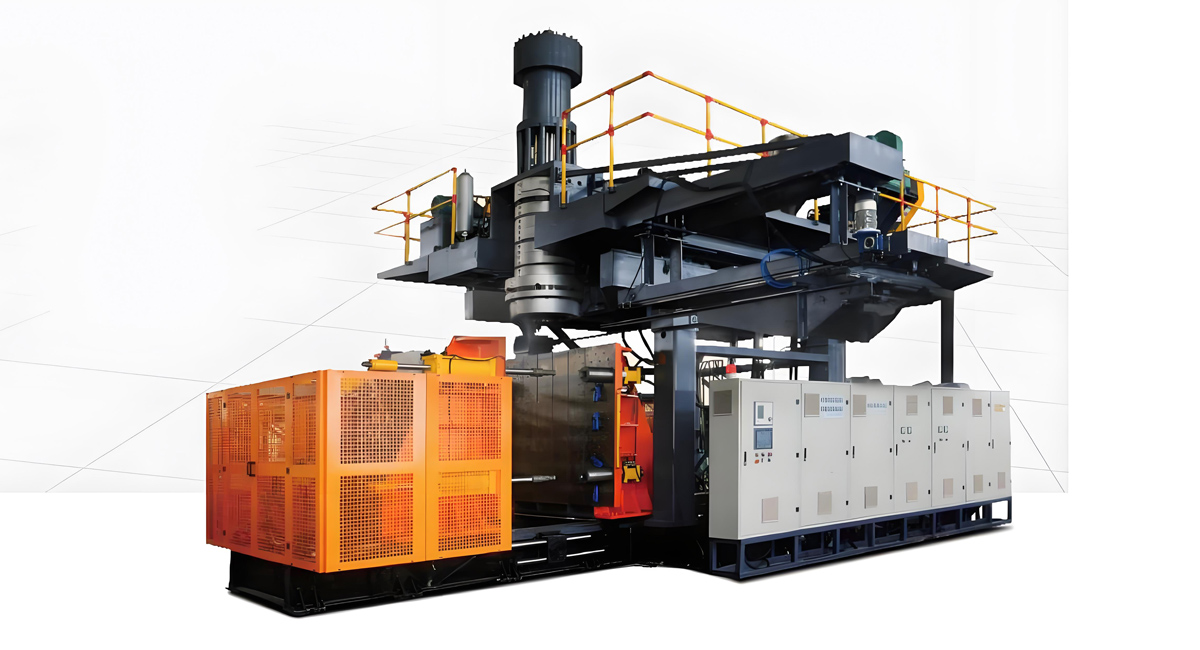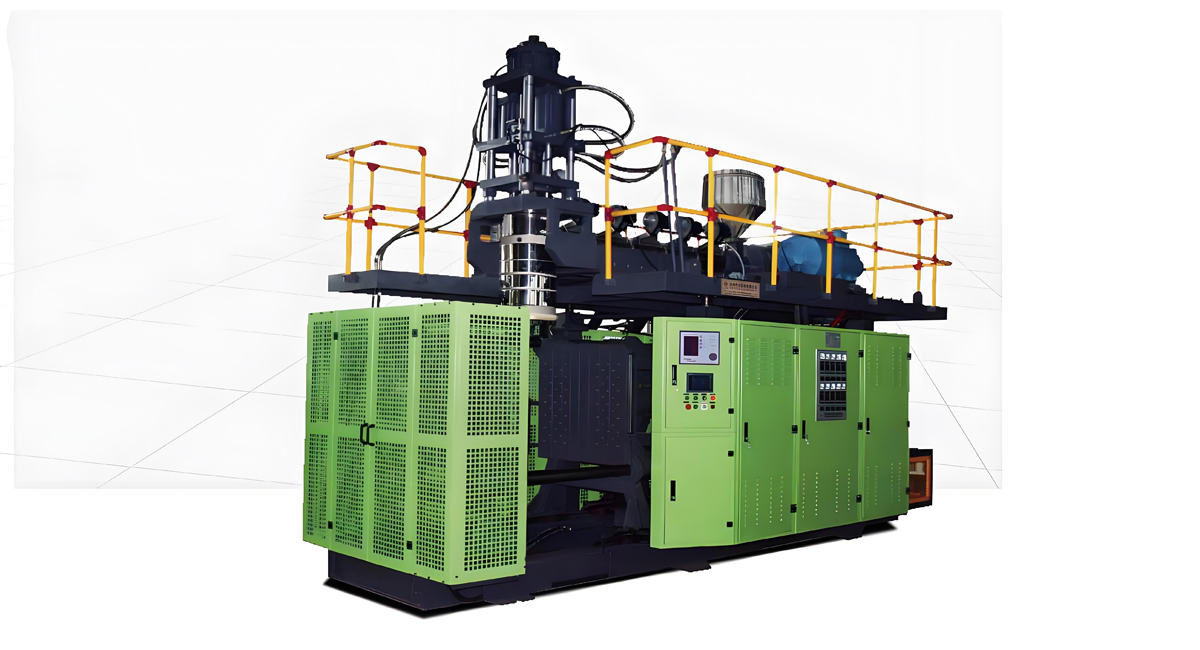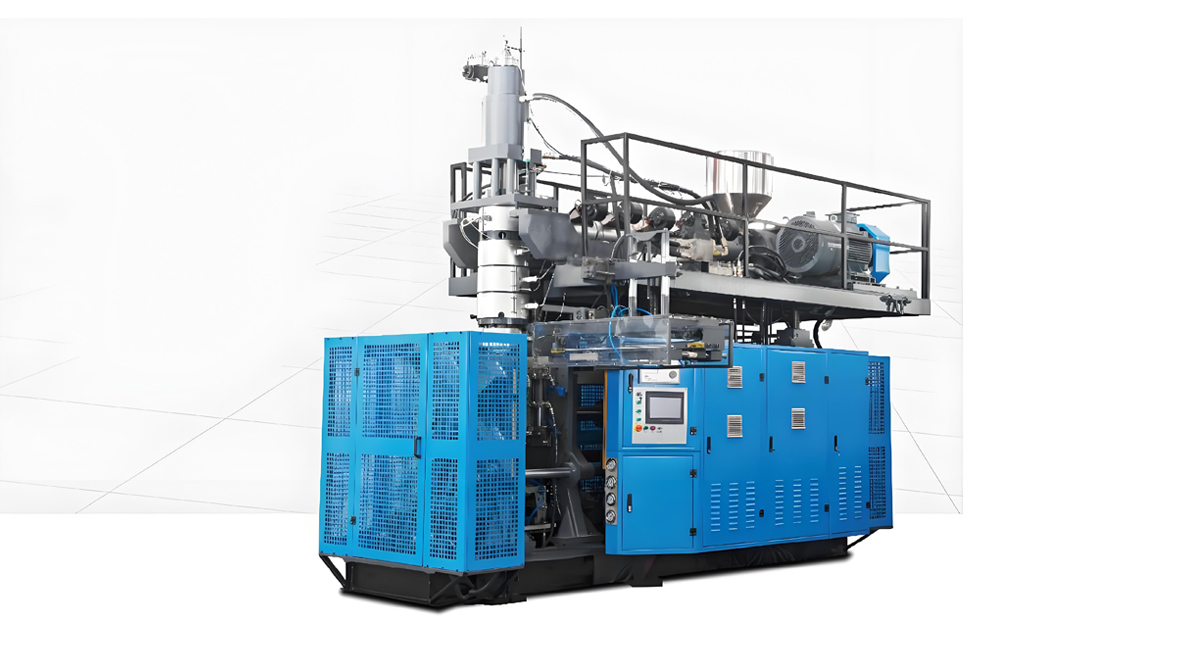
Introduction to Extrusion Blow Molding Technology
Extrusion blow molding technology represents one of the most versatile and widely used methods for producing hollow plastic products. The year 2026 marks significant advancement in blow molding technology with increased focus on efficiency, precision, and cost-effectiveness. Apollo China has established itself as a leading manufacturer of extrusion blow molding machines, providing innovative solutions for diverse manufacturing needs worldwide.
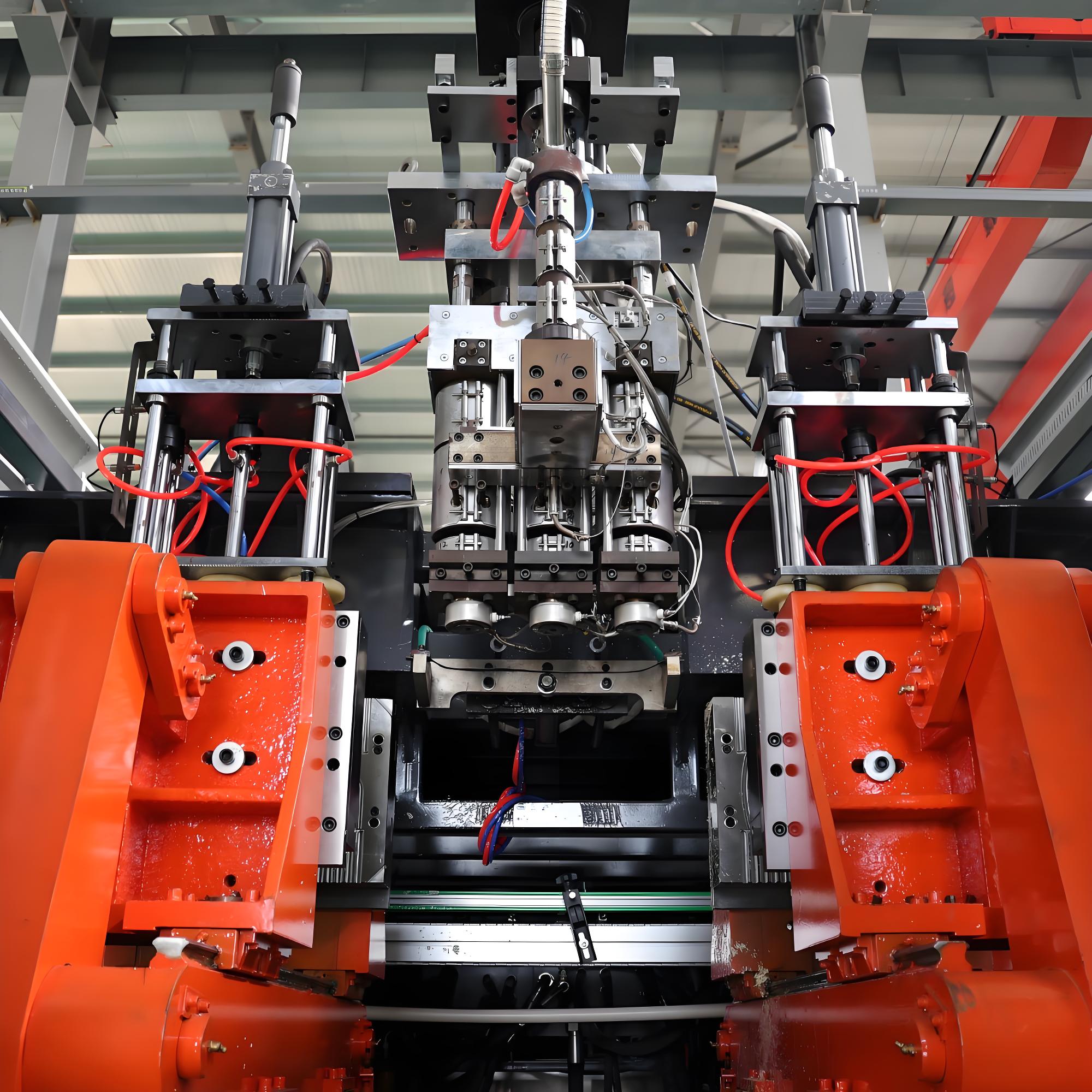
Extrusion blow molding machines transform plastic resin into hollow products through a multi-stage process involving extrusion, parison formation, mold closure, blowing, and product ejection. This technology enables production of bottles, containers, drums, and complex hollow shapes with excellent structural integrity and dimensional accuracy. Understanding the technology, equipment options, and economic factors enables informed investment decisions for manufacturers.
Apollo extrusion blow molding machines incorporate advanced features including precise temperature control, energy-efficient drives, and automation capabilities. Apollo machines designed for reliability, performance, and cost-effectiveness serving diverse applications from small bottle production to large industrial container manufacturing. The global extrusion blow molding machine market continues growing driven by increasing demand for plastic containers and technological advancements.
Apollo Extrusion Blow Molding Machine Technology
Apollo extrusion blow molding machines utilize state-of-the-art technology ensuring consistent quality and reliable operation. The Apollo S-EBM-50 exemplifies Apollo commitment to innovation with features specifically designed for small business cost-effectiveness, manual operation, startup investment. Apollo machines combine proven mechanical design with advanced control technology providing optimal performance across diverse applications.
Extrusion System
Apollo extrusion systems provide consistent parison formation essential for product quality. Single screw extruder with L/D ratio 25:1 to 30:1 ensures proper melting and homogenization. Barrel heating with 4 to 6 zones provides precise temperature control from feed zone to die. AC motor with variable frequency drive provides adjustable screw speed from 5 to 150 RPM enabling production rate optimization.
Extruder capacity ranges from 30 to 200 kilograms per hour depending on model and application. Screw diameter 50mm to 120mm provides versatility across product sizes. Extrusion pressure 100 to 200 bar ensures adequate parison formation. Advanced parison programming enables wall thickness optimization. Apollo extrusion systems provide reliable performance with minimal maintenance requirements.
Mold Station and Clamping
Apollo mold stations provide precise mold closure and adequate clamping force. Clamping system features hydraulic or mechanical clamping with force 20 to 200 tons depending on model. Mold platens provide accurate alignment ensuring consistent product dimensions. Quick mold change systems enable rapid product changeovers reducing downtime.
Mold station capacity accommodates 50ml to 500ml products products. Maximum mold size 600mm x 600mm to 1200mm x 1200mm depending on model. Mold opening and closing speed adjustable for cycle time optimization. Automatic mold alignment reduces setup time. Apollo mold stations provide reliable operation for continuous production.
Blowing and Air System
Apollo blowing systems ensure proper product formation and wall thickness uniformity. High-pressure air system provides pressure 10 to 40 bar depending on product requirements. Air volume 0.5 to 5 cubic meters per cycle ensures adequate blowing. Air control system enables precise air pressure and timing control.
Multiple blowing stages provide progressive product formation. Pre-blow stage initiates product formation. Final blow stage achieves final dimensions and wall thickness. Air recovery systems reduce energy consumption. Apollo blowing systems provide consistent quality with efficient operation.
Control and Automation
Apollo control systems provide precise operation and monitoring. PLC-based control with touch screen HMI provides intuitive operation. Recipe storage enables quick product changeover. Real-time monitoring of process parameters ensures consistent operation. Data logging provides traceability and quality records.
Automation features include automatic parison programming, automatic mold temperature control, and automatic product ejection. Advanced control enables optimization of cycle time and quality. Communication capability enables integration with plant systems. Apollo control systems provide reliable automation reducing operator requirements.
Machine Specifications and Parameters
Apollo Apollo S-EBM-50 provides specifications optimized for small business cost-effectiveness, manual operation, startup investment. Machine specifications determine production capacity, product quality, and operating costs. Understanding specifications enables proper machine selection and optimization.
Production Capacity
Production capacity depends on product size, cycle time, and machine configuration. Cycle time typically 15 to 45 seconds depending on product size and complexity. Production rate 30 to 200 units per hour achievable. Multi-cavity molds increase throughput to 400 to 800 units per hour.
Machine capacity 30 to 200 kilograms per hour of plastic resin. Maximum product weight 10 grams to 5000 grams depending on model. Product range 50ml to 500ml products with appropriate mold configuration. Capacity optimization requires balancing product size, mold design, and cycle time.
Power Consumption
Power consumption represents significant operating cost factor. Installed power 15 to 150 kilowatts depending on model and configuration. Energy consumption 15-25 kWh per 1000 units of finished products. Energy-efficient features reduce consumption 20 to 40 percent compared to standard machines.
Power distribution includes extruder drive 40 to 60 percent of total power, clamping system 20 to 30 percent, air system 10 to 20 percent, and auxiliaries 10 to 20 percent. Power consumption optimization reduces operating costs and environmental impact.
Dimensions and Footprint
Machine dimensions determine facility space requirements. Length 4000 to 12000 millimeters depending on model. Width 2000 to 4000 millimeters. Height 2500 to 4500 millimeters. Machine weight 8000 to 50000 kilograms depending on capacity and configuration.
Facility requirements include adequate floor space, overhead clearance for maintenance, proper foundation, and utility access. Space planning should accommodate material handling, product flow, and operator access. Proper facility preparation ensures successful installation and operation.
Applications and Product Range
Apollo extrusion blow molding machines serve diverse applications across multiple industries. Machine versatility enables production of various products from bottles, containers, jars, and small containers to specialized containers. Understanding applications ensures proper machine selection and optimization.
Beverage Container Production
Beverage containers represent major application for extrusion blow molding. Water bottles, juice bottles, milk jugs, and other beverage containers produced efficiently. Material options include HDPE, PP, PET, and specialty resins. Container sizes from 50ml to 5L depending on machine configuration.
Beverage container requirements include clarity, barrier properties, and dimensional accuracy. Apollo machines provide wall thickness control ensuring product integrity. Mold design capabilities enable complex shapes and features. Beverage container production requires consistent quality and high output.
Chemical and Industrial Containers
Chemical and industrial containers require robust construction and material compatibility. Chemical drums, lubricant containers, industrial bottles, and hazardous material containers produced with specialized materials. Container sizes from 1L to 50L including popular 20L drum size.
Chemical container requirements include chemical resistance, strength, and regulatory compliance. Apollo heavy-duty machines provide adequate clamping force for thick-walled containers. Material options include HDPE, PP, and engineering plastics for chemical resistance. Chemical container production requires specialized equipment and expertise.
Cosmetic and Personal Care Packaging
Cosmetic and personal care packaging demands aesthetic quality and precision. Cosmetic jars, cream containers, perfume bottles, and makeup containers produced with attention to detail. Container sizes from 10ml to 500ml with emphasis on small capacity precision.
Cosmetic packaging requirements include surface finish, dimensional accuracy, and clarity. Apollo precision machines provide excellent control for aesthetic products. Mold design enables complex shapes and fine details. Cosmetic packaging production requires high precision and quality focus.
Household and Consumer Products
Household and consumer products encompass wide range of applications. Storage containers, cleaning product bottles, automotive containers, and general-purpose bottles produced efficiently. Product versatility enables serving multiple markets with single machine.
Household product requirements vary by application but generally emphasize cost-effectiveness and functionality. Apollo machines provide efficient operation for high-volume production. Material options optimize cost and performance. Household product production requires versatility and efficiency.
Cost Analysis and Investment
Extrusion blow molding machine investment requires comprehensive cost analysis considering initial investment, operating costs, and return on investment. Understanding cost structure enables informed decisions and financial planning.
Machine Investment Costs
Apollo Apollo S-EBM-50 investment $18,000 – $32,000 depending on configuration and capacity. Base model includes extruder, clamping system, blowing system, and basic control. Enhanced options including advanced automation, multi-cavity molds, and integrated systems increase cost. Apollo provides competitive pricing compared to European brands while matching performance.
Additional investment includes installation 8,000 to 20,000 US dollars, training 3,000 to 8,000 US dollars, initial molds 5,000 to 30,000 US dollars depending on complexity, and spare parts inventory 5,000 to 15,000 US dollars. Complete production line investment 31,000 to 103,000 US dollars above machine cost.
Operating Cost Breakdown
Operating costs represent ongoing expense affecting profitability. Material cost typically 60 to 75 percent of total product cost depending on resin type and market conditions. Energy cost 10 to 20 percent of operating cost. Labor cost 5 to 15 percent depending on automation level. Maintenance cost 3 to 8 percent of machine investment annually.
Per unit operating cost varies by product size and material. Small containers 10 to 100ml cost 0.05 to 0.15 US dollars per unit excluding material. Medium containers 500ml to 2L cost 0.15 to 0.40 US dollars per unit. Large containers 5L to 50L cost 0.50 to 2.00 US dollars per unit. Operating cost optimization requires comprehensive approach.
Return on Investment Analysis
ROI calculation considers production rate, profit margin, and utilization. Assuming production rate 100 to 500 units per hour, profit margin 0.10 to 0.50 US dollars per unit, and 70 percent utilization, annual profit 61,000 to 504,000 US dollars achievable. Payback period typically 0.5 to 2 years depending on capacity utilization and market conditions.
Apollo machines provide excellent ROI through competitive pricing, energy efficiency, and reliable operation. Energy savings 20 to 40 percent reduce operating costs. Automation reduces labor requirements. Reliability minimizes downtime and maintenance costs. Apollo investment provides rapid payback and long-term profitability.
Machine Selection Criteria
Proper machine selection ensures production requirements met while avoiding overinvestment. Selection criteria include product specifications, production volume, automation requirements, and budget constraints. Systematic evaluation ensures optimal machine selection.
Product Specifications
Product specifications determine machine capacity and capabilities. Product volume range 50ml to 500ml products must match machine capacity. Product weight determines extruder capacity. Product shape influences mold design and clamping requirements. Material selection affects processing conditions.
Machine capacity should provide margin above current requirements for growth. Oversized machine operating inefficiently at low utilization. Undersized machine limits growth requiring replacement. Capacity selection balances current requirements and future growth. Proper product specification analysis ensures appropriate machine selection.
Production Volume
Production volume determines required output rate and automation level. Low volume 500 to 2000 units daily suitable for semi-automatic operation. Medium volume 2000 to 10000 units daily suitable for automatic operation. High volume above 10000 units daily requires fully automatic with multi-cavity molds.
Production volume forecasting should consider market growth and seasonal variations. Over-capacity wastes capital while under-capacity limits growth. Phased installation enables capacity expansion matching growth. Production volume analysis ensures appropriate machine capacity and automation.
Automation Level
Automation level affects investment cost, labor requirements, and consistency. Manual operation requires significant labor but lower investment. Semi-automatic operation semi-automatic with manual loading and unloading provides balance. Fully automatic operation provides consistency and reduced labor.
Automation level selection considers labor cost, production volume, and quality requirements. High labor cost justifies higher automation investment. High volume requires automation for efficiency. Quality-critical applications benefit from automation consistency. Automation level analysis optimizes investment and operation.
Installation and Commissioning
Proper installation and commissioning ensure machines perform as designed. Installation process includes site preparation, equipment installation, utility connection, and startup. Commissioning verifies performance and trains operators.
Site Preparation
Site preparation provides foundation for successful installation. Floor must support machine weight 10 to 50 tons depending on model. Concrete foundation recommended for stability. Adequate space for machine and material handling required. Access for equipment installation and service must be provided.
Utility requirements include electrical power 380 to 480 volt 3-phase 50 or 60 Hz, compressed air supply 7 to 10 bar, cooling water supply if required, and proper ventilation. Utility capacity must match machine requirements. Site preparation typically 1 to 2 weeks before equipment arrival.
Equipment Installation
Equipment installation involves positioning, leveling, and connection. Machine positioned on foundation ensuring proper alignment and access. Leveling ensures machine operation within specifications. Utility connections completed according to electrical and mechanical codes.
Installation requires skilled technicians and proper equipment. Installation time 3 to 7 days depending on machine complexity and site conditions. Apollo provides installation supervision ensuring proper installation. Proper installation foundation for reliable operation.
Commissioning and Startup
Commissioning verifies machine performance and trains operators. Initial checkout ensures proper installation and safety. Calibration adjusts sensors and controls. Test runs verify production capability. Operator training ensures proper operation and troubleshooting.
Commissioning time 3 to 5 days including testing and training. Apollo commissioning engineers provide comprehensive startup support. Proper commissioning ensures optimal performance from first production run. Operator training maximizes machine utilization and productivity.
Operation and Best Practices
Effective operation requires established procedures and best practices. Standard operating procedures ensure consistent quality and efficient operation. Operator training and monitoring maintain optimal performance.
Startup Procedures
Startup procedures ensure proper machine initialization. Pre-start inspection verifies machine condition and safety. Material verification ensures correct resin prepared. System checkout confirms utilities and control systems. Gradual startup prevents thermal shock and material waste.
Proper startup requires attention to temperature profile, screw speed, and extrusion rate. Temperature ramp-up prevents thermal degradation. Screw speed gradually increased to operating range. Extrusion rate adjusted to match mold cycle. Proper startup ensures consistent production from first cycle.
Production Optimization
Production optimization maximizes throughput and quality while minimizing costs. Cycle time optimization reduces production time without compromising quality. Wall thickness optimization reduces material use while maintaining strength. Process parameter tuning ensures consistent quality.
Quality monitoring identifies problems early enabling rapid correction. Statistical process control tracks variation and trends. Regular maintenance prevents unexpected downtime. Operator training ensures proper operation and troubleshooting. Continuous optimization maintains peak performance.
Quality Control
Quality control ensures products meet specifications and customer requirements. Dimensional verification confirms product size and shape within tolerance. Wall thickness measurement ensures uniformity. Visual inspection detects defects and surface imperfections. Functional testing verifies product performance.
Quality standards established for each product type. Sampling frequency depends on production volume and criticality. Non-conforming products identified and isolated. Root cause analysis prevents recurrence. Comprehensive quality control ensures customer satisfaction.
Maintenance and Troubleshooting
Regular maintenance ensures reliable operation and extends equipment life. Preventive maintenance prevents unexpected downtime and costly repairs. Troubleshooting capabilities enable rapid problem resolution minimizing production loss.
Preventive Maintenance
Preventive maintenance schedule based on operating hours and manufacturer recommendations. Daily maintenance includes inspection, lubrication, and cleaning. Weekly maintenance includes detailed inspection and adjustment. Monthly maintenance includes calibration and component testing. Annual maintenance includes major service and overhaul.
Maintenance items include extruder screw and barrel inspection, clamping system lubrication, air system maintenance, and electrical system inspection. Proper maintenance extends component life and prevents failure. Maintenance cost typically 3 to 5 percent of machine investment annually. Preventive maintenance essential for reliable operation.
Common Issues and Resolution
Common production issues include parison defects, wall thickness variation, product defects, and machine faults. Parison defects caused by temperature problems, screw wear, or die issues. Wall thickness variation from programming errors or material inconsistency. Product defects from mold problems or contamination.
Troubleshooting approach identifies root cause through systematic analysis. Visual inspection detects obvious problems. Process parameter review identifies variation trends. Component testing identifies wear or failure. Systematic troubleshooting ensures rapid problem resolution and prevention of recurrence.
Spare Parts Management
Spare parts availability ensures rapid repair minimizing downtime. Critical spare parts should be stocked including heating elements, thermocouples, seals, and drive components. Non-critical parts ordered as needed. Spare parts inventory value 5 to 10 percent of machine investment typical.
Apollo provides spare parts support with comprehensive inventory and rapid delivery. Parts identification system ensures correct parts ordered. Technical support assists with parts selection and troubleshooting. Proper spare parts management minimizes downtime and maintenance cost.
Frequently Asked Questions
What production capacity does Apollo extrusion blow molding machine provide?
Production capacity depends on product size and cycle time. Small products 10ml to 100ml achieve 300 to 800 units per hour with single-cavity molds. Multi-cavity molds increase throughput to 1000 to 2000 units per hour. Medium products 500ml to 2L achieve 100 to 300 units per hour. Large products 5L to 50L achieve 20 to 100 units per hour. Capacity optimization requires balancing product size, mold design, and cycle time.
Apollo Apollo S-EBM-50 provides capacity optimized for small business cost-effectiveness, manual operation, startup investment. Machine specification includes maximum product weight and typical production rates. Actual capacity depends on specific product and mold configuration. Apollo provides capacity analysis for specific applications ensuring proper machine selection.
What materials can Apollo extrusion blow molding machines process?
Apollo extrusion blow molding machines process wide range of thermoplastic materials. Common materials include HDPE for chemical and industrial containers, PP for hot-fill and chemical resistance, PET for clarity and barrier properties, and LDPE for flexibility. Engineering plastics including PC, Nylon, and specialty polymers also processed.
Material selection depends on application requirements including chemical resistance, temperature resistance, clarity, strength, and cost. Apollo machines provide temperature control and screw design suitable for various materials. Material compatibility should be verified for specific applications. Apollo provides material processing expertise and recommendations.
How much does Apollo extrusion blow molding machine cost?
Apollo extrusion blow molding machine costs vary based on capacity and features. Small capacity machines for products 10ml to 500ml cost 18,000 to 45,000 US dollars. Medium capacity machines for products 500ml to 5L cost 35,000 to 85,000 US dollars. Large capacity machines for products 5L to 50L cost 55,000 to 150,000 US dollars.
Apollo Apollo S-EBM-50 specifically designed for small business cost-effectiveness, manual operation, startup investment with investment $18,000 – $32,000. Additional investment for installation, molds, and auxiliaries adds 15 to 30 percent. Apollo provides competitive pricing compared to premium brands while matching performance. Detailed quotation available based on specific requirements.
What training does Apollo provide for extrusion blow molding machines?
Apollo provides comprehensive training for extrusion blow molding machine operation and maintenance. Basic training included with machine installation covers machine operation, safety procedures, and basic maintenance. Advanced training available for process optimization and troubleshooting. Training typically 2 to 5 days depending on depth and operator experience.
Training covers extrusion system operation, mold changing procedures, process parameter adjustment, quality control methods, and maintenance procedures. Training conducted at customer facility or Apollo facility depending on preference. Comprehensive training ensures operators maximize machine performance and productivity. Apollo provides ongoing technical support after training.
What warranty and after-sales support does Apollo provide?
Apollo provides comprehensive warranty and after-sales support ensuring customer satisfaction. Standard warranty 12 months covering manufacturing defects. Extended warranty options available for additional coverage. Warranty terms specify coverage and conditions ensuring clear understanding.
After-sales support includes technical assistance for operation and maintenance, spare parts availability with rapid delivery, field service for major repairs and modifications, and remote monitoring and diagnostics. Apollo support team available 24/7 for urgent assistance. Comprehensive support ensures reliable long-term operation.
Conclusion and Recommendations
Extrusion blow molding technology provides versatile solution for hollow plastic product production. Apollo extrusion blow molding machines offer excellent performance, reliability, and value for diverse applications. The Apollo S-EBM-50 specifically designed for small business cost-effectiveness, manual operation, startup investment providing optimized performance and cost-effectiveness.
Successful investment requires comprehensive analysis of requirements, capabilities, and economics. Machine selection should consider product specifications, production volume, automation needs, and budget constraints. Apollo provides technical expertise and support ensuring optimal machine selection and implementation.
Global demand for plastic containers continues growing creating opportunities for manufacturers. Apollo extrusion blow molding machines provide competitive advantage through efficiency, quality, and cost-effectiveness. Investment in Apollo technology enables participation in growing market with reliable production capability. Apollo commitment to innovation and support ensures long-term success and profitability.