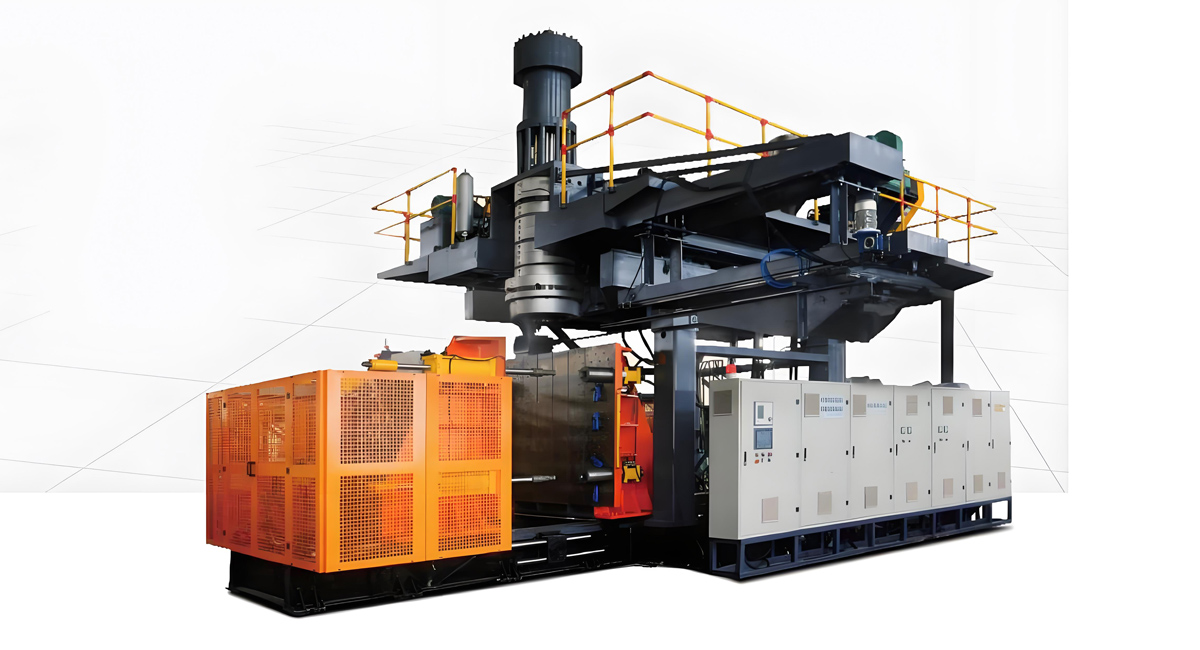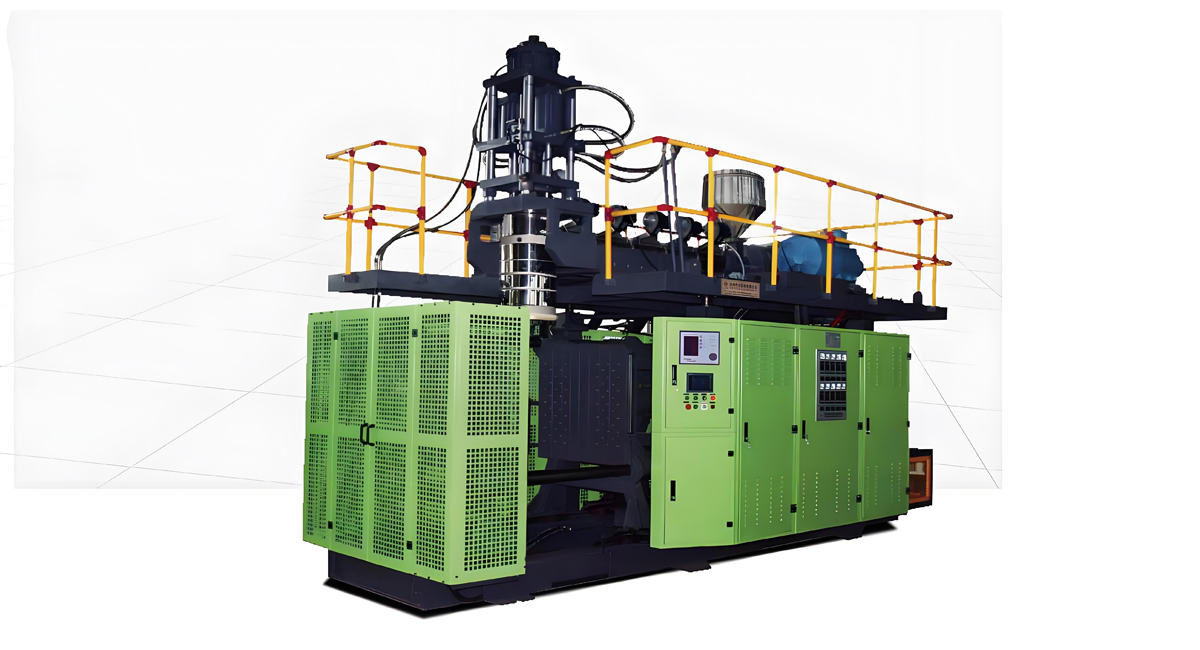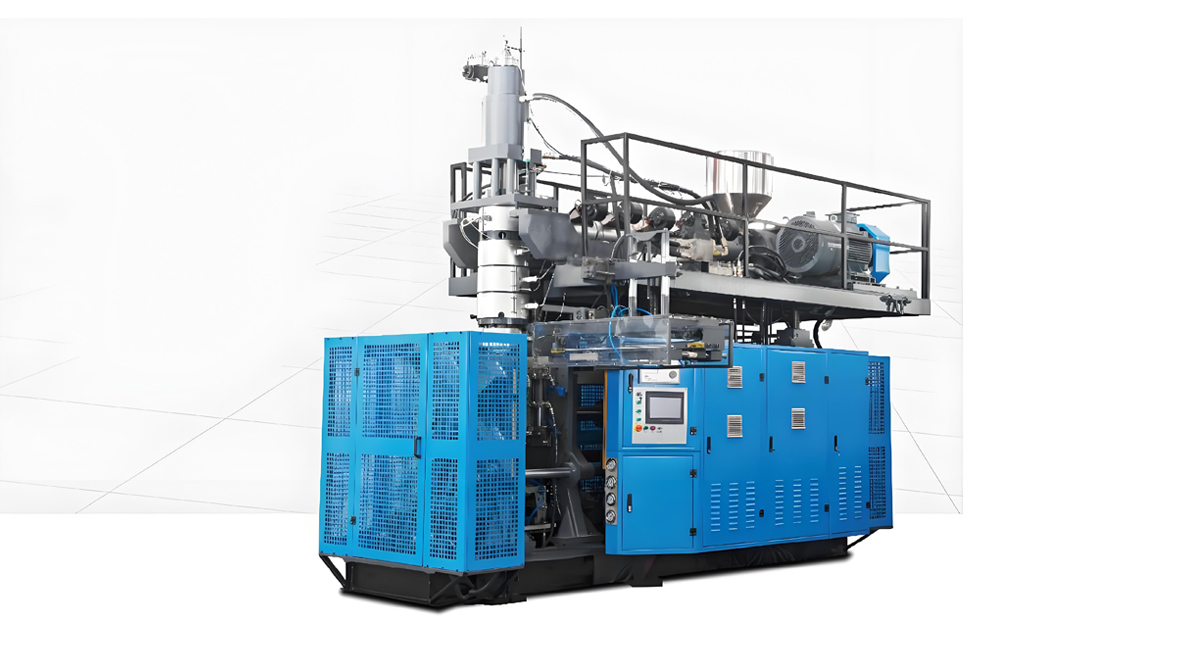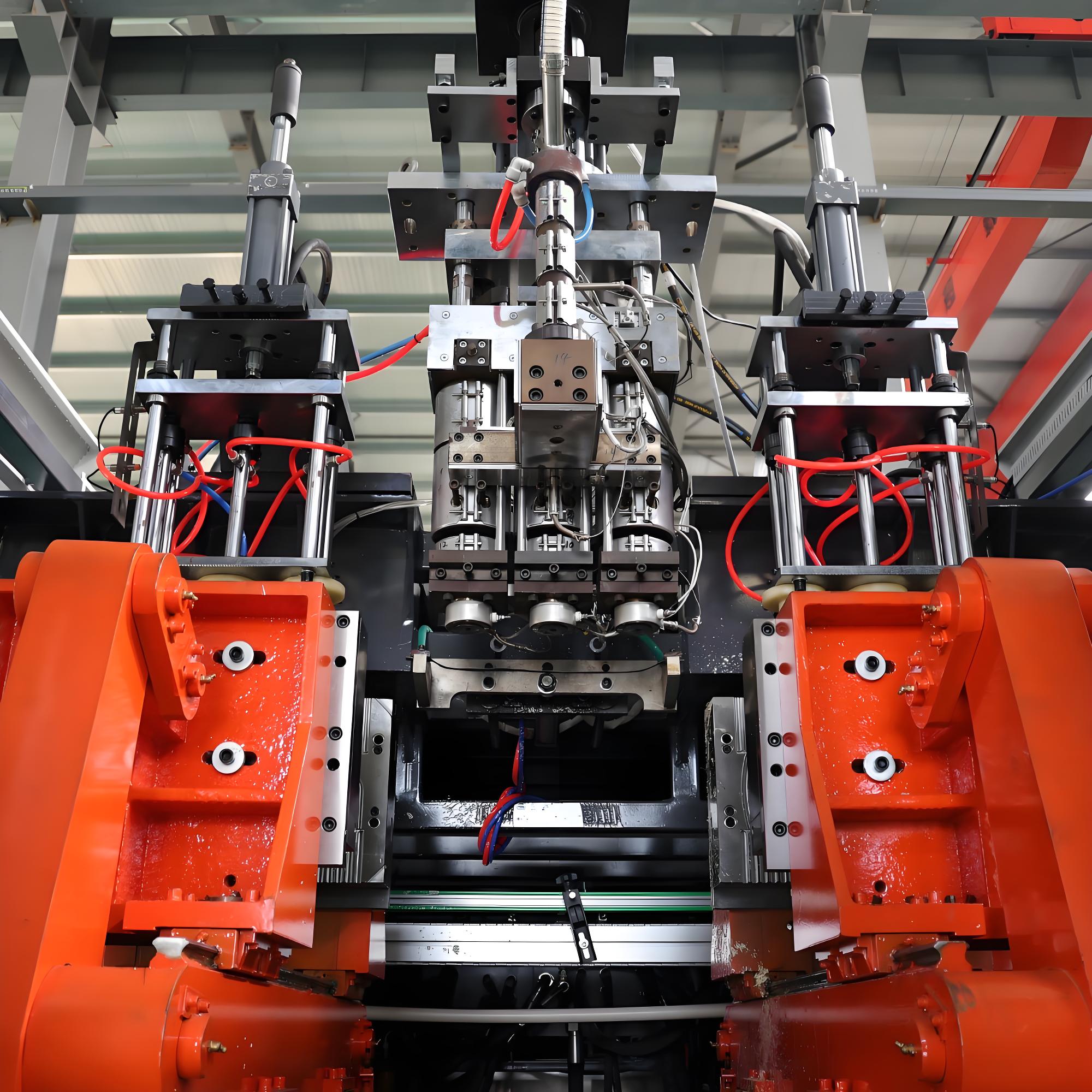
5L extrusion blow molding machines represent specialized equipment optimized for producing medium-capacity plastic bottles including water containers, detergent bottles, chemical containers, and industrial packaging. These machines balance production capacity with operational efficiency, making them ideal for small to medium-scale manufacturers requiring 5L bottle production capabilities. Apollo 5L extrusion blow molding machines deliver exceptional performance through optimized machine geometry, advanced control systems, and robust construction ensuring reliable production of high-quality 5L bottles.
The 5L bottle market continues growing at compound annual growth rate of 7.5% through 2030, driven by increasing demand for bulk packaging, water storage solutions, and industrial container applications. Market growth creates opportunities for manufacturers entering the 5L bottle segment requiring cost-effective production equipment. Apollo’s extensive experience in 5L bottle manufacturing provides comprehensive solutions addressing production requirements from startup operations to established manufacturers expanding product lines.
5L Bottle Market Applications
5L bottles serve diverse market applications including water storage, household products, industrial chemicals, agricultural applications, and automotive fluids. Understanding market applications enables product development and market opportunity identification. Versatile 5L bottle applications provide manufacturers with multiple market segments reducing dependency on single market and spreading risk across diverse applications.
Water storage represents significant application for 5L bottles used for residential and commercial water storage. Water storage bottles require food-grade materials, excellent clarity for visual inspection, and UV protection preventing algae growth. Apollo 5L bottle machines produce water storage bottles using HDPE or PET materials meeting food contact regulations. Water storage bottles typically priced at $1.80 to $3.20 depending on material quality, bottle design, and market segment.
Household and Cleaning Products
Household and cleaning products including detergents, fabric softeners, and cleaning solutions represent major application segment for 5L bottles. These applications require chemical resistance, handle strength for safe handling, and attractive appearance supporting brand identity. Apollo machines produce bottles with integrated handles or separate handles attached through ultrasonic welding or mechanical assembly.
Detergent bottles typically require HDPE materials providing chemical resistance against alkaline cleaning solutions. Handle design incorporates ergonomic features ensuring safe handling when bottles filled with liquids weighing approximately 5 kilograms. Detergent bottles command pricing of $1.50 to $2.80 depending on handle configuration, material quality, and decorative features including labels and printing.
Industrial and Chemical Applications
Industrial and chemical applications including lubricant containers, chemical reagent bottles, and industrial solvent containers require specialized materials and construction. Chemical resistance represents critical requirement ensuring bottles maintain integrity when containing aggressive chemicals. Apollo 5L bottle machines process chemical-resistant materials including HDPE with appropriate additives and barrier materials preventing chemical permeation.
Chemical containers typically require thicker walls and specialized materials increasing production costs. However, industrial applications typically command premium pricing of $2.50 to $5.00 per bottle depending on chemical compatibility requirements, material specifications, and safety features including tamper-evident caps and child-resistant closures. Industrial applications provide attractive profit margins offsetting higher production costs.
Apollo 5L Machine Models and Specifications
Apollo offers comprehensive range of 5L extrusion blow molding machine models designed to meet diverse production requirements and budget considerations. Model selection depends on production volume, material specifications, automation requirements, and quality standards. Apollo application engineers provide expert guidance selecting optimal equipment based on specific production needs and economic analysis.
Apollo AB-5L-65 model represents popular mid-range configuration for 5L bottle production. This machine features 65mm extruder diameter with 30:1 L/D ratio delivering throughput capacity of 150-250 kg per hour depending on material and bottle specifications. The model accommodates single-cavity molds for 5L bottles or two-cavity molds for smaller bottles up to 3L capacity. Pricing for Apollo AB-5L-65 ranges from $65,000 to $85,000 depending on configuration options and automation level.
High-Capacity 5L Models
Apollo AB-5L-90 and AB-5L-110 models provide high-capacity solutions for large-scale 5L bottle production. The AB-5L-90 model with 90mm extruder diameter achieves throughput capacity of 300-450 kg per hour, while the AB-5L-110 model with 110mm extruder diameter delivers 450-600 kg per hour. These models accommodate two-cavity molds for 5L bottles achieving production rates of 800-1,200 bottles per hour depending on material and cycle time.
High-capacity 5L models incorporate advanced features including servo-driven extrusion, automated product removal, and integrated quality inspection systems. These systems enable continuous high-volume production with minimal operator intervention. Investment for high-capacity 5L models ranges from $120,000 to $165,000 depending on configuration and automation capabilities. Production capacity increases of 200-300% compared to single-cavity operation justify additional investment for high-volume operations.
Cost-Effective Entry Models
Apollo AB-5L-50 model represents cost-effective entry option for startup operations and smaller production requirements. This machine features 50mm extruder diameter with 28:1 L/D ratio delivering throughput capacity of 80-120 kg per hour. The model designed for single-cavity 5L bottle production achieving rates of 180-250 bottles per hour depending on material and specifications. Pricing for Apollo AB-5L-50 ranges from $45,000 to $58,000 providing accessible entry point for new market entrants.
Entry models feature simplified controls and manual operations reducing initial investment while maintaining product quality. Entry level configuration enables manufacturers to establish market presence and develop production capabilities before scaling to higher capacity equipment. Upgrading to higher capacity models later provides scalability while preserving initial investment through equipment trade-in or expansion options.
Production Capacity and Cycle Time Analysis
Production capacity analysis represents critical factor for equipment selection and business planning. 5L bottle production capacity depends on multiple variables including material characteristics, wall thickness, cooling requirements, and operational efficiency. Understanding these factors enables accurate capacity planning and return on investment calculations supporting business decisions.
5L bottle cycle times vary by material and wall thickness requirements. For HDPE 5L bottles with 2.5mm wall thickness, Apollo AB-5L-65 achieves cycle times of 18-22 seconds. For PET 5L bottles with 1.5mm wall thickness, cycle times range from 22-28 seconds due to PET’s crystallization behavior and additional cooling requirements. Material selection significantly affects production rates and equipment utilization.
Material-Specific Production Rates
HDPE processing typically enables faster cycle times compared to PET due to faster solidification characteristics. Apollo AB-5L-90 produces HDPE 5L bottles at rates of 800-1,000 bottles per hour with single-cavity mold and 1,600-2,000 bottles per hour with two-cavity mold. PET production rates typically run 20-25% slower due to additional cooling requirements, achieving 600-800 bottles per hour single-cavity and 1,200-1,600 bottles per hour two-cavity.
Material costs significantly affect production economics. HDPE resin typically priced at $1.20 to $1.80 per kilogram depending on grade and market conditions. PET resin typically priced at $1.40 to $2.10 per kilogram. For 5L bottle weighing approximately 150 grams, material cost ranges from $0.18 to $0.32 per bottle representing 40-60% of total production cost. Material selection balances cost, performance, and market requirements.
Operational Efficiency Factors
Operational efficiency significantly impacts actual production capacity compared to theoretical machine specifications. Apollo 5L bottle machines typically achieve operational efficiency of 75-85% with proper operation and maintenance. Efficiency factors include mold changeover time, material changeover time, maintenance downtime, quality control interruptions, and production scheduling optimization.
Efficiency improvement opportunities include quick-change mold systems reducing changeover time from 3-5 hours to 45-75 minutes, automated material changeover systems reducing material switching time from 1-2 hours to 15-30 minutes, and preventive maintenance programs reducing unplanned downtime by 50-60%. Comprehensive efficiency improvements can increase annual production capacity by 25-35% without additional equipment investment.
Cost Analysis and Profitability
Comprehensive cost analysis enables accurate profitability projections for 5L bottle production operations. Cost components include capital equipment investment, material costs, operating costs, labor costs, and maintenance expenses. Understanding cost structures enables pricing decisions, profitability optimization, and competitive positioning in 5L bottle markets.
Capital equipment investment for Apollo AB-5L-65 model ranges from $65,000 to $85,000 including basic configuration. Mold investment for single-cavity 5L bottle mold ranges from $12,000 to $18,000 depending on complexity and surface finish requirements. Complete production system investment including cooling tank, conveyor system, and leak testing equipment ranges from $85,000 to $120,000 for turnkey operation.
Per-Unit Production Cost
Per-unit production cost analysis provides detailed breakdown of costs for individual 5L bottles. For HDPE 5L bottle weighing 150 grams with material cost of $1.50 per kilogram, material cost reaches $0.225 per bottle. Operating costs including electricity consumption of 0.8 kWh per bottle at $0.12 per kWh add $0.096 per bottle. Labor costs assuming production rate of 600 bottles per hour with one operator add $0.083 per bottle.
Maintenance costs representing 3% of equipment cost annually spread over annual production of 2 million bottles add $0.010 per bottle. Quality and waste costs assuming 2% rejection rate add $0.010 per bottle. Total production cost reaches approximately $0.424 per bottle excluding mold amortization and facility overhead. Selling price of $0.90 to $1.60 depending on application and market provides gross margin of 53-74% excluding overhead expenses.
ROI and Payback Period
Return on investment analysis for 5L bottle production demonstrates attractive economic returns. For Apollo AB-5L-65 investment of $95,000 including mold and auxiliary equipment, assuming annual production of 2 million bottles with gross profit of $0.60 per bottle, annual gross profit reaches $1.2 million. Simple payback period of 2.8 months demonstrates exceptional economic returns for successful operation.
Conservative scenarios with realistic production ramp-up and market penetration show favorable economics. Assuming production reaches 1.2 million bottles annually over first year and 1.8 million bottles thereafter, with gross profit of $0.50 per bottle, annual gross profit of $600,000 to $900,000 provides payback periods of 4-6 months. Extended equipment life of 10-12 years generates cumulative profits of $8-10 million justifying initial investment multiple times over.
Mold Design and Product Variations
Mold design significantly affects product quality, production efficiency, and market differentiation. 5L bottle molds incorporate various design features including handle integration, tamper-evidence features, decoration compatibility, and ergonomic considerations. Understanding mold design options enables product development optimizing functionality, aesthetics, and production efficiency.
Handle design represents critical consideration for 5L bottles due to weight of filled containers reaching approximately 5 kilograms. Integrated handles molded as part of bottle structure provide seamless appearance and eliminate secondary assembly operations. Integrated handle molds typically cost 20-30% more than plain bottle molds but reduce assembly costs and improve structural integrity. Alternative designs include separate handles attached through ultrasonic welding or mechanical assembly.
Tamper-Evident Features
Tamper-evident features provide security and consumer confidence for products requiring protection against unauthorized access. Tamper-evident caps, bands, and seal rings integrated into bottle neck design prevent product tampering and provide visual indication of seal integrity. These features particularly important for water bottles, pharmaceutical products, and premium household products.
Tamper-evident features increase mold complexity and cost by 15-25% but enable access to premium market segments requiring security features. Products with tamper-evident features typically command pricing 15-25% higher than comparable products without tamper evidence. Security features particularly valuable in markets where product safety and authenticity represent consumer concerns.
Surface Finish and Decoration
Surface finish quality affects product appearance and brand perception. Apollo molds produce 5L bottles with various surface finishes including glossy, matte, textured, and embossed surfaces. Mold surface preparation including polishing, texturing, and engraving determines bottle appearance. Premium surface finishes increase mold cost by 10-20% but enable product differentiation and premium positioning.
Decoration compatibility including in-mold labeling, hot stamping, and screen printing requires specific mold features enabling precise registration and adhesion of decorative elements. In-mold labeling eliminates secondary decorating operations reducing production costs while enabling high-quality graphics. In-mold labeling capabilities add 20-30% to mold cost but reduce decorating costs by $0.02 to $0.05 per bottle compared to post-mold decoration.
Material Selection and Processing
Material selection significantly affects product performance, processing requirements, and production costs. Apollo 5L extrusion blow molding machines process various materials including HDPE, PET, PP, and specialty compounds. Material selection considers application requirements, regulatory compliance, processing characteristics, and cost considerations.
HDPE represents most common material for 5L bottles due to excellent chemical resistance, impact strength, and processability. Apollo machines process HDPE with various melt flow indices from 0.3 to 8.0 g/10min depending on application requirements. Higher melt flow materials enable easier processing but may reduce mechanical strength. Material selection balances processing ease with end-use performance requirements.
PET Processing Considerations
PET processing for 5L bottles requires specialized capabilities due to material crystallization behavior and thermal sensitivity. Apollo PET 5L bottle machines incorporate optimized cooling systems, mold temperature control, and proper venting preventing hydrolysis and acetaldehyde formation. PET processing typically requires 20-25% longer cycle times compared to HDPE but produces bottles with superior clarity and strength.
PET material costs typically 15-25% higher than HDPE but provide advantages including clarity, barrier properties, and premium market positioning. PET water bottles command pricing 20-30% higher than HDPE bottles justifying additional material and processing costs. PET bottles particularly suitable for applications requiring visual clarity and premium appearance.
Recycled Material Use
Recycled material use provides sustainability benefits and cost reduction opportunities. Apollo 5L bottle machines process recycled HDPE with performance approaching virgin materials through optimized screw designs and processing parameters. Recycled content levels from 25% to 100% achievable depending on application requirements and quality specifications.
Recycled HDPE typically costs 20-40% less than virgin HDPE depending on quality and source. For 5L bottle using 150 grams of material, 50% recycled content reduces material cost by $0.022 to $0.045 per bottle. Annual production of 2 million bottles saves $44,000 to $90,000 in material costs. Recycled content appeals to environmentally conscious customers and supports sustainability initiatives.
Quality Control and Testing
Quality control systems ensure 5L bottle products meet required specifications and customer expectations. Comprehensive quality control prevents production defects reducing waste and customer complaints. Apollo 5L bottle machines incorporate quality features and can integrate with inspection systems ensuring consistent product quality.
Weight control represents critical quality parameter affecting material efficiency and product consistency. Apollo machines achieve weight control accuracy within ±3% of target weight. Precise weight control enables material optimization while meeting minimum weight requirements. Weight consistency ensures proper fit with caps and handles, and maintains performance characteristics across production batches.
Dimensional Accuracy
Dimensional accuracy ensures proper fit with caps, labels, and packaging equipment. Apollo 5L bottle machines produce bottles with dimensional tolerances within ±1.5mm for overall dimensions and ±0.5mm for critical neck dimensions. Accurate dimensions prevent fitting problems with caps and ensure proper performance in filling equipment and end-use applications.
Neck finish dimensions particularly critical for cap compatibility. Standard neck finishes including 38mm, 48mm, and 63mm provide consistency with available caps and closures. Apollo molds maintain precise neck dimensions ensuring proper cap fit and seal integrity. Dimensional accuracy prevents leakage and cap compatibility issues.
Leak Testing
Leak testing ensures bottle integrity preventing product leakage during distribution and use. Apollo integrates automated leak testing systems using pressure decay or vacuum decay methods detecting leaks with sensitivity of 0.05 cc/min. Automated testing systems test 100% of production ensuring quality consistency.
Leak testing system costs range from $18,000 to $28,000 depending on test method and throughput requirements. Preventing leak-related product returns and customer complaints provides substantial economic benefits. For products with 2% leak rate reducing to 0.2% with improved testing, savings reach $9,000 to $36,000 annually for production of 500,000 bottles assuming $1.00 to $4.00 product value.
Automation and Production Efficiency
Automation and production efficiency enhancements enable cost reduction and capacity expansion without additional equipment investment. Apollo 5L bottle machines offer various automation options including automatic product removal, leak testing integration, and packaging system integration. These systems reduce labor requirements and improve consistency.
Automatic product removal systems utilize pneumatic or mechanical take-out devices removing bottles from molds without operator assistance. These systems handle production rates up to 1,200 bottles per hour for single-cavity molds. Automatic removal systems cost $12,000 to $20,000 but reduce labor requirements by 0.5 to 1.0 operators per shift, saving $40,000 to $80,000 annually depending on labor rates.
Conveyor and Packaging Systems
Conveyor systems transport bottles from blow molding machine to downstream processes including leak testing, labeling, and packaging. Apollo provides integration with various conveyor systems matching production requirements and facility layout. Automated conveyor systems reduce material handling labor and prevent product damage through careful handling.
Packaging systems including automatic packing, shrink wrapping, and palletizing enable fully automated production lines. Complete packaging integration costs $25,000 to $45,000 beyond base machine cost but reduces labor requirements by 2-3 operators per shift. Labor cost savings of $100,000 to $180,000 annually justify packaging automation for high-volume production operations.
Data Monitoring and Process Control
Advanced process monitoring systems collect production data enabling optimization and quality control. Apollo machines feature data logging capabilities tracking production rates, cycle times, energy consumption, and quality parameters. Data analysis identifies optimization opportunities and quality trends enabling continuous improvement.
Data-driven optimization typically improves production efficiency by 5-8% and reduces quality problems by 15-20%. For annual production of 2 million bottles, 5% efficiency improvement adds 100,000 bottles annual capacity without additional equipment. Data monitoring system costs of $6,000 to $10,000 provide excellent returns through improved decision making and operational excellence.
Market Entry and Business Development
Market entry strategies for 5L bottle production require understanding of market dynamics, customer requirements, and competitive positioning. Apollo provides support for market entry including product development assistance, market analysis, and business planning. Successful market entry addresses customer needs while establishing competitive advantages.
Market analysis identifies target segments with favorable supply-demand balance and attractive economics. Segments including water storage, household products, and industrial containers present different requirements and opportunities. Focused market entry into specific segments enables efficient resource utilization and faster market penetration. Market research typically costs $5,000 to $15,000 but prevents costly missteps targeting unsuitable segments.
Customer Development and Relationship Building
Customer development involves identifying potential customers, understanding their requirements, and building relationships enabling long-term business. Apollo provides support for customer development including sample production capabilities, product testing services, and technical consultation. Sample production enables customers to evaluate product quality and suitability before committing to large orders.
Relationship building through consistent quality, reliable delivery, and responsive service establishes customer loyalty and repeat business. Customer acquisition costs typically range from $2,000 to $5,000 per customer including samples, testing, and relationship development activities. Customer retention through quality and service reduces ongoing acquisition costs and provides stable business foundation.
Pricing Strategy and Competitive Positioning
Pricing strategy balances cost recovery, market competitiveness, and profitability objectives. 5L bottle pricing typically ranges from $0.80 to $1.80 depending on material, design complexity, and market segment. Premium segments including automotive and specialized chemical applications support pricing of $2.00 to $4.00 per bottle providing attractive margins.
Competitive positioning requires understanding competitor offerings and pricing. Apollo equipment capabilities enable production cost advantages supporting competitive pricing while maintaining attractive margins. Cost advantages of 10-20% compared to competitors enable aggressive market entry or enhanced profitability through margin maintenance.
Installation and Start-up Support
Installation and start-up support ensure successful equipment deployment and production initiation. Apollo provides comprehensive installation services including equipment setup, commissioning, and training. Proper installation and training prevent startup problems and accelerate time to full production capacity.
Installation timelines for Apollo 5L bottle machines typically range from 7 to 12 business days including equipment placement, utility connections, system setup, and initial production. Site preparation including foundation preparation, electrical supply, compressed air system, and material handling access can reduce installation time by 30-40% when completed prior to equipment arrival.
Training and Technical Support
Comprehensive training ensures operators, maintenance personnel, and supervisors develop necessary skills for optimal equipment operation. Apollo training covers equipment operation, process optimization, maintenance procedures, troubleshooting techniques, and safety practices. Training typically includes 2-3 days of classroom instruction followed by 2-3 days of hands-on practical training.
Technical support services include telephone consultation, remote diagnostics, and on-site service as required. Apollo support team provides guidance for operational problems, maintenance questions, and process optimization recommendations. Approximately 75-85% of technical issues resolve through remote support minimizing service costs and downtime.
Warranty and Service Agreements
Warranty coverage provides protection against equipment failures during initial operation period. Apollo offers comprehensive warranty coverage typically including 12 months parts and labor coverage from date of commissioning. Extended warranty options available for additional 12-24 months providing extended protection for critical production equipment.
Service agreements provide ongoing support including preventive maintenance visits, priority service response, and parts discounts. Annual service agreements typically cost 5-8% of equipment purchase price but provide substantial benefits through improved reliability, reduced downtime, and predictable maintenance costs. Service agreements particularly valuable for operations maximizing equipment availability and productivity.
Future Trends and Market Development
Future trends in 5L bottle market include increased sustainability requirements, material innovations, and design evolution. Understanding future trends enables strategic planning and technology investment decisions positioning manufacturers for future success. Apollo monitors market trends and develops equipment capabilities addressing emerging requirements.
Sustainability trends drive demand for bottles with reduced material content, recycled materials, and improved recyclability. Lightweight bottle designs using material reduction of 15-25% maintain functionality while reducing material costs and environmental impact. Apollo equipment produces lightweight 5L bottles with optimized wall thickness distribution ensuring performance while minimizing material usage.
Smart Packaging Features
Smart packaging features including QR codes, NFC tags, and anti-counterfeiting measures add functionality and security to 5L bottles. These features enable traceability, consumer engagement, and brand protection. Smart features particularly valuable for premium products and regulated markets requiring traceability and authentication.
Smart packaging capabilities add 10-20% to production costs but enable premium pricing of 15-30% and provide market differentiation. Apollo equipment accommodates smart packaging features through mold design modifications and integration with marking and coding systems.
Material Innovations
Material innovations including bioplastics, nanocomposites, and advanced barrier materials create new opportunities for 5L bottle applications. Bioplastic materials including bio-HDPE and PLA offer sustainability advantages with performance approaching conventional materials. Apollo equipment adaptations enable processing of emerging materials as commercial viability develops.
Barrier materials enabling longer shelf life and chemical resistance expand application opportunities for 5L bottles. Multi-layer bottles incorporating barrier layers enable packaging of sensitive products requiring protection from oxygen, moisture, or chemical permeation. Multi-layer capabilities add 40-60% to equipment cost but enable premium product pricing and market expansion.
Conclusion and Recommendations
5L extrusion blow molding machines from Apollo provide comprehensive solutions for medium-capacity bottle production serving diverse market segments. Equipment selection based on production requirements, material specifications, automation needs, and economic considerations enables optimal return on investment. Apollo’s extensive experience and comprehensive support ensure successful equipment deployment and operation.
Investment in 5L bottle production equipment represents attractive opportunity for manufacturers seeking entry into growing bulk packaging market. Favorable economics, diverse applications, and market growth potential create compelling business case for investment. Apollo equipment provides competitive advantages through productivity, quality, and reliability enabling market success.
Successful 5L bottle production requires comprehensive approach addressing equipment selection, market development, quality control, and operational excellence. Apollo partnership provides expertise and support across these critical areas ensuring successful market entry and sustainable business growth. By investing in Apollo 5L extrusion blow molding technology, manufacturers establish foundation for profitable business in expanding 5L bottle market.