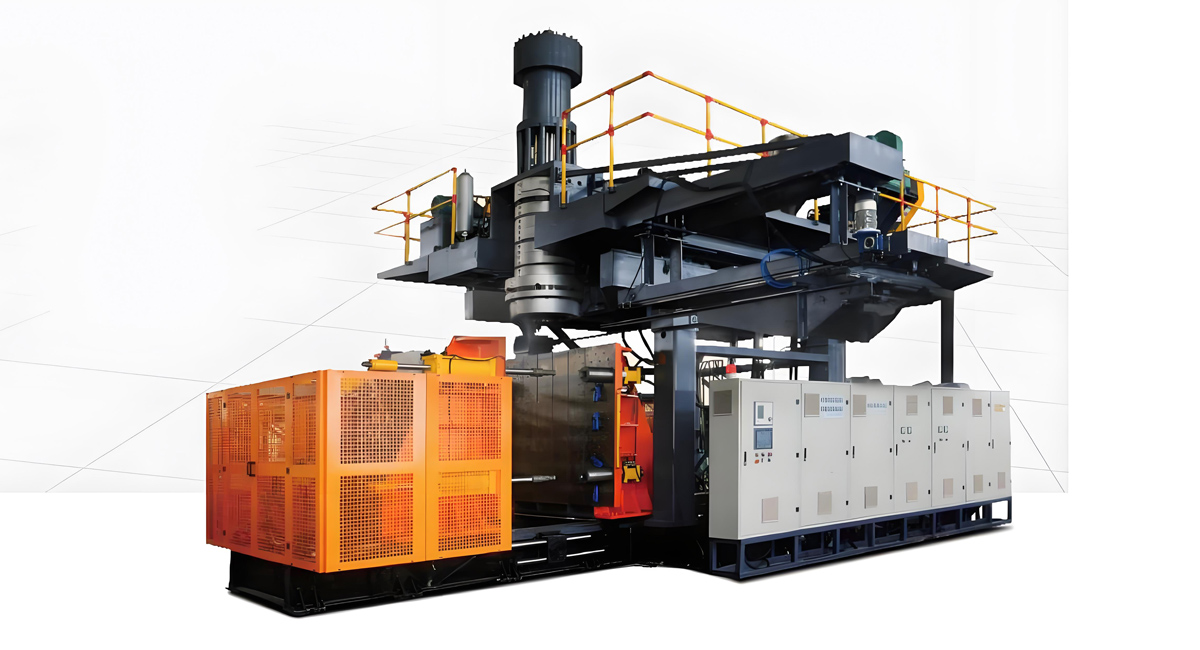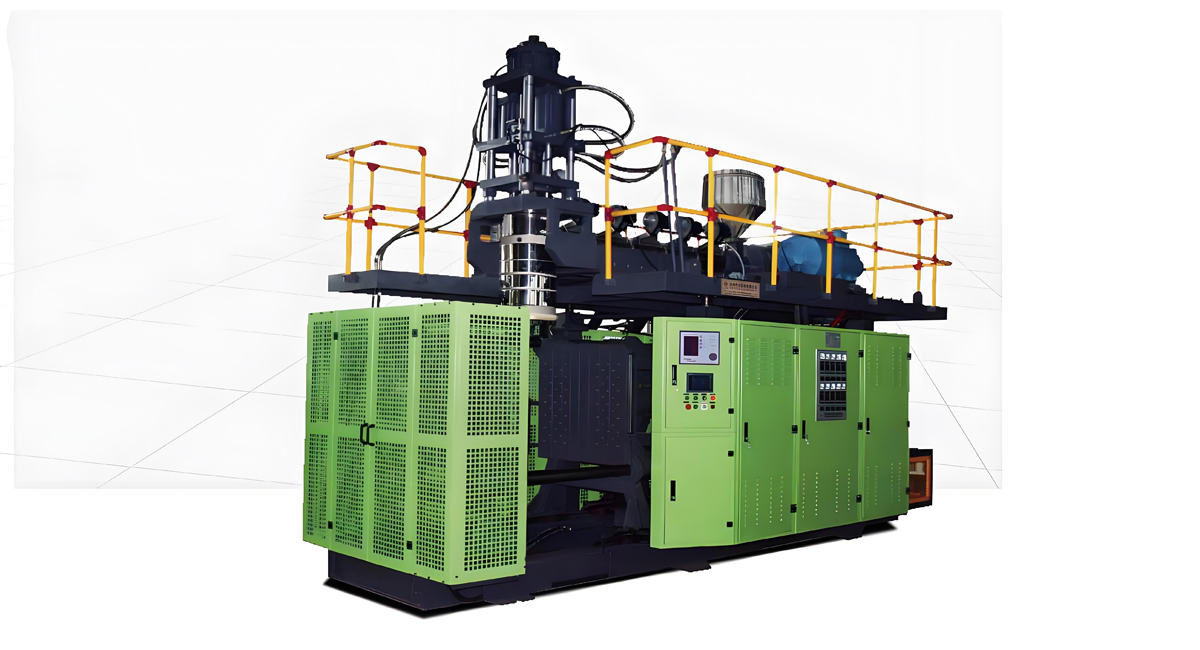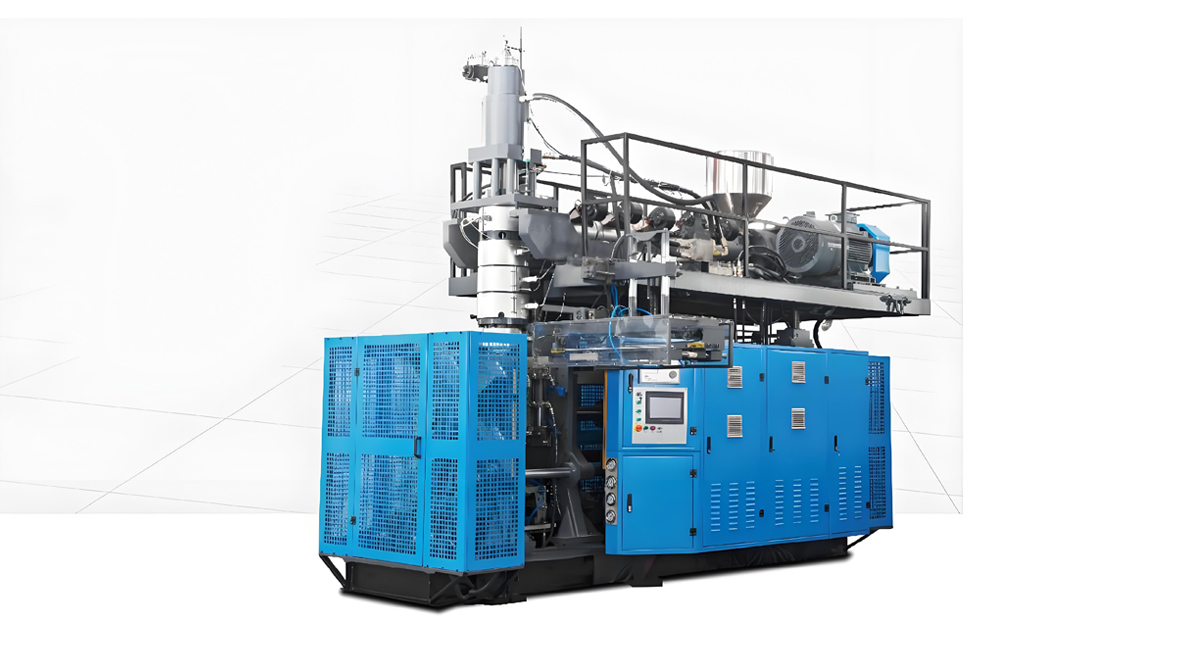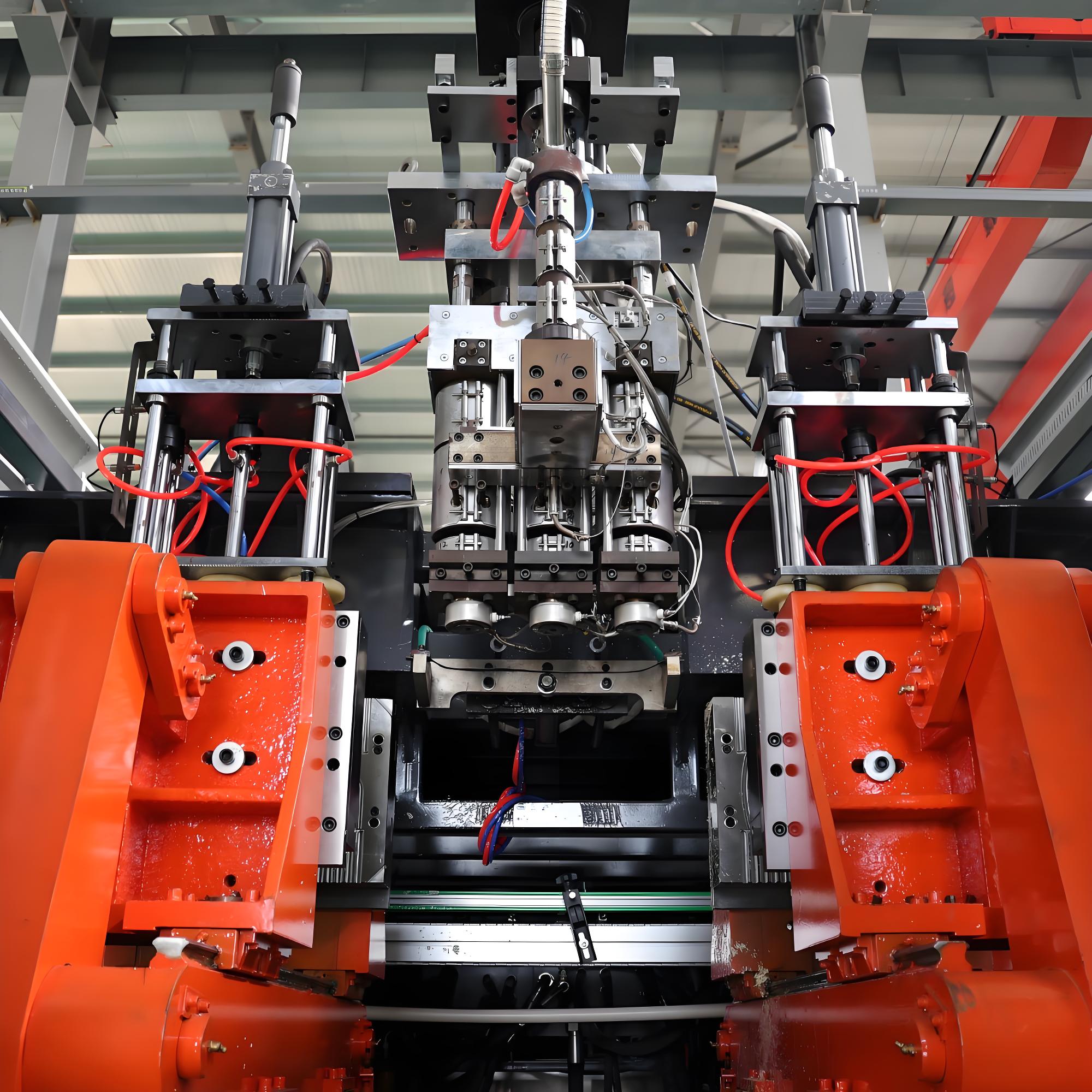
Purchasing extrusion blow molding machines directly from manufacturers eliminates distributor markups and enables substantial cost savings while providing access to superior technical support and customization capabilities. Factory direct purchasing models have transformed the industrial equipment marketplace by connecting buyers directly with manufacturers, bypassing traditional distribution channels that add 15-30% to equipment costs. Apollo extrusion blow molding machines offered factory direct provide customers with premium quality equipment at manufacturer-direct pricing, combined with comprehensive technical support and customization services that third-party distributors cannot match.
The advantages of factory direct purchasing extend beyond price considerations to include direct access to manufacturer technical expertise, faster response times for service and support, and the ability to customize equipment to specific production requirements. Apollo’s factory direct model enables customers to work directly with engineering teams who designed the equipment, providing insights into operation, optimization, and troubleshooting that distributors cannot offer. This direct relationship ensures that customers receive precisely configured equipment for their applications while avoiding unnecessary features that increase costs without providing value.
Understanding Factory Direct Sales Models
Traditional Distribution vs. Factory Direct
Traditional equipment distribution channels involve multiple intermediaries between manufacturer and end customer, each adding markup and potentially diluting technical expertise. The typical distribution chain includes manufacturers, regional distributors, local dealers, and installation/service providers, with each layer adding 8-15% to equipment costs. By the time equipment reaches the end customer, price inflation of 25-40% is common compared to factory direct pricing, with the added disadvantage of technical expertise being diluted across multiple organizations.
Factory direct models eliminate these distribution layers, connecting customers directly with manufacturing facilities and engineering teams. Apollo’s factory direct approach provides customers with access to manufacturer engineers who understand every aspect of equipment design, operation, and optimization. This direct relationship enables accurate equipment selection based on actual production requirements rather than generic recommendations that may result in over-specification or under-performance.
Service and support relationships in factory direct models provide significant advantages over traditional distribution channels. Customers work directly with manufacturer service teams who have direct access to engineering resources, original spare parts, and technical documentation. This direct access eliminates the delays and communication breakdowns that occur when working through multiple organizations, particularly when troubleshooting complex technical problems or requiring custom modifications.
Price Advantages of Factory Direct Purchasing
Cost savings represent the most immediate advantage of factory direct purchasing. Apollo extrusion blow molding machines offered factory direct typically cost 20-35% less than comparable equipment purchased through traditional distribution channels. These savings result from elimination of distributor margins, reduced transportation costs (direct shipping from factory to customer rather than through distribution warehouses), and manufacturer willingness to accept lower margins when dealing directly with customers.
Quantified savings examples illustrate the magnitude of potential price advantages. A standard ABLB 75 blow molding machine with 8L capacity might carry a retail price of $45,000 through distribution channels, while the factory direct price from Apollo would be approximately $30,000-$32,000, representing savings of $13,000-$15,000 on a single machine purchase. For larger investments such as ABLD series machines for big drum production, savings can exceed $50,000 compared to distributor pricing.
Additional cost advantages include elimination of distributor fees for installation, training, and startup services. These services are typically provided by manufacturers at factory direct pricing rather than premium distributor rates. Customization services, which often carry significant premiums through distributors, are priced more competitively when arranged directly with manufacturers who understand the technical requirements and can implement modifications efficiently.
Customization and Specification Flexibility
Factory direct purchasing enables equipment customization that would be impractical or prohibitively expensive through distribution channels. Apollo works directly with customers to configure machines for specific production requirements, including material specifications, container dimensions, production capacity needs, and special functional requirements. This customization capability ensures that customers receive equipment optimized for their applications rather than generic configurations that may compromise efficiency or quality.
Customization examples that are feasible through factory direct purchasing include specialized screw designs for challenging materials, custom die head configurations for unique container shapes, automation integration for existing production lines, and voltage/frequency specifications for international markets. These modifications are implemented by manufacturer engineering teams who understand equipment capabilities and limitations, ensuring reliable operation while meeting customer-specific requirements.
Specification flexibility extends to equipment sizing and capacity selection. Apollo factory direct representatives help customers select optimal machine sizes based on actual production requirements rather than promoting larger machines with higher margins. This objective sizing ensures that customers invest in appropriately sized equipment that meets production needs without excessive capital expenditure that does not provide corresponding value.
Apollo Manufacturing Capabilities and Production Standards
Manufacturing Infrastructure
Apollo operates state-of-the-art manufacturing facilities spanning 8000 square meters, equipped with advanced machining equipment and precision measurement systems that ensure consistent equipment quality. The manufacturing facility incorporates CNC machining centers, laser cutting equipment, precision grinding machines, and automated welding systems that enable production of high-tolerance components critical to blow molding machine performance and reliability.
The production facility operates with ISO 9001 quality management systems that ensure consistent manufacturing processes and documentation throughout production operations. Quality control procedures include incoming material inspection, in-process quality verification at each manufacturing stage, and final equipment testing before shipment. This comprehensive quality control ensures that every machine meets Apollo’s stringent quality standards regardless of customization level or complexity.
Production capacity of Apollo’s facility exceeds 100 machines annually, with flexibility to adjust production schedules based on demand patterns. This capacity ensures timely delivery of factory direct orders without the delays that can occur when equipment passes through distribution inventory systems. Direct shipping from manufacturing facility to customer location reduces transit times and handling that could potentially affect equipment condition.
Engineering and Technical Capabilities
Apollo’s engineering team includes specialists in mechanical engineering, electrical engineering, software development, and process engineering who collaborate on equipment design and customer customization projects. The engineering team averages 15+ years of industry experience, bringing deep knowledge of blow molding technology and customer application requirements to every equipment project. This expertise enables Apollo to address complex customer requirements that exceed standard equipment capabilities.
Design capabilities include 3D CAD modeling for custom machine configurations, finite element analysis for structural verification, fluid dynamics analysis for melt flow optimization, and electrical system design for specific power requirements and automation integration. These capabilities ensure that custom modifications are thoroughly engineered and tested before implementation, preventing operational problems that could result from inadequate design work.
Technical support teams available to factory direct customers include process engineers who assist with startup and optimization, mechanical engineers who address equipment performance issues, and electrical engineers who troubleshoot control systems and automation integration. This comprehensive technical support ensures that customers receive expert assistance throughout equipment lifecycle from installation through operation and maintenance.
Quality Assurance and Testing Standards
Quality assurance procedures at Apollo encompass comprehensive testing of every machine before shipment to ensure proper operation and compliance with specifications. Testing procedures include functional testing of all machine systems, precision measurement of critical components, trial production runs with actual materials, and endurance testing of key components. This thorough testing approach prevents delivery of equipment with defects that would require warranty repairs or rework after installation.
Component testing includes verification of extruder screw and barrel dimensions, die head precision, clamping system alignment, and electrical system functionality. Each machine undergoes at least 8 hours of continuous operation during which all systems are monitored for proper performance, and any issues are addressed before equipment is released for shipment. This testing ensures that equipment operates reliably from first startup rather than requiring debugging and adjustment at customer facilities.
Documentation provided with factory direct machines includes complete operating manuals, maintenance procedures, electrical schematics, spare parts lists, and test reports. This comprehensive documentation enables customer maintenance teams to properly care for equipment and troubleshoot issues independently when possible. The documentation also facilitates training of operator personnel and ensures that knowledge transfer occurs effectively during installation.
Apollo Product Range and Factory Pricing
ABLB Series Factory Direct Pricing
The ABLB series from Apollo covers the 200ml to 20L capacity range and represents Apollo’s most popular product line for general purpose blow molding applications. Factory direct pricing for the ABLB series provides excellent value compared to distributor pricing while maintaining Apollo’s quality standards. The series includes models suitable for small startup operations through high-volume production facilities.
ABLB 65 model, designed for containers up to 5L, carries factory direct pricing of $26,000-$28,000 depending on included features and customization level. This compares favorably to distributor pricing of $35,000-$40,000 for comparable equipment. The machine features 65mm screw diameter, 40kN clamping force, and production capacity of 80-200 containers per hour depending on container size and wall thickness.
ABLB 75 model, suitable for containers up to 8L, is available factory direct at $30,000-$33,000 compared to distributor pricing of $42,000-$48,000. The model includes 75mm screw diameter, 55kN clamping force, and production capacity of 60-150 containers per hour. This mid-range machine provides an excellent balance of production capacity and capital cost for many applications.
ABLB 90 model, designed for containers up to 16L, offers factory direct pricing of $45,000-$50,000 versus distributor pricing of $60,000-$70,000. The machine features 90mm screw diameter, 80kN clamping force, and production capacity of 50-120 containers per hour. This larger model serves applications requiring higher capacity containers with good production efficiency.
ABLD Series Factory Direct Pricing
The ABLD series covers large capacity containers from 20L to 1500L, representing Apollo’s heavy-duty line for industrial drum and large container production. Factory direct pricing for the ABLD series reflects the substantial capital investment required for large-scale equipment while providing significant savings compared to distributor channels.
ABLD 100 model for 20-30L containers carries factory direct pricing of $85,000-$95,000 compared to distributor pricing of $115,000-$130,000. The machine features 100mm screw diameter, 150kN clamping force, and production capacity of 30-80 containers per hour depending on container size. This entry point into large container production provides excellent value for businesses entering industrial drum manufacturing.
ABLD 150 model for 50-150L containers is available factory direct at $140,000-$160,000 versus distributor pricing of $190,000-$220,000. The machine features 150mm screw diameter, 300kN clamping force, and production capacity of 15-40 containers per hour. This mid-sized large capacity machine serves applications including industrial drums and intermediate bulk containers.
ABLD 200 model for 100-500L containers offers factory direct pricing of $220,000-$250,000 compared to distributor pricing of $300,000-$350,000. The machine features 200mm screw diameter, 500kN clamping force, and production capacity of 8-20 containers per hour. This large capacity machine serves demanding applications requiring maximum container volume.
Fully Electric Series Factory Direct Pricing
Apollo’s fully electric series (ABLE) offers energy-efficient operation and precision control with factory direct pricing that makes these advanced machines accessible to a broader customer base. While fully electric machines carry higher initial costs than hydraulic models, factory direct pricing reduces the premium and accelerates ROI through energy savings.
ABLE 80 model for containers up to 10L is available factory direct at $55,000-$60,000 versus distributor pricing of $75,000-$85,000. The machine features all-servo drive system, 100kN clamping force, and production capacity comparable to hydraulic models with 30-40% lower energy consumption. The energy savings of $8,000-$12,000 annually compared to hydraulic models reduce the initial cost premium and provide attractive ROI.
ABLE 100 model for containers up to 20L carries factory direct pricing of $75,000-$85,000 compared to distributor pricing of $100,000-$115,000. The machine features enhanced servo drive system for increased precision, 150kN clamping force, and production capacity of 40-100 containers per hour. The larger capacity and energy efficiency make this model attractive for higher volume production facilities.
ABLE 120 model for containers up to 30L offers factory direct pricing of $110,000-$125,000 versus distributor pricing of $150,000-$170,000. The machine features high-power servo drive systems, 200kN clamping force, and production capacity of 25-60 containers per hour. The combination of large capacity and energy efficiency provides compelling value for operations producing large containers at high volume.
Factory Direct Services and Support
Pre-Sales Technical Consultation
Apollo provides comprehensive pre-sales technical consultation for factory direct customers to ensure proper equipment selection and specification. This consultation includes analysis of production requirements, material compatibility assessment, capacity planning, and return on investment analysis. The consultation process prevents common purchasing mistakes including over-specification, under-specification, and selection of equipment unsuitable for customer applications.
Production requirement analysis includes evaluation of container specifications, material selection, production volume targets, quality requirements, and operational considerations such as labor availability and facility constraints. This thorough analysis ensures that selected equipment matches actual production needs rather than being based on generic specifications that may result in excessive or insufficient capacity.
Technical consultation often includes on-site visits by Apollo engineers to customer facilities to evaluate existing operations, available infrastructure, and expansion plans. These site visits enable accurate assessment of installation requirements, electrical capacity, floor loading, and material handling considerations that affect equipment selection and configuration. The insights gained from site visits prevent costly modifications after equipment delivery.
Return on investment analysis provided by Apollo helps customers understand the financial implications of equipment choices. The analysis includes projected production costs, efficiency improvements, quality benefits, and payback periods under different operating scenarios. This financial analysis enables informed decision-making based on total cost of ownership rather than focusing solely on initial purchase price.
Installation and Startup Services
Factory direct purchasing from Apollo includes comprehensive installation and startup services performed by manufacturer technicians rather than third-party contractors. These services ensure proper installation, correct calibration, and efficient startup that maximizes equipment performance from first production. Manufacturer technicians have direct access to engineering resources for addressing any issues encountered during installation.
Installation services include machine positioning and leveling, utility connection, electrical system configuration, and integration with existing material handling and automation systems. Apollo technicians verify proper installation according to manufacturer specifications and local regulatory requirements, ensuring safe and reliable operation. This professional installation prevents problems that could result from improper setup by inexperienced personnel.
Startup services include initial calibration, process optimization for customer products, and training of operator personnel. Apollo technicians work with customer operators to establish proper processing parameters for specific materials and container designs. This hands-on training ensures that customer personnel understand equipment operation and can maintain proper operation after technicians depart.
The typical installation and startup period ranges from 3-7 days depending on machine size and complexity. During this period, Apollo technicians work intensively with customer personnel to ensure knowledge transfer and operational competence. The goal is to achieve stable production of customer products at target quality levels before the installation team departs.
Ongoing Technical Support
Apollo provides ongoing technical support to factory direct customers throughout equipment lifecycle, typically including 1-2 years of warranty coverage with extended support packages available. Support services include technical assistance by phone and email, remote diagnostics through internet connections, and on-site service when required. This comprehensive support ensures that customers can maintain optimal equipment performance and quickly resolve any operational issues.
Remote diagnostic capabilities enable Apollo support engineers to access machine control systems through secure internet connections, analyze operational parameters, and identify problems without requiring on-site visits. This remote support capability reduces downtime and service costs while enabling faster resolution of many issues. Approximately 70-80% of technical problems can be resolved through remote diagnostics and support.
On-site service is available when remote support cannot resolve issues or when hands-on troubleshooting and repair are required. Apollo maintains service teams in major regions to provide timely on-site response. Factory direct customers typically receive priority for service team scheduling compared to customers who purchased through distributors, ensuring minimal disruption to production operations.
Spare parts support represents another advantage of factory direct purchasing. Apollo maintains spare parts inventory specifically for factory direct customers and can expedite shipping directly from the manufacturer rather than routing through distribution centers. This direct parts supply reduces lead times and ensures that customers receive genuine manufacturer parts rather than third-party substitutes that may affect equipment performance.
Customer Success Stories and Case Studies
Chemical Container Manufacturer Case Study
A chemical container manufacturer producing 5L and 10L HDPE containers for industrial chemicals purchased an ABLB 90 factory direct from Apollo rather than through the distributor they had previously used. The decision was based on price comparison showing distributor pricing of $62,000 versus Apollo factory direct pricing of $47,000 for equivalent equipment specifications, representing savings of $15,000 or 24% on the equipment purchase.
The customer also realized additional benefits from factory direct purchasing including direct access to Apollo engineers for technical support, faster response to service requests, and the ability to customize the machine for specific chemical container requirements. Custom modifications included enhanced chemical resistance for material contact surfaces and specialized die head configuration for optimal container wall thickness distribution.
The total savings over the first three years of ownership included the initial $15,000 purchase price difference, approximately $8,000 in service cost savings due to faster response times, and $5,000 in production efficiency gains from optimized machine configuration. Combined savings of $28,000 represented substantial benefit from choosing factory direct purchasing.
Startup Beverage Bottling Operation
A startup beverage company establishing a bottling operation evaluated equipment options for producing 1.5L PET bottles. Initial quotes from distributors for appropriate blow molding equipment ranged from $90,000 to $110,000 for hydraulic machines with the required production capacity. Apollo factory direct pricing for a fully electric ABLE 100 machine was $82,000, providing both price savings and energy efficiency advantages.
The startup benefited from Apollo’s comprehensive startup support that included extensive operator training, process optimization for their specific bottle design, and assistance with quality system establishment. The direct relationship with Apollo engineers enabled rapid resolution of startup issues that might have caused extended downtime with distributor-sourced equipment.
After 12 months of operation, the startup realized production cost advantages from the fully electric machine including $9,000 in energy savings compared to hydraulic alternatives, $12,000 in reduced maintenance costs due to the all-electric design, and $15,000 in improved productivity from the machine’s faster cycle times. Combined with the initial purchase price savings, total benefits in the first year exceeded $35,000.
International Expansion Case Study
A packaging company expanding operations to Southeast Asia evaluated equipment options for establishing a blow molding facility to produce 20L jerrycans for oil and lubricant packaging. Local distributors in the region quoted $95,000 to $110,000 for suitable equipment, with limited customization capability and uncertain technical support availability.
The company worked directly with Apollo to specify an ABLD 100 machine configured for their specific requirements including voltage/frequency specifications for local power supply, tropical climate adaptation for cooling systems, and special die head configuration for leak-proof jerrycan production. The factory direct price of $78,000 included all customization and provided significant savings over distributor options.
The company benefited from Apollo’s international experience with installation support adapted to local conditions and training programs that accommodated language requirements. After 18 months of operation, the facility achieved production capacity exceeding original projections and quality levels that met international standards for oil packaging containers.
Ordering and Delivery Process
Equipment Selection and Quotation
The ordering process for factory direct Apollo equipment typically begins with technical consultation to determine optimal equipment specifications. This consultation includes discussion of production requirements, material specifications, container designs, quality standards, and operational considerations. Based on this information, Apollo prepares detailed quotations with clear specifications, pricing, and delivery terms.
Quotations from Apollo include complete equipment specifications including model number, capacity, production rates, power requirements, dimensions, and included features. The quotations clearly identify customization items and their costs, enabling customers to understand exactly what is included in the quoted price and how modifications affect overall cost.
Lead time for standard equipment from Apollo typically ranges from 4-8 weeks depending on model and current production schedule. Customized equipment may require 8-12 weeks depending on complexity. These lead times are often shorter than equipment availability through distributors who must order from manufacturers and then handle shipping through distribution networks.
Payment terms are structured to accommodate customer requirements while providing Apollo manufacturing confidence. Typical payment terms include 30% deposit with order, 60% payment upon completion before shipment, and 10% balance upon successful installation and acceptance. These terms provide protection for both parties and align payments with delivery milestones.
Production and Quality Verification
Upon receipt of order confirmation and deposit, Apollo schedules production of customer equipment in the manufacturing facility. Production progress is communicated to customers at key milestones including major component fabrication, assembly initiation, and final assembly completion. Customers may request production status updates at any time during the manufacturing process.
For customized equipment or critical applications, Apollo offers customer witness testing at the manufacturing facility before shipment. Witness testing enables customers to observe equipment operation with their specific materials and container designs, ensuring that performance meets expectations before equipment ships. This verification reduces risk of surprises upon installation at customer facilities.
Quality verification before shipment includes comprehensive testing of all machine systems and production of sample containers with customer materials when feasible. Apollo provides test reports and sample products for customer approval before equipment ships. This pre-shipment verification ensures that equipment meets quality standards and performance requirements before leaving the factory.
Shipping and Logistics
Apollo manages shipping and logistics for factory direct orders, handling international shipping documentation, customs clearance processes, and coordination with local delivery services. The company has extensive experience shipping equipment to destinations worldwide and maintains relationships with reliable shipping partners to ensure timely and safe delivery.
Shipping options include full container loads for complete equipment or partial container loads for smaller equipment orders. Apollo optimizes shipping arrangements to balance delivery speed and cost while ensuring equipment protection during transit. Crating and packaging are designed to protect equipment from damage during international shipping.
Documentation provided with shipments includes commercial invoices, packing lists, bill of lading, certificates of origin, and any required import permits. Apollo assists customers with understanding and completing customs documentation to ensure smooth customs clearance and prevent delays at border crossings.
Delivery to customer facilities is coordinated with installation teams to ensure that equipment arrives shortly before scheduled installation, minimizing storage requirements. The shipping timeline is coordinated with customer facility preparation and availability of installation personnel to minimize delays between delivery and commissioning.
Conclusion
Factory direct purchasing of Apollo extrusion blow molding machines provides compelling advantages in cost savings, technical support, customization capability, and service quality compared to traditional distributor-based purchasing. The elimination of distribution markups typically saves customers 20-35% on equipment purchase prices while providing direct access to manufacturer engineering expertise and customization services that distributors cannot match.
The comprehensive product range from Apollo includes machines for all blow molding applications from small laboratory equipment through large industrial equipment, available at factory direct pricing that provides excellent value across the spectrum of customer needs. The combination of competitive pricing, high quality equipment, and comprehensive support makes Apollo factory direct purchasing an attractive option for businesses of all sizes and experience levels.
As the industrial equipment marketplace continues evolving toward direct manufacturer-customer relationships, Apollo’s factory direct model positions the company to provide increasingly efficient and responsive service to customers worldwide. The direct relationship enables Apollo to understand customer requirements more deeply and develop equipment solutions that precisely meet production needs while providing the cost advantages that result from eliminating unnecessary intermediaries.
Customers evaluating blow molding equipment purchases should carefully consider the total cost of ownership including purchase price, support quality, customization capability, and service availability. Apollo’s factory direct model provides advantages across all these dimensions, making it a compelling option for businesses seeking maximum value from their equipment investment.