Introduction
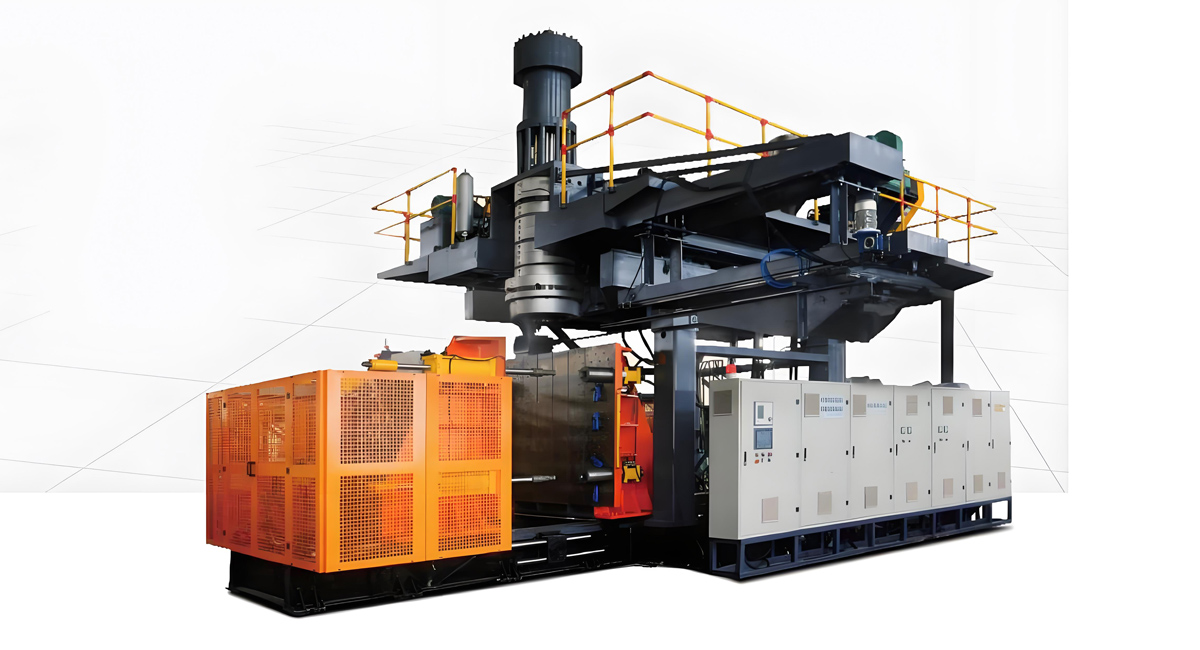
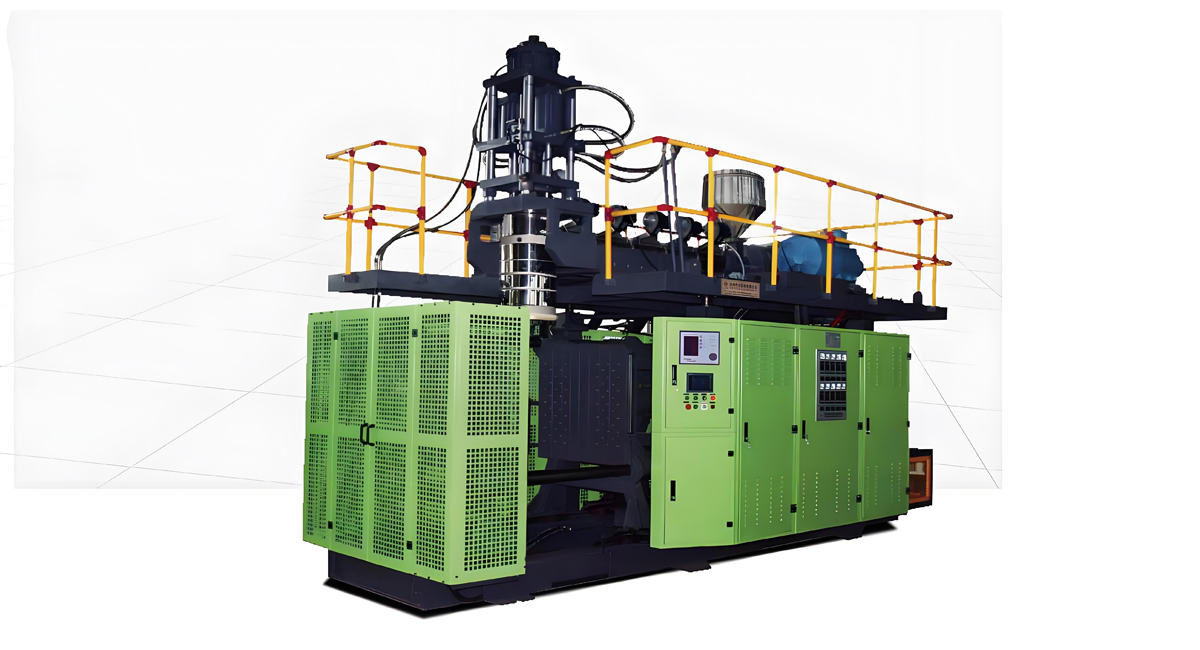
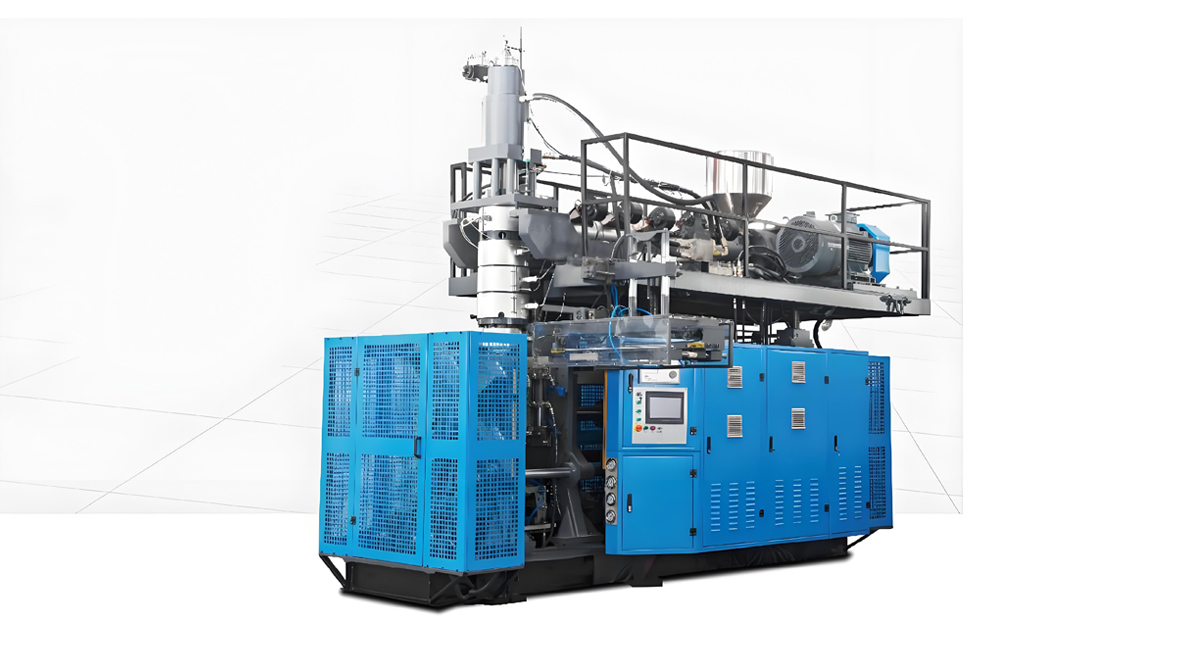
Extrusion blow molding machines designed specifically for baby products manufacturing represent a critical segment of the plastics processing industry, where safety, quality, and regulatory compliance are paramount concerns. As manufacturers increasingly demand equipment capable of producing BPA-free plastic containers and bottles for infants and young children, specialized extrusion blow molding technology has evolved to meet these stringent requirements. This comprehensive guide explores the essential aspects of extrusion blow molding machines for baby products, including BPA-free plastic production, safety certifications, equipment specifications, and operational considerations, with particular focus on equipment from Apollo China.
The global baby products market has experienced significant growth, driven by increasing awareness of infant safety, rising disposable income in emerging markets, and growing demand for high-quality, safe plastic containers. Extrusion blow molding technology provides the ideal solution for manufacturing baby bottles, food containers, and various other plastic products that must meet strict safety standards while maintaining attractive aesthetics and functional performance. Apollo China has established itself as a leading manufacturer of specialized extrusion blow molding machines specifically engineered for baby products production, offering equipment that combines advanced technology with cost-effectiveness.
BPA-Free Plastic Materials for Baby Products
Understanding BPA-free materials is fundamental for manufacturers entering the baby products market. The selection of appropriate materials directly impacts product safety, regulatory compliance, and market acceptance.
Understanding BPA and Its Restrictions
Bisphenol A (BPA) has been widely used in polycarbonate plastics and epoxy resins for decades, but growing concerns about its potential health effects have led to strict regulations in many countries. BPA is a synthetic compound that can leach from plastic containers, particularly when heated or exposed to acidic or basic contents. Various studies have suggested potential endocrine-disrupting properties, leading regulatory bodies worldwide to restrict BPA use in products intended for infants and young children.
Regulatory restrictions vary by region but generally prohibit BPA in baby bottles, sippy cups, and other containers intended for children under three years of age. The European Union, United States, Canada, Australia, and numerous other countries have implemented strict BPA bans for baby products. Manufacturers must understand and comply with these regulations to access global markets and ensure consumer safety.
Approved BPA-Free Materials
Several materials have been approved as safe alternatives to BPA-containing plastics for baby products manufacturing. Each material offers distinct advantages and considerations for extrusion blow molding applications.
High-Density Polyethylene (HDPE) represents the most widely used material for baby bottles and containers due to its excellent chemical resistance, impact strength, and processing characteristics. HDPE is completely BPA-free, offers good clarity in thin sections, and provides excellent barrier properties. The material’s high stiffness enables production of thin-walled containers that maintain structural integrity. HDPE bottles can withstand repeated sterilization cycles without significant degradation, making them ideal for baby products that require frequent cleaning.
Polypropylene (PP) has gained popularity for baby products due to its superior heat resistance, enabling containers to withstand boiling water sterilization. PP offers good clarity, excellent chemical resistance, and can be processed using standard extrusion blow molding equipment. The material’s lower density compared to HDPE provides weight reduction advantages while maintaining adequate strength. PP also offers better stress crack resistance compared to HDPE, extending container lifespan.
Polyethylene Terephthalate (PET) provides excellent clarity and gas barrier properties, making it suitable for certain baby products applications where product visibility and extended shelf life are important. PET offers superior aesthetics compared to HDPE and PP, but requires careful processing control to achieve consistent quality. PET containers provide good chemical resistance and can be sterilized using various methods, though temperature limitations must be considered.
Material Selection Criteria
Selecting appropriate materials for baby products requires careful consideration of multiple factors beyond BPA-free status.
Chemical resistance is critical for baby products that may contact various substances including milk, formula, juices, and cleaning agents. The selected material must resist chemical degradation, maintain properties after repeated exposure, and prevent leaching of components into contents. HDPE offers excellent chemical resistance to most substances encountered in baby product applications, while PP provides superior resistance to acids and bases.
Thermal stability requirements vary based on intended use and sterilization methods. Products requiring boiling water sterilization need materials with sufficient heat resistance. PP offers superior thermal stability, withstanding temperatures up to 120°C continuously, while HDPE remains stable up to approximately 100°C. Manufacturers must match material thermal properties with intended sterilization procedures.
Processing characteristics affect production efficiency and product quality. Materials must be suitable for extrusion blow molding processes, providing good melt strength, adequate parison control, and consistent wall thickness distribution. HDPE offers excellent processability on standard extrusion blow molding equipment, while PP may require slightly different processing parameters but remains fully compatible with Apollo blow molding machines.
Apollo Extrusion Blow Molding Machine Specifications
Apollo China offers a comprehensive range of extrusion blow molding machines specifically designed for baby products manufacturing, combining advanced technology with reliability and cost-effectiveness.
Model Series Overview
Apollo’s extrusion blow molding machines for baby products include several model series designed to meet various production requirements and budgets.
The Apollo Baby-Mold Series represents the premium line specifically engineered for baby products manufacturing. These machines incorporate advanced control systems, precision temperature control, and specialized features for producing high-quality baby bottles and containers with consistent wall thickness. The Baby-Mold Series includes models with capacities ranging from 2,000 to 8,000 bottles per hour, depending on product size and complexity.
The Apollo Eco-Baby Series offers cost-effective solutions for manufacturers seeking reliable performance at competitive price points. While incorporating fewer advanced features than the premium series, these machines maintain quality standards necessary for baby products production. The Eco-Baby Series provides capacity ranges from 1,500 to 5,000 bottles per hour, making them suitable for growing manufacturers and medium-scale production facilities.
The Apollo Compact-Baby Series is designed for space-constrained facilities and production lines requiring smaller footprint. These machines maintain full production capabilities while minimizing floor space requirements. The Compact-Baby Series offers capacity from 1,000 to 3,000 bottles per hour, making them ideal for specialty production and research and development applications.
Machine Features for Baby Products
Apollo extrusion blow molding machines incorporate specific features designed for baby products production, addressing the unique requirements of this market segment.
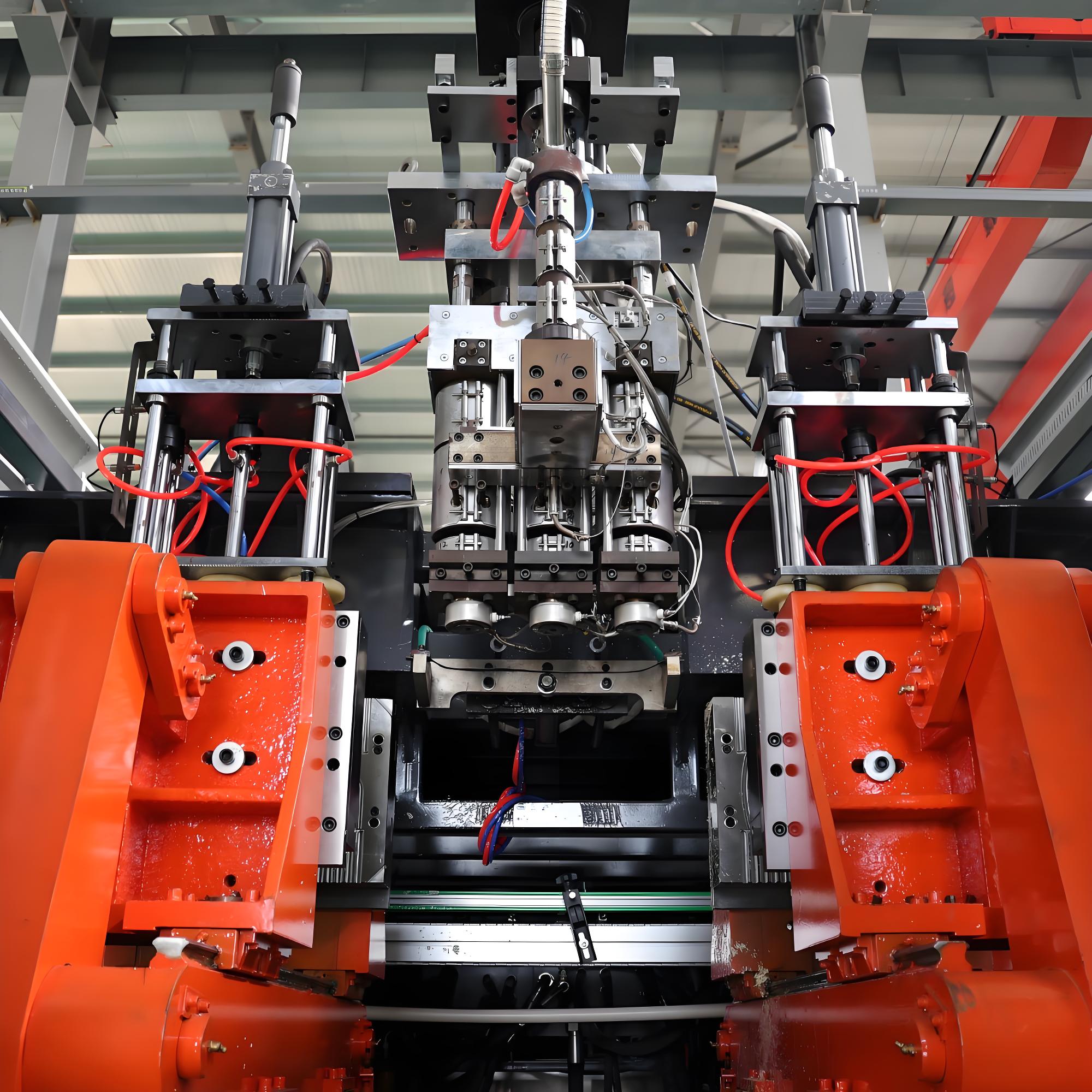
Precision parison control systems ensure consistent wall thickness distribution, critical for baby products requiring uniform thickness for proper insulation and structural integrity. Advanced parison programming enables wall thickness optimization for different bottle geometries, reducing material usage while maintaining performance. The precision control systems maintain accuracy within ±0.05mm, ensuring consistent quality throughout production runs.
Advanced temperature control systems provide precise regulation of extruder and die temperatures, essential for processing BPA-free materials with specific thermal requirements. Multi-zone temperature control with accuracy within ±1°C enables processing of HDPE, PP, and PET with optimal characteristics. The temperature control systems prevent thermal degradation that could affect product safety and quality.
Hygiene-focused design features facilitate easy cleaning and sanitization, important for baby products manufacturing. Smooth surfaces, accessible components, and sanitary construction minimize contamination risks and enable compliance with food safety standards. The machines incorporate IP65-rated control panels and sealed components for washdown capability, supporting clean production environments.
Production Capacity and Efficiency
Production capacity represents a critical consideration for baby products manufacturers, affecting initial investment requirements and operational costs.
Small-format baby bottles (120-250ml) can be produced at rates of 4,000-8,000 bottles per hour on Apollo Baby-Mold Series machines, depending on cavity count and mold complexity. These production rates enable manufacturers to meet substantial market demands with minimal equipment investment. Higher-speed models utilize multi-cavity molds and rapid cycle times to achieve maximum throughput.
Medium-format containers (300-600ml) including training cups and food containers can be produced at rates of 2,500-5,000 units per hour. These products typically require slightly longer cycle times due to increased material volume and cooling requirements. Apollo machines optimize cooling systems to minimize cycle times while ensuring complete solidification.
Large-format containers (700ml-1.5L) including milk storage containers and feeding bottles can be produced at rates of 1,500-3,500 units per hour. These products require careful control to achieve consistent quality and proper wall thickness distribution. Apollo machines incorporate advanced cooling systems and parison control to maintain quality even at high production rates.
Equipment Cost and Investment Analysis
Investment in extrusion blow molding equipment for baby products represents significant capital expenditure, but offers attractive returns through access to the growing baby products market.
Machine Investment Costs
Apollo extrusion blow molding machines for baby products are available across various price ranges to accommodate different budgets and production requirements.
The Apollo Baby-Mold 2000 Series with capacity of 2,000 bottles per hour typically costs between $85,000 and $120,000, depending on configuration and features included. This entry-level premium model includes essential features for baby products production while maintaining cost-effectiveness for growing manufacturers.
The Apollo Baby-Mold 5000 Series with capacity of 5,000 bottles per hour represents the mid-range option, costing between $150,000 and $220,000. These machines incorporate advanced control systems, precision features, and automation capabilities suitable for established manufacturers seeking higher production volumes.
The Apollo Baby-Mold 8000 Series with capacity of 8,000 bottles per hour represents the top-of-the-line option, costing between $280,000 and $380,000. These machines feature the most advanced control systems, maximum automation, and highest production rates for large-scale manufacturing facilities.
Complete Production Line Investment
A complete baby products production line requires various auxiliary equipment in addition to the main blow molding machine.
Mold systems for baby bottles and containers typically cost between $15,000 and $45,000 per mold set, depending on complexity, cavity count, and material specifications. Multi-cavity molds for high-volume production represent the higher end of this price range, while simple single-cavity molds for specialty products fall at the lower end.
Auxiliary equipment including air compressors, chillers, material handling systems, and quality inspection equipment typically adds $40,000-$120,000 to total investment, depending on production scale and level of automation. Higher production volumes require more substantial auxiliary systems to support continuous operation and quality assurance.
Complete production line investment including blow molding machine, molds, and auxiliary equipment typically ranges from $150,000 to $550,000, depending on production capacity and automation level. This investment enables manufacturers to establish complete baby products production capabilities with Apollo equipment.
Operating Cost Analysis
Understanding operating costs is essential for determining product pricing and profitability.
Material costs represent the most significant operating expense, typically accounting for 60-75% of total production costs. HDPE for baby products typically costs $1.20-$1.80 per kilogram, while PP costs $1.40-$2.10 per kilogram. Material consumption varies by product size and wall thickness, but typically ranges from 15-35 grams per bottle for standard baby bottles. Material optimization through design and process control can significantly impact overall profitability.
Energy costs including electricity for machine operation, compressed air generation, and cooling typically represent 8-15% of total production costs. Energy consumption depends on machine size, production rate, and local energy costs. Apollo machines incorporate energy-efficient features to minimize energy consumption and reduce operating costs.
Labor costs vary significantly based on automation level and local labor rates. Highly automated Apollo machines can operate with minimal operator intervention, reducing labor requirements to 1-2 operators per shift. Manual operation may require 3-4 operators for the same production output. Labor costs typically represent 5-12% of total production costs, varying with automation level and local conditions.
Safety Standards and Certifications
Compliance with safety standards and certifications is mandatory for baby products manufacturing equipment and affects market access and consumer confidence.
International Safety Standards
Baby products must meet numerous international safety standards depending on target markets.
The European Union’s EN 14350 standard establishes safety requirements for drinking equipment intended for children, including baby bottles and training cups. This standard covers material safety, construction requirements, testing procedures, and labeling requirements. Equipment used to produce compliant products must meet associated machinery directives including the Machinery Directive (2006/42/EC) and Low Voltage Directive (2014/35/EU).
The United States FDA regulations under the Food, Drug, and Cosmetic Act establish requirements for materials that contact food, including baby bottles and containers. Materials must be Generally Recognized As Safe (GRAS) or receive specific approval. Equipment must comply with FDA Good Manufacturing Practices (GMP) for food contact materials.
China’s GB 4806 series standards establish requirements for food contact materials, including plastics used in baby products. These standards cover material composition, migration limits, testing requirements, and labeling. Equipment manufacturers and users must comply with GB 4806.7 for plastics materials and GB 9685 for food contact materials.
Equipment Certifications
Apollo extrusion blow molding machines meet various international certifications ensuring global market acceptance.
CE certification demonstrates compliance with European Union safety directives, enabling equipment sale and operation throughout the EU. This certification covers machinery safety, electrical safety, and electromagnetic compatibility. Apollo maintains rigorous quality control and testing procedures to ensure CE compliance for all equipment destined for European markets.
UL certification ensures compliance with United States safety standards, particularly important for North American markets. This certification covers electrical safety, fire protection, and mechanical safety requirements. Apollo machines undergo comprehensive UL testing to obtain certification for models destined for North American operation.
ISO 9001 certification demonstrates Apollo’s quality management system meets international standards, ensuring consistent equipment quality and reliability. This certification covers design, manufacturing, testing, and service processes, providing customers assurance of consistent quality and support.
Production Process and Quality Control
Implementing proper production processes and quality control procedures is essential for producing safe baby products that meet regulatory requirements and consumer expectations.
Material Handling and Preparation
Proper material handling and preparation procedures ensure consistent product quality and prevent contamination.
Material drying procedures vary by material type. HDPE typically requires minimal drying, though some grades benefit from 2-4 hours drying at 60-80°C to remove surface moisture. PP generally requires 3-6 hours drying at 70-90°C to prevent voids and surface defects. PET requires more extensive drying, typically 4-8 hours at 120-150°C to prevent hydrolysis during processing. Apollo machines can be equipped with integrated drying systems to ensure proper material preparation.
Material quality control procedures should include regular testing for melt flow index, density, and contamination levels. Incoming material should be verified against specifications to prevent processing issues and ensure final product quality. Apollo provides guidance on appropriate testing procedures and quality control standards for materials used in baby products production.
Material storage requirements include protection from moisture, contamination, and temperature extremes. Materials should be stored in clean, dry environments with temperature control where possible. First-in-first-out inventory management prevents material degradation over extended storage periods. Apollo provides recommendations for appropriate material storage practices.
Production Parameter Optimization
Optimizing production parameters ensures consistent product quality while maximizing production efficiency.
Temperature profiles must be optimized for each material and product geometry. For HDPE baby bottles, typical extrusion temperatures range from 160-190°C, while PP typically requires 190-220°C. Apollo machines provide multi-zone temperature control enabling precise optimization for each application. The temperature profile affects melt viscosity, parison formation, and final product properties.
Blow pressure and timing significantly affect product quality. Insufficient blow pressure can result in inadequate forming and incomplete detail reproduction, while excessive pressure can cause flash or excessive material thinning. Apollo machines provide precise blow pressure control with programmable timing sequences for optimal results.
Cooling time optimization balances production efficiency with product quality. Inadequate cooling can result in product distortion and dimensional instability, while excessive cooling reduces production efficiency. Apollo machines incorporate advanced cooling systems with adjustable flow and temperature control to optimize cooling times for each product.
Quality Assurance Procedures
Comprehensive quality assurance procedures ensure consistent product quality and regulatory compliance.
Wall thickness measurement ensures consistent wall distribution and adequate thickness for product performance. Regular measurement using ultrasonic thickness gauges verifies that wall thickness meets specifications throughout the product. Apollo machines incorporate parison control systems that maintain consistent wall thickness, but regular verification remains important for quality assurance.
Dimensional inspection verifies that products meet dimensional specifications for proper fit with caps, nipples, and other components. Critical dimensions including neck finish, overall height, and diameter should be regularly measured to ensure compliance with specifications. Apollo machines maintain dimensional consistency through precision control systems, but regular inspection identifies potential issues before they affect production output.
Leak testing ensures that containers provide adequate sealing and prevent leaks during use. Various leak testing methods including pressure decay testing and vacuum testing can be employed depending on product requirements. Baby products typically require stringent leak testing to prevent issues during consumer use. Apollo can provide guidance on appropriate leak testing procedures.
Maintenance and Troubleshooting
Proper maintenance procedures and effective troubleshooting ensure continuous operation and consistent product quality.
Preventive Maintenance
Regular preventive maintenance prevents equipment failures and maintains consistent product quality.
Daily maintenance tasks include checking oil levels, inspecting for leaks, verifying temperature readings, and checking for abnormal sounds or vibrations. These daily checks identify potential issues before they cause equipment failure or affect product quality. Apollo provides detailed maintenance checklists and procedures for daily maintenance requirements.
Weekly maintenance tasks include more detailed inspections including checking belt tension, verifying clamp pressure, inspecting heating elements, and checking cooling system performance. These weekly procedures ensure equipment continues operating at optimal performance levels. Apollo recommends comprehensive weekly maintenance schedules to maximize equipment lifespan and product quality.
Monthly maintenance tasks include component inspection including checking bearing condition, verifying alignment, inspecting seals and gaskets, and testing safety systems. These monthly procedures catch developing issues before they cause equipment failure. Apollo provides detailed monthly maintenance guidelines and can schedule periodic maintenance visits to ensure proper implementation.
Common Issues and Solutions
Understanding common issues and their solutions helps minimize downtime and maintain production efficiency.
Uneven wall thickness typically results from improper parison control, temperature variations, or mold issues. Solutions include recalibrating parison control, verifying temperature profile consistency, and checking mold alignment. Apollo’s precision parison control systems minimize these issues, but regular verification and adjustment ensure consistent performance.
Surface defects including sink marks, surface roughness, or discoloration can result from various processing issues. Solutions include optimizing temperature profile, adjusting cooling parameters, verifying material quality, and checking mold condition. Apollo machines provide advanced control over processing parameters to minimize surface defects.
Leaking products indicate seal issues including neck finish problems, inadequate blow pressure, or mold defects. Solutions include adjusting neck finish tooling, increasing blow pressure, and inspecting mold seals and venting. Apollo can provide guidance on resolving leaking issues and may offer tooling modifications if necessary.
FAQ
What materials are approved for baby bottle production?
Approved materials for baby bottle production include HDPE, PP, and PET, all of which are BPA-free. HDPE offers excellent chemical resistance and impact strength, making it the most widely used material. PP provides superior heat resistance, enabling boiling water sterilization. PET offers excellent clarity and gas barrier properties, suitable for products where aesthetics and shelf life are important. Material selection should consider intended use, sterilization methods, and regulatory requirements for target markets.
How do Apollo machines ensure BPA-free production?
Apollo extrusion blow molding machines are designed to process BPA-free materials exclusively for baby products applications. The machines feature material compatibility with HDPE, PP, and PET without cross-contamination from BPA-containing materials. Construction materials throughout the machine are BPA-free, and the manufacturing process prevents BPA contamination. Apollo provides material certification and can assist customers in verifying BPA-free status throughout the production process.
What certifications do Apollo machines have?
Apollo extrusion blow molding machines carry various international certifications depending on target markets. These typically include CE certification for European Union markets, UL certification for North American markets, and ISO 9001 certification demonstrating quality management system compliance. Additional certifications may be available for specific markets upon request. Customers should verify required certifications for their target markets and confirm that selected models carry appropriate certifications.
What is the typical production rate for baby bottles?
Production rates for baby bottles vary depending on bottle size, machine model, and mold configuration. Small-format baby bottles (120-250ml) can be produced at rates of 4,000-8,000 bottles per hour on Apollo Baby-Mold Series machines. Medium-format containers (300-600ml) can be produced at 2,500-5,000 units per hour. Large-format containers (700ml-1.5L) can be produced at 1,500-3,500 units per hour. Exact production rates depend on specific product requirements and equipment configuration.
How much do Apollo extrusion blow molding machines for baby products cost?
Apollo extrusion blow molding machines for baby products range in price from approximately $85,000 to $380,000 depending on model and configuration. The Baby-Mold 2000 Series with 2,000 bottles per hour capacity costs $85,000-$120,000. The Baby-Mold 5000 Series with 5,000 bottles per hour capacity costs $150,000-$220,000. The Baby-Mold 8000 Series with 8,000 bottles per hour capacity costs $280,000-$380,000. Complete production lines including molds and auxiliary equipment typically range from $150,000 to $550,000 depending on production capacity and automation level.
Conclusion
Extrusion blow molding machines designed for baby products represent critical equipment for manufacturers seeking to enter or expand in this important market segment. Apollo China offers comprehensive solutions combining advanced technology, regulatory compliance, and cost-effectiveness, enabling manufacturers to produce safe, high-quality baby products that meet international standards.
The baby products market continues growing globally, driven by increasing awareness of infant safety and rising disposable income in emerging markets. Manufacturers equipped with Apollo extrusion blow molding technology can access this growing market with confidence, knowing their equipment meets stringent safety requirements while providing efficient, reliable production capabilities.
Investment in Apollo extrusion blow molding equipment for baby products represents strategic access to a premium market segment with substantial growth potential. Understanding material requirements, safety standards, equipment specifications, and quality control procedures enables manufacturers to maximize return on investment while ensuring the safety and quality consumers demand for baby products.