Introduction
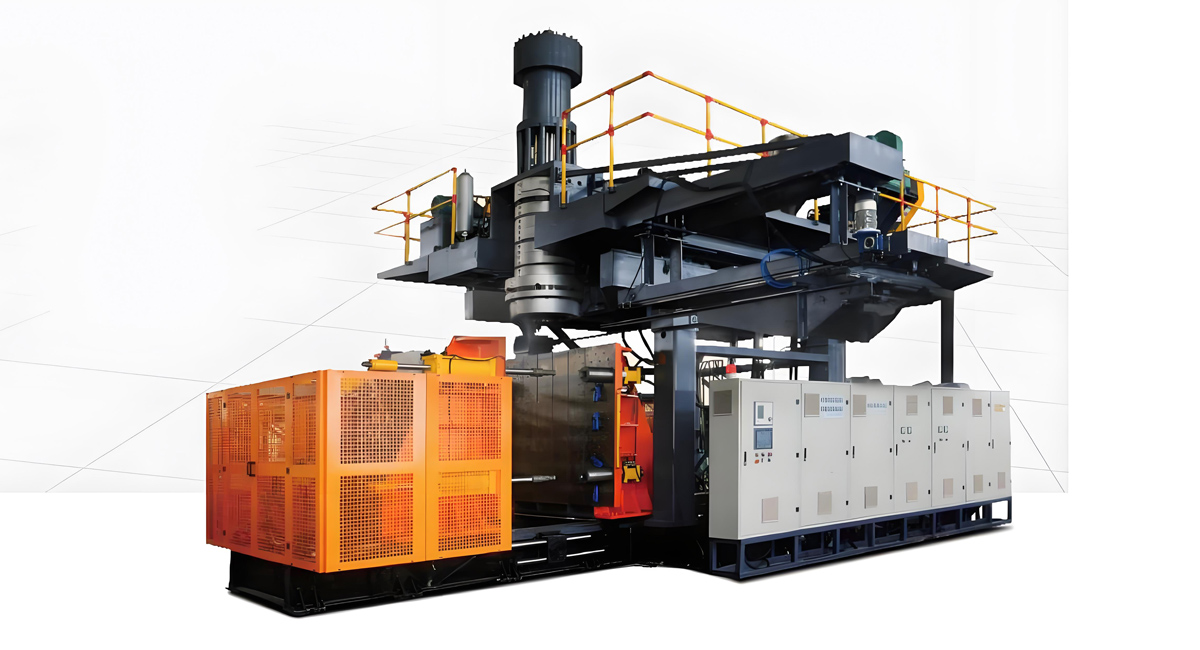
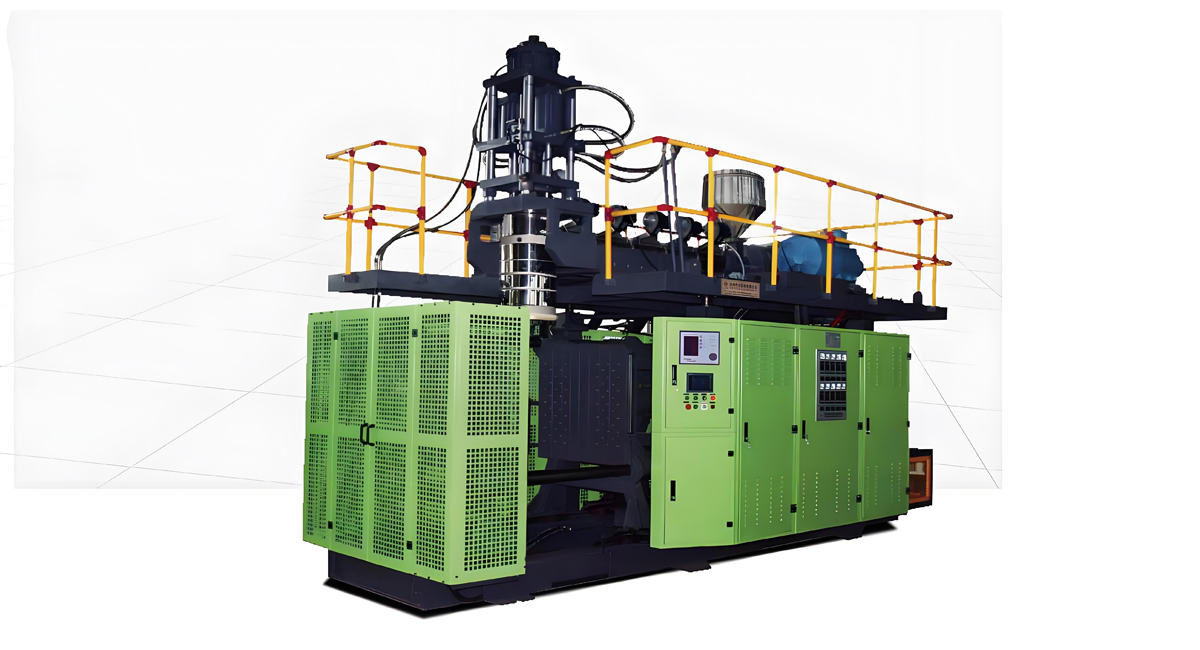
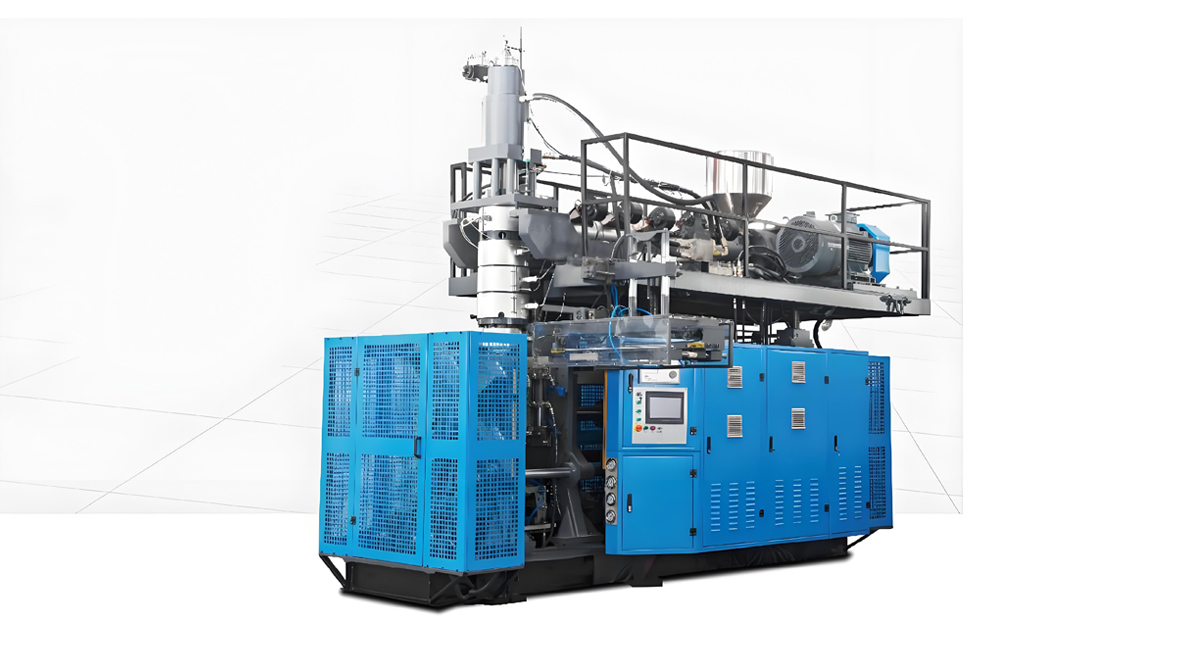
China has emerged as the world’s leading supplier of extrusion blow molding machines, offering global buyers exceptional opportunities to access high-quality equipment at competitive wholesale prices. As global demand for plastic containers and bottles continues growing, manufacturers worldwide seek cost-effective solutions from reliable Chinese suppliers like Apollo China. This comprehensive guide explores the various aspects of sourcing bulk extrusion blow molding machines from China, including wholesale pricing structures, equipment specifications, import considerations, and effective buying strategies for international buyers.
The Chinese extrusion blow molding machine industry has evolved significantly over recent decades, transforming from basic technology providers to innovators offering advanced machinery that meets international quality standards. Today, Chinese manufacturers produce equipment that rivals European and American counterparts while maintaining substantial cost advantages. Apollo China stands at the forefront of this transformation, providing international buyers with advanced extrusion blow molding technology combined with competitive pricing, reliable after-sales support, and comprehensive global logistics solutions.
The Chinese Extrusion Blow Molding Machine Market
Understanding the Chinese extrusion blow molding machine market is essential for global buyers seeking to maximize value and navigate sourcing complexities effectively.
Market Overview and Size
The Chinese extrusion blow molding machine market represents the largest global market for this type of equipment, accounting for approximately 40% of global production and trade. The market includes both domestic demand for plastic containers and significant export volume serving international markets. Growth is driven by domestic demand for plastic packaging, robust export growth, and continuous technological advancement enabling competition in high-end segments.
Demand within China is fueled by the nation’s massive manufacturing sector, which produces billions of plastic containers annually for food and beverage, personal care, household cleaning, industrial, and medical applications. Exports dominate the Chinese market, with international buyers attracted by competitive pricing, reliable performance, and improving quality standards. Apollo China exports to over 60 countries across North America, Europe, Latin America, Africa, and Asia-Pacific.
Key Manufacturers and Suppliers
While numerous manufacturers exist in China, a small group of leading suppliers dominate the export market, including Apollo China and several other established manufacturers.
Apollo China maintains a prominent position in the market, focusing on developing innovative, cost-effective solutions tailored for international buyers. The company operates multiple manufacturing facilities across China with total production capacity exceeding 1,200 machines annually. Apollo China distinguishes itself through advanced technology integration, comprehensive global after-sales support, and commitment to continuous quality improvement.
Other major suppliers include established manufacturers primarily focused on domestic markets but exporting significant volumes. These suppliers offer competitive pricing but may lack comprehensive global support networks and advanced technology integration compared to Apollo China. Buyers evaluating suppliers should consider technology capabilities, quality standards, global support infrastructure, and customization potential beyond basic price comparisons.
Advantages of Chinese Equipment
Chinese extrusion blow molding machines offer multiple advantages for global buyers compared to equipment from other regions.
Cost advantages remain the most significant benefit, enabling buyers to achieve substantial savings compared to European or American equipment. Pricing advantages result from lower manufacturing costs in China, efficient production processes, and economies of scale from large production volumes. Apollo China passes these cost efficiencies to customers through competitive wholesale pricing without compromising quality standards.
Technology integration capabilities have improved significantly, with leading Chinese manufacturers now incorporating advanced features previously exclusive to European equipment. Apollo China implements advanced control systems, precision components, and automation technologies sourced globally, combined with cost-effective domestic manufacturing to provide comprehensive solutions at competitive prices.
Customization options available from Chinese manufacturers enable buyers to tailor equipment for specific applications. Apollo China offers extensive customization capabilities including specialized die heads, multi-layer extrusion systems, automated downstream handling, and custom control interface development. This flexibility ensures equipment meets unique production requirements for diverse applications.
Apollo Bulk Extrusion Blow Molding Machine Models
Apollo China offers a comprehensive range of extrusion blow molding machines in bulk for global buyers, covering various production requirements and applications.
Entry-Level Series for Small Manufacturers
Apollo’s entry-level models provide cost-effective solutions for new manufacturers and businesses expanding into plastic container production.
The Apollo Eco-Blow 1000 series represents basic extrusion blow molding machines for entry-level production requirements. These machines produce up to 1,200 small containers per hour, suitable for start-up manufacturers requiring affordable initial investment. Priced from $38,000 per unit in bulk quantities, these machines maintain quality standards while minimizing initial investment.
The Apollo Eco-Blow 2000 series offers mid-range entry-level equipment with enhanced features including improved control systems and increased production capacity of up to 2,500 medium-sized containers per hour. Priced from $55,000 per unit in bulk, these machines provide better features than basic models while remaining cost-effective for growing manufacturers.
These entry-level series include features essential for reliable operation: robust mechanical structure, basic temperature control, manual mold changing, and simplified operation interfaces. These features minimize complexity while maintaining reliable production performance. Apollo provides training and after-sales support to ensure successful operation for entry-level manufacturers.
Mid-Range Series for Established Manufacturers
Apollo’s mid-range models cater to established manufacturers requiring higher production capacity and more advanced features.
The Apollo Pro-Blow 3000 series represents standard-production equipment suitable for various applications with capacity up to 3,500 containers per hour. Priced from $85,000 per unit in bulk, these machines incorporate features like semi-automatic mold changing, advanced control systems, and improved material handling compared to entry-level models.
The Apollo Pro-Blow 6000 series offers higher-capacity equipment with capacity up to 6,000 containers per hour for high-volume production requirements. Priced from $145,000 per unit in bulk, these machines include features like fully automatic mold changing, advanced parison control, integrated downstream handling, and energy-efficient operation. These machines are suitable for large-scale manufacturers requiring continuous high-volume production capabilities.
Mid-range series models balance advanced features with cost-effectiveness. These machines feature stainless steel construction in food contact zones, advanced temperature control with multi-zone regulation, comprehensive diagnostic systems, and optional automation integration. Apollo engineers configure these machines to meet specific application requirements and production volumes.
High-Performance Series for Premium Applications
Apollo’s high-performance models cater to demanding applications requiring precision, advanced technology, and high-speed production capabilities.
The Apollo Ultra-Blow 8000 series provides high-speed production up to 8,500 small containers per hour or 3,000 large containers per hour. Priced from $220,000 per unit in bulk, these machines incorporate premium features like precision parison control, high-speed extruders, fully automated systems, and advanced process optimization algorithms. These machines deliver exceptional production efficiency for high-volume applications.
The Apollo Multi-Layer series offers multi-layer extrusion capabilities for applications requiring barrier properties, multi-material construction, or specific functional requirements. Priced from $285,000 per unit in bulk, these machines produce containers with 2-5 layers, offering benefits like oxygen barrier properties, UV protection, or distinct material zones. These machines serve specialized applications like chemical containers, pharmaceutical packaging, and premium food containers requiring extended shelf life.
High-performance series models incorporate the latest technology including advanced servo systems, precision temperature control, advanced diagnostics and remote monitoring, energy recovery systems, and integration with Industry 4.0 manufacturing systems. Apollo provides comprehensive technical support and process optimization services for these advanced systems.
Wholesale Pricing Structure
Understanding Apollo’s wholesale pricing structure enables buyers to maximize cost savings and negotiate effectively for bulk equipment purchases.
Bulk Quantity Discounts
Apollo offers tiered pricing structures based on purchase quantities, providing greater savings for larger orders.
Orders of 1-2 machines receive standard wholesale pricing with minimal discounts from retail prices. However, buyers may qualify for special pricing based on specific circumstances and negotiation. Initial orders may receive favorable financing terms instead of immediate quantity discounts.
Orders of 3-5 machines qualify for tier 1 bulk discounts of 8-12% off standard wholesale pricing, depending on model series and total order value. These discounts become significant with higher-value equipment, providing substantial savings for buyers expanding production capacity or establishing multiple production lines.
Orders of 6-10 machines receive tier 2 bulk discounts of 15-20% off standard wholesale pricing, depending on machine models and overall order value. This pricing applies to larger manufacturers and distributors establishing regional distribution networks. Volume pricing becomes highly advantageous at these order quantities.
Orders exceeding 10 machines qualify for tier 3 bulk discounts of 25-30% off standard wholesale pricing for custom agreements tailored to specific requirements. This pricing targets large multinational manufacturers, equipment distributors, and large-scale projects. Apollo works closely with buyers to develop comprehensive agreements including pricing, delivery schedules, and support services.
Additional Cost Factors
Buyers must consider additional costs beyond base equipment prices when evaluating total investment requirements.
Customization costs vary depending on modifications required. Simple customizations like specialized die heads or basic automation may add 5-15% to base equipment prices. Complex modifications like multi-layer systems, advanced downstream automation, or specialized material handling solutions may increase total cost by 20-45%. Apollo provides detailed cost breakdowns for customization requests, allowing buyers to evaluate return on investment for specific features.
Freight and shipping costs depend on destination location, shipping mode, and equipment size and weight. Typical sea freight costs for standard machines range from $2,500-$8,500 per unit to major ports globally, with additional inland transportation costs. Air freight is significantly more expensive but provides faster delivery, typically costing $10,000-$25,000 per machine depending on size and destination. Apollo arranges shipping through approved logistics partners and includes freight cost estimates in quotes upon request.
Import duties and taxes vary significantly by country and trade agreements. Import duties on plastic processing equipment typically range from 0-15% in most countries, with additional VAT or sales taxes applied upon importation. Apollo provides documentation required for import processes and may assist buyers in determining applicable taxes and duties based on trade agreements between China and the buyer’s country.
Total Investment Estimate
Combining base equipment prices with additional costs provides comprehensive total investment estimates for different order scenarios.
Entry-level machine investment for 1-2 units typically ranges from $45,000-$75,000 per unit including base price, basic customization, and shipping to major ports. Import duties and taxes add 0-25% depending on destination country, bringing total estimated investment to $45,000-$94,000 per unit for complete installation and commissioning.
Mid-range machine investment for 3-5 units ranges from $100,000-$180,000 per unit including base price, additional features, and shipping. Import duties and taxes increase this amount to $100,000-$225,000 per unit for complete installation and initial production setup. Bulk discounts significantly reduce average unit cost for orders of this magnitude.
High-performance machine investment for 6-10 units ranges from $260,000-$420,000 per unit including base price, advanced features, and shipping to major ports. Import duties and taxes bring total estimated investment to $260,000-$525,000 per unit for complete installed systems ready for production. Large-order volume discounts become particularly advantageous for these high-value systems.
Import and Logistics Considerations
Successfully importing extrusion blow molding machines from China requires understanding logistics processes, documentation requirements, and potential challenges associated with international equipment trade.
Shipping Methods and Documentation
Shipping options vary depending on urgency, budget, and equipment size and configuration.
Sea freight represents the most common method, offering the best combination of cost and reliability for large heavy machinery. Shipping times typically range from 25-60 days depending on destination, with lower costs compared to air freight. Apollo arranges professional packing services suitable for sea transport, ensuring equipment arrives undamaged.
Air freight provides faster delivery within 7-14 days but costs significantly more than sea freight, typically 4-8 times higher costs depending on destination and equipment weight. Air freight is suitable for urgent delivery of smaller components or replacement parts but rarely for complete machines due to costs and size/weight restrictions for complete extrusion blow molding systems.
Necessary documentation includes commercial invoice, packing list, bill of lading/air waybill, certificate of origin, quality inspection report, and specific import permits required by destination countries. Apollo provides comprehensive documentation packages meeting international standards and requirements of most importing countries, minimizing customs clearance delays and ensuring compliance with import regulations.
Import Duties and Taxes
Understanding import duties and taxes is essential for accurate budgeting and avoiding unexpected costs.
Import duty rates for extrusion blow molding machines vary by country and specific HS code classification, typically falling between 5% and 15% in most countries. However, free trade agreements between China and certain countries eliminate or significantly reduce duties. For example, ASEAN countries pay 0% duty under ASEAN-China Free Trade Agreement provisions. Apollo provides correct HS code classification and may advise on potential duty reductions based on trade agreements.
Value-added taxes (VAT) or sales taxes are generally applied upon importation, typically ranging from 10% to 25% depending on country. These taxes are calculated based on combined value of equipment, freight costs, and import duties. Apollo includes estimates of these costs in preliminary budgets when destination country is known.
Special taxes and regulations may apply in certain countries based on equipment specifications, intended use, or environmental considerations. Apollo assists buyers in navigating these specialized requirements through documentation and compliance guidance to minimize delays and unexpected costs during import process.
Installation and Commissioning
Proper installation and commissioning are essential for optimal equipment performance and long-term reliability.
Basic installation requirements include preparing suitable factory space, providing required utilities including compressed air, electrical power, and cooling water, and ensuring adequate foundation for heavy machinery. Apollo provides detailed installation manuals and specifications in English and local languages upon request.
Apollo offers optional on-site installation and commissioning services provided by factory-trained technicians, typically costing $2,500-$8,500 plus travel expenses depending on location and number of machines. This service ensures correct installation, proper calibration, and initial setup tailored for specific production requirements. Many buyers consider this service essential for first-time installation to ensure optimal long-term performance.
Operator training is recommended to ensure personnel understand machine operation, basic maintenance, and troubleshooting. Apollo provides training services either at Chinese manufacturing facilities or at buyer locations. Training at Chinese facilities costs approximately $1,200 per person plus travel, while on-site training at buyer facilities costs $2,000-$4,500 per technician per week depending on number of trainees and training depth. Proper training ensures safe operation and minimizes downtime due to operator error.
Quality Assurance and After-Sales Support
Apollo China maintains rigorous quality assurance programs and comprehensive global after-sales support to ensure buyer satisfaction beyond equipment purchase.
Quality Control Procedures
Implementing strict quality control procedures at manufacturing facilities ensures consistent product quality and reliability.
Each machine undergoes comprehensive factory testing before shipment, including running 24-48 hours of production trials with actual materials to verify performance, functionality, and reliability. Test results and detailed inspection reports accompany each machine, providing buyers documented evidence of performance before shipment.
Quality control inspectors monitor production processes throughout manufacturing, ensuring compliance with design specifications and international standards. Apollo maintains ISO 9001 certification and adheres to international quality standards including CE and UL safety certifications for equipment destined for respective markets.
Raw material inspection ensures components meet strict quality criteria before incorporation into machines. Apollo sources key components globally from certified suppliers to ensure reliable performance and long lifespan. Critical components including motors, pumps, control systems, and precision instrumentation undergo incoming inspection before use in machine assembly.
Warranty Coverage
Apollo provides comprehensive warranty coverage for all extrusion blow molding machines, protecting against defects in materials and workmanship.
Standard warranty coverage includes 12 months from machine shipment or 10 months from installation completion, whichever occurs first, covering parts and basic labor for warranty service. This coverage applies to defective components and manufacturing errors under normal operating conditions, not damage from misuse or inadequate maintenance.
Extended warranty options are available for purchase, extending coverage to 18-24 months with additional benefits including priority service, free maintenance visits, and reduced-cost spare parts. Extended warranties provide added peace of mind, particularly for manufacturers operating in remote areas with limited technical support capabilities.
Warranty coverage does not include consumable items such as wear parts, filters, seals, and routine maintenance materials. Apollo provides clear documentation of covered items and procedures for filing warranty claims.
Global After-Sales Support
Apollo maintains comprehensive global support network to ensure prompt technical assistance and spare parts availability worldwide.
Regional service centers located strategically throughout Asia, Europe, North America, and Latin America provide local technical support, spare parts inventory, and training services. These centers employ factory-trained technicians capable of resolving most technical issues locally without requiring direct factory intervention.
Spare parts inventory maintained at regional centers ensures critical parts are typically available within 72 hours for most common machine models. Apollo also maintains online spare parts ordering systems allowing buyers to order parts directly and track delivery status. Standard spare parts orders generally ship within 48 hours of receipt, with international delivery typically within 5-15 days depending on destination location.
Remote diagnostic support capabilities enable Apollo technicians to diagnose issues remotely via internet connection with machine control systems, resolving many issues without on-site technician visits. This capability minimizes downtime and reduces service costs by addressing technical issues quickly through remote troubleshooting and guidance.
Financing and Payment Options
Apollo offers various financing and payment options to facilitate equipment acquisition for global buyers with diverse financial circumstances.
Standard Payment Terms
Standard payment terms ensure secure transaction for both buyer and seller while providing reasonable flexibility for buyers.
Initial deposit typically ranges from 25-30% of total order value upon contract signing, securing machine production slot and raw material purchase. This deposit secures buyer commitment and ensures production can proceed without delay.
Balance payment typically becomes due before shipment after factory acceptance testing and satisfactory inspection completion. Buyers may send representatives to inspect machinery before shipment or request third-party inspection services to verify compliance before making final payment. Apollo accepts payments via wire transfer, letter of credit, and in some cases, bank guarantees.
Alternative payment schedules may be negotiated depending on buyer creditworthiness, relationship with Apollo, and specific circumstances. For example, buyers with established track records may negotiate extended payment terms including installments over period after machine delivery and successful commissioning. Apollo evaluates requests for alternative terms based on individual circumstances.
Financing Programs
Apollo partners with international financing institutions to provide structured financing solutions for qualified buyers.
Equipment leasing programs allow buyers to acquire equipment through lease agreements with monthly payments over 12-60 months. Leasing provides benefits including lower initial investment, possible tax advantages depending on jurisdiction, and technology upgrade opportunities at lease end. Apollo works with leasing companies specializing in industrial equipment financing to develop customized lease structures based on buyer needs.
Loan financing options are available through partner banks offering direct loans for equipment purchase. Terms vary based on buyer creditworthiness and specific project requirements, typically with repayment periods of 24-72 months and competitive interest rates compared to general-purpose financing. Apollo assists buyers in preparing loan application packages to improve chances of financing approval.
Trade financing solutions including letters of credit and trade financing from export-import banks are available for qualifying transactions, providing secure financing structures protecting both parties during international transactions. Apollo facilitates these financing structures through approved banking partners experienced in international equipment trade.
FAQ
What are typical lead times for bulk orders?
Lead times depend on order size, machine models, and customization requirements. Standard machines typically require 30-45 days production time for orders of 1-5 machines. Large bulk orders exceeding 10 machines may require 60-90 days depending on model complexity and production schedule. Customized machines requiring specialized components may have longer lead times up to 120 days in complex cases. Apollo provides detailed lead time estimates during quotation process based on specific order requirements.
What technical support is available after purchase?
Apollo provides comprehensive technical support including factory-trained technicians dispatched globally for installation, commissioning, and troubleshooting as needed. Buyers also receive detailed operation and maintenance manuals in English, access to online technical documentation, and remote diagnostic support capabilities via internet connection. Apollo maintains regional service centers with stocked spare parts inventory to ensure prompt response to technical issues. Support is typically available 24/7 for emergency situations through designated hotline services.
What certifications do Apollo machines have for global markets?
Apollo extrusion blow molding machines meet major international certifications including CE marking for European Union markets, UL certification for North America, and ISO 9001 quality management certification. Additional country-specific certifications may be available upon request for certain export markets. Apollo ensures compliance with applicable safety standards in target markets and provides necessary documentation for regulatory approval processes as needed by buyers.
What is included in machine price vs. additional costs?
Base machine prices include complete extruder unit, basic control system, one set standard tooling, and basic training materials. Additional costs typically include shipping and logistics, import duties and taxes, installation and commissioning services, optional advanced features, additional tooling, training services, extended warranties, and specialized spare parts inventory. Apollo provides detailed cost breakdowns in quotations to ensure transparency regarding all potential expenses beyond base machine price.
How can I ensure equipment meets my specific production requirements?
Apollo engineers conduct comprehensive requirement analysis during pre-sales process to ensure machine specifications match production needs. Buyers should provide detailed information including target product specifications, required production capacity, material types, automation requirements, space limitations, and utility availability. Apollo may produce small test runs on demo equipment to verify performance before final order confirmation. Customization capabilities allow tailoring equipment for unique requirements when standard models do not fully match specific production needs.
Conclusion
China has established itself as the leading global source of extrusion blow molding machines, offering international buyers comprehensive solutions combining advanced technology, competitive pricing, and reliable performance. Apollo China stands at the forefront of this industry transformation, providing global buyers with access to high-quality equipment through comprehensive wholesale programs tailored for bulk purchases.
Sourcing bulk extrusion blow molding machines from China represents strategic decision offering significant cost advantages while maintaining quality standards required for global market competition. Understanding wholesale pricing structures, import considerations, and quality assurance processes enables buyers to maximize benefits from Chinese equipment investments while minimizing potential risks and challenges.
Investing in Apollo extrusion blow molding machines provides access to comprehensive solutions beyond basic equipment purchase, including global support infrastructure, financing options, and technical expertise ensuring successful implementation and ongoing production. Partnering with established suppliers like Apollo China ensures reliability, performance, and long-term value for bulk equipment investments in plastic container manufacturing capabilities.