
Introduction
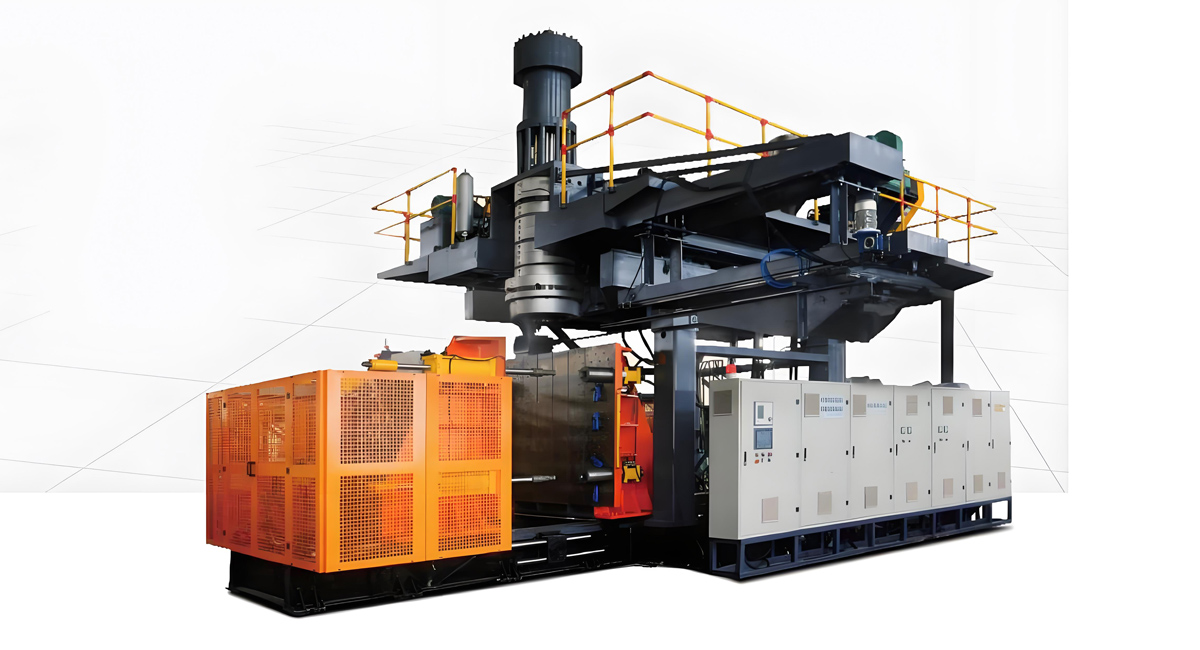
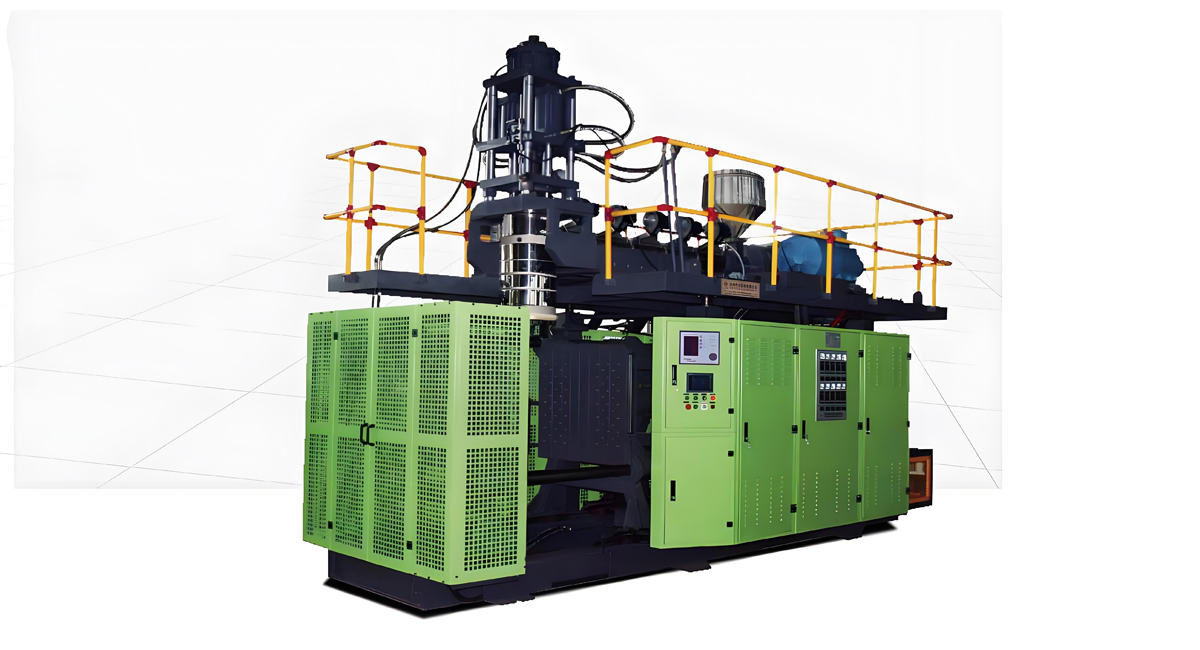
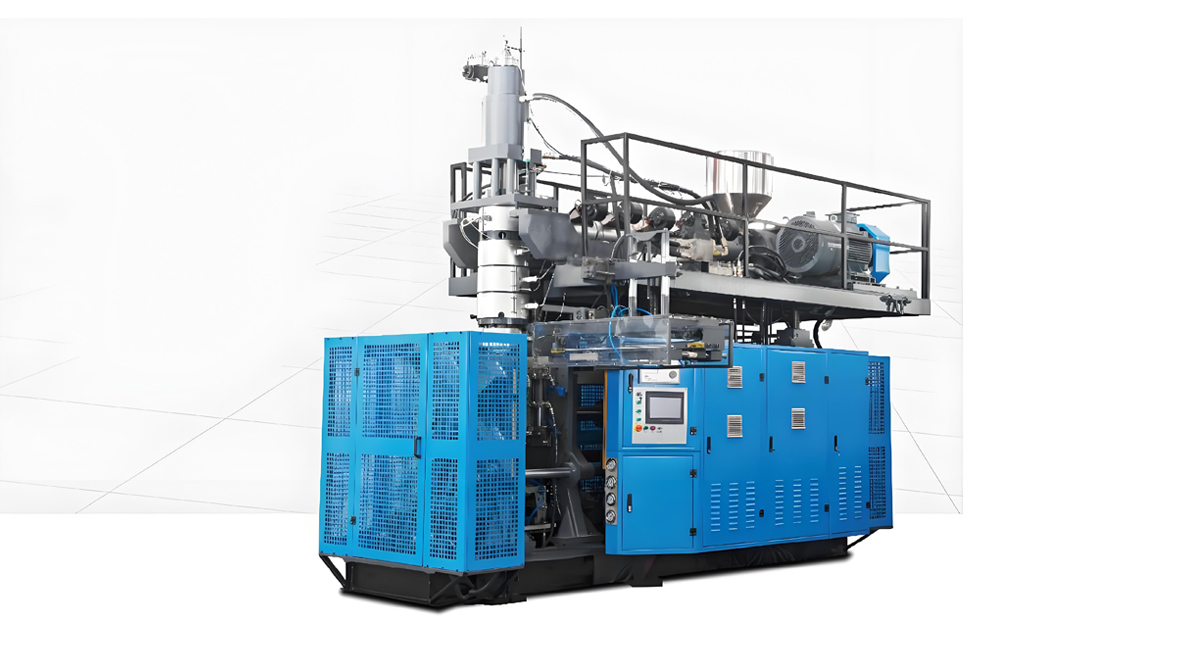
In the world of modern manufacturing, ISO certification has become the international benchmark for quality, reliability, and consistent performance. For extrusion blow molding machines, ISO certification verifies that equipment meets rigorous global quality standards, ensuring compatibility with international manufacturing practices and regulatory requirements. This comprehensive guide explores ISO certification for extrusion blow molding machines, with special focus on Apollo China’s ISO-certified equipment and the value this certification brings to global manufacturers.
As global markets become more interconnected and competitive, ISO certification has transitioned from optional status to essential requirement for manufacturers seeking international market access and competitive advantage. Apollo China leads the industry in ISO-certified extrusion blow molding equipment, maintaining rigorous quality management systems that ensure every machine meets the highest international standards while delivering the cost-effective solutions Chinese manufacturing is known for.
Understanding ISO Standards for Manufacturing
ISO standards establish globally recognized criteria for quality management, environmental management, and product safety that ensure consistent quality across international markets.
ISO 9001 Quality Management System
The ISO 9001 standard defines requirements for quality management systems applicable to any organization, regardless of size or industry. For extrusion blow molding machine manufacturers, certification to ISO 9001 demonstrates commitment to consistent quality improvement, customer satisfaction, and meeting applicable statutory and regulatory requirements.
ISO 9001 certification involves comprehensive documentation of quality management systems, internal audits, and regular reviews by independent certification bodies. Apollo China maintains its ISO 9001 certification through annual surveillance audits and recertification audits every three years, ensuring ongoing compliance and continuous improvement of quality management systems.
ISO 9001 implementation results in improved operational efficiency, reduced waste, enhanced customer satisfaction, and greater market access. Certification signifies that Apollo China has established processes that ensure consistent quality throughout the entire production cycle, from initial design through manufacturing, testing, and delivery.
ISO 14001 Environmental Management System
The ISO 14001 standard specifies requirements for environmental management systems, helping organizations minimize their environmental impact and comply with applicable environmental regulations. For extrusion blow molding machine manufacturers, ISO 14001 certification demonstrates commitment to sustainable manufacturing practices and environmentally responsible operations.
Apollo China’s ISO 14001 certification encompasses environmental management systems focused on reducing waste generation, optimizing energy consumption, and implementing environmentally friendly manufacturing processes. The company continuously works to reduce carbon footprint of manufacturing operations through initiatives like energy recovery systems, waste recycling programs, and water conservation measures.
Environmental management systems implemented under ISO 14001 certification provide significant long-term benefits including reduced operating costs through resource optimization, improved brand reputation, and better compliance with evolving environmental regulations. Apollo’s commitment to environmental responsibility aligns with global sustainability trends in plastic packaging manufacturing.
ISO 13485 Medical Devices Standard
For manufacturers producing extrusion blow molding machines for medical device applications, ISO 13485 certification establishes quality management system requirements specifically tailored to medical device manufacturing processes. This certification demonstrates ability to consistently provide medical devices and related services that meet customer requirements and applicable regulatory requirements.
Apollo China maintains ISO 13485 certification for medical device grade extrusion blow molding machines, ensuring these machines meet stringent requirements for manufacturing plastic containers used in medical and pharmaceutical applications. Medical device machines must meet additional standards related to material traceability, process validation, and cleanroom compatibility not required for general purpose machines.
ISO 13485 certification ensures Apollo’s medical device equipment meets international standards including EU Medical Devices Regulation (MDR), US FDA regulations, and other international medical device regulatory requirements. This certification enables customers to use Apollo equipment for medical device production that meets global market requirements.
Apollo’s ISO Certification Journey
Understanding Apollo China’s commitment to ISO certification and quality management systems provides insight into company’s dedication to international quality standards.
Certification History and Commitment
Apollo China first achieved ISO 9001 certification in 2005, becoming one of the first Chinese extrusion blow molding machine manufacturers to earn this recognition. Since initial certification, the company has maintained continuous certification through regular audits and quality system improvements, expanding certification scope as product lines and manufacturing operations grew.
ISO 14001 certification was achieved in 2010 as part of company’s commitment to sustainable manufacturing practices. This certification demonstrated Apollo’s proactive approach to environmental management and responsible manufacturing practices, aligning operations with global sustainability trends and customer expectations for environmentally responsible suppliers.
ISO 13485 certification was achieved in 2015 in response to growing demand for medical device grade equipment. This certification required additional documentation and process controls specific to medical device manufacturing, demonstrating Apollo’s ability to meet stringent requirements of medical device industry and commitment to serving high-quality applications.
Quality Management System Overview
Apollo China operates comprehensive quality management systems that form the foundation of ISO certification, covering all aspects of business operations.
Quality policy focuses on customer satisfaction through consistent product quality, continuous improvement, and compliance with applicable requirements. This policy guides all business activities and is communicated to all employees through training programs and internal communications. Apollo’s quality management system integrates ISO requirements with company-specific quality objectives focused on product reliability, on-time delivery, and customer satisfaction.
Quality objectives are established annually at all organizational levels, designed to drive continuous improvement and measure quality management system effectiveness. These objectives typically include goals related to defect reduction, on-time delivery rates, customer satisfaction, and compliance with regulatory requirements. Progress toward objectives is monitored monthly and reviewed quarterly by management to ensure alignment with company goals and continuous improvement.
Management reviews are conducted at least annually to assess suitability, adequacy, and effectiveness of quality management systems in meeting company objectives and customer requirements. These reviews include evaluation of audit results, customer feedback, process performance indicators, and opportunities for improvement identified through internal and external sources.
ISO Certification Processes for Manufacturing
Understanding ISO certification processes provides insight into rigor and commitment required to achieve and maintain ISO certification for extrusion blow molding machines.
Documentation and Implementation
Implementing ISO quality management systems requires comprehensive documentation and organizational commitment to process discipline.
Quality manual provides overview of organization’s quality management system, describing scope, processes, and responsibilities. The manual serves as primary document for understanding overall quality management system structure and interactions between processes. Apollo’s quality manual is available to customers upon request to demonstrate company’s quality management approach.
Procedure documents detail specific processes required to meet ISO requirements, including document control, record control, internal auditing, corrective action, preventive action, and management review procedures. These documents ensure consistency in implementation and provide guidance for employees on performing specific tasks. Apollo maintains over 50 specific procedure documents covering all aspects of quality management system requirements.
Work instructions provide detailed step-by-step guidance for performing specific tasks where process complexity requires additional clarity beyond procedure documents. These documents often include illustrations, forms, and checklists to ensure consistent performance of critical tasks. Apollo maintains work instructions for key manufacturing processes including component inspection, machine assembly, testing, and packaging to ensure consistent quality throughout production process.
Internal Auditing Process
Internal auditing represents critical component of maintaining ISO certification, ensuring ongoing compliance with requirements and identifying opportunities for improvement.
Internal audit program consists of scheduled audits conducted at least annually, covering all processes within scope of quality management system. Apollo conducts internal audits using trained internal auditors who are independent of audited processes to ensure impartiality and objectivity. Internal auditors receive specialized training in auditing techniques and ISO requirements to ensure effective audit performance.
Audit planning involves developing audit schedules that ensure all processes are audited at least annually, with high-risk processes audited more frequently as determined by management. Audit plans are developed based on results of previous audits, process complexity, and risk assessments of each process. Apollo typically conducts between 15-20 internal audits annually to maintain comprehensive coverage of quality management system processes.
Audit findings are documented in detailed audit reports that include non-conformities identified and opportunities for improvement. Management reviews audit findings and takes appropriate corrective actions to address non-conformities within specified timeframes, typically not exceeding 30 days from audit completion. Corrective actions are verified to ensure effectiveness in addressing identified issues and preventing recurrence.
Certification and Surveillance Audits
Obtaining and maintaining ISO certification requires regular audits conducted by independent third-party certification bodies.
Certification audit involves comprehensive review of entire quality management system by auditors from accredited certification body. This audit typically lasts 3-5 days and includes documentation review, process observation, employee interviews, and examination of objective evidence demonstrating compliance with all ISO requirements. Apollo underwent certification audits with initial certification and subsequent recertification audits every three years, successfully maintaining certifications through demonstrated commitment to continuous improvement and process discipline.
Surveillance audits are conducted annually between recertification audits to verify ongoing compliance with ISO requirements and effectiveness of corrective actions implemented since previous audits. These audits typically last 1-2 days and focus on key processes, corrective actions, and any significant changes to quality management systems or organizational structure since last audit. Apollo’s annual surveillance audits typically focus on key processes like manufacturing quality control, customer complaint handling, and internal audit program effectiveness.
Recertification audits are conducted every three years to maintain certification, involving comprehensive review similar to initial certification audit but with additional emphasis on evidence of continuous improvement over previous three-year certification period. Apollo successfully completed recertification audits most recently in 2023 for all active ISO certifications, demonstrating sustained commitment to quality management and continuous improvement over time.
Quality Control Processes in Manufacturing
Apollo’s ISO certification encompasses comprehensive quality control processes that ensure every extrusion blow molding machine meets rigorous quality standards before shipment to customers.
Incoming Material Inspection
Rigorous incoming material inspection ensures all components and raw materials meet specified requirements before being used in manufacturing processes.
Inspection procedures cover 100% critical components including motors, control systems, and hydraulic components, while using statistical sampling for non-critical components like fasteners and standard mechanical parts. Inspection criteria include dimensional accuracy, material properties, performance characteristics, and visual appearance to ensure components meet specifications and are free from defects that could affect product quality or reliability.
Supplier evaluation is conducted on regular basis to ensure ongoing compliance with quality requirements. Apollo maintains approved supplier list for all critical components, requiring suppliers to provide evidence of quality management systems and periodic quality performance data. Suppliers are evaluated based on criteria including on-time delivery rates, quality performance, responsiveness to quality issues, and adherence to specified requirements.
Non-conforming materials are segregated and handled according to documented procedures, which may involve return to supplier, rework, rejection, or use with deviation approval depending on severity of non-conformity. Apollo maintains detailed records of non-conformances to identify trends and drive continuous improvement in supplier performance and internal processes.
Manufacturing Process Control
Comprehensive process control ensures consistent quality throughout manufacturing process, from initial fabrication to final assembly and testing.
Statistical process control (SPC) is applied to key manufacturing processes where quality characteristics are measurable and subject to variation. Apollo uses SPC for critical processes including component machining, assembly tolerances, and hydraulic system testing to monitor process stability and ensure production remains within acceptable limits. SPC data is analyzed regularly to identify trends and implement preventive actions before non-conforming products are produced.
Workstation inspections are performed at key stages throughout manufacturing process to verify quality before proceeding to next stage. These inspections include visual inspections, dimensional measurements, and functional tests specific to each stage of production process. Apollo typically conducts between 10-15 quality checks at different stages of machine assembly to ensure cumulative quality requirements are met.
Process validation is performed for critical manufacturing processes to ensure processes consistently produce results meeting specifications and quality requirements. Validation activities include process capability studies, qualification of equipment and personnel, and ongoing monitoring of process performance indicators. Apollo maintains validated processes for critical operations including extruder assembly, clamp system adjustment, and control system calibration to ensure consistent performance and product quality.
Final Inspection and Testing
Comprehensive final inspection and testing ensure every machine meets specified requirements and performance standards before shipment to customers.
Factory acceptance testing (FAT) involves comprehensive testing of machine functionality and performance under simulated operating conditions to verify compliance with specifications and customer requirements. FAT typically includes mechanical function testing, control system testing, performance testing, and safety system verification to ensure complete machine functionality before shipment. Apollo conducts FAT for every machine produced, documented in detailed test reports signed by both quality assurance personnel and customer representatives if customer chooses to witness tests.
Customer witness testing provides opportunity for customers to verify machine performance and functionality at Apollo’s manufacturing facility before shipment. Customers may send representatives to witness FAT or arrange for third-party inspection to verify compliance with specifications and quality requirements. Apollo provides comprehensive support for customer witness testing including detailed test plans, technical documentation, and dedicated project managers to ensure smooth and successful testing process.
Packaging inspection verifies that machines are properly packed for safe transport to customer facilities. Packaging includes corrosion protection for critical components, adequate cushioning to prevent damage during transport, and proper identification for easy handling and installation. Apollo uses packaging materials and methods approved through internal packaging validation processes to ensure safe delivery of machines to customer facilities worldwide.
Benefits of ISO Certified Extrusion Blow Molding Machines
Purchasing ISO certified extrusion blow molding machines provides numerous benefits for global manufacturers seeking reliable, high-quality equipment and access to international markets.
Consistent Product Quality
ISO certification ensures consistent product quality through standardized processes, rigorous quality controls, and continuous improvement focus.
Certified machines deliver consistent performance across production runs, minimizing variations in container dimensions, wall thickness, and surface finish directly impacting product quality and customer satisfaction. Apollo’s ISO certification guarantees that every machine undergoes same rigorous quality checks and testing processes to deliver consistent performance and reliability regardless of order size or customization requirements.
Quality consistency results in reduced production waste, lower rejection rates, and improved overall production efficiency. Consistent machine performance reduces downtime caused by unexpected variations in product quality, allows better planning of production runs, and ensures production capacity is fully utilized to meet customer demands.
ISO certified machines maintain consistent performance over extended periods through robust design and manufacturing processes focused on durability and reliability. Apollo conducts accelerated life testing and long-term performance monitoring as part of product development process to ensure machines maintain consistent performance throughout expected lifespan under normal operating conditions and proper maintenance.
Compliance with International Standards
ISO certified machines help manufacturers meet international standards and regulatory requirements for plastic container production in global markets.
Medical device manufacturers benefit from Apollo’s ISO 13485 certified machines designed to meet stringent requirements for manufacturing plastic containers used in medical and pharmaceutical applications. These machines meet additional standards for material traceability, process validation, cleanroom compatibility, and documentation required for compliance with medical device regulations in major markets including EU, US, and Asia-Pacific regions.
Food and beverage manufacturers benefit from ISO certified machines that meet requirements for food contact materials and hygienic manufacturing practices. Apollo machines designed for food and beverage applications meet standards including EU 10/2011, US FDA 21 CFR 177, and Chinese GB 4806.7 ensuring compliance with food safety regulations in major global markets.
Export-oriented manufacturers benefit from ISO certified machines that meet international standards recognized globally, facilitating access to international markets by demonstrating commitment to quality and compliance with recognized international standards. Apollo’s ISO certification helps customers meet requirements imposed by foreign buyers and regulatory authorities for equipment quality and manufacturing processes.
Improved Operational Efficiency
ISO certified extrusion blow molding machines deliver improved operational efficiency through optimized design, robust construction, and consistent performance over extended periods.
Energy efficient operation reduces operating costs through optimized energy consumption, reduced waste generation, and improved production efficiency. Apollo incorporates energy saving features including variable frequency drives, efficient heating systems, and energy recovery systems that reduce energy consumption by 15-25% compared to standard machines, contributing to lower operating costs and reduced environmental impact.
Reduced maintenance requirements through robust design and high-quality components lead to lower maintenance costs and reduced downtime over machine lifespan. Apollo uses high-quality components from reputable suppliers and incorporates design features that minimize wear and reduce maintenance needs, resulting in lower lifecycle costs and higher overall equipment effectiveness.
Quick changeover capabilities and flexible operation enable manufacturers to produce wider range of container sizes and designs with minimal downtime between production runs, improving overall production flexibility and responsiveness to customer demands. Apollo machines incorporate features including quick change mold systems, recipe management systems, and modular design allowing efficient changeover between different product types and sizes.
FAQ
What ISO certifications apply to extrusion blow molding machines?
Primary ISO certifications applicable to extrusion blow molding machines include ISO 9001 (quality management systems), ISO 14001 (environmental management systems), and ISO 13485 (medical devices specific quality management systems). Additional ISO standards may apply to specific components or applications including ISO 11119 (mechanical safety for plastic machinery) and ISO 14644 (cleanroom classification for medical device applications). Apollo China holds all three primary ISO certifications to ensure comprehensive quality and environmental management systems across product lines.
How does ISO certification benefit machine buyers?
ISO certification benefits machine buyers through guarantee of consistent quality, improved reliability, reduced total cost of ownership, and easier access to international markets. Certified machines deliver more consistent performance, require less maintenance over lifetime, and typically have higher resale value compared to non-certified machines. ISO certification also demonstrates manufacturer’s commitment to quality management and customer satisfaction, providing additional assurance of product reliability and support.
How often is ISO certification renewed?
ISO certifications are valid for three years from date of initial certification or most recent recertification audit. Annual surveillance audits are required during three-year cycle to maintain certification status and ensure ongoing compliance with standard requirements. Recertification audits are conducted at end of three-year cycle to renew certification, involving comprehensive review similar to initial certification audit but with additional emphasis on continuous improvement over certification period.
How can I verify Apollo’s ISO certification status?
Apollo China’s ISO certification status can be verified through certification body websites using certificate numbers provided in company’s official documentation or on request from Apollo sales representatives. Apollo maintains active certifications with recognized international certification bodies including TÜV Rheinland and Bureau Veritas, whose websites provide public access to verify certification status for registered companies. Customers can also request copies of valid certificates directly from Apollo to verify certification status and scope of certification.
Do ISO certified machines cost more than non-certified machines?
ISO certified machines may have slightly higher initial purchase price compared to non-certified machines due to additional costs associated with maintaining quality management systems, rigorous quality controls, and certification processes. However, certified machines typically provide significant long-term savings through reduced maintenance costs, lower energy consumption, improved production efficiency, and longer overall lifespan. Total cost of ownership for certified machines is typically 10-20% lower over machine lifespan compared to non-certified machines due to these benefits.
Conclusion
ISO certification represents the global benchmark for quality, reliability, and consistent performance in extrusion blow molding machines. Apollo China’s commitment to maintaining ISO certification across multiple standards demonstrates dedication to quality, environmental responsibility, and meeting rigorous requirements of medical device manufacturing industries. For global manufacturers seeking reliable, high-quality extrusion blow molding equipment that meets international standards, ISO certification provides critical assurance of quality, reliability, and compliance.
Investing in ISO certified extrusion blow molding machines from Apollo China provides numerous benefits including consistent product quality, improved operational efficiency, easier access to international markets, and reduced total cost of ownership. ISO certification signifies that machines have been designed, manufactured, and tested according to rigorous global standards, delivering reliability and performance that global manufacturers need to compete in today’s interconnected marketplace.
As global markets continue to evolve and competition intensifies, ISO certification will remain essential for manufacturers seeking to maintain competitive edge and meet demanding quality requirements of global customers. Apollo China stands ready to support manufacturers with ISO certified extrusion blow molding machines that deliver exceptional performance, quality, and reliability while meeting rigorous international standards and environmental responsibility commitments.