Introduction
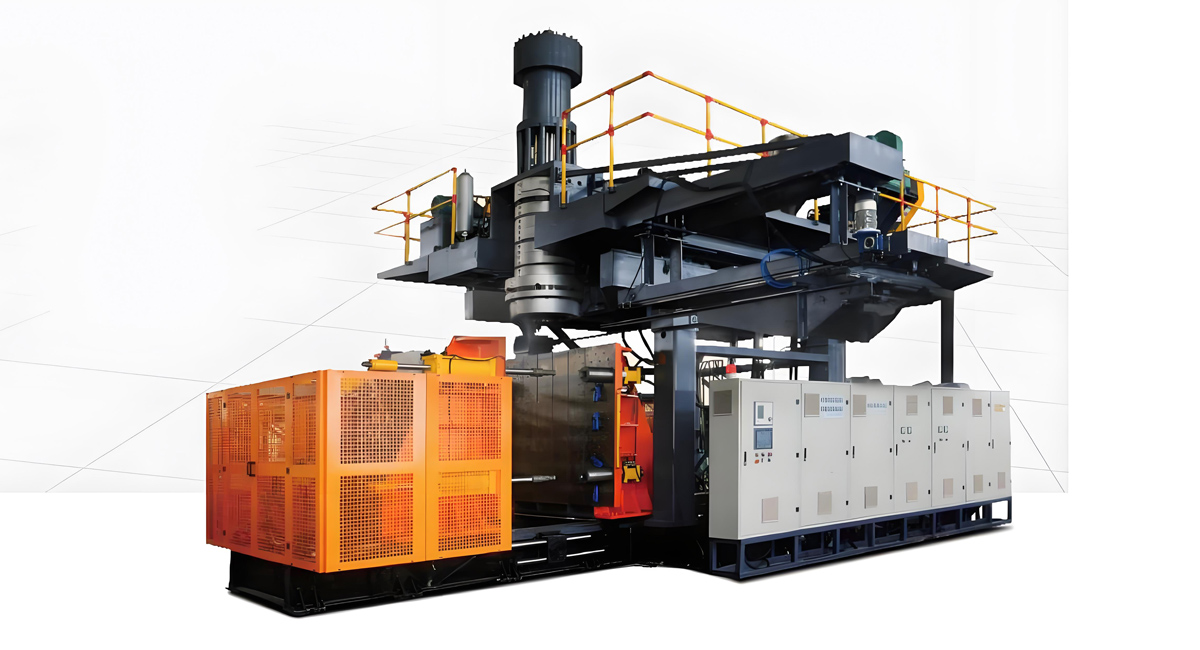
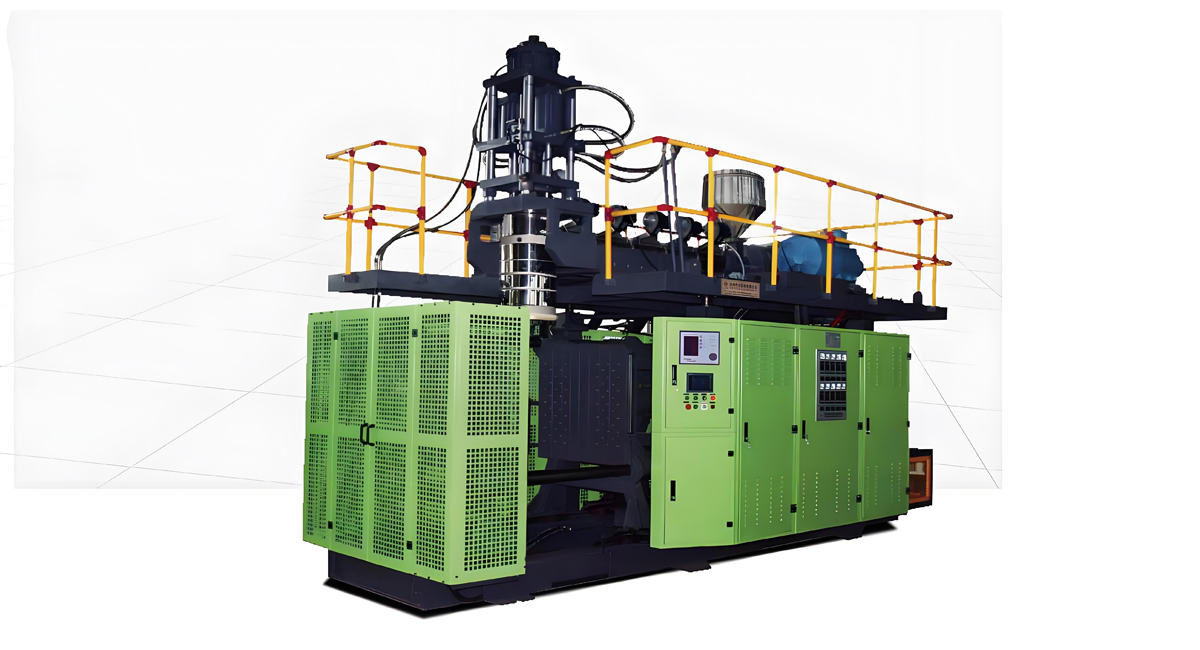
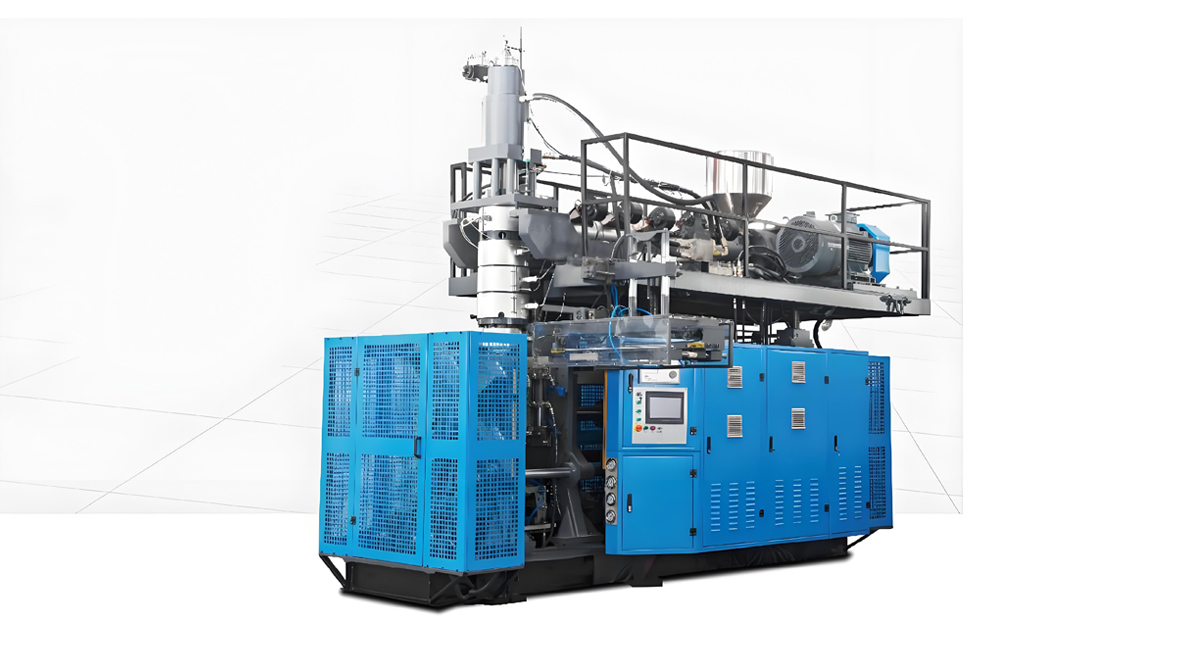
Extrusion blow molding machine maintenance represents the cornerstone of reliable operation, consistent product quality, and maximized equipment lifespan. As manufacturers strive to optimize production efficiency and minimize downtime, implementing comprehensive maintenance programs becomes increasingly critical for maintaining competitive advantage in the plastic container manufacturing industry. This detailed guide explores essential maintenance practices, preventive maintenance schedules, troubleshooting procedures, and cost considerations for extrusion blow molding machines, with specific focus on equipment from Apollo China.
The complexity of modern extrusion blow molding machines demands systematic approaches to maintenance, combining daily preventive measures with periodic comprehensive inspections and repairs. Proper maintenance not only extends equipment lifespan beyond 15-20 years but also ensures consistent product quality, reduces emergency repairs, and maintains production efficiency. Apollo China provides comprehensive maintenance guidelines and support services to help operators establish effective maintenance programs tailored to their specific equipment and production requirements.
Understanding Maintenance Fundamentals
Establishing effective maintenance programs requires understanding fundamental principles of equipment care and the various types of maintenance activities required for extrusion blow molding machines.
Types of Maintenance
Different maintenance approaches serve distinct purposes and should be integrated into comprehensive maintenance strategies.
Preventive maintenance involves regularly scheduled inspections and services designed to prevent equipment failure before it occurs. This approach includes activities such as lubrication, filter replacement, calibration checks, and routine component inspections. Preventive maintenance represents the most cost-effective maintenance strategy, typically costing only 1-2% of equipment value annually when properly implemented. Apollo recommends establishing preventive maintenance schedules based on operating hours and manufacturer guidelines.
Predictive maintenance utilizes monitoring technologies and data analysis to predict component failures before they occur, allowing planned maintenance rather than emergency repairs. This approach may include vibration analysis, thermal imaging, oil analysis, and performance trend monitoring. Apollo’s advanced control systems on newer machines provide predictive maintenance capabilities through continuous monitoring of critical parameters and alerting when operating conditions approach unacceptable levels.
Corrective maintenance addresses equipment failures that have already occurred, including repairs and component replacements. While this reactive approach is necessary when failures happen, reliance primarily on corrective maintenance results in higher costs, increased downtime, and reduced equipment lifespan. Apollo provides rapid response services for corrective maintenance to minimize downtime when failures do occur.
Importance of Maintenance Documentation
Maintaining detailed maintenance records provides numerous benefits for effective maintenance program management.
Maintenance logs document all maintenance activities, component replacements, and equipment performance over time. These records help identify recurring problems, track component lifespans, and optimize maintenance intervals based on actual experience rather than generic recommendations. Apollo provides maintenance log templates and digital tracking systems to help operators maintain comprehensive records.
Cost tracking associated with maintenance activities enables accurate budgeting and cost-benefit analysis of different maintenance strategies. Records showing preventive maintenance costs versus emergency repair costs provide justification for preventive maintenance program investments. Apollo recommends maintaining detailed cost records for all maintenance activities including labor, materials, and downtime costs.
Performance monitoring data combined with maintenance records helps identify correlations between maintenance practices and equipment performance. This analysis enables optimization of maintenance intervals and identification of practices that effectively extend component lifespan. Apollo provides analytical tools and expertise to help operators interpret performance data and optimize maintenance programs.
Daily Maintenance Procedures
Daily maintenance routines form the foundation of comprehensive maintenance programs, ensuring equipment operates safely and efficiently while preventing small issues from becoming major problems.
Pre-Start Inspection Procedures
Thorough pre-start inspections identify potential problems before equipment operation begins, preventing damage and ensuring safe startup.
Visual inspection should include checking for visible damage, leaks, loose components, and debris around equipment. Operators should check oil levels in lubrication systems, coolant levels in cooling systems, and verify that all safety guards are properly in place. These inspections typically require 15-30 minutes and can prevent catastrophic failures when conducted consistently.
Temperature verification ensures that equipment is at appropriate operating temperatures before production begins. Operators should verify that hydraulic oil temperature is within acceptable range, typically 40-60°C for most systems. Coolant temperatures should be verified to be within manufacturer specifications, typically 10-15°C for molding water. Apollo provides specific temperature guidelines for each machine model.
Safety system verification includes testing emergency stop functionality, verifying that all interlocks function properly, and confirming that guarding systems are in place. Safety systems should never be bypassed or overridden, even temporarily, as this creates serious safety hazards. Apollo machines incorporate comprehensive safety systems that require regular verification to maintain safe operation.
During-Operation Monitoring
Continuous monitoring during operation identifies developing problems before they cause equipment failure or product quality issues.
Performance parameter monitoring includes tracking production rate, cycle times, energy consumption, and material usage rates compared to established baselines. Significant deviations from normal operating parameters indicate potential problems requiring investigation. Apollo control systems provide real-time monitoring and alerting when parameters move outside acceptable ranges.
Visual and auditory monitoring during operation involves watching for unusual vibrations, listening for abnormal sounds, and watching for visual indications of problems such as smoke, leaks, or excessive heat. Operators should be trained to recognize normal operating characteristics and identify abnormalities requiring immediate attention. Apollo provides training materials documenting normal operating characteristics for each machine model.
Product quality monitoring during operation helps identify equipment problems that affect product quality before producing large quantities of defective product. Regular sampling and inspection of produced containers should be conducted to detect quality issues early. Apollo provides quality control guidelines and specifications for optimal product quality from each machine model.
End-of-Day Shutdown Procedures
Proper shutdown procedures at end of production day ensure equipment is properly secured and prepared for next startup.
Material system purging removes material from extruder and melt passages to prevent degradation and contamination. Purging should be conducted using appropriate purge compounds, typically requiring 15-30 minutes depending on material type and machine size. Apollo provides guidelines for appropriate purge compounds and procedures for different materials.
Equipment cleaning includes removing debris, cleaning visible surfaces, and organizing work area. Regular cleaning prevents contamination of products, improves operator safety, and makes maintenance inspections more effective. Apollo provides cleaning guidelines and recommendations for cleaning materials and procedures that are safe for machine components.
System documentation should be completed at end of shift, including recording any problems encountered, maintenance activities performed, and production data. This documentation maintains continuity between shift changes and ensures proper follow-up on identified issues. Apollo provides shift report templates designed for effective communication between shifts.
Weekly Maintenance Schedule
Weekly maintenance activities address maintenance needs that require attention beyond daily routines but do not require extended equipment downtime.
Lubrication System Maintenance
Proper lubrication is critical for equipment longevity and reliable operation.
Oil level checks should be conducted on all lubrication points, including main gearbox, hydraulic system, and auxiliary lubrication systems. Oil samples should be inspected for color, clarity, and contamination. Any significant changes in oil appearance should be investigated to identify potential problems. Apollo recommends maintaining detailed oil inspection records to track oil condition over time.
Oil analysis programs involve periodically sending oil samples for laboratory analysis to identify wear particles, contamination, and degradation. These analyses provide early warning of component problems and help optimize oil change intervals. Apollo can assist in establishing oil analysis programs and interpreting analysis results.
Greasing of moving parts including bearings, slides, and linkages should be performed according to manufacturer schedules. Over-greasing can be as detrimental as under-greasing, so following manufacturer guidelines for grease type and quantity is important. Apollo provides specific lubrication schedules and grease recommendations for each machine model.
Pneumatic System Inspection
Pneumatic systems power many functions on extrusion blow molding machines and require regular maintenance to ensure reliable operation.
Filter inspection and replacement is essential for maintaining clean air supply to pneumatic components. Intake filters should be inspected weekly and replaced when dirty, typically every 4-8 weeks depending on operating environment. Secondary filters in control valves and actuators should be inspected monthly. Apollo provides specific filter replacement guidelines based on operating environment and air quality.
Leak testing involves pressurizing the pneumatic system and checking for leaks using soap solution or electronic leak detectors. Even small leaks can significantly increase air compressor energy consumption and cause inconsistent operation. Apollo recommends conducting leak testing weekly and repairing leaks promptly when identified.
Moisture management in pneumatic systems is critical, particularly in humid environments. Water separators and dryers should be inspected weekly and desiccant replaced according to manufacturer schedules. Moisture in pneumatic systems can cause corrosion and inconsistent valve operation. Apollo provides guidelines for moisture control based on operating environment.
Electrical System Inspection
Electrical systems require regular inspection to prevent failures that can cause safety hazards and equipment damage.
Connection inspection involves checking all electrical connections for tightness, signs of heating or corrosion, and proper security. Loose connections can cause voltage drops, overheating, and potential fire hazards. Apollo provides torque specifications for critical connections and guidelines for connection inspection procedures.
Cable and wiring inspection should include checking for damage, proper routing, and protection from mechanical damage. Cables in high-traffic areas should have adequate protection to prevent damage from impacts or abrasion. Apollo provides guidelines for cable routing and protection based on machine model and installation environment.
Control panel maintenance includes checking for proper ventilation, cleaning dust and debris from panels, and verifying that all indicators and displays function correctly. Control panels should never be modified or bypassed without manufacturer approval. Apollo provides specific maintenance procedures for control panel components.
Monthly Maintenance Requirements
Monthly maintenance activities involve more detailed inspections and preventive maintenance tasks that may require brief equipment downtime.
Mechanical System Inspection
Mechanical systems require detailed monthly inspection to identify wear and maintain proper operation.
Bearing inspection involves checking for signs of wear including excessive play, noise, and heat generation. Critical bearings including main extruder bearings and clamp mechanism bearings should be inspected monthly. Any unusual signs should be investigated to identify root causes. Apollo provides bearing inspection guidelines and replacement specifications for critical bearings.
Alignment verification includes checking alignment of drive shafts, extruder components, and clamp mechanisms. Misalignment causes accelerated wear and reduced component life. Apollo provides alignment specifications and procedures for verification. Laser alignment equipment provides accurate measurements when available.
Fastener inspection involves checking that all critical fasteners are properly torqued and secure. Vibration from operation can cause fasteners to loosen over time. Apollo provides torque specifications for critical fasteners and guidelines for inspection procedures. Torque markings on previously torqued fasteners help identify loosened fasteners during inspection.
Heating and Cooling Systems
Heating and cooling systems are critical for proper machine operation and product quality.
Heating element inspection should include checking for proper resistance, visual inspection for damage, and verifying proper connection. Heating element performance should be verified by measuring temperature rise characteristics compared to baselines. Apollo provides heating element specifications and testing procedures.
Cooling system inspection includes checking coolant flow, verifying pump operation, and inspecting heat exchangers for fouling. Cooling system performance directly affects cycle times and product quality. Apollo provides cooling system specifications and performance guidelines for each machine model.
Temperature sensor calibration ensures accurate temperature control. Sensors should be tested against calibrated reference thermometers and recalibrated or replaced when accuracy drifts outside acceptable tolerances. Apollo provides calibration procedures and accuracy specifications for temperature sensors.
Hydraulic System Maintenance
Hydraulic systems on machines with hydraulic clamping or ejection systems require specific maintenance procedures.
Hydraulic oil testing should be conducted monthly including viscosity testing and inspection for contamination. Oil condition directly affects hydraulic system performance and component life. Apollo provides oil testing specifications and guidelines for acceptable oil conditions.
Hydraulic pump inspection includes checking for proper pressure output, verifying proper suction, and listening for unusual sounds. Pump performance should be verified against specifications and baseline measurements. Apollo provides pump performance specifications and testing procedures.
Hydraulic cylinder inspection involves checking for leaks, proper operation, and signs of seal wear. Cylinder rod condition should be inspected for scoring or damage. Apollo provides cylinder inspection guidelines and seal replacement specifications.
Quarterly Maintenance Tasks
Quarterly maintenance involves more comprehensive inspections and maintenance activities that may require several hours of equipment downtime.
Comprehensive Equipment Inspection
Comprehensive quarterly inspections provide opportunity for detailed examination of equipment condition.
Structural inspection should include checking machine base, support structures, and mounting systems for signs of stress, cracks, or movement. Foundation bolts should be torqued to specification. Apollo provides structural inspection guidelines and foundation specifications.
Wear component inspection involves detailed examination of components subject to wear including guide rods, bushings, wear plates, and sliding surfaces. Wear measurements should be recorded and compared to allowable wear specifications. Apollo provides allowable wear specifications for critical wear components.
Performance benchmarking involves conducting comprehensive performance tests and comparing results to baseline measurements from initial installation. Significant performance degradation indicates developing problems requiring investigation. Apollo provides performance benchmarking procedures and expected performance characteristics for each machine model.
Control System Optimization
Control systems require periodic optimization to maintain optimal performance.
Control parameter review involves comparing current operating parameters to original settings and adjusting as necessary based on operating experience. Parameters may drift over time due to component wear and changes in operating conditions. Apollo provides parameter review guidelines and recommended settings for various operating conditions.
Software updates should be checked and installed when available. Updates may include performance improvements, bug fixes, and new features. Apollo provides update procedures and guidelines for evaluating when updates should be installed.
Backup and recovery procedures should be tested quarterly to ensure that backup systems function properly and recovery procedures are documented. System failures can occur unexpectedly, making regular backup testing essential. Apollo provides backup procedures and recovery guidelines for control systems.
Annual Maintenance Comprehensive
Annual comprehensive maintenance involves extensive equipment servicing and may require multiple days of downtime.
Major Component Overhaul
Annual maintenance often includes major component inspection and potential replacement.
Gearbox inspection includes opening gearboxes, inspecting gear and bearing condition, and replacing oil and filters as required. Gear condition should be inspected for wear, scoring, and proper tooth contact patterns. Apollo provides gearbox inspection guidelines and gear replacement specifications.
Extruder screw and barrel inspection involves removing the screw and barrel, inspecting for wear and damage, and measuring against specifications. Screw diameter should be measured at multiple locations to identify wear patterns. Apollo provides allowable wear specifications and refurbishment procedures.
Clamp system inspection includes detailed examination of clamp mechanism components including toggles, cylinders, and toggle pins. Wear measurements should be recorded and compared to specifications. Apollo provides clamp system inspection guidelines and component replacement specifications.
Safety System Overhaul
Safety systems require annual comprehensive testing and maintenance to ensure continued safe operation.
Emergency stop system testing includes testing all emergency stop functions throughout the machine to verify proper operation. All emergency stop buttons, switches, and safety interlocks should be tested. Apollo provides comprehensive safety system testing procedures.
Guarding system inspection includes verifying that all guards are in place, properly secured, and in good condition. Guards should never be modified or removed during normal operation. Apollo provides guarding system specifications and inspection guidelines.
Warning system verification includes testing all alarms, warning lights, and other warning indicators to ensure proper function. Apollo provides warning system specifications and testing procedures.
Maintenance Cost Analysis
Understanding maintenance costs helps in budgeting and evaluating maintenance program effectiveness.
Cost Breakdown by Maintenance Type
Breaking down maintenance costs by type helps identify areas for potential cost optimization.
Routine maintenance costs including lubricants, filters, and routine inspection labor typically represent 0.5-1.0% of equipment value annually when preventive maintenance is properly implemented. These costs are predictable and necessary for reliable operation. Apollo provides detailed cost breakdown templates for tracking routine maintenance costs.
Predictive maintenance costs including monitoring equipment, oil analysis, and specialized testing typically add 0.3-0.7% of equipment value annually. These costs provide substantial savings by preventing more expensive emergency repairs. Apollo provides guidance on cost-effective predictive maintenance implementation.
Corrective maintenance costs vary widely based on maintenance program effectiveness, typically ranging from 0.5-3.0% of equipment value annually for machines with poor maintenance programs, while well-maintained machines typically experience less than 1.0% annually. Apollo provides historical cost data based on maintenance program effectiveness to help operators benchmark their performance.
Total Maintenance Cost Analysis
Combining all maintenance types provides total annual maintenance cost estimates.
Well-maintained machines with comprehensive preventive and predictive maintenance programs typically experience total annual maintenance costs of 1.5-2.5% of initial equipment value. For example, a $150,000 machine would typically require $2,250-$3,750 annually for comprehensive maintenance. This investment provides substantial returns through extended equipment life, reduced downtime, and consistent product quality.
Poorly maintained machines with primarily corrective maintenance approaches typically experience total annual maintenance costs of 3.0-6.0% of initial equipment value plus additional costs from reduced production capacity and shorter equipment lifespan. For example, a $150,000 machine might require $4,500-$9,000 annually plus significant additional costs from downtime and reduced equipment life.
Return on investment for comprehensive maintenance programs typically exceeds 300% through extended equipment life, reduced downtime, improved product quality, and reduced emergency repair costs. Apollo provides comprehensive ROI analysis tools to help operators quantify benefits of proper maintenance programs.
Common Maintenance Issues and Solutions
Understanding common maintenance issues and their solutions helps operators resolve problems quickly and effectively.
Extruder System Issues
Extruder systems experience common issues that can be prevented through proper maintenance.
Inconsistent material delivery often results from worn screw flights, improper barrel temperature control, or feed system problems. Solutions include inspecting screw condition, verifying temperature sensor accuracy, and checking feed system operation. Apollo provides troubleshooting guides for extruder feed issues.
Motor overheating typically results from inadequate cooling, overloaded operation, or motor bearing wear. Solutions include verifying cooling system operation, reducing load if overloaded, and inspecting motor bearings for wear. Apollo provides motor specifications and troubleshooting procedures.
Vibration in extruder system indicates misalignment, bearing wear, or foundation problems. Solutions include alignment verification, bearing inspection, and foundation inspection. Apollo provides alignment procedures and allowable vibration specifications.
Molding System Issues
Molding systems require specific maintenance attention to prevent common problems.
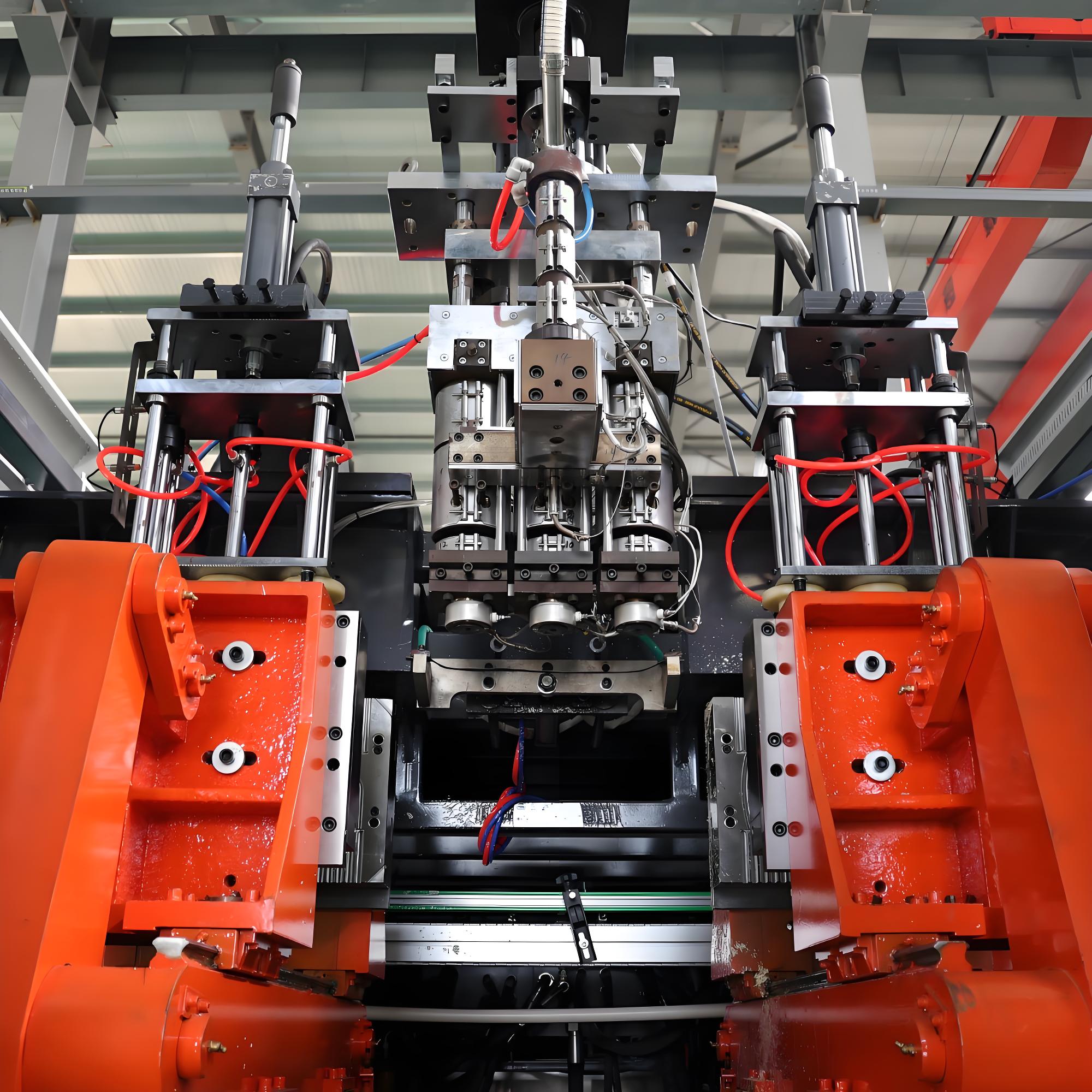
Inadequate blowing results from insufficient air pressure, leaking molds, or improper parison control. Solutions include verifying air pressure and compressor operation, checking mold sealing surfaces, and verifying parison control calibration. Apollo provides molding system troubleshooting guides.
Mold release problems result from improper mold temperature, inadequate release agents, or worn mold surfaces. Solutions include adjusting mold temperature, verifying release agent application, and inspecting mold surfaces for wear or damage. Apollo provides mold maintenance guidelines.
Product ejection problems result from worn ejection systems, improper ejection timing, or sticking in mold. Solutions include inspecting ejection components, verifying ejection timing settings, and examining mold surfaces for wear or damage. Apollo provides ejection system troubleshooting guides.
FAQ
How often should extrusion blow molding machines be serviced?
Service frequency depends on machine usage and operating conditions. Daily preventive maintenance activities should be conducted every operating shift. Weekly maintenance activities should be performed weekly regardless of operating schedule. Monthly maintenance should be conducted monthly or after 160-200 operating hours. Quarterly maintenance should be performed quarterly or after 600-800 operating hours. Annual comprehensive maintenance should be conducted annually or after 2,000-2,500 operating hours. Apollo provides detailed maintenance schedules based on machine model and operating intensity.
What are the most critical maintenance tasks?
Critical maintenance tasks include lubrication of moving components, filtration system maintenance, cooling system maintenance, and safety system verification. These tasks have the greatest impact on equipment reliability and safety. Neglecting these tasks significantly increases likelihood of failures, reduces equipment life, and creates safety hazards. Apollo emphasizes these critical tasks in maintenance guidelines and training materials.
How much should be budgeted annually for maintenance?
Annual maintenance budget should be 2.0-3.0% of initial equipment value for well-maintained machines. For example, a $200,000 machine should have $4,000-$6,000 annual maintenance budget. This budget covers routine maintenance, periodic major maintenance, and reasonable unexpected repairs. Machines operating in harsh environments or high production volumes may require budgets toward the higher end of this range. Apollo provides detailed budgeting templates based on machine model and operating conditions.
How long do extrusion blow molding machines typically last?
With proper maintenance, extrusion blow molding machines typically have productive lifespans of 15-25 years. Equipment receiving comprehensive preventive maintenance programs often exceed 20 years of reliable service. Equipment with poor maintenance may require major component replacement after 8-12 years and complete replacement after 12-15 years. Apollo provides detailed case studies documenting equipment lifespan under various maintenance practices.
What maintenance does Apollo recommend for their machines?
Apollo provides comprehensive maintenance recommendations specific to each machine model and application. Detailed maintenance manuals are provided with each machine including daily, weekly, monthly, quarterly, and annual maintenance procedures. Apollo also provides maintenance training services at customer facilities and can develop customized maintenance schedules based on specific operating conditions and requirements. Maintenance recommendations are also available through Apollo’s customer support portal and service representatives.
Conclusion
Implementing comprehensive maintenance programs for extrusion blow molding machines represents essential investment in equipment reliability, product quality, and operational efficiency. Preventive maintenance approaches deliver substantial returns through extended equipment lifespan, reduced downtime, and consistent product quality. Apollo China provides comprehensive support for establishing and maintaining effective maintenance programs, including detailed guidelines, training services, and ongoing technical support.
Understanding maintenance fundamentals, implementing systematic preventive maintenance schedules, and maintaining detailed maintenance records enables operators to optimize equipment performance and minimize total cost of ownership. The investment in proper maintenance programs returns multiple times through extended equipment life, reduced emergency repairs, improved product quality, and enhanced operational efficiency.
Partnering with Apollo for maintenance program development and support ensures access to manufacturer expertise, genuine replacement parts, and technical assistance when needed. Apollo’s comprehensive support infrastructure enables operators to maintain their extrusion blow molding machines at peak performance throughout extended operational lifespans, maximizing return on equipment investment and ensuring competitive production capabilities.