Introduction to Chemical Container Manufacturing
The chemical industry represents one of the most demanding sectors for plastic container manufacturing, requiring specialized equipment capable of producing containers that can withstand aggressive chemical environments. Chemical containers must maintain integrity when exposed to acids, bases, solvents, and other corrosive substances while ensuring safety, product protection, and regulatory compliance. Extrusion blow molding machines designed for chemical container production must incorporate corrosion-resistant materials, specialized processing capabilities, and advanced quality control systems to meet these stringent requirements.
Chemical container applications span across numerous industries including industrial chemicals, agricultural products, pharmaceuticals, and household chemicals. Each application presents unique challenges regarding chemical compatibility, barrier properties, mechanical strength, and regulatory requirements. The containers must provide reliable chemical resistance, prevent product contamination, and maintain structural integrity under various storage and transportation conditions. Apollo Extrusion Blow Molding Machines have been specifically engineered to address these demanding requirements, providing reliable production of high-quality chemical containers.
Corrosion resistance represents a fundamental requirement for both the equipment used to produce chemical containers and the containers themselves. Processing equipment must withstand exposure to corrosive chemicals and the effects of abrasive additives commonly used in chemical-resistant polymers. Container materials must provide long-term protection against chemical attack while maintaining mechanical properties and barrier characteristics. Understanding corrosion mechanisms and implementing appropriate prevention strategies is essential for successful chemical container production.
Corrosion Mechanisms in Chemical Containers
Understanding the various corrosion mechanisms that affect chemical containers is essential for selecting appropriate materials and designing effective protection strategies. Chemical containers can be subject to multiple types of degradation including chemical attack, environmental stress cracking, permeation, and long-term aging effects. Each degradation mechanism presents different challenges and requires specific material selection and processing approaches to achieve optimal container performance and service life.
Chemical attack occurs when container materials react with stored chemicals, leading to molecular breakdown, property loss, and potential container failure. The severity of chemical attack depends on factors including chemical concentration, temperature, exposure duration, and material composition. Some chemicals cause gradual property loss over extended periods while others can cause rapid degradation. Material selection must consider worst-case exposure conditions including elevated temperatures and concentrated chemical concentrations that may occur during storage or transportation.
Environmental stress cracking represents a significant failure mode for chemical containers, particularly for polyolefin materials. This phenomenon occurs when the combined effects of chemical exposure and mechanical stress cause crack formation and propagation. Stresses may arise from internal pressure, external loads, or manufacturing processes such as filling and handling. Environmental stress cracking can cause container failure well before expected service life, making it critical to select materials with proven resistance to the specific chemicals and stress conditions encountered in service.
Permeation occurs when chemicals pass through container walls, potentially causing product contamination, odor transfer, or container property changes. Permeation rates depend on material thickness, chemical characteristics, temperature, and pressure differentials. Some chemicals can permeate rapidly through otherwise compatible materials, leading to product quality issues or safety concerns. Barrier materials, increased wall thickness, and specialized polymer formulations can reduce permeation rates to acceptable levels for specific applications.
Material Selection for Chemical Containers
Material selection represents the most critical factor in determining chemical container performance and service life. Various polymer materials offer different chemical resistance profiles, mechanical properties, and processing characteristics that must be evaluated against specific application requirements. Understanding material compatibility with intended chemicals, processing requirements, and cost considerations enables selection of optimal materials for each chemical container application. Apollo Extrusion Blow Molding Machines accommodate a wide range of materials suitable for chemical container production.
High-density polyethylene (HDPE) represents the most widely used material for chemical containers due to its excellent chemical resistance, good mechanical properties, and favorable processing characteristics. HDPE provides resistance to a wide range of acids, bases, and organic solvents at ambient temperatures. The material offers good impact strength, flexibility, and crack resistance that make it suitable for many chemical container applications. HDPE’s relatively low cost and ease of processing contribute to its popularity for chemical containers ranging from small bottles to large drums.
Polypropylene (PP) provides enhanced chemical resistance compared to HDPE, particularly at elevated temperatures and against certain organic chemicals. PP offers better resistance to oxidative acids and higher temperature capability, making it suitable for hot-fill applications and containers for aggressive chemicals. The material provides higher stiffness and better dimensional stability compared to HDPE, though with reduced impact strength at low temperatures. PP is particularly well-suited for containers for detergents, agricultural chemicals, and industrial solvents.
Polyvinyl chloride (PVC) offers excellent resistance to many acids, bases, and solvents, particularly in rigid formulations. PVC provides good barrier properties against gases and vapors, making it suitable for containers for volatile chemicals. The material can be formulated for various transparency levels and impact requirements through plasticizer selection. PVC is commonly used for containers for household chemicals, swimming pool chemicals, and certain industrial applications. However, PVC processing requires specialized equipment and handling due to thermal sensitivity and potential for hydrochloric acid generation during degradation.
High molecular weight polyethylene (HMW-HDPE) provides enhanced chemical resistance and environmental stress crack resistance compared to standard HDPE grades. HMW-HDPE exhibits superior resistance to chemical attack and stress cracking, making it ideal for demanding chemical container applications. The material’s higher molecular weight provides increased toughness and crack resistance while maintaining good chemical compatibility. HMW-HDPE is commonly used for large chemical drums and containers for aggressive chemicals requiring extended service life.
Apollo Extrusion Blow Molding Machines for Chemical Containers
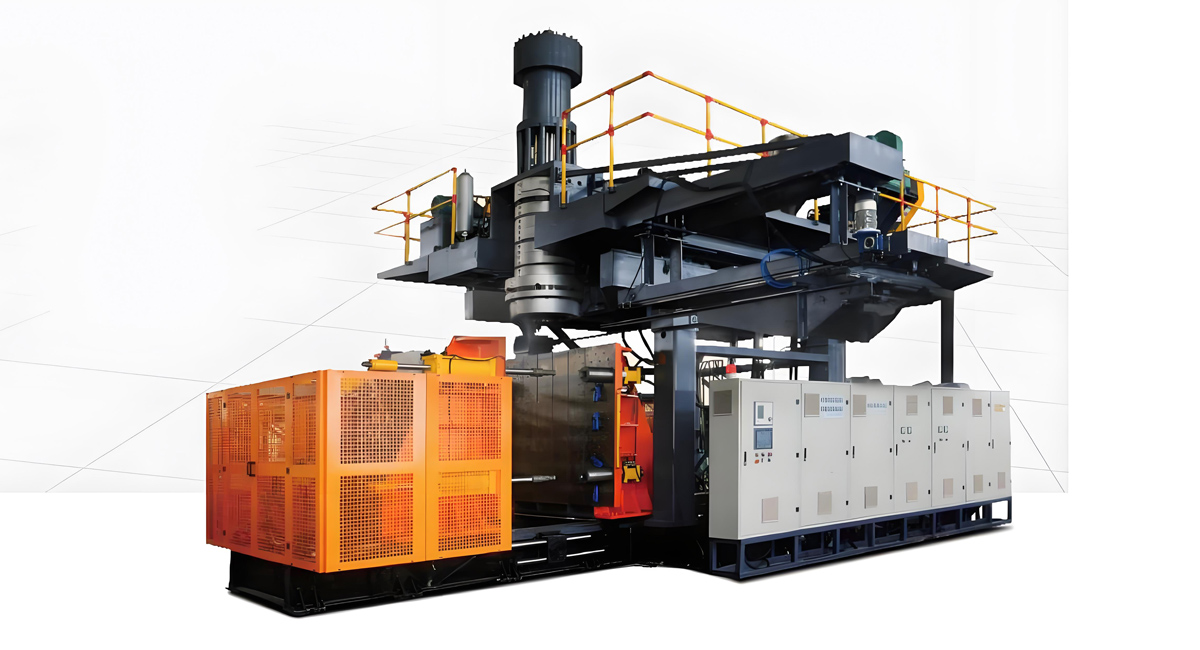
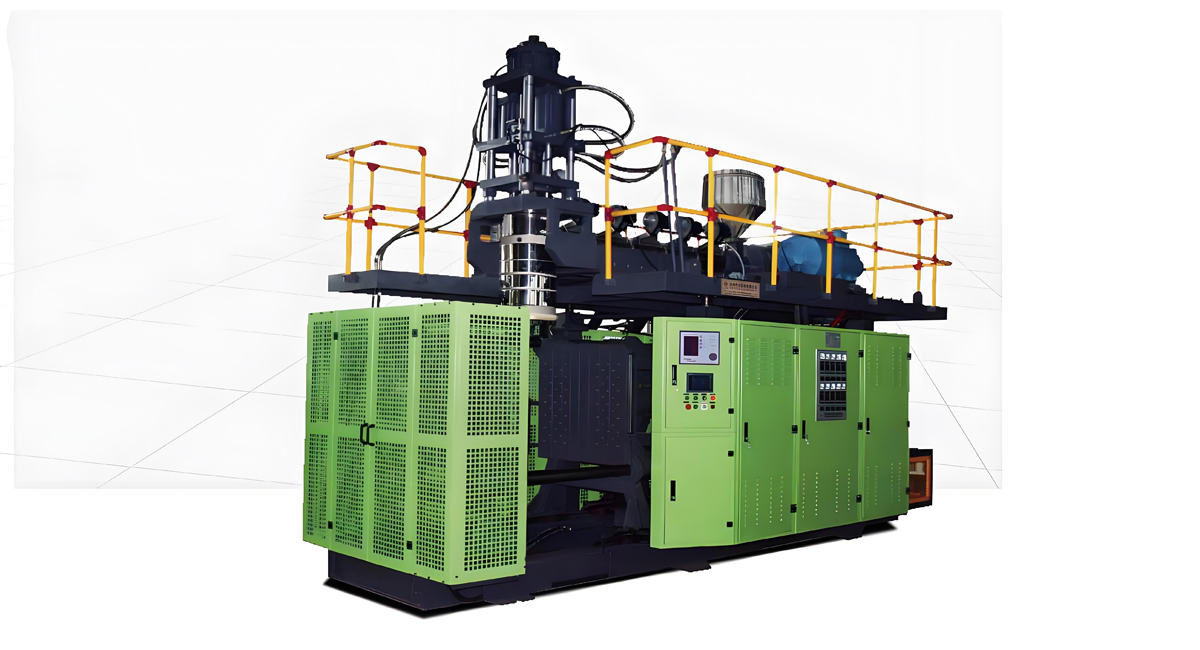
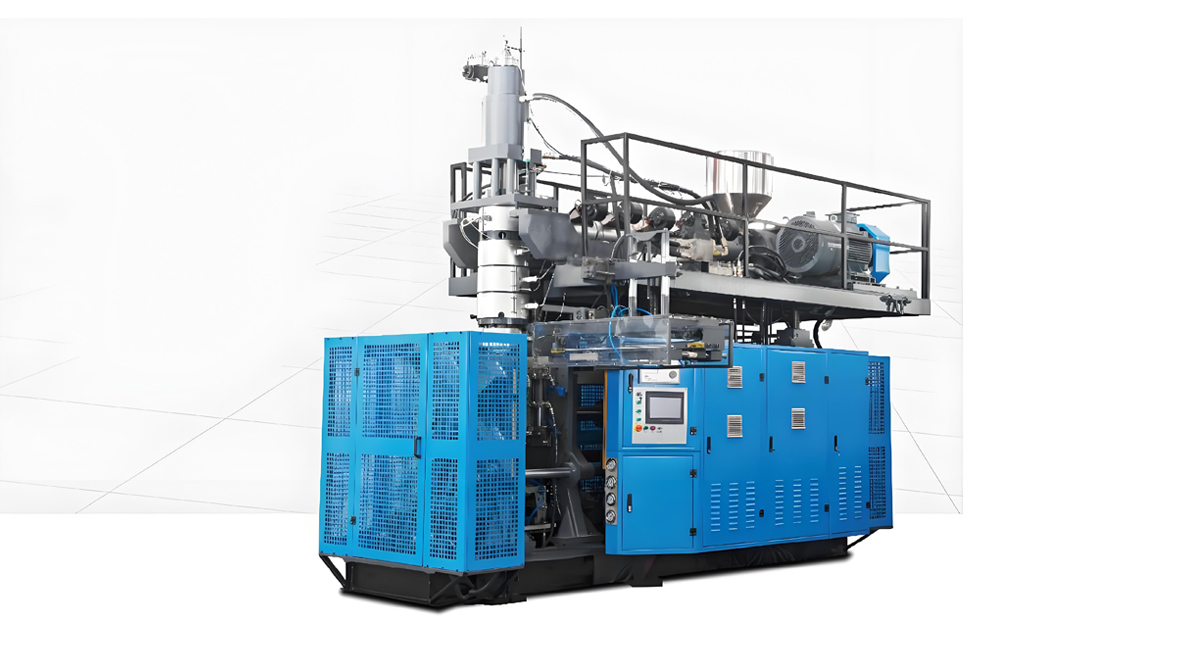
Apollo Extrusion Blow Molding Machines specifically designed for chemical container production incorporate features that address the unique requirements of this demanding application. These machines provide the precision, reliability, and corrosion resistance needed to produce high-quality chemical containers that meet industry standards and customer specifications. Apollo’s extensive experience in chemical container applications ensures that equipment addresses the processing challenges and quality requirements specific to this market segment.
Corrosion-resistant materials and coatings throughout machine construction protect critical components from chemical exposure and environmental corrosion. Stainless steel components are used for material contact surfaces exposed to corrosive polymers or cleaning chemicals. Protective coatings and surface treatments provide additional protection for components exposed to harsh operating environments. The corrosion-resistant construction extends equipment life and maintains consistent performance in chemical production environments that could degrade standard equipment.
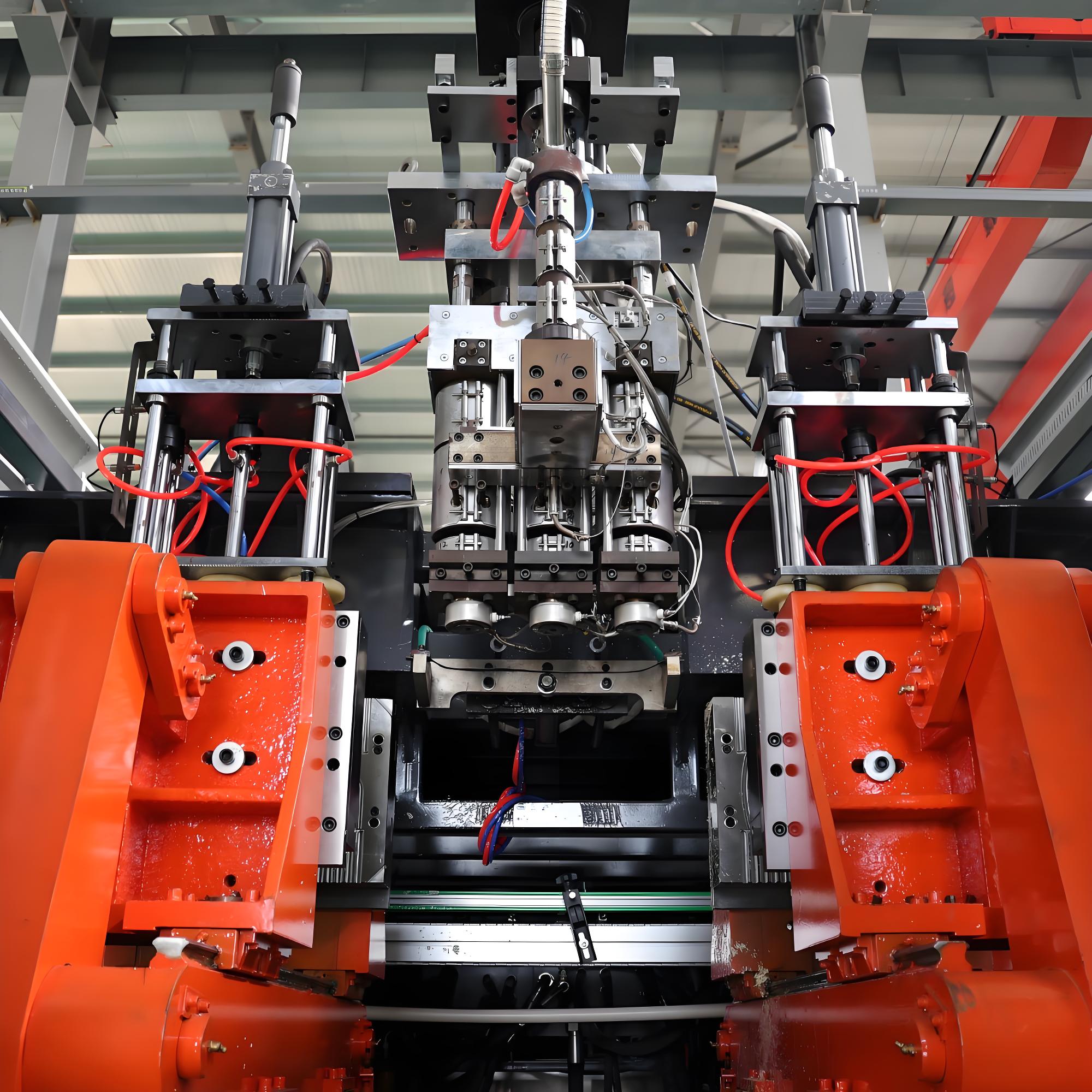
Advanced parison control systems ensure precise wall thickness distribution critical for chemical container performance and safety. Uniform wall thickness is essential for maintaining consistent mechanical properties and ensuring proper chemical resistance throughout the container. Parison programming capability enables optimization of material distribution to achieve required wall thickness while minimizing material usage. Precise wall thickness control is particularly important for chemical containers where local thin spots could compromise chemical resistance or structural integrity.
Enhanced quality control systems specifically designed for chemical container production ensure product integrity and regulatory compliance. In-line wall thickness measurement systems monitor and control wall thickness distribution throughout production runs. Leak testing capabilities verify container integrity before packaging and shipment. Dimensional inspection systems verify critical dimensions including neck finish and overall dimensions. These quality control systems prevent defective containers from reaching customers and provide documentation of quality compliance.
Equipment Specifications and Capabilities
Chemical container production requires equipment with specific capabilities designed to handle the material and processing requirements of chemical-resistant polymers. Equipment specifications vary based on container size, production volume, and material characteristics, but must provide reliable operation and consistent quality. Understanding equipment capabilities and matching them to production requirements is essential for successful chemical container manufacturing. Apollo offers a range of equipment options suitable for various chemical container applications.
Clamping systems for chemical container machines must provide adequate force for large container sizes and materials that require high blow pressures. Clamping forces typically range from 50 to 500 tons depending on container size and material requirements. The clamping system must maintain precise alignment and uniform pressure distribution to ensure proper mold closure and container quality. Apollo clamp systems incorporate robust construction and precision control to maintain consistent performance through demanding production cycles.
Extruder systems for chemical container production must handle high molecular weight materials and filled polymers that increase processing demands. Extruder sizes typically range from 50mm to 150mm screw diameter depending on container size and production requirements. Screw designs optimized for chemical container materials provide appropriate melting and mixing while maintaining melt quality. Extruder systems should incorporate adequate motor power and temperature control capability to handle demanding processing conditions.
Mold systems for chemical containers must accommodate large sizes, heavy wall thicknesses, and complex geometries required for chemical applications. Mold construction must use materials resistant to wear and chemical exposure. Cooling system design is critical for chemical containers to ensure proper solidification and dimensional stability while managing cycle times. Apollo works with experienced mold builders to provide mold systems optimized for chemical container production on their equipment.
Processing Parameters for Chemical Containers
Optimization of processing parameters is essential for achieving consistent quality and performance in chemical container production. Different materials and container sizes require specific processing conditions to achieve optimal properties. Understanding the effects of processing parameters on material properties and container performance enables production of containers that meet all application requirements. Proper parameter optimization must consider material characteristics, container design, and performance requirements.
Temperature profiles for chemical container materials must be optimized to achieve proper melting while preventing thermal degradation that could affect chemical resistance. Processing temperatures vary significantly between materials, with HDPE typically processed between 320-400°F (160-205°C), PP between 400-500°F (204-260°C), and PVC between 320-400°F (160-205°C). Temperature profiles should be established through testing and documented for consistent production. Temperature control accuracy of ±2-3°F is typically required to maintain consistent melt quality.
Blow pressure and timing must be optimized for each material and container geometry to achieve proper mold filling and wall thickness distribution. Chemical containers often require higher blow pressures due to thicker walls and materials with higher viscosity. Blow pressures typically range from 80-150 psi for small containers up to 300-500 psi for large drums. Blow timing must be synchronized with material solidification to achieve proper forming without excessive orientation that could affect stress cracking resistance.
Cooling time represents a significant portion of the cycle time for chemical containers due to thick wall sections. Proper cooling is essential to achieve desired mechanical properties and dimensional stability. Cooling times can range from 10-30 seconds for small containers up to 60-120 seconds for large drums depending on wall thickness and material. Cooling system design including mold cooling channels and mold temperature control significantly affects cycle time and productivity. Optimized cooling balances production efficiency with container quality requirements.
Quality Control and Testing
Comprehensive quality control and testing programs are essential for chemical container production to ensure product performance and regulatory compliance. Quality requirements for chemical containers are particularly stringent due to safety implications and regulatory oversight. Testing programs should address chemical compatibility, mechanical properties, dimensional accuracy, and functional performance. Apollo equipment incorporates quality control features that support rigorous quality requirements.
Chemical compatibility testing verifies that containers can safely store intended chemicals for required service life. Testing typically involves extended immersion of containers in test chemicals under worst-case conditions including elevated temperatures. Containers are monitored for weight changes, dimensional changes, visual defects, and property degradation over test periods ranging from weeks to months depending on application requirements. Testing should replicate actual service conditions including potential chemical concentration and temperature variations.
Drop testing evaluates container durability and impact resistance under handling and transportation conditions. Containers are filled to nominal capacity and dropped from specified heights onto various surfaces to simulate handling conditions. Drop heights typically range from 3-6 feet (0.9-1.8m) depending on container size and application requirements. Containers must remain intact without leaks or catastrophic failure under drop test conditions. Drop testing is particularly important for containers that will be filled, handled, and transported in commercial distribution.
Stack testing verifies that containers can withstand stacking loads encountered during storage and transportation. Containers are loaded to nominal weight and stacked to specified heights for extended periods while monitoring for deformation or failure. Stack loads can be substantial for chemical containers stored in warehouses and distribution centers. Stack testing ensures that containers maintain integrity and safety under realistic storage conditions. Testing should consider worst-case stacking conditions including temperature variations that can affect material properties.
Leak testing verifies container integrity and ensures that containers provide required chemical containment. Various leak testing methods including water submersion, pressure decay testing, and tracer gas detection may be employed depending on container requirements and sensitivity. Leak testing should detect even small leaks that could cause product loss or safety hazards. Testing specifications should establish acceptable leak rates based on container contents and application requirements.
Regulatory Compliance and Standards
Chemical containers must comply with numerous regulatory requirements and industry standards that address safety, environmental protection, and transportation regulations. Compliance with these requirements is mandatory for market access and legal operation. Understanding applicable regulations and implementing appropriate compliance strategies is essential for successful chemical container manufacturing. Apollo equipment supports production of containers meeting various regulatory requirements.
UN/DOT regulations govern transportation of hazardous materials and specify requirements for container design, testing, and marking. Containers for hazardous chemicals must be tested and certified according to UN standards that include drop testing, stacking testing, leak testing, and pressure testing. Certified containers must bear appropriate UN markings indicating contents, compatibility, and performance classifications. Compliance with UN/DOT regulations is mandatory for transportation of hazardous chemicals by commercial carriers.
OSHA regulations establish requirements for workplace safety including container design and handling of hazardous chemicals. Containers must be designed for safe handling and storage in workplace environments. Labeling requirements specify that containers must be properly labeled with contents and hazard information. Workplace chemical storage requirements may specify container design and construction requirements for specific chemical classes.
Environmental regulations including EPA requirements address container disposal and potential environmental impact. Containers must be designed to minimize environmental impact and enable proper disposal or recycling where possible. Regulations may specify requirements for container materials, construction, and marking for environmental compliance. Understanding and complying with environmental regulations is increasingly important for chemical container manufacturers.
Cost Analysis for Chemical Container Production
Understanding the cost structure for chemical container production is essential for pricing, investment decisions, and operational planning. Costs vary significantly based on container size, material selection, production volume, and quality requirements. Comprehensive cost analysis must consider equipment investment, material costs, operating expenses, and quality-related costs. Accurate cost estimation enables competitive pricing and informed investment decisions.
Equipment investment for chemical container production varies significantly based on capacity and automation level. Small to medium capacity machines for containers up to 5 liters typically range from 80,000 to 180,000 dollars. Medium to large capacity machines for containers up to 30 liters typically range from 150,000 to 350,000 dollars. Large capacity machines for containers up to 200 liters typically range from 300,000 to 600,000 dollars. These investments provide production capacity ranging from 100 to 5,000 containers per hour depending on container size and configuration.
Material costs represent a significant portion of overall production costs for chemical containers. HDPE material costs typically range from 1.50 to 2.50 dollars per pound depending on grade and volume. High molecular weight HDPE for demanding applications typically costs 2.00 to 3.50 dollars per pound. PP material costs typically range from 1.80 to 3.00 dollars per pound. PVC material costs vary widely based on formulation but typically range from 1.50 to 3.00 dollars per pound. Material costs for a 1-gallon HDPE container typically range from 0.30 to 0.60 dollars depending on wall thickness.
Operating costs including energy, labor, maintenance, and overhead must be included in production cost analysis. Energy costs for chemical container production typically range from 0.03 to 0.12 dollars per container depending on container size and material. Labor costs vary significantly based on automation level but typically range from 0.05 to 0.20 dollars per container. Maintenance costs typically average 3-5% of equipment value annually. Overhead costs including facility, administration, and indirect labor add to total production costs.
Production Optimization Strategies
Implementing production optimization strategies enables chemical container manufacturers to improve productivity, reduce costs, and maintain quality. Optimization should address material usage, cycle time, energy efficiency, and yield. Comprehensive optimization programs can significantly improve competitiveness and profitability in the chemical container market. Apollo equipment provides features and capabilities that support various optimization strategies.
Material optimization through precise parison control and minimal wall thickness requirements reduces material costs while maintaining container performance. Parison programming enables optimization of wall thickness distribution to use minimum material while achieving required strength and chemical resistance. Weight reduction through optimized design and processing can reduce material costs 5-15% while maintaining or improving performance. Material optimization provides direct cost savings and reduces environmental impact through reduced material consumption.
Cycle time reduction through optimized cooling, improved mold design, and automated functions improves productivity and reduces per-unit production costs. Cooling optimization including improved mold cooling channels and optimized mold temperature can reduce cooling time 10-20%. Automated functions including automatic deflashing and container handling reduce manual labor and cycle time. Even modest cycle time reductions can significantly increase daily production capacity and reduce per-container costs.
Energy consumption reduction through efficient equipment design, process optimization, and energy recovery systems lowers operating costs and environmental impact. Energy-efficient motors and drives can reduce energy consumption 10-30%. Process optimization including temperature profile optimization and reduced cycle times reduces energy usage per container. Energy recovery systems can capture and reuse heat from various processes to reduce overall energy requirements. Energy reduction strategies provide ongoing cost savings through reduced utility expenses.
Maintenance and Reliability
Chemical container production environments present unique maintenance challenges due to material characteristics and production requirements. Abrasive additives in chemical-resistant materials accelerate wear on processing components. Corrosive chemicals used in cleaning operations can degrade machine components. Heavy wall thicknesses and large container sizes increase mechanical loads on equipment. Implementing appropriate maintenance programs is essential for maintaining equipment reliability and production efficiency.
Preventive maintenance programs specifically designed for chemical container production should address the unique challenges of this application. Inspection intervals for wear components including screws, barrels, and molds should be more frequent than for standard materials due to accelerated wear. Protective coatings and surface treatments should be inspected and maintained to prevent corrosion from chemical exposure. Lubrication programs should address the specific needs of equipment operating under heavy loads and potentially corrosive conditions.
Wear component management including screws, barrels, and molds represents a significant maintenance consideration for chemical container production. Screw and barrel life may be reduced to 2-4 years compared to 5-7 years for standard materials due to abrasive additives. Hardened surfaces and specialized coatings can extend component life but increase initial cost. Mold life varies significantly based on container design and material but may range from 50,000 to 500,000 cycles depending on material and operating conditions.
Corrosion protection measures are essential for equipment operating in chemical production environments. Stainless steel components in material contact areas prevent corrosion from chemicals and cleaning agents. Protective coatings on painted surfaces prevent corrosion from chemical vapors and harsh cleaning operations. Regular cleaning prevents buildup of chemicals that could accelerate corrosion. Corrosion protection measures extend equipment life and maintain performance in demanding chemical production environments.
Apollo Support and Services
Apollo provides comprehensive support and services specifically designed to help chemical container manufacturers achieve success. These services include technical support, spare parts availability, training programs, and process optimization assistance. Apollo’s experience in chemical container applications enables them to provide valuable insights and support for customers entering this demanding market segment. Utilizing Apollo support services can accelerate production startup and optimize ongoing operations.
Technical support from Apollo includes assistance with machine startup, process optimization, troubleshooting, and problem resolution. Apollo engineers have extensive experience with chemical container applications and can provide valuable guidance for material selection, process parameters, and quality requirements. Remote diagnostic capabilities enable rapid problem identification and resolution. On-site support is available for complex issues or new machine startups. Technical support should be utilized proactively to prevent problems and reactively to resolve issues quickly.
Spare parts support for chemical container applications includes availability of critical components and wear items. Apollo maintains inventory of spare parts to support customers worldwide and minimize downtime. Critical components including screws, barrels, and molds should be stocked based on replacement intervals to prevent production disruptions. Original manufacturer parts ensure compatibility and performance. Spare parts support from Apollo helps minimize downtime and maintain equipment performance.
Training programs from Apollo cover machine operation, maintenance, and troubleshooting specifically for chemical container production. Training programs can be customized to customer needs and conducted at customer facilities or Apollo locations. Proper training ensures that operators and maintenance personnel understand equipment capabilities and maintenance requirements specific to chemical container production. Well-trained personnel contribute to equipment reliability, product quality, and operational efficiency.
Market Applications and Opportunities
The chemical container market encompasses diverse applications across multiple industry segments, each with specific requirements and opportunities. Understanding market dynamics and application requirements enables manufacturers to target appropriate market segments and develop competitive capabilities. Chemical container demand continues to grow driven by industrial production, agricultural activities, and consumer product markets. Apollo equipment provides capabilities to serve diverse chemical container applications.
Industrial chemical containers represent a significant market segment including containers for acids, bases, solvents, lubricants, and other industrial chemicals. These applications require containers with proven chemical resistance and regulatory compliance. Container sizes range from small bottles to large drums depending on application and distribution requirements. Industrial chemical container manufacturing serves diverse industries including manufacturing, metal processing, and industrial services.
Agricultural chemical containers include containers for pesticides, herbicides, fertilizers, and other agricultural chemicals. These applications require containers that can withstand chemical exposure and outdoor storage conditions. Regulatory requirements for agricultural chemical containers are particularly stringent due to environmental and safety concerns. Agricultural container demand is influenced by agricultural production cycles and seasonal factors.
Household chemical containers encompass a wide range of products including cleaners, detergents, automotive products, and pool chemicals. These applications require attractive appearance in addition to functional performance. Consumer preferences for convenient packaging and product safety influence container design and material selection. Household chemical container demand is relatively stable but influenced by consumer spending and product preferences.
Future Trends and Developments
The chemical container market continues to evolve influenced by regulatory changes, environmental concerns, and technological developments. Future trends will create both challenges and opportunities for chemical container manufacturers. Staying current with industry developments and adapting to changing requirements is essential for long-term success. Apollo continues to develop equipment and capabilities that address emerging trends and requirements.
Sustainability initiatives are increasingly influencing chemical container requirements including demand for recycled content, lightweight designs, and improved recyclability. Regulations and customer requirements may mandate minimum recycled content levels. Lightweight designs reduce material usage and transportation costs but must maintain performance requirements. Improved recyclability including material selection and design for recycling addresses end-of-life considerations. Sustainability initiatives will require adaptation of materials and processing technologies.
Advanced materials including specialty polymers with enhanced chemical resistance, barrier properties, or performance characteristics continue to develop. These materials may require specialized processing equipment and techniques. Processing challenges for advanced materials include temperature requirements, moisture sensitivity, and crystallization behavior. Equipment flexibility and adaptability will be increasingly important to accommodate emerging materials. Manufacturers adopting advanced materials may gain competitive advantages in performance-focused market segments.
Regulatory developments continue to evolve affecting chemical container design, testing, and certification requirements. New regulations may address chemical safety, environmental protection, or transportation safety. Compliance with changing regulations requires ongoing monitoring and adaptation of container designs and production processes. Proactive engagement with regulatory developments enables manufacturers to anticipate and prepare for changes. Compliance with current and future regulations is essential for market access and legal operation.
Conclusion
Chemical container production using extrusion blow molding machines requires specialized equipment, materials, and processing capabilities to meet demanding requirements. Corrosion resistance represents a fundamental requirement for both equipment and containers. Material selection, processing optimization, and quality control are critical factors in successful chemical container manufacturing. Apollo Extrusion Blow Molding Machines provide the capabilities and features needed to produce high-quality chemical containers that meet industry requirements and customer specifications.
Understanding the unique requirements of chemical container applications enables manufacturers to make informed decisions about equipment investment, material selection, and process optimization. Chemical containers must provide reliable performance in demanding environments while meeting regulatory requirements and maintaining cost competitiveness. Apollo’s experience and capabilities in chemical container applications provide customers with reliable equipment solutions and technical support.
As the chemical container market continues to evolve, equipment capabilities and processing technologies must adapt to changing requirements. Sustainability initiatives, advanced materials, and regulatory developments will continue to shape the market. Apollo’s commitment to innovation and customer success ensures that equipment and support will continue to address emerging needs and requirements in chemical container production.