Introduction to Portable Blow Molding Technology
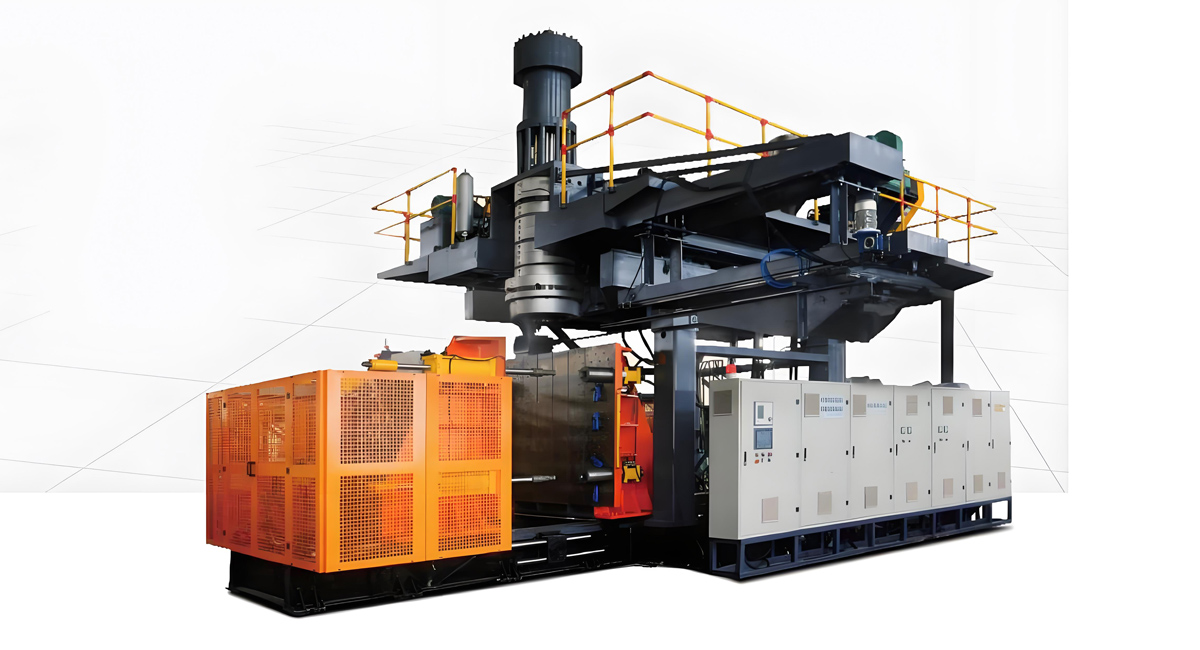
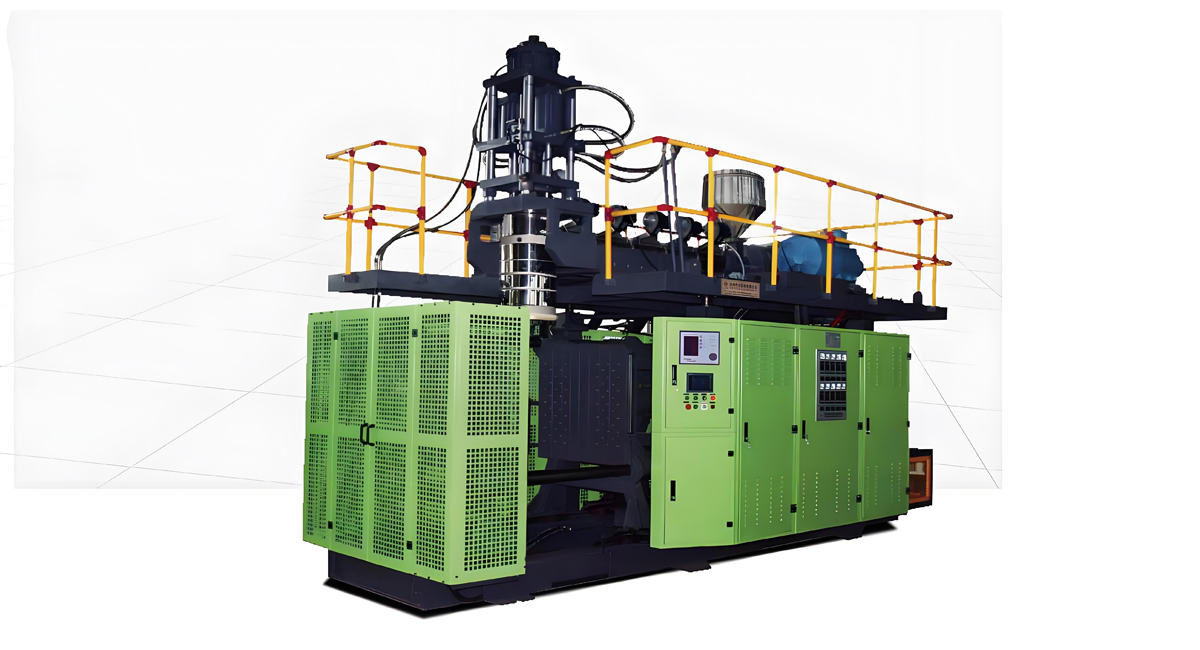
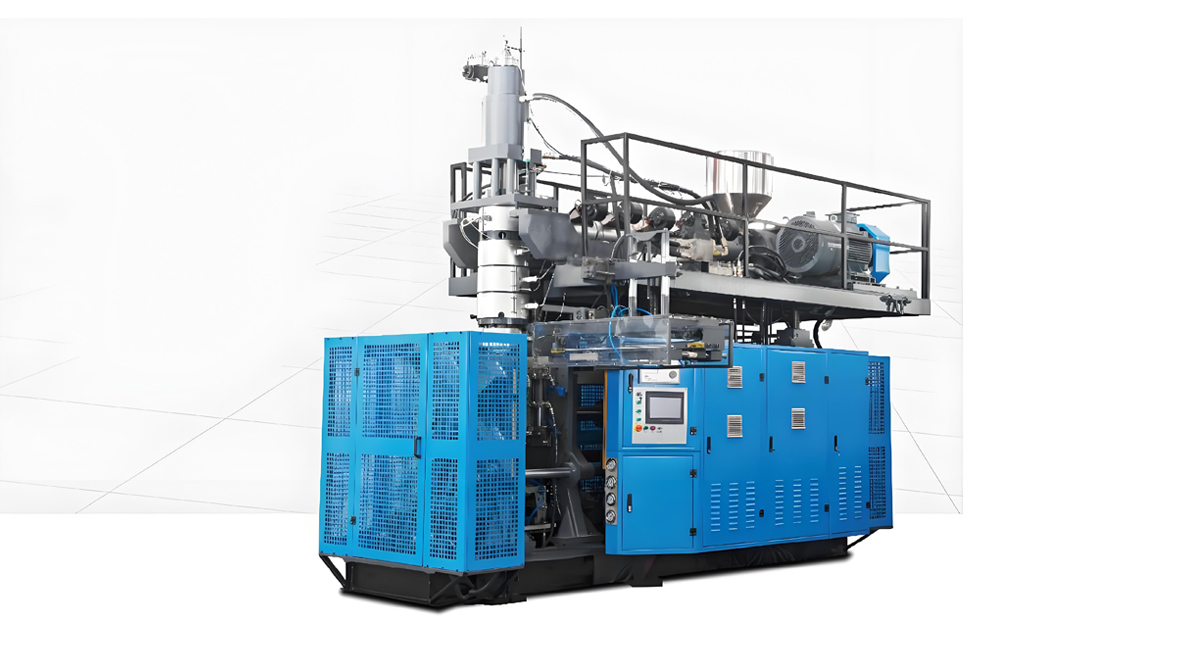
The demand for compact and portable extrusion blow molding machines has grown significantly as small businesses, startups, and specialty manufacturers seek flexible production solutions. Portable blow molding machines offer the capability to produce plastic containers in-house without requiring large floor space or substantial capital investment. These machines provide an accessible entry point into container manufacturing, enabling entrepreneurs and small businesses to reduce packaging costs, improve product differentiation, and maintain control over production quality. Apollo Extrusion Blow Molding Machines include portable models specifically designed for small workshop environments.
Portable extrusion blow molding machines typically feature compact footprints, reduced power requirements, and simplified operation compared to industrial-scale equipment. Despite their smaller size, these machines incorporate advanced technologies and precision control systems that enable production of high-quality containers. The portability and reduced scale make these machines ideal for applications requiring lower production volumes, frequent product changes, or limited floor space. Small workshop environments particularly benefit from the space efficiency and operational flexibility provided by portable blow molding equipment.
The market for portable blow molding machines continues to expand as businesses recognize the advantages of in-house production capabilities. Startup companies benefit from reduced initial investment and ability to scale production gradually. Specialty manufacturers appreciate the flexibility to produce custom containers without minimum order quantities. Small workshops can add container production capabilities without requiring major facility modifications. Apollo portable blow molding machines address the needs of these diverse market segments with equipment designed for reliability, ease of operation, and quality production.
Advantages of Portable Blow Molding Machines
Portable extrusion blow molding machines offer numerous advantages that make them attractive options for small-scale production environments. These advantages include reduced capital investment, space efficiency, operational flexibility, and simplified maintenance requirements. Understanding these advantages helps businesses evaluate whether portable blow molding technology meets their production needs and business objectives. The benefits of portable machines extend beyond initial cost savings to include ongoing operational advantages.
Reduced capital investment represents one of the most significant advantages of portable blow molding machines. Portable models typically cost 40-70% less than comparable industrial-scale equipment, with prices ranging from 60,000 to 180,000 dollars depending on capacity and configuration. This lower investment reduces financial risk for startups and allows businesses to test production concepts without committing to large-scale equipment. The reduced capital requirement also enables faster return on investment through lower upfront costs and flexibility to scale production as business grows.
Space efficiency is particularly valuable for small workshops with limited floor area. Portable blow molding machines typically require less than 200 square feet of floor space, including space for material storage and finished product handling. The compact footprint enables installation in facilities that could not accommodate larger equipment. Vertical configurations and integrated design features further optimize space utilization. Space efficiency enables small businesses to add production capabilities without expanding facilities or relocating operations.
Operational flexibility provided by portable machines supports diverse production requirements and business models. Lower production volumes enable small batch production for specialty or seasonal products. Quick mold change capability supports multiple container designs on shared equipment. Reduced production minimums allow prototyping and testing of new packaging concepts without large material commitments. This flexibility is particularly valuable for startups developing new products or established businesses testing new market segments.
Apollo Portable Machine Specifications
Apollo offers a range of portable extrusion blow molding machines designed specifically for small workshop applications. These machines combine advanced technology with compact design to provide reliable container production in space-efficient packages. Understanding the specifications and capabilities of different models enables selection of appropriate equipment for specific production requirements. Apollo portable machines provide proven performance in diverse small-scale production environments.
Mini-model portable machines from Apollo are designed for very small container production and prototyping applications. These machines typically produce containers from 100ml to 2 liters in capacity with production rates of 100 to 800 containers per hour depending on container size. Clamping force typically ranges from 30 to 80 tons, adequate for small to medium-sized containers. Screw diameters of 45-65mm provide appropriate melt capacity for these production rates. Machine footprints typically range from 15-25 square feet, making them ideal for very limited spaces.
Mid-range portable models from Apollo offer increased production capacity while maintaining space efficiency. These machines typically produce containers from 500ml to 5 liters with production rates of 300 to 2,000 containers per hour. Clamping force ranges from 80 to 150 tons, supporting larger containers and thicker walls. Screw diameters of 65-90mm provide increased melt capacity for higher production rates. Machine footprints typically range from 25-40 square feet, still suitable for small workshop environments.
Advanced portable models from Apollo provide production capabilities approaching smaller industrial machines while maintaining portability advantages. These machines produce containers from 1 liter to 10 liters with production rates of 800 to 4,000 containers per hour. Clamping force up to 200 tons supports larger containers and higher cavity molds. Screw diameters up to 110mm provide substantial melt capacity. Machine footprints typically range from 40-60 square feet, requiring more space but still compact compared to industrial equipment.
Machine Configuration and Features
Portable blow molding machines incorporate various configuration options and features that enable customization for specific production requirements. Understanding these configuration options helps businesses select equipment that matches their current needs while providing growth capability. Feature selection should consider production requirements, operator skill levels, and budget constraints. Apollo portable machines offer configuration flexibility to meet diverse customer needs.
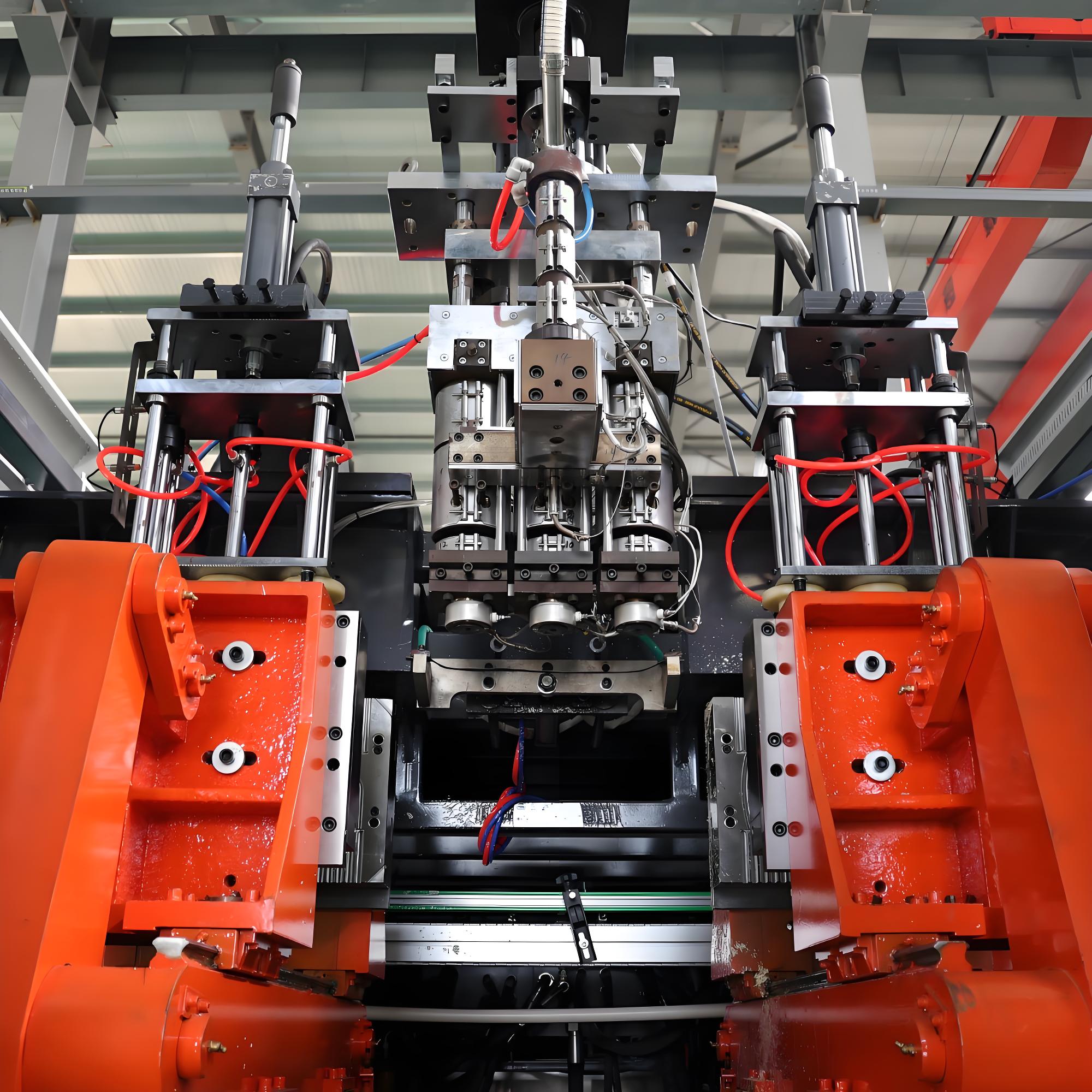
Mold configurations for portable machines typically range from 1 to 4 cavities depending on container size and machine capacity. Single-cavity molds provide maximum flexibility for product changes and are ideal for prototyping or low-volume production. Two-cavity molds offer a balance between flexibility and production rate. Four-cavity molds maximize production rate but are less suitable for frequent product changes. Cavity configuration should be selected based on production volume requirements and product diversity.
Automation levels vary across portable machine models from manual to semi-automated to fully automated configurations. Manual operation minimizes initial investment but requires more operator involvement and typically lower production rates. Semi-automated configurations include automatic deflashing and possibly automatic container ejection, reducing labor requirements while maintaining reasonable investment levels. Fully automated configurations include automated material handling, container ejection, and quality inspection, maximizing production but requiring higher investment.
Control system sophistication varies from basic to advanced depending on machine model and configuration. Basic control systems provide essential functions with simple interfaces suitable for operators with minimal training. Advanced control systems include touch-screen interfaces, recipe storage for different products, and real-time monitoring of process parameters. Advanced systems also may include remote monitoring capabilities, data logging, and diagnostic functions. Control system selection should consider operator skill levels and production monitoring requirements.
Production Capacity and Efficiency
Understanding the production capacity and efficiency characteristics of portable blow molding machines is essential for production planning and business viability. Production capacity varies significantly based on machine size, container characteristics, and operational efficiency. Analyzing production capabilities enables realistic production planning and evaluation of business opportunities. Apollo portable machines provide production efficiency that supports diverse business models.
Production rates for portable machines depend on container size, material, and machine configuration. Small containers of 100-500ml can be produced at rates of 800-4,000 containers per hour depending on machine size and cavity configuration. Medium containers of 500ml-2L typically produce at rates of 300-2,000 containers per hour. Large containers of 2-10L typically produce at rates of 100-800 containers per hour. Production rates assume optimized cycle times and reasonable uptime levels.
Cycle time optimization is critical for achieving efficient production rates on portable machines. Cycle times vary significantly based on container size, wall thickness, and material characteristics. Small containers with thin walls may achieve cycle times of 8-15 seconds. Medium containers typically require 12-25 second cycle times. Large containers with thick walls may require 20-45 second cycle times. Cycle time optimization through mold design, cooling efficiency, and process parameters directly impacts production efficiency.
Operational efficiency considerations include setup time, changeover time between products, and uptime percentage. Setup time for new installations typically ranges from 2-5 days depending on complexity and site preparation. Product changeover time varies from 30 minutes for simple changes to several hours for mold changes and material changes. Uptime percentage for well-maintained portable machines should exceed 90%, with maintenance downtime typically representing 5-10% of available time. Operational efficiency directly impacts production capability and cost per container.
Material Processing Capabilities
Portable blow molding machines must accommodate various materials to support diverse product requirements. Material compatibility considerations include processing characteristics, temperature requirements, and material handling needs. Understanding material capabilities enables selection of equipment that can process required materials for planned products. Apollo portable machines provide broad material compatibility within design constraints.
High-density polyethylene (HDPE) is the most commonly processed material on portable blow molding machines due to favorable processing characteristics and broad applicability. HDPE processing temperatures typically range from 320-400°F (160-205°C) with moderate cooling requirements. The material provides good chemical resistance and mechanical properties for many container applications. HDPE processing on portable machines typically yields excellent results with standard machine configurations and does not require special handling.
Polypropylene (PP) processing on portable machines requires higher temperatures and potentially modified cooling configurations. PP processing temperatures typically range from 400-500°F (204-260°C), requiring adequate heating capacity. The material provides higher temperature resistance and chemical resistance for specific applications. PP processing may require mold temperature control to optimize crystallization and clarity. Portable machines should have adequate heating capacity and possibly mold temperature control for PP processing.
Polyethylene terephthalate (PET) processing presents challenges for portable machines due to higher processing temperatures and drying requirements. PET processing temperatures range from 500-570°F (260-300°C), requiring substantial heating capacity. The material requires pre-drying to moisture levels below 0.005% to prevent degradation. Portable machines processing PET should include adequate heating capacity, drying systems, and appropriate screw design. PET processing expands product capabilities but increases equipment requirements.
Installation and Facility Requirements
Portable blow molding machines have specific installation and facility requirements that must be addressed for successful operation. These requirements include utilities, floor space, environmental conditions, and material handling considerations. Proper planning for installation ensures successful machine startup and ongoing reliable operation. Apollo provides installation support and guidance for facility preparation.
Electrical requirements for portable machines vary based on machine size and configuration. Smaller portable machines may operate on single-phase 220V power with current requirements of 30-60 amps. Larger portable machines typically require three-phase 380V power with current requirements of 60-150 amps. Electrical service should include appropriate breakers, disconnects, and grounding. Electrical capacity verification before installation prevents startup delays and potential power issues.
Air supply requirements for blow molding include adequate pressure and flow for container formation. Typical air requirements include pressure of 100-150 psi with flow rates of 30-100 cubic feet per minute depending on machine size and container requirements. Air compressors should provide sufficient capacity and include air drying to prevent moisture-related problems. Air receiver tanks help maintain stable pressure during blow cycles. Air supply quality and capacity directly impacts production capability and product quality.
Cooling water requirements depend on machine size and production rates but are typically less than for larger machines due to lower production capacity. Water flow requirements typically range from 10-50 gallons per minute depending on machine size. Water quality should be maintained to prevent scaling and corrosion in cooling systems. Cooling tower or chiller capacity should be sized based on machine requirements and ambient conditions. Adequate cooling capacity is essential for maintaining cycle times and production efficiency.
Cost Analysis and Return on Investment
Comprehensive cost analysis is essential for evaluating the economic viability of portable blow molding machine investments. Costs include capital equipment, installation, operation, materials, and maintenance. Understanding the complete cost structure enables accurate pricing, profit analysis, and investment evaluation. Portable machines offer favorable economics for appropriate applications but require realistic cost assumptions.
Capital equipment costs for portable blow molding machines vary based on size, capacity, and configuration. Mini-model portable machines typically cost 60,000-100,000 dollars depending on features and automation level. Mid-range portable machines typically cost 100,000-160,000 dollars. Advanced portable models with higher capacity and automation typically cost 150,000-220,000 dollars. Installation costs typically add 5,000-15,000 dollars depending on site preparation requirements and complexity.
Operating costs include energy, labor, maintenance, and overhead expenses. Energy costs for portable machines typically range from 2-10 dollars per hour depending on machine size and local rates. Labor costs vary significantly based on automation level but typically range from 20-50 dollars per hour including benefits. Maintenance costs typically average 3-5% of equipment value annually. Overhead costs including facility, administration, and indirect expenses vary but typically add 10-30% to direct operating costs.
Return on investment analysis depends on production volume, product pricing, and operational efficiency. As an example, a mid-range portable machine producing 1-liter HDPE containers at 1,200 containers per hour, operating 8 hours per day, 250 days per year produces 2.4 million containers annually. Assuming material cost of 0.25 dollars per container and total operating cost of 0.35 dollars per container, with selling price of 0.60 dollars per container, annual profit would be 600,000 dollars against equipment investment of 150,000 dollars, yielding approximately 3 month payback under favorable conditions.
Applications and Market Opportunities
Portable blow molding machines enable diverse applications and market opportunities across various industry segments. Understanding market opportunities helps businesses identify promising applications and develop effective business strategies. Portable machine capabilities support both traditional container applications and niche specialty products. Apollo portable machines provide capabilities to serve diverse market segments.
Small beverage producers represent a significant market opportunity for portable blow molding machines. Craft beverage producers, specialty drinks, and regional beverage brands benefit from in-house container production capabilities. Beverage containers typically require high clarity and precise dimensional characteristics for compatibility with filling equipment. Portable machines producing PET or HDPE beverage containers enable beverage producers to control packaging design and reduce packaging costs. Market opportunity varies based on beverage segment and local market conditions.
Cosmetic and personal care products represent another significant market for portable blow molding machines. Small cosmetic companies, artisanal product producers, and specialty personal care brands value custom container capabilities. Cosmetic containers require excellent surface finish, precise dimensions, and compatibility with product formulations. Portable machines producing HDPE, PP, or PET cosmetic containers support product differentiation and premium positioning. Market opportunity depends on product segment and brand strategy.
Chemical and industrial product applications include containers for household chemicals, automotive products, and industrial chemicals. These applications require chemical resistance, appropriate mechanical properties, and regulatory compliance. Portable machines producing HDPE or PP chemical containers enable chemical product manufacturers to control container design and reduce packaging costs. Market opportunity depends on chemical segment, distribution requirements, and regulatory environment. Portable machines provide flexibility for chemical container production in smaller volumes.
Training and Support Requirements
Successful operation of portable blow molding machines requires appropriate training and support systems. Training needs vary based on operator experience level, machine complexity, and production requirements. Support systems including technical documentation, spare parts availability, and technical assistance contribute to long-term operational success. Apollo provides comprehensive training and support for portable machine customers.
Operator training programs should cover machine operation, parameter adjustment, quality monitoring, and basic troubleshooting. Training duration varies from 2-5 days depending on operator experience and machine complexity. Training should include both classroom instruction and hands-on machine operation. Well-trained operators contribute to product quality, production efficiency, and equipment longevity. Ongoing training for new operators and refresher training for experienced operators maintains operational excellence.
Maintenance training ensures that maintenance personnel can perform routine maintenance activities, identify developing problems, and perform basic troubleshooting. Maintenance training typically covers lubrication, inspection procedures, component replacement, and preventive maintenance. Training duration varies from 3-7 days depending on prior experience and machine complexity. Proper maintenance training extends equipment life, reduces downtime, and reduces reliance on external service providers.
Technical support from Apollo provides assistance with machine operation, troubleshooting, and optimization. Remote support via phone and email enables rapid response to questions and problems. On-site support is available for installation, startup, and complex issues. Technical support documentation including operation manuals, maintenance guides, and troubleshooting procedures provide ongoing reference. Utilizing available technical support prevents small issues from becoming major problems and optimizes machine performance.
Maintenance and Reliability Considerations
Maintenance requirements and equipment reliability significantly impact production efficiency and operating costs. Portable blow molding machines require regular maintenance to maintain reliable operation and product quality. Understanding maintenance requirements and implementing appropriate programs ensures consistent performance and extends equipment life. Apollo portable machines are designed for reliability with manageable maintenance requirements.
Daily maintenance activities for portable machines include visual inspection, lubrication, and cleaning. Operators should check for unusual sounds, vibrations, or leaks that indicate developing problems. Critical lubrication points should be lubricated according to manufacturer recommendations. Cleaning of material contact surfaces prevents contamination and ensures consistent product quality. Daily maintenance activities typically require 15-30 minutes but prevent larger problems and ensure consistent operation.
Weekly maintenance includes more thorough inspection, cleaning of less accessible areas, and verification of calibration accuracy. Weekly inspections should check electrical connections, pneumatic systems, and cooling systems for proper operation. Calibration verification of temperature and pressure sensors ensures accurate process control. Weekly maintenance typically requires 1-2 hours but identifies developing issues before they cause failures. Regular weekly maintenance reduces unplanned downtime and extends equipment life.
Preventive maintenance schedules should replace wear items before failure based on operating hours or calendar time. Heater elements, seals, bearings, and other wear components have predictable service lives and should be replaced preventively. Preventive replacement typically costs less than emergency repairs including production downtime. Preventive maintenance planning based on machine operation history and manufacturer recommendations optimizes maintenance investment. Preventive maintenance reduces unplanned downtime and extends equipment service life.
Quality Control and Product Testing
Quality control systems for portable blow molding machines ensure consistent product quality and customer satisfaction. Quality requirements vary by application but typically include dimensional accuracy, visual appearance, and functional performance. Implementing appropriate quality control measures ensures that products meet specifications and customer expectations. Apollo portable machines include quality control features supporting various quality requirements.
Dimensional quality control includes verification of critical dimensions including overall dimensions, neck finish, and wall thickness. Dimensional verification should be performed at appropriate intervals during production to detect process variations. Statistical process control techniques can track dimension trends and indicate when adjustments are needed. Dimensional accuracy is particularly important for containers that must interface with filling equipment or caps. Consistent dimensional quality ensures customer satisfaction and reliable performance.
Visual quality control inspection examines product appearance for defects affecting appearance or function. Visual defects may include surface imperfections, color variations, flash, or sink marks. Inspection frequency depends on production volume and quality requirements but typically ranges from checking every 100th container to every 1,000th container for high-volume production. Visual inspection standards should be documented and inspectors trained to recognize defects. Consistent visual quality is essential for consumer products where appearance affects marketability.
Functional testing verifies that containers perform as intended in actual use. Testing may include leak testing, drop testing, stack testing, or compatibility testing with product contents. Functional testing frequency depends on risk level and regulatory requirements but should be performed at appropriate intervals. Test protocols should be documented and test results recorded. Functional testing ensures product performance and reliability in actual use conditions.
Future Developments and Trends
The portable blow molding machine market continues to evolve influenced by technological developments, market demands, and economic factors. Future developments will create new opportunities and challenges for businesses utilizing portable blow molding technology. Staying current with market trends and technological developments enables businesses to adapt and capitalize on emerging opportunities. Apollo continues to develop portable machine technologies addressing emerging market needs.
Technological advancements in portable machines continue to enhance capabilities while maintaining portability advantages. Improved control systems with touch-screen interfaces and advanced programming enhance operator productivity. Enhanced energy efficiency reduces operating costs and environmental impact. Integrated quality inspection systems automate quality monitoring. These technological advancements increase portable machine capabilities and make them suitable for broader application ranges.
Market trends toward product localization and customization favor portable machine capabilities. Businesses increasingly value local production capabilities and ability to produce custom containers for market differentiation. Portable machines provide flexibility to produce small batches and custom designs without large-scale equipment. Market fragmentation and product proliferation increase demand for flexible production capabilities. These market trends favor portable blow molding technology.
Sustainability considerations increasingly influence container production decisions including material selection and processing efficiency. Portable machines support use of recycled materials and biodegradable materials for sustainable packaging. Energy-efficient designs reduce environmental impact. Material optimization through precise wall thickness control reduces material usage. Sustainability initiatives create both challenges and opportunities for portable blow molding applications. Equipment that supports sustainability goals provides competitive advantages in environmentally conscious markets.
Conclusion
Portable extrusion blow molding machines provide small businesses and workshops with accessible container production capabilities that were previously only available to larger manufacturers. These machines combine compact size with advanced technology to enable high-quality container production in space-efficient packages. The reduced capital investment, operational flexibility, and space efficiency of portable machines create opportunities for diverse business models and market applications.
Apollo Extrusion Blow Molding Machines for small workshops provide reliable, efficient container production capabilities tailored to the needs of small-scale operations. The range of machine sizes and configurations enables selection of appropriate equipment for specific production requirements and business models. Apollo’s commitment to quality and customer success ensures that portable machines deliver performance and reliability supporting business growth and profitability.
As market trends continue toward product localization, customization, and sustainability, portable blow molding machines will play increasingly important roles in enabling small businesses to compete with larger manufacturers. Investment in portable blow molding technology provides small businesses with production flexibility, cost control, and product differentiation capabilities that support competitive advantage in dynamic market environments.