
Introduction to Mass Production Requirements
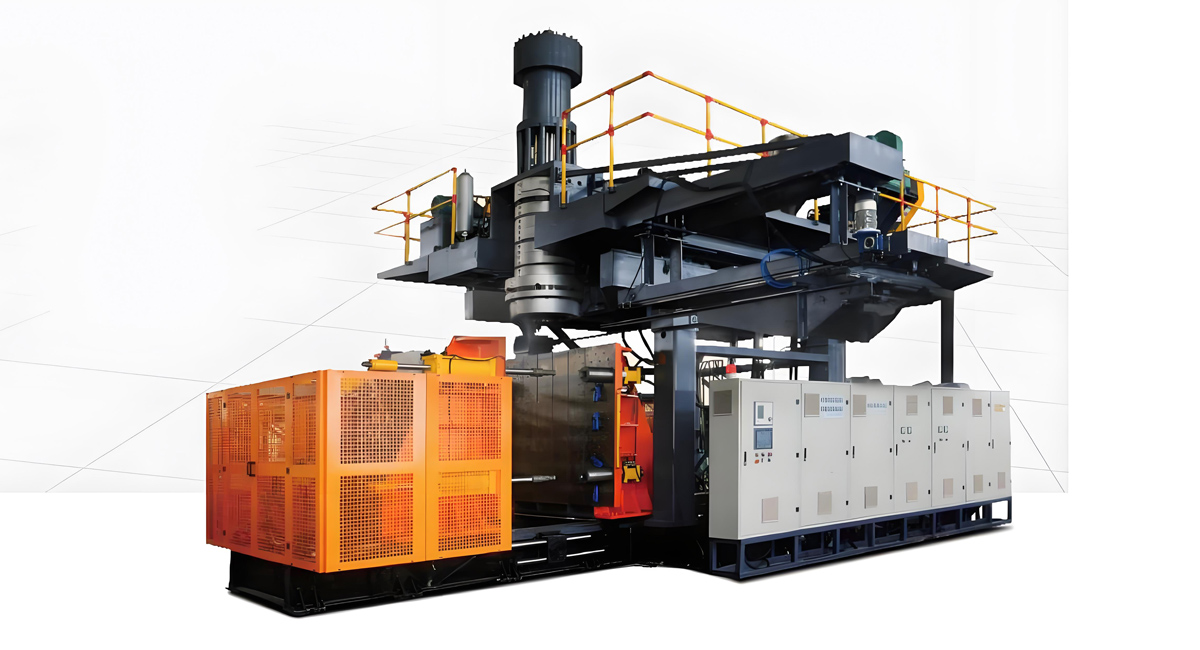
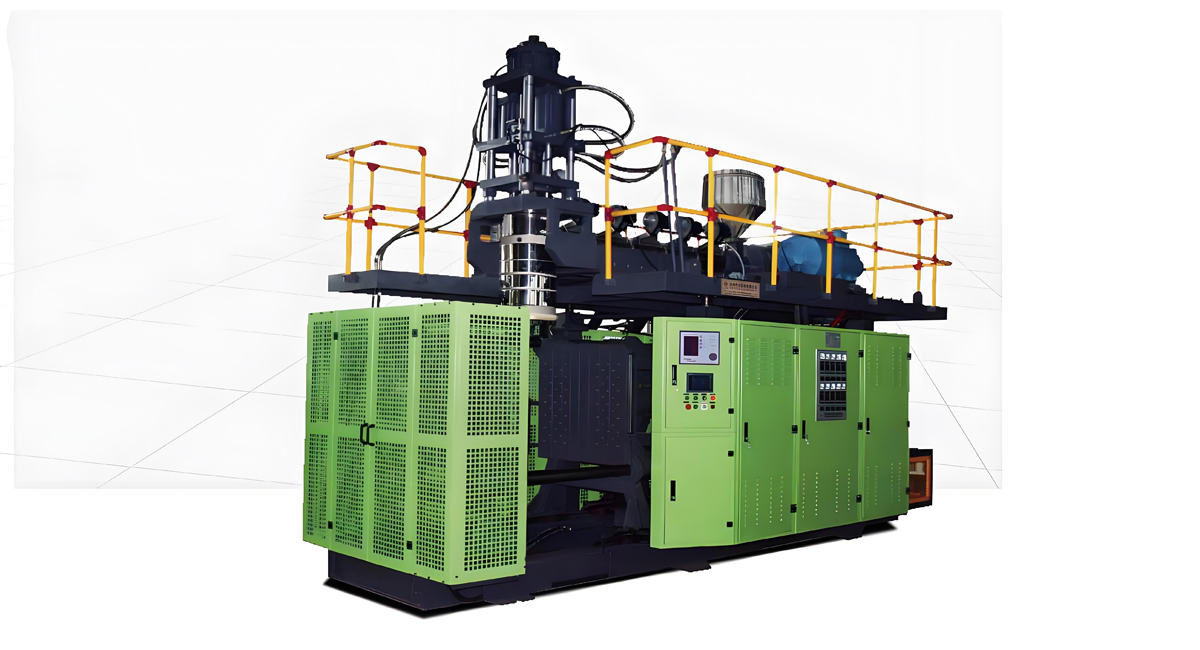
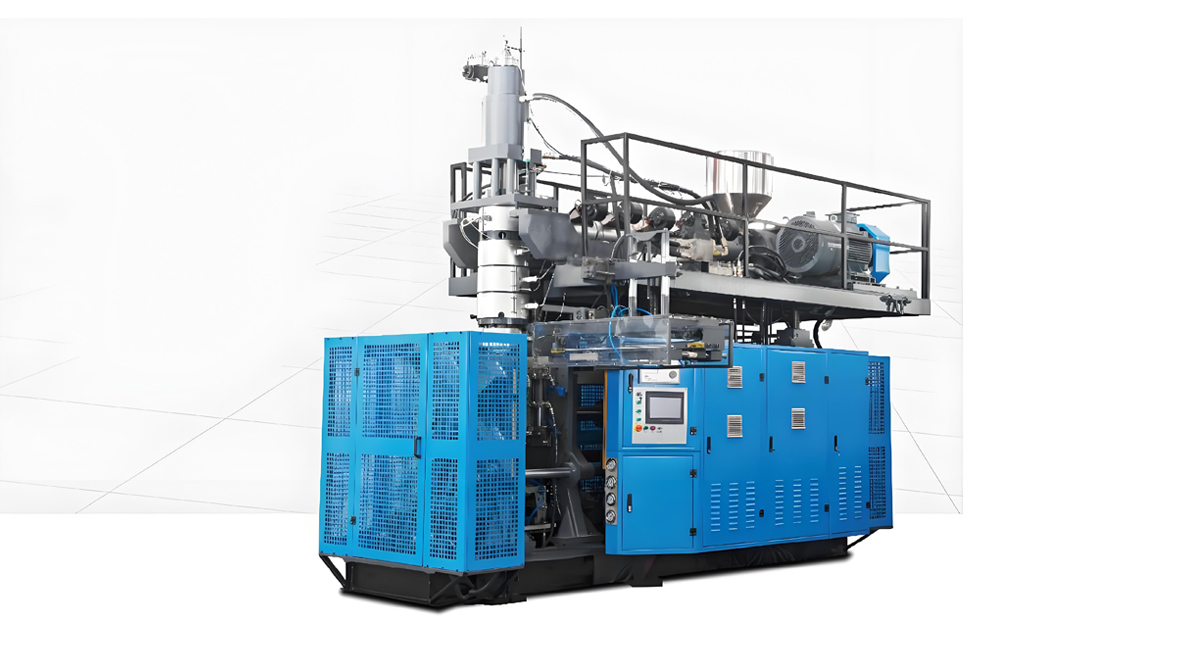
Mass production of plastic containers demands extrusion blow molding machines capable of delivering consistent performance, high throughput, and reliable operation over extended production runs. High performance equipment must combine advanced technology, robust construction, and sophisticated control systems to meet the demanding requirements of industrial scale production. This comprehensive guide explores the characteristics, capabilities, and benefits of high performance extrusion blow molding machines designed for stable mass production operations.
The transition from small scale production to mass production creates unique challenges that standard equipment may not adequately address. Higher production volumes require extrusion blow molding machines that maintain quality consistency while operating at maximum capacity for extended periods. Reliability becomes critical, as unplanned downtime results in significant production losses. High performance extrusion blow molding machines are engineered specifically to meet these mass production challenges, offering the durability, precision, and efficiency that large scale operations require.
Understanding High Performance Standards
Defining High Performance in Blow Molding
High performance in extrusion blow molding machines encompasses multiple dimensions including production speed, quality consistency, operational reliability, and energy efficiency. Production speed addresses the quantity of containers produced per hour, with high performance extrusion blow molding machines achieving rates that significantly exceed standard equipment. Quality consistency ensures that every container meets specifications regardless of position in the production run. Operational reliability minimizes unplanned downtime and maintenance interruptions. Energy efficiency reduces operating costs while supporting environmental sustainability goals.
The extrusion blow molding machine must deliver performance across all these dimensions simultaneously to qualify as high performance equipment. A machine that achieves high production rates but suffers frequent breakdowns fails to meet the total performance requirements of mass production operations. Similarly, equipment that operates reliably but at low production rates may not meet the throughput demands of large scale manufacturing. True high performance requires optimization across all critical parameters.
Stability Requirements for Extended Operations
Stability represents a defining characteristic of extrusion blow molding machines suitable for mass production. Stable operation means consistent extrusion blow molding machine performance over extended production runs without the fluctuations in quality, speed, or reliability that plague lower performance equipment. Temperature stability ensures consistent melt quality throughout long production runs. Process stability maintains dimensional accuracy and wall thickness uniformity across millions of containers. Mechanical stability prevents the wear and degradation that reduce extrusion blow molding machine performance over time.
Stable operation requires robust mechanical design, precise control systems, and appropriate component specifications. The extrusion blow molding machine frame must resist deflection under load, maintaining alignment of critical components. Drive systems must deliver consistent power output without the heating and performance degradation that affects standard equipment. Control systems must maintain setpoints accurately despite environmental variations and extended operation periods. These design factors combine to deliver the stability that mass production demands.
Key Features of High Performance Machines
Advanced Drive and Control Systems
High performance extrusion blow molding machines incorporate advanced drive systems that deliver precise, reliable operation under demanding conditions. Servo motor technology provides instantaneous response to control commands and precise positioning accuracy that exceeds the capabilities of traditional hydraulic systems. These servo drives maintain extrusion blow molding machine performance consistency even during extended operation, without the heating and degradation that can affect hydraulic systems over time. The result is more consistent product quality and higher reliability for mass production operations.
Control systems in high performance extrusion blow molding machines provide the sophistication needed to manage complex production processes while maintaining ease of operation. Programmable logic controllers with advanced capabilities enable storage of hundreds of production recipes, sophisticated process monitoring, and automatic adjustment of parameters to maintain quality targets. Real time data collection and analysis support continuous process optimization and predictive maintenance. These control capabilities enable operators to achieve optimal performance consistently across diverse production requirements.
Robust Mechanical Construction
Mechanical construction quality directly influences the stability and reliability of extrusion blow molding machines in mass production applications. High performance extrusion blow molding machines utilize heavy frame construction that resists deflection and vibration during high speed operation. Precision machined components maintain alignment and fit over extended operation periods. High quality bearings, linear guides, and power transmission components resist wear and maintain extrusion blow molding machine performance far longer than standard grade components.
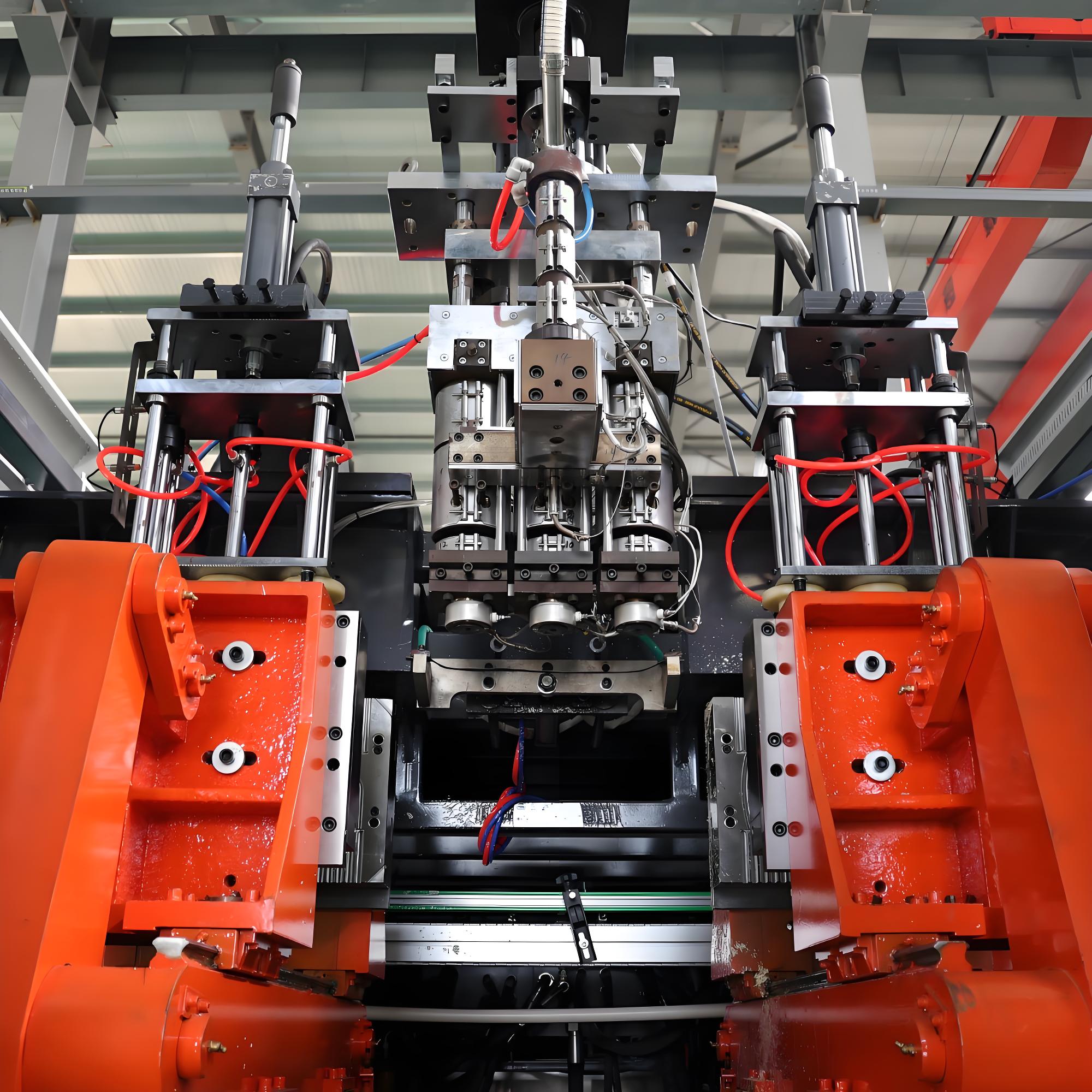
The extruder barrel and screw assembly represents a critical component where construction quality significantly impacts performance. High performance extrusion blow molding machines incorporate barrels and screws manufactured from premium materials with precision machining. Bimetallic barrels with wear resistant liners extend service life under demanding production conditions. Screws with optimized geometry and surface treatments deliver consistent melt quality while resisting wear from abrasive materials or high output operation. These construction details support the reliability needed for mass production.
Technical Parameters for Mass Production
Production Capacity and Throughput
Production capacity defines the quantity of containers that an extrusion blow molding machine can produce per unit time, typically measured in pieces per hour. High performance extrusion blow molding machines achieve production rates that significantly exceed standard equipment through optimized cycle times and efficient process management. The Apollo ABLB series extrusion blow molding machine delivers production rates up to 1,550 pieces per hour in single station configuration and 1,900 pieces per hour with double station setup, representing the high throughput needed for mass production operations.
Container size significantly influences production capacity, as larger containers require longer cooling times that extend cycle duration. High performance extrusion blow molding machines incorporate advanced cooling systems and optimized process parameters to minimize cycle times across all container sizes. For mass production operations producing multiple container sizes, machines should deliver competitive throughput across the full product range rather than excelling at one size while struggling with others.
Continuous Operation Capabilities
Mass production operations typically run extrusion blow molding machines continuously for extended periods, often twenty four hours per day, seven days per week. This continuous operation mode places demands on extrusion blow molding machine equipment that intermittent production does not. Heat management becomes critical as machines must dissipate thermal loads generated over weeks of continuous operation. Wear accumulation affects components that may perform adequately in intermittent service but degrade under continuous load.
High performance extrusion blow molding machines are engineered for continuous operation through appropriate component sizing, efficient cooling systems, and robust construction. Oversized motors, drives, and bearings provide margin to handle continuous loading without the stress that accelerates wear in marginally sized components. Cooling systems with adequate capacity maintain stable temperatures throughout extended operation. Control systems monitor equipment condition and provide early warning of developing problems before they cause unplanned downtime.
The Production Process for Stable Operations
Process Stability and Control
Process stability in extrusion blow molding machine operation requires precise control over all variables that affect product quality. Temperature control across multiple zones of the extrusion blow molding machine extruder barrel, die head, and mold must maintain setpoints within tight tolerances despite changes in ambient conditions or material variations. Pressure control during blowing must deliver consistent results cycle after cycle. Timing of extrusion, mold closing, blowing, and cooling must remain precise throughout production runs lasting hours or days.
Advanced control systems in high performance extrusion blow molding machines enable the precision and stability needed for mass production. Proportional integral derivative temperature controllers maintain setpoints within fractions of a degree. Servo controlled extrusion systems deliver consistent parison length and wall thickness. Programmable blow pressure profiles optimize container formation for different designs. These control capabilities enable operators to establish optimal process parameters and maintain them consistently over extended production runs.
Quality Consistency Management
Quality consistency represents the ultimate measure of extrusion blow molding machine performance in mass production. Every container produced must meet specifications for weight, dimensions, wall thickness, and appearance to satisfy customer requirements and minimize waste. Achieving this consistency requires extrusion blow molding machines that maintain process stability while providing monitoring and feedback systems that detect and correct variations before they produce out of specification products.
High performance extrusion blow molding machines incorporate quality monitoring systems that provide real time feedback on key parameters. Weight monitoring detects variations that may indicate process drift. Vision systems inspect for defects that could affect container performance or appearance. Statistical process control software analyzes quality data to identify trends and enable proactive process adjustment. These capabilities support the quality consistency that mass production demands while minimizing the labor required for quality assurance.
Benefits of High Performance Equipment
Operational Efficiency Advantages
High performance extrusion blow molding machines deliver operational efficiency advantages that justify their premium over standard equipment. Higher production rates increase output per extrusion blow molding machine, reducing the number of machines required for a given production volume. Improved reliability reduces unplanned downtime and the associated production losses and emergency repair costs. Energy efficiency reduces operating costs over the extrusion blow molding machine lifespan, with savings that can represent a significant portion of total operating costs.
Labor efficiency improvements from high performance extrusion blow molding machines result from automation, monitoring systems, and reliability that reduces the need for operator intervention. Modern machines can operate with minimal supervision while maintaining quality and productivity. Automated monitoring and alarm systems alert operators to developing problems before they cause significant production impact. These capabilities enable a single operator to oversee multiple machines, reducing labor cost per unit produced.
Quality and Cost Benefits
Quality improvements from high performance extrusion blow molding machines translate directly into cost benefits through reduced scrap and rework. Consistent product quality means that virtually every container meets specifications, minimizing the waste that erodes profitability. Reduced quality variation also supports customer satisfaction and brand reputation, enabling premium pricing or market share gains. These quality benefits compound over time as extrusion blow molding machines establish track records for consistent performance.
Total cost of ownership for high performance extrusion blow molding machines often proves lower than for standard equipment despite higher initial purchase prices. Lower maintenance requirements and longer component life reduce ongoing costs. Energy efficiency reduces operating costs. Higher production rates and reliability increase revenue generation. When evaluated over the typical 15 to 20 year equipment lifespan, high performance machines frequently deliver superior financial returns compared to lower cost alternatives.
Equipment Selection for Mass Production
Capacity Planning and Machine Sizing
Selecting extrusion blow molding machines for mass production requires careful capacity planning that considers current production volumes, growth projections, and operational flexibility requirements. The Apollo ABLB series offers extrusion blow molding machine models ranging from the ABLB 45 for containers up to 2 liters through the ABLB 100 for containers up to 30 liters, with production rates up to 1,900 pieces per hour for double station configurations. Matching extrusion blow molding machine capacity to production requirements optimizes capital utilization while ensuring adequate production capability.
Capacity planning should account for factors including product mix, seasonal variations, and growth projections. A single extrusion blow molding machine operating at 80 percent utilization provides margin for demand variations while achieving efficient capital use. Multiple machines provide redundancy and flexibility for diverse product requirements. Analysis of production requirements, growth plans, and operational preferences guides selection of the appropriate number and configuration of machines.
Configuration Options for Optimal Performance
Configuration options for high performance extrusion blow molding machines enable optimization for specific mass production requirements. Single station extrusion blow molding machines offer simplicity and cost effectiveness for focused production of high volume products. Double station extrusion blow molding machines increase throughput by alternating between molds, reducing cycle time per container. Multi cavity molds enable production of multiple containers per cycle, further increasing production rates for smaller containers.
Ancillary equipment selection affects the performance of the complete production line. Material handling systems must deliver consistent material supply to the extrusion blow molding machine at rates matching machine capacity. Conveying systems must remove finished containers without creating bottlenecks. Trimming and finishing equipment must process containers at rates matching production. Cooling water systems must provide adequate heat removal for continuous operation. Integration of all system components determines overall production line performance.
Cost Analysis for High Performance Equipment
Capital Investment Considerations
Capital investment for high performance extrusion blow molding machines varies based on size, configuration, and features. The Apollo ABLB series extrusion blow molding machine ranges from 15,000 to 75,000 US dollars depending on model and configuration. Fully Electric series extrusion blow molding machines offering maximum energy efficiency and precision cost between 50,000 and 100,000 US dollars. While these prices exceed standard equipment, the extrusion blow molding machine performance advantages typically justify the investment for mass production applications where throughput, reliability, and quality consistency generate significant value.
Return on investment analysis should consider both quantifiable benefits and strategic advantages. Quantifiable benefits include increased production output, reduced operating costs, and improved quality that reduces waste. Strategic advantages include capability to serve demanding customers, competitive positioning, and flexibility to pursue new market opportunities. The combination of financial and strategic benefits often justifies investment in high performance extrusion blow molding machines for operations focused on growth and market leadership.
Operating Cost Analysis
Operating costs for extrusion blow molding machines include energy, materials, labor, maintenance, and overhead. Energy costs typically represent 5 to 10 percent of total production costs, making extrusion blow molding machine energy efficiency an important factor in equipment selection. High performance extrusion blow molding machines with energy efficient designs can reduce energy consumption by 20 to 40 percent compared to standard equipment, generating significant savings over the extrusion blow molding machine lifespan.
Maintenance costs for high performance extrusion blow molding machines often prove lower than for standard equipment despite higher component costs. Robust construction and appropriate component sizing reduce wear and extend service intervals. Predictive maintenance capabilities enable planned maintenance that prevents costly breakdowns. The Apollo warranty including free replacement of damaged parts and annual spare parts allowance of 500 US dollars further reduces maintenance costs during the warranty period.
Maintenance and Reliability for Continuous Operation
Preventive Maintenance Programs
Preventive maintenance programs are essential for maintaining the performance and reliability of extrusion blow molding machines in mass production operations. Regular inspection, lubrication, and replacement of wear items prevents the breakdowns that disrupt production and compromise quality. High performance extrusion blow molding machines are designed with extrusion blow molding machine maintenance access and serviceability in mind, enabling efficient maintenance procedures that minimize downtime. Comprehensive extrusion blow molding machine maintenance documentation supports systematic programs that ensure no maintenance tasks are overlooked.
The Apollo extrusion blow molding machine includes annual 500 US dollar spare parts allowance that supports preventive maintenance programs. This allowance enables customers to maintain inventory of critical spare parts without additional expense, ensuring that maintenance activities are not delayed by parts availability. Working with Apollo technical support, customers can develop maintenance schedules and spare parts inventories optimized for their specific production requirements.
Predictive Maintenance Capabilities
High performance extrusion blow molding machines increasingly incorporate predictive maintenance capabilities that identify developing problems before they cause unplanned downtime. Condition monitoring systems track parameters such as motor current, vibration, and temperature to detect anomalies that indicate wear or degradation. Advanced analytics interpret these signals to predict extrusion blow molding machine component failures and schedule maintenance during planned downtime. This proactive approach prevents the production disruptions that reactive maintenance causes.
Data collection systems in modern extrusion blow molding machines support predictive maintenance by providing historical records of extrusion blow molding machine performance and maintenance activities. Analysis of this data reveals patterns that predict future extrusion blow molding machine maintenance needs. Integration with maintenance management systems enables automatic generation of work orders based on predicted maintenance requirements. These capabilities reduce unplanned downtime while optimizing maintenance resource utilization for mass production operations.
Industry Applications for High Volume Production
Food and Beverage Industry
The food and beverage industry represents the largest application segment for high performance extrusion blow molding machines in mass production. Milk jugs, juice containers, water bottles, and other beverage containers are produced in extremely high volumes that demand extrusion blow molding machine equipment capable of continuous high speed operation. Quality consistency is paramount, as food containers must meet stringent regulatory requirements and consumer expectations for safety and performance.
Food safety requirements add complexity to extrusion blow molding machine operation in food and beverage applications. Machines must process food grade materials while maintaining clean production environments. Documentation of production processes and materials supports regulatory compliance and traceability requirements. High performance machines with advanced control systems provide the precision and monitoring capabilities needed to ensure consistent compliance with food safety standards over extended production runs.
Consumer Products and Industrial Applications
Consumer product packaging demands the throughput and quality consistency that high performance extrusion blow molding machines deliver. Household cleaners, personal care products, and automotive fluids are packaged in containers produced in high volumes. Competition in consumer markets requires manufacturers to minimize costs while maintaining quality, making high performance extrusion blow molding machine equipment essential for competitive positioning.
Industrial applications including chemical containers, lubricants, and bulk packaging also benefit from high performance extrusion blow molding machine capabilities. These applications may impose additional requirements for chemical resistance, barrier properties, or specialized container designs. The versatility of high performance extrusion blow molding machines enables production of diverse industrial containers while maintaining the throughput and quality consistency that mass production demands.
Why Choose Apollo for Mass Production
Proven Performance and Reliability
Apollo extrusion blow molding machines have established proven performance records in mass production applications worldwide. With over 4,000 machines operating in more than 90 countries, Apollo equipment demonstrates the reliability and consistency that high volume production demands. The 20 plus years of manufacturing experience informs continuous improvement in machine design and performance, ensuring that Apollo machines incorporate proven solutions to mass production challenges.
The Apollo manufacturing facility with 8,000 square meters of production space and annual capacity of 100 machines demonstrates the scale and capability needed to support global mass production operations. Quality management systems ensure consistent manufacturing quality across production runs. Testing and validation procedures verify that every extrusion blow molding machine meets performance specifications before shipment. These capabilities enable Apollo to deliver equipment that performs reliably in demanding mass production environments.
Comprehensive Support for Production Success
Apollo provides comprehensive support services that enable customer success in mass production operations. Installation by Apollo engineers ensures proper machine setup and operator training for optimal performance from day one. Ongoing technical support assists with process optimization, troubleshooting, and maintenance procedures. Spare parts supply with annual 500 US dollar allowance ensures availability of critical components for maintenance activities.
Performance guarantees demonstrate Apollo confidence in extrusion blow molding machine quality and capability. If production capacity falls below specified levels, Apollo provides proportional compensation. If delivered machines fail to meet quality specifications, Apollo offers refund plus 10 percent compensation. These guarantees provide assurance that equipment will deliver expected performance, reducing risk for mass production operations that depend on reliable equipment performance.
Quality Assurance and Testing
In Process Quality Control
Quality control during extrusion blow molding machine operation ensures that products meet specifications throughout mass production runs. Automated monitoring systems track key parameters including weight, dimensions, and appearance, alerting operators to variations requiring attention. Statistical process control methods identify trends before they result in out of specification products, enabling proactive process adjustment. These in process controls maintain quality consistency over the extended production runs typical of mass production operations.
High performance extrusion blow molding machines incorporate features that support in process quality control. Precision control systems maintain process parameters within tight tolerances that ensure consistent quality. Automated inspection systems verify that products meet specifications before proceeding to downstream operations. Data collection systems maintain records that support quality management and regulatory compliance. These capabilities enable mass production operations to achieve quality levels that would require extensive manual inspection with lower performance equipment.
Equipment Performance Validation
Validation of extrusion blow molding machine performance provides assurance that equipment will meet production requirements. Factory acceptance testing before shipment verifies that machines meet specifications for production rate, quality capability, and operational stability. Documentation of test results provides baseline performance data for comparison during operation. Site acceptance testing after installation confirms that machines perform as expected in the production environment.
Ongoing performance monitoring during operation enables detection of degradation before it significantly impacts production. Comparison of current performance against baseline data reveals trends that indicate developing problems. Regular performance assessment supports predictive maintenance and ensures that machines maintain the performance levels required for mass production. This systematic approach to performance management maximizes the value derived from high performance equipment investment.
Frequently Asked Questions
What distinguishes high performance extrusion blow molding machines
High performance extrusion blow molding machines are distinguished by superior production rates, exceptional reliability, and consistent quality output over extended operation. These machines incorporate advanced technologies including servo drives, sophisticated control systems, and robust mechanical construction that enable stable operation under the demanding conditions of mass production. While standard machines may achieve similar performance for short periods, high performance machines maintain their performance capabilities over years of continuous operation.
How do I determine the right machine size for mass production
Determining the right extrusion blow molding machine size for mass production requires analysis of container sizes, production volumes, and growth projections. The Apollo ABLB series offers models from the ABLB 45 through the ABLB 100, with production rates up to 1,900 pieces per hour. Match machine capacity to current production requirements while allowing margin for demand variations and growth. Consider operational factors including number of shifts, maintenance requirements, and redundancy needs when planning machine capacity.
What maintenance is required for continuous operation
Maintenance for extrusion blow molding machines in continuous operation includes regular inspection, lubrication, and replacement of wear items according to manufacturer schedules. Daily checks verify normal operation and identify developing issues. Weekly and monthly maintenance activities address specific components and systems. Annual overhauls provide opportunity for comprehensive inspection and refurbishment. Following manufacturer maintenance recommendations and maintaining adequate spare parts inventory supports reliable continuous operation.
How does Apollo support mass production operations
Apollo supports mass production operations through comprehensive equipment capabilities and ongoing service programs. High performance extrusion blow molding machines deliver the reliability and throughput that mass production demands. Installation support ensures proper setup for optimal performance. Technical support assists with process optimization and troubleshooting. Spare parts allowance and warranty coverage reduce maintenance costs and risk. Performance guarantees provide assurance that equipment will meet production requirements.
Conclusion
High performance extrusion blow molding machines represent essential equipment for manufacturers engaged in mass production of plastic containers. The combination of high throughput, reliable operation, and consistent quality output enables these machines to deliver the performance that large scale production demands. Advanced technologies including servo drives, sophisticated control systems, and robust mechanical construction differentiate high performance machines from standard equipment and justify their investment for mass production applications.
The Apollo ABLB, ABLD, and Fully Electric series offer high performance extrusion blow molding machines engineered for stable mass production. Production rates up to 1,900 pieces per hour, advanced control capabilities, and proven reliability support the demanding requirements of high volume manufacturing. Comprehensive support services including installation, training, technical support, and performance guarantees enable customer success. With over 20 years of experience and more than 4,000 machines operating worldwide, Apollo provides the equipment and support that mass production operations need to succeed.
Investing in high performance extrusion blow molding machine technology positions manufacturers for competitive advantage in markets demanding high quality products at competitive costs. The stability, efficiency, and reliability of this equipment enable production operations that meet current demands while building capabilities for future growth. By selecting appropriate equipment, implementing effective maintenance programs, and partnering with experienced manufacturers, companies can establish mass production operations that deliver consistent performance and sustainable profitability.