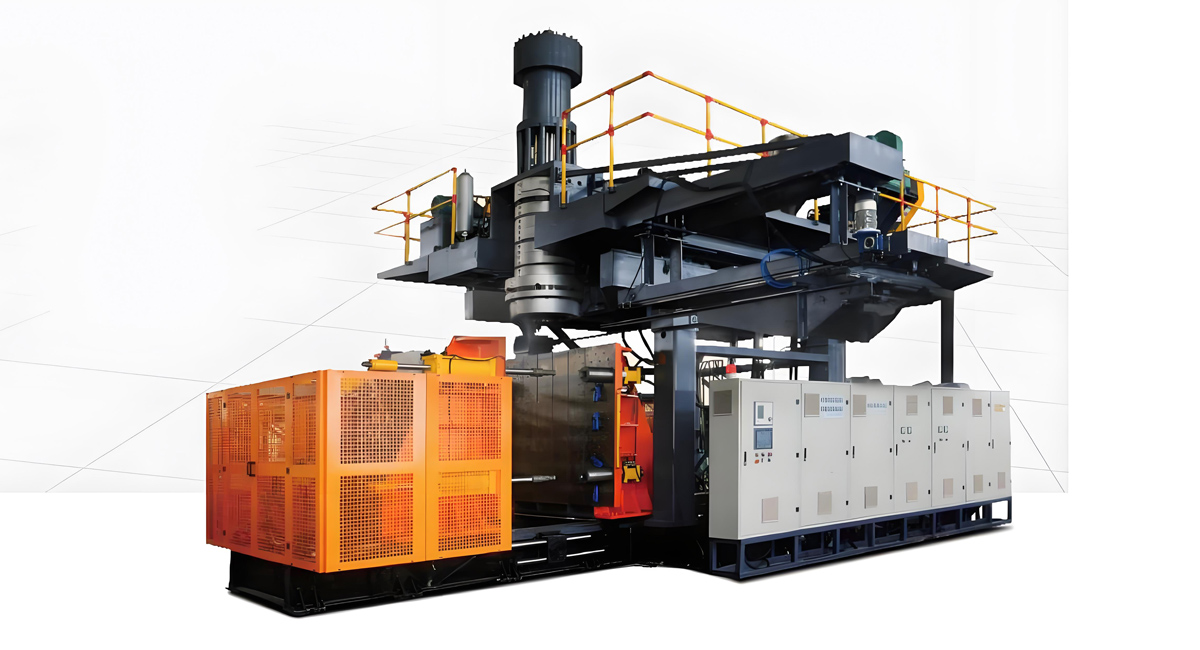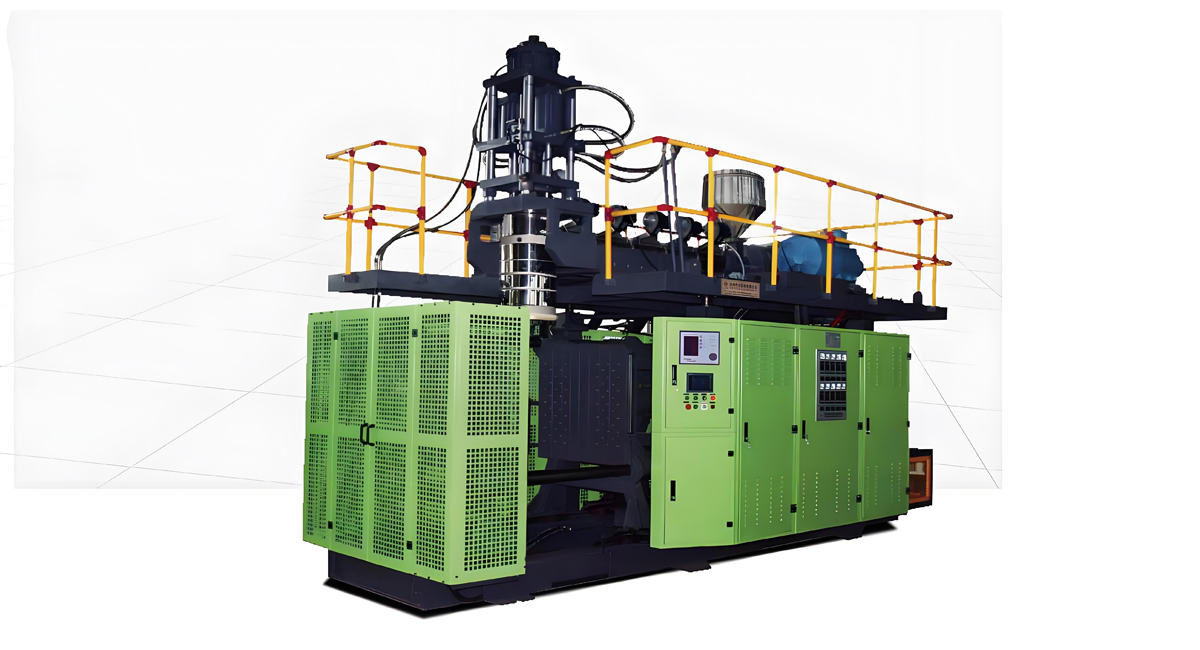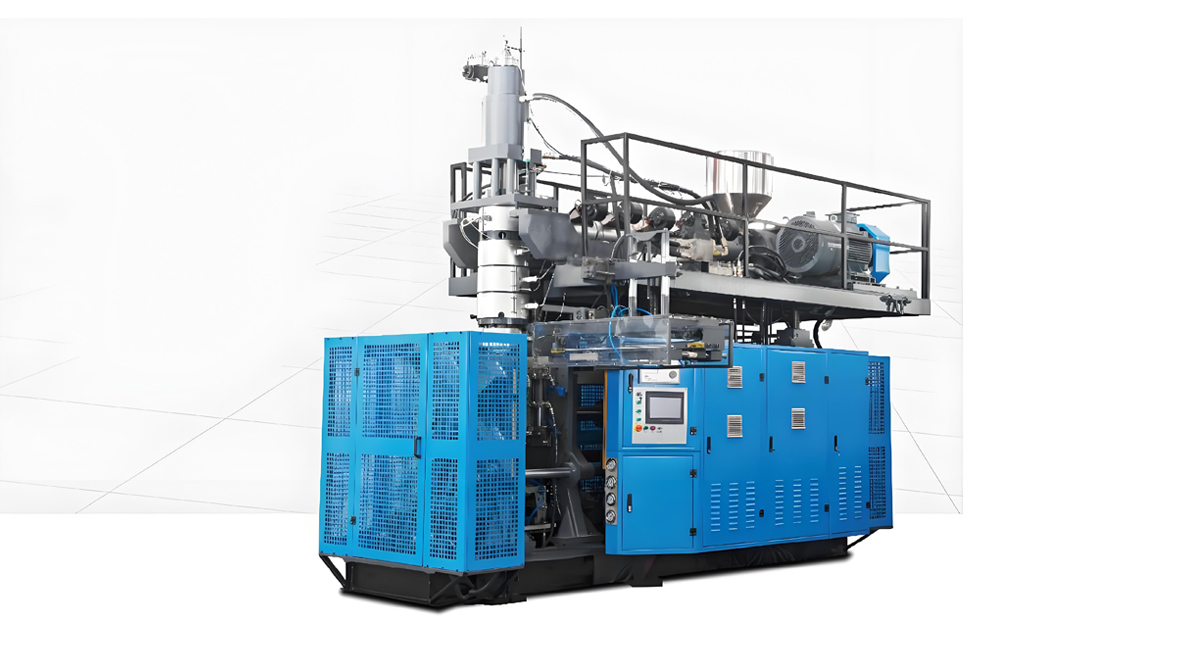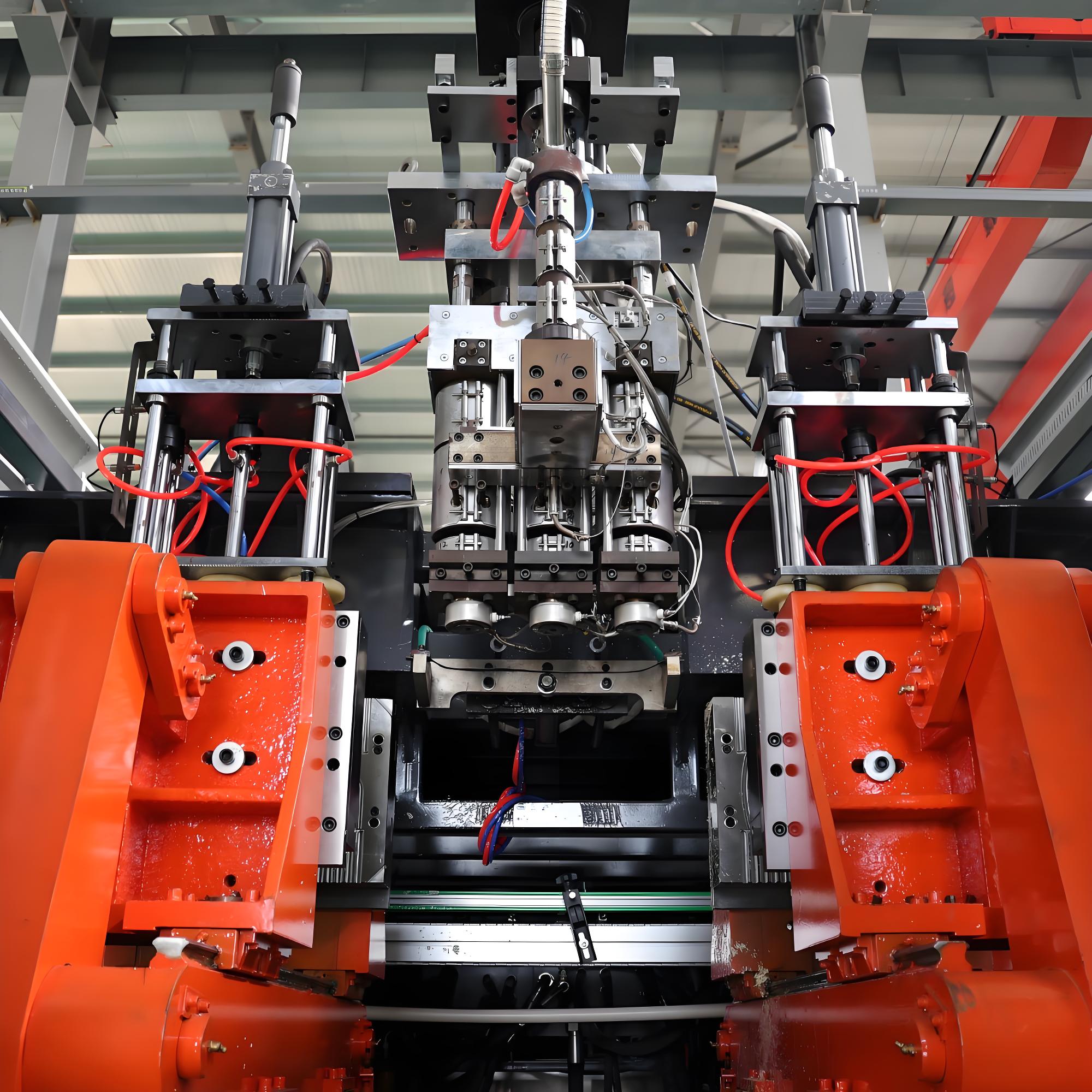
Quality control represents the cornerstone of successful plastic manufacturing operations, and Chinese extrusion blow molding machine manufacturers have developed comprehensive quality assurance systems that ensure consistent, reliable equipment performance. Understanding these quality control processes helps buyers appreciate the standards that govern equipment production and make informed decisions when selecting suppliers. This detailed guide explores the inspection processes, quality standards, and verification procedures that Chinese manufacturers implement to deliver equipment meeting international quality requirements.
Chinese manufacturers have invested significantly in quality infrastructure, establishing testing facilities, certification systems, and inspection protocols that rival or exceed those found in traditional manufacturing centers. Companies like Zhangjiagang Apollo Machinery Co., Ltd. with over 20 years of experience and thousands of machines operating worldwide have built their reputations on delivering reliable equipment that meets customer expectations consistently. The strict quality control processes implemented by these manufacturers provide assurance that purchased equipment will perform as specified.
Foundations of Quality Control in Equipment Manufacturing
Quality control in equipment manufacturing encompasses all activities that ensure products meet specified requirements and perform as intended. These activities begin with design and engineering, continue through component sourcing and manufacturing, extend through assembly and testing, and conclude with final verification and documentation. Each stage presents opportunities to identify and address quality issues before they reach customers.
Design Phase Quality Assurance
Quality begins with design, and manufacturers implement engineering quality controls that ensure equipment designs meet performance, safety, and reliability requirements. Design reviews examine proposed designs against established criteria, identifying potential issues before manufacturing begins. Finite element analysis and other engineering simulation tools verify structural integrity and performance characteristics under expected operating conditions.
Design documentation controls ensure that specifications accurately reflect design intent and provide clear guidance for manufacturing. Engineering change control processes manage modifications systematically, ensuring changes are properly evaluated, documented, and implemented consistently. Prototype testing validates design predictions and identifies issues requiring correction before production begins. These design phase activities prevent costly problems that would otherwise emerge during manufacturing or after equipment reaches customers.
Component Quality Verification
Extrusion blow molding machines incorporate components from numerous suppliers, and component quality directly impacts finished equipment quality. Manufacturers implement supplier quality management programs that evaluate, select, and monitor component suppliers. Component inspection and testing verify that purchased parts meet specifications before they enter production.
Key components requiring quality verification include hydraulic cylinders and valves that control machine movement, electric motors and drives that power machine functions, PLC controllers and HMI panels that manage machine operation, temperature controllers and sensors that regulate processing conditions, and mechanical components including gears, bearings, and linear guides. Each component category has specific quality characteristics that must be verified through inspection, testing, or certification documentation.
Manufacturing Process Controls
Manufacturing processes transform raw materials and components into finished equipment, and process controls ensure consistent quality throughout production. Statistical process control techniques monitor production parameters and identify variations that might affect quality. Process documentation ensures that manufacturing activities follow established procedures consistently.
Welding quality controls verify structural integrity of fabricated components. Machining precision verification ensures that manufactured parts meet dimensional specifications. Assembly inspection confirms that components are installed correctly and function properly. Each manufacturing stage includes checkpoints that verify quality before work proceeds to subsequent stages. This progressive verification approach catches problems early when correction costs are lowest.
Incoming Material and Component Inspection
Before components enter the manufacturing process, verification ensures they meet specified requirements. Incoming inspection represents the first line of defense against quality problems from the supply chain. Rigorous incoming inspection programs identify nonconforming components before they cause production delays or finished product quality issues.
Supplier Quality Assessment
Establishing reliable supply chains requires systematic evaluation of potential suppliers before they are qualified to provide components. Supplier assessment evaluates manufacturing capabilities, quality systems, certifications, and track record. Ongoing supplier monitoring maintains awareness of supplier performance and identifies suppliers requiring additional oversight or corrective action.
Supplier quality assessments typically include evaluation of quality management system certifications such as ISO 9001, review of manufacturing capabilities and capacity, examination of quality history and customer references, and assessment of financial stability and business continuity plans. Suppliers demonstrating strong quality performance receive preferred status that may include reduced inspection requirements for their products. Suppliers with quality issues receive increased inspection levels or may be removed from approved supplier lists.
Inspection Procedures and Sampling Plans
Complete inspection of every incoming component is often impractical, so manufacturers implement sampling plans that provide statistical confidence in component quality while managing inspection costs. These sampling plans define inspection levels, acceptance criteria, and actions for nonconforming components. Sampling plans balance detection capability against inspection burden based on component criticality and supplier quality history.
Critical components may receive 100 percent inspection where every item is verified against specifications. Important components typically follow AQL (Acceptable Quality Level) sampling plans that inspect representative samples and accept or reject lots based on defect counts. Minor components may follow reduced inspection protocols that minimize inspection burden while maintaining acceptable quality protection. Inspection records document results and support supplier quality trending and corrective action discussions.
Component Testing and Verification
Beyond visual inspection, many components require functional testing to verify performance characteristics. Testing verifies that components function correctly under expected operating conditions and meet performance specifications. Testing capabilities vary based on available equipment and component complexity, but manufacturers maintain appropriate testing capabilities for critical quality characteristics.
Common component tests include hydraulic system pressure and flow testing, electrical component continuity and insulation testing, motor performance testing, sensor accuracy verification, and mechanical function testing. Components that fail testing are rejected and returned to suppliers or reworked as appropriate. Testing records provide documentation that components meet specifications before installation in finished equipment.
Manufacturing Stage Quality Controls
Throughout the manufacturing process, quality controls verify that each operation produces acceptable results before work continues. These progressive quality controls catch problems early and prevent nonconforming work from progressing through production. The extent and rigor of stage inspections vary based on process capability and the impact of defects on final product quality.
Fabrication Quality Verification
Fabrication operations including cutting, bending, and welding create the structural elements of extrusion blow molding machines. Quality verification of fabricated components ensures that structural elements meet dimensional specifications and have adequate strength for intended service. Fabrication quality directly impacts machine rigidity, alignment, and long-term durability.
Fabrication inspection activities include dimensional verification of cut and formed parts, weld quality inspection including visual examination and nondestructive testing where required, surface preparation inspection before painting or coating, and assembly fit-up verification before permanent joining. Fabrication records document inspection results and verify traceability to materials and personnel involved in fabrication operations. Critical structural welds may require radiographic, ultrasonic, or magnetic particle inspection to verify internal quality.
Precision Machining Standards
Precision machined components including barrels, screws, and mold components require tight dimensional tolerances to ensure proper function. Machining quality directly impacts processing capability, product quality, and equipment reliability. Machining operations utilize precision equipment and strict process controls to achieve required tolerances consistently.
Machining quality verification includes dimensional inspection using precision measuring equipment, surface finish verification where specified, hardness and material property verification where required, and functional testing of assembled precision components. Coordinate measuring machines (CMM) and optical inspection systems provide accurate dimensional verification for complex geometries. Tight tolerances require appropriate environmental controls, calibrated measuring equipment, and skilled inspection personnel.
Assembly Inspection and Verification
Assembly operations combine components into subassemblies and finished machines. Assembly inspection verifies that components are installed correctly, functions work properly, and quality standards are met before proceeding. Assembly inspection provides assurance that finished equipment will perform as designed and meet customer expectations.
Assembly inspection activities include verification of component orientation and positioning, torque verification for bolted connections, alignment verification for rotating and reciprocating components, electrical connection verification including continuity and grounding tests, and piping and hose connection verification. Functional testing of assembled subassemblies verifies proper operation before integration into larger assemblies. Punch lists document any deficiencies requiring correction before proceeding with final assembly.
Testing and Validation Procedures
Completed equipment undergoes comprehensive testing to verify performance meets specifications before shipment to customers. Testing validates that equipment will perform as designed under expected operating conditions. Testing programs include multiple test types that evaluate different aspects of equipment performance.
Function Testing Protocols
Function testing verifies that all machine systems operate correctly and meet operational requirements. Testing protocols define test procedures, acceptance criteria, and documentation requirements. Function testing provides assurance that equipment left the factory in proper working condition and will arrive at customer facilities ready for installation.
Function testing includes verification of control system operation and parameter adjustment, testing of all machine movements through full ranges of motion, verification of safety interlocks and emergency stop functions, testing of auxiliary systems including hydraulic, pneumatic, and cooling systems, and verification of monitoring and alarm functions. Each test result is documented and any failures trigger investigation and correction before proceeding. Function testing typically requires 2 to 5 days depending on machine complexity and any issues encountered.
Performance Testing and Acceptance Criteria
Beyond basic function, performance testing verifies that equipment meets specifications for production capability, quality output, and efficiency. Performance tests measure actual equipment capabilities against design specifications and customer requirements. Passing performance tests provides confidence that equipment will meet production expectations.
Performance testing includes production rate testing to verify throughput capability, product quality evaluation to verify output meets specifications, energy consumption measurement to verify efficiency, cycle time verification to confirm timing specifications, and noise and vibration testing where specified. Acceptance criteria define minimum acceptable performance levels for each test. Test results falling below acceptance criteria require investigation and correction until performance meets requirements.
Trial Production Runs
Trial production runs produce actual products that demonstrate equipment capability under realistic production conditions. Trial runs verify that equipment can produce acceptable products consistently while meeting production rate requirements. Trial products also serve as references for customer acceptance and future quality comparisons.
Trial production procedures include selection of appropriate test products and materials, production of sample quantities for evaluation, dimensional and quality inspection of trial products, extended running tests to verify thermal stability and process consistency, and documentation of optimized process parameters. Trial products that meet quality specifications confirm that equipment is ready for shipment. Any quality issues identified during trials require correction before shipment approval.
Documentation and Traceability Systems
Comprehensive documentation provides evidence of quality control activities and supports traceability when questions arise about equipment history or quality. Documentation systems capture inspection results, test data, and other quality information that demonstrates due diligence in quality assurance. Traceability enables investigation of any issues that emerge during equipment life.
Inspection Records and Certificates
Inspection records document quality verification activities throughout manufacturing. These records provide evidence that required inspections were performed and results met acceptance criteria. Customers often receive inspection documentation as part of equipment delivery packages, demonstrating quality verification performed before shipment.
Standard documentation packages may include material certifications for structural components, inspection reports for precision machined parts, weld inspection records for fabricated assemblies, assembly inspection checklists, function test reports, performance test data, and certificates of conformance stating that equipment meets specifications. Documentation packages provide customers with confidence that equipment has been thoroughly inspected and verified before shipment.
Traceability Implementation
Traceability systems enable linking finished products back to their component origins and manufacturing history. When quality issues arise, traceability enables rapid investigation to identify root causes and affected products. Comprehensive traceability supports warranty administration, corrective action, and continuous improvement activities.
Traceability implementation includes identification of components with unique serial numbers or lot markings, recording of component installation locations in equipment records, documentation of manufacturing operations including dates, personnel, and equipment used, and retention of records for equipment lifetime plus additional period for warranty and regulatory purposes. Electronic record systems facilitate traceability queries and reduce administrative burden compared to paper-based systems.
Nonconformance Management
Nonconformance management processes address situations where products or components do not meet specifications. Proper nonconformance management ensures that nonconforming items are identified, evaluated, dispositioned appropriately, and corrected to prevent recurrence. Effective nonconformance management protects customers from receiving defective products while enabling continuous improvement.
Nonconformance processes include detection and documentation of nonconforming conditions, evaluation to determine root causes and appropriate disposition, corrective action to repair, rework, or scrap nonconforming items, and preventive action to address systemic issues that might cause future nonconformance. Nonconformance records provide data for quality trending and process improvement activities. Customers may receive nonconformance notifications when issues affect equipment shipped to their facilities.
Quality Certifications and Standards Compliance
Quality certifications provide independent verification that quality management systems meet recognized standards. Certification demonstrates commitment to quality and provides customers with confidence in supplier capabilities. Chinese manufacturers increasingly pursue international certifications that validate their quality practices against global benchmarks.
ISO 9001 Quality Management Systems
ISO 9001 is the international standard for quality management systems, providing a framework for consistent quality practices across all organizational activities. Certification to ISO 9001 requires demonstrated implementation of quality management system elements and successful third-party audit. Many customers require ISO 9001 certification as a condition of doing business.
ISO 9001 certification requires establishing documented quality management system procedures, implementing consistent practices across all departments and locations, conducting internal audits to verify system effectiveness, and achieving satisfactory results from third-party certification audits. Certification maintenance requires ongoing surveillance audits and periodic recertification. Equipment manufacturers with ISO 9001 certification demonstrate systematic quality management that supports consistent equipment quality.
CE and International Safety Compliance
CE marking indicates compliance with European Union safety, health, and environmental protection requirements. Equipment exported to European markets must meet applicable CE requirements. Chinese manufacturers pursuing global markets implement design and manufacturing practices that ensure CE compliance for their products.
CE compliance requirements for machinery include compliance with relevant EU directives such as the Machinery Directive, risk assessment and risk reduction measures, technical file documentation, declaration of conformity, and CE marking on equipment and documentation. Compliance often requires testing by accredited laboratories and review by authorized representatives within the EU. Manufacturers demonstrating CE compliance provide customers with confidence that equipment meets international safety standards.
Industry-Specific Standards
Beyond general quality and safety standards, specific industries may have additional requirements for equipment used in their applications. Food, pharmaceutical, and medical device industries have stringent requirements for equipment cleanliness, material compatibility, and validation documentation. Manufacturers serving these markets implement additional controls to meet industry-specific requirements.
Industry-specific requirements may include compliance with FDA requirements for food contact materials, validation documentation for pharmaceutical applications, clean room compatibility for sensitive manufacturing environments, and material certifications for specific product applications. Manufacturers demonstrate compliance through testing, documentation, and customer audits. Equipment purchased for regulated applications should verify that manufacturers can provide required documentation and certifications.
Customer Inspection and Factory Acceptance Testing
Many customers conduct their own inspections and acceptance testing when equipment arrives at their facilities or before shipment from the factory. These customer verification activities confirm that equipment meets their specific requirements and provide opportunities to identify any issues before equipment is permanently installed and committed to production use.
Pre-Shipment Inspection Procedures
Pre-shipment inspection allows customers or their representatives to verify equipment condition before shipment from the factory. These inspections confirm that equipment is complete, undamaged, and ready for shipment. Pre-shipment inspection provides mutual confidence that equipment meets expectations before logistics commitments are made for shipment.
Pre-shipment inspection activities typically include verification of equipment completeness against order specifications, visual inspection for shipping damage, review of quality documentation and certificates, confirmation of identification and serial number marking, and verification of accessories and spare parts. Inspection findings are documented and any issues resolved before shipment approval. Customers may conduct inspections themselves or engage third-party inspection services to verify equipment condition.
Factory Acceptance Testing
Factory Acceptance Testing (FAT) evaluates equipment performance under simulated production conditions before shipment. FAT verifies that equipment meets contractual performance specifications and provides an opportunity to optimize settings before installation at customer facilities. Successful FAT demonstrates that equipment is ready for shipment and will meet production requirements.
Factory Acceptance Testing typically includes production trials using customer-specified materials and products, performance testing to verify capability meets specifications, quality evaluation to confirm product specifications are achievable, operator training to prepare customer personnel for equipment operation, and documentation handover including manuals, certificates, and test reports. FAT protocols are often defined in purchase contracts to establish clear acceptance criteria and procedures. Any performance gaps identified during FAT require resolution before shipment approval.
Site Acceptance Testing
Site Acceptance Testing (SAT) occurs after equipment is installed at customer facilities. SAT verifies that equipment performs correctly in its actual operating environment and meets installation requirements. Successful SAT formally accepts equipment for production use and often triggers warranty commencement.
Site Acceptance Testing includes verification of proper installation per manufacturer specifications, utility connections and environmental requirements are satisfied, integration with customer systems including material handling and auxiliary equipment, production trials using actual production materials and products, and performance verification under production conditions. SAT protocols define acceptance criteria and procedures for testing. Customer acceptance signatures formally close out the installation phase and begin the warranty period.
Continuous Improvement and Quality Assurance Evolution
Quality systems must evolve continuously to address changing requirements, improve effectiveness, and incorporate lessons learned from experience. Continuous improvement activities identify opportunities to enhance quality practices and implement changes that benefit customers and organizations alike. Mature quality organizations dedicate resources to improvement activities that complement reactive quality control.
Root Cause Analysis and Corrective Action
When quality issues occur despite prevention efforts, systematic root cause analysis identifies underlying causes that can be addressed to prevent recurrence. Effective corrective action processes improve quality system effectiveness and prevent repeated problems that erode customer confidence. Root cause analysis requires discipline and commitment to thorough investigation rather than quick fixes.
Root cause analysis methodologies include the 8D approach developed for automotive suppliers, Six Sigma DMAIC methodology, fishbone diagrams for cause identification, and statistical techniques for data analysis. Corrective action implementation requires changes to processes, procedures, training, or other factors that contributed to the problem. Verification that corrective actions are effective prevents recurrence and closes the quality loop. Corrective action records provide valuable information for systemic improvement activities.
Statistical Quality Control and Process Capability
Statistical quality control techniques analyze process data to understand capability and identify opportunities for improvement. Process capability studies quantify the ability of processes to produce products meeting specifications consistently. Statistical monitoring detects changes that might indicate emerging quality problems before they result in defective products.
Process capability indices including Cp and Cpk quantify how well processes perform relative to specification limits. Statistical process control charts monitor process stability and detect trends or changes requiring investigation. Design of experiments techniques optimize process parameters for quality and efficiency. These statistical approaches provide objective, data-driven insights that improve decision-making about quality improvement priorities.
Supplier Quality Development
Supplier quality impacts finished product quality, and effective supplier development programs improve quality throughout the supply chain. Working with suppliers to improve their capabilities benefits both parties and reduces costs associated with nonconforming components. Supplier development activities transfer knowledge and capabilities that strengthen the entire supplier base.
Supplier development activities include quality improvement collaboration with key suppliers, capability assessments to identify improvement opportunities, training and technical assistance where appropriate, and supplier recognition programs that reward superior quality performance. Long-term supplier relationships encourage investment in quality improvement that benefits both parties. Effective supplier development programs reduce incoming inspection burden while improving overall component quality.
Conclusion
Chinese extrusion blow molding machine manufacturers implement comprehensive quality control systems that ensure equipment meets international standards for performance, safety, and reliability. From design through manufacturing, testing, and customer acceptance, systematic quality controls verify that equipment will meet customer expectations. Understanding these quality processes helps buyers appreciate the rigor that governs equipment production and select suppliers confidently.
The investment in quality systems and processes reflects manufacturers’ commitment to delivering value to customers through reliable, consistent equipment. Quality certifications and compliance with international standards provide independent verification of quality practices. Documentation and traceability systems provide evidence and support when questions arise about equipment history or quality.
As Chinese manufacturers continue to advance their quality capabilities, customers benefit from increasingly sophisticated equipment at competitive prices. Working with established manufacturers like Zhangjiagang Apollo Machinery Co., Ltd. provides assurance of quality practices developed over decades of experience. The combination of Chinese manufacturing efficiency with rigorous quality control delivers equipment that meets demanding requirements while providing excellent value.
Quality control in extrusion blow molding machine manufacturing represents a comprehensive, systematic approach that protects customer investments and ensures production success. From incoming inspection through manufacturing, testing, and customer acceptance, quality controls at every stage provide confidence that equipment will perform as specified. Understanding these quality processes empowers buyers to make informed decisions and engage productively with manufacturers about quality expectations.