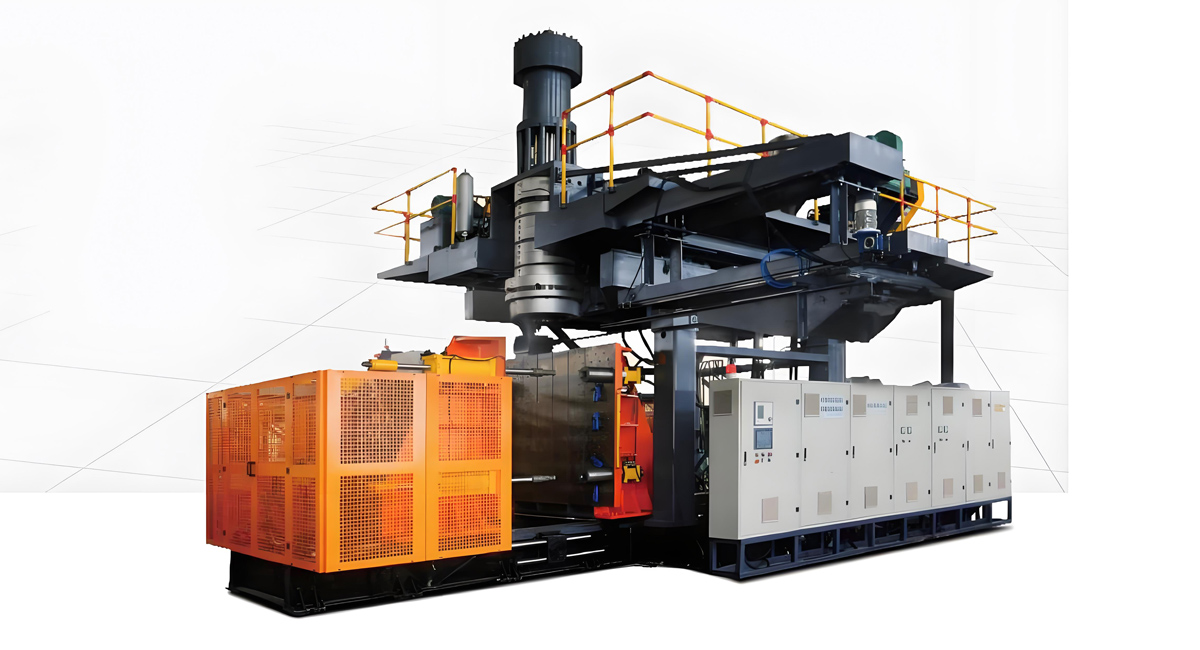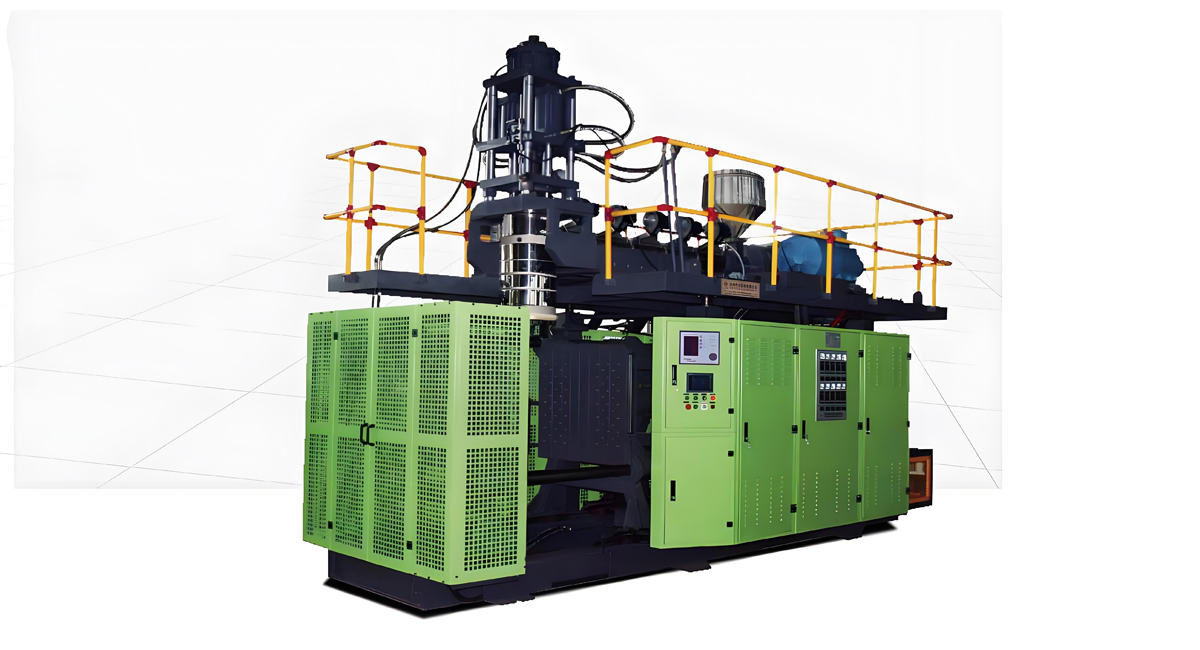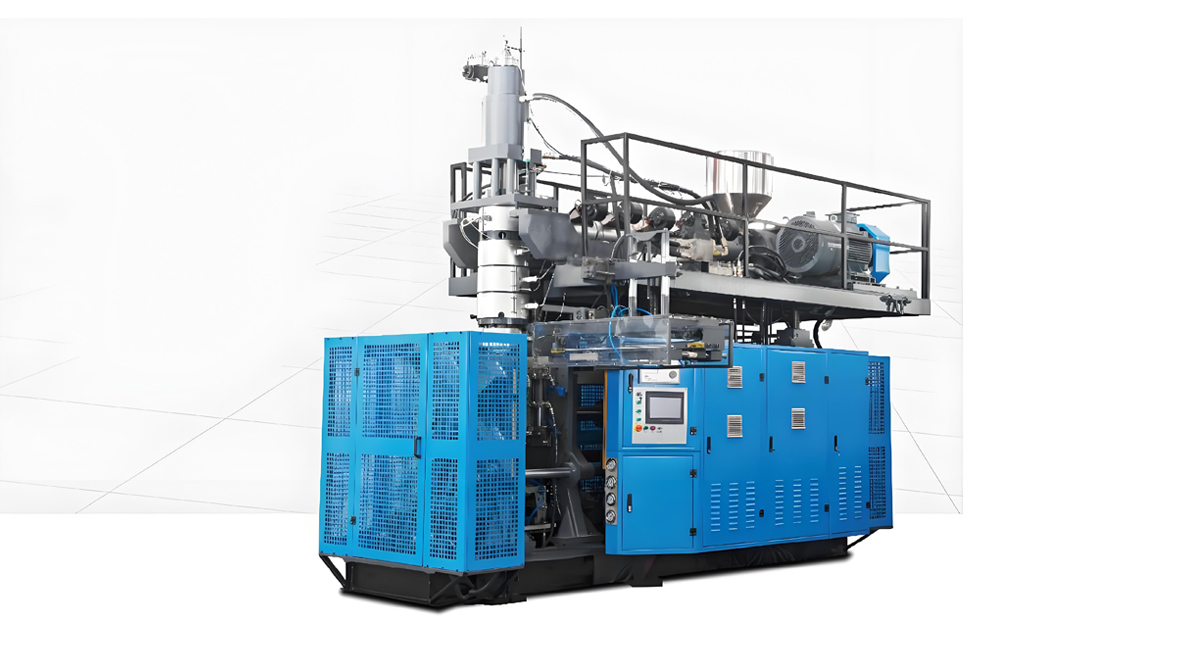
The original equipment manufacturing model has transformed how businesses acquire plastic processing equipment while building distinctive market positions. China extrusion blow molding machine OEM partnerships enable companies to offer branded equipment without the massive capital investment required for manufacturing capability development. This comprehensive guide explores OEM arrangements for extrusion blow molding equipment, examining business models, partnership structures, and strategic considerations for companies seeking to enter equipment markets under their own brand identity.
OEM partnerships with Chinese manufacturers have enabled numerous companies to establish equipment businesses serving regional and specialized markets worldwide. These arrangements provide access to proven manufacturing capabilities while allowing brand owners to focus on customer relationships, application expertise, and service capabilities that differentiate their market positions. Understanding how OEM partnerships work and what they require helps companies evaluate this strategic option for their business development.
Understanding OEM Business Models in Equipment Markets
Original equipment manufacturing arrangements establish formal relationships where a manufacturing company produces equipment that another company sells under its own brand. The OEM manufacturer provides engineering, production, and quality capabilities while the brand owner contributes market access, customer relationships, and brand equity. This division of responsibilities enables each party to focus on capabilities where they hold competitive advantages.
OEM arrangements in industrial equipment differ significantly from consumer product OEM models. Industrial equipment requires extensive application knowledge, technical support capabilities, and service networks that brand owners typically provide. Equipment OEM relationships often involve longer development cycles, higher customization requirements, and more complex support obligations than consumer product arrangements.
The extrusion blow molding equipment OEM model has matured substantially over recent decades as Chinese manufacturing capabilities have developed. What began as simple white-label arrangements producing generic equipment has evolved into sophisticated partnerships incorporating custom engineering, quality management systems, and coordinated market development. Understanding this evolution helps companies position themselves effectively in OEM partnerships.
OEM Versus Traditional Distribution Models
Traditional distribution arrangements involve purchasing equipment from manufacturers for resale to end customers. Distributors add margin to cover their costs and generate profits while providing local market access, inventory, and customer service. Distributors do not typically claim manufacturing ownership or present themselves as equipment manufacturers.
OEM arrangements differ by creating branded products where the brand owner assumes manufacturing identity. While legally the manufacturer remains the Chinese factory, brand owners present equipment as their own products with associated warranties, technical support, and quality commitments. This positioning creates different market perceptions and business dynamics than traditional distribution.
Hybrid models combine elements of both approaches. Some companies maintain their own manufacturing while also sourcing products from OEM partners for specific market segments or product categories. Other arrangements involve partial ownership of manufacturing facilities that produce both proprietary and OEM products. These hybrid approaches offer flexibility in balancing manufacturing investment with market coverage.
Strategic Benefits of OEM Equipment Partnerships
Capital efficiency represents the primary strategic benefit of OEM equipment partnerships. Building manufacturing capability requires substantial capital investment in equipment, facilities, and workforce development. Capital freed from manufacturing investment can be deployed in market development, application engineering, or other business activities generating returns on invested capital.
Speed to market advantages enable faster entry into new markets or product categories compared to developing manufacturing capabilities internally. An established OEM partnership can bring equipment to market within months of decision, while building new manufacturing capability could require years of investment and development. This speed advantage proves particularly valuable in rapidly evolving market conditions.
Manufacturing scale access provides OEM partners with production capacity that would take years and substantial investment to replicate internally. Chinese manufacturers have invested heavily in production facilities, equipment, and workforce development that OEM partners access through their partnerships. This scale enables competitive pricing while supporting global market service requirements.
Selecting OEM Manufacturing Partners
OEM partnership success depends critically on selecting appropriate manufacturing partners whose capabilities, culture, and business practices align with brand owner requirements. Evaluation criteria should span technical capabilities, quality systems, financial stability, and relationship compatibility. Thorough due diligence reduces partnership risks and establishes foundations for productive long-term collaboration.
Technical Capability Assessment
Manufacturing capability evaluation examines equipment, processes, and workforce skills required for target products. For extrusion blow molding equipment, this includes welding and fabrication capabilities, hydraulic and electrical assembly skills, painting and finishing processes, and quality testing capabilities. Factory visits and technical audits provide firsthand capability assessment.
Engineering capabilities determine how effectively manufacturing partners can execute custom designs and engineering changes. OEM arrangements often require custom configurations beyond standard product offerings. Partners with strong engineering departments can develop custom solutions efficiently while maintaining quality standards. Engineering capability assessment includes personnel qualifications, design tools, and documentation practices.
Capacity evaluation ensures manufacturing partners can meet volume requirements while maintaining quality and delivery performance. Manufacturing capacity includes available equipment, workforce availability, and facility constraints. Capacity utilization rates at the time of evaluation indicate potential flexibility for accommodating volume changes. Overcommitted factories may struggle to meet delivery requirements while quality may suffer from excessive workload.
Quality System Evaluation
Quality management system certification provides baseline assurance of quality practices. ISO 9001 certification indicates implementation of fundamental quality management practices, though certification alone does not guarantee quality outcomes. More demanding certifications such as ISO 14001 for environmental management and ISO 45001 for occupational health and safety indicate broader management system implementation.
Quality audit results from previous customers provide insight into actual quality performance. Audit reports from major customers or third-party quality audits offer objective capability assessment. Quality complaints, warranty claims, and field performance data provide additional quality performance indicators. Direct conversations with existing customers offer candid perspectives on partnership experiences.
Testing and inspection capabilities ensure manufactured equipment meets specifications before shipment. Partners should maintain appropriate testing equipment for electrical safety, hydraulic pressure, and performance verification. Documentation of test procedures and results provides quality evidence supporting customer confidence and regulatory compliance.
Financial Stability and Business Risk
Financial stability assessment evaluates manufacturing partner ability to sustain operations over the expected partnership duration. Financial statements, bank references, and credit reports provide financial condition insight. Partnerships with manufacturing companies that have adequate capital, stable revenues, and manageable debt levels present lower business continuity risks.
Business continuity planning addresses potential disruptions from supplier difficulties. Geographic diversification of manufacturing sources reduces concentration risk. Understanding partner contingency plans for common disruption scenarios helps brand owners prepare appropriate mitigation strategies. Insurance coverage for business interruption may be appropriate for strategically important partnerships.
Track record evaluation examines manufacturing partner history with similar OEM arrangements. Partners experienced in OEM relationships understand the requirements, challenges, and expectations that brand owners bring. References from current and former OEM partners provide valuable insight into partnership experience and partner performance over time.
OEM Partnership Structures and Agreements
OEM partnership structures establish the framework for ongoing collaboration between brand owners and manufacturing partners. Agreement provisions address intellectual property rights, quality requirements, commercial terms, and relationship governance. Well-structured agreements protect both parties while enabling productive collaboration throughout the partnership lifecycle.
Intellectual Property Considerations
Intellectual property ownership and protection requires careful attention in OEM arrangements. Brand owners contributing product designs must clarify ownership rights and usage permissions granted to manufacturing partners. Manufacturing processes, trade secrets, and technical knowledge shared with partners require protection through confidentiality agreements and appropriate access controls.
Trademark licensing arrangements authorize manufacturing partners to use brand owner trademarks on products manufactured under OEM agreements. License scope should clearly define permitted uses, quality standards for trademark use, and termination provisions. Partners violating trademark quality standards may damage brand value if not appropriately controlled.
Foreground intellectual property developed during the partnership requires allocation between parties. Custom engineering developed specifically for OEM arrangements may become valuable intellectual property requiring clear ownership allocation. Provisions addressing invention assignment, licensing rights, and commercialization authority prevent disputes as partnerships evolve.
Quality Standards and Specifications
Equipment specifications define requirements that manufacturing partners must meet for accepted products. Detailed specifications covering materials, components, performance, and appearance ensure consistent product quality across production batches. Specifications should balance rigor with flexibility, addressing critical requirements while accommodating manufacturing realities.
Quality agreements establish responsibilities for quality management throughout the partnership. Manufacturing partner quality responsibilities typically include incoming material verification, in-process inspection, final testing, and documentation. Brand owner quality responsibilities may include specification development, quality auditing, and customer complaint management. Clear responsibility allocation prevents quality gaps and disputes.
Inspection and acceptance protocols define how finished equipment is evaluated for conformance to specifications. Pre-shipment inspection procedures, acceptance criteria, and rejection procedures protect both parties. Inspection by independent third parties may provide objective quality verification when brand owner direct inspection is impractical.
Commercial Terms and Pricing
Pricing structures for OEM equipment typically involve volume-based pricing with tiered price levels based on order quantities. Annual pricing agreements provide stability for business planning while maintaining competitive positioning. Price adjustment mechanisms address material cost changes, currency fluctuations, and other cost drivers that may affect manufacturing economics.
Payment terms balance cash flow requirements for both parties. Letters of credit provide payment security for significant orders, though administrative costs reduce their attractiveness for smaller orders. Progressive payment schedules tied to production milestones align cash flows with delivery progress. Extended payment terms may be available for established partnerships with strong credit profiles.
Minimum order quantities and forecasting commitments enable manufacturing partners to plan production capacity and procurement. MOQ requirements ensure economically viable production runs while forecasting commitments help partners optimize resource allocation. Flexibility mechanisms address demand variability while maintaining reasonable commitments for both parties.
Branding and Market Positioning Strategies
Effective branding strategies transform OEM equipment into distinctive market offerings that command premium positioning and customer loyalty. Brand development encompasses visual identity, messaging, market positioning, and customer experience elements that differentiate offerings in competitive markets. Successful OEM equipment brands create value extending beyond product features to encompass trusted relationships and reliable support.
Brand Identity Development
Visual brand identity establishes recognizable presence across all customer touchpoints. Logo design, color palettes, typography, and graphic elements combine into coherent visual language that conveys brand values and differentiates from competitors. Brand guidelines ensure consistent application across equipment labeling, marketing materials, documentation, and digital presence.
Brand messaging articulates value propositions that resonate with target customers. Different market segments value different benefits, requiring tailored messaging that addresses specific customer needs and concerns. Technical customers may prioritize performance specifications while service-oriented customers value support capabilities and responsiveness. Messaging frameworks provide structure for consistent communication across channels and markets.
Competitive positioning defines where the brand occupies market space relative to alternatives. Positioning options include competing on price versus quality, serving mainstream versus specialized applications, and targeting domestic versus global markets. Clear positioning enables focused resource allocation and consistent customer communication.
Differential competitive advantages in OEM equipment markets emerge from service capabilities, application expertise, and customer relationship depth. Technical support resources, rapid response capabilities, and comprehensive training offerings distinguish branded equipment from commodity alternatives. Application engineering capabilities help customers optimize equipment selection and implementation for their specific requirements.
Dedicated account management and relationship continuity create customer loyalty that commodity competition cannot easily displace. Long-term customer relationships generate recurring revenue while providing market intelligence that informs product development and business strategy. Service organizations focused on customer success drive equipment utilization and satisfaction that supports ongoing business development.
Channel Strategy and Market Coverage
Direct sales forces provide high-touch customer engagement for major accounts and complex sales. Direct channel investments require substantial resources but enable premium positioning and full margin capture. Companies with strong technical sales capabilities often favor direct models that maximize customer relationship value.
Distribution networks extend market coverage without requiring direct sales infrastructure investment in every geography. Distribution partners provide local presence, market access, and customer relationships that take years and substantial investment to replicate directly. Distribution margin requirements reduce per-unit economics while extending market reach.
Hybrid channel strategies combine direct and distribution capabilities strategically. Direct sales may focus on major accounts and key markets while distribution partners serve smaller accounts and secondary markets. Channel conflict management ensures partner protection and motivation when direct and distribution efforts overlap in certain territories or customer segments.
Service and Support Infrastructure
Sustainable OEM equipment businesses require service and support capabilities that create customer confidence and loyalty. Equipment reliability and support responsiveness differentiate premium brands from commodity alternatives. Building service capabilities represents a critical success factor that many companies underestimate when entering OEM equipment markets.
Technical Support Capabilities
Technical support resources address customer questions regarding equipment operation, maintenance, and troubleshooting. Support channels may include telephone hotlines, email support, and remote diagnostics capabilities. Response time commitments establish customer expectations while resource allocation enables commitment fulfillment. Global coverage requirements may necessitate multi-location support resources or partner-based support networks.
Technical documentation including operation manuals, maintenance guides, and parts catalogs enables customer self-service for routine needs. Translation into local languages ensures documentation accessibility for international customers. Documentation quality reflects brand professionalism and enables confident equipment operation by trained personnel.
Training programs develop customer and distributor capabilities for equipment operation and maintenance. Classroom training, hands-on workshops, and online learning modules accommodate different learning preferences and availability constraints. Certification programs recognize training completion while motivating engagement with brand development resources.
Parts and Logistics Operations
Spare parts availability ensures customers can maintain equipment operation without extended downtime waiting for replacement components. Strategic parts inventory positions critical components near customer locations for rapid delivery. Parts logistics systems manage inventory positioning, order processing, and delivery tracking to meet customer expectations for responsiveness.
Parts pricing and margin structures support both customer satisfaction and business profitability. Competitive parts pricing prevents customer defection while adequate margins fund support infrastructure and generate business returns. Parts bundling, service contracts, and inventory management programs optimize parts economics while meeting customer needs.
Reverse logistics capabilities manage parts returns, warranty claims, and end-of-life equipment disposition. Efficient returns processing recovers value from defective components while maintaining customer satisfaction. Warranty claim management balances customer service with business protection against abuse. Equipment disposal programs may address sustainability requirements and customer liquidation needs.
Warranty and Service Offerings
Warranty coverage establishes manufacturer confidence in equipment quality while protecting customers from defective products. Standard warranty terms typically cover equipment for one to two years from shipment or installation depending on terms. Extended warranty options may be available for additional coverage periods or specific component categories. Warranty claim processes should balance customer convenience with fraud prevention.
Service contracts formalize ongoing support relationships that may include preventive maintenance, priority support access, and discounted parts pricing. Service contracts generate recurring revenue while creating predictable demand for service resources. Customer retention rates for service contracts indicate value perception and relationship quality.
Response time commitments define service level expectations that guide resource allocation and operational procedures. Response commitments may range from same-day emergency response to multi-day scheduling depending on service tier and customer priority. Meeting response commitments requires service technician capacity, geographic coverage, and operational efficiency.
Apollo OEM Partnership Program
Apollo Manufacturing offers comprehensive OEM partnership programs for companies seeking to enter or expand presence in extrusion blow molding equipment markets under their own brand. The Apollo OEM program provides access to proven manufacturing capabilities, engineering resources, and quality systems that support branded market positioning. Program structure addresses the full partnership lifecycle from evaluation through ongoing collaboration.
Partnership Structure and Requirements
Apollo OEM partnerships begin with comprehensive evaluation ensuring alignment between partnership candidates and Apollo capabilities. Technical capability review, quality system assessment, and business practice evaluation inform partnership decisions. Candidates demonstrating appropriate capabilities and shared commitment to quality receive partnership invitations.
Partnership agreements formalize terms including territorial rights, exclusivity provisions, minimum commitments, and commercial terms. Territorial exclusivity provides protected market access that enables partnership investment in market development. Minimum purchase commitments ensure economically viable production runs while protecting Apollo from undercommitted partnerships.
Ongoing partnership management includes regular reviews of performance, quality metrics, and business development progress. Joint planning sessions align partnership activities with market opportunities and capability developments. Partnership development resources support continuous improvement in collaboration effectiveness.
Manufacturing Capabilities and Capacity
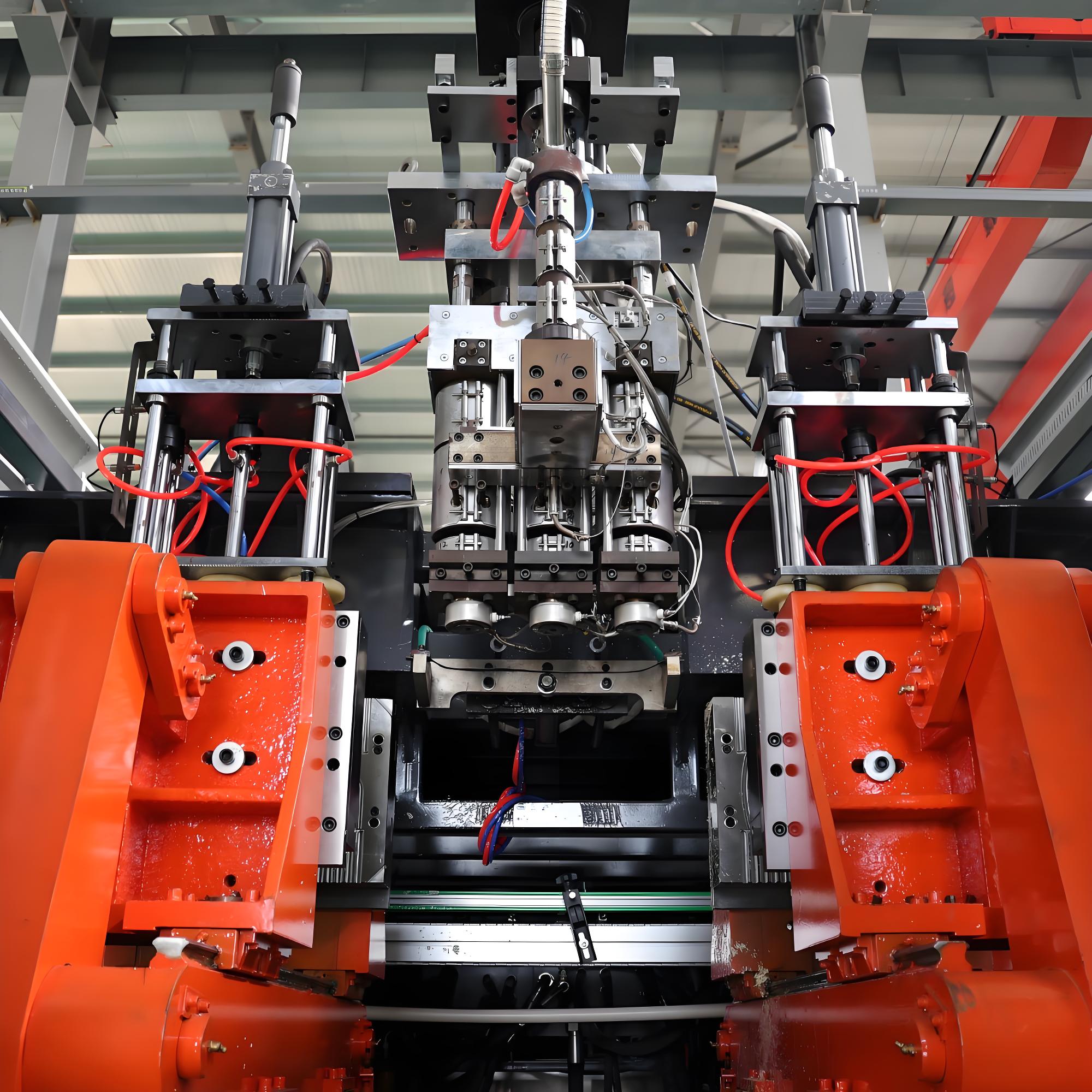
Apollo manufacturing facilities span over 30,000 square meters of production space with comprehensive capabilities for extrusion blow molding equipment production. Fabrication facilities include CNC machining, welding, and assembly capabilities that ensure precise manufacturing and consistent quality. Paint and finishing operations provide professional appearance meeting brand owner expectations.
Assembly operations incorporate structured processes that ensure consistent quality across equipment builds. Quality checkpoints at critical process stages verify conformance before progression to subsequent operations. Final testing and inspection validates complete equipment performance prior to shipment.
Production capacity supports annual output ranging from 50 to 200 machine units depending on machine specifications and configuration. Capacity utilization planning ensures timely delivery for partnership commitments while maintaining flexibility for special requirements and market opportunities.
Engineering and Customization Resources
Apollo engineering resources support both standard product development and custom engineering for OEM requirements. Product engineering teams continuously improve standard offerings incorporating customer feedback and technology advances. Custom engineering capabilities address unique requirements that standard products do not accommodate.
Customization services enable brand differentiation through distinctive features, configurations, and appearances. Control system customization accommodates brand owner preferences for interfaces and functionality. Cosmetic customization addresses visual branding requirements while maintaining quality and reliability.
Documentation services include operation manuals, maintenance guides, and technical documentation customized for brand owner requirements. Documentation translation and localization support international market service requirements. Electronic documentation delivery enables efficient distribution while reducing environmental impact.
Financial Considerations for OEM Equipment Businesses
OEM equipment businesses require careful financial planning addressing revenue recognition, margin optimization, and working capital management. Understanding the economics of OEM equipment distribution enables sustainable business development while generating returns on invested resources. Financial planning should address both startup phase investments and ongoing operational economics.
Revenue and Margin Analysis
Equipment pricing in OEM arrangements includes manufacturer cost, margin adders, and competitive positioning considerations. Manufacturer costs typically range from 50 to 75 percent of selling price depending on specification requirements and order volumes. Margin requirements must cover sales costs, service infrastructure, warranty reserves, and business overhead while generating acceptable returns.
Service revenue including installation, training, and maintenance contracts supplements equipment margins. Service gross margins typically exceed equipment margins due to lower cost structures. Long-term service relationships generate predictable revenue while creating barriers to competitive displacement.
Parts revenue provides high-margin supplemental income from parts sales, service work, and consumables. Parts margins typically range from 40 to 60 percent depending on parts categories and competitive intensity. Customer base expansion drives parts revenue growth as installed equipment populations increase over time.
Working Capital and Cash Flow Management
Equipment inventory requirements tie up working capital for extended periods as equipment moves through production, shipping, and delivery cycles. Cash conversion cycles of three to six months from order placement through customer payment require adequate working capital for sustained operations. Inventory financing arrangements may address working capital constraints while maintaining customer service levels.
Payment terms with manufacturing partners affect working capital requirements and cash flow timing. Down payments at order placement reduce credit requirements while progressive payments align cash outflows with production progress. Customer payment terms affect cash collection and require appropriate credit management practices.
Growth investment requirements may exceed operating cash generation in expanding businesses. Capital requirements for hiring, infrastructure, and working capital growth require external financing or reinvested profits. Business planning should address financing requirements and sources to support growth objectives.
Return on Investment Considerations
Return on investment for OEM equipment businesses depends on revenue generation, margin achievement, and asset efficiency. Investment requirements include startup costs for partnership establishment, working capital for operations, and ongoing investments in business development. Returns should compensate for invested capital risk while providing acceptable profit levels.
Break-even analysis identifies sales volumes required to cover fixed costs and reach profitability. Break-even volumes depend on margin structures and operating cost levels. Understanding break-even requirements guides market entry strategy and growth pacing decisions.
Customer acquisition costs affect business economics and growth sustainability. Sales cycle length, conversion rates, and customer lifetime value inform marketing and sales investment decisions. Customer concentration risk requires attention when single customers represent significant revenue portions.
Conclusion and Strategic Recommendations
China OEM partnerships for extrusion blow molding equipment offer compelling strategic value for companies seeking to build branded equipment businesses without major manufacturing investments. The OEM model enables market entry speed, capital efficiency, and manufacturing scale access that internally developed capabilities cannot match. Success requires careful partner selection, clear agreement terms, and sustained investment in brand development and service capabilities.
Brand positioning strategies that emphasize service excellence, application expertise, and customer relationship depth create sustainable differentiation in competitive equipment markets. Technical capabilities that customers value provide defensible competitive advantages while driving customer satisfaction and retention. Investment in brand development and service infrastructure creates business value that appreciates over time.
Financial planning should address both startup investments and ongoing operational economics while ensuring adequate resources for business development and growth. Working capital requirements for equipment inventory and receivable financing require attention to prevent operational constraints. Return expectations should reflect competitive dynamics and the effort required to build sustainable market positions.