
Plastic trays manufactured through extrusion blow molding serve essential functions across industrial storage, retail display, and material handling applications worldwide. The unique manufacturing capabilities of extrusion blow molding enable production of trays with exceptional durability, consistent quality, and cost-effective pricing that competes favorably with alternative production methods. This comprehensive guide examines the technology, design considerations, manufacturing requirements, and economic factors that define successful plastic tray production for industrial use. Operations managers, procurement specialists, and facility planners will find detailed information enabling informed decisions about equipment selection, tray specifications, and supplier partnerships that support their specific application requirements.
The global market for plastic trays continues expanding as industries recognize the advantages of plastic over traditional materials including wood, metal, and cardboard. Plastic trays offer superior durability, lighter weight, easier cleaning, and longer service lifetimes that reduce total cost of ownership despite higher initial acquisition costs. Extrusion blow molding provides an efficient manufacturing method particularly suited to hollow or double-wall tray constructions that maximize strength while minimizing material consumption. Understanding the capabilities and limitations of this manufacturing approach enables buyers to specify trays that deliver optimal value for their specific applications.
Understanding Plastic Tray Manufacturing Requirements
Industrial plastic trays face demanding requirements that vary significantly based on their intended applications. Storage trays in warehouse environments must withstand repeated stacking under heavy loads, impacts from automated handling equipment, and exposure to diverse environmental conditions. Display trays used in retail environments prioritize visual appeal and product presentation while maintaining adequate durability for reasonable service lifetimes. Material handling trays in manufacturing operations must endure continuous use in demanding conditions while protecting valuable components from damage during transport and storage.
Structural Requirements for Industrial Applications
Industrial storage trays must maintain structural integrity under sustained loading conditions that may exceed one hundred kilograms per tray depending on product density and stacking configuration. The tray design must distribute loads effectively through structural ribs, wall thickness optimization, and geometric configurations that maximize strength-to-weight ratios. Extrusion blow molding enables production of trays with complex internal rib structures that would be impractical or impossible with other manufacturing methods. These internal structures provide reinforcement without occupying usable tray volume or creating surfaces that collect debris.
Impact resistance represents another critical structural requirement for industrial trays that experience repeated handling, dropping, and collision with other trays or equipment. The material selection and processing parameters must be optimized to achieve adequate impact resistance for the specific service conditions. High-density polyethylene provides excellent impact resistance for most industrial applications, while polypropylene offers superior stiffness at elevated temperatures or for applications requiring gamma sterilization. Material compounds with rubber modifiers can further enhance impact resistance for the most demanding applications where tray damage would result in significant product loss or safety concerns.
Size and Dimensional Considerations
Industrial plastic trays are produced in standardized sizes that facilitate interoperability with existing handling equipment, storage systems, and transportation containers. Common tray dimensions include six hundred by four hundred millimeters, five hundred by three hundred millimeters, and four hundred by three hundred millimeters, representing European and North American standard sizes. Custom sizes are available but typically command premium pricing and longer lead times compared to standard catalog products. Buyers should evaluate standard size options thoroughly before committing to custom specifications that increase cost and supply chain complexity.
Tray depth affects both the volume capacity and the structural characteristics of finished products. Deeper trays provide greater volume capacity but experience increased tendency toward warpage and reduced stacking stability. Extrusion blow molding enables production of trays with variable wall thickness, allowing designers to specify thicker walls in areas requiring additional strength while minimizing material in areas with less structural demand. This optimization capability reduces material consumption and weight compared to constant-wall-thickness designs while achieving equivalent or superior structural performance.
Extrusion Blow Molding Technology for Tray Production
Extrusion blow molding provides distinct advantages for plastic tray manufacturing compared to alternative processes including injection molding, thermoforming, and structural foam molding. The technology’s characteristics make it particularly well-suited to specific tray categories while limiting its applicability to others. Understanding these technology characteristics enables informed decisions about manufacturing method selection and equipment configuration for tray production operations.
Process Characteristics and Capabilities
Extrusion blow molding produces hollow plastic articles by extruding a molten tube (parison) that is captured between mold halves and inflated to conform to the mold cavity. This process enables production of trays with double-wall construction where the inner and outer walls connect through integral ribs, creating structures with exceptional strength-to-weight ratios. The hollow construction also reduces material consumption compared to solid-wall alternatives while providing insulation properties useful for certain temperature-sensitive applications. These characteristics make extrusion blow molding the preferred method for large, deep trays with substantial structural requirements.
The wall thickness capabilities of extrusion blow molding extend from approximately one millimeter for thin-walled containers to over ten millimeters for thick-walled industrial products. Tray applications typically fall in the two to five millimeter range, balancing structural requirements against material costs and cycle time considerations. The ability to program wall thickness variations across the product enables designers to specify thicker sections in high-stress areas while minimizing thickness elsewhere. This optimization capability reduces overall material consumption and production costs while improving product performance characteristics.
Equipment Specifications for Tray Manufacturing
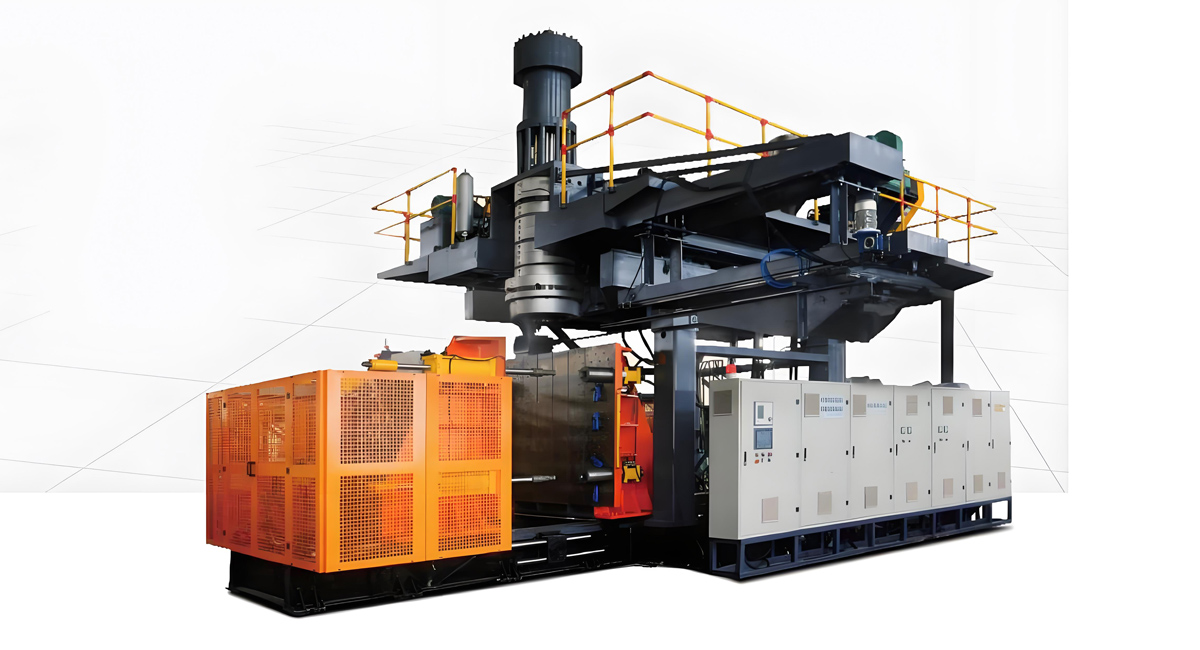
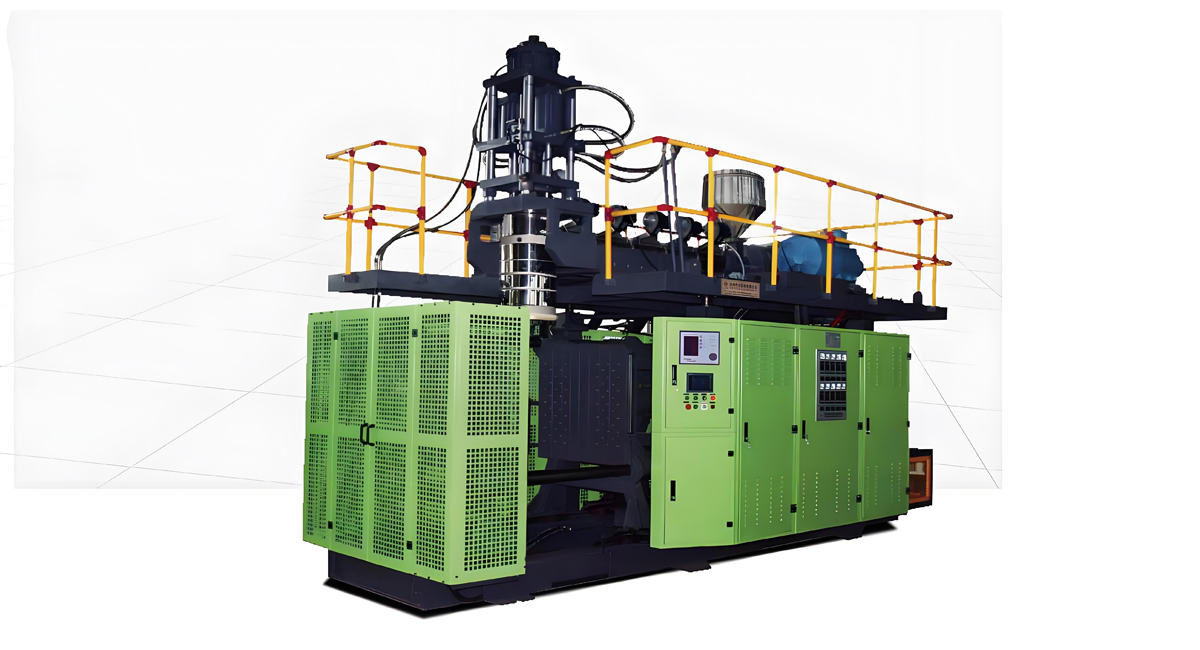
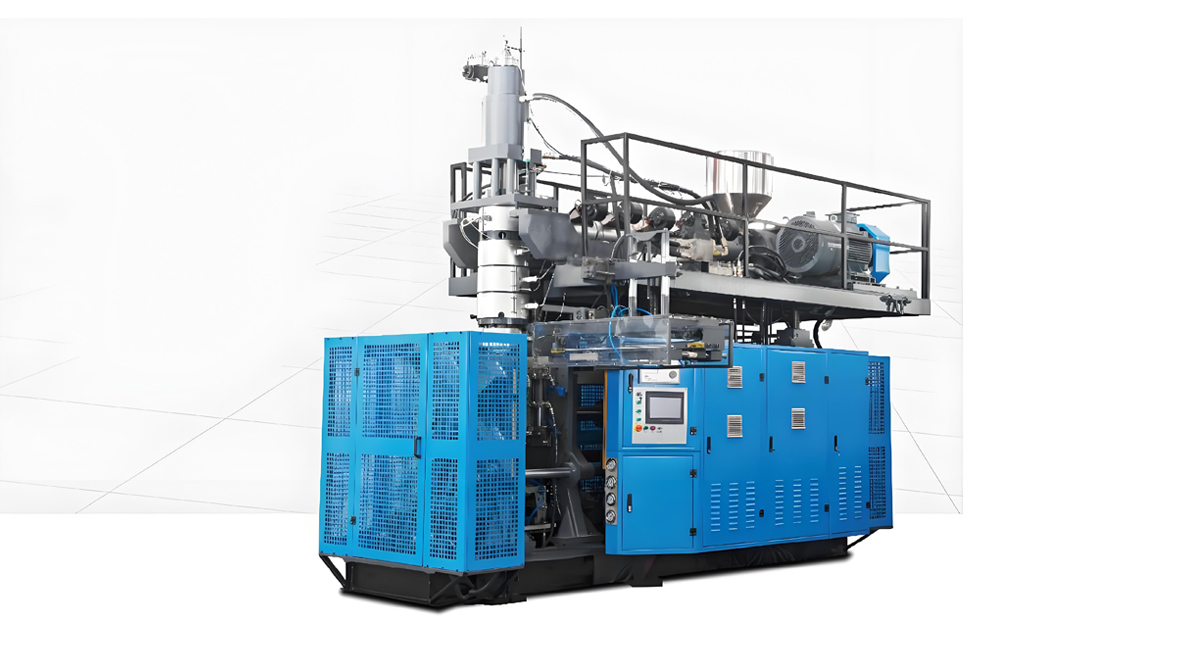
Production of industrial plastic trays typically requires extrusion blow molding machines with clamping forces ranging from fifty tons to two hundred tons depending on tray size and complexity. Larger trays require proportionally higher clamping forces to prevent mold opening during inflation, while trays with deep draws or complex geometries may require additional clamping capacity for reliable production. Apollo offers machines across this clamping force range with specifications optimized for tray manufacturing applications.
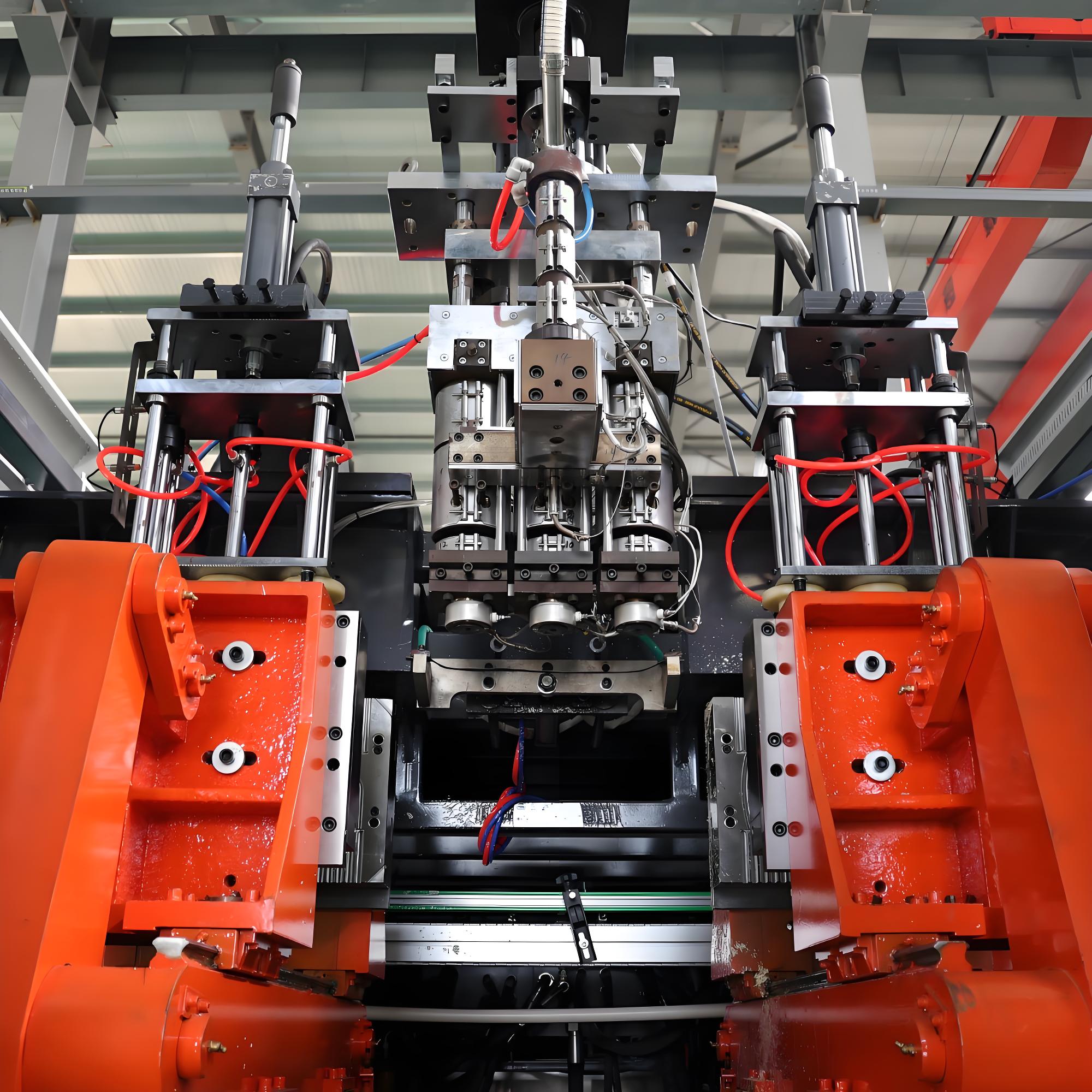
Extrusion system capacity influences cycle time and material flexibility in tray production. Larger extrusion screws enable higher output rates that reduce cycle times for production of thinner-walled trays, while smaller screws provide better control for thick-walled trays requiring slower extrusion. Variable extrusion capability through servo-controlled screw drives enables optimization of output rate for specific products, improving efficiency across diverse tray specifications. The die head design significantly affects tray quality and production efficiency, with modern floating head designs enabling rapid product changeovers that reduce setup times between production runs.
Design Guidelines for Industrial Plastic Trays
Successful plastic tray design requires integration of multiple considerations including structural performance, manufacturing efficiency, material selection, and end-use requirements. Designers familiar with injection molding or other plastic processes must understand the specific characteristics of extrusion blow molding to create designs that achieve optimal manufacturing efficiency and product performance. The following guidelines address key design factors that influence tray quality, production cost, and service life in industrial applications.
Structural Design Principles
Effective structural design for blow molded trays relies on understanding how geometry affects strength under various loading conditions. Vertical walls provide the primary load-bearing structure in stacked configurations, making wall thickness and rib reinforcement in these areas critical for preventing deformation or failure. Corner radii should be maximized within geometric constraints to reduce stress concentrations that can initiate cracking under repeated loading. Internal rib structures should connect to walls at angles that minimize stress concentration while providing effective load distribution throughout the tray.
Draft angles facilitate mold release and should be incorporated into all vertical surfaces of tray designs. Typical draft requirements range from one to three degrees depending on surface finish requirements and material selection. Textured surfaces can accommodate reduced draft angles and may improve grip characteristics for handling applications. Bottom surfaces should incorporate sufficient thickness and ribbing to prevent flexing under dynamic loading conditions during transport or automated handling operations.
Feature Integration and Manufacturing Optimization
Modern blow molded trays often incorporate multiple functional features that enhance their utility in specific applications. Handle cutouts facilitate manual handling and should be positioned to balance the tray comfortably when lifted. Stacking features including recessed feet and raised lips enable stable stacking configurations that maximize storage density. Label holders, identification slots, and RFID embedding locations support inventory management and tracking requirements in warehouse and logistics applications. These features can be integrated into the blow molding process without additional operations, reducing cost compared to post-molding assembly.
Manufacturing optimization should be considered early in the design phase to avoid costly redesigns or production inefficiencies. Parting line placement affects both mold cost and the appearance of finished products, with concealed parting lines preferred for display applications. Undercut features require slide mechanisms that increase mold complexity and cost, potentially making alternative designs preferable. Boss locations for hardware insertion should be evaluated for impact on wall thickness uniformity and potential for material pooling that creates aesthetic or structural issues.
Material Selection for Industrial Tray Applications
Material selection significantly influences the performance characteristics, production efficiency, and cost structure of blow molded plastic trays. Multiple material options are available, each offering distinct advantages and limitations that make them suitable for specific application categories. Understanding material characteristics enables informed selection that optimizes tray value for given requirements.
High-Density Polyethylene Properties and Applications
High-density polyethylene represents the most common material for industrial plastic trays due to its favorable balance of properties, processing characteristics, and cost. HDPE provides excellent chemical resistance, good impact strength, and acceptable stiffness for most industrial applications. The material processes efficiently in extrusion blow molding equipment, enabling reasonable cycle times with standard equipment configurations. Material costs for HDPE typically range from one thousand to fourteen hundred dollars per metric ton depending on grade and market conditions, making it one of the most cost-effective resin options for tray production.
HDPE trays perform reliably across temperature ranges from minus forty degrees Celsius to plus sixty degrees Celsius, accommodating most indoor and covered outdoor storage applications. The material exhibits good resistance to most industrial chemicals including acids, alkalis, and aqueous solutions, making it suitable for trays used in manufacturing and warehouse environments. UV stabilization additives extend outdoor service life for applications requiring prolonged sun exposure, with typical additive packages adding approximately ten percent to material costs.
Polypropylene and Specialized Material Options
Polypropylene offers advantages over HDPE for specific applications requiring higher temperature resistance or enhanced stiffness. PP maintains structural integrity at temperatures up to one hundred degrees Celsius, making it suitable for trays used in heated storage environments or requiring steam sterilization. The material’s superior fatigue resistance makes PP preferable for trays with hinged features or snap-fit connections. PP typically costs fifteen to twenty-five percent more than equivalent HDPE grades, with the premium justified by specific performance advantages where applicable.
Specialty materials address demanding application requirements that standard resins cannot satisfy. Antistatic compounds reduce dust accumulation and static charge buildup for electronics handling applications. Conductive polymers provide static dissipation for environments where static discharge poses explosion or fire risks. Glass-filled compounds enhance stiffness and dimensional stability for precision applications. These specialty materials command substantial premiums over standard resins and should be specified only where their unique properties provide essential performance advantages.
Cost Analysis and Economic Considerations
Economic evaluation of plastic trays requires analysis of multiple cost components including initial acquisition, ongoing operational costs, and end-of-life considerations. Total cost of ownership analysis frequently favors plastic trays over alternative materials despite higher initial costs, with the specific advantage depending heavily on application requirements and usage patterns. The following analysis provides framework for economic evaluation that supports informed procurement decisions.
Manufacturing Cost Structure
Plastic tray manufacturing costs divide into material, tooling, and processing components that vary based on tray specifications and production volumes. Material costs typically comprise fifty to seventy percent of total tray manufacturing cost, with the percentage depending on material prices and tray complexity. Complex trays with thick walls or extensive ribbing consume more material per unit, directly increasing material cost contributions. Material efficiency in blow molding depends on part design optimization and process control that minimizes material waste from trim and defective production.
Tooling costs for extrusion blow molding trays vary substantially based on cavity quantity, complexity, and size. Single-cavity molds for large industrial trays can cost thirty thousand to eighty thousand dollars depending on size and complexity, while multi-cavity molds for smaller standard trays reduce per-unit tooling amortization but increase total tooling investment. Tooling cost recovery depends on production volume and anticipated tray sales, with higher volumes enabling faster tooling amortization and lower per-unit costs.
Equipment Investment and Production Economics
Equipment for blow molded tray production ranges from forty thousand dollars for basic configurations to over one hundred fifty thousand dollars for high-performance machines with advanced automation. Machine selection depends on tray size, cycle time requirements, and anticipated production volumes. Multi-cavity production configurations increase output per machine hour but require larger equipment investments and longer setup times for product changeovers. Apollo’s applications engineering team assists customers in evaluating equipment configurations that optimize return on investment for specific production requirements.
Production cost projections for typical industrial trays range from three to twelve dollars per unit depending on size, complexity, and material selection. Smaller simple trays manufactured in high volumes can achieve costs below two dollars per unit, while large complex trays with specialty materials may exceed twenty dollars per unit. These cost ranges should be evaluated against alternative materials including injection molded plastics, metal, and wood to determine optimal material and manufacturing method for specific applications. Blow molding typically offers cost advantages for larger trays with hollow or double-wall construction, while injection molding may be preferable for smaller solid-wall trays with high dimensional precision requirements.
Apollo Solutions for Plastic Tray Manufacturing
Apollo manufactures extrusion blow molding equipment specifically configured for plastic tray production, offering capabilities that address the unique requirements of industrial tray applications. The company’s engineering expertise in tray manufacturing enables comprehensive support for customers entering or expanding tray production operations. Understanding Apollo’s product offerings and support capabilities helps prospective customers evaluate equipment options and develop production strategies aligned with their business objectives.
Machine Configurations for Tray Production
Apollo’s TBM series represents the company’s dedicated tray production machine lineup, with configurations optimized for industrial tray manufacturing requirements. These machines feature enhanced clamping systems designed for the specific demands of tray production including higher forces for deep-draw parts and precision control for consistent wall thickness distribution. Extrusion systems incorporate large-diameter screws that provide output rates suitable for economical tray production while maintaining material melt quality essential for surface finish and structural integrity.
The TBM series includes models with clamping forces from fifty tons to two hundred twenty tons, accommodating tray sizes from small component trays to large industrial pallets. Multiple machine configurations within each force range address different production volume requirements, with higher-specification machines providing faster cycle times and enhanced automation capabilities for high-volume operations. All TBM machines incorporate Apollo’s standard control platform that provides intuitive operation and comprehensive monitoring capabilities essential for consistent quality production.
Turnkey Production Solutions
Apollo offers turnkey production solutions that enable customers to establish complete tray manufacturing operations with single-source accountability. These solutions combine appropriate equipment selection, tooling procurement, material recommendations, and process development support that accelerate time-to-production while reducing implementation risk. The turnkey approach proves particularly valuable for customers new to blow molding or those entering new product categories requiring specialized expertise.
Process development services included in turnkey solutions ensure that customers achieve optimal production efficiency and product quality from initial startup. Apollo’s applications engineering team works with customers to establish process parameters, develop quality control procedures, and train production personnel. Ongoing technical support maintains production excellence throughout the equipment lifecycle, with spare parts availability and remote diagnostic capabilities that minimize production disruption when issues arise. This comprehensive support approach enables customers to focus on their core business while relying on Apollo’s expertise for manufacturing excellence.
Quality Standards and Certification Requirements
Industrial plastic tray applications frequently require compliance with specific quality standards and certifications that vary based on industry sector and end-use requirements. Understanding these requirements enables buyers to specify trays appropriately and verify that suppliers maintain necessary certifications. Quality management systems including ISO 9001 provide general quality assurance frameworks, while industry-specific standards address particular application requirements.
Industry-Specific Quality Requirements
Food industry applications require trays compliant with relevant food contact regulations including FDA requirements in the United States and EU Regulation 10/2011 in Europe. These regulations specify approved materials, extraction limits, and documentation requirements that ensure food safety throughout the product lifecycle. Suppliers serving food industry customers must maintain material certifications, traceability documentation, and production controls that demonstrate compliance with applicable regulations. Apollo’s quality management system supports customers serving regulated industries through documentation practices and material verification procedures.
Medical and pharmaceutical applications impose additional requirements including validated manufacturing processes, bio-compatibility testing, and regulatory compliance documentation. Trays used for medical device packaging must meet specific洁净度 requirements and maintain documented traceability from raw material through finished product. These demanding requirements necessitate supplier relationships with established quality systems and regulatory expertise. Apollo’s experience serving medical industry customers provides capabilities that address these specialized requirements effectively.
Testing and Verification Procedures
Comprehensive testing verifies that plastic trays meet specified performance requirements before commercial deployment. Common tests include dimensional verification, load testing under static and dynamic conditions, impact testing to verify resistance to handling damage, and environmental testing for temperature and chemical exposure. Testing protocols should reflect actual service conditions to ensure that verified performance translates to reliable field performance. Apollo maintains testing capabilities that enable verification of critical tray characteristics, with additional testing available through qualified external laboratories for specialized requirements.
Ongoing quality verification throughout production ensures consistent quality across production runs and between batches. Statistical process control techniques monitor critical quality characteristics and alert operators to process variations that could affect product quality. Incoming material verification, in-process inspection, and finished product testing provide multiple verification checkpoints that ensure only conforming product reaches customers. These quality practices require investment in measurement systems, inspection procedures, and trained quality personnel, costs that contribute to overall tray pricing but provide essential assurance of product performance.
Strategic Procurement and Supplier Selection
Effective procurement of plastic trays requires systematic evaluation of supplier capabilities, quality systems, and business relationship factors that affect long-term supply chain success. While initial pricing matters, total cost of ownership considerations including quality consistency, supply reliability, and supplier partnership value frequently outweigh unit price differences. The following guidance addresses supplier evaluation factors and procurement practices that support successful long-term tray sourcing decisions.
Supplier Capability Assessment
Equipment capabilities define the production range and efficiency potential that suppliers can offer. Prospective suppliers should document their equipment specifications including clamping forces, extrusion capacity, and automation level to enable capability matching with tray requirements. Equipment age and condition affect reliability and capability to produce complex trays consistently. Apollo manufactures equipment with capabilities that span the requirements for most industrial tray applications, enabling supplier customers to achieve competitive production economics through modern efficient equipment.
Engineering and technical support capabilities distinguish excellent suppliers from commodity providers. Suppliers with strong engineering resources can assist with design optimization, material selection, and process development that improve tray value beyond basic production capability. Quality system maturity indicates supplier commitment to consistent quality and continuous improvement. Business stability and financial health ensure long-term supply reliability that protects buyer investments in supplier relationships and product development.
Total Cost Optimization Strategies
Total cost optimization extends beyond unit price negotiation to encompass all factors affecting total cost of ownership for plastic tray procurement. Quality costs including scrap, rework, and warranty claims can substantially exceed initial price differences between suppliers. Supply chain costs including transportation, inventory carrying costs, and supply disruption risks affect total cost significantly. Supplier relationship factors including collaboration capability, innovation investment, and strategic alignment influence long-term value beyond immediate transactional pricing.
Volume optimization strategies enable buyers to achieve favorable economics while maintaining supply flexibility. Contract structures that balance volume commitment incentives against demand variability accommodate business uncertainty while providing suppliers with adequate planning visibility. Geographic sourcing strategies trade cost advantages for supply security and logistics flexibility. Multi-sourcing strategies reduce supply risk but may sacrifice volume concentration benefits. Apollo supports customers in evaluating these strategic tradeoffs and developing procurement approaches that optimize total cost within risk and flexibility constraints.
Conclusion and Implementation Guidance
Plastic trays manufactured through extrusion blow molding provide exceptional value for industrial storage, display, and material handling applications requiring durability, consistency, and cost efficiency. The technology’s capabilities enable production of trays with complex structural features that maximize strength while minimizing material consumption and weight. Understanding manufacturing capabilities, design requirements, and material options enables informed decisions about tray specifications that deliver optimal performance for specific applications.
Apollo’s equipment and support capabilities position the company as a strategic partner for operations establishing or expanding plastic tray manufacturing capabilities. The company’s engineering expertise, quality systems, and global support infrastructure provide the foundation for successful production operations that serve demanding industrial markets. Production managers evaluating equipment investments should engage Apollo’s applications engineering team to discuss specific requirements and develop solutions tailored to their production environment and business objectives.
Successful tray procurement requires systematic evaluation of requirements, capabilities, and total cost factors that extend beyond simple unit pricing. Operations managers who invest adequate effort in requirement definition, supplier evaluation, and relationship development position themselves for supply chain success that supports competitive positioning in their target markets. The combination of capable equipment, qualified suppliers, and strategic procurement practices creates sustainable value that benefits all supply chain participants over extended business relationships.