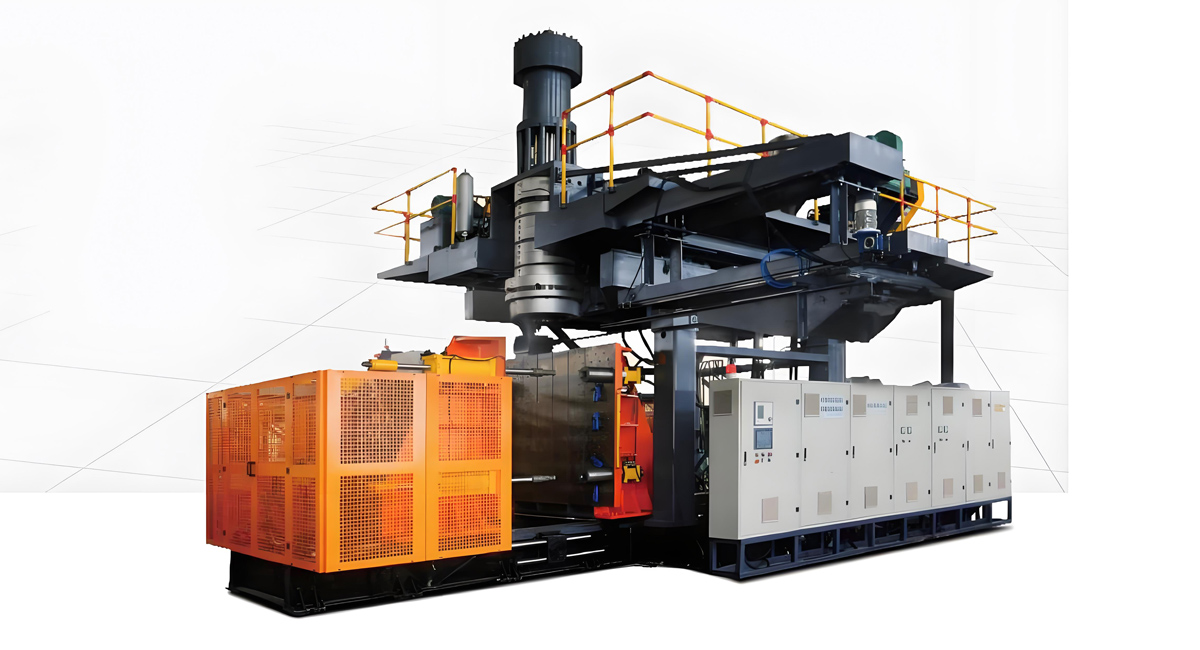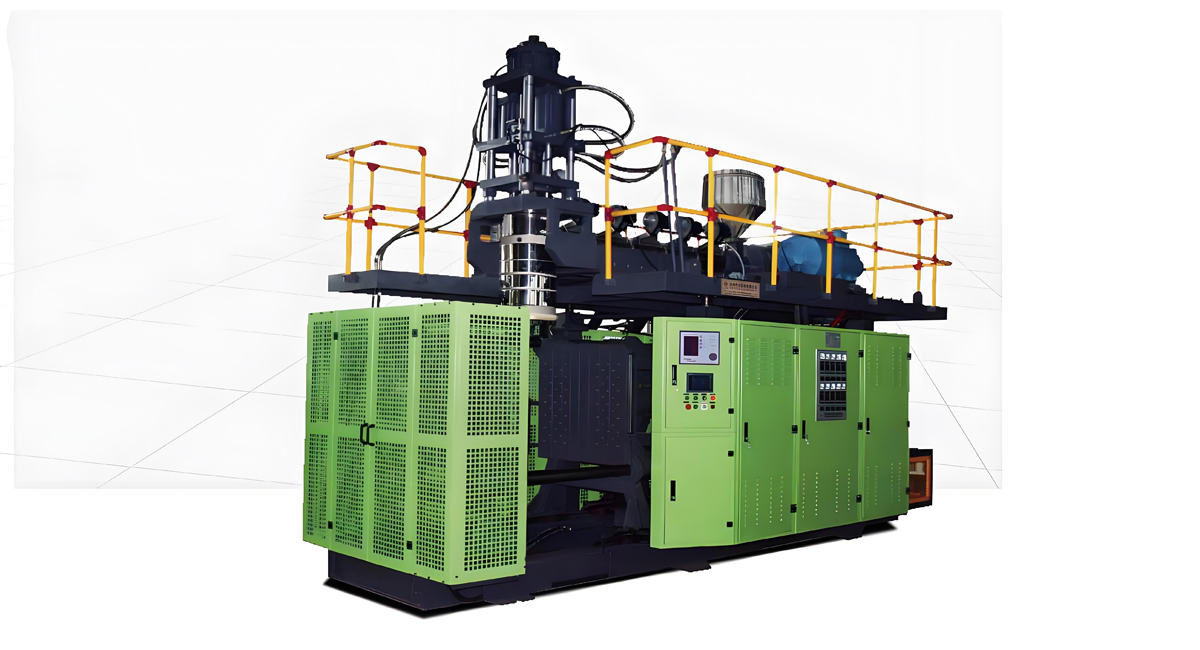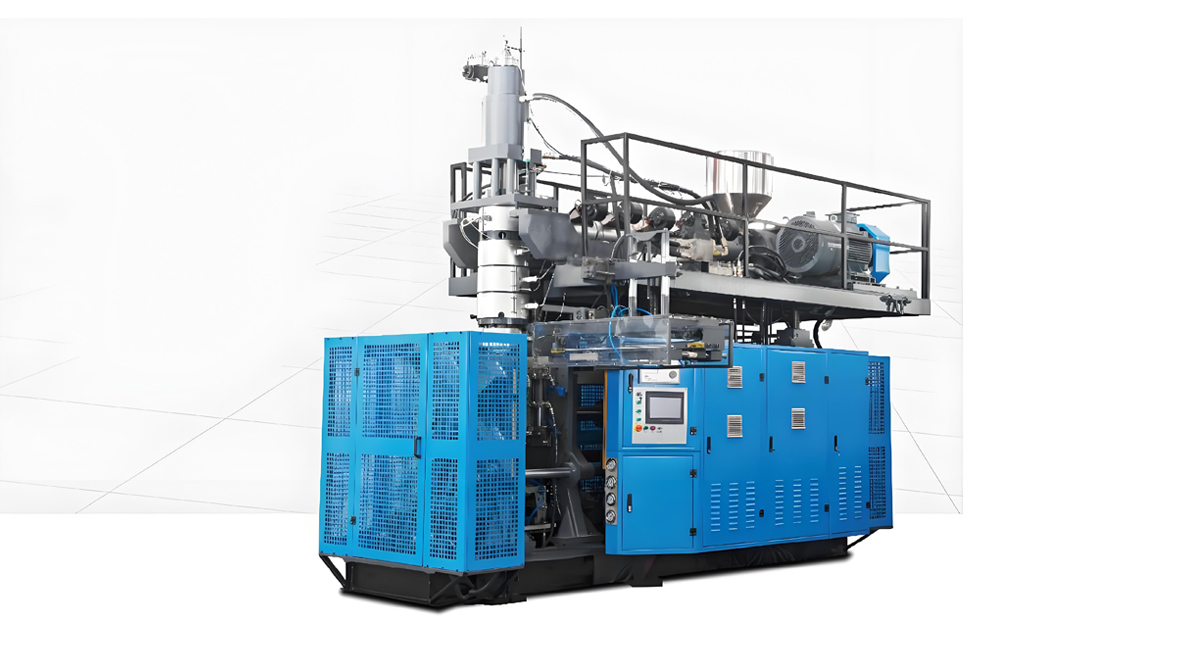
In the competitive landscape of plastic manufacturing, small factories face unique challenges that demand intelligent solutions. The air-cooled extrusion blow molding machine has emerged as a transformative technology for operations seeking to optimize production while managing energy costs. This comprehensive guide explores how air-cooled systems deliver substantial energy savings, why they represent an ideal investment for small-scale manufacturing facilities, and what factors determine the total cost of ownership for these machines. Small factory owners increasingly recognize that the choice of blow molding equipment directly impacts profitability, product quality, and operational sustainability. Understanding the nuanced advantages of air-cooled technology empowers decision-makers to make investments that align with both immediate production needs and long-term business objectives.
The global plastic manufacturing industry continues to evolve rapidly, with energy efficiency becoming a paramount concern across all production scales. Small factories, in particular, must balance the imperative for competitive pricing with the need to maintain healthy profit margins. Air-cooled extrusion blow molding machines address this challenge by eliminating the water consumption and circulation infrastructure associated with traditional water-cooled systems. This fundamental difference in cooling methodology translates to significantly reduced operational expenses, making air-cooled equipment particularly attractive for manufacturers operating with limited capital reserves or those seeking to minimize their environmental footprint. The technology has matured considerably over the past decade, with modern air-cooled systems delivering performance characteristics that rival their water-cooled counterparts while offering superior energy efficiency profiles.
Understanding Air-Cooled Extrusion Blow Molding Technology
Air-cooled extrusion blow molding represents a sophisticated manufacturing process where molten plastic is extruded through a die head to form a parison, which is then captured between two mold halves and inflated with compressed air to assume the shape of the cavity. The critical distinction between air-cooled and water-cooled systems lies in the method used to solidify the molten plastic after it has been shaped. In air-cooled configurations, ambient or forcibly circulated air removes heat from the mold surfaces, causing the plastic to cool and solidify at a controlled rate. This approach eliminates the need for complex water circulation networks, cooling towers, and associated pumping equipment that characterize water-cooled installations.
The Fundamental Cooling Mechanism Explained
The cooling process in air-cooled extrusion blow molding relies on thermal conductivity and convection principles to extract heat from the mold and the plastic article being formed. When molten polymer contacts the cooled mold surfaces, heat flows from the plastic to the metal, raising the mold temperature incrementally. The air-cooled system then extracts this heat through convective heat transfer, with fans or natural airflow carrying thermal energy away from the mold surfaces. Modern air-cooled machines incorporate precisely engineered fan systems that optimize airflow patterns across mold surfaces, ensuring uniform cooling rates that produce consistently high-quality finished products. The rate of heat extraction determines production cycle times, making fan design and placement critical factors in machine performance optimization.
The thermal properties of the mold material itself play a crucial role in determining cooling efficiency. High-grade tool steels and aluminum alloys offer excellent thermal conductivity, enabling rapid heat absorption from the plastic and efficient transfer to the cooling air. Manufacturers of premium air-cooled extrusion blow molding machines carefully select mold materials and designs that maximize surface area exposure to airflow while maintaining structural integrity under repeated thermal cycling. The relationship between mold material, cooling fan capacity, and production throughput represents a carefully balanced engineering challenge that reputable manufacturers like Apollo address through rigorous testing and optimization processes.
Key Components of Modern Air-Cooled Systems
A typical air-cooled extrusion blow molding machine comprises several essential subsystems that work in concert to deliver reliable, energy-efficient production. The extrusion system includes a feed throat, compression screw, barrel assembly, and die head, all engineered to melt and homogenize plastic resin at optimal temperatures. The cooling subsystem incorporates strategically positioned fans, ducting, and control systems that regulate airflow to achieve consistent cooling across the mold cavity. The clamping system provides the mechanical force necessary to hold mold halves together during the inflation process, while the control system coordinates all machine functions to ensure repeatable, high-quality output.
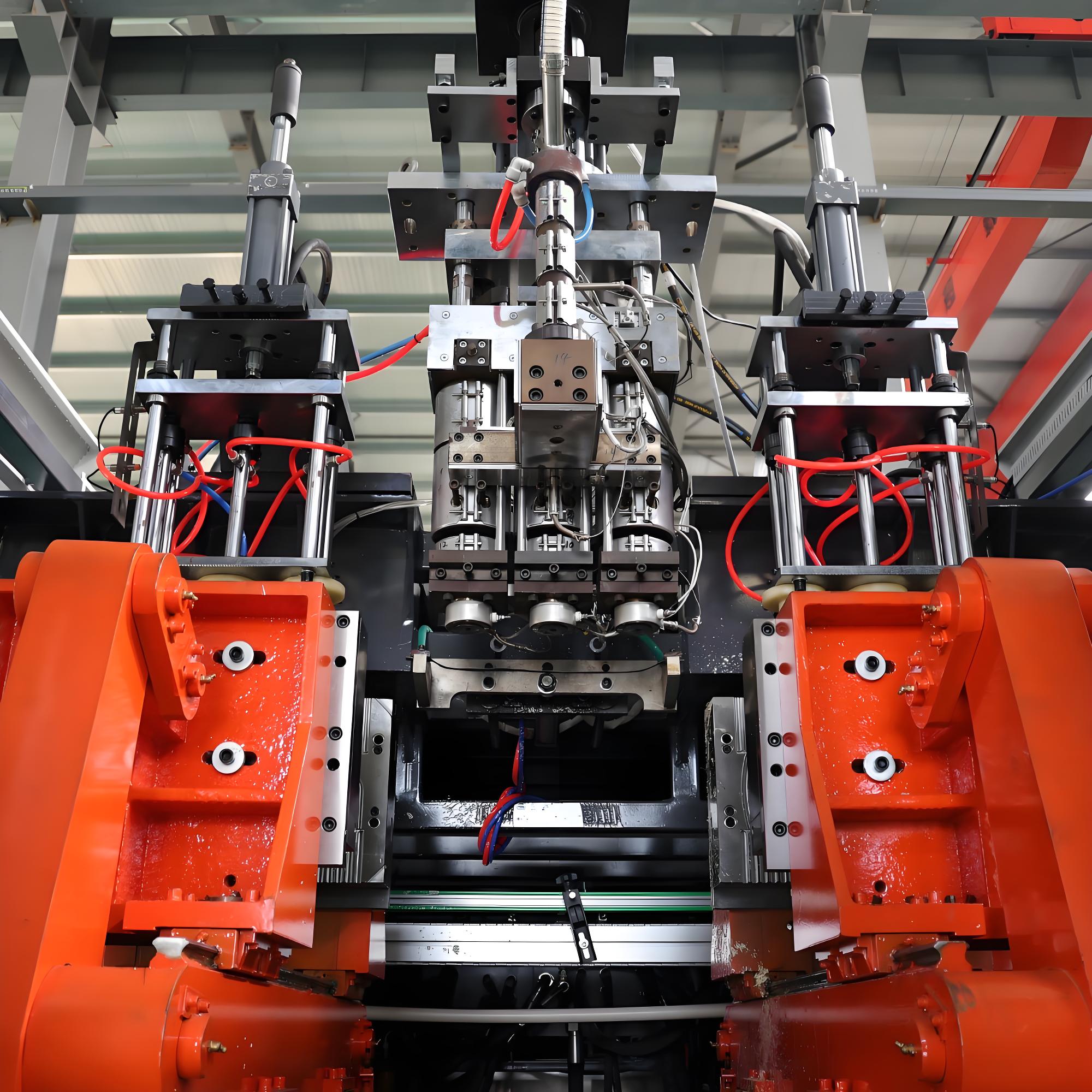
The die head represents a particularly critical component in extrusion blow molding, as it determines the wall thickness distribution of the finished product. Modern air-cooled machines employ sophisticated die head designs that allow operators to program wall thickness profiles across different sections of the article being produced. This capability proves especially valuable when manufacturing products with varying thickness requirements, such as containers that require reinforced sections at handles or structural ribs. Apollo extrusion blow molding machines incorporate advanced die head technology that delivers precise wall thickness control while maintaining the energy efficiency that characterizes air-cooled operation.
Energy Efficiency Advantages for Small Factory Operations
Energy consumption constitutes one of the largest operating cost categories for plastic manufacturing facilities, making energy efficiency a critical consideration for small factory operators. Air-cooled extrusion blow molding machines deliver substantial energy savings through several distinct mechanisms that collectively reduce operational expenses compared to water-cooled alternatives. Understanding these advantages enables small factory owners to quantify the financial benefits of air-cooled technology and make informed equipment investment decisions. The cumulative effect of these efficiency gains often proves decisive in achieving competitive production costs that support sustainable business operations.
Elimination of Water-Related Energy Demands
Water-cooled extrusion blow molding systems require substantial energy inputs to operate the pumps, chillers, and cooling towers necessary for thermal management. These auxiliary systems often consume more electrical power than the blow molding machine itself, representing a significant ongoing expense that accumulates throughout the equipment’s operational lifetime. Air-cooled systems eliminate this entire category of energy consumption by relying on electrically powered fans, which draw considerably less power than water circulation equipment. For small factories operating under tight energy budgets, this elimination of water-related energy demands can translate to operating cost reductions of twenty to thirty percent compared to equivalent water-cooled installations.
The absence of water circulation infrastructure also eliminates heat losses associated with cooling tower evaporation and water treatment processes. Water-cooled systems inherently lose water through evaporation during normal operation, requiring continuous makeup water supply and associated pumping energy. Air-cooled systems experience no such losses, with all electrical energy input converted directly to mechanical work and airflow without intermediate thermal conversion steps that introduce inefficiencies. This direct energy conversion pathway contributes to the superior energy efficiency profile of air-cooled extrusion blow molding technology and reduces the facility’s environmental impact through lower water consumption.
Reduced Infrastructure Requirements and Costs
The installation of water-cooled blow molding equipment requires substantial infrastructure investments that extend well beyond the machine itself. Facilities must install water circulation piping, cooling towers or chillers, water treatment systems, and pumping equipment to support thermal management requirements. These infrastructure elements represent significant capital expenditures that increase the total cost of equipment ownership and complicate facility planning. Air-cooled systems eliminate these infrastructure requirements entirely, allowing small factories to commence production with a significantly reduced upfront investment and simpler installation process.
The simplified infrastructure of air-cooled systems also reduces ongoing maintenance expenses that accumulate throughout equipment lifetime. Water circulation systems require regular maintenance including filter replacement, chemical treatment, pump servicing, and periodic inspection for leaks or corrosion. Air-cooled systems, by contrast, require only fan motor maintenance and periodic cleaning of cooling passages, representing considerably lower maintenance burden and associated labor costs. For small factories with limited maintenance resources or budget allocations, this reduced maintenance requirement represents a meaningful operational advantage that contributes to overall cost efficiency.
Optimized Power Consumption Patterns
Modern air-cooled extrusion blow molding machines incorporate advanced control systems that optimize power consumption based on actual production requirements. Variable frequency drives on extrusion screws and cooling fans allow machines to adjust energy input dynamically, reducing power draw during lower-demand production periods or when producing simpler products. This adaptive power management capability enables small factories to minimize energy costs while maintaining the flexibility to scale production as demand fluctuates. The intelligent power management systems found in Apollo machines represent the culmination of extensive research and development focused on delivering maximum efficiency across diverse operating conditions.
The power factor characteristics of air-cooled systems also contribute to their economic advantage in regions where utilities charge penalties for poor power factor or offer incentives for improved power factor. Air-cooled machines typically exhibit more favorable power factor characteristics than water-cooled systems with heavy chiller loads, potentially qualifying facilities for utility rate benefits in markets where such programs exist. Small factory operators should consult with their utility providers to understand the specific power quality incentives available in their regions and factor these potential benefits into equipment investment analyses.
Cost Analysis and Investment Considerations
Comprehensive cost analysis for air-cooled extrusion blow molding equipment requires evaluation of multiple factors that contribute to total cost of ownership over the equipment’s productive lifetime. Small factory operators must consider not only the initial purchase price but also installation costs, operational expenses, maintenance requirements, and anticipated production capacity when evaluating equipment investments. This multi-dimensional analysis reveals the true economic value of air-cooled technology and enables informed decision-making that supports long-term business success. The following sections provide detailed guidance on cost factors that small factory operators should incorporate into their equipment evaluation processes.
Machine Pricing and Size Considerations
Air-cooled extrusion blow molding machines are available in a range of sizes and configurations to accommodate diverse production requirements. Entry-level machines suitable for small factory operations typically range from fifteen thousand to forty thousand dollars, depending on specifications including clamping force, extrusion capacity, and automation level. Mid-range machines offering higher throughput and enhanced features generally fall in the forty thousand to eighty thousand dollar range, while high-performance industrial machines can exceed one hundred thousand dollars. Apollo offers equipment across this full spectrum, enabling small factory operators to select machines that precisely match their production requirements and budget constraints.
The appropriate machine size for a given operation depends primarily on the dimensions and complexity of products to be manufactured. Small containers and bottles typically require machines with clamping forces between five and twenty tons, while larger products such as industrial drums or automotive components may require clamping forces exceeding one hundred tons. Small factory operators should carefully analyze their product portfolio to determine the minimum machine specifications that will accommodate current and anticipated future production needs. Selecting undersized equipment leads to production bottlenecks and potential quality issues, while substantial oversizing results in unnecessarily high capital costs and reduced energy efficiency during operation.
Installation and Setup Expenses
Installation costs for air-cooled extrusion blow molding equipment vary depending on facility infrastructure, machine specifications, and production requirements. The simplified infrastructure of air-cooled systems keeps installation expenses considerably lower than water-cooled alternatives, with typical installation costs ranging from two thousand to eight thousand dollars for standard configurations. This estimate includes electrical connection, foundation preparation, material handling equipment setup, and initial machine calibration. Small factory operators should budget for these installation expenses when planning equipment investments to ensure adequate capital allocation for complete production readiness.
Training costs represent an additional investment consideration that small factory operators should incorporate into their planning. While modern air-cooled extrusion blow molding machines feature user-friendly control interfaces, operators require training to achieve optimal production results and minimize material waste. Apollo provides comprehensive training programs that cover machine operation, setup procedures, troubleshooting techniques, and preventive maintenance practices. Training investments typically range from five hundred to two thousand dollars depending on the complexity of the equipment and the depth of training coverage required. This investment pays dividends through improved operator productivity, reduced material waste, and extended equipment lifetime through proper operating practices.
Operational Cost Projections
Ongoing operational costs for air-cooled extrusion blow molding machines include energy consumption, raw material expenses, labor, and consumable supplies. Energy costs vary significantly by region, with electricity prices ranging from approximately eight cents to twenty cents per kilowatt-hour across different markets. An air-cooled extrusion blow molding machine with an average power consumption of fifteen kilowatts operating continuously would incur annual energy costs ranging from approximately ten thousand to twenty-five thousand dollars depending on local electricity rates. This energy consumption figure represents a substantial reduction compared to water-cooled systems, which typically consume twenty to thirty percent more electrical energy due to chiller and pump requirements.
Raw material costs constitute the largest ongoing expense category for most blow molding operations, with plastic resin prices fluctuating based on market conditions and material specifications. Common blow molding resins include high-density polyethylene, polypropylene, and polyethylene terephthalate, with prices typically ranging from one thousand to eighteen hundred dollars per metric ton depending on material grade and market conditions. Small factory operators should conduct detailed material cost projections based on their specific product requirements and anticipated production volumes to ensure accurate cost forecasting. Apollo’s technical support team can assist customers in optimizing material selection to balance cost considerations with product performance requirements.
Applications and Product Suitability
Air-cooled extrusion blow molding machines excel in specific application areas where their unique characteristics provide maximum advantage over water-cooled alternatives. Understanding the applications best suited to air-cooled technology enables small factory operators to select equipment that will deliver optimal performance for their specific product lines. While air-cooled systems offer compelling advantages in many contexts, certain specialized applications may be better served by water-cooled equipment with its higher cooling capacity and faster cycle times.
Ideal Products for Air-Cooled Manufacturing
Air-cooled extrusion blow molding machines prove particularly well-suited for manufacturing hollow plastic products with moderate cooling requirements. Common products include consumer packaging containers, bottles for beverages and household products, medical containers, and industrial storage vessels. These products typically feature wall thicknesses between one and five millimeters and do not require the extremely rapid cooling rates that characterize water-cooled production of precision technical components. The consistent cooling rates achievable with modern air-cooled systems produce products with excellent surface finish, uniform wall thickness, and reliable dimensional accuracy that meets the requirements of most commercial applications.
Small to medium container sizes represent the sweet spot for air-cooled equipment, with machines typically producing articles ranging from fifty milliliters to twenty liters in volume. Products within this size range achieve complete cooling within reasonable cycle times while benefiting from the energy efficiency and simplified operation that air-cooled technology provides. Larger containers requiring extended cooling periods may experience longer cycle times on air-cooled equipment compared to water-cooled systems, potentially reducing overall production efficiency. Apollo’s application engineering team works closely with customers to evaluate specific product requirements and recommend equipment configurations that will deliver optimal results.
Industry Verticals and Use Cases
The food and beverage packaging industry represents a significant market for air-cooled extrusion blow molding equipment, with manufacturers producing containers for condiments, dairy products, and non-carbonated beverages. The clean operation and energy efficiency of air-cooled systems align well with the requirements of food-contact packaging production, where equipment must meet stringent hygiene standards while maintaining competitive production costs. Air-cooled machines avoid the potential for water leakage or contamination that represents a theoretical concern with water-cooled systems, providing an additional measure of quality assurance for food packaging applications.
Pharmaceutical and medical packaging manufacturers also utilize air-cooled extrusion blow molding equipment for producing containers that store medications, medical devices, and diagnostic products. The precise control and consistent quality achievable with modern air-cooled systems meet the rigorous standards required for medical packaging applications. Cosmetic and personal care product containers represent another significant application area, where the aesthetic quality and surface finish of air-cooled products enhance brand presentation and consumer appeal. Industrial chemical containers, automotive fluid reservoirs, and agricultural product sprayers complete the range of applications where air-cooled extrusion blow molding delivers excellent results for small factory operations.
Apollo Air-Cooled Extrusion Blow Molding Solutions
Apollo has established itself as a leading manufacturer of extrusion blow molding equipment, offering a comprehensive range of air-cooled machines designed to meet the diverse needs of small factory operations worldwide. The company’s commitment to energy efficiency, product quality, and operational reliability has earned Apollo a reputation for delivering value-driven solutions that support customer success across multiple industry sectors. Understanding Apollo’s product offerings and capabilities enables small factory operators to evaluate equipment options with confidence and select solutions that align with their specific production requirements.
Product Range and Specifications
Apollo’s air-cooled extrusion blow molding machine lineup spans clamping forces from ten tons to one hundred fifty tons, accommodating production volumes from small containers to medium-sized industrial products. The company’s ABM series represents the flagship product line for small factory applications, offering an optimal balance of performance, efficiency, and affordability. Machines in this series feature variable frequency drive controls on all major functions, intuitive touch-screen operator interfaces, and robust construction designed for continuous production operation. Clamping forces range from ten to fifty tons for the ABM series, with extrusion screw diameters varying from forty-five to seventy millimeters to match diverse production requirements.
The company’s ADV series addresses mid-range production requirements with enhanced capabilities including higher extrusion rates, faster cycle times, and advanced automation options. These machines target small factories experiencing growth who require additional production capacity without the substantial investment required for industrial-scale equipment. ADV series machines incorporate multi-layer coextrusion capability for manufacturers requiring barrier properties or recycled material cores, expanding the range of products achievable on air-cooled equipment. Apollo’s engineering team collaborates with customers to specify optimal machine configurations based on detailed analysis of product requirements and production volume targets.
Quality Assurance and Support Infrastructure
Apollo maintains comprehensive quality assurance protocols throughout the manufacturing process, with each machine undergoing rigorous testing before shipment to customers. Testing procedures include continuous production runs that verify performance specifications including throughput rates, product quality consistency, and energy consumption levels. This testing commitment ensures that customers receive equipment that performs as specified and reduces the risk of quality issues during initial production startup. Apollo’s quality management system is certified to international standards, providing customers with confidence in the reliability and consistency of equipment manufacturing.
Global support infrastructure enables Apollo to serve customers worldwide with technical assistance, spare parts, and training resources. Regional service centers provide rapid response to customer inquiries and spare parts requirements, minimizing production downtime when issues arise. The company’s technical documentation includes detailed operating procedures, maintenance schedules, and troubleshooting guides that empower small factory operators to maintain equipment performance independently. Apollo’s commitment to long-term customer relationships ensures that equipment investments are protected through ongoing support that maximizes return on investment over extended operational lifetimes.
Making the Investment Decision
Evaluating air-cooled extrusion blow molding equipment for small factory operations requires careful consideration of multiple factors that collectively determine the success of the investment. Production requirements, financial constraints, facility capabilities, and market conditions all influence the optimal equipment selection and implementation strategy. Small factory operators who approach equipment investment decisions systematically, with comprehensive analysis of all relevant factors, position themselves for successful outcomes that support long-term business growth and profitability.
Assessing Production Requirements
Accurate assessment of production requirements forms the foundation of effective equipment selection. Small factory operators should analyze their current product portfolio in detail, documenting container sizes, materials, production volumes, and quality specifications for each product line. This analysis reveals the minimum machine specifications necessary to meet production demands while identifying potential future requirements that might influence equipment sizing decisions. Overly conservative sizing may require equipment replacement sooner than anticipated if production volumes grow, while overly aggressive sizing increases initial investment and reduces operating efficiency at initial production levels.
Quality requirements also influence equipment selection, with certain products requiring capabilities that exceed the standard specifications of basic air-cooled machines. Products with tight dimensional tolerances, complex wall thickness requirements, or demanding surface finish specifications may require advanced machine features or configurations that increase equipment costs. Apollo’s application engineering team provides complimentary evaluation services that help customers understand the relationship between their specific product requirements and the machine specifications necessary to achieve desired quality levels. This evaluation service reduces the risk of equipment selection errors and ensures optimal matching between customer requirements and machine capabilities.
Financial Planning and ROI Considerations
Return on investment analysis for air-cooled extrusion blow molding equipment should incorporate both direct cost savings and indirect benefits that contribute to overall business value. Direct savings accrue through reduced energy consumption, eliminated water costs, lower maintenance expenses, and decreased infrastructure investments compared to water-cooled alternatives. These direct savings are quantifiable and should be calculated based on actual operating conditions and local utility rates to ensure accuracy. Indirect benefits include improved production flexibility, reduced environmental impact, and enhanced competitive positioning through lower production costs.
Payback period calculations for air-cooled extrusion blow molding equipment typically range from eighteen to thirty-six months depending on production volumes, energy costs, and the specific equipment configuration selected. Small factory operators should develop detailed financial projections that account for all relevant cost factors and compare the air-cooled alternative against water-cooled equipment or equipment from competing manufacturers. Apollo provides flexible financing options that help customers manage cash flow during the payback period while achieving immediate production benefits from new equipment acquisition. The company’s sales team works with customers to develop financing structures that align with specific business requirements and financial objectives.
Conclusion and Next Steps
Air-cooled extrusion blow molding machines represent an compelling investment opportunity for small factory operations seeking to optimize production efficiency while managing operational costs. The technology delivers substantial energy savings through elimination of water circulation requirements, simplified infrastructure, and intelligent power management that adapts to production demands. These efficiency advantages translate directly to reduced operating expenses that improve profit margins and enhance competitive positioning in markets characterized by intense price competition.
The comprehensive range of air-cooled equipment available from Apollo ensures that small factory operators can find solutions precisely matched to their production requirements and budget constraints. From entry-level machines designed for emerging businesses to advanced systems with multi-layer capability, Apollo’s product portfolio addresses diverse needs while maintaining the quality and reliability that supports successful long-term operations. The company’s global support infrastructure and commitment to customer success provide assurance that equipment investments are protected through ongoing technical assistance and spare parts availability.
Small factory operators interested in exploring air-cooled extrusion blow molding technology should contact Apollo to discuss their specific requirements and obtain detailed equipment recommendations. The company’s application engineering team provides complimentary consultation services that analyze production requirements, evaluate equipment options, and develop implementation plans that support successful equipment deployment. This consultation approach ensures that customers make informed investment decisions based on comprehensive analysis of their unique circumstances and objectives. Embracing air-cooled technology positions small factories for sustainable growth through improved operational efficiency and enhanced competitive capabilities in the global plastic manufacturing marketplace.