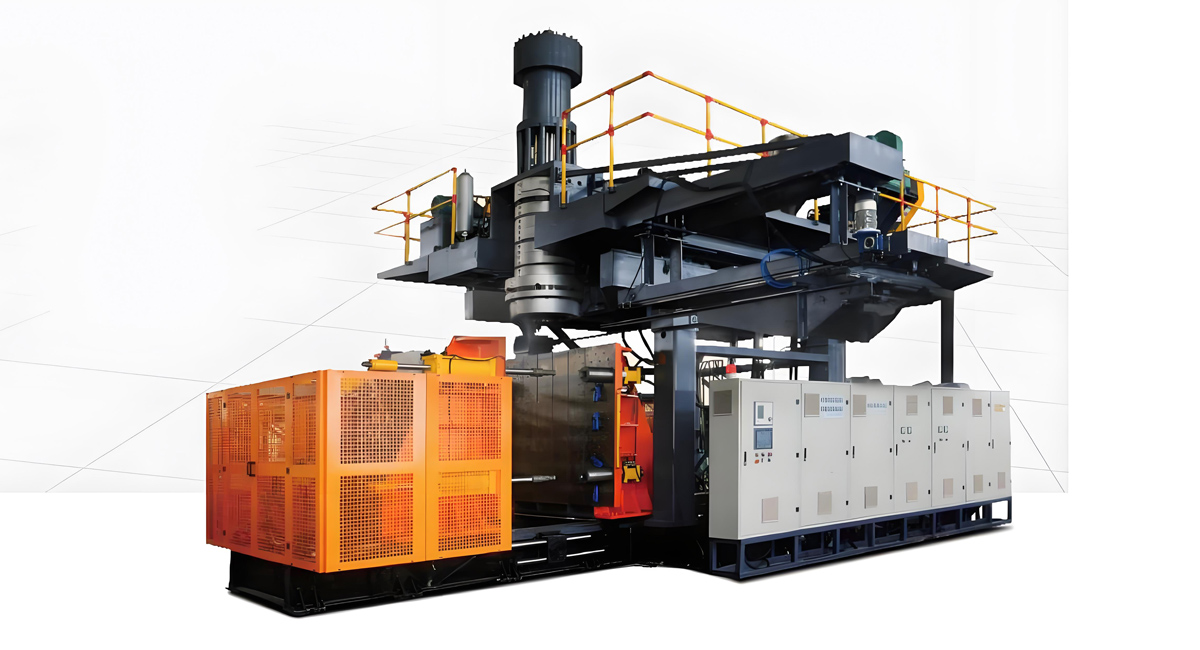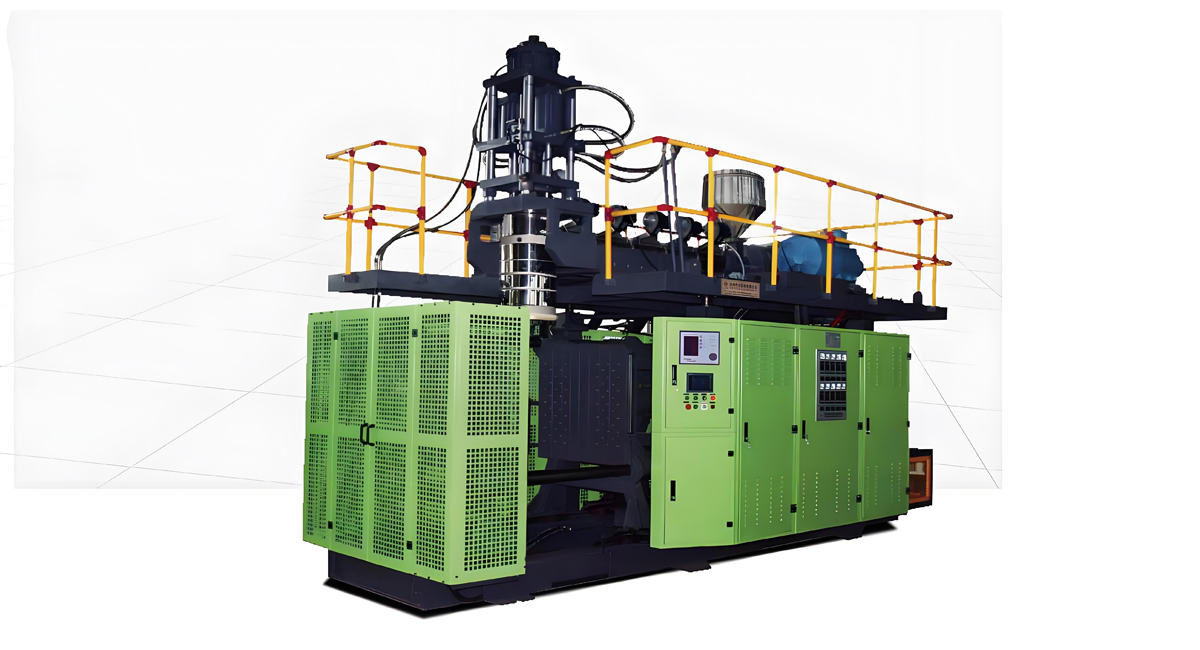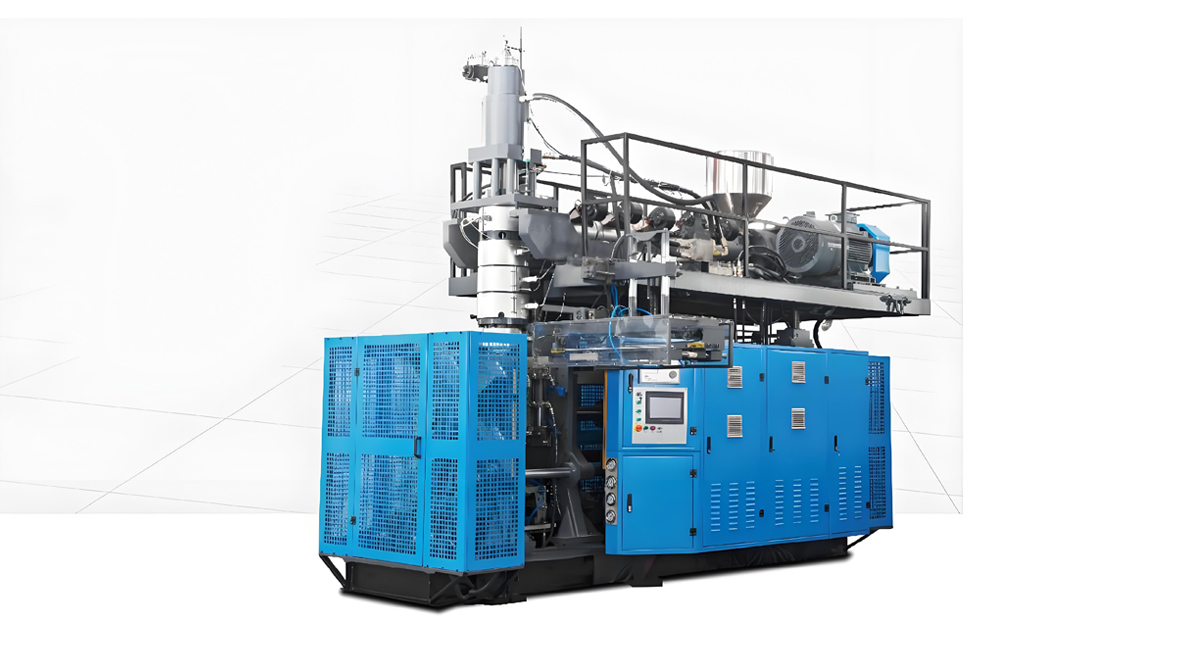

Running an extrusion blow molding machine efficiently throughout the year requires consistent maintenance practices and proactive care. Whether you operate a small-scale production facility or manage a large manufacturing operation, understanding the essential maintenance procedures for your equipment can significantly impact your productivity, product quality, and bottom line. This comprehensive guide covers everything from daily inspection routines to seasonal preparation strategies, helping you maximize the performance and longevity of your machinery while minimizing unexpected downtime and repair costs.
Understanding the Critical Importance of Extrusion Blow Molding Machine Maintenance
Proper maintenance of your extrusion blow molding machine represents one of the most important investments you can make in your manufacturing operation. Many facility managers underestimate the true cost of neglected maintenance, focusing only on immediate production demands while overlooking the long-term consequences of equipment degradation. Understanding why maintenance matters will help you prioritize these essential practices and allocate appropriate resources to keep your extrusion blow molding machine operating at peak efficiency.
How Equipment Failures Impact Machine Efficiency
When an extrusion blow molding machine experiences unexpected failure, the ripple effects extend far beyond the immediate repair costs. Production lines come to a halt, workers stand idle, delivery schedules slip, and customer relationships suffer. A single unplanned downtime event can cost manufacturers thousands of dollars per hour in lost productivity, not including the expenses associated with emergency repairs, expedited shipping of replacement parts, and potential penalties from missed deadlines. These disruptions also create psychological stress on your team and can damage your reputation in the marketplace.
Comparing Preventive Maintenance Costs Versus Repair Costs
Industry data consistently demonstrates that preventive maintenance costs represent only a fraction of reactive repair expenses. A well-structured maintenance program typically costs between three and five percent of equipment replacement value annually, while emergency repairs and associated production losses can consume fifteen to twenty percent or more of that same value each year. Consider that a comprehensive maintenance schedule including regular inspections, part replacements, and system optimizations can extend your machine service life by fifty percent or more, effectively doubling your return on investment over the equipment lifetime.
Extending Equipment Lifespan Through Proper Care
Modern equipment represents a significant capital investment for an extrusion blow molding machine, and most manufacturers expect this extrusion blow molding machine to operate reliably for fifteen to twenty years or longer with appropriate care. However, machines that receive inconsistent or inadequate maintenance often experience accelerated wear, requiring major rebuilds or complete replacement after only eight to ten years of service. The difference between these outcomes depends almost entirely on the maintenance practices you implement from day one of equipment operation.
Connecting Equipment Condition to Product Quality
The condition of your extrusion blow molding machine directly correlates with the quality of products you manufacture. Worn components, misaligned systems, and improper temperature control all contribute to defects such as wall thickness variations, material degradation, dimensional inaccuracies, and surface imperfections. These quality issues result in increased scrap rates, customer complaints, and potential product recalls. By maintaining your equipment in optimal condition, you ensure consistent product quality that protects your brand reputation and satisfies your customers.
Creating an Effective Daily Maintenance Inspection Routine
Establishing consistent daily extrusion blow molding machine maintenance procedures forms the foundation of any successful equipment care program. These routine checks take only fifteen to thirty minutes but can prevent most common equipment failures and ensure your extrusion blow molding machine operates efficiently throughout each production shift. Your operators should receive thorough training on these procedures and understand the importance of documenting their findings for continuous improvement.
Essential Pre-Operation Inspection Checklist
Before starting your extrusion blow molding machine each day, operators should verify several critical parameters. First, check all safety devices and emergency stops to confirm proper function. Inspect the machine exterior for any signs of oil leaks, unusual vibrations, or loose components. Verify that the material hopper contains adequate resin and that the feeding system operates smoothly. Examine the mold area for any residual material buildup from previous operations and ensure the mold is properly secured in the clamping system.
Monitoring Key Parameters During Operation
Throughout each production run, operators should continuously monitor extrusion blow molding machine performance indicators. Watch for any fluctuations in melt temperature, hydraulic pressure, or air pressure readings. Listen for unusual sounds that might indicate bearing wear or mechanical problems. Monitor product quality in real-time, checking for consistency in wall thickness, surface finish, and dimensional accuracy. Any significant deviations from normal parameters should prompt immediate investigation and, if necessary, scheduled shutdown for inspection.
End-of-Shift Maintenance Procedures
At the end of each production shift, proper shutdown procedures protect your extrusion blow molding machine and prepare it for the next operation. Allow the machine to cool gradually according to manufacturer specifications rather than forcing rapid cooling. Clean the mold cavity thoroughly to remove any material residue that could cause corrosion or affect next-run product quality. Inspect and clean the material feeding system, removing any dust or contaminated material. Document any observations about machine performance that might indicate developing problems.
Maintaining Accurate Operator Maintenance Records
Detailed maintenance records provide invaluable information for troubleshooting recurring problems and planning future preventive maintenance activities. Each operator should record startup times, shutdown times, production quantities, material usage, and any unusual observations during machine operation. These records help identify patterns that might indicate gradual component wear or developing issues that require attention. Review these logs regularly during team meetings to address common concerns and share best practices across your operation.
Mastering Extrusion System Maintenance for Optimal Performance
The extrusion system represents the heart of your extrusion blow molding machine, responsible for melting, mixing, and delivering plastic material to the mold cavity. Proper maintenance of this critical system ensures consistent material quality, efficient production rates, and proper product characteristics. Neglecting extrusion system maintenance leads to degraded material properties, increased energy consumption, and eventual system failure.
Inspecting and Maintaining the Screw and Barrel Assembly
The screw and barrel assembly endures extreme conditions during operation, including high temperatures, abrasive materials, and significant mechanical stress. Regular inspection of these components reveals wear patterns that affect performance. Check the screw clearance within the barrel, as increased clearance allows material to bypass the screw flights, reducing mixing efficiency and output. Inspect the screw flights for wear, damage, or material buildup that might affect plasticizing performance. The barrel itself should be examined for scoring, wear patterns, and any signs of material degradation.
Maintaining Heating Elements and Temperature Control Systems
Precise temperature control proves essential for producing quality blow molded products. Inspect all heating bands around the barrel and die head for proper function and secure attachment. Check temperature controller readings against actual temperatures using calibrated pyrometers to ensure accuracy. Clean heating elements regularly to remove dust and debris that can reduce heat transfer efficiency. Replace any damaged or failing thermocouples promptly, as inaccurate temperature readings lead to material degradation and product defects.
Establishing Proper Screen Pack Replacement Schedules
Screen packs filter impurities from melted plastic and build back pressure for proper mixing. However, these screens gradually clog during operation, increasing pressure and reducing output. Establish a replacement schedule based on your production volume and material type. Generally, screen packs should be replaced every eight to twelve hours of operation for standard materials, though filled or recycled materials may require more frequent changes. Keep replacement screens in inventory to avoid production delays when changes become necessary.
Caring for the Die Head and Mold Connection Area
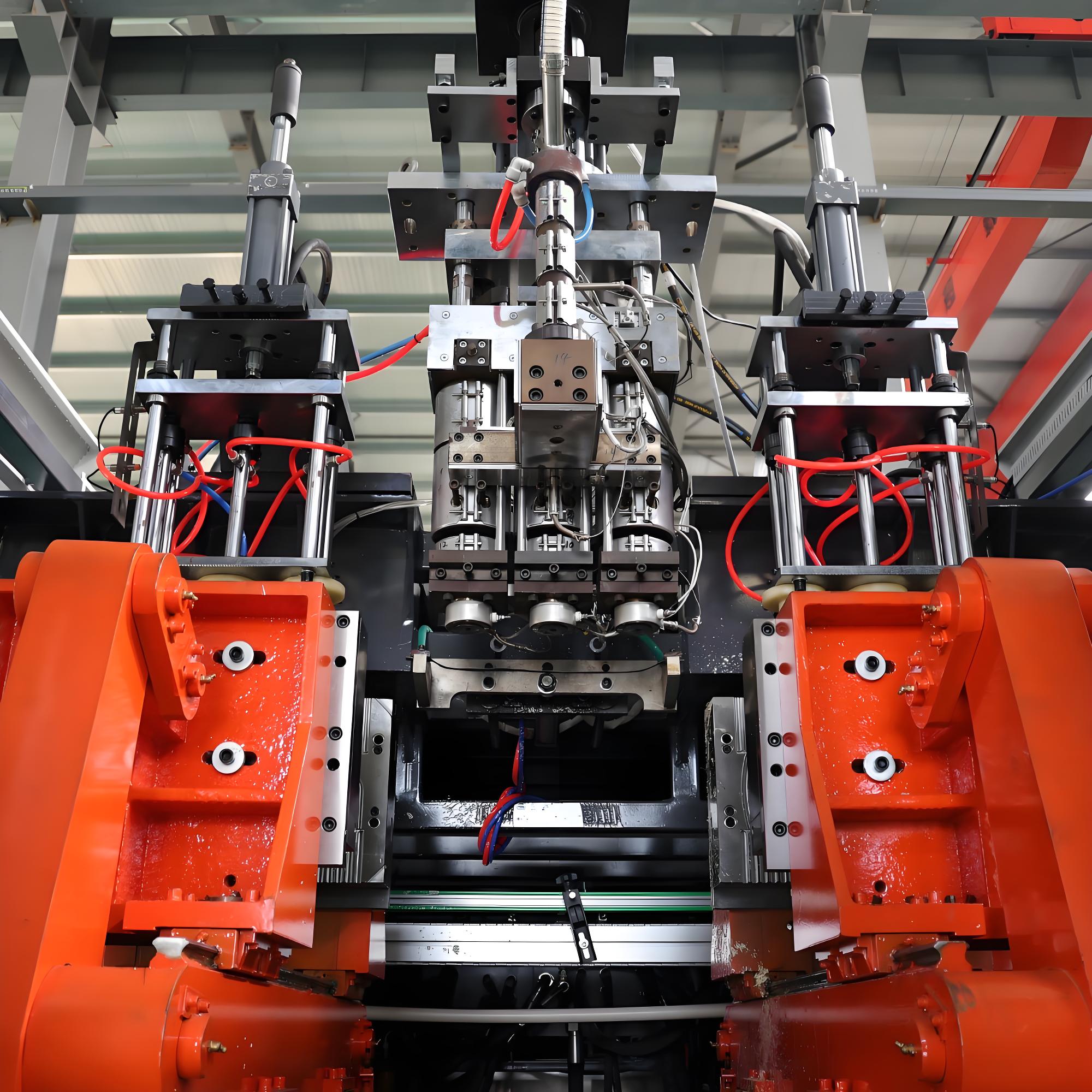
The die head on your extrusion blow molding machine and its connection to the mold require careful attention to ensure proper material flow and seal integrity. Inspect the die head regularly for wear, particularly around the die orifice and land areas. Check all seals and gaskets for signs of leakage or degradation. Ensure the die head mounting bolts remain tight and that the alignment pins properly position the die. Any material leakage around the die head indicates seal failure that requires immediate attention.
Comprehensive Mold Maintenance and Care Strategies
The mold defines your product shape and quality, making proper mold maintenance essential for consistent manufacturing results. A well-maintained mold produces higher quality products with less material waste and fewer defects. Understanding proper cleaning, lubrication, and storage procedures extends mold life significantly while reducing production problems and maintenance costs.
Proper Techniques for Mold Cleaning
Regular mold cleaning removes accumulated material residue, release agents, and contaminants that affect product quality and mold release. Use appropriate cleaning tools that will not damage mold surfaces, such as soft brass brushes for most applications and plastic scrapers for stubborn residue. Avoid using steel tools that can scratch hardened mold steel and create corrosion sites. Ultrasonic cleaning provides thorough cleaning for complex mold cavities, while compressed air removes loose debris from vent channels and cooling passages.
Implementing Correct Mold Lubrication Practices
Proper lubrication ensures smooth mold operation and prevents sticking during the blow molding cycle. Apply appropriate release agents according to your material type and production requirements, being careful not to over-apply product that might contaminate finished parts. Lubricate all moving components including cam pins, ejector pins, and parting line locks according to manufacturer recommendations. Keep detailed records of lubrication schedules to ensure consistent application across production shifts.
Maintaining Cooling Water Channels for Optimal Heat Transfer
Effective cooling removes heat from the mold and controls product temperature during manufacturing. Inspect cooling channels regularly for blockages caused by scale buildup, algae, or debris accumulation. Flush cooling lines periodically with appropriate cleaning solutions to maintain heat transfer efficiency. Check water flow rates and temperature differences between inlet and outlet to ensure adequate cooling capacity. Consider installing water treatment systems if scaling or biological growth presents ongoing problems.
Proper Storage and Protection of Molds
When molds are not in use, proper storage protects them from damage and corrosion. Apply rust preventive compounds to all steel surfaces, particularly in humid environments. Store molds on appropriate stands or pallets that support the mold without stressing critical areas. Cover molds with protective covers that prevent dust accumulation while allowing air circulation. Document mold condition and any maintenance performed during storage periods to ensure readiness for the next production run.
Analyzing Mold Maintenance Costs and Budget Planning
Understanding mold maintenance costs helps you budget appropriately and identify opportunities for cost reduction. Typical mold maintenance costs range from two to five percent of mold value annually for production molds. This includes routine cleaning, lubrication, minor repairs, and eventual refurbishment. Budget for unexpected repairs by setting aside reserves equivalent to approximately one percent of mold value each year. Planning for eventual mold refurbishment allows you to schedule downtime during lower-demand periods.
Hydraulic System Maintenance for Reliable Operation
The hydraulic system on your extrusion blow molding machine powers the clamping and other mechanical functions of your equipment. Proper hydraulic maintenance ensures consistent clamping force, reliable operation, and extended component life. Hydraulic problems often develop gradually, making regular inspection and maintenance essential for preventing unexpected failures.
Establishing Hydraulic Oil Change Intervals
Hydraulic oil degradation significantly affects system performance and component life. Change hydraulic oil according to manufacturer recommendations, typically every two to three years for standard applications, or more frequently for severe duty operations. Consider oil analysis to determine actual oil condition rather than relying solely on time intervals. When changing oil, also replace the oil filter and inspect the hydraulic tank for contamination or moisture accumulation. Never mix different hydraulic oil types, as compatibility issues can cause system damage.
Maintaining and Replacing Hydraulic Filters
Hydraulic filters remove contamination from oil, protecting pumps, valves, and actuators from wear and damage. Replace filters at recommended intervals, typically every five hundred to two thousand operating hours depending on your system and environment. Check filter indicators regularly during operation, as restricted filters reduce system efficiency and increase energy consumption. Keep replacement filters in inventory to ensure prompt changes when necessary.
Inspecting Hydraulic Cylinder Seals and Components
Hydraulic cylinders contain seals that wear over time, leading to internal leakage and reduced clamping force. Inspect cylinder rod surfaces for scoring, wear, or corrosion that damages seals. Check for external leakage around rod seals, piston seals, and port connections. Listen for unusual sounds during operation that might indicate internal cylinder problems. Replace seals according to maintenance schedules or when inspection reveals wear.
Preventing Common Hydraulic System Failures
Most hydraulic problems stem from contamination, overheating, or improper fluid levels. Maintain strict cleanliness practices when servicing hydraulic components, as contamination causes most system failures. Monitor oil temperature during operation, as excessive heat accelerates fluid degradation and seal wear. Keep the hydraulic reservoir properly filled and vented to prevent aeration and cavitation. Document all hydraulic maintenance activities to track component wear.
Electrical and Control System Maintenance Best Practices
The electrical and control systems manage your extrusion blow molding machine operation, coordinating all mechanical functions and ensuring consistent product quality. Proper maintenance of these systems prevents unexpected shutdowns, protects operators, and maintains accurate production parameters. Electrical problems pose safety risks and require qualified personnel for inspection and service.
Regular PLC System Checks and Diagnostics
Programmable logic controllers manage the machine operational sequences and process parameters. Review PLC diagnostics regularly to identify fault codes, irregular operations, or declining performance indicators. Check the condition of PLC batteries that maintain program memory, replacing them according to manufacturer recommendations. Ensure proper ventilation around PLC enclosures and protect controllers from excessive heat, moisture, and vibration. Maintain backup copies of all PLC programs in secure locations.
Calibrating Sensors for Accurate Process Control
Sensors provide critical feedback about temperature, pressure, position, and other parameters that control machine operation. Calibrate sensors regularly according to manufacturer specifications, using traceable standards when possible. Temperature sensors, pressure transducers, and position encoders all require periodic verification and adjustment. Document all calibration activities including dates, methods, and results. Recalibrate sensors after any incident that might affect their accuracy.
Tightening Electrical Connections and Terminals
Loose electrical connections cause many control system failures and can create safety hazards. Inspect all terminal connections periodically, tightening any that show signs of loosening. Check for signs of overheating at connections, including discoloration, melted insulation, or burned odors. Pay particular attention to high-current connections such as motor drives and heating elements. Use appropriate torque specifications when tightening terminals.
Maintaining Clean and Protected Control Panels
Extrusion blow molding machine control panels house sensitive electronics that require protection from contamination and environmental factors. Keep panel doors closed during operation to prevent dust and debris entry. Clean panel interiors periodically using appropriate methods that will not damage components. Check enclosure seals for integrity and replace damaged gaskets. Ensure adequate ventilation and consider installing filtered blowers or air conditioning units.
Essential Pneumatic System Maintenance Procedures
Pneumatic systems on your extrusion blow molding machine control various functions, including part ejection, blow pin operation, and auxiliary device actuation. Maintaining these systems ensures reliable operation and consistent product handling. Pneumatic problems often manifest as inconsistent operation, reduced performance, or air leaks that waste energy and increase operating costs.
Inspecting Cylinders and Control Valves
Pneumatic cylinders and valves undergo constant cycling during production, leading to wear that affects performance. Inspect cylinders for proper extension and retraction speeds, as well as smooth operation without binding or hesitation. Check valve function by listening for proper switching sounds and verifying response times. Look for air leakage around cylinders, valves, and connecting tubes. Replace worn seals and damaged components before they cause production problems.
Maintaining Air Source Treatment Equipment
Compressed air treatment equipment removes moisture, oil contamination, and particles that damage pneumatic components. Drain moisture from air receivers and filters daily, or install automatic drains to ensure consistent operation. Replace filter elements at recommended intervals to maintain air quality. Check regulator settings to ensure proper pressure throughout the system.
Replacing Pneumatic Seals and Tubing
Pneumatic seals wear from continuous operation and exposure to compressed air contaminants. Establish replacement schedules based on component type and operating conditions. Quick-connect fittings, tube inserts, and seal kits should be kept in inventory for common pneumatic components. Inspect tubing for cracks, kinks, or deterioration that might cause air leaks. Replace any tubing that shows signs of age or damage.
Ensuring Compressed Air Quality Throughout Your System
Compressed air quality directly affects pneumatic component life and system reliability. Test air quality regularly, measuring moisture content, oil levels, and particle counts. Install appropriate air treatment equipment based on your specific requirements. Position filters and dryers close to point-of-use devices rather than relying solely on central treatment systems.
Seasonal Maintenance Strategies for Year-Round Reliability
For your extrusion blow molding machine, environmental conditions change throughout the year, requiring adjustments to your maintenance practices to ensure reliable equipment operation. Preparing your extrusion blow molding machine for seasonal variations prevents weather-related problems and maintains consistent production quality regardless of external conditions.
Winter Preparation and Freeze Protection Measures
Cold weather creates specific challenges for manufacturing equipment, particularly regarding cooling systems and outdoor components. Before winter arrives, drain and winterize all cooling water systems, using appropriate antifreeze solutions where complete drainage is not practical. Inspect insulation on exposed pipes and components, replacing damaged insulation that might allow freezing. Check heating systems for auxiliary equipment including oil preheaters, cabinet heaters, and material drying systems.
Summer Heat Management and Cooling Optimization
High ambient temperatures strain cooling systems and increase equipment operating temperatures. Clean heat exchangers and condensers before summer arrives, removing accumulated debris that restricts airflow. Check coolant flow rates and concentrations to ensure optimal heat removal. Monitor operating temperatures more frequently during hot weather, setting appropriate alarm thresholds.
Managing Humidity Effects on Equipment and Materials
Humidity fluctuations affect material properties, electrical systems, and equipment performance. Monitor humidity levels in production areas and take corrective action when conditions fall outside acceptable ranges. Ensure material storage areas maintain proper conditions to prevent moisture absorption by hygroscopic resins. Check electrical enclosures for condensation and address any moisture intrusion immediately.
Understanding Temperature Variation Impacts on Manufacturing
Even moderate temperature changes affect equipment calibration and product dimensions. Document the relationship between ambient temperature variations and your process parameters to identify correction requirements. Check calibration more frequently during seasons with significant temperature swings. Adjust cooling system settings as ambient conditions change to maintain consistent product temperatures.
Developing a Comprehensive Preventive Maintenance Program
A structured preventive maintenance program organizes all maintenance activities into a logical schedule that ensures nothing gets overlooked while distributing workload appropriately throughout the year. Effective programs balance maintenance frequency against production demands, maximizing extrusion blow molding machine availability while minimizing maintenance costs.
Creating Optimal Maintenance Frequency Schedules
Different maintenance tasks require different frequencies based on their importance, manufacturer recommendations, and operational experience. Daily tasks include visual inspections, cleaning, and basic monitoring. Weekly tasks might include more detailed inspections and minor adjustments. Monthly activities encompass deeper inspections, lubrication, and calibration verification.
Managing Spare Parts Inventory Effectively
Having appropriate spare parts available prevents extended downtime when extrusion blow molding machine maintenance or repairs become necessary. Analyze failure patterns to identify which parts fail most frequently and stock accordingly. Consider criticality of each part when determining inventory levels, ensuring critical components are readily available. Balance inventory costs against downtime risks.
Implementing a Maintenance Tracking and Documentation System
Effective maintenance records provide essential information for troubleshooting, planning, and continuous improvement. Choose a tracking system appropriate for your operation, whether paper-based logs, spreadsheet databases, or computerized maintenance management software. Record all maintenance activities including routine tasks, repairs, and inspections.
Budgeting for Maintenance Activities and Contingencies
Proper budgeting ensures adequate resources for maintenance activities without surprising budget overruns. Calculate baseline maintenance costs based on historical data and manufacturer recommendations. Include costs for spare parts, consumable supplies, contractor services, and internal labor. Add contingency funds for unexpected repairs, typically ten to twenty percent of baseline maintenance costs.
Apollo Machinery: Your Partner in Equipment Excellence
Zhangjiagang Apollo Machinery Co., Ltd, operating as part of the WANPLAS Group, brings twenty years of experience and over four thousand machines operating worldwide to support your manufacturing success. Our comprehensive range of extrusion blow molding equipment includes the ABLB series for containers from two hundred milliliters to twenty liters, the ABLD series for large containers up to one thousand five hundred liters, and our advanced fully electric series offering precision control for applications from two hundred milliliters to twenty liters.
Engineered for Easy Maintenance and Long-Term Reliability
Apollo designs every machine with maintenance accessibility as a primary consideration. Our ABLB and ABLD series feature modular construction that simplifies component access and reduces service time. Clear labeling, logical component layout, and standardized parts ensure your maintenance team can service equipment efficiently. Our fully electric series eliminates many hydraulic maintenance requirements entirely.
Comprehensive After-Sales Support and Service Guarantees
Your investment in Apollo equipment includes extensive support that protects your production capability. Every machine comes with our annual five hundred dollar spare parts allowance, ensuring you receive essential components without additional cost during the warranty period. Our warranty covers free replacement of any damaged parts, including shipping costs for transportation damage.
Global Service Network Supporting Customers in Over Ninety Countries
Apollo global presence ensures responsive support regardless of your location. Our established network of service representatives and parts distribution centers serves customers in more than ninety countries across six continents. Factory-direct support combined with regional partners provides both technical expertise and rapid response capability.
Troubleshooting Common Problems and Solutions
Understanding common problems and their solutions helps your team respond quickly when issues arise. While regular maintenance prevents most problems, knowing how to diagnose and address issues minimizes downtime and production losses.
Diagnosing and Resolving Uneven Extrudate Flow
Uneven flow from the die produces defective products with inconsistent wall thickness and poor surface finish. This problem typically stems from improper temperature distribution, worn screw components, or die blockages. Check temperature profiles throughout the extrusion system, verifying that all zones maintain proper settings. Inspect the screw and barrel for wear. Clean the die head thoroughly to remove any material buildup.
Correcting Wall Thickness Variations in Finished Products
Wall thickness variations indicate problems with parison programming, material distribution, or mold alignment. Review parison programming to ensure proper profiles for your specific product design. Check that the mold is properly aligned and that parting line seals remain intact. Verify that clamp force remains adequate throughout the blow cycle.
Addressing Temperature Control Fluctuations
Temperature instability leads to product defects and process inconsistency. This problem often originates from failing heating elements, malfunctioning temperature controllers, or faulty thermocouples. Test each heating zone independently to identify zones that fail to maintain temperature. Use a calibrated pyrometer to verify actual temperatures against displayed readings.
Troubleshooting Insufficient Pneumatic Pressure
Low air pressure reduces blow pressure, resulting in poorly formed products with excessive wall thickness or incomplete definition. Verify that your air supply maintains adequate pressure for your extrusion blow molding machine and flow capacity for your machine requirements. Check for air leaks throughout the pneumatic system. Inspect and replace pneumatic filters that might be restricting flow.
Taking Action to Maximize Your Investment
Implementing the maintenance practices outlined in this guide requires commitment from management and consistent execution by your operations team. The investment of time and resources in proper maintenance delivers returns through improved equipment reliability, reduced downtime, extended service life, and consistent product quality.
Start by evaluating your current maintenance program against the best practices described here. Identify the most critical gaps between your current practices and recommended procedures. Develop an implementation plan that prioritizes the highest-impact improvements. Train your operators thoroughly on their responsibilities and empower them to report problems promptly.
Partnering with an experienced equipment manufacturer like Apollo Machinery provides additional support for your maintenance efforts. Our comprehensive warranty coverage, global service network, and technical expertise complement your internal maintenance capabilities. Contact Apollo today to learn how our equipment and support services can improve your manufacturing performance.