
The food packaging industry demands exceptional quality standards when it comes to preserving product freshness and extending shelf life. Vacuum sealing design has become a critical factor in food jar manufacturing, influencing everything from material selection to production technology. Food manufacturers increasingly recognize that the choice of extrusion blow molding machine directly impacts the vacuum seal performance and overall packaging quality of their products.
Understanding the relationship between machine capabilities and vacuum sealing effectiveness helps food packaging companies make informed equipment investments. This comprehensive guide explores every aspect of producing high-quality vacuum seal food jars using modern extrusion blow molding technology, from design principles to material selection and production optimization.
Understanding Vacuum Sealing in Food Jar Manufacturing
Vacuum sealing represents one of the most important technological achievements in food preservation. This section explains the fundamental principles that govern vacuum sealing design for food jars and why they matter for food packaging applications. Food jars require precise engineering to achieve reliable vacuum sealing performance that protects product quality throughout storage and distribution.
Definition and Primary Functions of Vacuum Sealing
Vacuum sealing refers to the process of removing air from inside a container before sealing it completely. In food packaging, this technique creates an oxygen-poor environment that significantly slows down the degradation processes that cause food spoilage. The extrusion blow molding machine plays a vital role in achieving precise bottle neck precision that enables effective vacuum sealing for food jars.
The primary functions of vacuum sealing for food jars include preventing microbial growth, inhibiting oxidative reactions, maintaining flavor integrity, and preserving nutritional value. Food manufacturers rely on these seal performance characteristics to deliver products that reach consumers in optimal condition, even after extended storage and transportation periods. Premium food jars with excellent vacuum sealing maintain product freshness for 12-24 months depending on product type and storage conditions.
Oxygen Barrier Technology and Freshness Preservation
Oxygen represents the primary enemy of food freshness. Exposure to atmospheric oxygen triggers oxidation reactions that degrade fats, alter colors, and diminish flavors. Vacuum sealing addresses this challenge by reducing oxygen levels inside the container to extremely low percentages, typically below 1%.
The oxygen barrier properties of food grade bottles depend on multiple factors including material selection, wall thickness uniformity, and surface finish quality. Advanced extrusion blow molding process enables manufacturers to produce containers with consistent wall thickness that provides reliable barrier performance across the entire food jar production run.
Vacuum Level Standards and Industry Requirements
Different food products require different vacuum levels for optimal preservation. Industry standards define specific vacuum level requirements based on product characteristics and intended shelf life. High-acid foods like tomato-based products typically require vacuum levels of 85-95%, while low-acid products need even more stringent vacuum levels exceeding 99% for food jars.
Quality control departments must verify that production equipment consistently achieves these standards. The extrusion blow molding machine must maintain tight tolerances throughout the manufacturing process to ensure each container meets specifications.
Seal Performance Testing Methodologies
Reliable seal testing requires comprehensive testing protocols that evaluate multiple parameters for food jar quality control. Manufacturers employ various testing equipment including vacuum decay testers, burst strength testers, and torque measurement devices to verify seal quality. Standard testing procedures involve measuring the vacuum level inside sealed containers, checking for gas leaks under pressure, and evaluating the torque required to open sealed containers. These tests ensure that food jars consistently meet vacuum seal performance requirements throughout production.
How Extrusion Blow Molding Affects Vacuum Seal Quality
The extrusion blow molding process fundamentally determines the sealing characteristics of finished food jar containers. Understanding these relationships helps manufacturers optimize their production parameters for superior vacuum seal performance.
Bottle Neck Precision Control
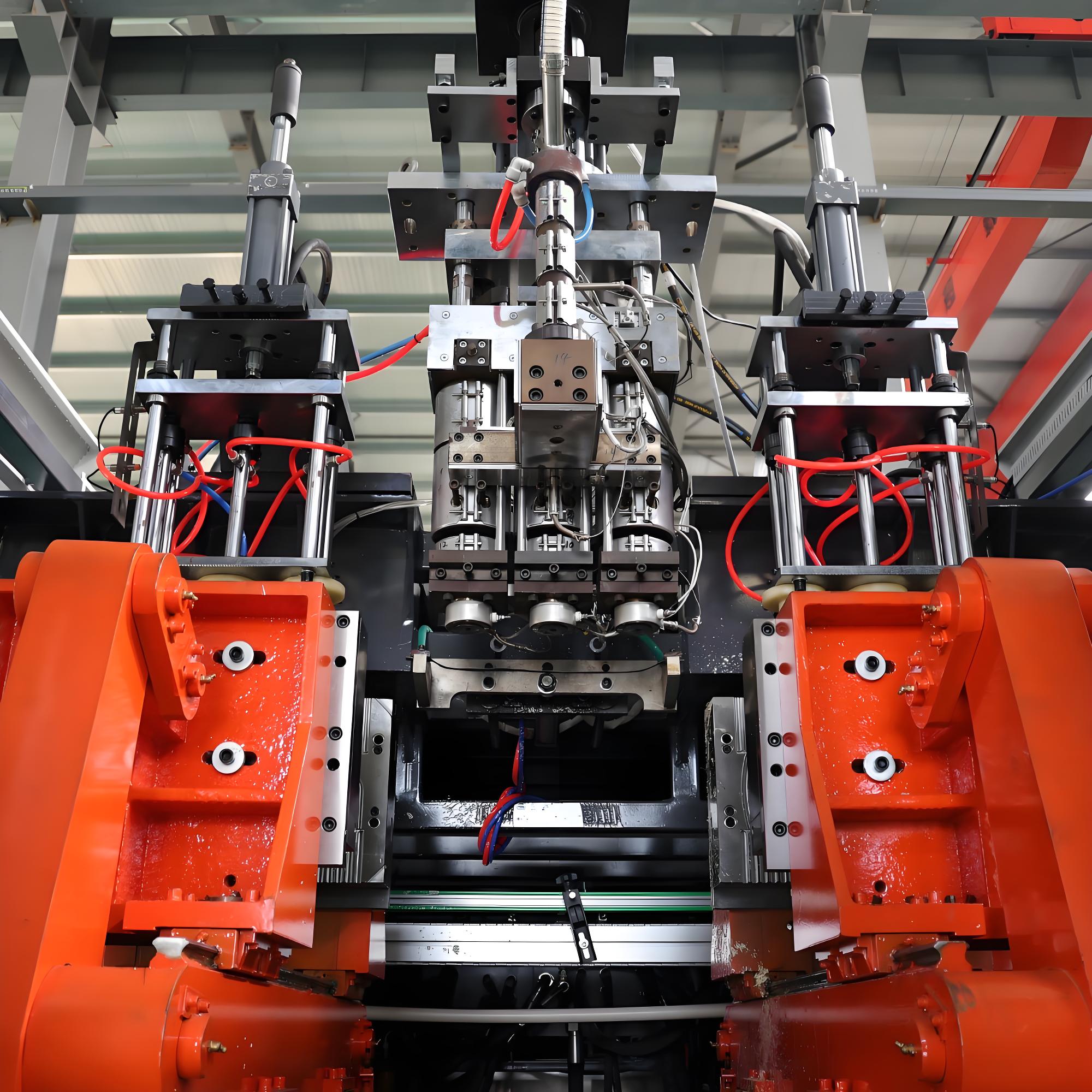
Bottle neck precision represents the most critical dimension affecting vacuum seal quality for food jars. The neck finish must maintain precise diameters, concentricity, and surface finish to achieve proper sealing with compatible closures. Even minor deviations can compromise the entire seal system. Modern extrusion blow molding machines utilize advanced parison programming and precision mold technology to achieve neck dimensions within ±0.05mm tolerances. This level of precision ensures consistent sealing performance across all containers in a production run, reducing waste and improving customer satisfaction.
Wall Thickness Uniformity Requirements
Wall thickness uniformity affects both structural integrity and sealing performance for food jars. Uniform wall thickness ensures even stress distribution when vacuum is applied, preventing weak points that could lead to container deformation or seal failure. The extrusion blow molding process controls wall thickness distribution through sophisticated control system programming that adjusts parison wall thickness in real-time based on mold position. This technology enables producers to achieve thickness variations of less than 5% across the entire container surface, significantly improving seal performance and reducing material costs.
Material Selection Impact on Sealing Performance
Different materials exhibit different sealing characteristics that influence vacuum packaging success. Material properties like flexibility, memory retention, and surface energy all affect how well a container maintains its seal under vacuum conditions.
Polyethylene offers excellent flexibility and sealability but has moderate oxygen barrier properties. Polypropylene provides superior heat resistance for processed foods. PETG delivers exceptional clarity with good barrier performance for food grade bottles. The choice of material directly impacts vacuum sealing effectiveness and shelf life extension capabilities for food jars across all application categories.
Comparison with Injection Blow Molding Technology
While injection blow molding can achieve excellent neck finish precision, extrusion blow molding offers significant advantages for larger food jars production. The continuous extrusion process enables higher production speeds and better material distribution control for containers in the 200ml to 20 liter range. Extrusion blow molding also provides greater flexibility in material selection and wall thickness control. Manufacturers producing food grade bottles in medium to large volumes typically find that extrusion blow molding delivers superior cost-performance ratios compared to alternative technologies.
Structural Design Elements for Vacuum Seal Food Jars
Successful vacuum seal design for food jars requires careful attention to multiple structural elements. Each component must function correctly to achieve reliable overall seal performance. Food jars must maintain vacuum integrity under varying storage conditions and handling stress.
Bottle Neck Thread Design Specifications
The thread design on food jars neck determines how securely the closure engages and maintains seal integrity. Thread specifications must match compatible closure designs while providing adequate engagement for reliable vacuum retention under storage and distribution conditions.
Modern food jars incorporate lead-in chamfers for easier closure application, appropriate thread profiles for optimal torque transmission, and draft angles that facilitate mold release without compromising seal performance. The extrusion blow molding machine must produce threads with consistent dimensions and surface finish quality.
Seal Gasket Groove Configuration
The groove that houses the sealing gasket must provide proper compression and retention when the closure is applied. Groove depth, width, and geometry all influence gasket performance under vacuum conditions.
Optimal groove design ensures even gasket compression around the entire circumference, preventing weak points where leaks could develop. The manufacturing process must maintain tight tolerances on groove dimensions to ensure consistent seal groove performance across all food jars produced.
Closure Fit Tolerances and Specifications
Proper closure fit tolerances ensure that closures apply correctly and maintain seal integrity throughout storage and handling of food jars. Excessive clearance leads to poor sealing, while insufficient clearance makes closure application difficult or damages container threads. Quality control programs must verify that production equipment maintains food jars within these specifications throughout production runs.
Container Base Strength Design
The container base strength design must withstand vacuum forces without deformation while providing stable support during storage and transportation of food jars. Vacuum inside containers creates significant stress on the base, requiring robust design solutions. Modern food jars incorporate ribbed bases, champagne-style bottoms, and reinforced structural features that distribute stress concentrations. These designs balance strength requirements with material efficiency and manufacturing considerations.
Sidewall Rib Reinforcement Layout
Sidewall rib reinforcement layout provides structural reinforcement without excessive material use in food jars. Ribs increase stiffness and resistance to deformation while maintaining acceptable wall thickness for vacuum sealing applications. The geometry and placement of ribs significantly impacts overall container performance. Experienced designers use finite element analysis and practical testing to optimize rib configurations for specific food jar applications and vacuum requirements.
Food-Grade Material Selection and Regulatory Requirements
Material selection for food grade bottles must balance performance requirements with regulatory compliance and cost considerations. Understanding material properties helps manufacturers choose optimal solutions for specific food jar applications. All food grade bottles must comply with stringent safety standards to protect consumer health and maintain product quality.
Polyethylene Characteristics and Applications
Polyethylene represents the most widely used material for food packaging applications. HDPE offers excellent chemical resistance and good flexibility, making it suitable for many food jars applications including sauces, condiments, and dairy products. The material provides good processability on extrusion blow molding machines and accepts various additives for enhanced performance. PE food jars offer cost-effective solutions for applications where maximum oxygen barrier performance is not critical. Typical material costs range from $1.50 to $2.50 per kilogram depending on grade and volume.
Polypropylene Heat Resistance Advantages
Polypropylene provides superior heat resistance compared to polyethylene, making it ideal for hot-fill and pasteurization applications. PP food jars can withstand processing temperatures up to 130°C without deformation, enabling broader product applications. The material offers good stiffness and excellent chemical resistance. PP also provides acceptable oxygen barrier properties when combined with appropriate barrier layers. Material costs for PP typically range from $1.80 to $3.00 per kilogram, slightly higher than polyethylene alternatives.
PETG Transparency and Performance Benefits
PETG delivers exceptional transparency and gloss that showcase product contents effectively. The material provides good barrier performance and excellent impact resistance across a wide temperature range. These characteristics make PETG ideal for premium food jar applications where visual appeal matters. The material processes well on modern extrusion blow molding machines with appropriate temperature and pressure settings. PETG material costs range from $2.50 to $4.00 per kilogram, premium pricing for superior aesthetics.
Food Safety Certification Requirements
All materials used in food grade bottle production must comply with relevant food safety certification requirements. The FDA regulates food contact materials in the United States, requiring specific formulations and testing protocols for approval. The EU maintains similarly stringent requirements under Regulation (EC) No 1935/2004. Manufacturers must ensure their materials and processes meet these standards to access global markets. Certification processes typically require 3-6 months and cost between $10,000 and $50,000 depending on complexity.
Material Cost Comparison and Selection Criteria
Material costs significantly impact overall production economics. A comprehensive cost analysis should consider not only raw material prices but also processing characteristics, yield rates, and performance requirements. For high-volume food jar production, material costs typically represent 50-70% of total production costs. Selecting appropriate materials requires balancing performance requirements against cost constraints while ensuring regulatory compliance for intended markets.
Apollo Extrusion Blow Molding Machine Advantages for Food Jar Production
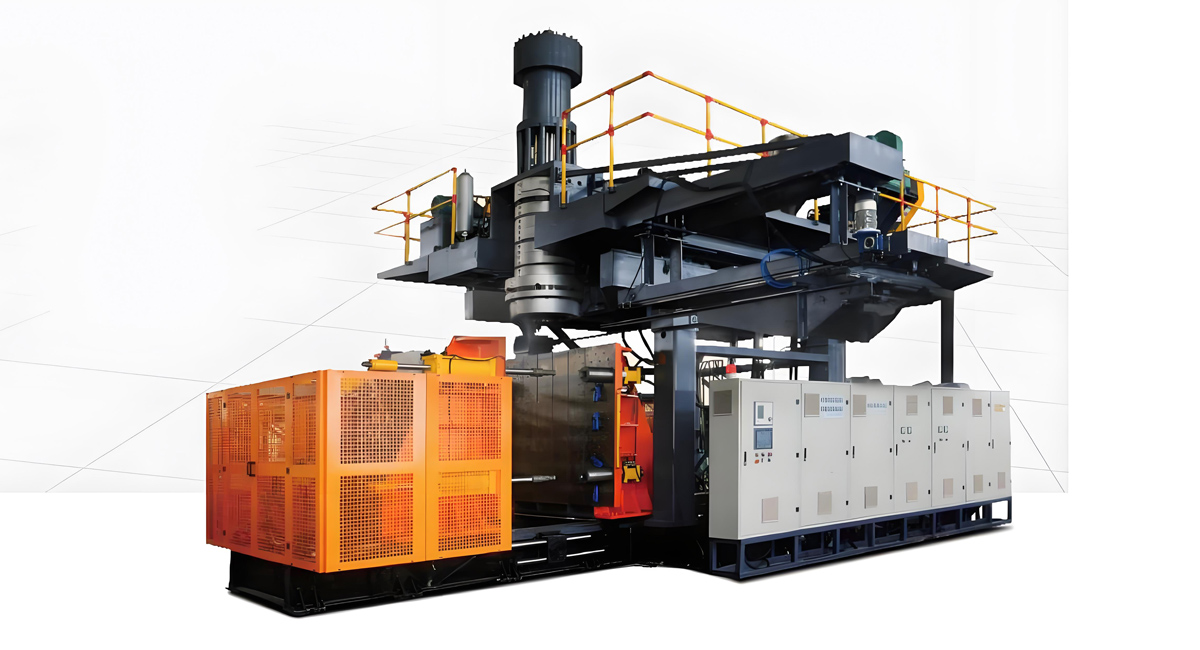
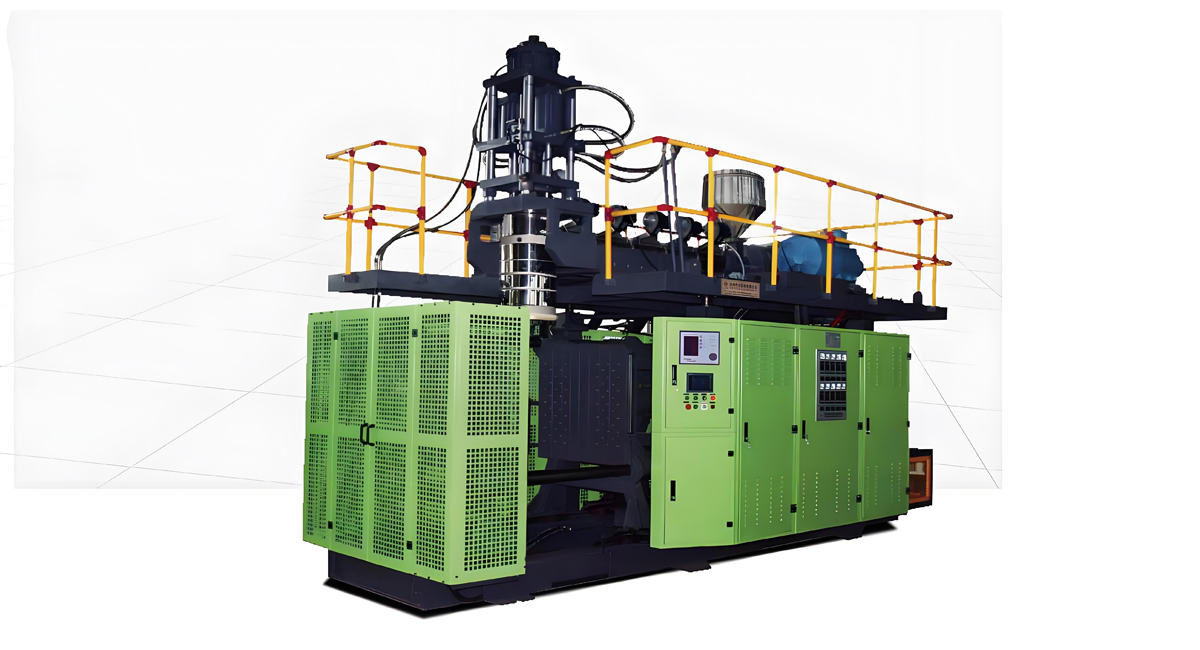
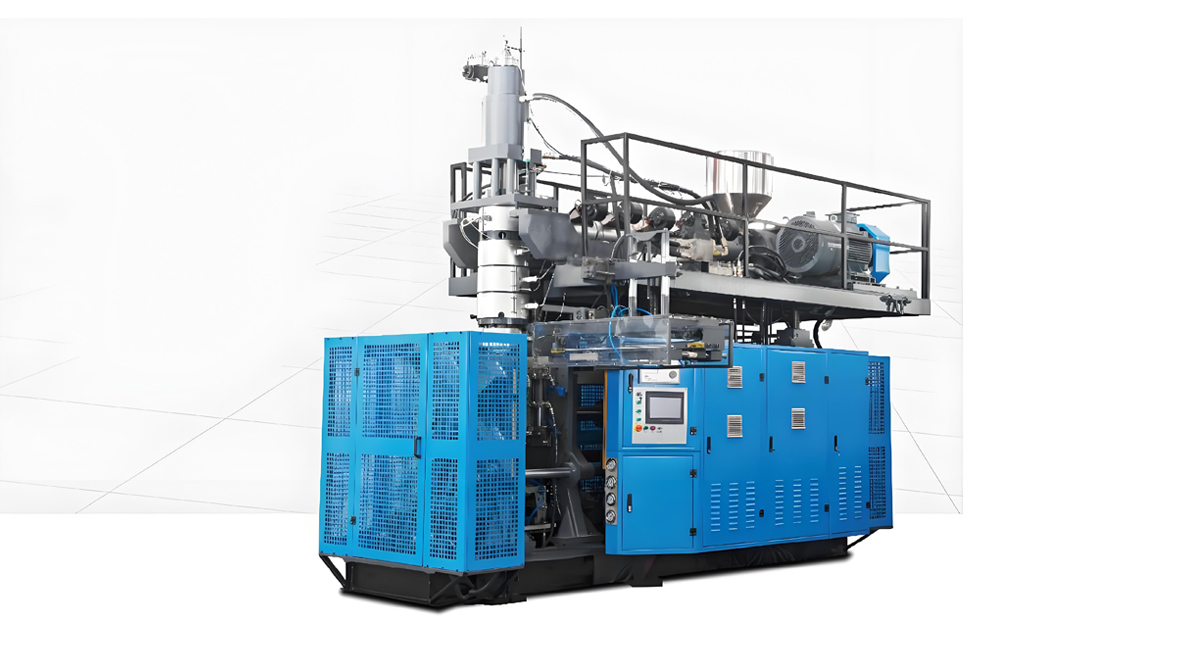
Apollo Machinery specializes in manufacturing extrusion blow molding machines optimized for food jar production. Their equipment combines precision engineering with practical features that address the specific requirements of food packaging applications. With over 20 years of industry experience and 4000+ machines operating globally, Apollo has established itself as a trusted partner for food jar manufacturers worldwide.
ABLB Series Capabilities for Food Jar Applications
The ABLB series represents Apollo’s flagship product line for food jar production in the 200ml to 20 liter capacity range. These machines deliver the precision and consistency required for reliable vacuum seal performance. ABLB machines feature advanced control systems that enables precise wall thickness programming for optimal material distribution. The series offers production speeds from 100 to 800 containers per hour depending on container size and configuration. This versatility makes ABLB machines suitable for both small-batch specialty production and high-volume mainstream manufacturing.
High-Precision Bottle Neck Control Systems
Apollo machines incorporate proprietary bottle neck precision control technology that achieves tolerances as tight as ±0.03mm on critical neck dimensions. This precision ensures consistent closure engagement and reliable vacuum sealing across all containers. The control system continuously monitors and adjusts processing parameters to maintain optimal dimensions despite variations in material properties or environmental conditions. Real-time feedback control enables immediate correction of any deviations before they affect product quality.
Wall Thickness Uniformity Assurance Technology
The extrusion blow molding machines utilize multi-point wall thickness control systems that adjust parison thickness at multiple positions along the parison length. This technology achieves wall thickness uniformity within ±3% across the entire container surface. Consistent wall thickness provides several benefits including improved vacuum barrier performance, reduced material consumption, and enhanced container strength. These improvements directly translate to better seal performance and lower production costs for food jar manufacturers.
Food-Grade Material Compatibility Features
Apollo machines include specific design features that ensure food grade material compatibility. Internal surfaces use stainless steel and food-safe materials throughout the processing zone. Temperature control systems prevent material degradation that could affect food safety. The machines accommodate a wide range of food grade materials including PE, PP, PETG, and specialized barrier resins. This flexibility enables manufacturers to optimize material selection for specific food jar applications without equipment limitations.
Quality Guarantee and Compensation Commitment
Apollo stands behind their equipment with industry-leading quality guarantee terms. Their commitment to quality that does not meet standards results in refund plus 10% compensation demonstrates confidence in machine performance and protects customer investments. The warranty covers defects in materials and workmanship for two years. Additionally, Apollo provides comprehensive technical support and spare parts access to minimize production disruptions. These terms provide peace of mind for significant capital investments in food jar production equipment.
Vacuum Seal Food Jar Application Scenarios
Vacuum sealing technology enables food manufacturers to package diverse products with extended shelf life and maintained quality. Understanding specific applications helps manufacturers optimize their vacuum seal food jar selection and production processes. Food jars with proper vacuum sealing serve numerous industries from condiments to prepared foods.
Condiment Packaging Solutions
Condiments including soy sauce, vinegar, and cooking oil benefit significantly from vacuum sealed packaging. These products contain volatile flavor compounds that oxidize rapidly when exposed to air, degrading product quality within weeks without proper sealing. Vacuum sealed food jars maintain condiment quality for 12-24 months depending on product formulation and storage conditions. The hermetic seal prevents both oxygen ingress and flavor compound loss, preserving authentic taste throughout the product shelf life.
Jam and Honey Packaging Requirements
Jam and honey products present unique vacuum sealing challenges due to their high sugar content and viscous nature. These products require careful attention to bottle neck design to ensure complete product evacuation and easy consumer access. Vacuum sealing extends the shelf life of jam products to 18-24 months while maintaining fruit color and flavor integrity. The seal performance also prevents crystallization and moisture loss in honey products, ensuring consistent product quality in food jars.
Dry Goods and Nut Packaging Technology
Dry goods and nuts require vacuum sealing to prevent oxidative rancidity and moisture absorption. These products have high fat content that deteriorates rapidly when exposed to oxygen, creating off-flavors and potential safety concerns. Vacuum packaging reduces oxygen levels to below 1%, extending nut shelf life from weeks to 12-18 months. The airtight containers also protect against insect infestation and maintain crisp texture throughout storage in food jars.
Sauce and Prepared Food Packaging
Sauce and prepared food products often require vacuum sealing for both preservation and convenience. These products may contain multiple ingredients with varying stability characteristics, demanding robust seal performance to protect all components. Modern food jar designs accommodate various closure types including twist-off caps, lug caps, and safety seals. The versatility enables manufacturers to select optimal closure systems for specific product requirements and consumer preferences.
Pickled Product Preservation Methods
Pickled products require specialized vacuum sealing approaches due to their acidic nature and processing requirements. These products often undergo pasteurization or heat treatment that requires containers to withstand elevated temperatures while maintaining vacuum sealing integrity. Vacuum sealed pickled food containers maintain product quality for 12-24 months under proper storage conditions. The seal performance prevents recontamination and maintains the anaerobic environment necessary for safe long-term preservation in food jars.
Vacuum Seal Performance Testing and Quality Control
Comprehensive quality control ensures that every food jar meets vacuum sealing specifications. Understanding testing methods helps manufacturers establish effective quality assurance programs. Quality control is essential for maintaining consistent vacuum sealing performance across all food jar production runs.
Vacuum Level Measurement Techniques
Accurate vacuum level testing requires appropriate equipment and proper procedures. Digital vacuum gauges provide precise measurements of residual pressure inside sealed food jars, enabling verification of target vacuum levels. Testing protocols typically require measuring vacuum levels within 24 hours of sealing and again after accelerated aging or handling simulation. Statistical process control tracks performance across production runs to identify any process drift before it affects product quality.
Leak Detection Equipment and Methods
Leak detection equipment ranges from simple bubble tests to sophisticated mass spectrometer systems for food jar quality control. Selection depends on required sensitivity, production volume, and quality assurance requirements. Common leak testing procedures include pressure decay testing, helium leak detection, and vacuum decay analysis. Each method offers different sensitivity levels and operational characteristics suited to specific food jar applications.
Quality Standards and Acceptance Criteria
Industry standards establish baseline requirements for acceptable vacuum seal performance for food jars. These standards define maximum allowable leak rates, minimum vacuum levels, and test procedures for various container sizes and product applications. Most food packaging standards require zero detectable leaks and vacuum retention of at least 80% of initial levels after specified test periods. Food jars failing to meet these criteria must be rejected and production processes investigated immediately.
Statistical Process Control Implementation
Effective quality control requires systematic monitoring of production parameters and product characteristics for food jar manufacturing. Statistical process control (SPC) tracks key variables to identify trends before they cause quality problems. SPC programs typically monitor neck dimensions, wall thickness, vacuum levels, and seal appearance. Control charts document performance and trigger process adjustments when values approach specification limits, ensuring consistent food jar quality throughout production.
Production Cost Analysis for Food Jar Manufacturing
Understanding the economics of food jar production helps manufacturers make informed investment decisions. A comprehensive cost analysis considers all factors affecting total production cost and return on investment. This analysis covers material costs, mold investments, equipment costs, and operational expenses for extrusion blow molding food jars.
Raw Material Cost Calculation
Material cost calculation requires accurate container weight data and current material pricing for food jars. A typical 500ml food jar weighs approximately 35-50 grams depending on design complexity and wall thickness specifications. At current polyethylene pricing of $1.80-2.20 per kilogram, material cost per container ranges from $0.06-0.11. Higher-performance materials like PETG increase costs to $0.10-0.20 per container. Material typically represents 55-70% of total production cost for standard food jars in extrusion blow molding operations.
Mold Investment Budget Planning
Mold investment represents a significant upfront cost for food jar production. Mold costs vary widely based on cavity number, complexity, and quality requirements. A single-cavity mold for 500ml containers typically costs $8,000-15,000. Multi-cavity molds reduce per-container costs but increase initial investment significantly. A four-cavity mold might cost $25,000-40,000 but enables 3-4 times the production output. Manufacturers must balance mold costs against production volume requirements and timeline when planning food jar production investments.
Mold Cost Comparison by Cavity Configuration
Single cavity molds suit low-volume production and prototype development with investment of $8,000-15,000. Dual cavity options at $15,000-25,000 provide moderate volume increases. Four-cavity configurations at $25,000-40,000 optimize per-container costs for medium production runs. Eight-cavity molds at $45,000-70,000 maximize efficiency for high-volume production.
Equipment Investment and ROI Analysis
Extrusion blow molding machine investment varies based on capacity, automation level, and precision requirements for food jar production. ABLB series machines suitable for food jar production range from $80,000-180,000 depending on specifications. Return on investment analysis considers production volume, selling prices, and margin requirements. At typical food packaging margins, a machine producing 500 containers per hour can generate annual revenue of $150,000-300,000 depending on container complexity and market conditions.
Production Efficiency and Per-Unit Cost Optimization
Production efficiency directly impacts unit cost economics for food jar manufacturing. Cycle time, scrap rates, and changeover efficiency all influence total production cost. Optimizing these factors requires attention to process parameters and operator training. Well-optimized extrusion blow molding production lines achieve material yields above 97% and cycle time efficiency above 85%. These performance levels enable competitive unit costs even with premium material pricing for food jars.
Apollo ABLB Series Investment Packages
Apollo offers flexible investment options for ABLB series machines including outright purchase, lease financing, and turnkey production lines. Complete packages including machine, mold, installation, and training typically range from $100,000-250,000 depending on configuration. Financing options enable manufacturers to acquire equipment while managing cash flow constraints. Apollo’s quality guarantee policy protects customers during the initial production period, reducing investment risk significantly for food jar production investments.
Food Safety Certifications and Regulatory Compliance
Global food safety regulations impose strict requirements on food packaging materials and production processes. Understanding compliance requirements helps manufacturers avoid costly delays and market access issues for food jar production. Manufacturers must ensure their extrusion blow molding machines and materials meet all applicable regulations for target markets.
FDA Food Contact Material Requirements
The FDA regulates food contact materials under 21 CFR regulations, requiring specific formulations and testing for food safety approval. Materials must demonstrate no harmful migration into food products under intended use conditions.
FDA compliance requires documentation of material composition, extraction testing results, and food type compatibility. The approval process typically requires 4-8 months and costs $15,000-40,000 depending on complexity and testing requirements.
European Union Food Packaging Regulations
The EU Framework Regulation (EC) No 1935/2004 establishes general requirements for all food contact materials. Specific regulations address particular material types including plastics, ceramics, and recycled materials. EU compliance requires meeting specific migration limits and documentation requirements. Manufacturers must maintain traceability records and provide declarations of compliance for each food grade bottle material used in production.
Chinese Food Packaging Standards
China’s food safety regulations under the Food Safety Law establish requirements for food contact materials sold in the Chinese market. GB standards provide specific technical requirements for various material types.
Compliance with Chinese standards requires testing by certified laboratories and registration with Chinese regulatory authorities. The process typically requires 3-6 months and costs $10,000-30,000 for market access.
Certification Process Timeline and Cost Management
Comprehensive regulatory compliance requires careful planning and resource allocation. Multi-market strategies must address requirements for each target region, potentially requiring separate testing and documentation for each jurisdiction.
Strategic approaches include using materials with existing certifications to reduce testing requirements and engaging regulatory consultants familiar with target market requirements. Total compliance costs for global market access typically range from $50,000-150,000 depending on market scope.
Selection Guide: Choosing Food Jar Production Equipment
Selecting appropriate production equipment requires careful evaluation of multiple factors for food jar manufacturing. This guide helps manufacturers identify optimal solutions based on their specific requirements and production goals.
Capacity Requirements Assessment
Capacity planning begins with accurate demand forecasting and production scheduling analysis. Manufacturers must determine not only average production requirements but also peak demand periods and growth projections.
Equipment selection should provide adequate capacity for current needs while allowing for reasonable growth. Machines typically operate most efficiently at 70-85% of maximum rated capacity, suggesting equipment should exceed average demand by 15-30%.
Material Compatibility Evaluation
Equipment must accommodate the specific food grade materials required for target food jar applications. Different materials have varying processing requirements including temperature ranges, pressure capabilities, and cycle time characteristics. Apollo ABLB machines accommodate standard food grade materials including HDPE, PP, and PETG with appropriate process parameters. For specialized materials or barrier resins, equipment configuration may require additional consultation with Apollo technical support.
Sealing Precision Requirements Analysis
Different food jar applications require different sealing precision levels. Premium products with extended shelf life requirements demand tighter tolerances than standard applications. Apollo machines provide flexibility to meet various sealing precision requirements through adjustable processing parameters. Standard configurations achieve tolerances suitable for most food jar applications while precision options enable tighter control for demanding vacuum sealing requirements.
Production Volume Planning and Equipment Matching
Matching equipment to production volume optimizes both cost and efficiency. Small-volume producers may benefit from versatile single-cavity equipment while high-volume operations require multi-cavity configurations.
Apollo offers machines ranging from 100-800 containers per hour across various configurations. This range enables precise matching to production requirements without over-investing in unused capacity.
Future Expansion Considerations
Equipment investments should consider future growth requirements. Modular designs and scalable configurations enable capacity expansion without complete equipment replacement.
Apollo machines support capacity expansion through additional cavity molds and system upgrades. Planning for growth during initial purchase reduces long-term capital requirements and minimizes production disruptions.
Conclusion: Achieving Vacuum Seal Excellence
Vacuum sealing technology represents a critical capability for modern food packaging operations. Success requires attention to every aspect of container design, material selection, production equipment, and quality control for food jars. Manufacturers must invest in proper equipment and processes to achieve consistent vacuum sealing performance that meets market requirements.
Apollo Machinery’s ABLB series extrusion blow molding machines deliver the precision, reliability, and food-grade compliance required for competitive food jar production. Their quality guarantee policy provides added confidence for manufacturers investing in new production capabilities. With proven technology and comprehensive support, Apollo helps food jar manufacturers achieve their production and quality objectives.
The combination of advanced machine technology, comprehensive technical support, and industry-leading warranty terms makes Apollo an attractive partner for food jar production investments. Manufacturers seeking to expand their vacuum seal food jar capabilities should consider how Apollo equipment can address their specific production requirements. Contact Apollo today to discuss your food jar production requirements and explore how their extrusion blow molding technology can support your business growth objectives. Their experienced technical team can provide customized recommendations based on your specific product applications and production volume requirements. Request a detailed quotation for ABLB series equipment configured for your food jar applications. Include information about target container sizes, production volume requirements, material preferences, and regulatory market requirements for comprehensive proposal development.