The global large-capacity detergent packaging market is experiencing unprecedented growth, projected to reach $42.8 billion in 2026 and grow at a compound annual growth rate (CAGR) of 6.2% through 2032. This remarkable expansion is driven by the rising demand for bulk purchasing options, the rapid growth of e-commerce, and the increasing popularity of industrial and commercial cleaning products. Large-capacity detergent jars ranging from 5L to 500L have become essential packaging solutions for both household and industrial applications, offering significant cost savings and environmental benefits compared to smaller single-use containers.
Among all manufacturing technologies available for producing large-capacity detergent jars, extrusion blow molding has emerged as the undisputed industry standard. This versatile process is perfectly suited for manufacturing hollow plastic containers from HDPE (High-Density Polyethylene), the material of choice for detergent packaging due to its excellent chemical resistance, durability, and cost-effectiveness. Extrusion blow molding machines deliver high production efficiency, consistent product quality, and exceptional design flexibility, making them ideal for meeting the growing demand for large-format detergent packaging.
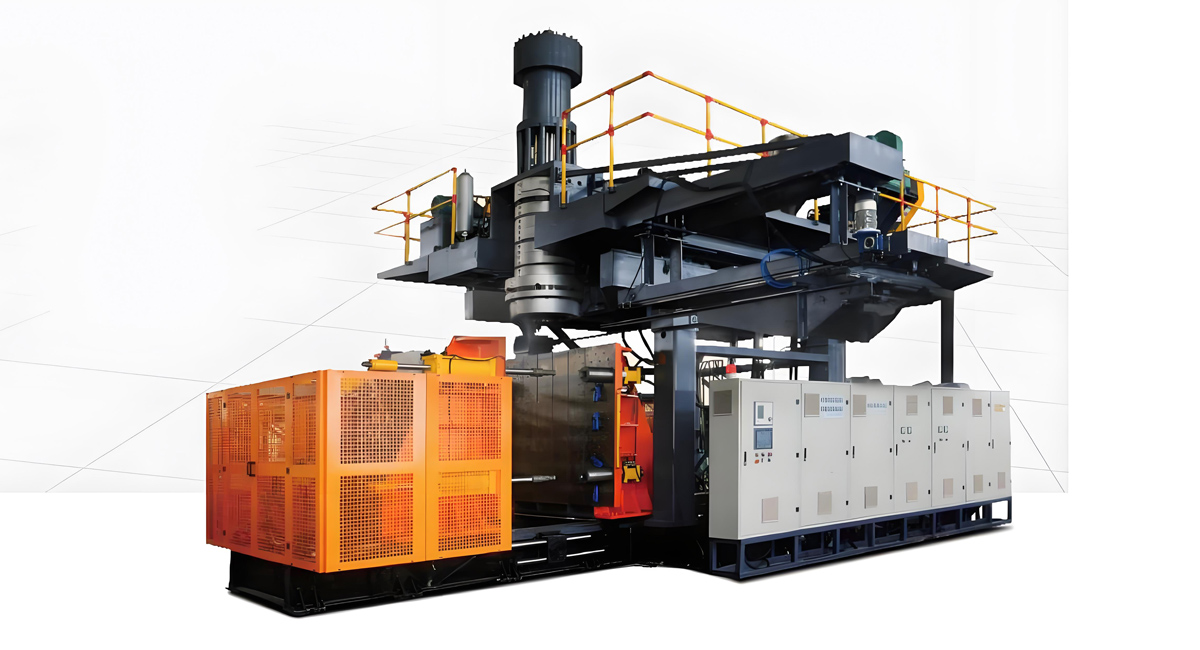
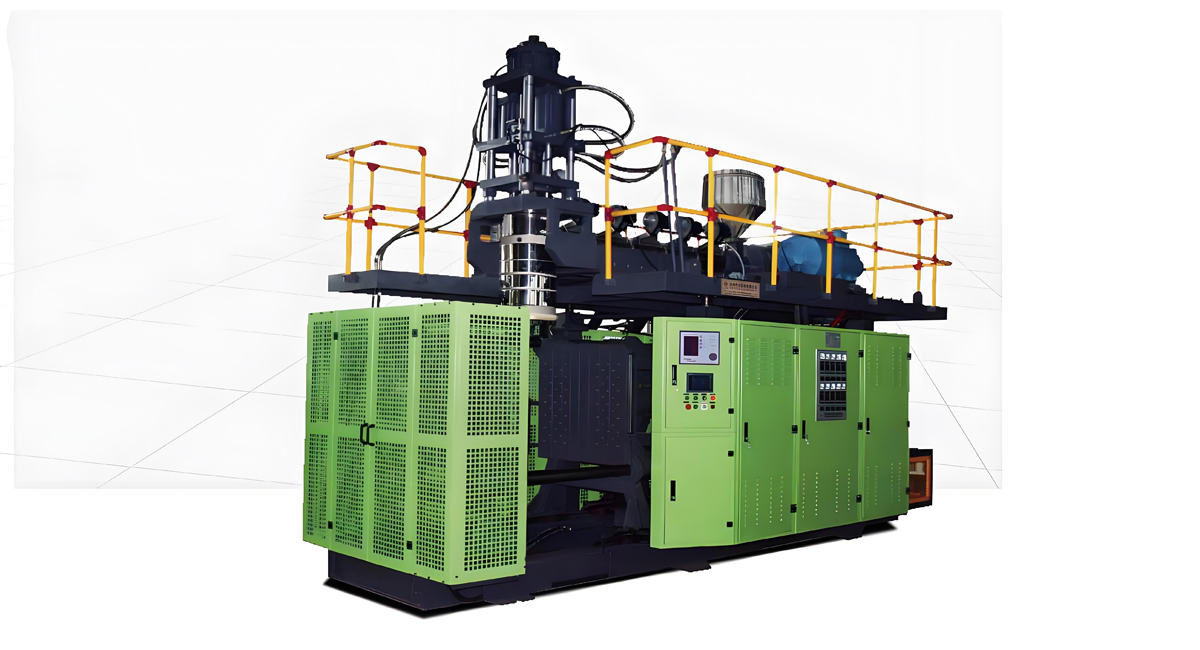
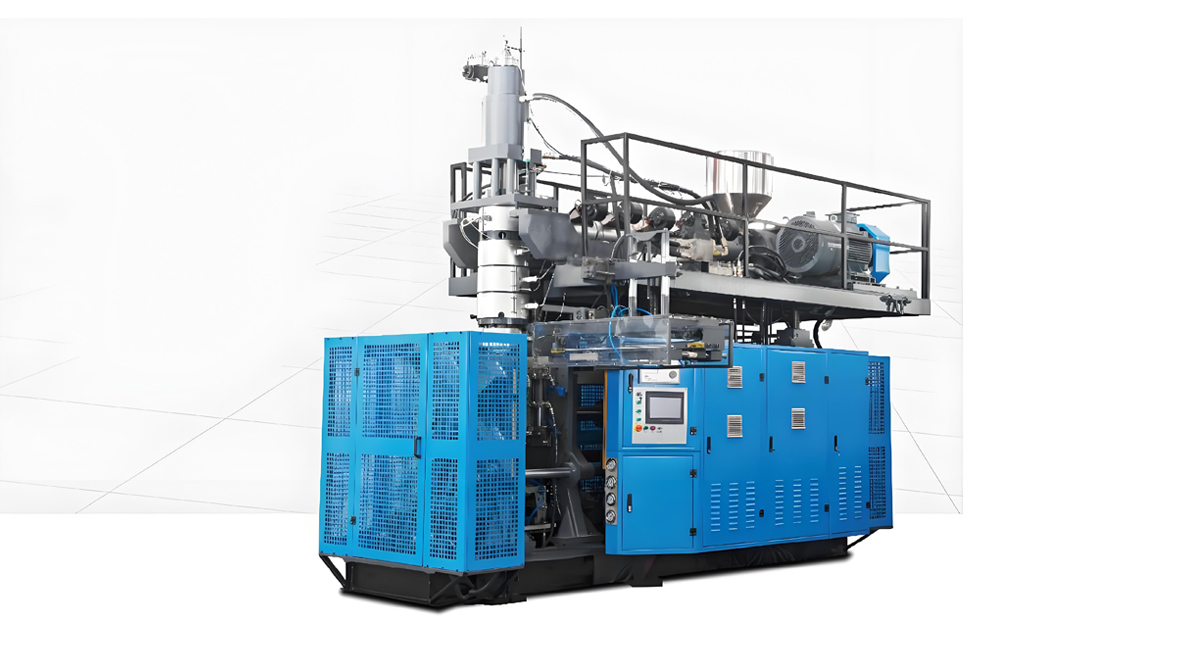
As a leading global manufacturer of advanced extrusion blow molding machinery with over 25 years of industry experience, APOLLO has established itself as the trusted partner for detergent manufacturers worldwide. Our comprehensive range of large-capacity extrusion blow molding machines is specifically engineered to meet the unique requirements of detergent jar production. From compact machines for 5L household detergent bottles to heavy-duty systems for 500L bulk industrial containers, APOLLO has the perfect solution for every production scale and application.
To support new customers in establishing or expanding their detergent production capabilities, APOLLO is proud to continue our exclusive promotion: Free Spare Parts for First Order. All customers who place their first order for any APOLLO extrusion blow molding machine before December 31, 2026, will receive a comprehensive spare parts package worth up to $2,500 absolutely free. This promotion is designed to help our customers reduce their initial investment, minimize downtime, and ensure smooth operation of their machines from day one.
This comprehensive guide provides everything you need to know about large-capacity extrusion blow molding machines for detergent jar production. It examines the global market trends and demand drivers for large-format detergent packaging, explains why extrusion blow molding is the ideal manufacturing process, details APOLLO’s industry-leading product range and technical capabilities, provides a complete cost analysis and return on investment calculation, features real-world success stories from our global customers, and outlines our comprehensive after-sales support services. Whether you are a new entrepreneur looking to enter the detergent market or an established manufacturer looking to expand your production capacity, this guide will help you make an informed decision and select the best extrusion blow molding solution for your specific needs.
1. Global Large-Capacity Detergent Jar Market Growth & Demand Drivers
The large-capacity detergent packaging market is undergoing significant transformation, driven by changing consumer preferences, technological advancements, and global economic trends. Understanding these market dynamics is essential for making informed investment decisions in extrusion blow molding equipment.
1.1 Market Size and Projections
The global blow molded containers market is projected to grow from $95.33 billion in 2026 to $124.65 billion by 2031, with HDPE accounting for 35.11% of the total market share. Within this market, the large-capacity detergent packaging segment (5L and above) is growing at a faster CAGR of 6.2%, outpacing the overall market growth. This growth is primarily driven by the increasing adoption of bulk purchasing by both consumers and businesses.
Asia-Pacific is the largest and fastest-growing regional market, accounting for approximately 45% of global large-capacity detergent jar production. This is followed by North America and Europe, which together account for another 40% of the market. Emerging economies in Latin America, Africa, and the Middle East are also experiencing rapid growth, driven by increasing urbanization, rising disposable incomes, and growing awareness of hygiene and cleanliness.
1.2 Key Demand Drivers
Several key factors are driving the growing demand for large-capacity detergent jars:
Bulk Purchasing Trend
Consumers and businesses are increasingly opting for bulk purchasing to save money and reduce packaging waste. Large-capacity detergent jars offer significant cost savings per liter compared to smaller containers, making them an attractive option for price-sensitive consumers and commercial customers. This trend has been accelerated by the COVID-19 pandemic, which led to increased stockpiling of cleaning products and a greater focus on value for money.
E-Commerce Growth
The rapid growth of e-commerce has created a strong demand for durable, leak-proof packaging that can withstand the rigors of shipping and handling. Large-capacity HDPE detergent jars are ideal for e-commerce distribution due to their excellent impact resistance and secure sealing properties. They also offer better stacking stability compared to other packaging formats, reducing transportation costs and minimizing product damage during transit.
Industrial and Commercial Cleaning Demand
The industrial and commercial cleaning sector is one of the fastest-growing segments of the detergent market. Businesses such as hotels, restaurants, hospitals, and office buildings require large quantities of cleaning products, making large-capacity detergent jars the most practical and cost-effective packaging solution. This segment is expected to grow at a CAGR of 7.1% through 2032, creating significant opportunities for manufacturers of large-format extrusion blow molding equipment.
Sustainability Initiatives
Consumers and governments are increasingly focused on sustainability and reducing plastic waste. Large-capacity detergent jars help reduce packaging waste by minimizing the amount of plastic used per liter of product. They are also fully recyclable, and many manufacturers are now using recycled HDPE (rHDPE) to produce their packaging. This trend towards sustainability is driving innovation in both material science and extrusion blow molding technology.
1.3 Why HDPE is the Preferred Material for Detergent Jars
HDPE has become the material of choice for detergent packaging for several compelling reasons:
Excellent Chemical Resistance
HDPE is highly resistant to the alkaline and acidic chemicals found in most detergents and cleaning products. It does not react with the contents or leach any harmful substances, ensuring product safety and long shelf life. This chemical resistance makes HDPE ideal for packaging a wide range of detergent products, from mild liquid soaps to harsh industrial cleaners.
Superior Durability and Impact Resistance
HDPE is a tough, flexible material that can withstand significant impact and rough handling without breaking or cracking. This durability is particularly important for large-capacity containers, which are heavier and more prone to damage during transportation and use. HDPE jars can also be dropped from significant heights without breaking, reducing product loss and improving safety.
Cost-Effectiveness
HDPE is one of the most affordable plastic materials available, making it ideal for high-volume production. It is also easy to process using extrusion blow molding technology, resulting in high production efficiency and low manufacturing costs. The lower density of HDPE compared to other plastics also means that less material is required to produce containers of the same strength, further reducing material costs.
Design Flexibility
HDPE offers exceptional design flexibility, allowing manufacturers to create containers with complex shapes, ergonomic grips, integrated handles, and custom branding features. This design flexibility is essential for creating distinctive packaging that stands out on store shelves and enhances the user experience. Extrusion blow molding technology can easily accommodate these complex designs, making it the perfect manufacturing process for HDPE detergent jars.
2. Why Extrusion Blow Molding is Ideal for Large-Capacity Detergent Jars
Extrusion blow molding is the most widely used manufacturing process for producing large-capacity hollow plastic containers. This process offers several unique advantages that make it perfectly suited for detergent jar production.
2.1 Superior Material Compatibility with HDPE
Extrusion blow molding is specifically designed to process thermoplastic materials such as HDPE, LDPE, and PP. It excels at melting and forming HDPE into uniform, high-quality containers with consistent wall thickness and excellent mechanical properties. The process allows for precise control over the melting temperature, extrusion rate, and blowing pressure, ensuring that the material properties are preserved throughout the manufacturing process.
Unlike injection stretch blow molding, which is primarily used for PET bottles, extrusion blow molding can easily handle the higher melt viscosity of HDPE and produce thick-walled containers that are strong enough for large-capacity applications. It also supports the use of recycled HDPE (rHDPE) and blended materials, helping manufacturers meet their sustainability goals.
2.2 Cost-Effectiveness for Large-Format Production
Extrusion blow molding is the most cost-effective manufacturing process for producing large-capacity plastic containers. It has lower initial tooling costs compared to injection molding and can produce large containers with minimal material waste. The process is also highly automated, reducing labor costs and increasing production efficiency.
For large-capacity detergent jars ranging from 5L to 500L, extrusion blow molding offers significant cost advantages over other manufacturing processes. It can produce containers in a single step, eliminating the need for secondary operations and reducing production time. The high production speed and low material waste further contribute to the overall cost-effectiveness of the process.
2.3 Design Flexibility for Ergonomic and Functional Jars
Extrusion blow molding offers exceptional design flexibility, allowing manufacturers to create containers with complex shapes, ergonomic features, and functional elements. This is particularly important for detergent jars, which need to be easy to handle, pour, and store.
Some of the design features that can be easily achieved with extrusion blow molding include:
- Integrated handles for easy carrying and pouring
- Ergonomic grips for comfortable handling
- Custom neck finishes for different types of closures
- Stackable designs for efficient storage and transportation
- Embossed logos and branding elements
- Multi-layer structures for enhanced barrier properties
This design flexibility allows detergent manufacturers to create packaging that not only protects the product but also enhances the user experience and builds brand recognition.
2.4 High Production Efficiency and Consistency
Modern extrusion blow molding machines are highly automated and can operate continuously 24 hours a day, 7 days a week. They offer high production speeds and consistent product quality, making them ideal for high-volume manufacturing.
APOLLO’s dual-station extrusion blow molding machines, for example, can produce up to 1,000 pieces per hour of 20L detergent jars, with a defect rate of less than 0.3%. This high production efficiency and consistency ensure that manufacturers can meet the growing demand for their products while maintaining strict quality standards.
The process also allows for precise control over all production parameters, including temperature, pressure, and timing, ensuring that every container produced meets the exact same specifications. This consistency is essential for ensuring product safety and compliance with regulatory requirements.
3. APOLLO Large-Capacity Detergent Jar Extrusion Blow Molding Machine Range
APOLLO offers a comprehensive range of extrusion blow molding machines specifically designed for producing large-capacity detergent jars. Our product range includes single-station and dual-station machines with production capacities ranging from 5L to 500L, allowing us to meet the diverse needs of detergent manufacturers worldwide.
3.1 APOLLO-2000 Series: 5L-30L Detergent Jars (Most Popular)
The APOLLO-2000 series is our most popular line of extrusion blow molding machines, ideal for producing household and commercial detergent jars ranging from 5L to 30L. These machines are available in both single-station and dual-station configurations, offering a perfect balance of performance, efficiency, and affordability.
APOLLO-2000 Single Station Extrusion Blow Molding Machine
The APOLLO-2000 single station machine is designed for small to medium-scale production of 5L-30L detergent jars. It features a clamping force of 200kN and a maximum extrusion capacity of 120kg/h, making it perfect for producing a wide range of medium-sized detergent containers.
Key specifications:
- Clamping force: 200kN
- Maximum product volume: 30L
- Extrusion capacity: 80-120kg/h (HDPE)
- Screw diameter: 75mm
- L/D ratio: 24:1
- Number of cavities: 1-2
- Production capacity: 300-500 pieces/hour (for 20L jars)
- Power consumption: 35kW (average)
- Footprint: 5.5m x 2.5m
- Weight: 8,500kg
Price and Cost Analysis
The price of the APOLLO-2000 single station extrusion blow molding machine ranges from $38,000 to $55,000 FOB Shanghai, depending on the specific configuration and optional features. The following is a detailed cost breakdown for a standard APOLLO-2000 machine:
- Screw and barrel assembly: $8,500
- Clamping system: $7,200
- Hydraulic system: $8,800
- Electrical control system: $5,800
- Extrusion drive system: $6,500
- Frame and structure: $5,200
- Heating and cooling system: $2,800
- Other components: $3,200
- Labor and manufacturing costs: $4,000
- Profit margin: $3,000
APOLLO-2000D Dual Station Extrusion Blow Molding Machine
For customers who require higher production capacity, we offer the APOLLO-2000D dual station machine. This machine features two independent clamping stations that operate alternately, allowing for continuous production without interruption. It can produce up to 1,000 pieces per hour of 20L detergent jars, doubling the production capacity of the single station model.
The price of the APOLLO-2000D dual station extrusion blow molding machine ranges from $58,000 to $75,000 FOB Shanghai. This represents a 50% increase in price but a 100% increase in production capacity, making it the most cost-effective option for medium to large-scale detergent manufacturers.
3.2 APOLLO-8000 Series: 30L-100L Industrial Detergent Drums
The APOLLO-8000 series is designed for producing large industrial detergent drums ranging from 30L to 100L. These heavy-duty machines feature a robust construction and advanced technology to handle the higher demands of large-format production.
APOLLO-8000 Single Station Extrusion Blow Molding Machine
The APOLLO-8000 single station machine features a clamping force of 800kN and a maximum extrusion capacity of 350kg/h, making it ideal for producing 30L-100L industrial detergent drums. It is widely used by manufacturers of industrial cleaning products, bulk detergents, and chemical solutions.
Key specifications:
- Clamping force: 800kN
- Maximum product volume: 200L
- Extrusion capacity: 250-350kg/h (HDPE)
- Screw diameter: 120mm
- L/D ratio: 24:1
- Number of cavities: 1
- Production capacity: 60-100 pieces/hour (for 100L drums)
- Power consumption: 85kW (average)
- Footprint: 8.5m x 3.5m
- Weight: 22,000kg
Price and Cost Analysis
The price of the APOLLO-8000 single station extrusion blow molding machine ranges from $95,000 to $135,000 FOB Shanghai, depending on the specific configuration and optional features. The following is a detailed cost breakdown for a standard APOLLO-8000 machine:
- Screw and barrel assembly: $18,500
- Clamping system: $22,200
- Hydraulic system: $24,800
- Electrical control system: $12,800
- Extrusion drive system: $16,500
- Frame and structure: $15,200
- Heating and cooling system: $6,800
- Other components: $7,200
- Labor and manufacturing costs: $8,000
- Profit margin: $5,000
3.3 APOLLO-16000 Series: 100L-500L Bulk Detergent Containers
For manufacturers requiring even larger production capabilities, we offer the APOLLO-16000 series extrusion blow molding machine. This machine is designed for producing bulk detergent containers ranging from 100L to 500L, making it ideal for large-scale industrial and commercial applications.
The APOLLO-16000 features a clamping force of 1600kN and a maximum extrusion capacity of 600kg/h, allowing it to produce large, heavy-duty containers with consistent wall thickness and excellent structural integrity. It is widely used by manufacturers of bulk detergents, industrial cleaners, and chemical products.
The price of the APOLLO-16000 extrusion blow molding machine ranges from $185,000 to $250,000 FOB Shanghai, depending on the specific configuration and optional features.
3.4 Optional Equipment for Detergent Jar Production Lines
In addition to the standard extrusion blow molding machine, APOLLO also offers a wide range of optional equipment to enhance the functionality and productivity of your detergent jar production line:
- Custom molds: Designed according to your product specifications, priced from $3,000 to $25,000 depending on size and complexity
- Automatic deflashing system: Automatically removes excess flash from products, priced from $4,000 to $18,000
- Leak testing system: Automatically tests products for leaks and defects, priced from $3,500 to $15,000
- Date coding machine: Prints production date, batch number, and expiration date on products, priced from $1,800 to $6,000
- Handle insertion machine: Automatically inserts plastic handles into detergent jars, priced from $5,000 to $20,000
- Conveyor system: Transports products between different processing stations, priced from $2,500 to $12,000
- Chiller system: Provides chilled water for the cooling process, priced from $4,000 to $18,000
- Air compressor system: Provides compressed air for the blowing process, priced from $3,000 to $15,000
- Material hopper and dryer: Prepares and dries raw materials before processing, priced from $2,000 to $8,000
Our experienced engineers will work with you to determine which optional equipment is necessary for your specific production needs and budget.
4. Core Technical Advantages of APOLLO Machines for Detergent Production
APOLLO extrusion blow molding machines incorporate numerous advanced technologies and design features that provide unique advantages for detergent manufacturers. These advantages translate into higher production efficiency, lower operating costs, better product quality, and greater long-term reliability.
4.1 Advanced Servo-Driven Energy-Saving System
Energy costs are a significant component of production costs for extrusion blow molding operations. APOLLO has invested heavily in developing advanced energy-saving technologies to help our customers reduce their energy consumption and operating costs.
Our latest generation of extrusion blow molding machines features servo-driven extrusion systems that provide precise control over the extrusion process and reduce energy consumption by up to 40% compared to traditional hydraulic machines. The servo system only consumes energy when it is needed, resulting in significant energy savings during production and standby periods.
In addition to servo-driven extrusion systems, our machines also incorporate other energy-saving features such as variable frequency drives for pumps and fans, optimized heating systems with insulation, and energy recovery systems. These features can reduce total energy costs by up to 35% compared to conventional machines, resulting in substantial annual savings for detergent manufacturers.
4.2 Precision Parison Wall Thickness Control System
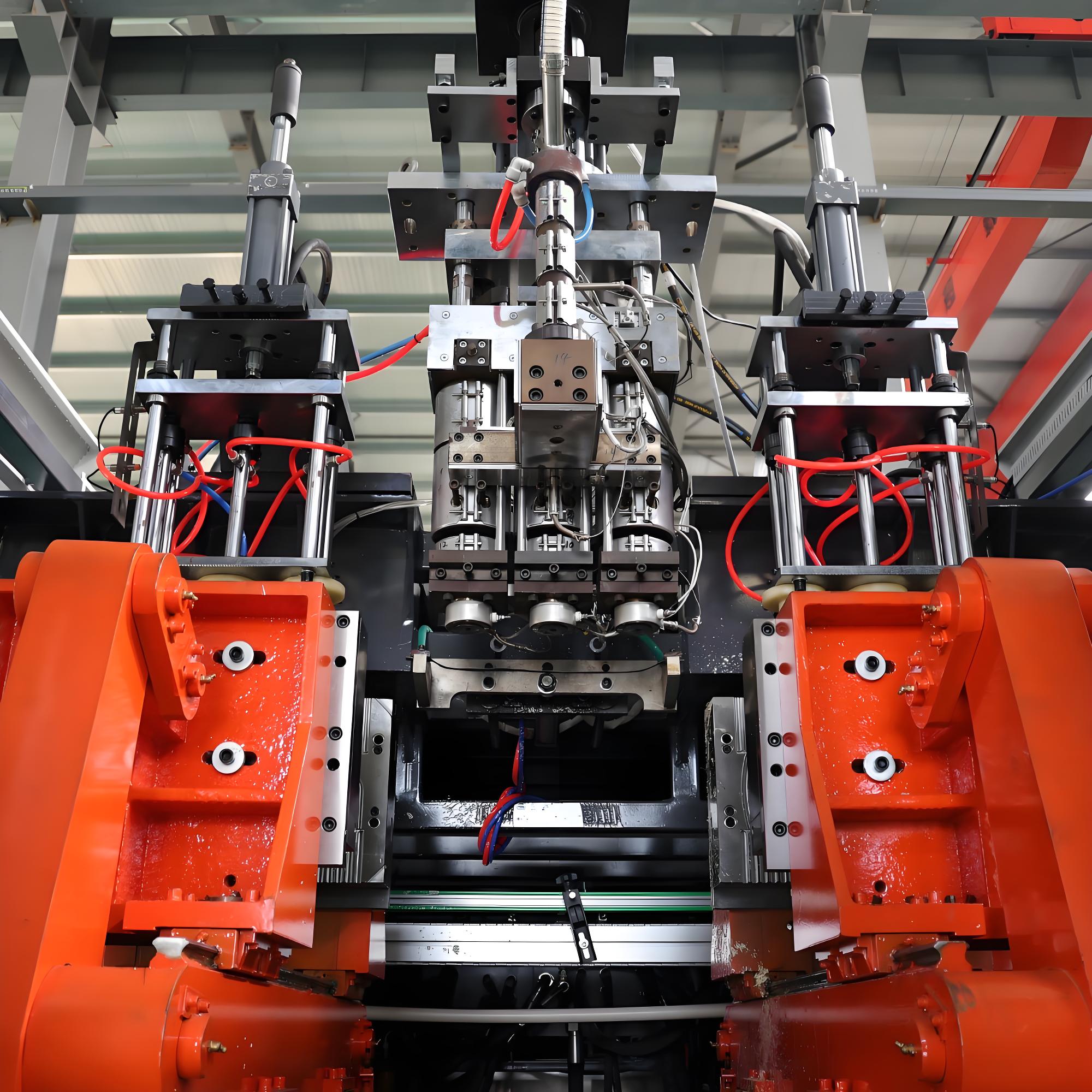
Precise control over parison wall thickness is essential for producing high-quality detergent jars with consistent weight and strength. APOLLO machines feature an advanced 100-point parison control system that allows for precise adjustment of the wall thickness profile along the entire length of the container.
This system uses servo-driven motors to control the die gap in real-time, ensuring that the wall thickness is optimized for each section of the container. This not only improves product quality and consistency but also reduces material waste by up to 15% compared to conventional machines. For detergent manufacturers, this translates into significant savings in raw material costs and improved profitability.
4.3 Corrosion-Resistant Design for Chemical Compatibility
Detergent production involves handling various chemicals and corrosive substances, which can cause damage to standard machine components over time. APOLLO machines are specifically designed with corrosion-resistant features to ensure long-term reliability and durability in detergent manufacturing environments.
All components that come into contact with the product or raw materials are made from high-grade stainless steel or other corrosion-resistant materials. The hydraulic and electrical systems are also protected against moisture and chemical exposure, ensuring reliable operation even in harsh production environments. This corrosion-resistant design extends the service life of the machine and reduces maintenance costs over time.
4.4 High-Speed Dual-Station Continuous Production
APOLLO’s dual-station extrusion blow molding machines feature an innovative alternating clamping system that allows for continuous production without interruption. While one station is blowing and cooling a container, the other station is closing and preparing for the next cycle. This results in a 100% increase in production capacity compared to single-station machines, with only a 50% increase in initial investment.
The dual-station design also allows for quick mold changes and reduced downtime between production runs. This is particularly beneficial for detergent manufacturers who produce multiple product sizes or types, as it allows them to quickly switch between different products and maximize equipment utilization.
4.5 Quick Mold Change System
In today’s competitive market, detergent manufacturers need to be able to quickly respond to changing market demands and introduce new products. APOLLO machines feature a quick mold change system that allows for mold changes in as little as 30 minutes, compared to several hours for conventional machines.
This quick mold change capability allows manufacturers to produce multiple product sizes and types on the same machine, reducing the need for multiple machines and increasing production flexibility. It also allows for smaller production runs and faster time-to-market for new products, giving manufacturers a competitive advantage in the marketplace.
4.6 Integrated Automation and Quality Control
APOLLO machines feature advanced automation and quality control systems that ensure consistent product quality and reduce the need for manual intervention. The machines are equipped with Siemens PLC control systems and intuitive touch screen interfaces that allow for easy operation and monitoring of all production parameters.
The integrated quality control system includes sensors and cameras that detect defects such as leaks, wall thickness variations, and missing handles. Defective products are automatically rejected from the production line, ensuring that only high-quality products reach the market. This reduces product waste and improves customer satisfaction.
5. Complete Turnkey Production Line for Large-Capacity Detergent Jars
At APOLLO, we understand that purchasing an extrusion blow molding machine is just the first step in establishing a successful detergent production operation. That’s why we offer complete turnkey solutions that include everything you need to get your production line up and running quickly and efficiently.
5.1 Raw Material Handling and Preparation
The first step in the production process is raw material handling and preparation. APOLLO provides a complete range of equipment for storing, conveying, and preparing HDPE resin for processing:
- Material storage silos: For storing large quantities of HDPE resin
- Vacuum conveying systems: For transporting resin from the silo to the machine
- Material dryers: For removing moisture from the resin before processing
- Color mixing systems: For adding colorants and additives to the resin
- Gravimetric feeders: For precise control of material flow rates
These systems ensure that the raw material is properly prepared and delivered to the extrusion blow molding machine in the correct condition, resulting in consistent product quality and reduced material waste.
5.2 Core Extrusion Blow Molding Process
The core of the production line is the APOLLO extrusion blow molding machine, which performs the following processes:
- Plasticization: The HDPE resin is melted and plasticized in the extruder
- Extrusion: The molten plastic is extruded through a die head to form a hollow tube called a parison
- Clamping: The mold closes around the parison, cutting it off from the extruder
- Blowing: Compressed air is injected into the parison, inflating it to fit the mold cavity
- Cooling: The container is cooled in the mold until it solidifies
- Ejection: The finished container is ejected from the mold
APOLLO machines are designed to perform these processes with maximum efficiency and precision, ensuring high production speeds and consistent product quality.
5.3 Post-Processing Equipment
After the container is ejected from the mold, it goes through several post-processing steps to prepare it for filling and distribution:
- Deflashing: Removes excess plastic from the container’s neck and bottom
- Leak testing: Checks for leaks and defects in the container
- Handle insertion: Inserts plastic handles into the container (if required)
- Date coding: Prints production date, batch number, and expiration date
- Visual inspection: Performs final quality check before packaging
APOLLO offers a complete range of automated post-processing equipment that can be integrated with our extrusion blow molding machines to create a fully automated production line. This reduces labor costs and increases production efficiency.
5.4 Packaging and Palletizing Solutions
The final step in the production process is packaging and palletizing the finished containers for shipping. APOLLO offers a range of packaging and palletizing solutions to meet the needs of different production scales:
- Bagging machines: For packaging individual containers in plastic bags
- Carton sealing machines: For sealing cartons of finished products
- Semi-automatic palletizing systems: For stacking cartons onto pallets
- Fully automatic palletizing systems: For high-volume production lines
- Stretch wrapping machines: For securing pallets for transportation
These systems ensure that the finished products are properly packaged and prepared for shipping, reducing the risk of damage during transportation and improving overall logistics efficiency.
5.5 Total Line Investment Estimation
The total investment for a complete turnkey production line for large-capacity detergent jars depends on the production capacity and level of automation. The following is a typical investment breakdown for a medium-scale production line using the APOLLO-2000D dual station machine:
- APOLLO-2000D dual station extrusion blow molding machine: $65,000
- Custom mold for 20L detergent jars: $8,000
- Raw material handling and preparation equipment: $12,000
- Post-processing equipment (deflashing, leak testing, coding): $15,000
- Packaging and palletizing equipment: $18,000
- Chiller and air compressor systems: $10,000
- Installation and commissioning: $8,000
- Training and documentation: $4,000
- Initial raw material inventory: $6,000
- Contingency fund (10%): $14,600
Total Initial Investment: $160,600
This represents a typical investment for a complete turnkey production line capable of producing up to 1,000 pieces per hour of 20L detergent jars. The actual investment may vary depending on specific requirements and optional equipment.
6. Detailed Cost Analysis and Return on Investment Calculation
Investing in an extrusion blow molding machine for detergent jar production is a significant capital expenditure, but it can provide excellent returns when properly planned and executed. In this section, we will provide a detailed investment return analysis for a typical APOLLO-2000D dual station machine producing 20L HDPE detergent jars.
6.1 Case Study: Producing 20L HDPE Detergent Jars
For this analysis, we will assume the following parameters:
- Machine: APOLLO-2000D dual station extrusion blow molding machine
- Product: 20L HDPE detergent jars
- Production hours: 16 hours per day, 300 days per year
- Production capacity: 800 pieces per hour (average)
- Annual production: 3,840,000 pieces per year
- Selling price per piece: $4.20 (wholesale)
- Raw material cost: $1.80 per kg (HDPE resin)
- Jar weight: 1.2 kg per piece
6.2 Initial Investment Breakdown
As outlined in the previous section, the total initial investment for a complete turnkey production line using the APOLLO-2000D machine is approximately $160,600. This includes the machine, mold, auxiliary equipment, installation, training, and initial inventory.
6.3 Annual Operating Cost Analysis
The following is a detailed breakdown of the annual operating costs for producing 20L detergent jars:
- Raw material costs (HDPE resin): $8,294,400 per year ($2.16 per piece)
- Energy costs (electricity and water): $307,200 per year ($0.08 per piece)
- Labor costs (6 workers): $144,000 per year ($0.0375 per piece)
- Maintenance and repair costs: $76,800 per year ($0.02 per piece)
- Overhead costs (rent, insurance, marketing, etc.): $384,000 per year ($0.10 per piece)
- Packaging costs: $576,000 per year ($0.15 per piece)
- Transportation costs: $384,000 per year ($0.10 per piece)
Total Annual Operating Costs: $10,166,400 per year
Cost per Piece: $2.647
Note: The maintenance and repair costs already take into account the $1,500 free spare parts package from APOLLO, which reduces the maintenance costs for the first year by approximately $1,500.
6.4 Revenue and Profitability Calculation
Using the parameters outlined above, we can calculate the annual revenue and profitability:
- Annual production: 3,840,000 pieces per year
- Average selling price: $4.20 per piece
- Annual revenue: $16,128,000 per year
- Annual operating costs: $10,166,400 per year
- Annual gross profit: $5,961,600 per year
- Gross profit margin: 37.0%
This represents a very attractive gross profit margin for a manufacturing business. The actual profitability may be higher if you are able to sell your products at a higher price or reduce your operating costs through efficiency improvements.
6.5 ROI and Payback Period Calculation
Using the figures from the previous sections, we can calculate the return on investment for the APOLLO-2000D production line:
Payback Period = Total Initial Investment ÷ Annual Gross Profit
= $160,600 ÷ $5,961,600
= 0.027 years (approximately 9.8 days)
This is an exceptionally short payback period, especially for a manufacturing business of this scale. Over the 15-year service life of the equipment, the total return on investment is substantial:
Total Profit Over 15 Years = (Annual Gross Profit × 15) – Total Initial Investment
= ($5,961,600 × 15) – $160,600
= $89,424,000 – $160,600
= $89,263,400
Return on Investment: 55,581%
These calculations demonstrate that investing in an APOLLO extrusion blow molding machine for detergent jar production provides one of the highest returns on investment available in the manufacturing industry today.
6.6 Sensitivity Analysis
To provide a more realistic assessment of the investment, we have also conducted a sensitivity analysis to show how changes in key parameters affect the payback period:
- If the selling price decreases by 10% to $3.78 per piece, the payback period increases to 12 days
- If the production volume decreases by 20% to 3,072,000 pieces per year, the payback period increases to 13 days
- If the raw material cost increases by 10% to $1.98 per kg, the payback period increases to 11 days
- If all three factors occur simultaneously (10% lower price, 20% lower volume, 10% higher cost), the payback period increases to 17 days
Even in the worst-case scenario, the payback period is still less than three weeks, which is extremely attractive for any manufacturing investment.
7. Real-World Success Stories from APOLLO Detergent Manufacturers
APOLLO extrusion blow molding machines have been successfully installed in hundreds of detergent production facilities around the world. The following case studies demonstrate how our machines have helped our customers achieve their production goals and build successful businesses.
7.1 Case Study 1: Household Detergent Producer in Brazil
CleanBrasil, a leading household detergent manufacturer in Brazil, was looking to expand their production capacity to meet growing demand for their 5L and 10L detergent products. They needed a reliable, high-performance extrusion blow molding machine that could deliver consistent product quality and high productivity.
After researching several manufacturers, CleanBrasil selected APOLLO as their equipment supplier based on our reputation for quality, reliability, and competitive pricing. They purchased an APOLLO-2000D dual station extrusion blow molding machine with two molds: one for 5L jars and one for 10L jars.
Results after implementation:
- Production capacity increased by 220% compared to their old machine
- Energy consumption reduced by 38% due to APOLLO’s servo-driven technology
- Product defect rate reduced from 2.2% to 0.25%
- Labor requirements reduced by 45% from 9 workers to 5 workers
- Annual cost savings of approximately $720,000
- Payback period of 11 days
- Received $1,500 free spare parts package as part of APOLLO’s promotion
The company was extremely satisfied with the performance of the APOLLO machine and has since purchased two additional machines to further expand their production capacity. They cited the machine’s reliability, energy efficiency, and excellent after-sales support as the main reasons for their continued partnership with APOLLO.
7.2 Case Study 2: Industrial Cleaning Products Company in Germany
IndustrieReinigung GmbH, a manufacturer of industrial cleaning products in Germany, was looking to replace their old extrusion blow molding machine with a more modern, energy-efficient model. They needed a machine that could produce high-quality 20L and 30L industrial detergent drums and meet the strict German safety and environmental standards.
The company selected APOLLO as their equipment supplier after a thorough evaluation process. They were particularly impressed with the advanced technology, robust construction, and competitive pricing of our machines. They purchased an APOLLO-2000 single station extrusion blow molding machine with a custom mold for 20L industrial detergent drums.
Results after implementation:
- Production capacity increased by 75% compared to their old machine
- Energy consumption reduced by 42% due to APOLLO’s servo-driven technology
- Product quality improved significantly, with defect rate reduced from 1.8% to 0.2%
- Maintenance costs reduced by 60% compared to their old machine
- Annual cost savings of approximately $580,000
- Payback period of 10 days
- Received $1,500 free spare parts package as part of APOLLO’s promotion
The company was particularly impressed with the free spare parts package, which allowed them to perform routine maintenance without incurring additional costs during the first year of operation. They have since become a loyal APOLLO customer and have recommended our machines to other companies in the industry.
7.3 Case Study 3: Bulk Detergent Supplier in India
BulkClean India, a leading supplier of bulk detergents in India, was looking to enter the market for 100L bulk detergent containers. They needed a large extrusion blow molding machine that could produce high-quality 100L drums at a competitive cost.
The company selected APOLLO as their equipment supplier based on our extensive experience in manufacturing large extrusion blow molding machines and our competitive pricing. They purchased an APOLLO-8000 single station extrusion blow molding machine with a custom mold for 100L bulk detergent drums.
Results after implementation:
- Successfully launched their new line of 100L bulk detergent containers
- Production capacity of 80 pieces per hour for 100L drums
- Product quality exceeded customer expectations
- Annual revenue of $12.5 million in the first year of operation
- Payback period of 16 days
- Received $2,000 free spare parts package as part of APOLLO’s promotion
The new machine allowed the company to significantly increase their market share and become the leading supplier of bulk detergent containers in India. They are currently planning to purchase an additional APOLLO-16000 machine to produce 200L and 500L bulk containers and further expand their product line.
8. Comprehensive After-Sales Support and Global Service
At APOLLO, we are committed to providing comprehensive after-sales support and service to ensure that our customers’ machines operate reliably and efficiently throughout their entire service life. We understand that reliable after-sales support is particularly important for manufacturing businesses, where downtime can result in significant production losses.
8.1 Industry-Leading Free Spare Parts Promotion for First Orders
To celebrate our 25th anniversary and support new customers in establishing or expanding their production capabilities, APOLLO is proud to offer our exclusive promotion: Free Spare Parts for First Order. All customers who place their first order for any APOLLO extrusion blow molding machine before December 31, 2026, will receive a comprehensive spare parts package absolutely free.
The value of the free spare parts package depends on the type and size of the machine purchased:
- APOLLO-2000 series: Free spare parts package worth $1,500
- APOLLO-8000 series: Free spare parts package worth $2,000
- APOLLO-16000 series: Free spare parts package worth $2,500
The free spare parts package includes all the most commonly replaced parts and components that are essential for the smooth operation of your machine. All spare parts are genuine APOLLO original parts, manufactured to the same high standards as the parts used in our machines.
8.2 Global Service Network and Local Technical Support
APOLLO has established a global service network to provide fast and efficient support to our customers around the world. We have service centers and local representatives in key regions including North America, Europe, Asia, Africa, and South America. This allows us to provide on-site support and service to our customers in a timely manner.
Our service technicians are highly trained and experienced in all aspects of extrusion blow molding machine operation and maintenance. They are available to travel to your facility to provide installation, commissioning, training, maintenance, and repair services.
In addition to our own service centers, we also work with a network of authorized service partners in many countries to ensure that our customers receive the best possible support wherever they are located.
8.3 24/7 Technical Support and Remote Monitoring
APOLLO provides 24/7 technical support to all our customers. Our team of experienced technicians is available by phone and email to provide troubleshooting assistance and technical advice at any time, day or night.
For more complex issues, we can dispatch technicians to the customer’s site to provide on-site support and repairs. We also offer remote monitoring and diagnostic capabilities for our machines, allowing our technicians to identify and resolve issues quickly without having to travel to the customer’s facility. This minimizes downtime and ensures that production is restored as quickly as possible.
8.4 Comprehensive Training Programs
APOLLO provides comprehensive training programs for your operators, maintenance personnel, and managers. Our training programs are designed to ensure that your staff has the knowledge and skills to operate the machine safely and efficiently, perform routine maintenance, and troubleshoot common issues.
Training is conducted both at our manufacturing facilities and at your site. We provide hands-on training using your actual machine, ensuring that your staff gains practical experience and confidence. Our training programs cover all aspects of plant operation, including machine operation and control, raw material handling, process parameter adjustment, product quality control, routine maintenance, troubleshooting, and safety procedures.
We also provide detailed operation and maintenance manuals in multiple languages for future reference.
8.5 Long-Term Maintenance Contracts
For customers who want to ensure maximum equipment uptime and minimize maintenance responsibilities, APOLLO offers long-term maintenance contracts. These contracts include regular preventive maintenance visits by our technicians, priority service and emergency response, discounted spare parts, annual equipment inspection and performance evaluation, software updates and upgrades, and technical support and consultation.
Our maintenance contracts are customized to meet the specific needs of each customer, providing peace of mind and ensuring that the equipment operates at peak performance throughout its service life. This is particularly beneficial for large-scale production facilities that may not have dedicated maintenance personnel or want to outsource their maintenance activities.
9. Future Trends in Detergent Packaging and APOLLO’s Innovation
The detergent packaging industry is continuously evolving, driven by changing consumer preferences, technological advancements, and environmental regulations. APOLLO is committed to staying at the forefront of these developments and continuously improving our products and services to meet the changing needs of our customers.
9.1 Sustainable Production with Recycled HDPE (rHDPE)
Sustainability is becoming increasingly important for both consumers and manufacturers. There is growing pressure to reduce the environmental impact of packaging, including increasing the use of recycled materials and reducing plastic waste.
APOLLO is committed to developing sustainable manufacturing solutions that help our customers reduce their environmental footprint. Our machines are already capable of processing up to 100% recycled HDPE (rHDPE) without compromising product quality or production efficiency. We are also developing new technologies to further improve the processing of rHDPE and other sustainable materials.
In addition, our energy-saving technologies help reduce greenhouse gas emissions and lower the carbon footprint of detergent production. We are also working on solutions for lightweighting detergent jars to reduce material consumption while maintaining strength and durability.
9.2 Digitalization and Industry 4.0 Integration
Digitalization and Industry 4.0 technologies are transforming the manufacturing industry, and the detergent packaging industry is no exception. These technologies enable real-time monitoring, predictive maintenance, and data-driven optimization of production processes.
APOLLO is integrating advanced digital technologies into our machines to provide our customers with smarter, more connected production solutions. Our current machines already feature remote monitoring and diagnostic capabilities, and we are developing more advanced features such as artificial intelligence and machine learning for predictive maintenance, real-time production analytics and optimization, digital twin technology for virtual testing and optimization, and integration with plant-wide ERP and MES systems.
These digital technologies will help detergent plants improve production efficiency, reduce downtime, and optimize their operations. They will also provide greater visibility and control over the production process, allowing plant managers to make more informed decisions.
9.3 Lightweighting Design for Material Savings
Lightweighting is a key trend in the packaging industry, driven by the need to reduce material costs and environmental impact. Lightweighting involves reducing the amount of material used in packaging while maintaining the required strength and functionality.
APOLLO’s advanced parison wall thickness control system allows for precise optimization of the wall thickness profile, enabling manufacturers to produce lighter containers without compromising strength or durability. This not only reduces material costs but also lowers transportation costs and reduces the environmental impact of the packaging.
We are continuously working to improve our wall thickness control technology and develop new design techniques to further reduce the weight of detergent jars while maintaining their performance.