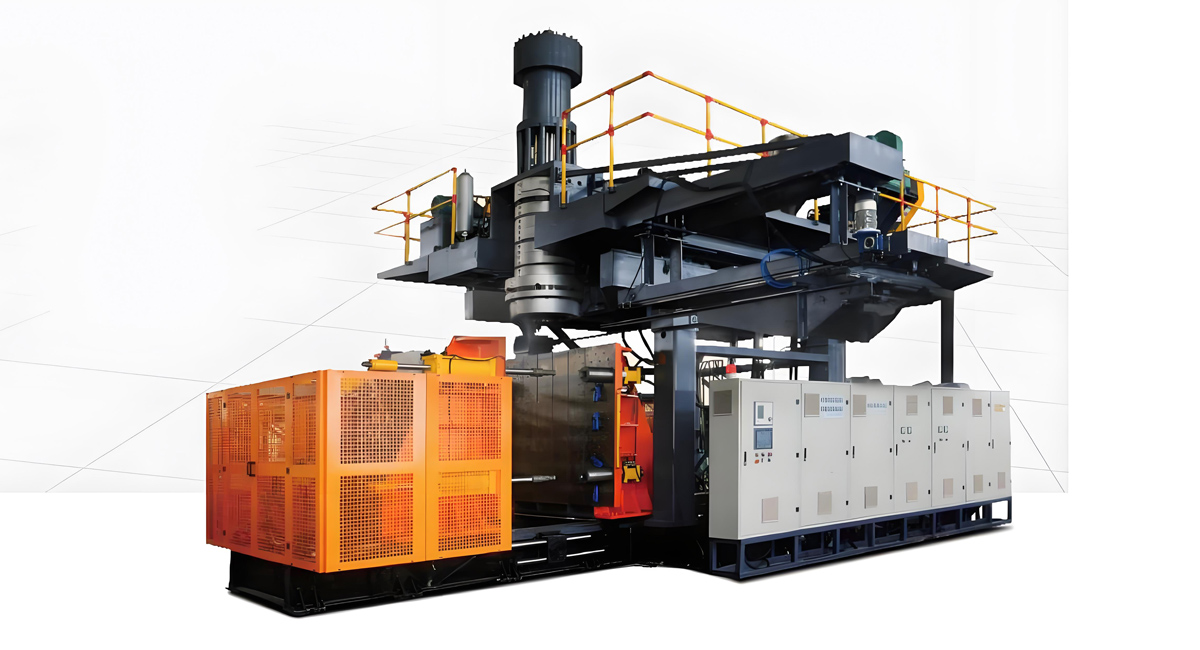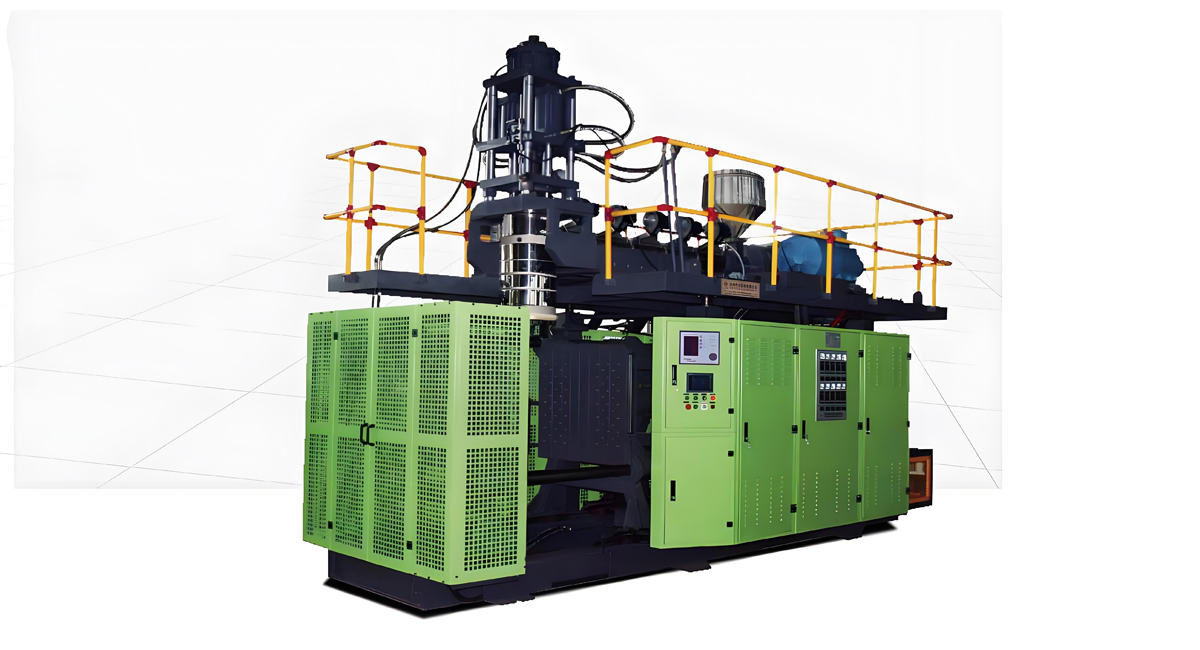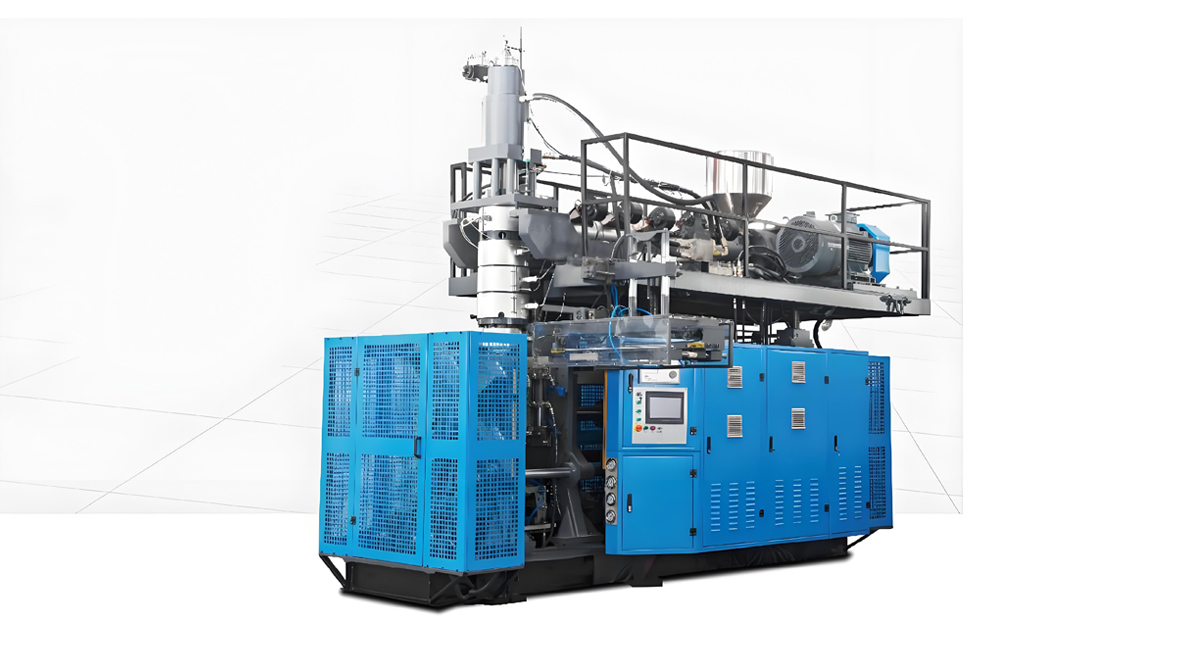
The global industrial chemical packaging market is projected to reach USD 48.2 billion by 2031, growing at a CAGR of 5.8% from 2026, driven by rising demand for safe, durable, and chemical-resistant storage solutions across manufacturing, agriculture, pharmaceuticals, and specialty chemicals. Industrial jars for chemical applications demand exceptional resistance to acids, bases, solvents, and corrosive substances, alongside robust structural integrity and consistent wall thickness to prevent leaks, degradation, or failure under harsh conditions. Traditional manufacturing methods often struggle to balance chemical resistance, production efficiency, and cost-effectiveness, leading to high defect rates, material waste, and limited compatibility with aggressive chemicals. As a leading provider of extrusion blow molding (EBM) technology, Apollo designs specialized EBM machines for chemical-resistant industrial jars, delivering precise, high-volume production of HDPE, PP, and fluorinated containers that meet strict industry standards for chemical compatibility, durability, and regulatory compliance. This guide explores the critical requirements for chemical-resistant industrial jars, core technologies of Apollo’s EBM machines, product specifications, pricing, cost analysis, and real-world applications to help manufacturers select the optimal solution for their chemical packaging needs.
1. Market Demand & Critical Requirements for Chemical-Resistant Industrial Jars
1.1 Industrial Applications & Market Drivers
Chemical-resistant industrial jars serve diverse sectors, each with unique performance demands. The chemical manufacturing industry uses 5–20L jars for storing corrosive acids, alkaline solutions, and industrial solvents, requiring materials that resist chemical permeation and degradation. The agricultural sector relies on 1–10L jars for pesticides, herbicides, and fertilizers, where resistance to agrochemicals and UV stability are critical. Pharmaceutical and cosmetic industries use 500ml–5L jars for harsh cleaning agents, disinfectants, and chemical intermediates, demanding compliance with FDA and EU food-contact regulations. Additionally, the automotive sector requires jars for lubricants, coolants, and degreasers, while the food processing industry uses chemical-resistant jars for sanitizers and industrial cleaners. Key market drivers include stricter environmental regulations for chemical storage, growth in specialty chemical production, and rising demand for recyclable, single-use plastic packaging that replaces metal or glass alternatives due to lower cost and reduced risk of breakage.
1.2 Key Material Requirements for Chemical Resistance
The chemical resistance of industrial jars depends primarily on the polymer material, with each plastic offering distinct compatibility with corrosive substances. High-Density Polyethylene (HDPE) is the most widely used material for chemical jars, exhibiting excellent resistance to acids, bases, alcohols, and detergents, making it suitable for 90% of industrial chemical applications. Polypropylene (PP) offers superior heat and chemical resistance, ideal for strong solvents, concentrated acids, and high-temperature chemical storage. Fluorinated HDPE (post-mold treated) enhances resistance to hydrocarbons, pesticides, and aggressive industrial degreasers by reducing chemical permeation. In contrast, LDPE has lower chemical resistance, while PVC and PET are unsuitable for strong solvents or corrosive chemicals. Apollo’s EBM machines are optimized to process HDPE, PP, and fluorinated HDPE, ensuring jars maintain structural integrity and chemical resistance even with prolonged exposure to harsh substances.
1.3 Performance & Regulatory Standards
Chemical-resistant industrial jars must comply with stringent global standards to ensure safety and reliability. In the EU, REACH regulations mandate testing for chemical compatibility and migration, while the UN Recommendations on the Transport of Dangerous Goods require jars to pass pressure, drop, and leak tests for hazardous chemical transport. In the US, FDA 21 CFR Part 177.1520 regulates food-contact chemical containers, and OSHA standards govern workplace chemical storage safety. Critical performance requirements include uniform wall thickness (±0.5mm tolerance) to prevent weak points, leak-proof sealing, impact resistance (≥20kJ/m²), and UV stabilization for outdoor storage. Defects such as uneven thickness, pinholes, or poor weld lines can lead to catastrophic failures, chemical leaks, and regulatory non-compliance, making precision manufacturing essential.
2. Core Challenges in Manufacturing Chemical-Resistant Industrial Jars
2.1 Material Processing Complexity
Processing chemical-resistant polymers (HDPE, PP, fluorinated HDPE) presents unique challenges. HDPE requires precise temperature control (180–220°C) to avoid degradation, while PP demands higher melt temperatures (200–240°C) for optimal flow and chemical resistance. Fluorinated HDPE requires specialized extrusion parameters to preserve fluorination properties and prevent permeation reduction. Traditional EBM machines often lack precise temperature zoning and servo-driven extrusion, leading to inconsistent melt quality, material degradation, and reduced chemical resistance in finished jars.
2.2 Precision Wall Thickness Control
Chemical-resistant jars require uniform wall thickness to ensure consistent chemical resistance and structural strength. Thick spots waste material and increase costs, while thin spots create weak points prone to chemical penetration or rupture. For jars with handles, necks, or irregular shapes, wall thickness variation is especially problematic, with traditional machines producing variations of ±2–3mm. This inconsistency leads to high defect rates (5–8%) and poor chemical resistance performance.
2.3 Durability & Leak Prevention
Industrial chemical jars must withstand extreme conditions: temperature fluctuations (-20°C to 60°C), mechanical impact, and internal pressure from volatile chemicals. Poor weld lines at the jar base or neck are common failure points, while inadequate clamping force during molding causes flash and weak sealing surfaces. Traditional machines often use hydraulic clamping with inconsistent force distribution, leading to weak welds, flash, and leak-prone jars.
3. Apollo EBM Machine Core Technologies for Chemical-Resistant Jars
3.1 Specialized Extrusion System for Chemical-Grade Polymers
Apollo’s EBM machines feature a high-performance extrusion system optimized for HDPE, PP, and fluorinated HDPE, ensuring consistent melt quality and preserving chemical resistance. The extruder uses a 28:1 or 32:1 L/D ratio barrier screw, designed for thorough melting and homogenization of chemical-grade polymers, preventing degradation and ensuring uniform molecular structure. Multi-zone PID temperature control maintains melt temperature within ±1°C, critical for preserving the chemical resistance of HDPE and PP. For fluorinated HDPE, the system includes a dedicated temperature profile to avoid damaging the fluorinated layer, ensuring long-term resistance to hydrocarbons and aggressive chemicals. The extruder throughput ranges from 200kg/h to 1200kg/h, supporting jar sizes from 500ml to 50L.
3.2 Precision Parison Control for Uniform Wall Thickness
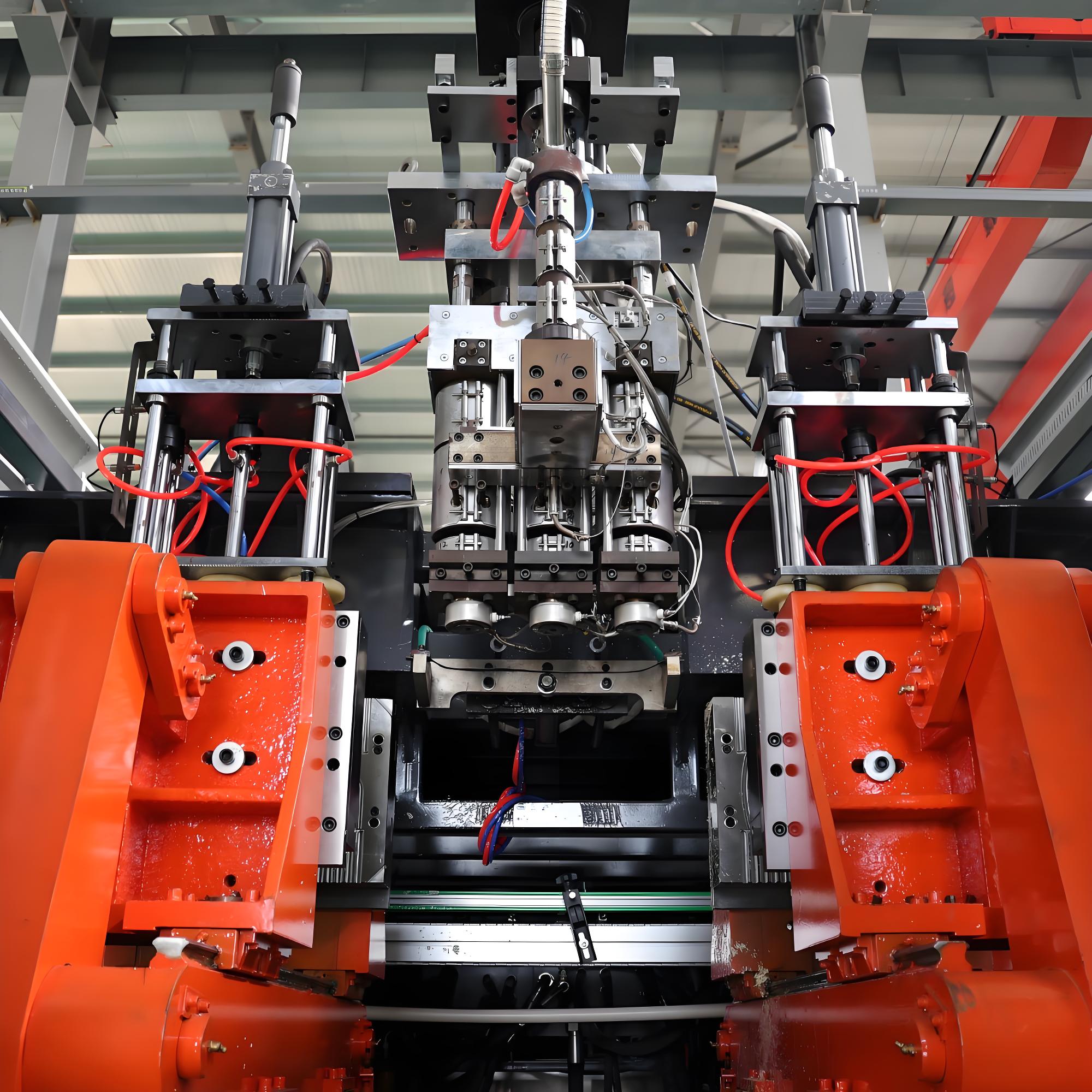
Apollo’s advanced parison control system (up to 100 adjustment points) delivers wall thickness accuracy of ±0.5mm, eliminating weak points and ensuring consistent chemical resistance. The system uses high-resolution linear encoders and servo-driven die gap adjustment to monitor and correct parison thickness in real time, adapting to variations in melt viscosity and temperature. For complex jar designs (handles, wide mouths), the programmable parison profile optimizes thickness distribution—thicker at stress points (base, handle roots) and thinner at non-critical areas—reducing material usage by 10–15% while enhancing durability. This precision minimizes defects and ensures every jar meets chemical resistance specifications.
3.3 Heavy-Duty Clamping & Mold System
Built for industrial durability, Apollo’s clamping system uses servo-hydraulic or all-electric toggle design with clamping force ranging from 150kN to 500kN, ensuring uniform force distribution across large molds. This eliminates weak weld lines and flash, critical for leak-proof chemical jars. Mold materials include P20 steel (for high-volume production) and 7075 aluminum (for fast cooling), with optional beryllium copper inserts for high-wear areas. Molds are designed with self-draining channels and polished surfaces (Ra ≤ 0.8μm) to prevent residue buildup and ensure easy cleaning, supporting compliance with hygiene standards for chemical packaging.
3.4 Integrated Defect Prevention & Quality Control
Apollo’s EBM machines include in-line quality inspection systems tailored for chemical jars: laser wall thickness measurement, pressure leak testing (0.5–1.0MPa), and vision inspection for pinholes or surface defects. Any non-conforming jar is automatically rejected, ensuring zero-defect production. The control system (Siemens S7-1500 PLC with 19-inch HMI) stores recipes for different materials and jar sizes, enabling quick changeovers (15–30 minutes) and consistent quality across production runs.
4. Apollo EBM Machine Product Range for Chemical-Resistant Industrial Jars
4.1 Apollo ABLB65I (Small-Scale: 500ml–5L Jars)
Designed for small to medium-batch production of 500ml–5L chemical jars (e.g., laboratory reagents, small industrial cleaners), the ABLB65I is a compact, cost-effective solution.
Key Specifications:
- Max jar volume: 5L
- Production capacity: 180–210 pcs/h (5L HDPE jars)
- Extruder: 65mm diameter, 24:1 L/D ratio
- Clamping force: 150kN
- Power consumption: 18.5kW
- Weight: 6,500kg
Price & Cost Analysis: FOB Shanghai price ranges from $45,000–$65,000. Standard configuration includes single die head, basic parison control, and manual deflashing. Optional upgrades: fluorinated HDPE processing kit, in-line leak tester, and automatic deflashing system. Ideal for startups and small chemical manufacturers, with a payback period of 12–18 months.
4.2 Apollo ABLB90I (Medium-Scale: 5L–20L Jars)
The ABLB90I is a versatile mid-range machine for 5L–20L industrial chemical jars (e.g., agricultural pesticides, industrial solvents), balancing capacity and flexibility.
Key Specifications:
- Max jar volume: 20L
- Production capacity: 120–180 pcs/h (20L HDPE jars)
- Extruder: 90mm diameter, 30:1 L/D ratio
- Clamping force: 300kN
- Power consumption: 37kW
- Weight: 9,300kg
Price & Cost Analysis: FOB Shanghai price ranges from $75,000–$95,000. Standard features include dual die head, 50-point parison control, and semi-automatic deflashing. Optional upgrades: multi-layer co-extrusion (for enhanced chemical barrier), UV stabilization system, and automated mold change. Perfect for medium-sized chemical producers, with a payback period of 9–12 months.
4.3 Apollo AB-EBM-110 (Large-Scale: 20L–50L Jars)
Engineered for high-volume production of 20L–50L heavy-duty chemical jars (e.g., industrial acids, bulk agrochemicals), the AB-EBM-110 delivers maximum efficiency and durability.
Key Specifications:
- Max jar volume: 50L
- Production capacity: 80–120 pcs/h (50L HDPE jars)
- Extruder: 110mm diameter, 32:1 L/D ratio
- Clamping force: 500kN
- Power consumption: 55kW
- Weight: 18,000kg
Price & Cost Analysis: FOB Shanghai price ranges from $135,000–$175,000. Standard configuration includes accumulator head (for large parison production), 100-point parison control, and fully automatic deflashing. Optional upgrades: fluorinated HDPE processing system, in-line weight inspection, and MES integration. Suited for large chemical manufacturers, with a payback period of 7–10 months.
5. Comprehensive Cost Analysis & ROI Calculation
5.1 Initial Investment Breakdown (Apollo ABLB90I Example)
- Apollo ABLB90I machine: $85,000
- 20L chemical jar mold (2-cavity): $12,000
- Auxiliary equipment (chiller, air compressor): $18,000
- Installation & training: $7,000
- Shipping & customs (to EU/US): $15,000
- Contingency (10%): $13,700
- Total Initial Investment: $150,700
5.2 Annual Operating Cost Comparison
Based on 24/7 production (300 days/year), 20L HDPE chemical jars (raw material cost: $1.8/kg, jar weight: 1.2kg):
- Annual production: 120 pcs/h × 24h × 300d = 864,000 jars
- Raw material cost: 864,000 × 1.2kg × $1.8/kg = $1,866,240
- Energy cost: 37kW × 24h × 300d × $0.12/kWh = $31,968
- Labor cost (2 operators): $48,000
- Maintenance: $12,000
- Defect loss (0.3% vs 5% traditional): $5,598
- Total Annual Operating Cost: $1,963,806
- Cost per jar: $2.27
5.3 Revenue & ROI Calculation
Average selling price (20L chemical jar): $3.80
- Annual revenue: 864,000 × $3.80 = $3,283,200
- Annual gross profit: $3,283,200 – $1,963,806 = $1,319,394
- Payback period: $150,700 ÷ $1,319,394 = 0.114 years (1.37 months)
- 10-year ROI: ($1,319,394 × 10 – $150,700) ÷ $150,700 × 100% = 8,695%
6. Material Selection & Chemical Compatibility Guide
Selecting the right polymer is critical for chemical resistance. Below is a compatibility overview for common industrial chemicals:
- HDPE: Resists acetic acid, ammonia, bleach, detergents, ethanol, hydrochloric acid (≤30%), sodium hydroxide (≤50%); Not compatible with strong solvents (toluene, xylene), concentrated nitric acid.
- PP: Resists HDPE-compatible chemicals + concentrated acids (hydrochloric, sulfuric), organic solvents, high-temperature chemicals (up to 120°C); Not compatible with strong oxidizing agents.
- Fluorinated HDPE: Resists all HDPE-compatible chemicals + hydrocarbons, pesticides, automotive fluids, degreasers; Ideal for aggressive chemical applications.
Apollo’s EBM machines support all three materials, with dedicated screw and temperature profiles to preserve chemical resistance.
7. Real-World Success Stories
7.1 European Agricultural Chemical Manufacturer
A German agrochemical producer upgraded from traditional EBM machines to Apollo ABLB90I for 10L pesticide jars. Challenges included poor chemical resistance (5% defect rate) and inconsistent wall thickness. After installation: defect rate reduced to 0.2%, material usage cut by 12%, annual savings of €420,000, and compliance with EU pesticide packaging standards. Payback period: 8.5 months.
7.2 US Industrial Chemical Supplier
A US-based chemical manufacturer adopted Apollo AB-EBM-110 for 50L industrial solvent jars. Traditional machines struggled with fluorinated HDPE processing and leak defects. Apollo’s machine delivered consistent fluorination preservation, zero leak defects, and 30% higher production efficiency. Annual cost savings: $780,000, payback period: 6.8 months.
8. Conclusion & Selection Guide
Chemical-resistant industrial jars demand precision manufacturing, material expertise, and robust equipment—requirements Apollo’s EBM machines are engineered to meet. When selecting a machine: match capacity to production volume (small: ABLB65I, medium: ABLB90I, large: AB-EBM-110); prioritize material compatibility (HDPE/PP/fluorinated HDPE); and confirm critical features (precision parison control, heavy-duty clamping, in-line quality testing). Apollo’s EBM machines deliver zero-defect, chemical-resistant jars that comply with global standards, reduce costs, and maximize profitability for industrial chemical packaging manufacturers.