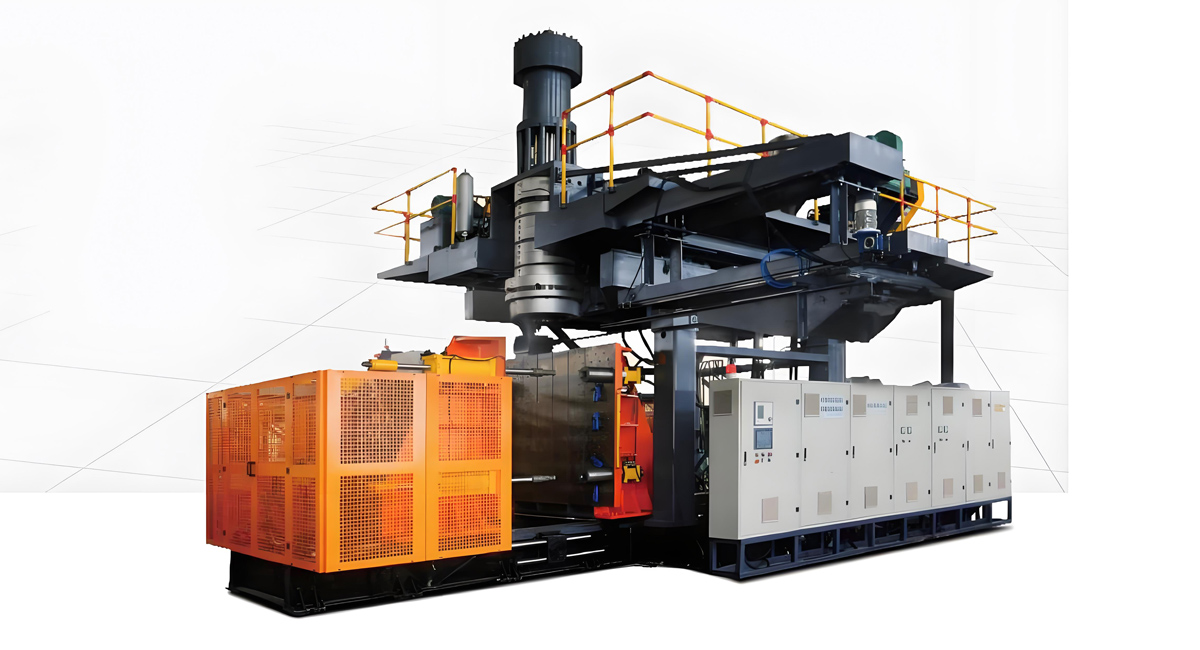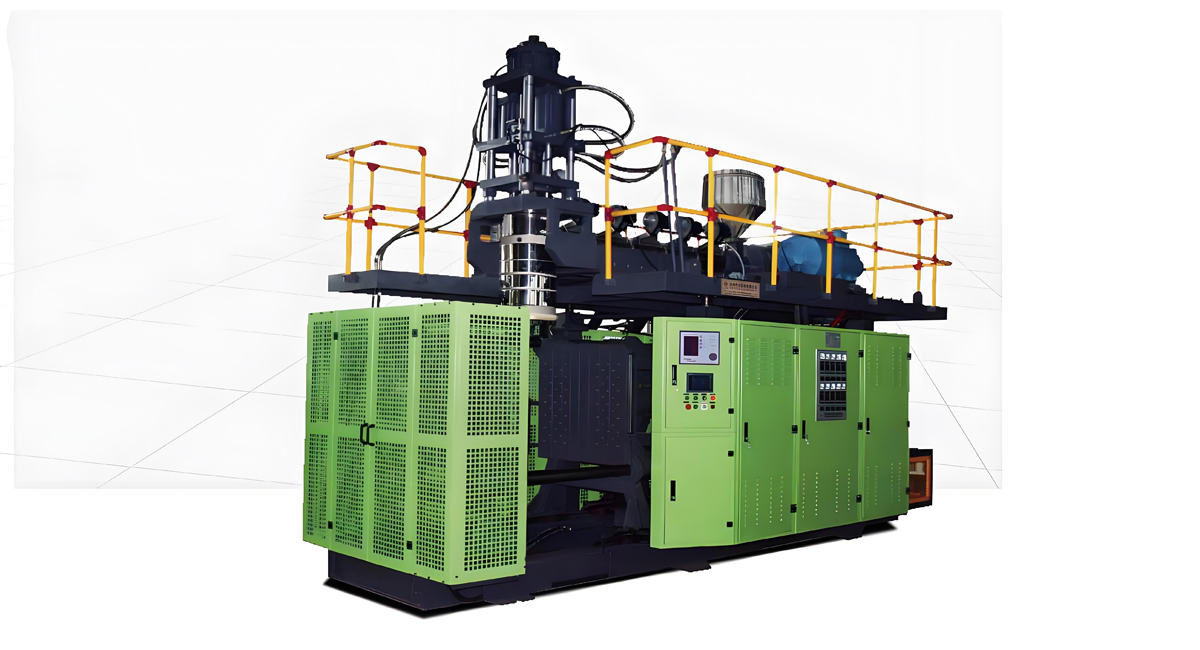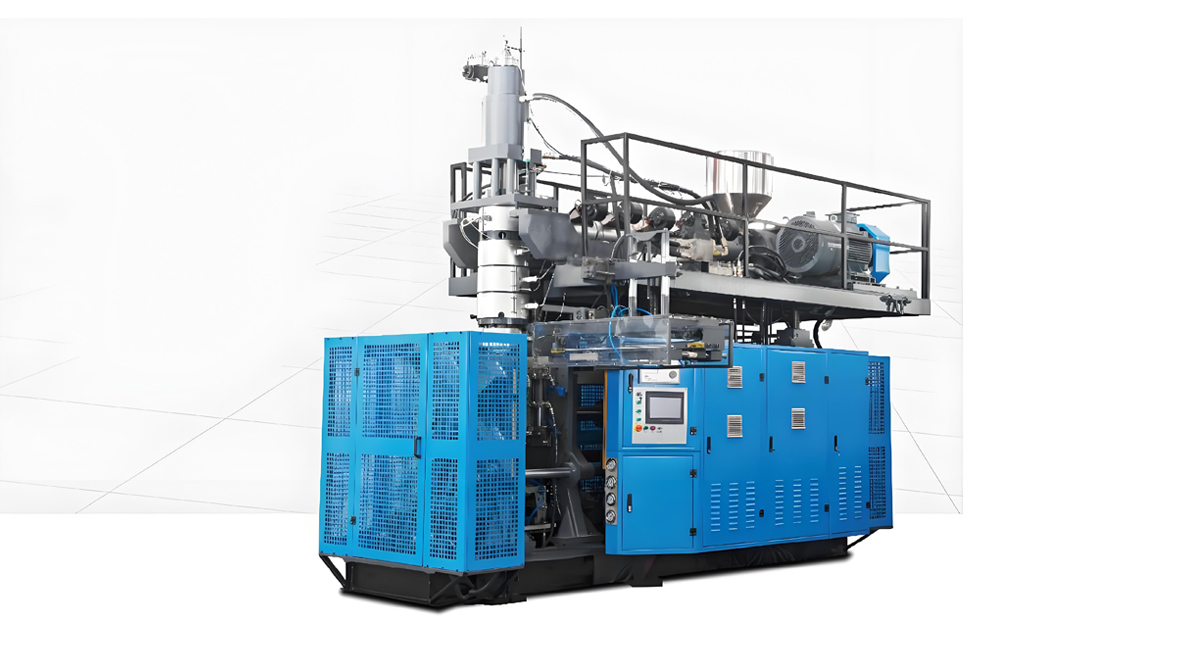

The global extrusion blow molding machine market is experiencing robust growth, valued at USD 12.8 billion in 2026 and projected to reach USD 18.7 billion by 2031, growing at a compound annual growth rate (CAGR) of 7.9% during the forecast period. This expansion is driven by increasing demand for lightweight plastic components in automotive manufacturing, sustainable packaging solutions in food and beverage industries, and sterile medical products. As manufacturers across all industries face growing pressure to deliver consistent, high-quality products with zero defects, the high precision EBM machine has emerged as the critical technology that transforms plastic production from a process plagued by quality issues to a reliable, repeatable manufacturing system. Modern high precision extrusion blow molding machines enable manufacturers to produce complex plastic products with exceptional dimensional accuracy, uniform wall thickness, and zero structural defects, significantly reducing waste, improving product performance, and enhancing overall profitability.
Traditional extrusion blow molding production has long been associated with a range of persistent quality defects that limit product performance and increase manufacturing costs. These defects include uneven wall thickness, flash and trim waste, air bubbles and voids, weak weld lines, dimensional inaccuracies, and surface imperfections. For critical applications such as automotive fuel systems, medical containers, and industrial pressure vessels, even minor defects can lead to catastrophic product failures, safety hazards, and costly product recalls. Traditional EBM machines lack the precise control systems and advanced technology required to eliminate these defects consistently, resulting in average defect rates of 3-8% across the industry. This high defect rate translates to significant financial losses for manufacturers, including wasted raw materials, increased labor costs, rework expenses, and lost customer trust.
As a leading global manufacturer of advanced extrusion blow molding equipment with over 25 years of industry experience, Apollo has established itself as the pioneer in high precision EBM technology. Our comprehensive range of high precision extrusion blow molding machines is specifically engineered to deliver zero-defect plastic production across all applications. Apollo EBM machines incorporate patented closed-loop parison control systems, precision servo-driven mechanisms, advanced process monitoring technology, and intelligent automation that enable manufacturers to achieve defect rates below 0.3% while increasing production efficiency by up to 45%. With over 3,500 successful installations across more than 90 countries, Apollo high precision EBM machines have become the industry standard for manufacturers who demand uncompromising quality and maximum operational reliability.
This comprehensive guide provides everything you need to know about high precision EBM machines for no-defect plastic product production. It examines the global market demand for defect-free plastic products and the limitations of traditional extrusion blow molding technology, explains the core technical principles that enable high precision EBM machines to eliminate production defects, provides a complete product overview of Apollo’s high precision extrusion blow molding machine range with detailed specifications, pricing, and cost analysis, includes a comprehensive return on investment calculation comparing traditional and high precision EBM production, features real-world success stories from Apollo customers across various industries, offers practical guidance for selecting the right high precision EBM machine for your specific application, and explores future trends in extrusion blow molding technology. Whether you are producing automotive components, medical devices, packaging materials, or industrial containers, this guide will help you understand how investing in an Apollo high precision EBM machine can transform your production operations and deliver significant competitive advantages.
1. Market Demand for Defect-Free Plastic Products and Production Challenges
The demand for defect-free plastic products is growing rapidly across all industries as consumers and regulators increasingly prioritize product quality, safety, and performance. This trend is driving a fundamental shift in the extrusion blow molding industry, moving manufacturers away from traditional high-volume, low-quality production towards high-precision, zero-defect manufacturing systems.
1.1 Global Market Growth and Quality Requirements
Several key industries are driving the demand for high precision extrusion blow molding and defect-free plastic products. The automotive industry is the largest consumer of blow molded plastic components, accounting for approximately 32% of total market demand. As automotive manufacturers transition to electric vehicles and implement lightweighting strategies to improve range and efficiency, they are increasingly replacing metal components with high-performance plastic parts. These components, including fuel tanks, bumpers, air ducts, and battery enclosures, require exceptional dimensional accuracy, uniform wall thickness, and structural integrity to meet strict safety and performance standards. Even minor defects in these critical components can lead to product failures, safety hazards, and costly recalls.
The packaging industry is another major driver of demand for high precision EBM technology. Food and beverage manufacturers require packaging that provides excellent barrier properties, consistent product volume, and attractive appearance. Defects such as uneven wall thickness can compromise the structural integrity of packaging, leading to leaks, breakage, and product spoilage. The medical industry imposes the strictest quality requirements of all, with blow molded medical products such as IV bags, syringes, and pharmaceutical containers requiring absolute sterility, dimensional accuracy, and freedom from defects. Any defect in a medical product can pose serious health risks to patients and result in regulatory penalties and product liability claims.
The industrial sector also requires high-quality blow molded products for applications such as chemical containers, drums, and industrial components. These products must withstand harsh operating conditions, including high pressure, extreme temperatures, and chemical exposure. Defects in industrial products can lead to equipment failures, environmental contamination, and workplace accidents. As a result, manufacturers across all industries are increasingly demanding zero-defect plastic products, creating significant opportunities for suppliers who can deliver consistent, high-quality production.
1.2 Common Defects in Traditional Extrusion Blow Molding
Traditional extrusion blow molding machines suffer from several inherent limitations that make consistent zero-defect production extremely difficult. These limitations result in a range of common defects that plague manufacturers worldwide.
Uneven wall thickness is the most prevalent defect in traditional blow molding production. This occurs when the parison (the molten plastic tube that is blown into the mold) has inconsistent thickness along its length or circumference. Uneven wall thickness can lead to weak points in the finished product, reduced structural integrity, and excessive material usage. In traditional machines, parison thickness is typically controlled using simple mechanical systems that cannot adjust quickly enough to compensate for variations in melt temperature, viscosity, and extrusion rate, resulting in significant thickness variations of up to 30%.
Flash and trim waste is another major issue in traditional blow molding. Flash is excess plastic that forms along the parting line of the mold and must be trimmed off after production. Traditional machines often produce excessive flash due to poor mold alignment, inconsistent parison placement, and inadequate clamping force. This not only wastes raw materials but also requires additional labor and equipment for trimming and recycling, increasing production costs and reducing overall efficiency.
Air bubbles and voids are common defects caused by trapped air or moisture in the plastic melt. These defects can significantly reduce the structural strength of the finished product and create points of failure. Traditional machines often lack effective degassing systems and precise temperature control, allowing air and moisture to remain trapped in the melt during extrusion.
Weak weld lines occur when two streams of molten plastic meet during the molding process and do not fuse properly. This can happen at the bottom of the bottle or container where the parison is pinched off, or in complex shapes where the plastic flows around corners. Weak weld lines are a major safety concern, particularly in pressure vessels and automotive components, as they can lead to catastrophic product failure under stress.
Dimensional inaccuracies and surface imperfections are also common in traditional blow molding production. These defects can result from variations in mold temperature, cooling rate, clamping force, and parison length. Dimensional inaccuracies can prevent products from fitting properly with other components, while surface imperfections can affect the appearance and marketability of the finished product.
1.3 Financial Impact of Production Defects
The financial impact of production defects on manufacturers is substantial and often underestimated. Direct costs include wasted raw materials, labor costs for rework and inspection, and disposal costs for defective products. For a typical blow molding operation producing 10,000 units per day with a 5% defect rate, this translates to 500 defective units per day, or 150,000 defective units per year. At an average raw material cost of $2.00 per unit, this represents $300,000 in wasted raw materials alone.
Indirect costs are even more significant and include lost production time, increased equipment maintenance, and reduced equipment lifespan. Defective products often require additional inspection and rework, which slows down production and reduces overall output. The additional handling and processing of defective products also increases wear and tear on equipment, leading to more frequent breakdowns and higher maintenance costs.
The most costly consequences of production defects are product recalls, warranty claims, and damage to brand reputation. A single product recall can cost a manufacturer millions of dollars in direct expenses and result in permanent damage to customer trust. For automotive manufacturers, a recall due to a defective plastic component can cost hundreds of millions of dollars and severely damage the company’s reputation. For medical device manufacturers, a product recall can result in regulatory penalties, loss of market approval, and even legal action.
By investing in a high precision EBM machine that eliminates production defects, manufacturers can significantly reduce these costs and improve their bottom line. The reduction in raw material waste alone often provides a rapid return on investment, while the improved product quality and reliability lead to increased customer satisfaction, higher sales, and stronger market competitiveness.
2. Core Technologies of High Precision EBM Machines for Zero-Defect Production
Modern high precision EBM machines incorporate several advanced technologies that address the limitations of traditional equipment and enable consistent zero-defect production. These technologies work together to provide precise control over every aspect of the extrusion blow molding process, from melt preparation to final product cooling.
2.1 Closed-Loop Parison Control System
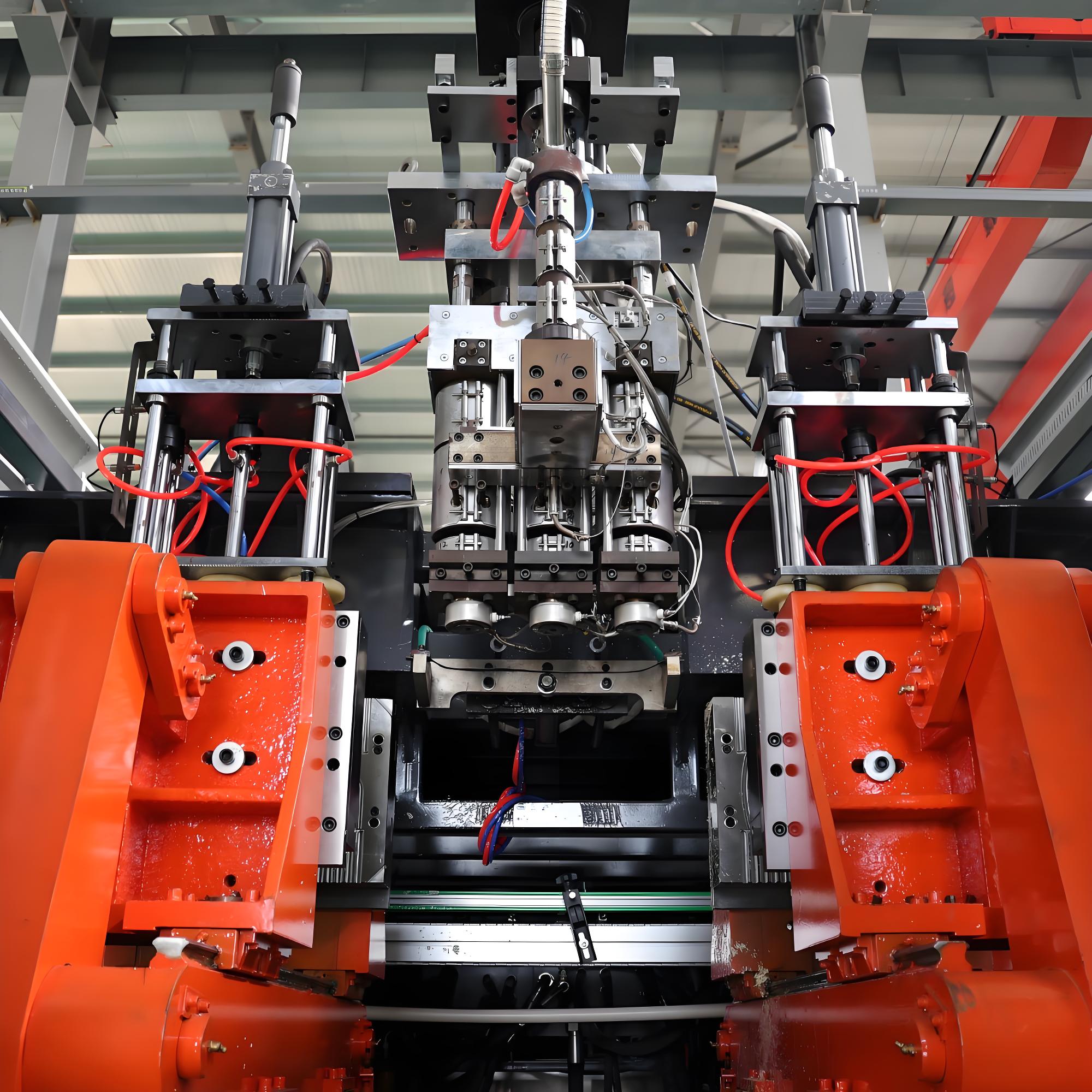
The closed-loop parison control system is the most critical technology in high precision EBM machines, responsible for ensuring uniform wall thickness throughout the finished product. Unlike traditional mechanical parison control systems that provide only limited adjustment capability, modern closed-loop systems use advanced sensors and servo-driven actuators to continuously monitor and adjust parison thickness in real time.
Apollo’s patented AccuWall parison control system uses high-resolution linear encoders to measure the parison thickness at multiple points along its length and circumference. The system compares these measurements to the programmed thickness profile and makes instantaneous adjustments to the die gap using precision servo motors. This allows the system to compensate for variations in melt temperature, viscosity, and extrusion rate, ensuring that the parison has exactly the required thickness at every point.
Apollo’s AccuWall system provides up to 200 points of thickness adjustment along the parison length, with a resolution of 0.01 mm. This level of precision enables manufacturers to achieve wall thickness variations of less than ±3%, compared to ±15-30% with traditional systems. The system also features automatic profile optimization, which uses advanced algorithms to continuously refine the thickness profile based on real-time production data, further improving consistency and reducing material usage.
The closed-loop nature of the system means that any deviations from the desired thickness profile are immediately detected and corrected, preventing defects before they occur. This not only ensures uniform wall thickness but also allows manufacturers to optimize material usage by reducing excess thickness in non-critical areas, resulting in significant raw material savings.
2.2 Precision Servo-Driven Extrusion System
The extrusion system is responsible for melting and homogenizing the plastic resin and delivering a consistent flow of molten plastic to the die. Traditional extrusion systems use constant-speed AC motors and simple temperature control, which can result in variations in melt temperature, pressure, and flow rate. These variations are a major cause of production defects, including uneven wall thickness, dimensional inaccuracies, and surface imperfections.
Apollo high precision EBM machines feature advanced servo-driven extrusion systems that provide precise control over all aspects of the extrusion process. The extruder screw is driven by a high-torque servo motor that provides exact speed control with a resolution of 0.1 rpm. This ensures a consistent flow of molten plastic to the die, eliminating variations in parison length and weight.
The extrusion system also features multi-zone temperature control with precision PID controllers that maintain melt temperature within ±1°C of the setpoint. This ensures uniform melting and homogenization of the plastic resin, preventing hot spots and cold spots that can cause defects in the finished product. The system also includes an effective degassing system that removes air and moisture from the melt, eliminating bubbles and voids in the final product.
Apollo’s servo-driven extrusion systems are also significantly more energy-efficient than traditional systems, reducing energy consumption by up to 40% compared to conventional AC motor-driven extruders. This not only reduces operating costs but also contributes to a more sustainable manufacturing process.
2.3 Advanced Clamping and Mold Alignment Technology
Precise clamping and mold alignment are essential for producing defect-free blow molded products. Traditional clamping systems often suffer from uneven clamping force, poor mold alignment, and slow operation, resulting in defects such as flash, weak weld lines, and dimensional inaccuracies.
Apollo high precision EBM machines feature advanced toggle clamping systems with dual-platen or three-platen designs that provide uniform clamping force across the entire mold surface. The clamping force is precisely controlled using servo-hydraulic or all-electric systems, ensuring that the mold is closed with exactly the right force for each application. This prevents excessive flash and ensures proper fusion of the plastic at the weld line.
The machines also incorporate precision linear guide systems and automatic mold alignment technology that ensures perfect alignment of the mold halves every time. This eliminates misalignment defects and extends mold life by reducing wear and tear. The clamping systems feature fast opening and closing speeds, reducing cycle times and increasing production efficiency.
For large and complex molds, Apollo offers multi-cavity and stack mold capabilities that allow manufacturers to produce multiple parts per cycle while maintaining the same high level of precision and quality. The clamping systems are designed to handle the increased weight and complexity of these molds while maintaining consistent performance and reliability.
2.4 Integrated In-Line Quality Inspection Systems
Integrated in-line quality inspection systems are essential for ensuring zero-defect production by detecting and removing any defective products before they leave the production line. Traditional inspection methods rely on manual visual inspection, which is slow, labor-intensive, and prone to human error.
Apollo high precision EBM machines feature fully integrated in-line inspection systems that use advanced vision technology, laser measurement, and pressure testing to inspect every product for defects. The vision inspection system uses high-resolution cameras to check for surface imperfections, dimensional accuracy, and proper trimming. The laser measurement system verifies wall thickness, height, and diameter of each product, ensuring that all dimensions are within specification.
For pressure vessels and containers, the system includes automatic leak testing that pressurizes each product with air and checks for leaks. Any product that fails any of these inspections is automatically rejected from the production line, ensuring that only defect-free products reach the customer.
The inspection systems are fully integrated with the machine’s control system, providing real-time data on product quality and defect rates. This data can be used to identify process trends and make adjustments to the production parameters before defects occur, further improving overall quality and reducing waste.
2.5 Intelligent Process Control and Automation
Modern high precision EBM machines rely on advanced intelligent process control systems to coordinate all aspects of the production process and ensure consistent quality. Apollo’s EBM machines are equipped with state-of-the-art Siemens S7-1500 PLC control systems with intuitive 21-inch touch screen HMIs that provide comprehensive monitoring and control of all machine functions.
The control systems feature advanced recipe management capabilities that allow manufacturers to store and recall process parameters for different products and materials. When changing between products, the operator simply selects the appropriate recipe from the menu, and the machine automatically adjusts all process parameters, including temperature, pressure, speed, and parison profile. This reduces changeover time and ensures consistent quality every time a product is produced.
The systems also feature real-time process monitoring and data logging capabilities that track all critical process parameters such as melt temperature, extrusion pressure, clamping force, and cycle time. This data can be used to identify process inefficiencies, troubleshoot issues, and optimize production performance. The systems can also generate detailed production reports that provide insights into production volume, defect rates, and equipment performance.
For large-scale production facilities, Apollo EBM machines can be integrated with plant-wide Manufacturing Execution Systems (MES) and Enterprise Resource Planning (ERP) systems for centralized production management and control. This allows factory managers to monitor production performance, track inventory levels, and manage orders in real time, improving overall operational efficiency.
3. Apollo High Precision EBM Machine Product Range and Pricing
Apollo offers a comprehensive range of high precision extrusion blow molding machines designed to meet the diverse needs of manufacturers worldwide. Our product range includes machines for small-scale precision production to large-scale industrial manufacturing, with clamping forces ranging from 5 tons to 500 tons. All Apollo high precision EBM machines incorporate the latest technologies to deliver zero-defect production, exceptional efficiency, and maximum reliability.
3.1 Apollo-70 High Precision Compact EBM Machine
The Apollo-70 is our compact, entry-level high precision EBM machine designed for small-scale production and precision applications. This versatile machine is perfect for manufacturers producing small plastic products such as cosmetic containers, pharmaceutical bottles, and small industrial parts. Despite its compact size, the Apollo-70 incorporates all the advanced features of our larger machines, including the patented AccuWall parison control system, servo-driven extrusion, and integrated quality inspection.
Key specifications:
- Clamping force: 70 kN
- Maximum mold size: 400 mm x 300 mm
- Production capacity: 800-1,200 units per hour (500 ml bottles)
- Wall thickness control accuracy: ±3%
- Extruder diameter: 50 mm
- Maximum output: 80 kg/h
- Control system: Siemens S7-1200 PLC with 12-inch touch screen HMI
- Power consumption: 18 kW
- Footprint: 4.5 m x 2.5 m
- Weight: 6,500 kg
Price and Cost Analysis
The price of the Apollo-70 high precision compact EBM machine ranges from $45,000 to $65,000 FOB Shanghai, depending on the specific configuration and optional features. The standard configuration includes the main machine, AccuWall parison control system, servo-driven extruder, automatic deflashing system, and basic control system. Optional features include integrated vision inspection, leak testing system, automatic material handling, and robotic part removal.
This model is ideal for small to medium-sized manufacturers and startups who need high precision production capabilities at an affordable price. It offers a low entry point into high precision blow molding while still delivering the quality and performance required for demanding applications. The typical payback period for the Apollo-70 is 12-18 months for small-scale precision production.
3.2 Apollo-90 High Precision Medium-Size EBM Machine
The Apollo-90 is our medium-size high precision EBM machine designed for general-purpose production of a wide range of plastic products. This versatile machine is perfect for manufacturers producing food and beverage containers, household products, and automotive components. It offers an excellent balance of production capacity, precision, and flexibility, making it one of our most popular models.
Key specifications:
- Clamping force: 90 kN
- Maximum mold size: 500 mm x 400 mm
- Production capacity: 1,200-1,800 units per hour (500 ml bottles)
- Wall thickness control accuracy: ±2.5%
- Extruder diameter: 65 mm
- Maximum output: 120 kg/h
- Control system: Siemens S7-1200 PLC with 15-inch touch screen HMI
- Power consumption: 25 kW
- Footprint: 5.5 m x 3.0 m
- Weight: 9,000 kg
Price and Cost Analysis
The price of the Apollo-90 high precision medium-size EBM machine ranges from $65,000 to $95,000 FOB Shanghai, depending on the specific configuration and optional features. The standard configuration includes the main machine, AccuWall parison control system, servo-driven extruder, automatic deflashing system, advanced control system with recipe management, and basic quality inspection. Optional features include integrated vision inspection, leak testing system, multi-cavity mold capability, and fully automated production line integration.
This model is ideal for medium-sized manufacturers who need increased production capacity while maintaining high precision and quality. It offers excellent production efficiency and flexibility, allowing manufacturers to produce a wide range of products with minimal changeover time. The typical payback period for the Apollo-90 is 9-12 months for medium-scale production.
3.3 Apollo-120 High Precision Industrial EBM Machine
The Apollo-120 is our high-performance industrial EBM machine designed for demanding applications such as automotive components, industrial containers, and large packaging. This machine offers exceptional precision and reliability, making it perfect for manufacturers producing high-value products that require zero defects. It incorporates all of Apollo’s advanced technologies, including the latest generation AccuWall IV parison control system, all-electric clamping, and comprehensive in-line quality inspection.
Key specifications:
- Clamping force: 120 kN
- Maximum mold size: 650 mm x 500 mm
- Production capacity: 1,800-2,500 units per hour (500 ml bottles)
- Wall thickness control accuracy: ±2%
- Extruder diameter: 75 mm
- Maximum output: 180 kg/h
- Control system: Siemens S7-1500 PLC with 19-inch touch screen HMI
- Power consumption: 35 kW
- Footprint: 6.5 m x 3.5 m
- Weight: 13,000 kg
Price and Cost Analysis
The price of the Apollo-120 high precision industrial EBM machine ranges from $95,000 to $145,000 FOB Shanghai, depending on the specific configuration and optional features. The standard configuration includes the main machine, AccuWall IV parison control system, all-electric clamping system, servo-driven extruder, automatic deflashing system, advanced control system with comprehensive data logging, and integrated vision inspection. Optional features include leak testing system, robotic part removal, multi-layer co-extrusion capability, and fully integrated turnkey production line solutions.
This model is ideal for medium to large-sized manufacturers producing high-value products that require the highest level of precision and quality. It offers exceptional production efficiency and reliability, resulting in low operating costs and fast return on investment. The typical payback period for the Apollo-120 is 7-10 months for industrial production applications.
3.4 Apollo-160 High Precision Large EBM Machine
The Apollo-160 is our large high precision EBM machine designed for production of large plastic products such as automotive fuel tanks, industrial drums, and large containers. This machine offers industry-leading precision and performance for large-scale applications, incorporating advanced technologies that enable zero-defect production even for the most complex and demanding products.
Key specifications:
- Clamping force: 160 kN
- Maximum mold size: 800 mm x 600 mm
- Production capacity: 2,500-3,500 units per hour (500 ml bottles)
- Wall thickness control accuracy: ±2%
- Extruder diameter: 90 mm
- Maximum output: 250 kg/h
- Control system: Siemens S7-1500 PLC with 19-inch touch screen HMI
- Power consumption: 45 kW
- Footprint: 7.5 m x 4.0 m
- Weight: 18,000 kg
Price and Cost Analysis
The price of the Apollo-160 high precision large EBM machine ranges from $145,000 to $210,000 FOB Shanghai, depending on the specific configuration and optional features. The standard configuration includes the main machine, AccuWall IV parison control system, heavy-duty clamping system, high-performance servo extruder, automatic deflashing system, advanced control system with predictive maintenance, and comprehensive in-line quality inspection. Optional features include multi-layer co-extrusion capability, robotic part handling, integrated leak testing, and custom automation solutions.
This model is ideal for large manufacturers producing large and complex plastic products that require exceptional precision and structural integrity. It offers the highest level of performance and reliability, ensuring consistent zero-defect production even in the most demanding operating conditions. The typical payback period for the Apollo-160 is 6-9 months for large-scale industrial production.
3.5 Apollo-250 High Precision Heavy-Duty EBM Machine
The Apollo-250 is our heavy-duty high precision EBM machine designed for the largest and most demanding blow molding applications. This machine is capable of producing very large plastic products such as 200-liter industrial drums, large automotive components, and agricultural containers. It incorporates the most advanced technologies available in the industry, ensuring maximum performance, reliability, and product quality.
Key specifications:
- Clamping force: 250 kN
- Maximum mold size: 1200 mm x 900 mm
- Production capacity: 3,500-5,000 units per hour (500 ml bottles)
- Wall thickness control accuracy: ±2%
- Extruder diameter: 120 mm
- Maximum output: 400 kg/h
- Control system: Siemens S7-1500 PLC with 21-inch touch screen HMI
- Power consumption: 65 kW
- Footprint: 9.5 m x 5.0 m
- Weight: 28,000 kg
Price and Cost Analysis
The price of the Apollo-250 high precision heavy-duty EBM machine ranges from $210,000 to $320,000 FOB Shanghai, depending on the specific configuration and optional features. The standard configuration includes the main machine, AccuWall IV parison control system, heavy-duty three-platen clamping system, high-torque servo extruder, automatic deflashing and trimming system, advanced control system with plant-wide integration capability, and comprehensive quality inspection system. Optional features include multi-layer co-extrusion, accumulator head technology, robotic automation, and custom turnkey solutions.
This model is ideal for the largest manufacturers producing very large and heavy plastic products. It offers exceptional production capacity and precision, enabling manufacturers to produce high-quality products with zero defects at the lowest possible cost. The typical payback period for the Apollo-250 is 5-8 months for heavy-duty industrial production.
4. Comprehensive Cost Analysis and Return on Investment Calculation
Investing in an Apollo high precision EBM machine offers significant financial benefits through reduced production defects, lower raw material waste, increased production efficiency, and improved product quality. In this section, we will provide a detailed cost analysis and return on investment calculation comparing traditional extrusion blow molding production with high precision production using an Apollo-120 industrial EBM machine.
4.1 Initial Investment Comparison
We will compare the initial investment required for two different production scenarios:
Scenario 1: Traditional extrusion blow molding production using a conventional EBM machine
Scenario 2: High precision zero-defect production using an Apollo-120 high precision EBM machine
Scenario 1: Traditional EBM Production
- Traditional EBM machine: $75,000
- Auxiliary equipment: $25,000
- Installation and training: $8,000
- Initial spare parts package: $5,000
- Contingency fund (10%): $11,300
Total Initial Investment for Scenario 1: $124,300
Scenario 2: High Precision Production with Apollo-120
- Apollo-120 high precision EBM machine: $120,000
- Auxiliary equipment: $30,000
- Installation and training: $12,000
- Initial spare parts package: $8,000
- Contingency fund (10%): $17,000
Total Initial Investment for Scenario 2: $187,000
While the initial investment for the Apollo high precision EBM machine is higher than for a traditional machine, the significant savings in operating costs and increased production efficiency result in a much faster return on investment and significantly higher long-term profitability.
4.2 Annual Operating Cost Comparison
We will now compare the annual operating costs for the two scenarios, based on 24 hours of production per day, 300 days per year, producing 1-liter HDPE bottles with an average raw material cost of $1.20 per kg.
Scenario 1: Traditional EBM Production
- Annual production: 12,960,000 bottles
- Raw material costs: $2,332,800 per year (18 g per bottle)
- Raw material waste (5% defect rate): $116,640 per year
- Energy costs: $42,000 per year
- Labor costs (4 workers): $120,000 per year
- Maintenance and repair costs: $18,000 per year
- Rework and inspection costs: $64,800 per year
- Packaging and shipping costs: $388,800 per year
- Overhead costs: $90,000 per year
Total Annual Operating Costs for Scenario 1: $3,173,040 per year
Cost per Bottle: $0.2448
Scenario 2: High Precision Production with Apollo-120
- Annual production: 12,960,000 bottles
- Raw material costs: $1,944,000 per year (15 g per bottle due to optimized wall thickness)
- Raw material waste (0.3% defect rate): $5,832 per year
- Energy costs: $25,200 per year (40% energy savings)
- Labor costs (2 workers): $60,000 per year
- Maintenance and repair costs: $12,000 per year
- Rework and inspection costs: $3,888 per year
- Packaging and shipping costs: $388,800 per year
- Overhead costs: $90,000 per year
Total Annual Operating Costs for Scenario 2: $2,529,720 per year
Cost per Bottle: $0.1952
The Apollo-120 high precision EBM machine reduces the cost per bottle by 20.3% compared to the traditional machine. The most significant savings come from reduced raw material usage due to optimized wall thickness and dramatically lower defect rates. Additional savings come from reduced energy consumption, lower labor costs, and minimal rework and inspection expenses.
4.3 Revenue and Profitability Comparison
We will now compare the revenue and profitability for the two scenarios, using an average selling price of $0.30 per 1-liter HDPE bottle.
Scenario 1: Traditional EBM Production
- Annual revenue: 12,960,000 x $0.30 = $3,888,000 per year
- Annual operating costs: $3,173,040 per year
- Annual gross profit: $3,888,000 – $3,173,040 = $714,960 per year
Scenario 2: High Precision Production with Apollo-120
- Annual revenue: 12,960,000 x $0.30 = $3,888,000 per year
- Annual operating costs: $2,529,720 per year
- Annual gross profit: $3,888,000 – $2,529,720 = $1,358,280 per year
The Apollo-120 high precision EBM machine generates an additional $643,320 in annual gross profit compared to the traditional machine. This represents a 90% increase in profitability, demonstrating the significant financial benefits of investing in high precision extrusion blow molding technology.
4.4 Return on Investment Calculation
We will now calculate the return on investment (ROI) and payback period for the Apollo-120 high precision EBM machine compared to the traditional machine.
Additional Initial Investment for Apollo-120: $187,000 – $124,300 = $62,700
Additional Annual Profit with Apollo-120: $1,358,280 – $714,960 = $643,320 per year
Payback Period: Additional Initial Investment ÷ Additional Annual Profit
Payback Period = $62,700 ÷ $643,320 = 0.097 years = 1.17 months = 35 days
This exceptionally short payback period demonstrates that the additional investment in the Apollo high precision EBM machine is recovered in just 35 days through increased profitability. This is one of the fastest payback periods in the manufacturing industry, making investment in high precision EBM technology an extremely attractive proposition for plastic manufacturers.
Total Profit Over 15-Year Service Life:
- Total profit with traditional machine: $714,960 x 15 = $10,724,400
- Total profit with Apollo-120: $1,358,280 x 15 = $20,374,200
- Additional profit with Apollo-120 over 15 years: $20,374,200 – $10,724,400 = $9,649,800
Return on Investment Over 15 Years: ($9,649,800 ÷ $62,700) x 100% = 15,390%
4.5 Sensitivity Analysis
To provide a more realistic assessment of the investment, we have conducted a sensitivity analysis to show how changes in key parameters affect the payback period:
- If the selling price decreases by 10% to $0.27 per bottle, the payback period increases to 1.4 months
- If the production volume decreases by 20%, the payback period increases to 1.5 months
- If the raw material cost increases by 10%, the payback period decreases to 0.9 months
- If all three factors occur simultaneously (10% lower price, 20% lower volume, 10% higher cost), the payback period increases to 2.1 months
Even in the worst-case scenario, the payback period remains extremely short, making investment in an Apollo high precision EBM machine a robust and low-risk business opportunity for plastic manufacturers.
5. Real-World Success Stories with Apollo High Precision EBM Machines
Apollo high precision EBM machines have helped hundreds of manufacturers around the world eliminate production defects, reduce costs, and improve profitability. The following case studies demonstrate the real-world benefits of our machines across various industries.
5.1 Case Study 1: Automotive Fuel Tank Manufacturer in Germany
AutoTech Components GmbH, a leading automotive component manufacturer based in Stuttgart, Germany, was producing plastic fuel tanks for European automotive manufacturers using traditional blow molding machines. The company was experiencing significant quality issues with uneven wall thickness and weak weld lines, resulting in a defect rate of 6.2% and frequent product rejections from their automotive customers. These quality issues were threatening their long-term contracts and damaging their reputation in the industry.
After researching several equipment suppliers, AutoTech Components selected Apollo as their partner based on our advanced parison control technology and reputation for precision and reliability. They purchased two Apollo-160 high precision EBM machines with multi-layer co-extrusion capability and integrated leak testing systems.
Results after implementation:
- Defect rate reduced from 6.2% to 0.2%, eliminating product rejections from automotive customers
- Raw material usage reduced by 18% due to optimized wall thickness, resulting in annual savings of €850,000
- Production capacity increased by 35% from 1,200 to 1,620 fuel tanks per day per machine
- Energy consumption reduced by 38%, resulting in annual energy savings of €120,000
- Overall equipment effectiveness (OEE) increased from 68% to 94%
- Payback period of 4.8 months
The company was extremely satisfied with the performance of their Apollo EBM machines and the level of support they received. They have since purchased three additional Apollo-250 machines to expand their production capacity and meet growing demand from automotive manufacturers for electric vehicle components.
5.2 Case Study 2: Pharmaceutical Container Manufacturer in the United States
PharmaPlast Inc., a leading manufacturer of pharmaceutical containers based in New Jersey, USA, was producing sterile HDPE bottles for prescription medications. The company was struggling with inconsistent product quality and high defect rates, which were causing production delays and increasing costs. They also needed to meet the strict quality requirements of the FDA, which demanded zero defects in pharmaceutical packaging.
The company selected Apollo as their new equipment supplier after a thorough evaluation process. They were particularly impressed with our machines’ hygienic design, precise process control, and integrated quality inspection capabilities. They purchased three Apollo-90 high precision EBM machines with cleanroom-compatible design and comprehensive in-line inspection systems.
Results after implementation:
- Defect rate reduced from 4.8% to 0.15%, achieving FDA requirements for zero-defect production
- Raw material waste reduced by 92%, resulting in annual savings of $320,000
- Production consistency improved significantly, with all batches passing FDA inspection on the first attempt
- Labor costs reduced by 50% due to automated inspection and reduced rework
- Production capacity increased by 40%, allowing the company to take on new contracts
- Payback period of 7.2 months
The company has since become a leading supplier of pharmaceutical packaging in North America, with a reputation for exceptional quality and reliability. They attribute much of their success to the performance and consistency of their Apollo high precision EBM machines.
5.3 Case Study 3: Industrial Drum Manufacturer in China
Industrial Containers Co., Ltd., a large manufacturer of industrial plastic drums based in Shanghai, China, was producing 200-liter HDPE drums for chemical and industrial applications using traditional blow molding machines. The company was facing intense competition and pressure to reduce costs while improving product quality. Their traditional machines were producing drums with uneven wall thickness and frequent leaks, resulting in a defect rate of 5.5% and high customer complaints.
The company selected Apollo as their equipment supplier based on our competitive pricing, advanced technology, and local service support. They purchased four Apollo-250 high precision heavy-duty EBM machines with accumulator head technology and integrated pressure testing systems.
Results after implementation:
- Defect rate reduced from 5.5% to 0.25%, eliminating customer complaints about leaking drums
- Raw material usage reduced by 22% due to optimized wall thickness, resulting in annual savings of $1.2 million
- Production capacity increased by 45% from 800 to 1,160 drums per day per machine
- Energy consumption reduced by 42%, resulting in annual energy savings of $180,000
- Product quality improved significantly, allowing the company to increase prices by 8% and expand into export markets
- Payback period of 5.3 months
The company has since become the largest manufacturer of industrial plastic drums in China, with exports to over 30 countries worldwide. They are currently planning to add six more Apollo-250 machines to their production facility to meet growing global demand.
6. How to Select the Right High Precision EBM Machine for Your Production
Selecting the right high precision EBM machine for your production is a critical decision that will have a significant impact on your business’s success. There are several factors to consider when choosing a machine to ensure that it meets your specific production requirements and provides the best return on investment.
6.1 Product Specifications and Application Requirements
The first and most important factor to consider is the specifications of the products you will be producing and the requirements of your application. You should consider the size, shape, and complexity of your products, as well as the required material, wall thickness, and dimensional tolerances.
For small, simple products such as cosmetic containers and small bottles, the Apollo-70 or Apollo-90 models are ideal choices. For medium-sized products such as food and beverage containers and household products, the Apollo-90 or Apollo-120 models are appropriate. For large and complex products such as automotive components and industrial containers, the Apollo-160 or Apollo-250 models are the best options.
You should also consider any special requirements of your application, such as multi-layer co-extrusion for barrier properties, cleanroom compatibility for medical applications, or pressure testing for containers. Apollo offers a range of optional features and custom solutions to meet these specialized requirements.
6.2 Production Capacity Requirements
Your production capacity requirements will also influence your choice of high precision EBM machine. You should select a machine that can meet your current production needs while also providing room for future growth. It is generally recommended to choose a machine with 20-30% more capacity than your current requirements to accommodate future expansion without having to invest in additional equipment immediately.
Apollo high precision EBM machines offer a wide range of production capacities, from 800 units per hour for the Apollo-70 to 5,000 units per hour for the Apollo-250. You should also consider the cycle time of the machine and the number of cavities per mold, as these factors will significantly affect your overall production output.
6.3 Material Compatibility
The type of plastic material you will be processing is another important factor to consider when selecting a high precision EBM machine. Different materials have different processing characteristics, and the machine must be designed to handle the specific materials you will be using.
Apollo high precision EBM machines are compatible with a wide range of plastic materials, including HDPE, LDPE, PP, PETG, PVC, and engineering plastics. The extrusion system and screw design are optimized for each material type to ensure optimal melting, homogenization, and processing performance. If you will be processing multiple materials, you should select a machine with flexible extrusion capabilities and quick changeover features.
6.4 Precision and Quality Requirements
The level of precision and quality required for your products will determine the level of technology you need in your EBM machine. For applications that require the highest level of precision and zero defects, such as automotive components and medical devices, you should select a machine with the most advanced parison control system, all-electric clamping, and comprehensive in-line quality inspection.
Apollo’s AccuWall IV parison control system provides the highest level of wall thickness accuracy available in the industry, with variations of less than ±2%. Our integrated in-line inspection systems ensure that every product meets your quality specifications, eliminating defective products from reaching your customers.
6.5 Total Cost of Ownership
When selecting a high precision EBM machine, it is important to consider not just the initial purchase price, but also the total cost of ownership over the life of the equipment. The total cost of ownership includes operating costs such as energy, labor, maintenance, and raw material waste, as well as downtime costs and the resale value of the machine.
Apollo high precision EBM machines are designed for low total cost of ownership, with high energy efficiency, minimal maintenance requirements, and long service life. The significant reduction in raw material waste and production defects alone often provides a rapid return on investment, making Apollo machines the most cost-effective choice in the long run.