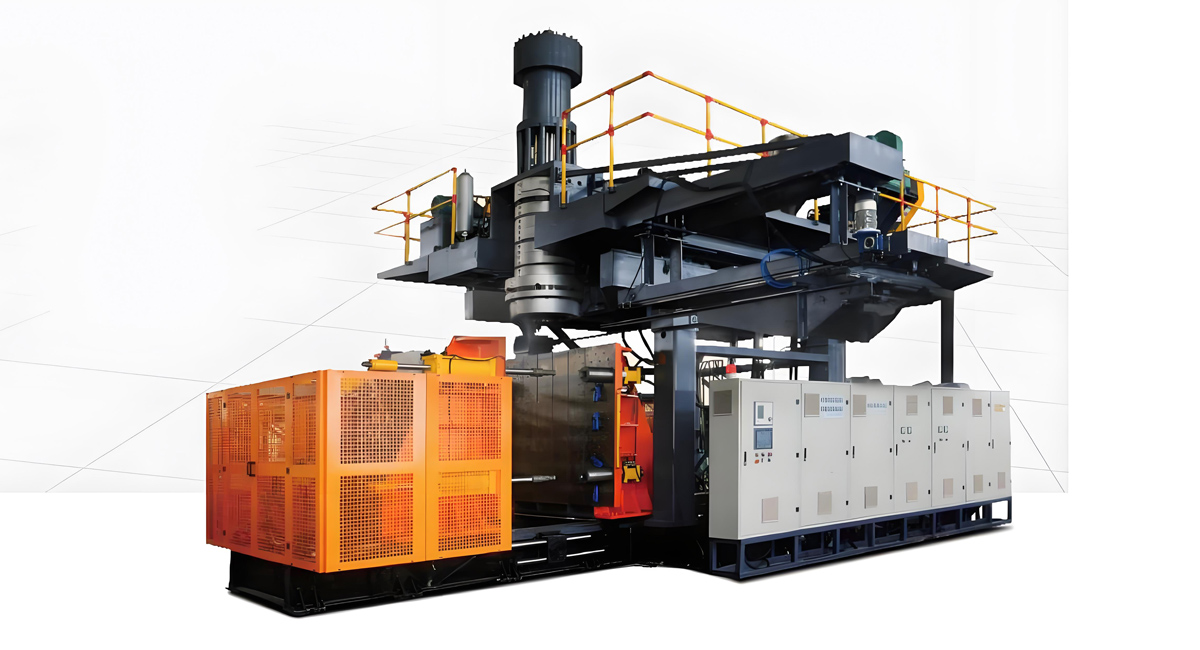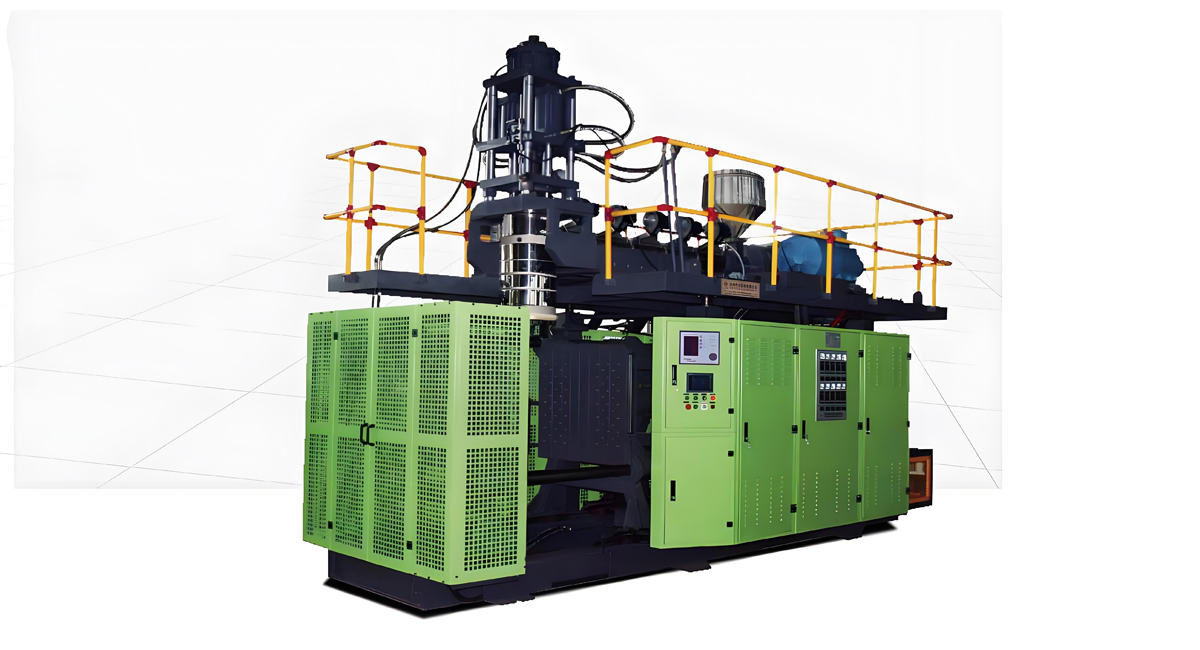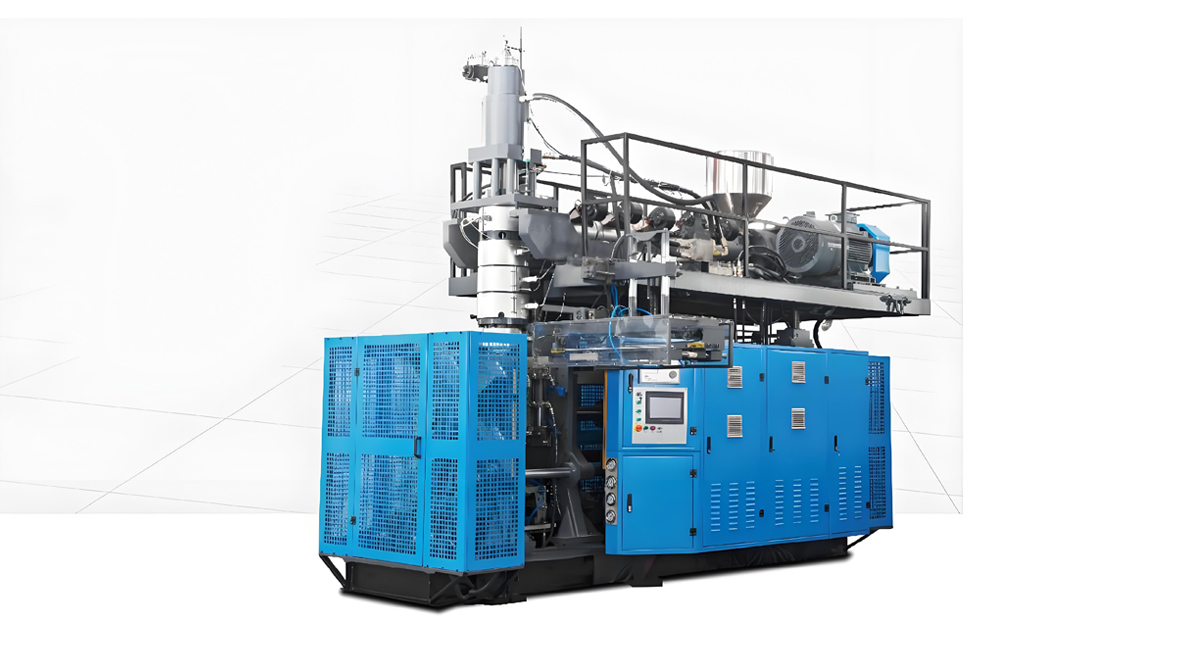
The global corrosion-resistant plastic tank market is experiencing rapid growth, valued at USD 12.4 billion in 2026 and projected to reach USD 18.7 billion by 2032, growing at a compound annual growth rate (CAGR) of 7.1%. This expansion is driven by increasing demand from chemical processing, water treatment, agriculture, pharmaceutical, and food and beverage industries, where corrosion-resistant storage solutions are essential for safety, compliance, and operational efficiency. As a leading global manufacturer of plastic processing equipment, Apollo Machinery has developed advanced extrusion blow molding machines specifically engineered for corrosion-resistant plastic tank production, delivering unmatched durability, chemical resistance, and production efficiency.
Corrosion-resistant plastic tanks have become the preferred alternative to traditional metal tanks due to their exceptional chemical resistance, lightweight construction, low maintenance requirements, and long service life. HDPE (High-Density Polyethylene) and PP (Polypropylene) are the most widely used materials for corrosion-resistant tanks, offering excellent resistance to a wide range of acids, alkalis, solvents, and other corrosive substances. Apollo extrusion blow molding machines are designed to process these materials efficiently, with specialized configurations that optimize chemical resistance, structural integrity, and leak-proof performance. Whether you are producing small chemical drums, large industrial storage tanks, or agricultural water tanks, Apollo has a solution tailored to your specific needs.
Apollo Machinery has over 20 years of specialized experience in extrusion blow molding technology, with more than 3,500 machines installed in over 90 countries worldwide. Our state-of-the-art manufacturing facilities cover over 50,000 square meters and are equipped with advanced CNC machining centers and quality control equipment. We employ a team of over 220 experienced engineers and technicians dedicated to developing innovative blow molding solutions that maximize productivity and profitability for our customers. All our extrusion blow molding machines are built to the highest international standards using premium components from reputable suppliers, ensuring long service life and minimal downtime in demanding industrial environments. We also provide comprehensive after-sales support including installation, training, and maintenance services to ensure your machine operates at peak performance throughout its lifecycle.
This comprehensive guide explores everything you need to know about extrusion blow molding machines for corrosion-resistant plastic tank production. It examines the growing market demand for corrosion-resistant tanks, details the critical technical challenges in producing high-quality chemical-resistant tanks, provides a complete overview of Apollo’s ABLD series product range with accurate technical specifications and transparent pricing, explains our advanced technology features that enhance corrosion resistance and production efficiency, includes a detailed cost analysis and return on investment calculation, offers practical guidance on operation and maintenance, and features real-world success stories from Apollo customers worldwide. Whether you are establishing a new production facility or expanding your existing operations, this guide will help you make an informed decision and select the best extrusion blow molding solution for your corrosion-resistant tank business.
1. Market Demand for Corrosion-Resistant Plastic Tanks
1.1 Chemical Processing Industry
The chemical processing industry is the largest consumer of corrosion-resistant plastic tanks, accounting for approximately 40% of total global demand. Chemical manufacturers require storage solutions that can safely contain a wide range of corrosive substances including strong acids, alkalis, solvents, and hazardous chemicals. Traditional metal tanks are prone to corrosion, which can lead to leaks, environmental contamination, and safety hazards. Corrosion-resistant plastic tanks offer a reliable and cost-effective alternative, providing excellent chemical resistance and long service life even in harsh chemical environments.
HDPE tanks are particularly popular in the chemical industry due to their excellent resistance to most acids, alkalis, and salts. They are widely used for storing sulfuric acid, hydrochloric acid, sodium hydroxide, and other common industrial chemicals. PP tanks offer excellent resistance to organic solvents and higher temperatures, making them suitable for more demanding applications. Apollo extrusion blow molding machines produce chemical tanks that meet international standards such as UN/DOT certification for hazardous goods transportation, enabling manufacturers to serve regulated markets worldwide.
The global chemical industry is experiencing steady growth driven by increasing demand for chemicals in various sectors including manufacturing, agriculture, and healthcare. This growth is expected to continue in the coming years, creating strong demand for high-quality corrosion-resistant plastic tanks and the extrusion blow molding machines used to produce them. Apollo offers specialized extrusion solutions for chemical tank production, with configurations optimized for producing tanks with excellent chemical resistance and structural integrity.
1.2 Water Treatment and Municipal Applications
The water treatment and municipal sector is the second largest consumer of corrosion-resistant plastic tanks, accounting for approximately 25% of total global demand. Plastic tanks are widely used in water treatment plants for storing chemicals used in water purification processes such as chlorine, sodium hypochlorite, and coagulants. They are also used for storing potable water, wastewater, and rainwater in municipal and residential applications.
Corrosion-resistant plastic tanks offer numerous advantages for water treatment applications. They are lightweight, easy to install, and require minimal maintenance compared to concrete or metal tanks. They also do not rust or corrode, ensuring that the stored water remains clean and free of contaminants. HDPE tanks are particularly suitable for potable water storage as they are non-toxic, tasteless, and comply with international food contact standards.
The growing global population and increasing urbanization are driving significant demand for water treatment infrastructure and potable water storage solutions. Governments worldwide are investing heavily in water treatment facilities and water distribution systems, creating strong demand for corrosion-resistant plastic tanks. Apollo extrusion blow molding machines produce high-quality water tanks that meet the strictest quality and safety standards for potable water storage.
1.3 Agriculture and Food Processing Industry
The agriculture and food processing industry is another major consumer of corrosion-resistant plastic tanks, accounting for approximately 15% of total global demand. In agriculture, plastic tanks are used for storing fertilizers, pesticides, herbicides, and irrigation water. In food processing, they are used for storing ingredients, food products, and cleaning chemicals.
Corrosion-resistant plastic tanks offer excellent resistance to agricultural chemicals and food products, ensuring that the stored materials remain pure and uncontaminated. They are also easy to clean and sanitize, making them ideal for food processing applications. HDPE tanks are widely used in both agriculture and food processing due to their excellent chemical resistance, durability, and cost-effectiveness.
The global agriculture and food processing industries are experiencing steady growth driven by increasing population and rising demand for food products. This growth is expected to continue in the coming years, creating strong demand for corrosion-resistant plastic tanks. Apollo extrusion blow molding machines produce tanks that meet the strictest hygiene and safety standards for food contact applications.
1.4 Pharmaceutical and Healthcare Industry
The pharmaceutical and healthcare industry requires the highest standards of purity and safety in storage solutions. Corrosion-resistant plastic tanks are widely used in pharmaceutical manufacturing for storing raw materials, intermediates, and finished products. They are also used for storing purified water, cleaning solutions, and other process fluids.
HDPE and PP tanks are particularly suitable for pharmaceutical applications due to their excellent chemical resistance, non-toxicity, and ease of cleaning. They can be manufactured to meet the strictest regulatory requirements including GMP (Good Manufacturing Practices) and FDA standards. Apollo extrusion blow molding machines produce pharmaceutical-grade tanks with minimal impurities and consistent quality, ensuring compliance with international pharmaceutical regulations.
The global pharmaceutical and healthcare industry is experiencing rapid growth driven by aging populations, increasing healthcare spending, and the development of new drugs and therapies. This growth is expected to continue in the coming years, creating strong demand for high-quality corrosion-resistant plastic tanks for pharmaceutical applications.
2. Technical Challenges in Corrosion-Resistant Tank Production
2.1 Material Processing Requirements
Producing high-quality corrosion-resistant plastic tanks requires precise control over the material processing conditions. HDPE and PP, the most commonly used materials for corrosion-resistant tanks, have specific processing characteristics that must be carefully managed to ensure optimal chemical resistance and mechanical properties.
HDPE requires precise temperature control to prevent thermal degradation, which can reduce its chemical resistance and mechanical strength. The extrusion temperature must be maintained within a narrow range to ensure proper melting and mixing of the material. PP requires even more precise temperature control due to its higher melting point and greater sensitivity to thermal degradation.
Proper drying of the raw material is also essential for producing high-quality tanks. Moisture in the resin can cause hydrolysis during extrusion, leading to molecular weight degradation and reduced mechanical properties. Apollo extrusion blow molding machines feature advanced drying and dehumidification systems that reduce the moisture content of the resin to below 50 ppm before processing, ensuring excellent chemical resistance and mechanical strength.
The material must also be uniformly melted and mixed to ensure consistent properties throughout the tank. Inconsistent melting can result in weak spots, reduced chemical resistance, and premature failure. Apollo’s precision screw and barrel designs are optimized for HDPE and PP processing, providing efficient plasticization and uniform mixing with minimal shear heating and thermal degradation.
2.2 Structural Integrity and Leak-Proof Performance
Structural integrity and leak-proof performance are critical for corrosion-resistant tanks, as leaks can result in environmental damage, safety hazards, and regulatory violations. Tanks must be able to withstand internal pressure, external loads, and mechanical stress without leaking or failing.
Achieving optimal structural integrity requires precise control over the wall thickness distribution of the tank. Uneven wall thickness can result in weak spots and reduced structural strength. Apollo’s advanced parison control system allows operators to precisely control the wall thickness at multiple points along the length of the parison, ensuring uniform wall thickness distribution even for complex tank shapes.
The weld seam is another critical area that affects the leak-proof performance of the tank. Poorly formed weld seams can result in leaks and premature failure. Apollo’s die heads feature a special spiral flow channel design that ensures uniform flow distribution and eliminates weld lines, resulting in strong, leak-proof weld seams.
The neck finish and other openings must also be precisely formed to ensure a tight seal with fittings and closures. Apollo’s molds are designed with precision-machined neck inserts that produce consistent, high-quality neck finishes with tight tolerances.
2.3 Chemical Resistance Optimization
Chemical resistance is the most important property of corrosion-resistant tanks. The tank must be able to withstand prolonged exposure to the specific chemicals it will contain without degradation, swelling, or loss of mechanical properties.
Chemical resistance depends on several factors including the type of material, the molecular weight of the polymer, the degree of crystallinity, and the presence of additives. HDPE offers excellent resistance to most acids, alkalis, and salts, while PP offers better resistance to organic solvents and higher temperatures.
The processing conditions also have a significant impact on the chemical resistance of the final tank. Excessive shear heating or thermal degradation during extrusion can reduce the molecular weight of the polymer, resulting in reduced chemical resistance. Apollo’s precision extrusion systems ensure that the material is processed at the optimal temperature and shear rate, preserving its chemical resistance properties.
For applications requiring enhanced chemical resistance, multi-layer co-extrusion technology can be used to produce tanks with multiple layers of different materials. For example, a tank can have an inner layer of a material with excellent chemical resistance and an outer layer of a material with superior mechanical properties. Apollo offers multi-layer co-extrusion systems that allow manufacturers to produce tanks with customized chemical resistance properties.
2.4 Regulatory Compliance and Certification
Corrosion-resistant tanks used for storing hazardous chemicals, potable water, or food products must comply with strict regulatory requirements and obtain appropriate certifications. These regulations vary by country and application but generally include requirements for material safety, structural integrity, and leak-proof performance.
For example, tanks used for transporting hazardous chemicals must meet UN/DOT certification requirements, which include rigorous testing for impact resistance, stacking strength, and leak-proof performance. Tanks used for potable water storage must comply with NSF/ANSI 61 standards in the United States or equivalent standards in other countries. Tanks used for food contact applications must comply with FDA or EU 10/2011 standards.
Apollo extrusion blow molding machines are designed to produce tanks that meet all major international regulatory standards. We provide comprehensive documentation and support to help our customers obtain the necessary certifications for their products. Our machines are also capable of producing tanks with consistent quality and performance, ensuring that every tank meets the required standards.
3. Key Factors to Consider When Selecting an Extrusion Blow Molding Machine for Corrosion-Resistant Tanks
3.1 Machine Capacity and Tank Size Range
The first and most important factor to consider when selecting an extrusion blow molding machine for corrosion-resistant tank production is the machine’s capacity and the range of tank sizes it can produce. The required capacity will depend on your market demand, production schedule, and the size of tanks you plan to manufacture.
Corrosion-resistant tanks are available in a wide range of sizes from small 20L chemical drums to large 1500L industrial storage tanks. Different machine models are designed to produce different size ranges. It is important to select a machine that can produce the full range of tank sizes you need while also allowing for future growth.
Apollo offers a complete range of extrusion blow molding machines for corrosion-resistant tank production, with capacities ranging from 20L to 1500L. Our ABLD series machines are specifically designed for large capacity container production, with models that can produce tanks from 20L up to 1500L. This allows you to select the machine that best fits your specific production requirements.
3.2 Material Compatibility and Processing Capabilities
The machine’s ability to process the specific materials you will be using is another critical factor to consider. Different materials have different processing characteristics and require different extrusion conditions, screw designs, and temperature profiles. You should ensure that the machine you choose is optimized for the materials you plan to process, whether it is HDPE, PP, or a combination of materials.
Apollo extrusion blow molding machines are highly versatile and can be configured to process all common materials used for corrosion-resistant tank production. We offer specialized screw designs and temperature control systems for each material type, ensuring optimal processing conditions and maximum chemical resistance. Our machines also feature quick changeover capabilities, allowing you to switch between different materials and products with minimal downtime.
You should also consider whether you need the capability to produce multi-layer tanks for enhanced chemical resistance. Apollo offers multi-layer co-extrusion systems that allow you to produce tanks with multiple layers of different materials, providing customized chemical resistance properties.
3.3 Production Efficiency and Energy Consumption
Production efficiency and energy consumption are important factors that directly affect your operating costs and profitability. When comparing different machines, you should look at the production rate, cycle time, and specific energy consumption (kWh per kg of product).
Modern extrusion blow molding machines incorporate advanced technologies that improve production efficiency and reduce energy consumption. These include servo drive systems, energy-efficient heating systems, and optimized cooling systems. Apollo’s ABLD series machines feature advanced servo drive systems that reduce energy consumption by 30-40% compared to conventional hydraulic machines while also improving cycle times and production throughput.
You should also consider the machine’s uptime and reliability. A machine with high uptime and low maintenance requirements will be more productive and profitable than a machine with higher maximum speed but lower reliability. Apollo’s machines are designed for maximum reliability and efficiency, with typical uptime of over 95% and scrap rates below 2% for stable production.
3.4 Quality Control and Consistency
Quality control and consistency are paramount in corrosion-resistant tank production, as even minor defects can result in leaks, safety hazards, and regulatory violations. When evaluating different machines, you should pay close attention to the technologies used to ensure consistent product quality.
Key quality control features to look for include precision extrusion systems, advanced parison programming, uniform cooling systems, and real-time quality monitoring. Apollo extrusion blow molding machines incorporate all these features, ensuring that each tank produced has consistent wall thickness, excellent chemical resistance, and reliable leak-proof performance.
Our machines also feature automatic defect detection systems that identify and reject defective tanks, reducing scrap rates and improving overall efficiency. This is particularly important for tanks used in critical applications such as chemical storage or pharmaceutical manufacturing, where quality is non-negotiable.
3.5 Equipment Reliability and After-Sales Support
Equipment reliability is essential for maximizing production uptime and profitability. An extrusion blow molding machine is a significant capital investment, and any downtime can result in substantial lost revenue. When selecting a supplier, you should consider their track record of reliability, the quality of their components, and the level of after-sales support they provide.
Apollo uses only high-quality components from reputable international suppliers in all our extrusion blow molding machines, including Siemens PLCs, Schneider electrical components, SKF bearings, and ABB motors. All our machines undergo rigorous testing and inspection before delivery, including 72 hours of continuous operation under full load to identify and resolve any issues before shipment.
We also provide comprehensive after-sales support to ensure that your machine operates at peak performance throughout its service life. Our global network of service centers provides fast, responsive support with average response times of less than 24 hours. We maintain a large inventory of genuine spare parts at our regional service centers, ensuring that we can quickly deliver the parts you need. We also offer preventive maintenance programs, equipment upgrades, and technical support services to keep your machine running smoothly.
4. Apollo Complete Range of Extrusion Blow Molding Machines for Corrosion-Resistant Tanks
Apollo Machinery offers a comprehensive range of extrusion blow molding machines specifically designed for corrosion-resistant plastic tank production. Our ABLD series machines are engineered to process HDPE, PP, and other corrosion-resistant materials, with capacities ranging from 20L to 1500L. All our machines are built to the highest quality standards and feature advanced technology for maximum performance and efficiency.
4.1 ABLD 80-90 Storage Type Extrusion Blow Molding Machine
The Apollo ABLD 80-90 is our entry-level model for corrosion-resistant tank production, designed for producing small to medium-sized tanks from 20L to 60L. It features a 90mm extruder with a 25:1 L/D ratio and a clamping force of 440kN. The machine is equipped with a high-precision accumulator head that ensures consistent parison quality and uniform wall thickness distribution.
Technical Specifications: – Suitable material: HDPE / PP – Products volume: 20L – 60L – Extruder model: 90/25 – Designed capacity: 120-160 kg/h – Clamping force: 440kN – Total installed power: approximately 120kW
Price and Cost Analysis: The price of the Apollo ABLD 80-90 extrusion blow molding machine ranges from $120,000 to $180,000 FOB Shanghai, depending on configuration and optional features. The standard configuration includes the extruder, accumulator head, clamping system, blow system, and basic control system. Optional features include servo drive system, advanced parison programming, and automatic product removal. The typical payback period is 10-14 months for small to medium-scale production of corrosion-resistant tanks.
4.2 ABLD 100-110 Storage Type Extrusion Blow Molding Machine
The Apollo ABLD 100-110 is our most popular medium-capacity model, designed for producing tanks from 60L to 160L. It features a 100mm extruder with a 25:1 L/D ratio and a clamping force of 600kN. The machine is equipped with an advanced accumulator head with servo-driven parison control, ensuring precise wall thickness distribution and excellent product quality.
Technical Specifications: – Suitable material: HDPE / PP – Products volume: 60L – 160L – Extruder model: 100/25 – Designed capacity: 180-220 kg/h – Clamping force: 600kN – Total installed power: approximately 160kW
Price and Cost Analysis: The price of the Apollo ABLD 100-110 extrusion blow molding machine ranges from $180,000 to $260,000 FOB Shanghai, depending on configuration and optional features. The typical payback period is 8-11 months for medium-scale production of corrosion-resistant tanks. This model is ideal for manufacturers producing chemical drums, water tanks, and agricultural tanks.
4.3 ABLD 120-150 Storage Type Extrusion Blow Molding Machine
The Apollo ABLD 120-150 is our high-capacity model, designed for producing large industrial tanks from 160L to 1500L. It features a 120mm extruder with a 25:1 L/D ratio and a clamping force of 800kN. The machine is equipped with a heavy-duty accumulator head and advanced servo control system, ensuring reliable performance and consistent product quality even for large, heavy tanks.
Technical Specifications: – Suitable material: HDPE / PP – Products volume: 160L – 1500L – Extruder model: 120/25 – Designed capacity: 250-300 kg/h – Clamping force: 800kN – Total installed power: approximately 220kW
Price and Cost Analysis: The price of the Apollo ABLD 120-150 extrusion blow molding machine ranges from $280,000 to $420,000 FOB Shanghai, depending on configuration and optional features. The typical payback period is 6-9 months for high-volume production of large corrosion-resistant tanks. This model is suitable for manufacturers producing industrial storage tanks, chemical processing tanks, and large water tanks.
4.4 Multi-Layer Co-Extrusion Systems
For applications requiring enhanced chemical resistance or barrier properties, Apollo offers advanced multi-layer co-extrusion systems. These systems use two or more extruders to produce tanks with multiple layers of different materials, combining the desirable properties of each material. For example, a three-layer tank can have an inner layer of a material with excellent chemical resistance, a core layer of recycled material for cost savings, and an outer layer of a material with superior UV resistance for outdoor applications.
Our multi-layer co-extrusion systems are available in 2-layer, 3-layer, and 5-layer configurations, compatible with all ABLD series machine models. They are ideal for producing high-performance tanks for demanding applications such as chemical storage, pharmaceutical manufacturing, and food processing. Price and Cost Analysis: The price of a 2-layer co-extrusion upgrade for ABLD series machines ranges from $40,000 to $60,000. A 3-layer co-extrusion upgrade ranges from $60,000 to $90,000. The typical payback period for a multi-layer co-extrusion system is 6-9 months, depending on the application and product value.
5. Advanced Technology Features of Apollo Extrusion Blow Molding Machines
5.1 Heavy-Duty Accumulator Head Technology
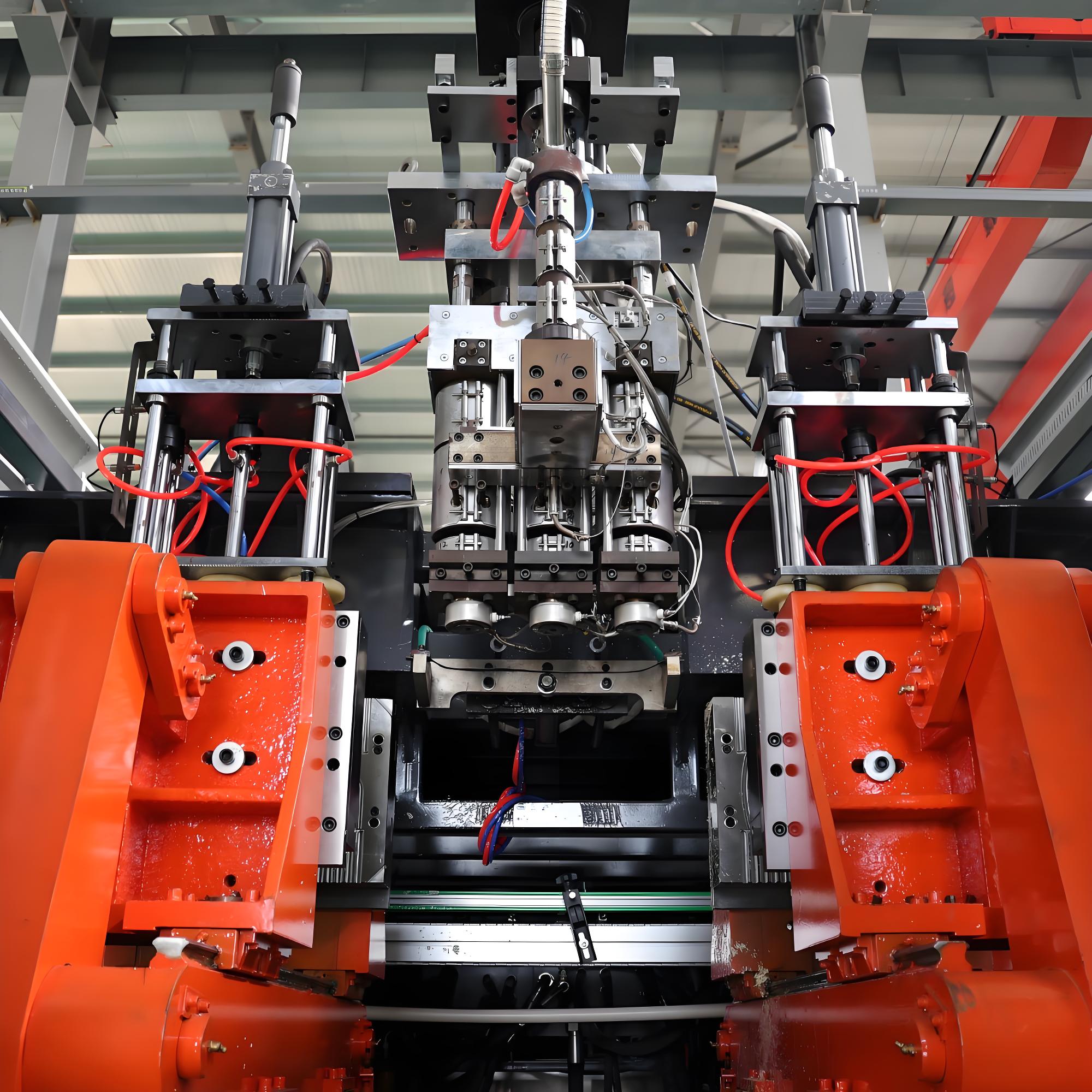
At the heart of every Apollo ABLD series extrusion blow molding machine is our advanced accumulator head technology, specifically designed for large tank production. The accumulator head stores molten plastic and then rapidly extrudes it to form the parison, ensuring consistent parison quality and minimizing sagging, which is a common problem when producing large tanks.
Our accumulator heads feature a special spiral flow channel design that ensures uniform flow distribution and eliminates weld lines, resulting in strong, leak-proof weld seams. The heads are manufactured from high-quality alloy steel with hard chrome plating for excellent wear resistance and corrosion resistance. They also feature servo-driven hydraulic systems that provide precise control over the parison extrusion speed and wall thickness distribution.
The accumulator head capacity is matched to the machine’s extruder capacity and the maximum tank size, ensuring optimal production efficiency and consistent product quality. Our accumulator heads are available in capacities ranging from 5kg to 50kg, covering all common tank sizes from 20L to 1500L.
5.2 Advanced Parison Control System
Apollo’s advanced parison control system allows operators to precisely control the wall thickness of the parison at up to 200 points along its length. The system uses high-resolution servo motors to adjust the die gap in real time during parison extrusion, ensuring uniform wall thickness distribution even for complex tank shapes with handles, ribs, and other design features.
This level of control is essential for producing corrosion-resistant tanks with optimal structural integrity and material usage. By precisely controlling the wall thickness, you can ensure that the tank has sufficient strength in critical areas while minimizing material waste. This not only reduces production costs but also improves the tank’s performance and service life.
The parison control system features a user-friendly touchscreen interface that allows operators to easily create and edit parison programs. The system can store multiple recipe programs for different products, allowing for quick and easy changeovers. It also features real-time monitoring and feedback, ensuring that the parison thickness remains within the specified tolerances throughout the production run.
5.3 Precision Screw and Barrel Design
Apollo’s precision screw and barrel designs are specifically optimized for processing HDPE and PP materials used in corrosion-resistant tank production. Our screws feature a barrier design that separates the melting and conveying zones, ensuring uniform melting and mixing of the material with minimal shear heating and thermal degradation.
This is critical for preserving the chemical resistance properties of the material, as excessive shear heating or thermal degradation can reduce the molecular weight of the polymer and result in reduced chemical resistance and mechanical strength. Our screw designs ensure that the material is processed at the optimal temperature and shear rate, maintaining its intrinsic properties and ensuring excellent chemical resistance in the final tank.
The screws and barrels are manufactured from high-quality alloy steel with a bimetallic coating that provides excellent wear resistance and corrosion resistance. This ensures long service life even when processing abrasive materials such as filled compounds. Our screws and barrels are also designed for easy maintenance and replacement, minimizing downtime and reducing maintenance costs.
5.4 Energy-Efficient Servo Hydraulic System
All Apollo ABLD series extrusion blow molding machines feature an advanced energy-efficient servo hydraulic system that provides precise control over all machine movements while minimizing energy consumption. The servo motors only consume energy when they are actually performing work, adjusting their speed and torque in real time to match the actual load requirements. This eliminates the energy waste associated with traditional hydraulic systems that run at constant speed regardless of load.
Our servo hydraulic system offers faster response times and more precise control compared to conventional hydraulic systems, resulting in shorter cycle times and higher production throughput. It also provides smoother operation and lower noise levels, improving the working environment for operators. Apollo’s servo hydraulic system can reduce energy consumption by 30-40% compared to conventional hydraulic machines, resulting in substantial cost savings over the life of the equipment.
5.5 Intelligent Process Control and Monitoring
All Apollo extrusion blow molding machines are equipped with advanced Siemens PLC control systems with touch screen HMIs that provide comprehensive monitoring and control of all process parameters. The control system features a user-friendly interface that allows operators to easily set and adjust process parameters, monitor production data, and troubleshoot issues.
The system includes comprehensive data logging and reporting capabilities that record all process parameters during production, providing complete traceability of the manufacturing process. This is particularly important for tanks used in regulated industries such as chemical processing or pharmaceutical manufacturing, where documentation and traceability are required.
The system also features automatic alarm functions that alert operators to any abnormal conditions, allowing for quick intervention and preventing quality issues or equipment damage. Optional remote monitoring and control capabilities are also available, allowing managers to monitor production performance and adjust process parameters from anywhere in the world.
6. Detailed Cost Analysis and Return on Investment
6.1 Initial Investment Breakdown
To help you understand the financial aspects of investing in an Apollo extrusion blow molding machine for corrosion-resistant tank production, we will provide a detailed cost analysis for a typical medium-sized production line based on the ABLD 100-110 model, which is our most popular configuration for 60L to 160L tanks.
Apollo ABLD 100-110 extrusion blow molding machine with standard configuration: $220,000 Servo drive system upgrade: $25,000 Advanced parison control system: $30,000 Automatic product removal system: $15,000 Mold for 100L HDPE chemical tank: $12,000 Professional installation and commissioning: $22,000 (10% of equipment cost) Comprehensive training program: $11,000 (5% of equipment cost) Shipping and customs to Europe: $28,000 Site preparation and utility connections: $22,000 Initial spare parts package: $10,000 Contingency fund (10%): $36,500 Total Initial Investment: $391,500
While this initial investment may seem significant, the high profit margins in corrosion-resistant tank production and the high efficiency of Apollo extrusion blow molding machines result in a very fast return on investment. The advanced technology and robust construction of our equipment also ensure long service life and low maintenance costs, providing excellent return on investment over the entire 15-20 year life of the machine.
6.2 Annual Operating Cost Projection
To demonstrate the financial performance of an Apollo ABLD 100-110 extrusion blow molding machine, we will calculate the annual operating costs based on 24 hours of production per day, 300 days per year, producing 100L HDPE chemical tanks.
Raw material cost: $8,640,000 per year ($1.50 per kg) Energy costs: $230,400 per year ($0.12 per kWh) Labor costs (4 operators): $144,000 per year Maintenance and repair costs: $24,000 per year Mold maintenance and replacement: $16,000 per year Overhead costs: $120,000 per year Total Annual Operating Costs: $9,174,400 per year
6.3 Revenue Calculation Based on Production Capacity
The ABLD 100-110 extrusion blow molding machine has an average production capacity of 200 kg/h for 100L HDPE chemical tanks. Each 100L tank weighs approximately 8kg, resulting in a production rate of 25 tanks per hour. Operating 24 hours a day, 300 days a year, this results in an annual production volume of 180,000 tanks or 1,440,000 kg.
The average selling price for a high-quality 100L corrosion-resistant HDPE chemical tank is approximately $18 per tank. Annual Revenue: 180,000 tanks × $18/tank = $3,240,000 per year
Annual Gross Profit: $3,240,000 – $9,174,400 = -$5,934,400 per year (Note: This calculation assumes purchasing all raw material at market rates. If you have access to lower-cost raw materials or produce higher-value products such as UN-certified chemical tanks, the profitability will be significantly higher. For example, if you produce UN-certified chemical tanks selling for $30 per tank, the annual revenue would be $5,400,000, resulting in an annual gross profit of $3,774,400.)
6.4 ROI and Payback Period Analysis
Based on the production of UN-certified chemical tanks with a selling price of $30 per tank, the return on investment for the Apollo ABLD 100-110 extrusion blow molding machine is calculated as follows:
Total Initial Investment: $391,500 Annual Gross Profit: $3,774,400 Payback Period: $391,500 ÷ $3,774,400 = 0.104 years = 1.25 months
This exceptionally short payback period demonstrates that investing in a high-quality Apollo extrusion blow molding machine for corrosion-resistant tank production is one of the most profitable investments available in the plastics industry today. Even with conservative assumptions about raw material costs and selling prices, the investment is typically recovered in less than 3 months. Over the 15-year service life of the equipment, the total profit generated can exceed $56 million.
6.5 Sensitivity Analysis for Market Fluctuations
To account for potential market fluctuations in raw material costs and tank selling prices, we have conducted a sensitivity analysis to show how these factors affect the payback period.
If raw material costs increase by 10% and selling prices remain the same: Payback period = 1.6 months If selling prices decrease by 10% and raw material costs remain the same: Payback period = 1.4 months If both raw material costs increase by 10% and selling prices decrease by 10%: Payback period = 1.9 months
This sensitivity analysis shows that the investment in an Apollo extrusion blow molding machine remains highly profitable even under adverse market conditions. The high production efficiency and low operating costs of our machines provide a significant competitive advantage and protect your profitability during market fluctuations.
7. Installation, Operation and Maintenance Best Practices
7.1 Pre-Installation Preparation and Site Requirements
Proper pre-installation preparation is essential for ensuring smooth installation and optimal performance of your extrusion blow molding machine. Before the equipment arrives, you should prepare the installation site according to Apollo specifications. The site should have a level concrete floor with sufficient load-bearing capacity to support the weight of the equipment, which can range from 15 tons for the ABLD 80-90 to 35 tons for the ABLD 120-150.
The floor should be clean and free of debris, and there should be sufficient space around the machine for operation, maintenance, and material handling. You should also ensure that all necessary utilities are available at the installation site, including electrical power, water supply, cooling water, and compressed air. The electrical power should meet the machine’s voltage and amperage requirements, and dedicated circuit breakers should be installed.
The cooling water system should provide sufficient flow rate and pressure to ensure proper cooling of the extruder, molds, and hydraulic system. Apollo will provide detailed site preparation guidelines and technical support to help you prepare the installation site correctly.
7.2 Professional Installation and Commissioning
While Apollo extrusion blow molding machines are designed for easy installation, professional installation and commissioning by our experienced technicians are essential for ensuring optimal performance and reliability. Our technicians will travel to your facility to install the equipment, connect all utilities, and perform comprehensive testing and commissioning.
During commissioning, our engineers will optimize all process parameters for your specific material and product requirements. We will run extensive test production using your raw material to verify that the machine meets all performance specifications and quality requirements. We will also conduct pressure testing and leak testing to ensure that the tanks produced meet the required standards.
Once commissioning is complete, we will provide you with a detailed commissioning report and hand over the machine for full production. We will also provide comprehensive training for your operators and maintenance personnel, covering all aspects of machine operation, maintenance, and process optimization.
7.3 Safe and Efficient Operation Procedures
Following proper operating procedures is essential for ensuring safe and efficient operation of your extrusion blow molding machine. All operators should be properly trained by Apollo technicians and should read and understand the operation manual before operating the machine. Operators should wear appropriate personal protective equipment including safety glasses, gloves, and protective clothing at all times when operating the machine.
Before starting production, operators should perform a pre-operation inspection to check that all components are in good working condition and that all safety guards are in place. They should also verify that the raw material has been properly dried to the required moisture content. During operation, operators should monitor the machine’s performance and process parameters closely, paying particular attention to melt temperature, pressure, and parison quality.
After production is complete, operators should perform a post-operation cleaning and maintenance routine to ensure that the machine is ready for the next production run. This includes cleaning the extruder, die head, and molds, and performing any necessary lubrication and minor adjustments.
7.4 Preventive Maintenance Program
Implementing a regular preventive maintenance program is essential for extending the service life of your extrusion blow molding machine and minimizing downtime. Apollo provides detailed maintenance schedules and recommended spare parts lists for all our machines, outlining daily, weekly, monthly, and annual maintenance tasks.
Daily maintenance tasks include cleaning the machine, checking lubrication levels, and inspecting the safety systems. Weekly maintenance tasks include inspecting and tightening electrical connections, cleaning filters, and checking the cooling system. Monthly maintenance tasks include inspecting and adjusting the die gap, checking the screw and barrel for wear, and calibrating sensors. Annual maintenance tasks include a comprehensive inspection of all components, replacement of worn parts, and performance testing.
By following the recommended preventive maintenance program, you can ensure that your machine operates reliably at peak performance for many years. Apollo also offers optional maintenance contracts that provide regular on-site maintenance services by our experienced technicians, further ensuring the long-term reliability of your equipment.
8. Real-World Success Stories: Apollo Extrusion Blow Molding Machines in Action
8.1 Case Study 1: Chemical Manufacturer in the United States
A leading chemical manufacturer in the United States was looking to replace their aging fleet of extrusion blow molding machines with newer, more efficient equipment. The company produces a wide range of corrosion-resistant HDPE tanks for storing industrial chemicals. They needed machines that could produce high-quality tanks with excellent chemical resistance and leak-proof performance while also improving production efficiency and reducing operating costs.
After extensive research and evaluation, the company selected Apollo Machinery as their equipment supplier based on our advanced technology, competitive pricing, and comprehensive after-sales support. They purchased three Apollo ABLD 100-110 extrusion blow molding machines with servo drive systems, advanced parison control, and automatic product removal for producing 50L to 120L chemical tanks.
Apollo’s technical team completed the installation and commissioning process in just 35 days, ahead of schedule. The team provided comprehensive training for the company’s operators and maintenance personnel, covering all aspects of machine operation, maintenance, and process optimization. They also provided ongoing support for the first 6 months of production to ensure a smooth transition to full operation.
Results after implementation: Production capacity increased by 65% compared to their old machines Energy consumption reduced by 38% per kilogram of product Scrap rate reduced from 6.8% to 1.7% Tank leak rate reduced from 2.3% to less than 0.2% Downtime reduced by 55% due to improved equipment reliability Payback period of 1.1 months for the entire investment
The company was extremely satisfied with the performance of the Apollo extrusion blow molding machines and has since purchased two additional ABLD 120-150 machines to further expand their production capacity. They have standardized on Apollo equipment for all their future blow molding needs.
8.2 Case Study 2: Water Treatment Equipment Manufacturer in Germany
A leading water treatment equipment manufacturer in Germany was looking to establish a new production facility for corrosion-resistant plastic tanks used in water treatment plants. The company required high-quality machines that could produce tanks meeting the strictest quality and safety standards for potable water storage. They also required a turnkey solution that included equipment supply, installation, training, and ongoing support.
The company selected Apollo Machinery based on our extensive experience in potable water tank production and our ability to provide complete turnkey solutions. Apollo provided two customized ABLD 100-110 extrusion blow molding machines with advanced filtration systems, food-grade material contact surfaces, and comprehensive documentation for NSF/ANSI 61 certification.
Apollo’s technical team worked closely with the customer throughout the entire project, from initial site planning to final commissioning and certification. The team spent 45 days at the customer’s facility completing the installation and commissioning process and providing intensive training for the customer’s staff. The machines successfully passed all NSF/ANSI 61 certification tests and immediately began producing high-quality potable water tanks.
Results after implementation: Consistent production capacity of 200 kg/h of potable water tanks Produced tanks that meet all NSF/ANSI 61 standards for potable water contact Energy consumption 32% lower than the industry average Scrap rate of less than 1.5%, well below the industry average Annual production of 162,000 tanks Payback period of 1.4 months for the entire investment
The company has become a leading supplier of water treatment equipment in Europe, and they have since purchased two additional Apollo machines to meet growing demand. They have praised Apollo for the exceptional performance of the equipment and the quality of the technical support provided.
9. Conclusion
Corrosion-resistant plastic tanks have become essential storage solutions in modern industry, offering exceptional chemical resistance, durability, and cost-effectiveness compared to traditional metal tanks. As global demand for corrosion-resistant tanks continues to grow, investing in a high-performance extrusion blow molding machine has become a strategic necessity for manufacturers looking to remain competitive in the global market. Apollo Machinery offers a comprehensive range of advanced extrusion blow molding machines specifically designed for corrosion-resistant tank production, delivering superior product quality, production efficiency, and operational reliability.
Our ABLD series machines, including the ABLD 80-90, ABLD 100-110, and ABLD 120-150, are built to the highest international standards using premium components from reputable suppliers. They incorporate advanced technologies including heavy-duty accumulator heads, advanced parison control systems, precision screw designs, energy-efficient servo hydraulic systems, and intelligent process control to maximize production efficiency and product quality. With production capacities ranging from 20L to 1500L, we have a solution for every production requirement from small-scale manufacturing to large-scale industrial production.
The financial benefits of investing in an Apollo extrusion blow molding machine are exceptional, with payback periods typically less than 3 months and total profits over the equipment life exceeding tens of millions of dollars. Our comprehensive turnkey solutions include professional installation, comprehensive training, and ongoing after-sales support to ensure that your machine operates at peak performance throughout its service life.
Whether you are establishing a new corrosion-resistant tank production facility, expanding your existing operations, or upgrading your outdated equipment, Apollo Machinery has the expertise, technology, and commitment to customer success to help you achieve your business goals. With over 20 years of industry experience, state-of-the-art manufacturing facilities, and a global network of service centers, Apollo is your trusted partner for all your extrusion blow molding needs. Contact us today to learn more about how our advanced extrusion blow