
In the global chemical industry, safe and reliable packaging is the last line of defense for the storage, transportation and use of acidic liquids, corrosive reagents and industrial chemical products. Acid-resistant chemical bottles, as the most widely used primary packaging form, directly determine the safety of chemical products in the whole circulation link. Once the packaging bottle has corrosion cracking, penetration leakage or brittle fracture, it will not only cause material loss and environmental pollution, but also may bring serious safety accidents and harm the health of operators. With the continuous upgrading of global chemical safety regulations and the increasingly strict requirements for packaging quality, the production of high-quality acid-resistant chemical bottles has put forward higher and higher professional requirements for extrusion blow molding equipment and processes.
Acid-resistant chemical bottles are usually made of high-density polyethylene, polypropylene and other corrosion-resistant polymer materials, and some special strong acid occasions also need to use engineering plastics with stronger corrosion resistance. Different from ordinary daily chemical packaging bottles, acid-resistant chemical bottles have extremely strict requirements for wall thickness uniformity, weld line strength, internal stress control and surface compactness. Any tiny defect inside the bottle wall will become a breakthrough for acid corrosion, leading to premature failure of the packaging. To produce qualified acid-resistant chemical bottles, it is far from enough to rely solely on raw materials. It is necessary to match professional extrusion blow molding equipment and optimized molding process to ensure that the material performance is fully exerted and the product has uniform and reliable corrosion resistance.
As a professional manufacturer of extrusion blow molding equipment with many years of technical accumulation, Apollo has developed a special series of extrusion blow molding machines for the production needs of acid-resistant chemical bottles. Starting from the core links such as plasticizing system, die head design, wall thickness control and mold clamping stability, the equipment has been targeted optimized, which can stably produce high-quality acid-resistant chemical packaging bottles that meet international safety standards. This article will systematically analyze the corrosion resistance requirements of chemical bottles and the molding difficulties, explain in detail the technical design highlights of Apollo special blow molding machines, introduce the process optimization schemes for different acid-resistant materials, provide detailed equipment configuration recommendations and cost-benefit analysis, and share production quality control and equipment maintenance experience, providing a comprehensive reference for chemical packaging manufacturers to select equipment and improve product quality.
1. Industry Requirements for Acid-Resistant Chemical Bottles
1.1 Why Acid Resistance Is Critical for Chemical Packaging
Acid liquid has strong corrosiveness. In the process of long-term contact with plastic packaging, it will slowly erode the inner wall of the bottle through chemical action and physical penetration. If the corrosion resistance of the packaging bottle is insufficient, the acid will gradually penetrate into the bottle wall, causing material swelling, cracking, brittleness and even penetration, resulting in liquid leakage. For concentrated strong acids such as sulfuric acid, hydrochloric acid and nitric acid, the corrosion rate is faster, and the requirements for packaging materials and molding quality are more stringent. In the process of transportation and storage, the packaging bottle also needs to withstand the dual tests of temperature change and stacking pressure, and the combined effect of multiple factors will accelerate the failure of corrosion resistance.
Once the chemical bottle leaks, the consequences are very serious. First of all, the leakage of corrosive liquid will pollute the environment and corrode the transportation vehicles and storage facilities. Secondly, it directly endangers the personal safety of transporters and users, and is very easy to cause chemical burns and respiratory injuries. Thirdly, for chemical product manufacturers, packaging leakage will lead to product scrap, customer complaints and huge compensation costs, and even affect the enterprise qualification and market reputation. Therefore, improving the acid resistance of chemical bottles is not only a quality problem, but also a safety problem related to production safety and legal compliance. Choosing professional molding equipment to ensure the stable quality of each bottle is the core premise for chemical packaging enterprises to operate in compliance.
1.2 Common Acidic Chemicals and Corrosion Mechanisms
Different types of acidic chemicals have different corrosion mechanisms and intensities for plastic materials, and the corresponding requirements for bottle making process are also different. Inorganic acids represented by hydrochloric acid, sulfuric acid and nitric acid are the most common corrosive media. Among them, dilute acid mainly causes swelling and molecular chain degradation to plastic materials, while concentrated strong acid has stronger oxidation and corrosion, which will quickly destroy the molecular structure of general plastics. Organic acids such as acetic acid and formic acid have stronger permeability, which are easy to cause solvent swelling and stress cracking of plastic materials, and put forward higher requirements for the compactness of bottle walls.
The corrosion of plastic by acid liquid is mainly carried out through three ways. The first is chemical corrosion. Acid substances react with some components in the plastic, destroying the molecular chain structure and leading to the decline of mechanical properties. The second is physical penetration. Acid molecules penetrate into the interior of the bottle wall along the micro gaps and molecular gaps, causing material swelling and internal cracking. The third is stress corrosion. Under the action of internal residual stress and external force, the corrosive medium accelerates the expansion of microcracks, leading to brittle fracture of the bottle body. To improve the overall acid resistance of the product, it is necessary to start from improving the compactness of the material, reducing internal defects and eliminating internal stress, which all depend on the precise control of the blow molding equipment and process.
1.3 International Quality Standards and Testing Requirements
Countries and regions around the world have formulated strict standards for acid-resistant chemical packaging. The internationally common standards include the United Nations Recommendations on the Transport of Dangerous Goods, ISO international standards and relevant regional standards. These standards clearly stipulate the performance indicators that acid-resistant chemical packaging bottles must meet, including drop test, stacking test, airtightness test, hydraulic pressure test and chemical corrosion resistance test. Products used for the packaging of hazardous chemicals must pass strict type test and batch inspection before they can be put on the market.
The corrosion resistance test usually requires filling the bottle with the target acid liquid, placing it at a specified temperature for a certain period of time, and then checking whether there is leakage, deformation, cracking and performance degradation. For products used in export trade, they also need to meet the import inspection standards of the destination country. To meet these standards, we must ensure the stability of product quality from the equipment level. Ordinary low-precision blow molding machines are difficult to control the wall thickness uniformity and internal defects stably, and it is easy to have individual product quality differences, resulting in the failure of the whole batch of products to pass the inspection. Professional acid-resistant bottle special blow molding equipment can ensure the consistency of product quality between batches, greatly improve the pass rate of testing, and help enterprises smoothly pass various certification and acceptance.
2. Technical Difficulties in Molding Acid-Resistant Chemical Bottles
2.1 Wall Thickness Uniformity Control
Wall thickness uniformity is the primary factor affecting the acid resistance of chemical bottles. If the wall thickness of the bottle body is uneven, the thinnest part will become the weak link of corrosion resistance. Under the long-term erosion of acid liquid, the thin-walled part will be penetrated first, leading to the overall failure of the packaging. At the same time, uneven wall thickness will also lead to inconsistent cooling speed of each part, resulting in different internal stress distribution, and stress cracking is more likely to occur at the stress concentration position under the action of acid medium.
It is very difficult to control the wall thickness of chemical bottles. The parison will sag under the action of gravity during the extrusion process, resulting in thick bottom and thin mouth. The complex shape of the bottle body will also lead to different material stretching ratios in all directions during the blow molding process, resulting in thickness differences. To achieve uniform wall thickness, it is necessary to accurately control the gap change of the die head during the parison extrusion process through the wall thickness control system, and compensate the sagging and stretching in real time. Ordinary blow molding machines have only a few points of simple wall thickness regulation, which can not meet the high uniformity requirements of acid-resistant bottles. High-precision multi-point wall thickness control system is the necessary configuration for producing acid-resistant chemical bottles.
2.2 Weld Line Strength Guarantee
The weld line, also known as the fusion line, is the joint formed by the fusion of the materials on both sides after the mold closes and cuts off the parison. This position is the weakest structural part of the whole blow molded product. Because the material temperature has decreased when the two strands of melt are fused, and there may be entrained air and impurities at the interface, the molecular chain at the weld line is not fully intertwined, and the strength is usually significantly lower than that of the main body of the bottle body.
For acid-resistant chemical bottles, the weld line is the most vulnerable part to corrosion. The micro gaps at the fusion interface will become a fast channel for acid penetration, greatly shortening the corrosion resistance life. If the weld line strength is insufficient, the bottle body is also easy to crack from the weld line position under the conditions of drop and stacking pressure. To improve the weld line strength, it is necessary to optimize from multiple dimensions such as die head flow channel design, extrusion speed, mold closing speed and temperature control. The design level of the die head and the coordination accuracy of the mold clamping action directly determine the quality of the weld line. Ordinary blow molding machines often ignore the optimization of this link, resulting in the weld line of the product becoming a hidden danger of quality.
2.3 Internal Stress and Material Compactness Control
Residual internal stress is an important factor affecting the long-term acid resistance of chemical bottles. During the blow molding process, the material is rapidly cooled and shaped under the action of stretching and blowing pressure, and the molecular chain cannot fully relax, which will form residual internal stress inside the bottle wall. Under the long-term action of acid medium, stress cracking will occur under the combined action of internal stress and corrosive medium, which is called environmental stress cracking. This failure mode often occurs suddenly without obvious signs in the early stage, and is very destructive.
At the same time, the compactness of the material inside the bottle wall also directly affects the anti-corrosion performance. If there are micro bubbles, crystal points and unmelted particles inside the material, these defects will become the starting point of corrosion and accelerate the penetration rate of acid liquid. To improve the compactness, it is necessary to ensure that the material is fully plasticized and uniformly mixed during the extrusion process, and there are no defects such as air bubbles and unmelted particles. The reasonable matching of blowing pressure and holding pressure can further improve the compactness of the material. These requirements put forward high standards for the plasticizing performance and process control accuracy of the extruder.
2.4 Long-Term Production Stability and Consistency
For mass production of chemical bottles, the quality consistency between different products and different batches is as important as the performance of a single product. Chemical packaging products usually have a large single batch, and the quality fluctuation between batches will bring great hidden dangers to the use side. If the corrosion resistance of individual products is unqualified, it may cause serious safety accidents.
To maintain long-term stable production quality, the equipment must have high stability. The temperature control accuracy, extrusion speed stability, pressure control accuracy and mold clamping repeatability of the extruder will affect the quality consistency of the product. Low configuration equipment is prone to parameter drift and performance attenuation after long-term operation, resulting in quality fluctuation between batches. For chemical bottle manufacturers, choosing equipment with high stability and reliable quality is the basis for ensuring long-term stable product quality and passing various quality system certifications.
3. Apollo Special Blow Molding Machine Design for Acid-Resistant Chemical Bottles
Aiming at the molding difficulties and quality requirements of acid-resistant chemical bottles, Apollo has carried out targeted optimization design for the whole series of extrusion blow molding machines, starting from the core systems such as extrusion plasticizing, die head flow channel, wall thickness control, mold clamping and cooling, to ensure that the equipment can stably produce high-quality acid-resistant chemical bottles with uniform wall thickness, high weld line strength and good corrosion resistance.
3.1 High Uniform Plasticizing Extrusion System
Good plasticizing quality is the premise of ensuring material compactness and corrosion resistance. Apollo acid-resistant bottle special blow molding machine is equipped with a specially designed screw for chemical packaging materials. The barrier type screw structure is adopted to realize gradual melting and uniform mixing of materials, ensure that all materials are fully melted and plasticized, and avoid the existence of unmelted crystal points. The multi-stage mixing element strengthens the distributive mixing effect, so that the molecular weight distribution of the melt is more uniform and the material structure is more dense, which can effectively block the penetration path of acid molecules and improve the overall corrosion resistance.
The extruder adopts multi-zone independent precision temperature control system, with temperature control accuracy up to ±0.5℃, which can accurately control the melt temperature, avoid local overheating leading to material degradation, and also avoid insufficient plasticization caused by low temperature. Stable extrusion speed control ensures uniform and continuous parison output without fluctuation, laying a good foundation for subsequent wall thickness control. For materials that need to add anti-corrosion additives, the excellent mixing performance can also ensure the uniform dispersion of additives, give full play to the anti-corrosion effect, and avoid quality fluctuation caused by uneven distribution of additives.
3.2 Optimized Die Head Structure for High Strength Weld Line
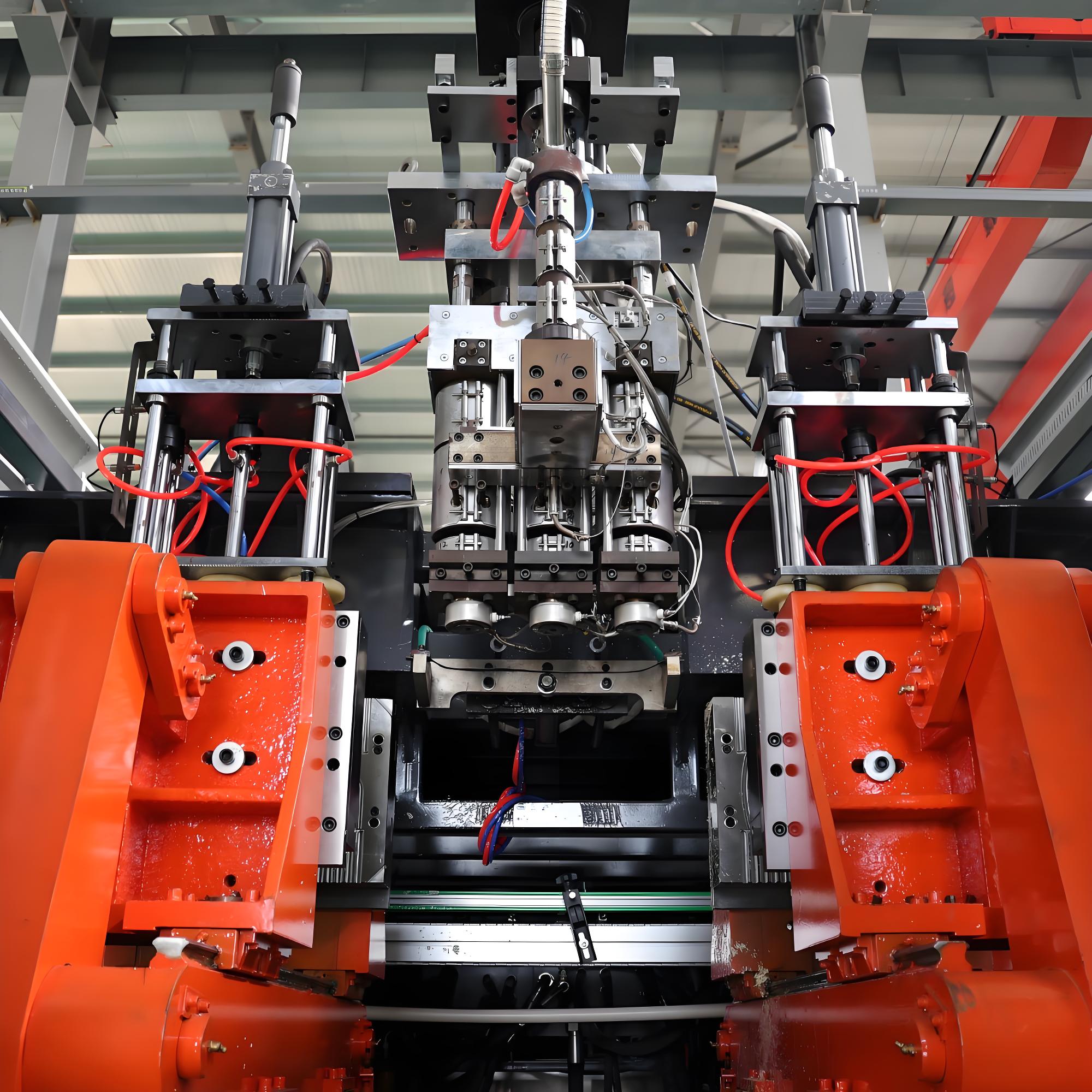
The die head is the core component that determines the parison quality and weld line strength. Apollo adopts the heart-shaped curve flow channel die head design specially optimized for chemical bottle production. The flow channel is simulated and optimized by fluid dynamics, so that the material flow is more uniform and smooth, there is no dead angle of material retention, and the temperature consistency of the melt in the circumferential direction is ensured. The stable melt state makes the two strands of material have better fusion effect after mold closing, and the weld line strength is significantly improved.
The die head is made of high-quality alloy steel after precision machining and hardening treatment, with high surface finish and wear resistance, ensuring long-term stable parison quality. The die gap adjustment mechanism has high precision and sensitive response, and can cooperate with the wall thickness control system to complete rapid gap change. For chemical bottles with different calibers and capacities, corresponding die head specifications can be configured to achieve the best molding effect. High quality die head design not only improves the weld line strength, but also reduces the radial thickness difference of the parison, which is conducive to improving the circumferential wall thickness uniformity of the product.
3.3 Multi-Point Axial Wall Thickness Control System
Aiming at the problem of parison sagging and wall thickness unevenness, Apollo standard configuration 100 point axial wall thickness control system. The high-precision servo driver drives the core rod to move up and down, and dynamically adjusts the die gap in real time during the parison extrusion process. The wall thickness curve can be set point by point according to the product structure characteristics, accurately compensate the parison sagging caused by gravity, and balance the wall thickness difference caused by different stretching ratios of each part of the bottle body, so as to realize the uniform distribution of the wall thickness of the whole bottle.
Uniform wall thickness ensures that each position of the product has the same corrosion resistance margin, avoids premature failure of thin-walled positions due to preferential corrosion, and greatly prolongs the actual service life of the packaging bottle. At the same time, uniform wall thickness also makes the cooling speed of each part more consistent, reduces internal stress, and improves the overall structural strength and stress corrosion resistance. The system supports storage of multiple groups of wall thickness curves, which can be called quickly when changing products, reducing debugging time and ensuring stable quality after product switching.
3.4 High Rigidity Mold Clamping System
Stable and reliable mold clamping action is the key to ensure stable product quality and consistent batch quality. Apollo clamping system adopts high-rigidity frame structure, and the template has high parallelism accuracy, which can ensure uniform distribution of clamping force. The double toggle clamping mechanism has smooth operation and high repeated positioning accuracy, and the repeatability error of mold opening and closing position is less than 0.1mm, ensuring that each mold closing state is highly consistent.
Uniform clamping force can make the weld line of the product fuse evenly, avoid local fusion defects caused by uneven stress, and improve the consistency of weld line strength. At the same time, the high-rigidity mold clamping system can match higher blowing pressure, so that the material can fully fit the mold cavity, improve the compactness of the bottle wall, and further enhance the corrosion resistance. The clamping force can be adjusted steplessly according to the product size and process requirements, which is applicable to the production of chemical bottles of various specifications. Stable mold clamping performance ensures the consistency of product quality in long-term continuous production, reduces the fluctuation of product performance between batches, and meets the requirements of mass production of chemical packaging.
3.5 Precision Cooling and Stress Elimination Design
Reasonable cooling process is very important to reduce product internal stress and improve corrosion resistance. Apollo blow molding machine is equipped with multi-zone independent cooling control system, which can independently adjust the cooling water temperature and flow of different parts of the mold, realize balanced cooling of each part of the product, avoid excessive internal stress caused by too fast local cooling, and reduce the risk of stress corrosion cracking.
By optimizing the cooling parameters, appropriate cooling speed can be set to leave enough relaxation time for molecular chains while ensuring production efficiency, so as to reduce residual internal stress. For products with high requirements, the process scheme of step cooling can also be adopted to gradually reduce the temperature and avoid excessive temperature difference leading to large internal stress. Good cooling control can not only improve the corrosion resistance of products, but also reduce the post shrinkage of products and improve the dimensional stability of products.
4. Process Optimization for Different Acid Resistant Materials
4.1 HDPE Material Process Scheme for General Acid Resistance
High density polyethylene is the most commonly used material for acid-resistant chemical bottles. It has excellent chemical stability, good impact resistance and low cost, and is widely used in the packaging of most dilute acids and general corrosive chemicals. HDPE has good processability and is suitable for extrusion blow molding, but to achieve the best acid resistance, it is also necessary to match reasonable process parameters.
For HDPE acid-resistant bottles, Apollo recommends medium and low temperature plasticizing process. The processing temperature is controlled between 160℃ and 200℃ to avoid material degradation caused by excessive temperature and reduce the molecular weight, which will affect the corrosion resistance and mechanical strength. Appropriately increase the back pressure and screw shear strength appropriately to improve the plasticizing uniformity and material compactness. The blowing pressure is controlled at 0.6 to 0.9 MPa to ensure that the bottle wall is fully compacted. The cooling temperature should not be too low to avoid excessive internal stress. Through the optimized process, HDPE chemical bottles produced by Apollo equipment have uniform wall thickness, high weld line strength and low residual stress, and can meet the packaging requirements of most conventional acidic chemicals.
4.2 PP Material Process Scheme for High Temperature Acid Resistance
Polypropylene material has better high temperature resistance and stress cracking resistance than HDPE, and is suitable for packaging occasions with high use temperature and strong stress corrosion resistance. PP material is more sensitive to processing technology, and has higher requirements for temperature control and cooling control.
Apollo equipment is equipped with a special PP material screw and temperature control scheme. The processing temperature is controlled between 180℃ and 230℃ to ensure uniform plasticization of materials and avoid local overheating leading to material degradation. The die head temperature should be kept uniform to reduce the temperature difference of the parison in the circumferential direction, which is conducive to improving the weld line strength. The cooling system adopts gradient cooling to avoid too fast cooling leading to large internal stress and warpage deformation. Appropriately extend the holding time to improve the compactness of the product. With the multi-point wall thickness control system, PP chemical bottles with uniform wall thickness and excellent corrosion resistance can be produced, which are suitable for higher requirements of acid packaging occasions.
4.3 Engineering Plastic Process Scheme for Strong Acid Resistance
For the packaging of strong oxidizing acids and special corrosive chemicals, it is necessary to use engineering plastics with stronger corrosion resistance such as fluoroplastics and high-performance polyolefins. These materials have higher processing difficulty, narrower processing temperature window and higher requirements for equipment performance.
Apollo can provide targeted equipment configuration for special engineering plastic processing. The corrosion-resistant alloy screw and die head are adopted to avoid material corrosion and pollution to the equipment during processing. The high-precision temperature control system ensures that the processing temperature is always within the optimal range, avoiding material degradation or insufficient plasticization. Optimize the flow channel design of the die head to reduce material retention and avoid material decomposition caused by long-time high-temperature stay. With the process debugging service of professional engineers, it can help customers realize the stable production of various high-performance anti-corrosion plastic bottles and meet the packaging needs of special strong acid occasions.
5. Equipment Model Selection and Cost Price Analysis
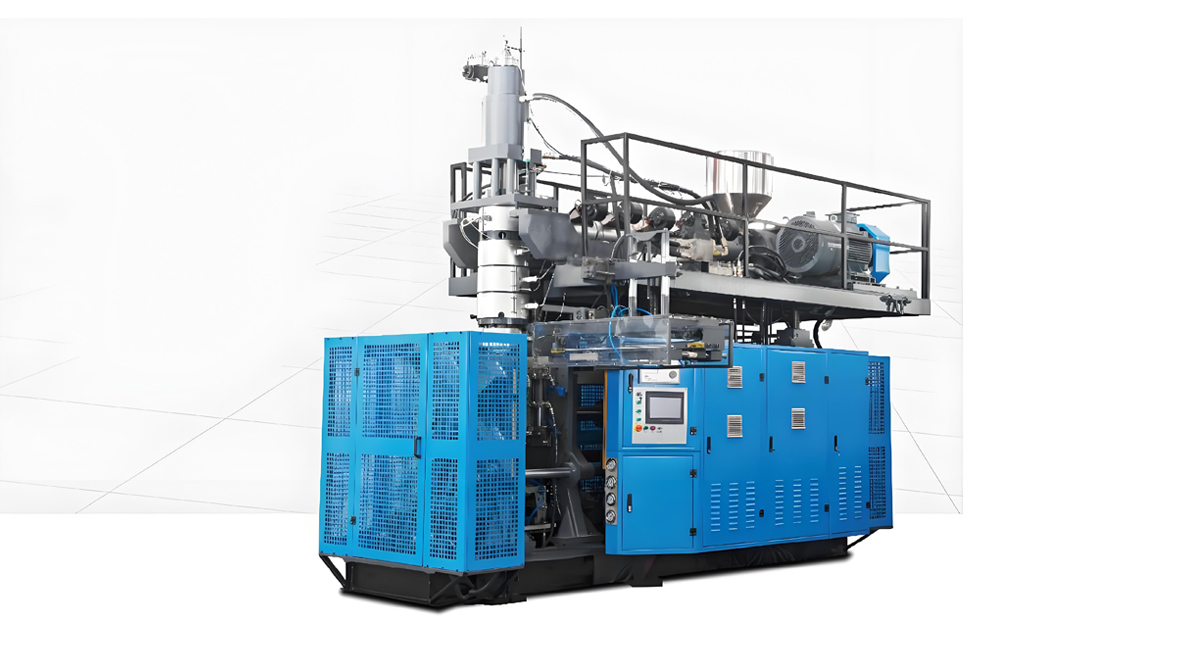
5.1 Small Single Station Chemical Bottle Blow Molding Machine
This model is suitable for the production of small-capacity acid-resistant chemical bottles below 5L, with an output of 600 to 1500 bottles per hour according to different specifications and cavity numbers. The equipment adopts single-station design, covers a small area, has low investment threshold, and is suitable for small and medium-sized chemical packaging factories and supporting chemical enterprises.
The equipment is standard equipped with precision plasticizing screw, 100 point wall thickness control system, high rigidity clamping mechanism and constant temperature cooling system, which can stably produce qualified acid-resistant chemical bottles. According to different configuration levels, the price of small single station extrusion blow molding machine for chemical bottles ranges from 32,000 to 55,000 US dollars. The basic configuration can meet the production of conventional acid-resistant bottles, and the high configuration can add functions such as automatic feeding and online leakage detection to further improve the degree of automation and quality stability. This model has less investment and quick effect, and the investment payback period is about 10 to 14 months under normal production and sales conditions.
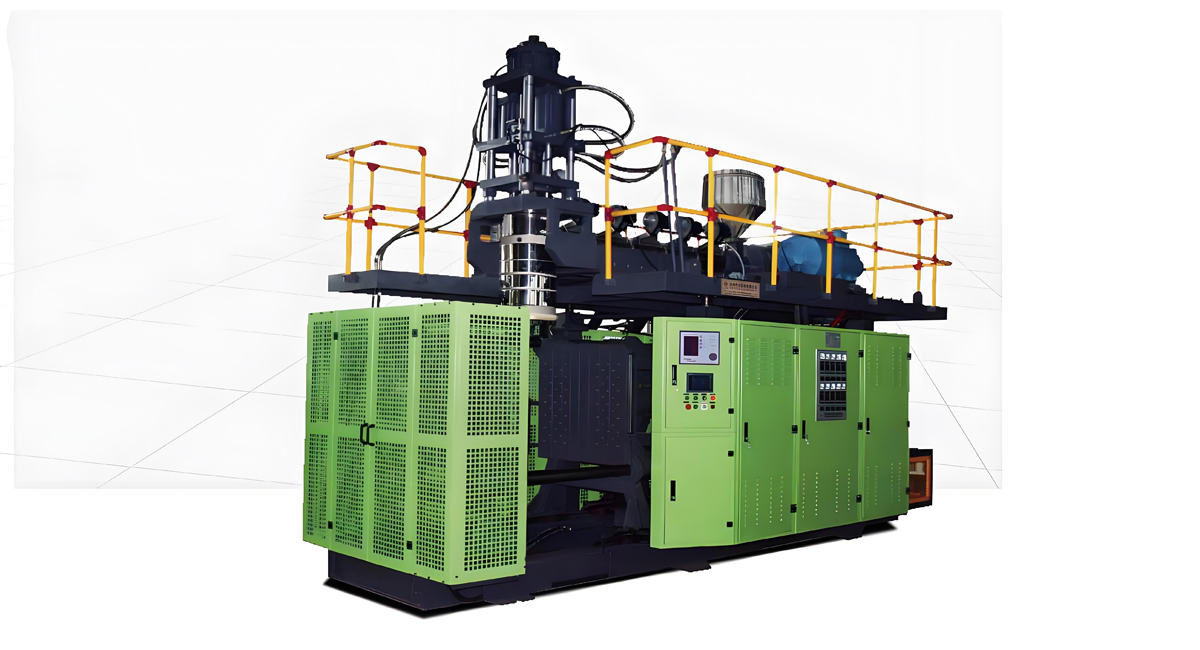
5.2 Medium Double Station High Efficiency Blow Molding Machine
Medium-sized double-station blow molding machine is the mainstream model for chemical bottle production, suitable for 5L to 30L acid-resistant chemical barrels and reagent bottles. Double-station alternate production has high production efficiency, with an output of 800 to 2500 pieces per hour, which can meet the needs of medium batch mass production.
This model is equipped with high-performance servo energy-saving system, which has high production efficiency and low unit energy consumption. It is standard equipped with multi-point wall thickness control and double-circuit cooling system, with stable product quality and high qualification rate. The price of medium-sized double station acid-resistant chemical bottle blow molding machine ranges from 78,000 to 125,000 US dollars. The specific price varies according to the number of cavities, automation configuration and optional functions. Calculated on the basis of 300 working days per year, the annual output value can reach 600,000 to 1,200,000 US dollars, and the investment payback period is about 12 to 18 months. This model balances production efficiency, product quality and investment cost, and is the first choice for most medium-sized chemical packaging manufacturers.
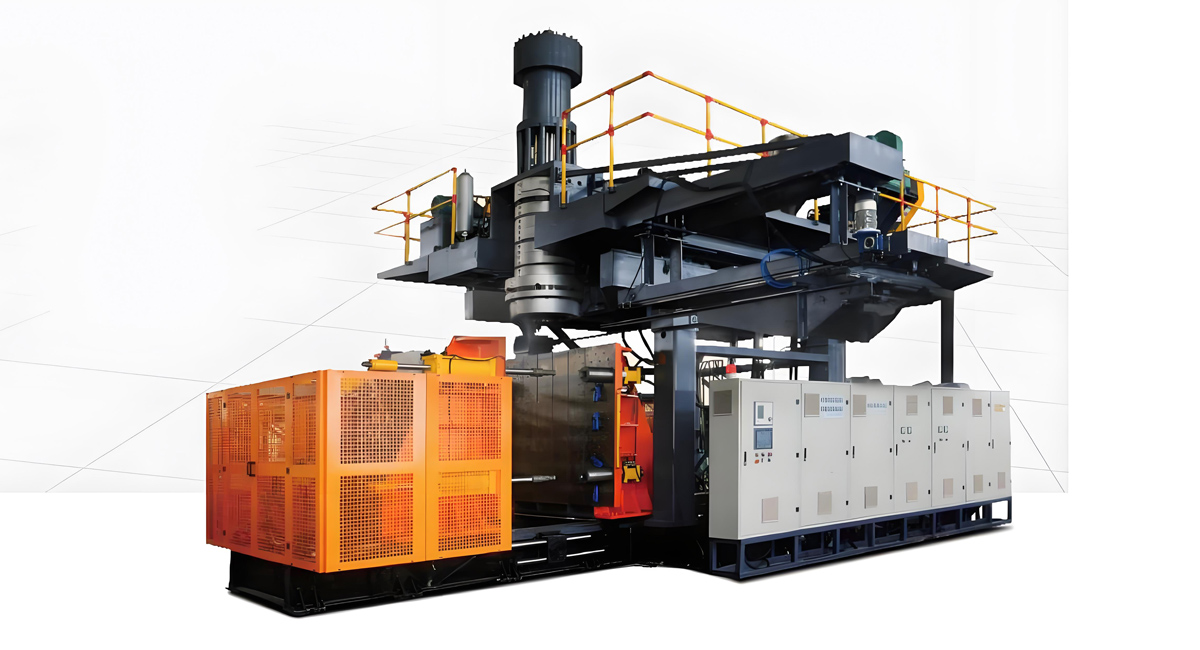
5.3 Large Accumulator Head Blow Molding Machine for Heavy Duty Chemical Drums
For the production of large-capacity acid-resistant chemical drums of 100L to 200L, it is necessary to use an accumulator head extrusion blow molding machine. This model can store enough melt in a short time and extrude the parison quickly, which reduces the sagging problem of large parison and ensures uniform wall thickness of products.
Apollo large accumulator head blow molding machine adopts optimized accumulator flow channel design, with uniform melt temperature and high weld line strength, which is suitable for producing heavy-duty acid-resistant chemical drums with high strength requirements. The equipment is equipped with high-power plasticizing system and high-rigidity clamping mechanism, with stable and reliable operation. The price of large acid-resistant chemical drum blow molding machine ranges from 145,000 to 230,000 US dollars, which varies according to the accumulator capacity, clamping force and automation configuration. The unit profit of large chemical drums is high. Calculated by normal production scale, the investment payback period is about 15 to 20 months. Although the one-time investment is large, the long-term return is also higher, which is suitable for large-scale chemical packaging manufacturers.
5.4 Total Cost of Ownership and Return on Investment
When evaluating the cost of equipment, we should not only look at the one-time purchase cost, but also consider the total cost of ownership in the whole life cycle. Apollo blow molding machine adopts high-quality brand components, with low failure rate and low maintenance cost. The servo energy-saving system can save 15% to 25% of electric energy compared with ordinary hydraulic machines, and save a lot of electricity costs every year. High product qualification rate reduces raw material waste and rework costs, and stable production also reduces management costs.
Comprehensive calculation shows that although the initial investment of Apollo professional acid-resistant bottle blow molding machine is slightly higher than that of ordinary low configuration equipment, the total cost of ownership is lower in the whole equipment life cycle, and the product quality is more guaranteed, which can help enterprises win higher-end customers and obtain higher product profits. Taking the medium-sized double-station model as an example, the equipment can bring more than 100,000 US dollars of net profit every year under normal production conditions, and the return on investment is very considerable. At the same time, reliable product quality can also help enterprises pass various quality system certifications and hazardous chemical packaging qualification certifications, and enhance the market competitiveness of enterprises.
6. Supporting Equipment and Quality Control System
6.1 Auxiliary Equipment Configuration for Chemical Bottle Production Line
A complete acid-resistant chemical bottle production line also needs corresponding auxiliary equipment to achieve efficient and stable production. The automatic raw material drying and feeding system can ensure the stability of raw material state and avoid bubbles and defects caused by moisture in raw materials, which is conducive to improving the compactness and corrosion resistance of products. The automatic de-flashing and trimming device can remove the flash at the mouth and bottom of the bottle, improve the appearance quality and production efficiency.
For the production of high-standard acid-resistant bottles, online leak detection equipment can be configured to conduct air tightness test on each bottle one by one, automatically eliminate unqualified products, and ensure that each delivered product meets the sealing requirements. The automatic stacking and packaging system can realize automatic post-processing of products, reduce manual contact and improve production safety. Apollo can provide the overall scheme of the whole production line according to the customer’s product type and output demand, and all equipment can be perfectly connected to realize automated production.
6.2 On Line Quality Monitoring and Testing Scheme
Strict quality testing is an essential link in the production of acid-resistant chemical bottles. In addition to the necessary sampling test before delivery, online real-time monitoring can also be configured in the production process to timely find quality abnormalities and avoid batch waste. The wall thickness online detection system can measure the wall thickness distribution of products in real time without damage. If the thickness exceeds the standard range, it will give an alarm immediately.
The weight detection device can weigh each product, judge whether there are defects such as insufficient material and bubbles through weight deviation, and automatically screen unqualified products. The visual detection system can detect surface defects and molding quality. Through multi-dimensional online detection, the product quality can be fully controlled, the delivery qualification rate can be close to 100%, and the quality risk can be avoided to the greatest extent. Apollo can integrate various online testing equipment into the production line to realize automatic production and testing, reduce manual intervention and improve production efficiency and quality stability.
7. Production Operation and Equipment Maintenance Guide
7.1 Standard Production Operation Specifications
Standardized operation is the premise to ensure long-term stable quality of acid-resistant bottles. Before each startup, preheat the equipment according to the specified temperature curve, and ensure that the temperature of each section is uniform and stable before starting production. Set reasonable process parameters according to different materials and product specifications, and do not change the temperature and speed parameters at will during production. Regularly check the product appearance, wall thickness and sealing performance, and make timely adjustments if any abnormality is found.
When changing materials and colors, thoroughly clean the screw and die head to avoid cross mixing of different materials affecting the corrosion resistance of products. The operator shall receive professional training and be familiar with the equipment performance and operation essentials. Standardized operation can not only ensure stable product quality, but also extend the service life of equipment and reduce the probability of failure.
7.2 Daily Maintenance and Long Term Service Life Extension
Doing a good job in equipment maintenance can maintain the performance accuracy of the equipment for a long time and ensure the stable quality of acid-resistant bottles. Daily maintenance includes checking the lubrication of each moving part, checking whether the temperature and pressure are normal, and cleaning the equipment surface and die head. Check the fastening of each connecting bolt regularly to avoid looseness affecting the mold clamping accuracy.
Replace the hydraulic oil and lubricating oil regularly according to the maintenance manual to ensure the good operation of the transmission system and hydraulic system. Regularly check the wear of screw and die head, and repair or replace them in time if the wear is serious, so as to avoid affecting the product quality. The cooling water channel shall be cleaned regularly to avoid scale blockage affecting the cooling effect. Scientific maintenance can greatly extend the service life of the equipment, maintain the accuracy for a long time, and ensure that the quality of acid-resistant bottles is always up to standard. Apollo provides customers with detailed maintenance manuals and professional after-sales service, which can guide customers to do a good job in equipment maintenance and maximize the value of equipment investment.
8. Why Choose Apollo as Your Chemical Bottle Equipment Supplier
8.1 Rich Industry Experience and Targeted Technical Scheme
Apollo has many years of experience in R & D and manufacturing of extrusion blow molding equipment, and has provided hundreds of sets of chemical bottle special production equipment for customers around the world. The technical team is very familiar with the process requirements and quality standards of various acid-resistant chemical bottles, and can provide targeted equipment configuration and process schemes according to the customer’s product type, material and capacity demand, so as to ensure that the equipment can produce qualified products that meet the standards after arriving at the factory.
For customers with special needs, we can also provide customized services, adjust the equipment structure and configuration according to the actual production situation of customers, and meet personalized production needs. Rich industry experience enables Apollo to accurately understand the pain points and needs of customers, provide the most appropriate solutions, and avoid the problem that the equipment can not meet the production requirements caused by blind selection.
8.2 Strict Quality Control and Reliable Equipment Performance
Apollo always adheres to the quality-oriented production concept, and implements strict quality control on each equipment from parts procurement to assembly and commissioning. Core components such as electrical system, hydraulic system and transmission system all adopt well-known brand products with stable and reliable performance. The key structural parts are processed by high-precision machine tools to ensure assembly accuracy and operation stability.
Each equipment must undergo strict factory inspection and long-time continuous operation test before delivery, and can leave the factory only after all performance indicators meet the standards. Strict quality control ensures that each delivered equipment has reliable quality and stable performance, can maintain high-precision operation for a long time, and ensures the consistency of product quality between batches. For chemical bottle manufacturers, stable equipment means stable product quality and continuous profit creation.
8.3 Comprehensive After Sales Service and Technical Support
Apollo provides global customers with full life cycle after-sales service. After the equipment arrives at the factory, professional engineers will be sent to guide the installation and commissioning on site, be responsible for the equipment to reach the designed production capacity and produce qualified products, and provide systematic operation and maintenance training for the customer’s staff.
During the warranty period, free maintenance and parts replacement services are provided for quality problems. After the warranty period, lifelong technical support and preferential supply of spare parts are provided. The after-sales team responds quickly to customer fault feedback, provides remote diagnosis guidance for the first time, and arranges on-site service if necessary. Perfect after-sales service ensures that customers will not have long-term production interruption due to equipment failure, and protects the production benefits of customers.
Conclusion
The production of acid-resistant chemical bottles bears important safety responsibilities. High quality molding equipment is the core premise to ensure the stable and reliable corrosion resistance of products. Ordinary blow molding machines can not meet the high requirements of acid-resistant bottles in terms of wall thickness control, weld line strength and internal stress control. Only professional extrusion blow molding equipment with targeted optimization can stably produce high-quality acid-resistant chemical bottles that meet international safety standards.
As a professional blow molding equipment manufacturer, Apollo has carried out in-depth optimization for the production needs of acid-resistant chemical bottles in terms of plasticizing system, die head design, wall thickness control, mold clamping system and cooling control. The equipment has excellent performance and stable quality, and can help chemical packaging manufacturers produce products with uniform wall thickness, high weld line strength, low internal stress and excellent corrosion resistance. Whether it is small reagent bottles, medium-sized chemical barrels or large industrial packaging barrels, Apollo has corresponding equipment models and mature process solutions, and provides cost-effective equipment configuration and perfect after-sales service. Choosing Apollo acid-resistant chemical bottle special extrusion blow molding machine is not only to choose a set of production equipment, but also to choose a reliable quality guarantee and long-term cooperative partner. With professional technology and sincere service, Apollo helps global chemical packaging enterprises improve product quality, enhance market competitiveness and achieve stable and sustainable development.