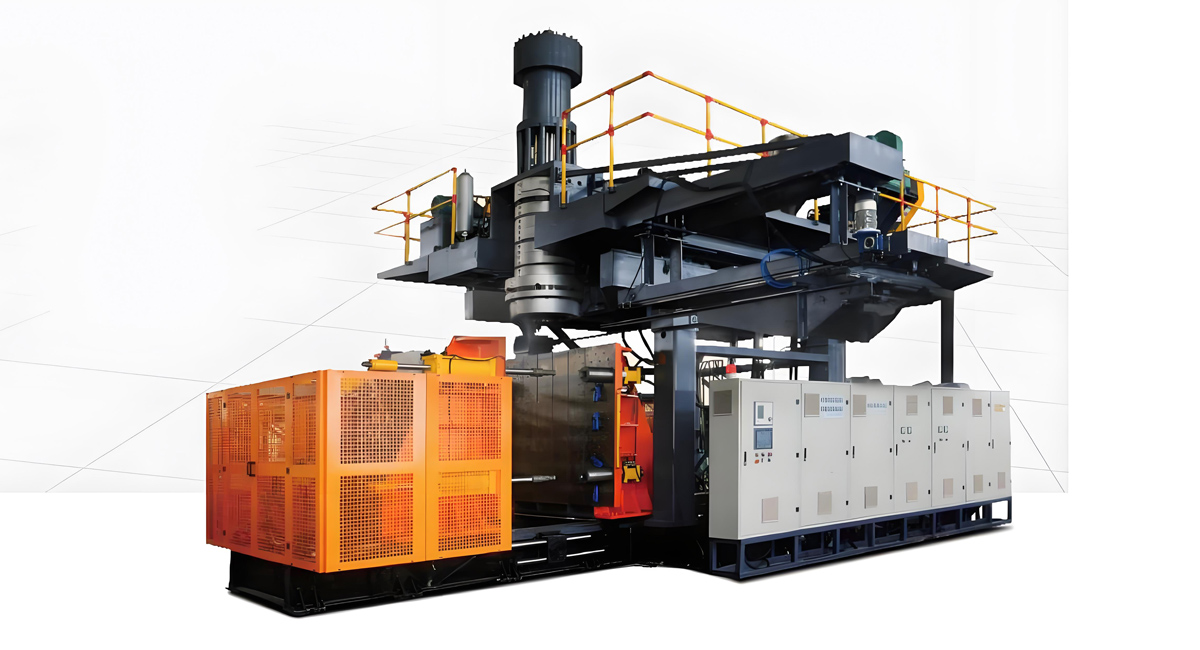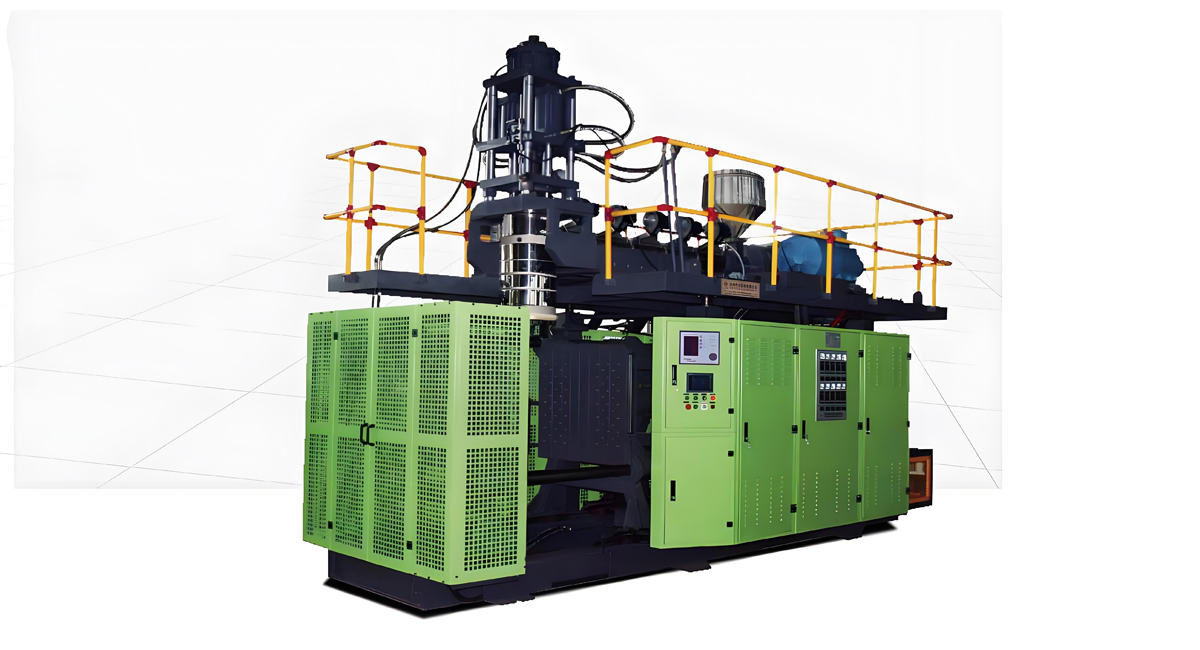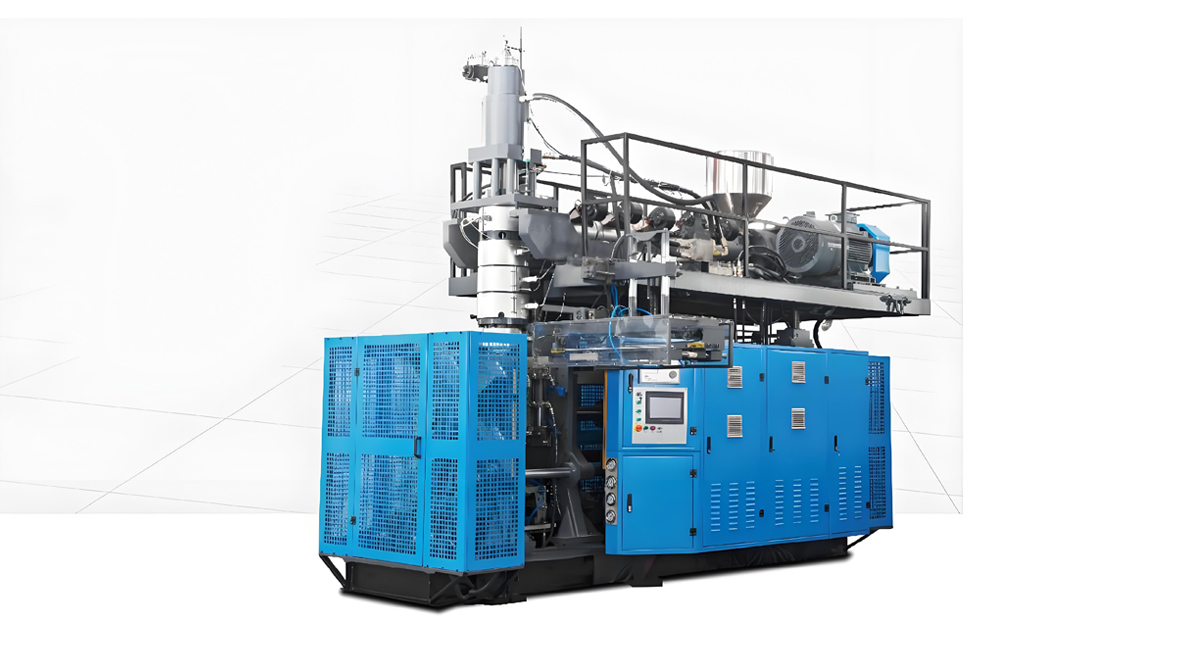

Global packaging and industrial manufacturing sectors are shifting their production focus toward lightweight yet high-strength plastic containers, driven by logistics cost reduction, raw material conservation, and stricter product durability standards. Traditional hollow container production equipment often fails to strike a balanced performance between thin-wall lightweight molding and long-term structural durability, leading to either excessive raw material consumption or fragile finished containers prone to cracking and deformation during transportation and storage. Apollo extrusion blow molding machines are professionally engineered to resolve this industry contradiction, integrating precision parison thickness control, optimized screw plasticization technology and reinforced mold clamping systems to mass-produce lightweight plastic containers with outstanding impact resistance, chemical stability and long service life. This article covers comprehensive details including market demand for lightweight durable plastic containers, core structural advantages of Apollo extrusion blow molding equipment, complete production workflow, equipment configuration and price breakdown, full project investment and operating cost analysis, applicable container product categories, standardized selection criteria and brand after-sales support, delivering in-depth reference for packaging manufacturers upgrading production lines to manufacture high-performance lightweight durable plastic containers.
1. Market Demand & Core Value of Lightweight Durable Plastic Containers
1.1 Industry Drivers for Lightweight Container Production
Rising prices of HDPE, LDPE and PP plastic raw materials push packaging factories to cut material usage per unit product without sacrificing container performance. Lightweight plastic containers reduce single-piece resin consumption by 10% to 25%, directly lowering total raw material expenditure for large-batch production. Meanwhile, logistics and delivery costs account for a large share of downstream brand operation expenses; lighter containers cut overall shipment weight, reducing freight charges and carbon emissions for cross-regional and international distribution. Retail and industrial clients also favor lightweight packaging for easier manual handling, stackable storage and shelf display, which improves consumer experience and warehouse space utilization efficiency. Regulatory environmental policies across major markets further encourage lightweight packaging production to limit plastic waste generation, creating sustained market demand for equipment capable of stable thin-wall molding.
Many conventional blow molding machines lack precise parison wall thickness adjustment functions. Operators are forced to increase overall container wall thickness to avoid structural fragility, wasting large volumes of plastic materials. Apollo extrusion blow molding machines feature segmented parison thickness control systems that adjust wall thickness independently at the bottom, shoulder, body and neck of each container. Key stress-bearing sections retain sufficient material thickness to guarantee durability, while non-stress areas adopt ultra-thin molding to achieve lightweight targets without compromising mechanical performance, solving the long-standing conflict between material saving and product strength.
1.2 Necessity of Durability for Industrial & Commercial Plastic Containers
Lightweight containers cannot meet market requirements if they lack reliable durability. Food storage pails, chemical reagent barrels, daily chemical bottles and agricultural liquid containers frequently face external extrusion, drop impact, temperature fluctuation and long-term chemical medium contact during their service cycle. Thin-wall containers produced by low-precision ordinary blow molding equipment easily crack after slight collision, leak liquid contents or deform under stacking pressure, triggering product loss and customer complaints. High-durability plastic containers maintain stable dimensional shape and sealing performance under repeated stacking, low-temperature storage and short-term high-temperature exposure, extending product shelf life and lowering after-sales compensation risks for packaging suppliers.
Durable lightweight containers also expand application boundaries for manufacturers. High-strength thin-wall plastic barrels can replace partial metal and thick plastic containers for industrial liquid packaging, opening high-margin industrial order channels. Cosmetic and food lightweight bottles with stable impact resistance satisfy supermarket automatic sorting and long-distance e-commerce delivery standards, helping packaging factories cooperate with well-known consumer brands with strict product qualification thresholds. Apollo extrusion blow molding equipment modifies melt flow uniformity and internal molecular structure during molding, eliminating internal residual stress that causes container brittleness, ensuring lightweight finished products retain consistent mechanical durability throughout long-term use.
1.3 Limitations of Traditional Blow Molding Equipment for Lightweight Durable Container Production
Standard old-generation extrusion blow molding machines carry multiple inherent defects unsuitable for integrated lightweight and durable container manufacturing. First, fixed single-section parison extrusion design cannot adjust wall thickness at different container positions, forcing uniform thick-wall production and wasting raw materials. Second, low-precision hydraulic clamping systems generate uneven mold closing force, creating inconsistent wall thickness distribution and local weak points prone to cracking. Third, outdated screw plasticization structures produce uneven melt mixing, leading to unstable molecular crosslinking inside containers and reduced overall impact resistance. Fourth, simple constant-pressure blowing systems cause over-stretching of thin-wall parisons, forming invisible micro-cracks that damage long-term durability.
Additional operational drawbacks of traditional equipment raise comprehensive production costs. Uncontrolled lightweight molding leads to a high scrap rate ranging from 6% to 10%, wasting modified high-strength plastic materials. Frequent defective products reduce order delivery efficiency and damage factory reputation. Outdated energy-consuming structures increase daily electricity expenditure, while frequent mechanical faults create unplanned production downtime. Apollo extrusion blow molding machines are fully upgraded targeting all these pain points, combining segmented parison control, balanced mold clamping, homogeneous low-shear plasticization and graded blowing pressure technology to simultaneously realize lightweight raw material saving and high container durability.
2. Core Structural & Technical Advantages of Apollo Extrusion Blow Molding Machine for Lightweight Durable Containers
2.1 Segmented Servo Parison Wall Thickness Control System
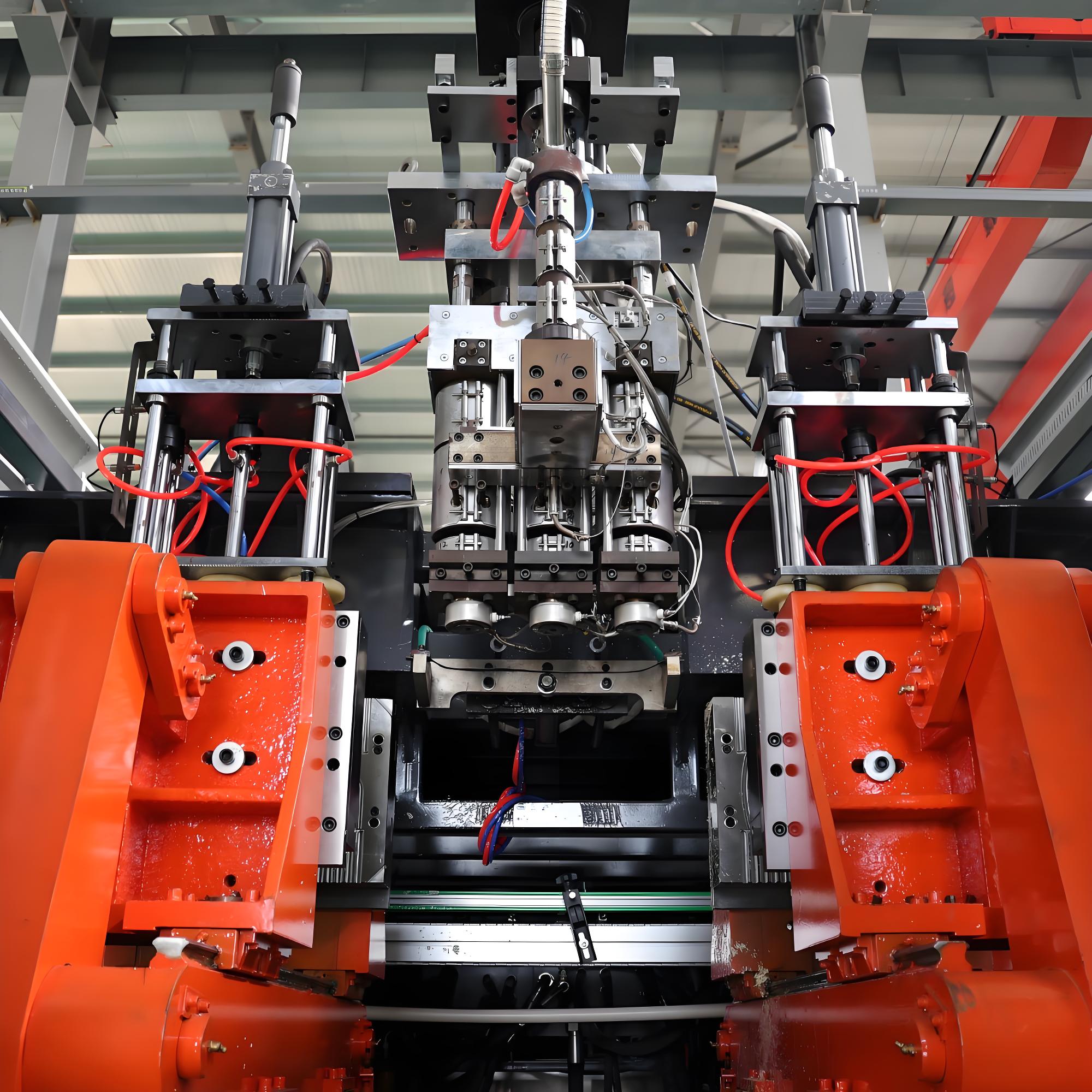
The core proprietary technology enabling Apollo machines to produce lightweight yet durable containers is the multi-point servo parison thickness adjustment system. The equipment installs independent servo regulators along the die head flow channel, allowing operators to set separate wall thickness values for the container neck, shoulder, central body and bottom through the PLC touch screen. Stress-bearing zones such as the barrel bottom and shoulder are allocated thicker parison sections to enhance anti-drop and anti-extrusion performance, while the main body adopts optimized thin-wall molding to cut total material weight per container.
The servo adjustment response speed reaches millisecond level, automatically correcting parison thickness deviation during continuous extrusion cycles. Wall thickness control accuracy is maintained within ±0.02mm across all container sections, avoiding local ultra-thin areas that reduce durability. Compared with fixed die heads of traditional blow molding machines, this system reduces single-container raw material consumption by 12% to 28% while maintaining uniform mechanical strength. Pre-stored parameter formulas for hundreds of mainstream lightweight container specifications allow one-key switching during product changeover, shortening debugging time and cutting trial production material waste.
2.2 Low-Shear Homogenizing Screw for Enhanced Container Durability
Molecular uniformity of plastic melt directly determines the impact resistance and structural stability of finished lightweight containers. Apollo independently develops low-shear segmented plasticization screws exclusively for lightweight durable container production. The feeding, compression, mixing and metering sections adopt gradient thread design to fully disperse impact modifiers, anti-aging additives and rigid fillers mixed into HDPE, PP or LDPE raw materials without over-shearing and damaging polymer molecular chains.
Uniformly distributed functional additives eliminate local brittle zones inside thin-wall containers, significantly improving drop resistance and low-temperature toughness. Containers molded from homogenized melt do not develop brittle cracks under -20℃ cold storage or repeated stacking pressure. The screw barrel adopts wear-resistant alloy lining to resist abrasion from filled modified plastics, extending service life under 24-hour continuous production. Multi-stage independent zoning temperature control with ±0.3℃ precision prevents local melt overheating and material degradation, ensuring stable molecular structure and consistent durability of every batch of lightweight containers.
2.3 Balanced High-Stability Hydraulic Mold Clamping Unit
Uneven mold closing force is a major cause of inconsistent wall thickness and fragile local sections on lightweight containers. Apollo equips each extrusion blow molding machine with a four-guide balanced hydraulic clamping system, distributing clamping force evenly across the entire mold surface without unilateral pressure deviation. The closed-loop hydraulic pressure sensor monitors clamping force in real time, automatically adjusting output to maintain stable pressure during full production cycles, eliminating flash and uneven parison stretching during blowing molding.
Precise balanced clamping ensures thin-wall parisons expand uniformly under compressed air pressure, avoiding over-stretching at partial positions that form weak structural points. Mold platens adopt integral cast steel structure with high rigidity, resisting deformation under long-term high-load operation to keep dimensional consistency of lightweight containers. The hydraulic system adds energy-saving load sensing control, automatically reducing pump output during idle and mold opening stages, cutting comprehensive power consumption by 22% compared with conventional fixed-displacement hydraulic clamping equipment.
2.4 Graded Constant-Pressure Blowing Molding Technology
Direct high-pressure single-stage blowing easily stretches thin-wall parisons excessively, creating micro-cracks that reduce container durability. Apollo adopts two-stage graded blowing technology optimized for lightweight thin-wall products. Low preliminary air pressure slowly expands the parison to attach loosely to the mold inner wall, followed by gradual pressure rise to complete full shaping, effectively relieving tensile stress inside the plastic material and eliminating invisible micro-defects.
The blowing air circuit installs multi-layer precision filtration devices to remove oil mist, dust and moisture from compressed air, preventing surface impurities and internal bubble defects on lightweight containers. Independent blowing timing control matches different container volumes and wall thickness distributions, adjusting pressure holding duration according to product structural requirements to release internal molding stress evenly. Containers produced via graded blowing maintain stable dimensional accuracy after long-term stacking, without warping or shrinkage deformation, balancing ultra-light weight and long-term structural durability.
2.5 Integrated Energy-Saving & Compact Machine Frame Design
Apollo extrusion blow molding machines adopt compact integrated frame layout to reduce workshop space occupation, lowering factory renovation investment for manufacturers planning lightweight container production lines. The whole machine frame uses thickened carbon steel with anti-rust spraying treatment, resisting vibration during high-speed cyclic production to guarantee long-term molding stability. All core moving parts add self-lubricating bearing assemblies to reduce friction loss and daily maintenance frequency.
Full servo auxiliary drive systems are equipped for feeding, mold clamping and discharging actions, automatically matching power output according to real-time production load. Far-infrared energy-saving heating rings wrap the barrel and die head to reduce heat loss to the workshop environment. The combined energy-saving structure lowers overall operating electricity costs for mass lightweight container production, offsetting partial raw material investment expenses and improving long-term project profit margins.
2.6 Intelligent PLC Quality Control & Parameter Lock System
The touch-screen PLC control system pre-stores mature parameter schemes for lightweight durable containers of various capacities, covering small cosmetic bottles to large industrial storage barrels. Each formula locks core parameters including parison thickness distribution, extrusion temperature, clamping force and graded blowing pressure to avoid manual misadjustment causing lightweight container strength failure. Real-time monitoring modules track wall thickness deviation, melt temperature and blowing pressure during production, triggering automatic alarm and slow-down if parameters exceed standard ranges to prevent mass defective products.
The system automatically records daily production output, scrap rate and raw material consumption data, supporting factory quality traceability and cost statistics. Operators without rich technical experience can complete standardized lightweight container production by calling stored formulas, lowering labor technical thresholds and reducing human error-induced durability defects of finished products.
3. Complete Production Workflow of Lightweight Durable Plastic Containers on Apollo Extrusion Blow Molding Machine
3.1 Modified Raw Material Batching & Dehumidification Pretreatment
Lightweight durable container production requires specially modified plastic raw materials blended with impact modifiers, anti-oxidants and anti-static additives to balance thin-wall weight reduction and mechanical strength. The automatic closed batching system accurately weighs base resin and functional additives according to fixed formulas, with high-speed mixing to ensure uniform additive dispersion without local concentration differences. Moisture-sensitive raw materials such as PP and PET undergo dehumidifying drying treatment to control moisture content below 0.01%, eliminating internal bubble defects that weaken container structural strength.
Fully sealed vacuum feeding pipelines transport dried mixed materials to the machine hopper, preventing external dust and moisture from contaminating raw materials. Multiple batching formulas can be stored inside the control system for quick switching between different lightweight container specifications, supporting flexible small-batch customized production without lengthy re-batching debugging.
3.2 Precision Low-Shear Plasticization & Segmented Parison Extrusion
Pretreated raw materials enter the multi-stage temperature-controlled barrel for gradual melting and homogenization under the action of the low-shear Apollo dedicated screw. Independent temperature zones adjust heating values according to raw material melting characteristics to avoid molecular degradation or incomplete plasticization. Homogenized melt flows into the servo adjustable die head, where multi-point servo regulators set segmented wall thickness parameters to form parisons with thickened stress sections and thin lightweight body sections.
Continuous stable extrusion maintains consistent parison weight and wall thickness distribution across every production cycle. Operators conduct real-time visual inspection of extruded parisons, fine-tuning servo thickness parameters slightly to compensate for minor raw material batch differences, ensuring each semi-finished parison meets lightweight and strength design standards before entering the mold clamping station.
3.3 Balanced Mold Clamping & Two-Stage Graded Blowing Shaping
When the parison reaches preset length, the balanced hydraulic clamping system closes the mold uniformly with stable distributed pressure to avoid unilateral parison stretching. The two-stage graded blowing system activates automatically, first injecting low-pressure clean compressed air to gently expand the parison, then gradually increasing air pressure to fully fit the plastic material against the mold cavity surface. Slow gradient pressure rise eliminates internal tensile stress and micro-cracks in thin-wall areas, preserving the molecular integrity that guarantees container durability.
Mold water channels adopt circulating graded cooling water to cool the container evenly from outer surface to inner layer, slowly releasing residual molding stress instead of rapid uneven cooling that causes hidden brittleness. Cooling time is matched to container wall thickness distribution; thicker stress-bearing sections receive extended cooling to stabilize structural shaping, while thin lightweight sections maintain efficient cycle speed to balance production efficiency and product quality.
3.4 Automatic Demolding & Online Durability Preliminary Inspection
After full cooling and stress relief, the mold opens automatically and the finished lightweight container is pushed out via non-contact demolding mechanisms to prevent surface scratches and structural damage. Containers are conveyed to the online inspection station through closed conveying channels without manual contact contamination. The integrated detection module checks dimensional tolerance, wall thickness uniformity and surface integrity of each product, automatically sorting out defective units with uneven thickness, bubbles or deformation that fail lightweight durability standards.
Qualified containers enter automatic stacking and packaging procedures, while defective products are separately collected for raw material recycling. Daily inspection data is stored in the PLC system to track scrap rate fluctuation, allowing technical staff to adjust extrusion and blowing parameters timely to stabilize lightweight container qualification rate above 99%.
3.5 Batch Finished Product Strength Verification & Storage
Before batch delivery, production staff conduct periodic sampling strength tests including drop impact testing, stacking compression testing and liquid leakage testing to verify lightweight container durability. Test data is attached to batch production records for downstream brand quality audit requirements. Qualified finished containers are stored in dry, temperature-controlled warehouses to avoid temperature cycling damage to thin-wall plastic structures before shipment.
4. Apollo Extrusion Blow Molding Machine Configuration & Detailed Price Analysis
4.1 Standard Complete Machine Configuration for Lightweight Container Production
Apollo provides three standard machine specifications targeted at different lightweight container volume ranges, all equipped with core segmented servo parison thickness control systems required for thin-wall durable product manufacturing. The standard full set configuration includes low-shear homogenizing extrusion host, balanced four-guide hydraulic clamping unit, multi-point servo adjustable die head, two-stage graded blowing system, multi-zone precision temperature control system, PLC intelligent touch control system, automatic vacuum feeding device and finished product conveying sorting mechanism. All material contact components such as screw and barrel adopt wear-resistant alloy coating suitable for modified impact-resistant plastic raw materials, with no harmful substance precipitation and long service life under continuous production.
Standard equipment can directly launch mass production of lightweight plastic containers without additional large-scale modification. Optional customized upgrades include multi-cavity mold sets, high-precision online wall thickness detection equipment, automatic raw material dehumidifying dryer and remote production data monitoring module, which manufacturers can select according to order volume and product precision requirements to avoid redundant investment.
4.2 FOB Price Range of Three Standard Apollo Machine Models
The small-size Apollo extrusion blow molding machine, suitable for 50ml to 5L lightweight cosmetic, food and daily chemical bottles, carries a standard FOB price range of 52,000 US dollars to 61,000 US dollars. The medium-size model targeting 5L to 20L lightweight industrial pails and liquid storage barrels has a standard FOB price from 63,000 US dollars to 74,000 US dollars. The large-size heavy-duty model for 20L to 50L lightweight chemical and agricultural liquid containers is priced at 76,000 US dollars to 89,000 US dollars FOB under standard configuration.
Each standard package contains one set of universal mold matching the machine’s volume range, complete energy-saving auxiliary systems and factory full-load debugging services with no hidden additional fees. Custom upgrade modules add separate costs ranging from 2,800 US dollars to 6,500 US dollars based on selected functional accessories, and Apollo technical teams provide personalized configuration budget plans for customers according to production demands.
4.3 Auxiliary Equipment Supporting Investment Cost
Necessary auxiliary equipment for complete lightweight container production lines includes automatic batching mixer, raw material dehumidifying dryer, multi-stage air compression purification system and finished product automatic stacking machine, with total auxiliary investment ranging from 6,800 US dollars to 11,200 US dollars. Compared with traditional blow molding production lines requiring multiple extra modification parts to realize lightweight molding, Apollo machines integrate core thin-wall control functions inside the host, cutting auxiliary equipment procurement costs and reducing overall project one-time investment threshold for packaging factories.
5. Full Project Investment & Long-Term Operating Cost-Benefit Analysis
5.1 Total One-Time Fixed Investment Breakdown
Taking the mainstream medium-size Apollo extrusion blow molding machine (5L to 20L lightweight pail production) as the calculation example, the main host equipment investment falls between 63,000 US dollars and 74,000 US dollars, supporting auxiliary equipment costs range from 6,800 US dollars to 11,200 US dollars. Apollo provides free on-site equipment installation, full process commissioning and operator professional training services without extra service charges. The machine’s compact frame design imposes low requirements on workshop space and environmental conditions, with minimal workshop transformation costs of approximately 2,500 US dollars to 4,200 US dollars for ordinary production workshops.
The total one-time fixed investment of the complete lightweight durable plastic container production project ranges from 72,300 US dollars to 89,400 US dollars, covering all expenditures from equipment arrival to formal mass production, enabling rapid project launch and profit generation for packaging manufacturers.
5.2 Annual Power Consumption Operating Cost Calculation
The medium-size Apollo extrusion blow molding machine has a total installed power of 78kW. Thanks to full servo energy-saving drive and load-sensing hydraulic technology, the actual hourly power consumption during stable production is controlled between 54kWh and 61kWh. Calculated based on 16 hours of daily production and 300 working days per year, the total annual power consumption reaches 259,200kWh to 292,800kWh. Adopting the global average industrial electricity price of 0.12 US dollars per kilowatt-hour, the annual total electricity expenditure ranges from 31,104 US dollars to 35,136 US dollars.
Compared with conventional non-energy-saving blow molding machines of equal production capacity, Apollo equipment reduces annual power consumption by 23% to 29%, saving 9,000 US dollars to 12,000 US dollars in electricity fees every year during continuous lightweight container mass production, generating obvious long-term energy-saving economic benefits.
5.3 Raw Material Cost Savings Brought by Lightweight Molding
Modified impact-resistant plastic raw materials for durable containers carry a market price of 1.38 US dollars to 1.68 US dollars per kilogram. Apollo’s segmented parison thickness control system cuts single-container raw material usage by 15% to 25% compared with uniform thick-wall production on traditional blow molding machines. Based on the medium-size model’s annual stable output of 115,000 to 140,000 qualified lightweight pails, the annual saved raw material volume reaches 38 tons to 72 tons, translating to raw material cost savings of 52,440 US dollars to 120,960 US dollars every year.
The equipment stabilizes finished product scrap rate below 1.1%, far lower than the 6% to 9% scrap rate of ordinary machines producing lightweight containers, further reducing waste of high-value modified raw materials and continuously improving production profit margins for manufacturers.
5.4 Annual Labor & Routine Maintenance Cost Analysis
The high-automation Apollo production line only demands one operator per shift for patrol monitoring and finished product sorting; double-shift daily production requires merely two full-time staff. Calculated at an average monthly worker salary of 1,700 US dollars, the total annual labor expenditure amounts to 40,800 US dollars. Traditional semi-automatic blow molding lines require three to four operators for equivalent output, allowing factories adopting Apollo equipment to cut annual labor costs by over 20,000 US dollars.
The machine’s optimized mechanical structure reduces vulnerable part wear frequency. Annual routine maintenance costs including hydraulic oil replacement, lubrication supplies and worn component replacement range from 2,800 US dollars to 3,800 US dollars, significantly lower than the 7,500 US dollars to 9,500 US dollars annual maintenance expense of outdated blow molding equipment.
5.5 Production Capacity & Investment Payback Cycle Calculation
The medium-size Apollo machine produces 115,000 to 140,000 qualified lightweight durable plastic pails per year. Lightweight high-durability containers carry a market selling premium of 0.75 US dollars to 1.1 US dollars per unit compared with ordinary thick-wall containers of equal volume. After deducting all annual expenditures including raw materials, electricity, labor and equipment depreciation, the single production line generates annual net profit ranging from 245,000 US dollars to 430,000 US dollars. The comprehensive investment payback period stands at only four to six months, delivering extremely high capital turnover efficiency for packaging enterprises.
With standardized daily maintenance, Apollo extrusion blow molding machines maintain stable performance for over 15 years of continuous operation. After recovering initial investment costs, the equipment delivers consistent long-term profit gains, creating lasting competitive advantages for manufacturers specializing in lightweight durable plastic container supply.
6. Main Application Scenarios of Lightweight Durable Containers Produced by Apollo Machines
6.1 Daily Chemical & Cosmetic Packaging Containers
Small and medium lightweight bottles manufactured by Apollo small-size extrusion blow molding machines cover shampoo bottles, hand sanitizer containers, skincare emulsion bottles and cleaning agent jerrycans. Segmented parison molding thins the bottle body to cut packaging weight for logistics cost reduction, while thickened bottle bottom and shoulder sections enhance anti-drop durability for e-commerce long-distance delivery. The smooth uniform inner and outer surfaces of finished containers meet cosmetic brand high appearance standards, and stable chemical resistance prevents interaction with surfactant-based liquid contents, supporting mass supply to domestic and international daily chemical brands.
6.2 Food & Beverage Lightweight Storage Containers
Food-grade lightweight plastic barrels, sauce bottles and edible oil cans produced on Apollo medium-size equipment adopt food-safe HDPE and PP raw materials. Optimized melt plasticization eliminates harmful substance precipitation, complying with international food packaging safety standards. The lightweight design lowers supermarket shelf display and distribution costs, while reinforced structural durability resists stacking extrusion in warehouse storage. Graded blow molding eliminates internal container stress, avoiding deformation during low-temperature refrigeration storage of food contents.
6.3 Industrial Chemical & Agricultural Liquid Containers
Large lightweight durable pails for industrial chemical reagents, pesticide liquid and fertilizer storage rely on Apollo large-size extrusion blow molding machines for production. Thickened bottom and side wall stress zones provide strong anti-impact and anti-corrosion performance to resist chemical medium erosion and accidental collision during transportation. Thin-wall main body reduces overall container weight to cut bulk shipment freight charges, and stable sealing performance prevents liquid leakage under high stacking pressure, satisfying strict safety standards for industrial chemical packaging logistics.
6.4 Household & Outdoor Portable Storage Containers
Portable lightweight plastic water buckets, outdoor liquid storage canisters and portable detergent containers are mainstream products for small packaging factories. Apollo equipment balances ultra-light weight and structural toughness, making finished containers easy for consumers to carry while resisting cracking after repeated falls on concrete ground. Multi-specification flexible production capability supports small-batch customized portable container orders, helping manufacturers expand retail consumer packaging market share.
7. Standard Selection Guide for Factories Purchasing Equipment for Lightweight Durable Container Production
7.1 Match Machine Size to Target Container Volume & Annual Output
Factories focusing on 50ml to 5L small lightweight cosmetic and food bottles with annual output below 120,000 units should select Apollo small-size extrusion blow molding machines to avoid excess production capacity waste. Manufacturers mainly producing 5L to 20L medium industrial and food pails with medium annual order volume choose the medium-size mainstream model with balanced investment and output efficiency. Large packaging enterprises undertaking bulk orders of 20L to 50L chemical barrels with annual output exceeding 150,000 units are recommended to purchase the heavy-duty large-size Apollo model to meet mass lightweight container production demands.
7.2 Prioritize Core Lightweight Molding Technical Configurations
When comparing blow molding equipment for lightweight durable container manufacturing, buyers must verify the presence of segmented servo parison wall thickness control systems and low-shear homogenizing screws, the two core hardware determining balanced thin-wall weight reduction and product durability. Avoid purchasing ordinary blow molding machines without segmented thickness adjustment functions, as these cannot achieve qualified lightweight molding and will force excessive raw material consumption or generate large volumes of fragile defective containers. Confirm the machine is equipped with two-stage graded blowing modules to eliminate internal tensile stress in thin-wall plastic structures.
7.3 Evaluate Full Life Cycle Comprehensive Cost Performance
Enterprises cannot judge equipment value solely based on initial purchase price. Although Apollo machines carry slightly higher upfront investment than basic conventional blow molding equipment, the annual savings from raw material reduction, energy conservation and low scrap rates far offset the price gap within half a year of production. Lower long-term maintenance expenditure and stable high product qualification rate further reduce overall operational costs across the equipment’s 15-year service life. The lightweight durable finished containers also command higher market sales premiums, improving gross profit margins per unit product for manufacturers.
7.4 Verify Manufacturer Technical Training & After-Sales Support Capacity
Lightweight container production requires precise parameter adjustment of segmented parison thickness systems, demanding systematic technical training for factory operators. Before purchasing, confirm the equipment supplier provides complete on-site operation training covering lightweight molding formula setting, parison thickness debugging and durability defect troubleshooting. Reliable long-term spare parts supply and 24-hour remote technical support prevent production shutdown losses caused by parameter abnormalities or minor equipment faults during mass lightweight container manufacturing.
8. Apollo Brand Pre-Sales & After-Sales Full-Cycle Service Support
Apollo specializes in research, development and manufacturing of high-performance extrusion blow molding equipment optimized for lightweight plastic packaging production, with mature technical experience serving hundreds of container manufacturing factories across global markets. Every extrusion blow molding machine undergoes 72-hour continuous full-load trial production and lightweight container molding testing before factory delivery, verifying segmented parison control precision, energy-saving performance and finished product durability to ensure all equipment meets standardized production requirements before shipment.
During the pre-sales consultation stage, professional Apollo technical engineers conduct one-on-one demand communication based on customers’ target container specifications, annual output volume, workshop space conditions and investment budget. Customized equipment configuration schemes and detailed project investment profit analysis reports are provided to help buyers avoid blind equipment investment and select the most cost-effective model matching their lightweight container production plans. All production formulas for mainstream lightweight durable containers are pre-compiled and stored inside the machine control system before delivery, shortening post-installation trial production cycles for customers.
After equipment arrives at the customer’s factory, Apollo dispatches professional field service engineers to complete full machine installation, pipeline connection, parameter commissioning and lightweight container trial production training. Operators receive systematic guidance covering raw material pretreatment, segmented parison thickness adjustment, daily equipment maintenance and common lightweight product defect troubleshooting, enabling rapid mass production of qualified lightweight durable containers within a short time after equipment handover.
All Apollo extrusion blow molding machines enjoy a full two-year free whole-machine warranty, covering free replacement of core vulnerable parts related to lightweight molding systems within the warranty period. Lifelong low-cost paid maintenance services are available after warranty expiration, with stable supply of original factory spare parts at transparent prices. The 24-hour global remote technical support team responds rapidly to customer production abnormal consultations, remotely adjusting lightweight molding parameters or guiding on-site fault elimination to minimize unplanned production downtime and economic losses for container manufacturers.
9. Conclusion
Global packaging market trends continuously raise dual standards for plastic containers: lighter weight to cut raw material and logistics costs, and enhanced structural durability to satisfy transportation, storage and long-term usage demands. Traditional ordinary extrusion blow molding machines lack targeted technical design for integrated lightweight and high-strength production, trapping manufacturers in a cycle of high raw material waste or high defective product rates that compress profit margins.
Apollo extrusion blow molding machines break through this industry bottleneck with proprietary segmented servo parison thickness control, low-shear homogenizing screw plasticization and graded constant-pressure blowing technology. The equipment reliably mass-produces lightweight plastic containers with outstanding impact resistance, chemical stability and long service life, balancing raw material savings and finished product quality. Transparent equipment pricing, obvious annual operating cost savings and short investment payback cycles deliver superior comprehensive cost performance for packaging factories of all scales.
For manufacturers planning to upgrade production lines to capture growing lightweight durable plastic container market orders, Apollo extrusion blow molding machines provide a stable, efficient and cost-effective production solution. Supported by complete pre-sales customization, on-site commissioning training and long-term after-sales technical service systems, the equipment helps enterprises reduce comprehensive production costs, improve finished product market competitiveness and achieve sustained stable profit growth in the competitive global plastic packaging industry.