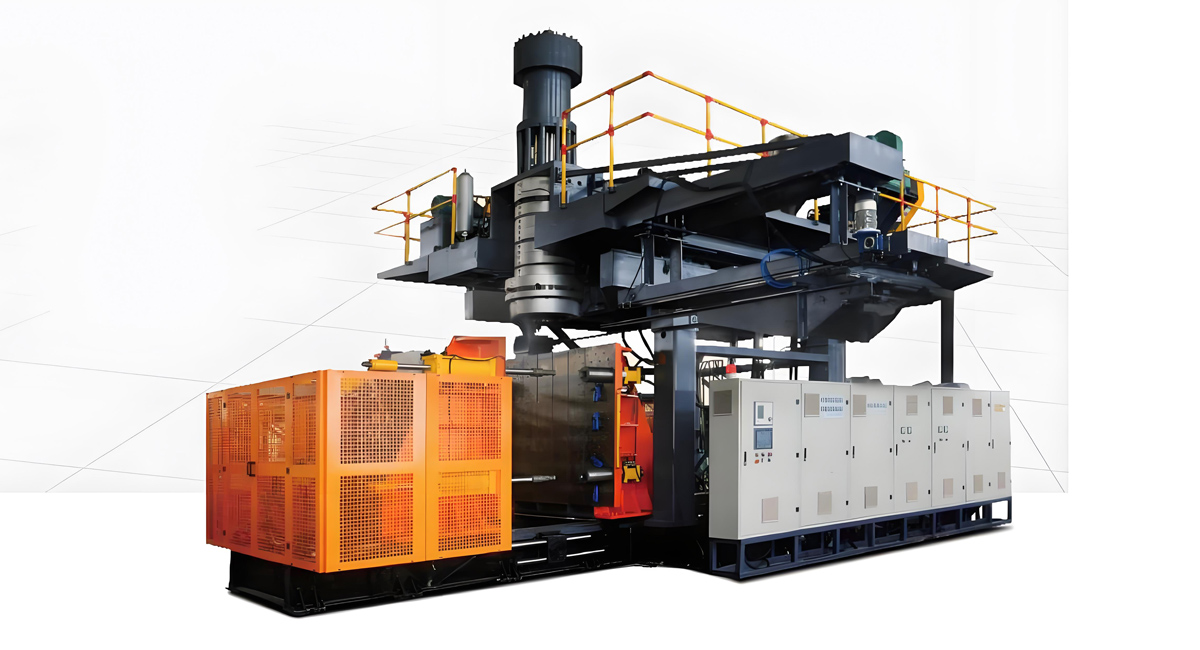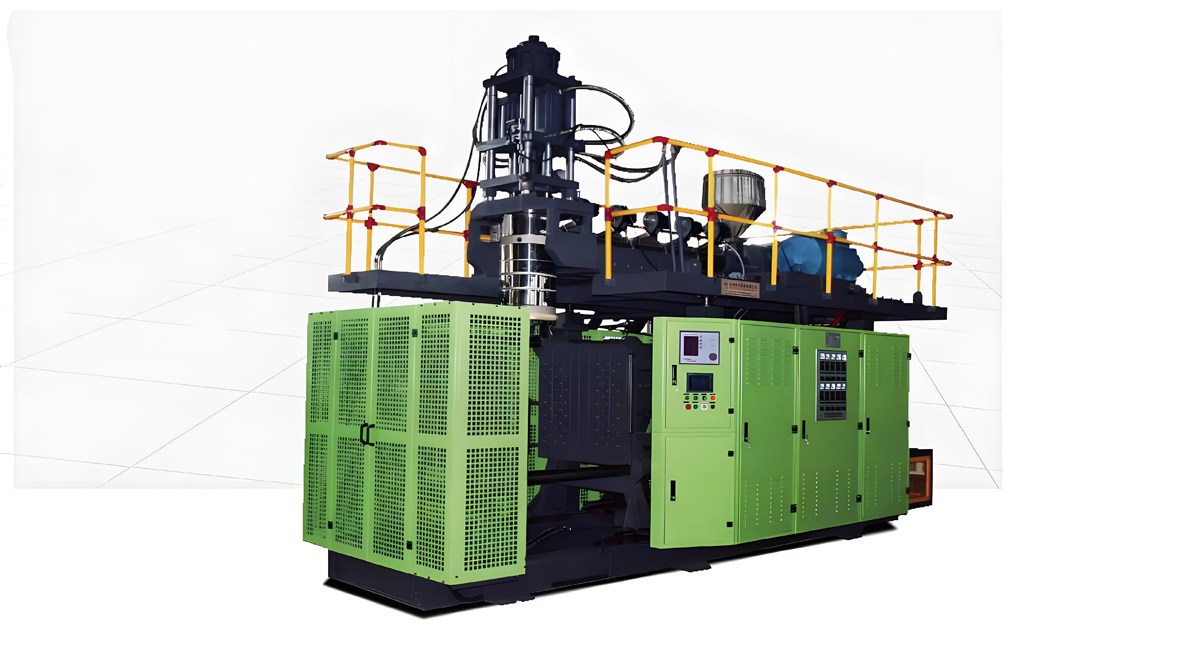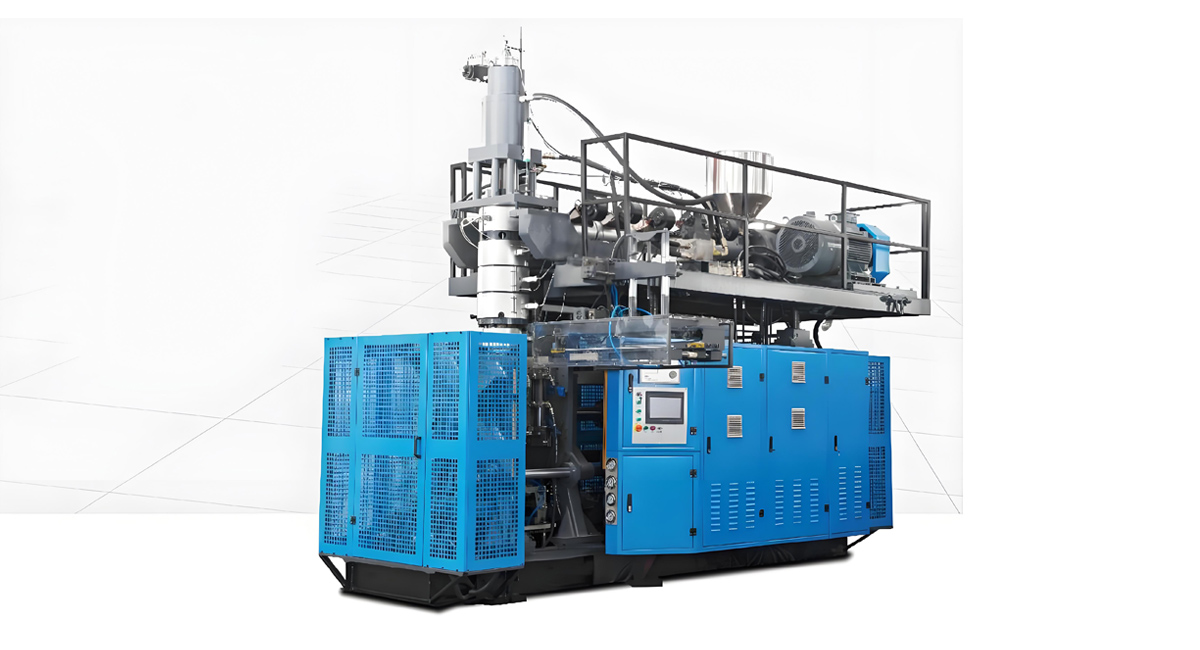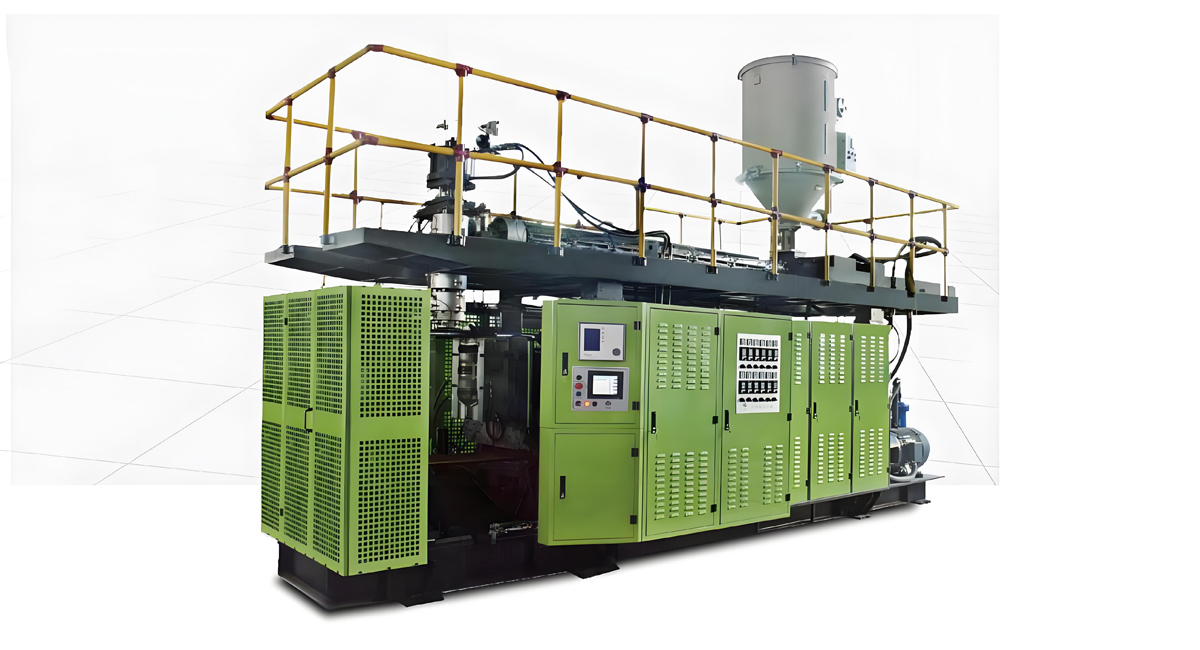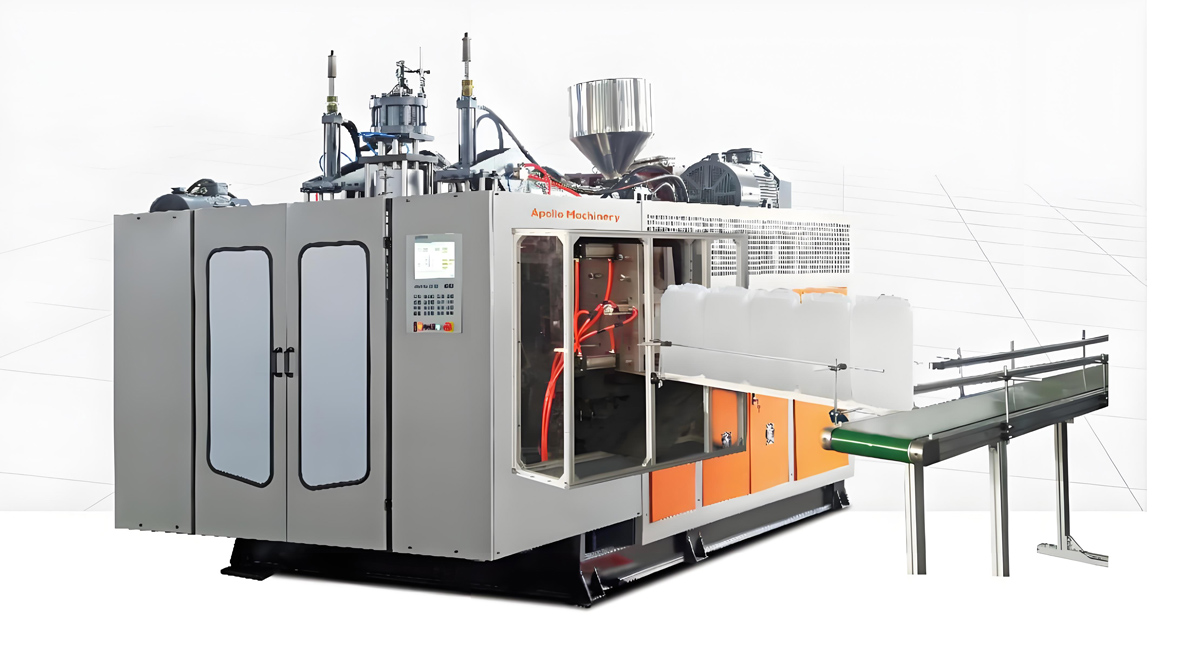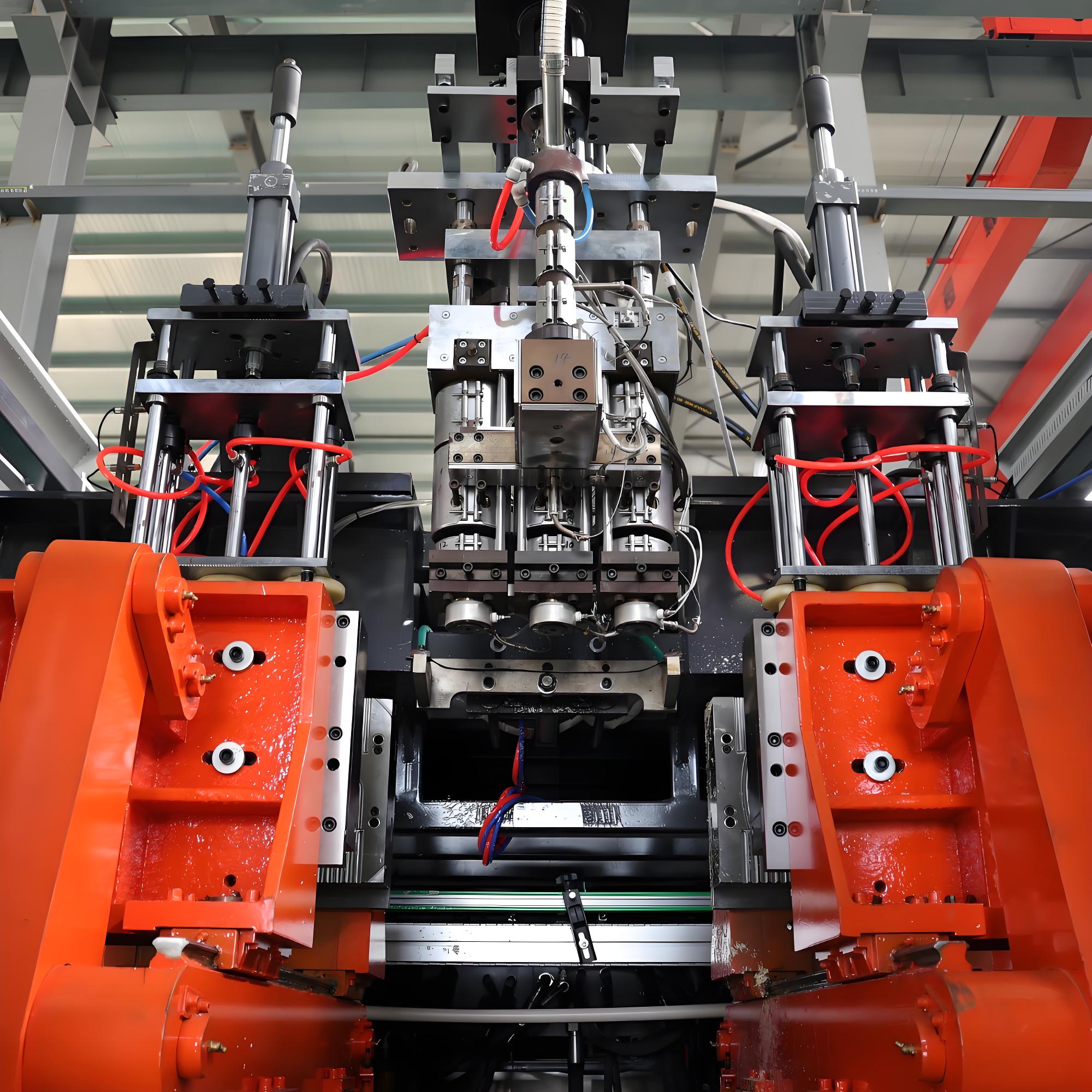

Walk into any nursery, kindergarten, family home, playground, or sports field and you will find plastic objects that millions of children and adults interact with every day: ride-on toys, playground balls, sand and water toys, bath toys, play structures, and the hollow shells of larger play equipment. Many of these are produced by extrusion blow molding, a process better known for bottles and tanks but just as central to the global toy and recreation industry. Toys are one of the most globally watched plastic products on earth because they touch children, move through tightly regulated supply chains, and sit at the center of the sustainability and circular-economy debate. This article provides a global application analysis of toy and recreational product production on extrusion blow molding machines, covering the materials, the process, multi-cavity output, global safety regulation, chemical compliance, sustainability, automation, and the trends reshaping playful plastic. For toy makers, product engineers, and equipment buyers, understanding this production system is the key to safe, compliant, and competitive play products.
What Are Blow-Molded Toy and Recreational Products
A blow-molded toy or recreational product is any hollow plastic item formed by extrusion blow molding for play, learning, or recreation. The category is broader than many realize. Ride-on toys such as toddler cars, rocking horses, and small scooter or trike shells use blow-molded seats and bodies. Playground and sports balls, from small bouncing balls to large exercise and therapy balls, are blow-molded hollow spheres. Sand and water toys, bath toys, and floating play objects are seamless blow-molded shells that resist water and rough handling. Larger outdoor play equipment, including slide sections, playhouse shells, and climbing-structure components, uses blow-molded or twin-sheet panels. What unites them is a hollow, lightweight, impact-resistant geometry that is expensive or impossible to make by injection or rotational molding at the required output and cost, which is why extrusion blow molding is the workhorse behind playful plastic worldwide.
Why Extrusion Blow Molding for Toys
Among forming technologies, extrusion blow molding is uniquely suited to hollow, rounded, lightweight toy and recreation parts. Injection molding would require a hollow core or a two-piece weld and struggles with large, thin, hollow shells. Rotational molding makes hollow parts but at low output and with less precise wall control, which matters when millions of identical balls or ride-ons are needed each season. Thermoforming cannot make a fully enclosed hollow shell. Extrusion blow molding, by extruding a parison and inflating it inside a cavity, produces a single, seamless, dent-resistant part with favorable material distribution and very high output through multi-cavity tooling. It also scales from a tiny ball to a large playhouse panel on the same machine family. For the volumes and price points of the global toy industry, the combination of seamlessness, output, and wall control makes extrusion blow molding the default route for hollow toys.
The Global Scale of Toy Production
Toy and recreational products are produced and consumed on every continent, but production is strikingly concentrated, which makes this one of the most globally significant yet geographically lopsided applications of extrusion blow molding. A large share of the world’s toys is manufactured in Asia, with China as the dominant exporter, and components and finished goods flow through long, multi-national supply chains into North America, Europe, and beyond. Demand tracks population, disposable income, birth rates, and seasonal peaks around holidays. Because toys are lightweight and high-value relative to bulk, they ship globally rather than being made near the consumer, unlike bulky industrial containers. This global trade concentration means toy safety and chemical regulations in importing markets, especially the European Union, the United States, and China, effectively set the global baseline that suppliers everywhere must meet.
Materials for Safe Play
The resins behind blow-molded toys are chosen first for safety and then for performance. High-density and low-density polyethylene, polypropylene, and specialized thermoplastic elastomers are common because they are tough, resilient, and forgiving in play. For toys that may be mouthed by infants, only food-contact-grade, phthalate-free, heavy-metal-free materials are acceptable, and suppliers document the formulation rigorously. Recycled content is increasingly introduced into non-mouthing and structural toy parts, provided it meets the same safety and odor requirements. Unlike PET, these polyolefins need no energy-intensive drying, simplifying upstream handling, and their chemical stability is precisely why regulators accept them for children’s products. The material’s balance of toughness, moldability, and documented safety is what keeps it at the center of playful plastic.
The Blow Molding Process for Toys
The extrusion blow molding cycle for a toy begins with one or more extruders melting resin and feeding a die head that forms a hollow parison, the tube of molten plastic that becomes the part. The mold closes around the parison, pinches off the bottom, and a blow pin injects compressed air to inflate the parison against the cooled, vented cavity, forming the seamless shell. After cooling, the mold opens and the part is ejected to deflashing and trimming stations that remove parting-line flash. For toys, surface finish and flash control matter greatly because children handle and mouth the parts, so molds and trimming are held to higher cosmetic standards than for industrial containers. The cycle repeats rapidly, and for small parts such as balls and toy components, output is measured in parts per minute across many cavities rather than the slow single parts typical of large tanks.
Machine Configurations for High Volume
Toy producers select machine architecture around part size, annual volume, and product mix. Continuous-extrusion machines dominate small and medium hollow toys because they deliver steady parison flow and high output. Shuttle and rotary configurations multiply throughput by running several molds per machine, which is essential for seasonal toy demand that peaks sharply. Multi-cavity tooling places several identical cavities in one mold so a single machine produces many balls or shells per cycle. Twin-sheet and sequential blow molding serve larger play structures and panels. Because toy programs are seasonal and trend-driven, machine builders emphasize fast mold change, recipe storage, and repeatability, and modern lines integrate trimming, leak or pressure testing for inflatable items, printing, and packing into a single flowed cell around the blow molder.
Multi-Cavity Tooling and Output
The economic engine of blow-molded toys is multi-cavity tooling. A single mold may carry four, eight, or more identical cavities for small items such as playground balls or toy components, multiplying output without multiplying machines. Parison programming distributes material so each cavity fills evenly and wall thickness lands where impact resistance is needed, such as around seams and handles, while thinning on flat areas to save resin. Without careful programming, a toy would be thickened everywhere to avoid thin spots, wasting polymer on every unit. With it, the same drop and bite resistance is achieved at lower weight, and the savings multiply across millions of units per season. Recipe management stores the parison profile per product, enabling rapid, repeatable changeovers between toy programs without re-engineering the tooling, which is essential for a trend-driven industry.
Design for Play and Safety
Toy design begins with how a child will use the product, and blow-molded geometry is shaped around that. Rounded edges, smooth surfaces, and robust wall sections reduce injury risk and withstand biting, dropping, and climbing. For products intended for the youngest children, designers avoid small detachable parts and ensure that any blow-molded component cannot create a choking hazard. Wall thickness is tuned so the toy is light enough for a child to handle yet strong enough to survive rough play and the inevitable fall onto a hard floor. Venting and cooling are engineered to avoid sink marks and weak spots. Designing for manufacturability means the part leaves the mold flash-free and ready for finishing, which keeps cost down while meeting the cosmetic and safety expectations of parents and retailers alike.
Global Toy Safety Regulation
Toy safety is among the most tightly regulated areas of consumer products, and this is the single largest force shaping blow-molded toy production. The European Union Toy Safety Directive, the United States Consumer Product Safety Improvement Act enforced by the CPSC, ASTM standards, China’s GB national standards, and equivalents elsewhere set mechanical, physical, flammability, and chemical requirements that a toy must meet before sale. Blow-molded parts are tested for sharp edges, small-part hazards, impact resistance, and structural integrity. Because a single design may be sold worldwide, leading suppliers design to the strictest global standard rather than the minimum of any one market, and they maintain testing and documentation that auditors from major retailers demand. For producers, safety regulation is a design input from the first sketch, and it is the reason toy blow molding carries more compliance overhead than typical packaging.
Chemical Compliance and Material Purity
Beyond mechanical safety, blow-molded toys must satisfy strict chemical rules because children mouth and handle them constantly. Restrictions on phthalates, heavy metals such as lead and cadmium, and certain flame retardants apply in the European Union, the United States, and China, and frameworks such as REACH and California Proposition 65 add further limits. For mouthing toys, food-contact rules govern the resin grade. Suppliers qualify materials with certificates of analysis, audit their resin supply chain, and test finished products at intervals to confirm compliance across production batches. The steel or pigment additives that give toys their bright colors are also screened. A mistake in chemical compliance can trigger recalls that destroy a brand and a season, which is why toy blow-molding lines invest heavily in material traceability and incoming-quality control that general packaging lines do not require.
Sustainability and Circular Toys
Toys are a flashpoint in the global plastic-debate, and that makes sustainability a defining trend for blow-molded play products. Leading brands are introducing recycled and bio-based polyolefins into structural and non-mouthing parts, designing toys for disassembly so mixed materials can be separated, and building take-back and recycling programs. Because blow-molded polyolefins are chemically stable and readily recyclable, a well-designed toy can re-enter the plastics stream instead of landfill. Extended-producer-responsibility laws in several markets push manufacturers toward documented recycled content and end-of-life recovery. For a product category once judged purely on price and fun, recyclability and repairability have become commercial differentiators that influence which suppliers win contracts with global retailers and conscientious parents.
Durability, Repair, and Longevity
A sustainable toy is first a durable toy, and blow-molded parts excel here. The seamless, impact-resistant shell withstands drops, bites, outdoor weather, and years of play, which extends product life and reduces replacement waste. Designing for repair, such as replaceable wheels on a ride-on toy or modular panels in a play structure, keeps a product in use longer. Avoiding permanent incompatible inserts and using mono-material where possible improves both durability and recyclability. For a category criticized for disposable plastic, demonstrating that a blow-molded toy survives generations of children is a powerful sustainability story, and it rewards producers who control wall distribution and material quality precisely.
Defects and Troubleshooting
Blow-molded toys expose process drift visibly because cosmetic and safety standards are high. Thin walls at seams or handles indicate poor parison programming and risk failure under bite or impact. Weld-line weakness, where melt fronts meet, signals uneven temperature or low blow pressure and is dangerous on a load-bearing ride-on part. Flash or sharp parting lines reflect worn molds or clamp issues and are unacceptable on a child’s toy. Sink marks, surface defects, or short shots reveal material or temperature problems. The correct response in every case is to treat the defect as process data, trace it to a controllable parameter such as die-gap program, melt temperature, or blow timing, and correct the root cause rather than trimming parts by hand, which only hides a systemic issue that will recur across the next production run.
Automation and Industry 4.0
Toy lines are increasingly automated because labor cost and consistency both matter at seasonal volumes, and because safety documentation demands traceability. Robotic handling moves delicate parts without marking them. Automated trimming, leak or pressure testing for inflatable toys, printing, and packing integrate around the blow molder for a largely hands-free flow. Recipe management, remote diagnostics, and data logging support the batch traceability that retailers and safety auditors require. Advanced sites feed cycle and quality data into manufacturing systems and apply predictive maintenance to avoid unplanned downtime during the critical pre-holiday production window. Because missing a seasonal ship window can forfeit a year of sales, the digital layer is not optional; it is a contractual requirement, and equipment buyers should choose machines with open data interfaces rather than isolated controls.
Choosing the Right Machine for a Toy Program
Selecting a machine begins with the product mix: small balls, ride-ons, or large play panels, then annual volume and target markets. Define the largest and smallest parts and the peak seasonal output first, then match continuous-extrusion or shuttle architecture, number of cavities, clamp force, and platen size to the target. Decide automation and downstream integration from labor cost and retailer quality expectations. Confirm material compatibility for your safety-grade and recycled-content strategy. Verify parison control resolution, flash control, and downstream testing such as leak or pressure checks for inflatables. Insist on reference installations at similar toy scale and on local spare-parts support, because a stopped toy line before the holiday peak can forfeit a season. Finally, model total cost per toy rather than comparing headline machine prices. The right machine delivers your toys, at your volume, safe and compliant, at the lowest sustainable cost.
Ride-On and Wheeled Toys
Ride-on toys are among the most demanding blow-molded play products because they carry a child’s weight and are pushed, climbed on, and crashed. Toddler cars, rocking horses, trike and scooter shells, and seating for larger ride-ons use blow-molded polyethylene bodies and seats that are light enough for a child to move yet strong enough to bear loads and impacts. Wall thickness is tuned around seats, axles, and handles where stress concentrates, and the seamless shell resists dents from inevitable collisions with furniture and walls. Because these products are load-bearing and used by the youngest children, they receive the strictest structural and small-part testing in the toy line. Their collective volume is large and growing with rising global middle-class demand for safe, affordable children’s mobility, and they are a natural high-value complement for suppliers already operating blow-molding lines.
Balls, Inflatables, and Active Play
Playground and sports balls are the quintessential blow-molded toy, produced by the hundreds of millions as bouncing balls, playground balls, sports-training balls, and large exercise or therapy balls. A ball is a near-perfect demonstration of the process: a seamless hollow sphere with uniform wall thickness, made rapidly and cheaply at enormous scale. Inflatable and air-filled play objects, from hopper balls to pool floats, use the same technology with valve integration for inflation. Active-play products tap into the global fitness and outdoor-recreation boom, which keeps demand resilient across economic cycles. Each of these parts shares the same manufacturing DNA as industrial blow molding, hollow seamless polyolefin, precise inflation, and rigorous cosmetic control, but at vastly higher unit volumes and tighter per-unit cost targets, which is why multi-cavity tooling is the heart of this segment.
Sand, Water, and Bath Toys
Sand and water toys, bath toys, and floating play objects are blow-molded shells engineered for constant wet and gritty use. They must resist water ingress, remain buoyant where intended, and survive being dropped on tiles and dragged through sand. Seamless construction prevents leak paths that would ruin a float or a water toy, and bright, stable pigments keep them appealing through seasons of outdoor use. Many are designed to be easily cleaned and to avoid trapping water where mold could grow, an important hygiene consideration for infant and bath products. Because these toys are handled by the youngest children in intimate settings, they are held to the same chemical and small-part safety standards as mouthing toys, making material documentation and clean manufacturing discipline essential to the category.
Outdoor and Playground Equipment
Larger outdoor play equipment uses blow-molded and twin-sheet panels for slides, playhouse shells, climbing components, and seating. These big hollow parts benefit from blow molding’s ability to create large, light, impact-resistant shells without the tooling cost of injection molding or the slow cycle of rotational molding. Twin-sheet blow molding bonds two molded halves into a strong, insulated, lightweight panel ideal for slides and structural play surfaces. Because playground equipment is exposed to weather, UV, and heavy use, the resin and color stabilization are selected for outdoor durability, and the parts are tested for impact and load. This segment connects the toy industry to public and commercial recreation markets such as parks, schools, and family entertainment centers, broadening demand beyond the household.
Comparing Blow-Molded Toys with Alternatives
Understanding the blow-molded toy requires comparing it with alternatives. Injection molding makes rigid, detailed, non-hollow parts but cannot efficiently produce large seamless hollow shells. Rotational molding makes hollow parts but at low output and with less precise wall control, which matters at toy volumes. Vinyl and PVC inflatables offer low cost but face growing chemical and environmental scrutiny that polyolefin blow molding avoids. Blow-molded polyolefin’s sweet spot is a large or small, seamless, lightweight, impact-resistant, chemically safe hollow part with favorable wall control and recyclability, produced at toy volumes. Choosing the right method is a function of part geometry, volume, safety grade, and total cost rather than a single best technology, but for mainstream hollow toys extrusion blow molding is the settled choice.
Applications by Market Segment
The blow-molded toy serves an unusually wide set of markets, which is why global demand is deep and resilient. Infant and toddler products demand the strictest safety and mouthing-grade materials. Preschool and educational toys value durability and bright, safe finishes. Outdoor and sports segments tap fitness and recreation trends with balls and active-play items. Seasonal and holiday demand drives sharp peaks that shape capacity planning. Commercial recreation, including parks, schools, and family centers, buys larger play structures. Each segment layers its own safety, hygiene, and documentation requirements on top of the common structural need, but all rely on the same manufacturing DNA: seamless polyolefin, precise blow molding, and rigorous quality control. This breadth means a single blow-molding platform can serve many toy categories, stabilizing capacity utilization for producers through trend and seasonal changes.
Common Mistakes in Toy Production
Several mistakes recur across toy programs. Under-investing in parison control forfeits the easiest weight and cost savings on a high-volume part. Ignoring wall distribution at seams and handles causes bite or impact failures on load-bearing toys. Treating molds as commodities leads to flash and sharp parting lines unacceptable on a child’s product. Skipping or under-sampling leak or pressure testing ships risk on inflatable toys. Neglecting upstream resin consistency and certification destabilizes chemical compliance. Failing to document recipes and material traceability makes audits and recalls harder. Mixing safety grades without segregation invites contamination. Under-specifying automation invites labor and consistency problems at seasonal peaks. Each of these is avoidable with disciplined engineering, and avoiding them is often the difference between a profitable, compliant toy program and a chronic source of scrap, recalls, and lost retailer trust.
A Sustainability Case Study
To illustrate the economics and environmental logic, consider a producer of playground balls switching a portion of its resin to certified recycled polyolefin in the non-mouthing structural layer while keeping a virgin skin for surface quality and safety. At the scale of millions of balls per year, even a modest recycled-content fraction removes a substantial tonnage of virgin plastic from the supply chain and lowers material cost, provided the recycled stream is screened for odor, color, and contaminants. Combined with a mono-material design that eases end-of-life recycling and a take-back pilot with retailers, the program turns a criticized disposable product into a demonstrably circular one. The investment is mostly in qualified recycled supply and incoming-quality control, which pay back through material savings and brand preference. Multiply this logic across a global toy portfolio, and sustainability becomes one of the highest-return actions available, which explains why leading brands are moving now.
Frequently Asked Questions
Why are many toys blow-molded? Because the process produces seamless, lightweight, impact-resistant hollow parts at very high output and low cost, ideal for balls, ride-ons, and play shells. Are blow-molded toys safe? They are safe when made from certified, phthalate-free, heavy-metal-free grades and tested to global toy-safety standards such as the EU directive, US CPSIA, and China GB. Can toys contain recycled content? Yes, recycled polyolefin is increasingly used in non-mouthing and structural parts while virgin skins preserve safety and finish. How are inflatable toys tested? Through qualified leak and pressure testing plus seam inspection to prevent failure during play. Why is toy production so regulated? Because toys contact children constantly, so mechanical, chemical, and flammability rules are strict worldwide.
Conclusion
Blow-molded toy and recreational products are among the most globally significant and closely watched items made by the extrusion blow molding machine, combining the scale of packaging with the safety intensity of children’s products. From multi-cavity output and parison programming to global toy-safety regulation, chemical compliance, sustainability, and the circular-economy of recycled and repairable play, the production system is mature yet continuously evolving. For suppliers and buyers, success lies in matching machine and tooling to the product mix and seasonal volume, designing for safe play and recyclability, controlling wall distribution to save mass and cost, and choosing partners who support the line across trend-driven cycles. As global attention on child safety and plastic circularity intensifies, the blow-molded toy industry’s ability to deliver fun, safe, and sustainable production will define its next decade, and the extrusion blow molding machine will remain at the center of that story.