
परिचय:
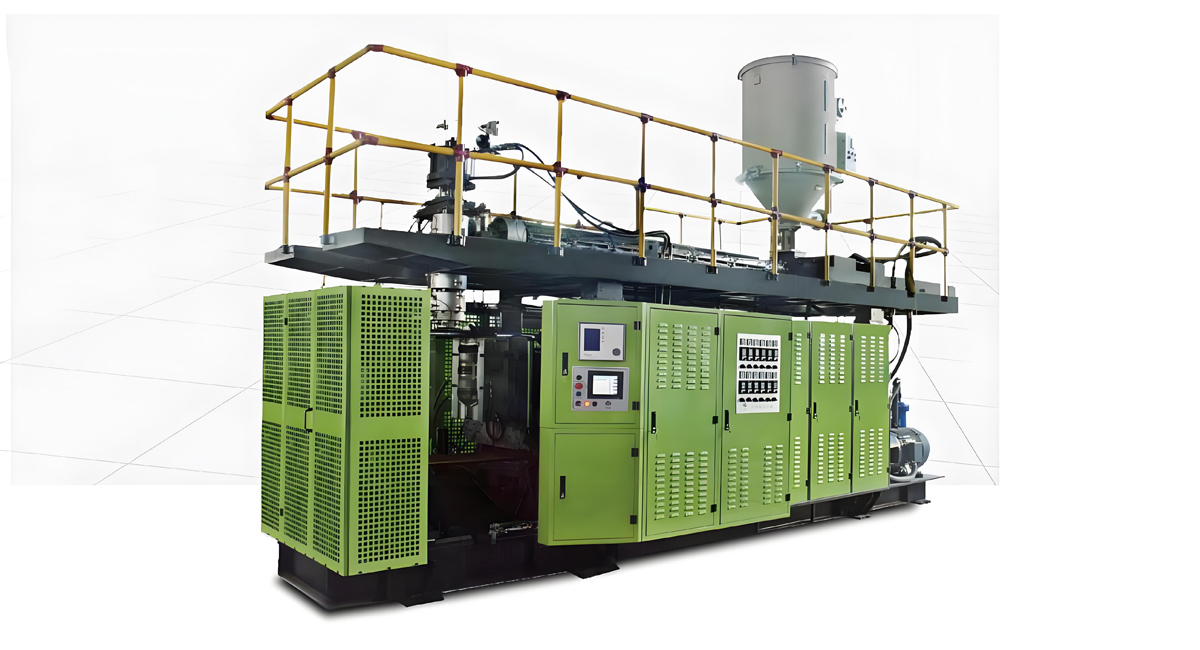
Energy consumption represents one of the most significant recurring expenses in plastic packaging manufacturing, often rivaling or exceeding raw material costs depending on local utility rates and production volumes. For extrusion blow molding operations, the total cost of ownership is heavily influenced by how efficiently the machine converts electrical power into finished containers. Traditional hydraulic systems rely on constant pressure pumps that draw substantial current even during idle phases, leading to wasted energy and increased thermal load on cooling systems. In contrast, modern fully electric extrusion blow molding machine designs utilize servo motors for all critical axes, including screw rotation, accumulator movement, clamping, and parison programming. This shift allows the machine to consume power only when motion occurs, drastically reducing baseline consumption during holding or cooling cycles.
The economic impact of this efficiency cannot be overstated for high volume producers. A typical mid sized blow molding line might consume between 80 and 150 kilowatts per hour depending on cycle speed and product weight. Over a year of continuous operation, this translates to hundreds of thousands of dollars in electricity bills alone. By adopting electric drive technology, manufacturers can often achieve energy savings ranging from thirty to fifty percent compared to legacy hydraulic platforms. These savings are not merely theoretical; they directly improve margin stability in a market where resin prices fluctuate and labor costs rise. Furthermore, reduced heat generation lowers the demand for chilled water systems, creating a secondary layer of cost reduction that compounds over time.
To understand where these savings originate, it is helpful to examine the energy distribution within a standard blow molding cycle. While specific values vary based on machine size and product complexity, the following table illustrates typical energy cost shares by subsystem in a conventional hydraulic setup versus an optimized electric configuration. This comparison highlights why investing in advanced drive technology yields such high returns.
| उपप्रणाली | Hydraulic Energy Share (%) | Fully Electric Energy Share (%) | Primary Efficiency Driver |
|---|---|---|---|
| Screw Drive | 35 | 20 | Variable speed control matches load to demand |
| क्लैंपिंग यूनिट | 25 | 15 | Servo motors hold position with zero power draw |
| Accumulator | 20 | 10 | Precise motion reduces hydraulic fluid heating |
| Auxiliary Systems | 15 | 30 | Cooling and controls remain relatively constant |
| Idle Losses | 5 | 25 | Electric systems minimize standby consumption |
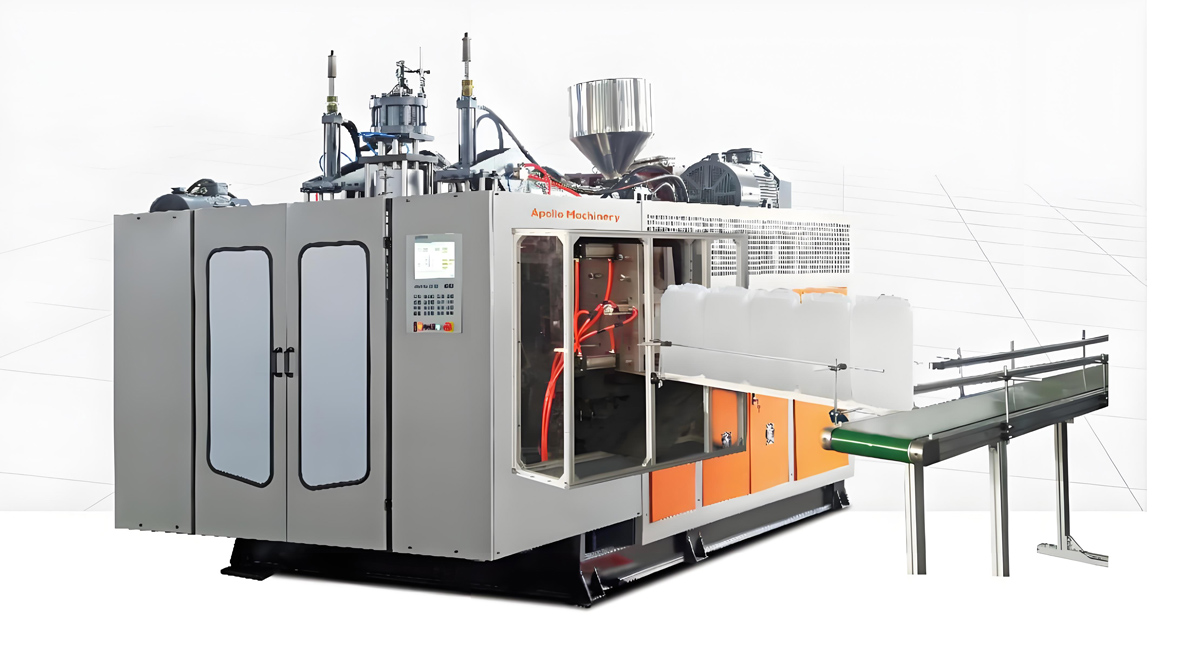
The data indicates that while auxiliary systems like cooling towers and control panels remain a fixed cost, the major power consumers in hydraulic machines offer the greatest potential for reduction. Apollo’s Fully Electric series, covering capacities from 200ML to 20L, exemplifies this engineering approach by integrating high torque servo drives directly into the mechanical structure. This design eliminates the energy losses associated with fluid friction and valve throttling. For facilities operating multiple lines, the aggregate savings can justify the higher initial capital expenditure of electric machines within a short payback period. It is important to note that actual results depend on local electricity tariffs and production scheduling patterns, but the fundamental physics of servo driven efficiency remain consistent across applications.
Where Energy Is Consumed on a Blow Molding Line
Understanding the specific points of energy draw is essential for identifying efficiency gains. A blow molding line integrates several distinct subsystems, each with unique power characteristics. By analyzing these components individually, plant managers can target upgrades that yield the highest return on investment. The following breakdown examines the four primary areas where electricity and compressed air are consumed during standard production cycles.
Barrel Heating Systems
Barrel heating zones melt polymer resin into a molten state suitable for extrusion. In traditional setups, resistive band heaters maintain temperature through continuous electrical input, often leading to thermal overshoot and wasted energy when the material reaches set points. Modern systems utilize solid state relays or PID controllers to modulate power delivery more precisely. While heating typically accounts for a smaller portion of total consumption compared to mechanical drives, poor insulation can cause significant losses. Upgrading to ceramic band heaters with improved thermal efficiency can reduce this load by ten to fifteen percent. For large diameter extruders found in the ABLD Series, maintaining consistent melt temperature without excessive energy input is critical for product quality and cost control.
Hydraulic Power Units
Hydraulic pumps represent a major energy sink in conventional machines. Constant pressure pumps run at full speed regardless of demand, converting excess energy into heat that must be removed by oil coolers. This inefficiency drives up both electricity costs and cooling requirements. A fully electric extrusion blow molding machine eliminates this hydraulic power unit entirely, replacing it with servo driven axes for clamping and accumulator movement. This change removes the parasitic load associated with fluid circulation and valve throttling. The elimination of hydraulic oil also reduces maintenance costs related to filter changes and leak repairs, contributing to long term operational savings.
Cooling and Chilled Water Systems
Cooling is vital for solidifying the parison and setting the final container shape. Chillers consume substantial power to maintain water temperatures between five and fifteen degrees Celsius. Inefficient heat exchange or oversized chillers lead to unnecessary energy use. Optimizing flow rates and utilizing plate heat exchangers can improve coefficient of performance values significantly. Proper sizing of the chiller relative to the machine’s thermal output prevents short cycling, which wastes energy during startup phases.
Air Compression for Blowing and Actuation
Compressed air powers blowing operations and some pneumatic actuators. Leaks in hoses and fittings can waste up to thirty percent of generated compressed air. High pressure blow molding requires precise air control to ensure proper container formation without excess consumption. Using variable speed drive compressors that match demand rather than running fixed speed units reduces energy waste during low usage periods.
| उपप्रणाली | Typical Power Range (kW) | Efficiency Improvement Potential (%) | Key Control Technology |
|---|---|---|---|
| Barrel Heating | 10 to 50 | 10 to 20 | PID Temperature Regulation |
| हाइड्रोलिक्स | 30 to 100 | 40 to 60 | Servo Motor Replacement |
| ठंडा पोटेंसीर सिस्टम | 15 to 80 | 15 to 30 | Variable Speed Compressors |
| Air Compression | 20 to 75 | 20 to 40 | Leak Detection and VSD |
These figures are indicative budget ranges for mid sized lines and vary based on local utility rates and machine configuration.
How Fully Electric Drives Change the Energy Profile
The transition from hydraulic actuation to servo electric drive fundamentally alters how energy is consumed throughout the blow molding cycle. In a conventional system, the hydraulic pump operates continuously at a fixed speed, generating flow that must be throttled or diverted when motion is not required. This results in significant energy waste as heat. A fully electric extrusion blow molding machine replaces this constant load with on demand power delivery. Servo motors draw current only when torque and velocity are needed to move the screw, accumulator, clamp, or blow pin. Once a position is reached, such as during the cooling phase where the mold remains closed, the servo motor holds its position with minimal or zero energy input. This capability eliminates the idle consumption that plagues hydraulic systems, where pumps continue to run even when no mechanical work is being performed.
Electric clamping units provide another major efficiency gain. Hydraulic clamps require high pressure to maintain mold closure against internal blowing pressures. Maintaining this pressure consumes substantial energy and generates heat in the hydraulic oil. Electric clamps use servo motors with ball screws or direct drive mechanisms to apply force mechanically. The motor can adjust torque dynamically based on real time feedback, ensuring sufficient closing force without excess power draw. This precision also improves part consistency by reducing variations in mold deflection. Similarly, electric blow pin motion allows for precise control over the blowing sequence. Instead of relying on pneumatic valves that may have response delays and pressure drops, servo driven blow pins offer repeatable positioning and timing. This accuracy reduces air consumption because the blow volume is optimized rather than excessive, further lowering the energy required for compressed air generation.
The maintenance profile also shifts dramatically. Hydraulic systems require regular oil changes, filter replacements, and seal repairs to prevent leaks and contamination. These tasks incur labor costs and material expenses, often totaling several thousand dollars annually per machine. Electric drives have fewer moving parts exposed to fluid dynamics, reducing the frequency of service intervals. While initial capital investment for electric platforms is higher, the reduction in maintenance overhead and energy bills accelerates the payback period. For instance, replacing a hydraulic line with an electric equivalent might increase upfront costs by twenty to thirty percent, but operational savings often offset this within two to three years depending on utilization rates.
| मूल विशेषता | हाइड्रोलिक सिस्टम | Fully Electric System | Operational Impact |
|---|---|---|---|
| Energy Use During Idle | High (Pump runs continuously) | Near Zero (Servo holds position) | Reduces baseline consumption by 30 to 50 percent |
| Cycle Time Flexibility | Limited by valve response | Precise servo control | Enables faster acceleration and deceleration profiles |
| Maintenance Requirements | Frequent oil and filter changes | Minimal lubrication and inspection | Lowers annual service costs by 40 to 60 percent |
| Heat Generation | Significant (Oil cooling required) | Low (Reduced chiller load) | Decreases auxiliary cooling energy demand |
These advantages make the Fully Electric series an attractive option for facilities aiming to minimize long term operating expenses while maintaining high production standards.
Barrel and Die Heating Optimization
Thermal management in the extruder barrel and die head represents a critical yet often overlooked opportunity for energy savings. While mechanical drives dominate total power consumption, heating systems account for a significant portion of the baseline load, particularly during startup and steady state operation. Optimizing this subsystem requires precise zoning, superior insulation, and intelligent temperature control to minimize waste without compromising melt quality.
Heater Zoning and Control Precision
Effective heater zoning divides the barrel into multiple independently controlled sections, typically ranging from four to eight zones depending on machine size. In smaller units like the Fully Electric series, fewer zones may suffice, but larger platforms such as the ABLD Series require granular control to manage heat distribution along the screw length. Poorly tuned PID controllers can cause temperature overshoot, forcing cooling systems to remove excess heat and wasting energy. Advanced algorithms predict thermal demand based on screw speed and material throughput, adjusting power delivery proactively rather than reactively. This reduces the duty cycle of band heaters, extending their lifespan and lowering electricity consumption. For a mid sized line, optimizing zone control can reduce heating energy by ten to fifteen percent annually.
Insulation and Thermal Retention
Standard bare band heaters lose substantial heat to the surrounding environment through convection and radiation. Adding ceramic fiber or aerogel insulation jackets around barrel zones can reduce surface losses by up to forty percent. These jackets not only save energy but also improve operator safety by lowering external surface temperatures. In high throughput applications, retaining heat within the barrel means less energy is required to maintain melt temperature. The initial investment for retrofitting insulation on existing lines typically ranges from five hundred to two thousand dollars per machine, with payback periods often under six months due to reduced heater duty cycles.
Heat Recovery and Setpoint Management
Recovering waste heat from cooling water or exhaust air can preheat incoming resin or facility space, though this is more common in large scale operations. More immediately impactful is the optimization of temperature setpoints. Running melt temperatures higher than necessary increases viscosity degradation risks and energy use. Process engineers should validate minimum viable melt temperatures for each resin grade to avoid over heating. Lowering setpoints by five to ten degrees Celsius can yield measurable savings without affecting parison quality.
| Optimization Strategy | Estimated Energy Savings (%) | Typical Investment Cost (USD) | Payback Period (Months) |
|---|---|---|---|
| Advanced PID Tuning | 5 to 10 | 200 to 800 | 3 to 6 |
| Insulation Jackets | 10 to 40 | 500 to 2,000 | 4 to 8 |
| Setpoint Reduction | 5 to 15 | Minimal | Immediate |
These figures are indicative budget ranges and vary based on local energy rates and machine age.
Mold Cooling and Chiller Efficiency
Mold cooling dictates cycle time and product quality, making it a primary driver of energy consumption in blow molding. The chiller system must remove heat extracted from the molten parison to solidify the container shape within the mold cavity. Inefficient cooling extends cycle times, reducing output per kilowatt hour, while oversized chillers waste electricity by running at partial loads. Optimizing water flow rates, temperature setpoints, and heat exchange efficiency ensures that energy is used precisely where needed.
Cooling Time and Thermal Load Management
Cooling time typically accounts for forty to sixty percent of the total cycle duration in extrusion blow molding. Reducing this time requires maximizing heat transfer through the mold walls without causing defects like warping or stress cracking. The thermal load depends on resin type, wall thickness, and melt temperature. For example, processing HDPE at higher melt temperatures increases the heat removal requirement, forcing chillers to work harder. A fully electric extrusion blow molding machine often runs cooler due to reduced frictional heat from servo drives, allowing for slightly lower chiller setpoints without compromising stability. This synergy between drive efficiency and thermal management lowers the overall energy burden on auxiliary systems.
Water Flow and Temperature Control Strategies
Maintaining consistent water temperature is critical for dimensional accuracy. Fluctuations in chilled water supply can lead to inconsistent part weights and increased scrap rates. Variable speed drives on chiller compressors allow the system to match cooling demand dynamically, avoiding the energy waste of fixed speed units cycling on and off. Additionally, ensuring turbulent flow within mold channels improves heat transfer coefficients. This means lower water temperatures are not always necessary if flow rates are optimized. Regular maintenance of plate heat exchangers prevents fouling, which degrades efficiency over time.
Chiller Sizing and Operational Costs
Oversized chillers operate inefficiently at low loads, often consuming more energy per unit of heat removed than properly sized units. Selecting a chiller with capacity matching the machine’s thermal output ensures high coefficient of performance values throughout the operating range. Retrofitting existing lines with variable speed compressors can yield significant savings.
| पैरामीटर | Recommended Range | Impact on Energy Use | Control Method |
|---|---|---|---|
| Chilled Water Temp | 5 to 15 degrees Celsius | Lower temp increases chiller load by 3 percent per degree | PID Temperature Controller |
| Flow Rate | Turbulent (Reynolds > 4000) | Higher flow improves heat transfer, reducing cycle time | Variable Speed Pump |
| Mold Surface Temp | Stable within plus or minus 2 degrees | Prevents defects and rework energy costs | Zone Control Valves |
| Chiller Setpoint | Match to resin Tg | Avoids over cooling waste | Dynamic Load Matching |
These parameters are indicative guidelines for standard polyolefin processing. Actual values depend on specific product geometry and local ambient conditions.
Compressed Air and Blow Air Efficiency
Compressed air generation is often the most expensive utility in a manufacturing facility, costing three to ten times more per kilowatt hour than grid electricity due to thermodynamic inefficiencies. In blow molding, air serves two distinct functions: forming the parison into the final container shape and powering auxiliary pneumatic actuators. Optimizing these systems requires precise pressure management, leak elimination, and recovery strategies to reduce the total cost of ownership for any production line.
Blow Pressure and Air Consumption per Part
The energy required to inflate a container depends on the internal volume and the pressure needed to press the molten plastic against the mold walls. Higher blow pressures improve detail definition but increase air consumption exponentially. A fully electric extrusion blow molding machine often utilizes servo driven blow pins that allow for staged inflation profiles, applying high pressure only when necessary rather than maintaining constant supply. This precision reduces the total cubic feet of compressed air used per part. For standard bottles in the ABLB Series range, optimizing blow sequences can lower air usage by twenty percent without affecting cycle speed or quality.
Leak Detection and System Maintenance
Leaks are a silent drain on energy budgets. A single quarter inch leak at one hundred psi can waste enough energy to power a small motor continuously. Regular ultrasonic leak detection surveys identify faults in hoses, fittings, and blow pin seals. Replacing worn seals in the accumulator area or mold vents prevents air bypassing the parison. These maintenance tasks are low cost but yield high returns.
Air Recovery and Regeneration Systems
In multi cavity molds, air used for blowing can sometimes be recovered from cooling phases or vented through controlled systems to reduce compressor load. While full recovery is complex, simple strategies like using smaller accumulator tanks for short cycles help match demand more closely.
| पैरामीटर | Typical Value | Efficiency Strategy | Estimated Savings (%) |
|---|---|---|---|
| Blow Pressure | 40 to 80 psi | Staged inflation profiles | 15 to 25 |
| Leak Rate | 10 to 30 percent of supply | Ultrasonic detection and seal replacement | 10 to 20 |
| Air Consumption per Part | 0.5 to 2.0 cubic feet | Optimized parison programming | 10 to 15 |
| Compressor Load | Fixed speed operation | Variable speed drive retrofit | 20 to 40 |
These figures are indicative budget ranges for mid sized lines and vary based on local compressed air tariffs and machine configuration.
Choosing Between ABLB, ABLD and Fully Electric for Energy Goals
Selecting the appropriate machine series requires balancing production volume, product weight, and energy efficiency targets. Apollo offers distinct platforms tailored to different capacity ranges, each with unique thermal and mechanical characteristics that influence total operating costs. Understanding these differences helps engineers align equipment choices with long term sustainability goals.
ABLB Series for Mid Range Production
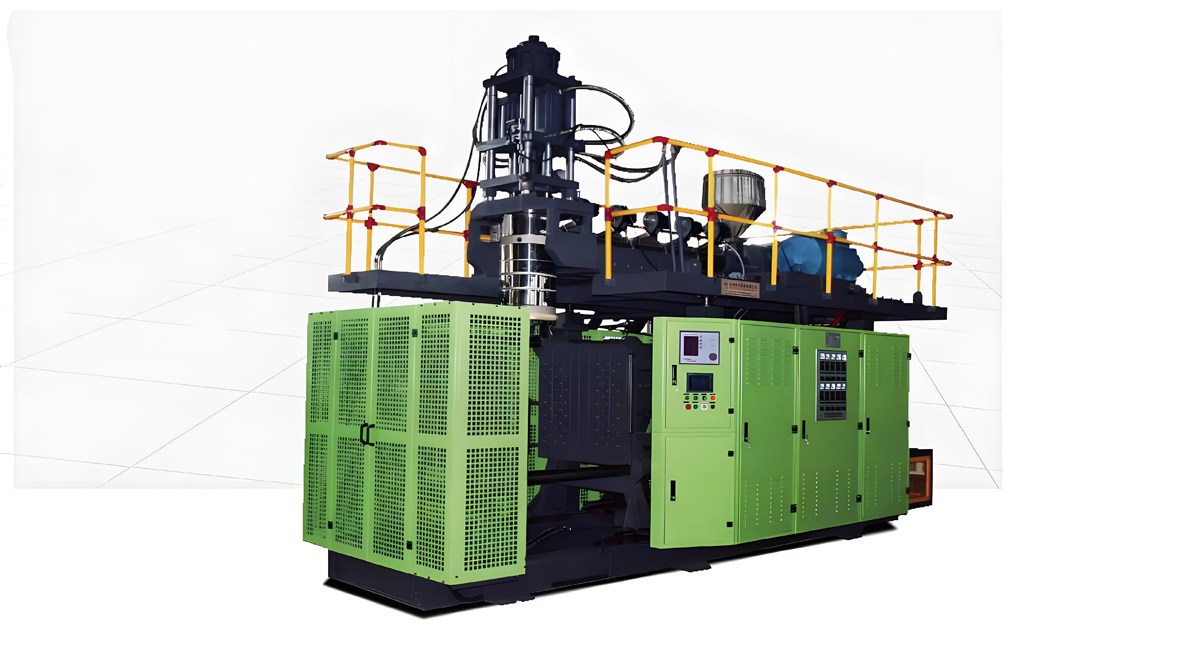
The ABLB Series covers capacities from 200ML to 20L, making it suitable for high volume consumer packaging such as detergent bottles and food containers. This series typically employs hybrid hydraulic systems that offer a balance between initial capital cost and operational efficiency. While not fully electric, these machines benefit from optimized valve control and efficient pump management. For facilities prioritizing moderate energy savings without the premium price of full electric drives, the ABLB Series provides a reliable entry point. Energy consumption here is dominated by clamping and accumulator hydraulics, which can be managed through careful cycle programming to reduce idle power draw.
Fully Electric Series for High Efficiency Needs
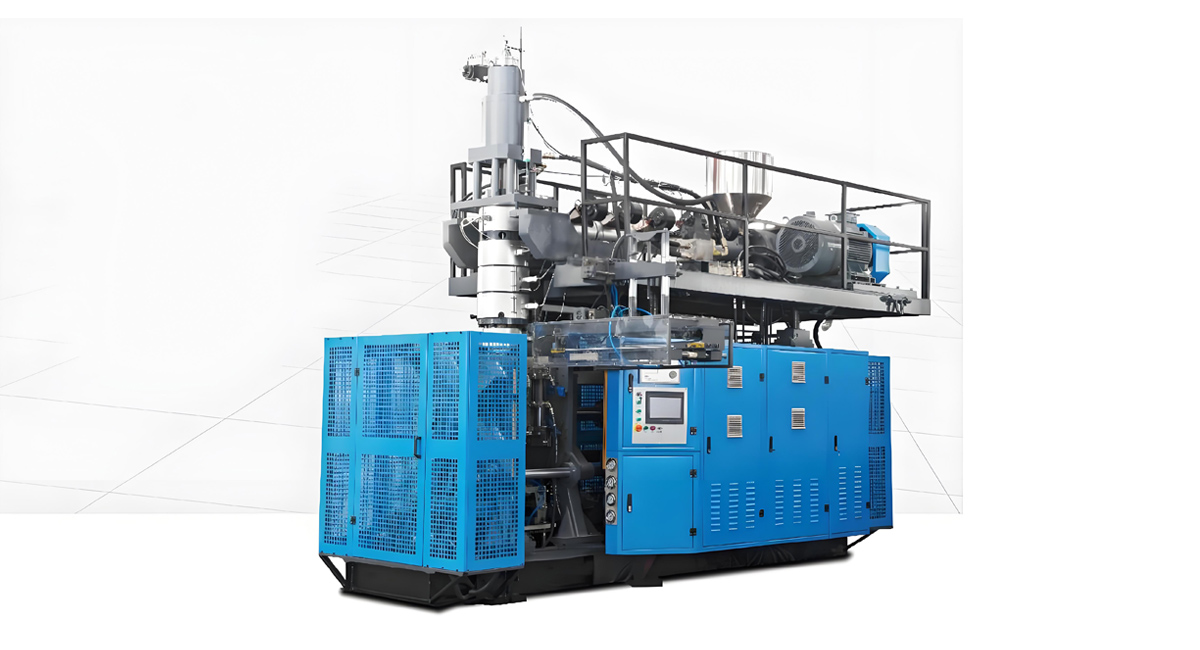
For operations where energy costs are the primary concern, the Fully Electric series in the 200ML to 20L range delivers maximum efficiency. This platform replaces all hydraulic axes with servo motors, eliminating fluid friction and standby losses. The result is a significant reduction in both electricity and cooling water demand. Although the upfront investment is higher than hybrid models, the payback period often falls within two to three years for high utilization rates. A fully electric extrusion blow molding machine also offers superior precision in parison programming, reducing material waste and further lowering the embodied energy per part.
ABLD Series for Large Capacity Applications
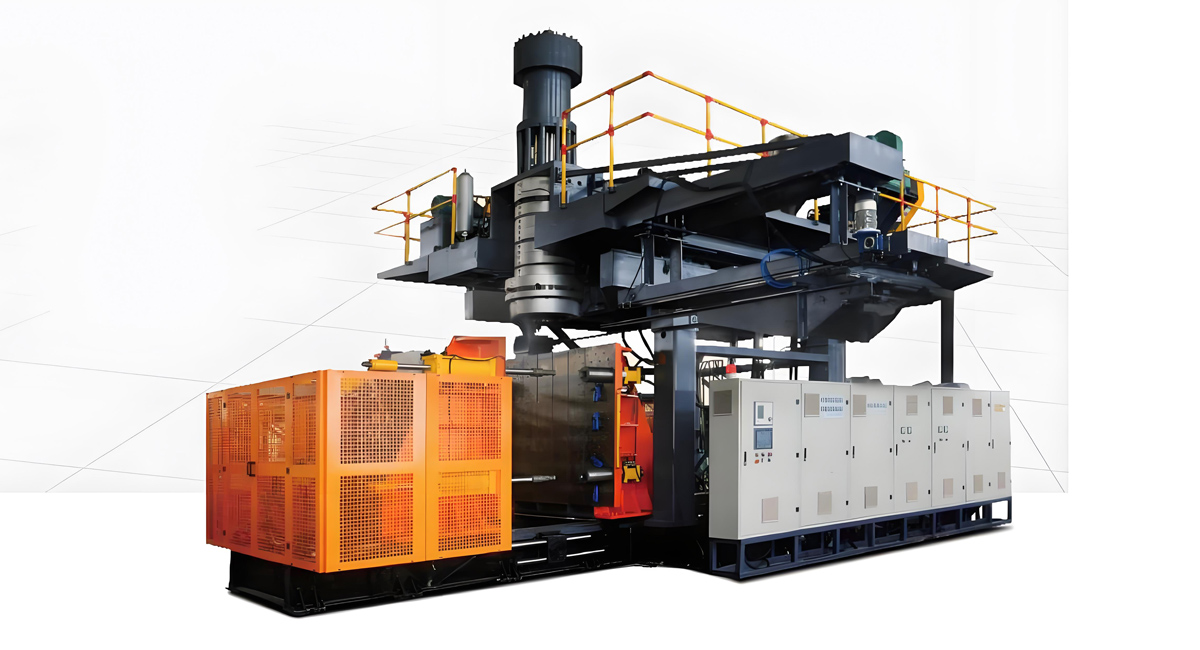
The ABLD Series handles larger containers from 20L to 1500L, including industrial drums and jerrycans. Energy dynamics differ here due to the massive thermal mass of large parisons and extended cooling times. Hydraulic systems in this range face higher loads during clamping and accumulator movement. Optimizing these machines involves focusing on chiller efficiency and air recovery rather than drive type alone. The overall capability range from 5ML to 5000L ensures that even niche products have tailored solutions, though energy intensity per kilogram of output tends to decrease with larger container sizes due to better surface area to volume ratios.
| Series | क्षमता की सीमा | Primary Drive Type | Energy Efficiency Profile | Ideal Application |
|---|---|---|---|---|
| ABLB Series | 200ML to 20L | Hybrid Hydraulic | Moderate savings via optimized valves | High volume consumer bottles |
| पूर्णतः विद्युत | 200ML to 20L | Full Servo Electric | Maximum savings, low idle load | Premium packaging, high energy costs |
| ABLD श्रृंखला | 20L to 1500L | Heavy Duty Hydraulic | Focus on thermal and air efficiency | Industrial containers and drums |
These indicative budget ranges assume standard utility rates and continuous operation patterns.
Measuring and Benchmarking Specific Energy Use
To validate efficiency improvements, manufacturers must move beyond total utility bills and adopt specific energy consumption metrics. The two most practical indicators are kilowatt hours per kilogram of produced resin and kilowatt hours per finished part. These normalized values allow for accurate comparison across different machine sizes, shift patterns, and product geometries. Without this data, it is impossible to determine if a fully electric extrusion blow molding machine is delivering the expected return on investment or if operational adjustments are needed.
Defining Specific Energy Metrics
Kilowatt hours per kilogram measures the energy intensity of processing raw material into finished goods. This metric accounts for heating, mechanical drive, and auxiliary systems like chillers and compressors. A lower value indicates higher efficiency. For example, a line producing lightweight bottles may show higher energy per part but lower energy per kilogram due to reduced material usage. Conversely, heavy wall containers in the ABLD Series might have lower specific energy per part because the thermal mass stabilizes temperature fluctuations, reducing heater cycling. Tracking both metrics prevents misleading conclusions based on a single data point.
Benchmarking Methodology
Effective benchmarking requires consistent measurement conditions. Install sub meters at the main power entry for each machine to capture real time consumption during production and idle states. Record output counts and total resin weight over defined shifts, typically eight hours. Calculate the average specific energy by dividing total kilowatt hours consumed by total kilograms produced. Compare these results against industry standards or historical internal data. Variations of more than ten percent between shifts often indicate operator error, maintenance issues, or suboptimal cycle programming that can be corrected to save thousands of dollars annually.
Industry Benchmarks by Container Size
Energy intensity varies significantly with container volume due to differences in cooling time and material weight. Smaller containers require faster cycles but have less thermal mass, leading to higher relative energy use per unit of output. Larger containers benefit from longer cooling times that allow for more stable thermal conditions. The following table provides indicative benchmark ranges for common production scenarios.
| Container Size | Typical Weight (g) | Specific Energy (kWh/kg) | Specific Energy (kWh/part) | Efficiency Driver |
|---|---|---|---|---|
| Small Bottle | 10 to 50 | 0.8 to 1.2 | 0.01 to 0.06 | High cycle speed, low mass |
| Medium Bottle | 50 to 500 | 0.6 to 0.9 | 0.03 to 0.45 | Balanced thermal load |
| Large Container | 500 to 2000 | 0.4 to 0.7 | 0.20 to 1.40 | Stable melt, longer cooling |
| Industrial Drum | 2000+ | 0.3 to 0.5 | 0.60 to 1.00 | High thermal inertia |
These figures are indicative budget ranges for standard polyolefin processing and vary based on local utility rates and machine age.
Operating Practices That Cut Energy Waste
Even the most efficient machinery cannot deliver optimal results if operational procedures are inefficient. Human factors and scheduling decisions significantly influence energy consumption in blow molding facilities. By refining changeover protocols, managing idle states, and optimizing production schedules, plant managers can unlock additional savings without capital expenditure. These practices complement the hardware advantages of a fully electric extrusion blow molding machine by ensuring that energy is consumed only when value is being added to the product.
Production Scheduling for Thermal Stability
Frequent startups and shutdowns waste enormous amounts of energy due to the thermal inertia of barrel heaters and chillers. Each cold start requires maximum power to reach melt temperature, often consuming more electricity than several hours of steady state production. Grouping similar resin types and colors into longer continuous runs minimizes these thermal cycles. For lines producing small bottles in the ABLB Series, scheduling batches that last at least four hours reduces the frequency of high energy ramp up phases. This approach also stabilizes melt temperature, improving part quality and reducing scrap rates, which further lowers the effective energy cost per good unit produced.
Changeover Reduction Strategies
Changeovers involve purging old material, cleaning dies, and changing molds, all of which consume energy without producing saleable goods. Implementing single minute exchange of die techniques reduces downtime and associated energy waste. Preheating molds during changeover prevents the need for prolonged heating cycles once production resumes. Additionally, using quick change clamping systems on machines like the Fully Electric series allows faster mold swaps with less manual effort. Reducing changeover time from thirty minutes to ten minutes can save hundreds of dollars annually per line in wasted electricity and lost capacity.
Idle Management and Power Down Protocols
Machines left idle for extended periods should enter low power modes rather than maintaining full temperature and hydraulic pressure. Modern controls allow operators to pause screw rotation and reduce heater setpoints during breaks or planned stops. For multi shift operations, ensuring that auxiliary systems like chillers and compressors are synchronized with machine status prevents them from running unnecessarily during non production hours.
| Practice | Estimated Energy Savings (%) | Implementation Cost (USD) | Operational Complexity |
|---|---|---|---|
| Batch Scheduling | 10 to 20 | Minimal | कम |
| SMED Changeover | 5 to 15 | 5,000 to 20,000 | मध्यम |
| Idle Power Down | 15 to 30 | Minimal | कम |
These figures are indicative budget ranges for mid sized lines and vary based on local utility rates and machine configuration.
Cost and Price Analysis of Energy Efficiency Upgrades
The decision to upgrade blow molding equipment or retrofit existing lines requires a rigorous financial analysis that weighs capital expenditure against operational savings. While the initial price tag for advanced technology can be higher, the long term reduction in utility bills often justifies the investment within a few years. Understanding the specific cost structures of servo conversions, chiller upgrades, and insulation improvements helps plant managers build accurate business cases for energy efficiency projects.
Servo Conversion and Machine Replacement Costs
Replacing hydraulic systems with electric drives is the most impactful upgrade but also the most expensive. A full retrofit of an older line to a fully electric extrusion blow molding machine configuration can cost between fifteen thousand and fifty thousand dollars per unit, depending on complexity. Alternatively, purchasing new equipment from the Fully Electric series involves a premium of twenty to thirty percent over comparable hybrid models like the ABLB Series. For a mid sized machine, this might mean an additional capital outlay of ten thousand to twenty five thousand dollars. However, this upfront cost is offset by lower maintenance requirements and reduced electricity consumption, which can save several thousand dollars annually per machine in regions with moderate utility rates.
Chiller and Auxiliary System Upgrades
Auxiliary systems often represent a significant portion of total facility energy use. Replacing fixed speed chillers with variable speed drive units typically costs five thousand to fifteen thousand dollars for mid sized industrial applications. These upgrades yield immediate savings by matching cooling output to actual thermal load, avoiding the energy waste of constant operation. Similarly, upgrading compressed air systems with leak detection kits and efficient dryers can cost two thousand to eight thousand dollars but reduces compressor runtime significantly. These auxiliary improvements are often easier to justify than full machine replacements because they require less downtime during installation.
Insulation and Low Cost Retrofits
Low capital interventions such as barrel insulation jackets and improved heater controls offer rapid payback periods. Installing high quality thermal blankets on barrel zones usually costs five hundred to two thousand dollars per machine. These simple measures reduce heat loss by up to forty percent, allowing heaters to operate at lower duty cycles. Because the implementation cost is low and the savings are immediate, these retrofits often pay for themselves in less than six months.
| Upgrade Option | Indicative Cost Range (USD) | अवधारणीय वापसी अवधि | Primary Benefit |
|---|---|---|---|
| Full Electric Machine Purchase | 10,000 to 25,000 premium | 2 to 4 years | Maximum efficiency and precision |
| Servo Retrofit Kit | 15,000 to 50,000 | 3 to 5 years | Eliminates hydraulic waste |
| Variable Speed Chiller | 5,000 to 15,000 | 1 to 2 years | Matches cooling to load |
| Barrel Insulation | 500 to 2,000 | 4 to 8 months | Reduces heater duty cycle |
These figures are indicative budget ranges for standard polyolefin processing and vary based on local utility rates and machine age.
Quantifying Annual Energy Savings
Calculating the financial impact of energy efficiency upgrades requires translating technical improvements into monetary terms. The most direct method involves comparing specific energy consumption before and after an upgrade, then applying local utility rates to the difference. For instance, if a traditional hydraulic line consumes 0.05 kilowatt hours per part and a new fully electric extrusion blow molding machine reduces this to 0.03 kilowatt hours, the saving is 0.02 kilowatt hours per unit. At an industrial electricity rate of 0.12 dollars per kilowatt hour, this equates to 0.0024 dollars saved per part. While this figure appears small, it accumulates rapidly across high volume production runs.
Sample Calculation Methodology
To determine annual savings, multiply the energy reduction per part by the total number of parts produced annually. Consider a facility producing five million medium sized bottles per year using the ABLB Series. If an upgrade to electric drives reduces consumption from 0.05 to 0.03 kilowatt hours per part, the total energy saved is one hundred thousand kilowatt hours. At a rate of 0.12 dollars per kilowatt hour, this results in twelve thousand dollars in annual savings. This calculation assumes constant production volumes and does not account for reduced maintenance costs or lower cooling water usage, which can add another ten to fifteen percent to the total benefit.
Impact of Production Volume on Savings
The financial return scales linearly with output volume. Facilities operating multiple shifts or running machines at high utilization rates see faster payback periods. Conversely, low volume operations may struggle to justify the capital expenditure for full electric conversions unless energy prices are exceptionally high. It is crucial to use actual production data rather than theoretical maximums when performing these calculations. Downtime, changeovers, and scrap rates all influence the effective cost per good part.
| Annual Output (Parts) | Energy Saved per Part (kWh) | Total kWh Saved Annually | Annual Savings at 0.12 USD/kWh |
|---|---|---|---|
| 1 Million | 0.02 | 20,000 | 2,400 |
| 5 Million | 0.02 | 100,000 | 12,000 |
| 10 Million | 0.02 | 200,000 | 24,000 |
| 20 Million | 0.02 | 400,000 | 48,000 |
These figures are indicative budget ranges for standard polyolefin processing and vary based on local utility rates and machine age.
Commissioning and Tuning for Low Energy Operation
Proper commissioning ensures that a new machine operates at its designed efficiency levels from day one. Without careful tuning, even a fully electric extrusion blow molding machine may default to conservative settings that prioritize safety or ease of startup over energy optimization. Engineers must actively adjust parameters during the initial run to lock in low consumption profiles. This process involves calibrating servo responses, optimizing temperature zones, and validating auxiliary system interactions to prevent wasteful habits from becoming embedded in production routines.
Servo Axis Calibration and Motion Profiles
During commissioning, servo motors for clamping, accumulator movement, and screw rotation must be tuned to match the specific mechanical load of the mold. Default factory settings often use high acceleration rates that consume excess current. Reducing these rates slightly can lower peak power demand without significantly affecting cycle time. For machines in the Fully Electric series, engineers should verify that holding torque is set precisely to maintain mold closure against blowing pressure, avoiding unnecessary motor strain. Incorrect tuning can lead to energy waste and premature component wear, negating the efficiency benefits of electric drives.
Thermal Zone Optimization at Startup
Barrel heaters require careful balancing during initial operation. Over heating zones beyond the minimum required melt temperature increases energy use and degrades resin quality. Commissioning technicians should measure actual melt temperature at the die head rather than relying solely on setpoints. Adjusting PID parameters to prevent overshoot ensures that heaters cycle efficiently once steady state is reached. This step is critical for large capacity lines like the ABLD Series, where thermal mass makes temperature control more complex and energy intensive.
Auxiliary System Integration Checks
Chillers and compressors must be synchronized with machine cycles during commissioning. Verifying that variable speed drives respond correctly to load changes prevents auxiliary systems from running at full capacity when demand is low. Leak tests on air lines should be conducted immediately after installation to ensure no compressed air is wasted before production begins.
| Tuning Parameter | Target Setting | Energy Impact | Verification Method |
|---|---|---|---|
| Servo Acceleration | Match mechanical limit | Reduces peak current draw | Power meter monitoring |
| Heater Setpoints | Minimum viable melt temp | Lowers heater duty cycle | Die head thermocouple |
| Chiller Flow Rate | Turbulent flow minimum | Optimizes heat exchange | Flow meter reading |
| Air Pressure | Lowest effective blow pressure | Cuts compressor load | Pressure gauge logging |
These figures are indicative budget ranges for standard polyolefin processing and vary based on local utility rates and machine age.
Maintenance to Preserve Energy Performance
Energy efficiency is not a static achievement but a dynamic state that degrades without consistent maintenance. A fully electric extrusion blow molding machine may start at peak performance, but wear on heaters, drives, and cooling systems gradually increases energy consumption. Proactive maintenance protocols ensure that specific energy metrics remain within target ranges over the machine's lifespan. Neglecting these tasks can silently erode savings, turning an efficient line into a costly liability.
Heater and Insulation Integrity
Band heaters lose efficiency as insulation degrades or electrical connections loosen, causing resistive heating losses. Regular inspection of barrel jackets for physical damage ensures thermal retention remains high. Loose terminals create hot spots that trigger safety trips, forcing the system to restart and consume excess power during recovery. Replacing damaged insulation promptly prevents heat loss to the environment. For large extruders in the ABLD Series, checking heater continuity monthly helps identify failing elements before they cause temperature fluctuations that waste energy through over correction by control systems.
Drive System Lubrication and Alignment
Servo drives rely on precise mechanical alignment to minimize friction. Worn ball screws or misaligned gearboxes increase torque requirements, forcing motors to draw more current to achieve the same motion. Regular lubrication of linear guides and periodic verification of belt tension in accumulator mechanisms reduce mechanical resistance. In the Fully Electric series, monitoring motor current signatures during standard cycles can reveal early signs of mechanical binding before it becomes a costly failure. Proper alignment ensures that energy is converted into useful work rather than heat due to friction.
Cooling System Cleanliness
Scale buildup on chiller plates and mold channels reduces heat transfer coefficients, forcing water temperatures lower or flow rates higher to maintain cycle times. This increases both compressor and pump energy consumption. Annual cleaning of plate heat exchangers restores efficiency. Similarly, ensuring mold vents are clear prevents trapped air from insulating the plastic, which extends cooling time and wastes energy.
| Maintenance Task | Frequency | Energy Impact if Neglected | Estimated Cost (USD) |
|---|---|---|---|
| Heater Insulation Check | मासिक | 5 to 10 percent loss | 200 to 500 |
| Drive Lubrication | साप्ताहिक | 3 to 8 percent loss | Minimal |
| Chiller Plate Cleaning | Annually | 10 to 20 percent loss | 500 to 1,500 |
These figures are indicative budget ranges for standard polyolefin processing and vary based on local utility rates and machine age.
How Apollo Supports Energy Efficiency Projects
Apollo provides comprehensive engineering support that extends beyond equipment sales to include energy audits and tailored machine selection. This holistic approach ensures that clients achieve measurable reductions in specific energy consumption by aligning hardware capabilities with actual production demands. By leveraging detailed data on local utility rates, resin properties, and cycle times, Apollo engineers help manufacturers identify the most cost effective solutions for their unique operational contexts.
Energy Audits and Baseline Assessment
The first step in any efficiency project is establishing a reliable baseline. Apollo technicians conduct on site assessments to measure current power draw across all subsystems, including barrel heating, servo drives, and auxiliary chillers. This data reveals inefficiencies such as excessive idle consumption or poor thermal management that may not be apparent from utility bills alone. For facilities operating older lines, these audits often uncover opportunities for retrofitting insulation or optimizing control parameters before considering capital intensive upgrades. The resulting report quantifies potential savings in kilowatt hours and dollars, providing a clear financial justification for proposed changes.
Tailored Machine Selection
Once the baseline is established, Apollo recommends the appropriate series from its portfolio to maximize return on investment. For high volume small container production, the Fully Electric series offers the lowest specific energy use due to servo driven precision. In contrast, large capacity applications in the ABLD Series may benefit more from optimized hydraulic systems with efficient cooling integration rather than full electric conversion. This selection process considers not just machine price but total cost of ownership over five to ten years.
| Support Service | Scope | Typical Duration | Outcome |
|---|---|---|---|
| Energy Audit | Power metering and thermal analysis | 2 to 3 days | Quantified savings roadmap |
| Machine Selection | Capacity and drive type matching | 1 to 2 weeks | Optimized TCO projection |
| Commissioning Tuning | Servo and heater calibration | 3 to 5 days | Peak efficiency at startup |
These indicative budget ranges for service engagements vary based on facility size and complexity.
निष्कर्ष
Achieving significant energy savings in extrusion blow molding requires a multi layered strategy that combines advanced hardware with disciplined operational practices. The transition to servo driven systems represents the most substantial leap in efficiency, particularly when utilizing a fully electric extrusion blow molding machine for mid range applications like those covered by the Fully Electric series. These machines eliminate the parasitic losses of hydraulic pumps and fluid friction, reducing baseline consumption during idle phases by thirty to fifty percent. However, hardware alone is insufficient without proper tuning and maintenance.
Optimizing barrel heating through precise zoning and insulation prevents thermal waste, while efficient chiller management ensures that cooling energy matches actual thermal load rather than running at constant capacity. Compressed air systems must be rigorously monitored for leaks and pressure consistency to avoid the high cost of generating wasted air. Operational factors such as batch scheduling and changeover reduction further amplify these technical gains by minimizing non productive energy use.
For large capacity lines in the ABLD Series, efficiency focuses more on thermal stability and auxiliary system integration rather than full electric conversion, though hybrid improvements still yield meaningful returns. Regular maintenance of drives, heaters, and cooling channels preserves the initial performance levels over time, preventing gradual degradation of specific energy metrics.
Ultimately, the financial case for these upgrades is strong. While capital costs for advanced equipment can range from ten thousand to fifty thousand dollars depending on scope, annual savings often reach several thousand dollars per line in regions with moderate utility rates. This results in payback periods typically under three years. By adopting a holistic approach that integrates machine selection, commissioning precision, and proactive maintenance, manufacturers can secure long term cost advantages while meeting sustainability goals.