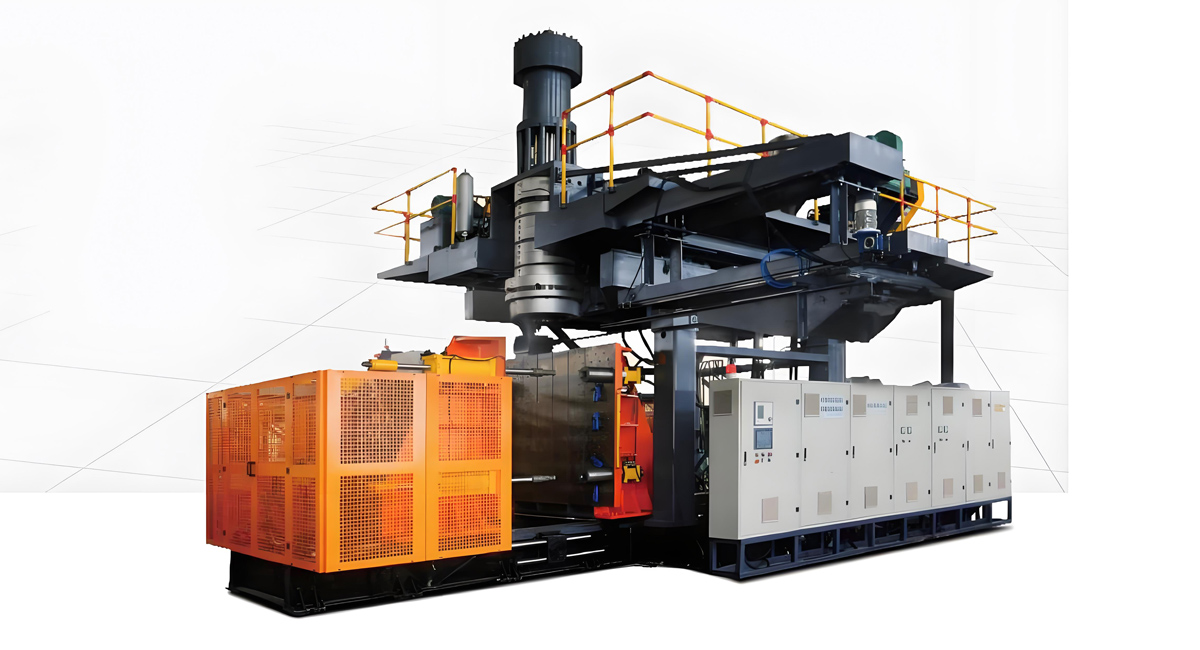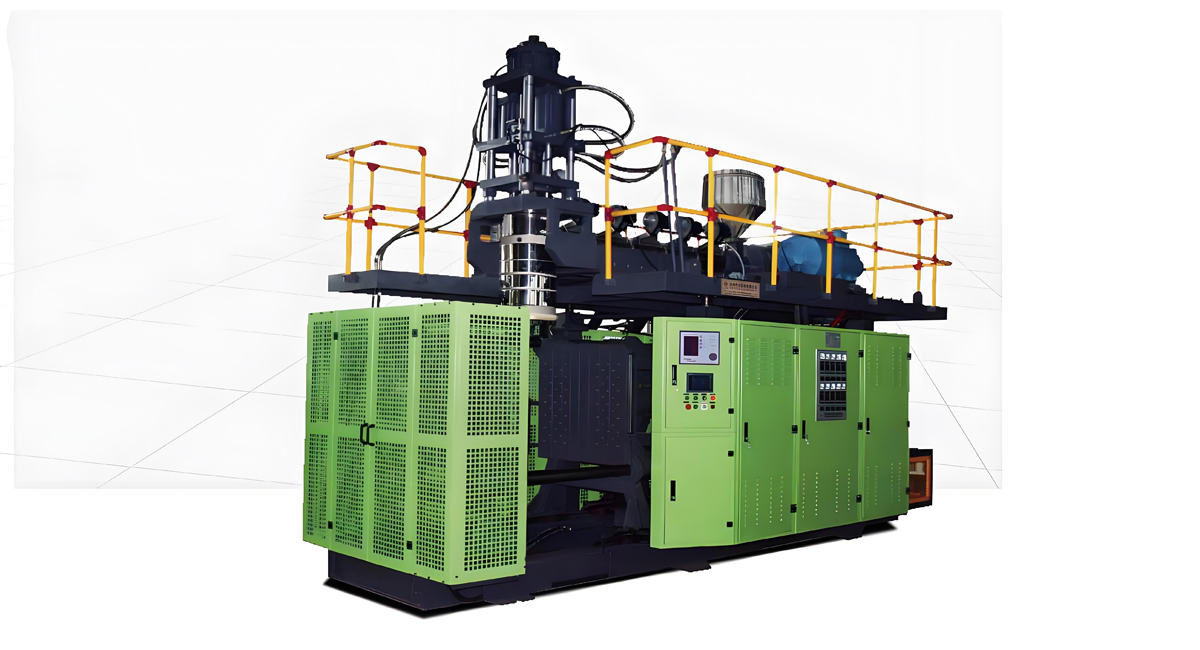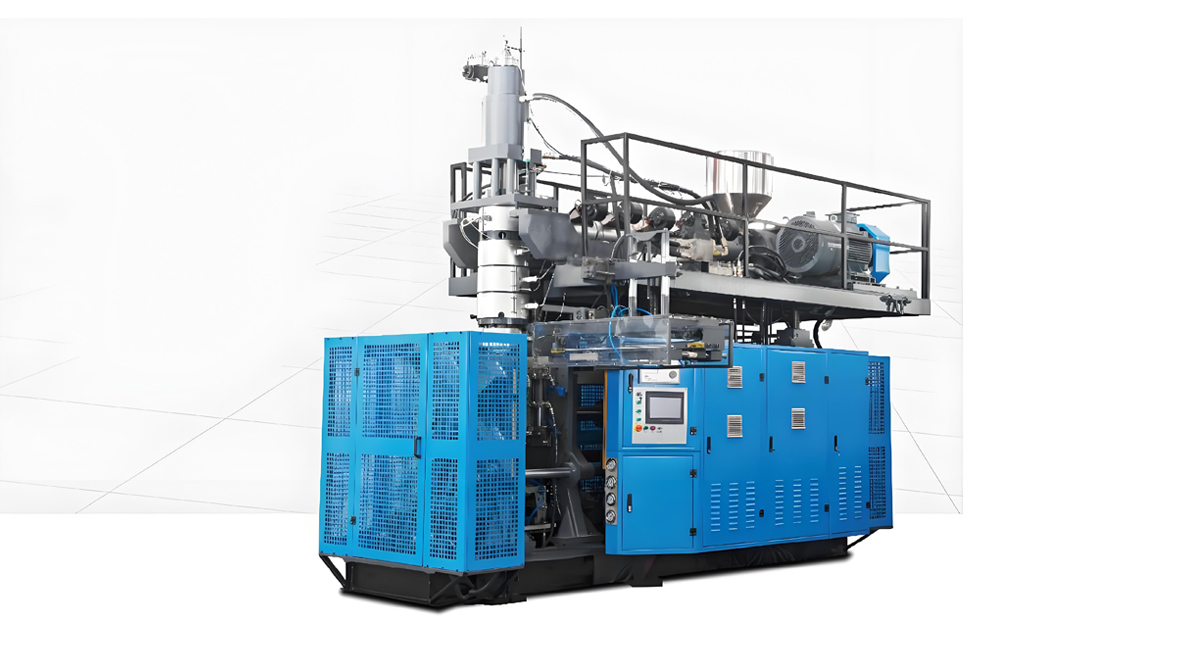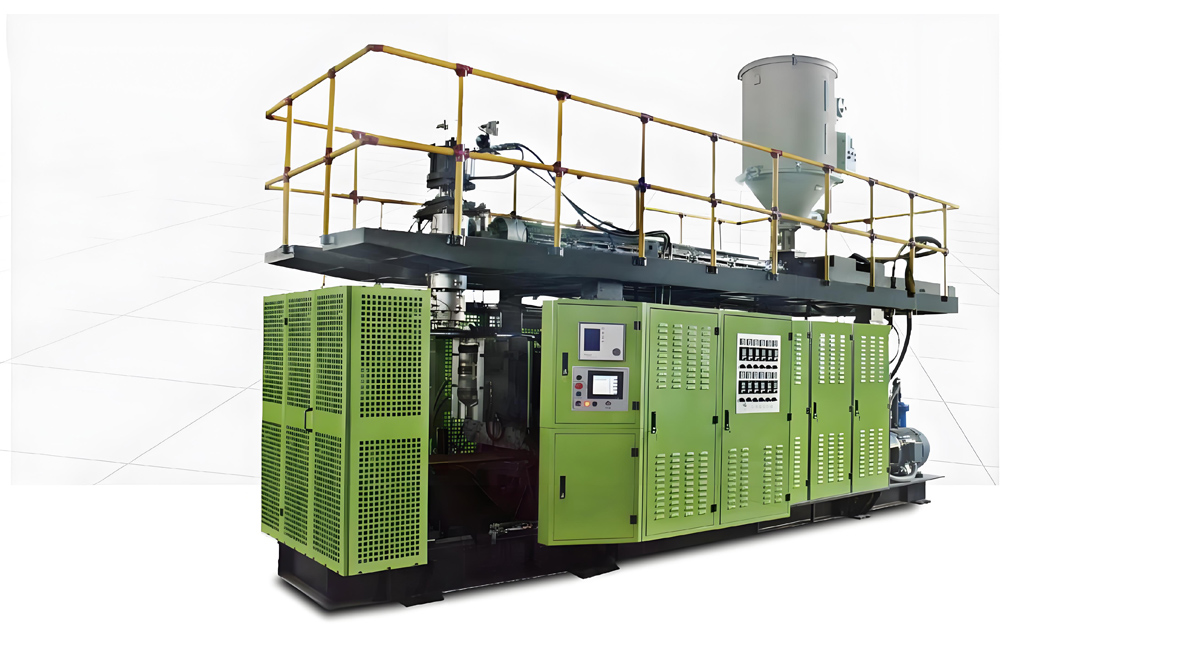

As a core packaging carrier for daily chemical products, the production quality of detergent bottles directly affects the storage stability, user experience and brand image of the products. Detergent bottles are mostly made of plastic materials such as polyethylene (PE), polypropylene (PP), and polyethylene terephthalate (PET), processed by injection molding, blow molding and other processes. In the whole process from raw material pretreatment to finished product delivery, various quality problems are likely to occur due to the influence of multiple factors such as raw material characteristics, equipment parameters, process control and environmental conditions. This article will systematically sort out the common problems in the production process of detergent bottles, analyze their causes and potential impacts, and provide references for quality control in the production link.
I. Problems Related to Raw Material Link
(I) Insufficient Purity of Raw Materials
Insufficient purity of raw materials is a source problem in the production of detergent bottles, mainly manifested by impurities mixed in the raw materials (such as dust, metal debris, other plastic particles) or excessive proportion of recycled materials. The main causes include inadequate quality control in the raw material procurement link, incomplete screening and purification of recycled materials, and unclean raw material storage environment. Such problems will directly affect the appearance quality of detergent bottles, leading to defects such as black spots, spots and color differences on the bottle body; at the same time, the existence of impurities will destroy the uniformity of plastic molecules, reduce the mechanical properties of the bottle body, and make the bottles prone to cracking and damage during transportation or use. If the impurities are harmful pollutants, they may also cause safety hazards due to contact with detergents.
Solutions:
1. Strictly control raw material procurement, select qualified suppliers with stable quality, sign clear quality agreements, and conduct sampling inspection on each batch of raw materials to ensure they meet the purity standards;
2. Standardize the processing process of recycled materials, use high-precision screening equipment (such as vibrating screens, magnetic separators) to remove impurities, control the addition ratio of recycled materials (generally not exceeding 30% of new materials), and fully mix them with new materials;
3. Optimize the raw material storage environment, keep the warehouse dry, clean and ventilated, stack raw materials away from dust and pollution sources, and use sealed packaging to prevent moisture absorption and impurity mixing.
(II) Unreasonable Raw Material Formula
The production of detergent bottles requires adjusting the raw material formula according to product needs, such as adding antioxidants, ultraviolet absorbers, tougheners and other additives. The problems of unreasonable formulas are mainly manifested by insufficient or excessive addition of additives and poor compatibility of different raw material components. For example, insufficient addition of antioxidants will lead to oxidative degradation of plastics due to high temperature during processing, affecting the strength of the bottle body; excessive addition of ultraviolet absorbers may lead to precipitates on the bottle body, polluting the detergent. The main causes are lack of pertinence in formula design and insufficient consideration of the matching between raw material characteristics and processing technology. Formula problems will not only affect the durability and stability of the bottle body, but also may cause the product to fail to meet relevant safety standards.
Solutions:
1. Conduct precise formula design based on raw material characteristics and product application scenarios. For example, appropriately increase the addition amount of ultraviolet absorbers for detergent bottles used outdoors, and increase the proportion of tougheners for heavy-duty bottles. Conduct small-scale and pilot tests to verify the feasibility of the formula when necessary;
2. Strictly control the quality and addition accuracy of additives, use automatic metering equipment for batching to avoid errors caused by manual addition;
3. Ensure the compatibility of raw material components, conduct compatibility tests on different components before procurement to avoid performance degradation due to component conflicts.
II. Common Problems in Molding Processing Link
(I) Out-of-Control of Injection Molding/Blow Molding Process Parameters
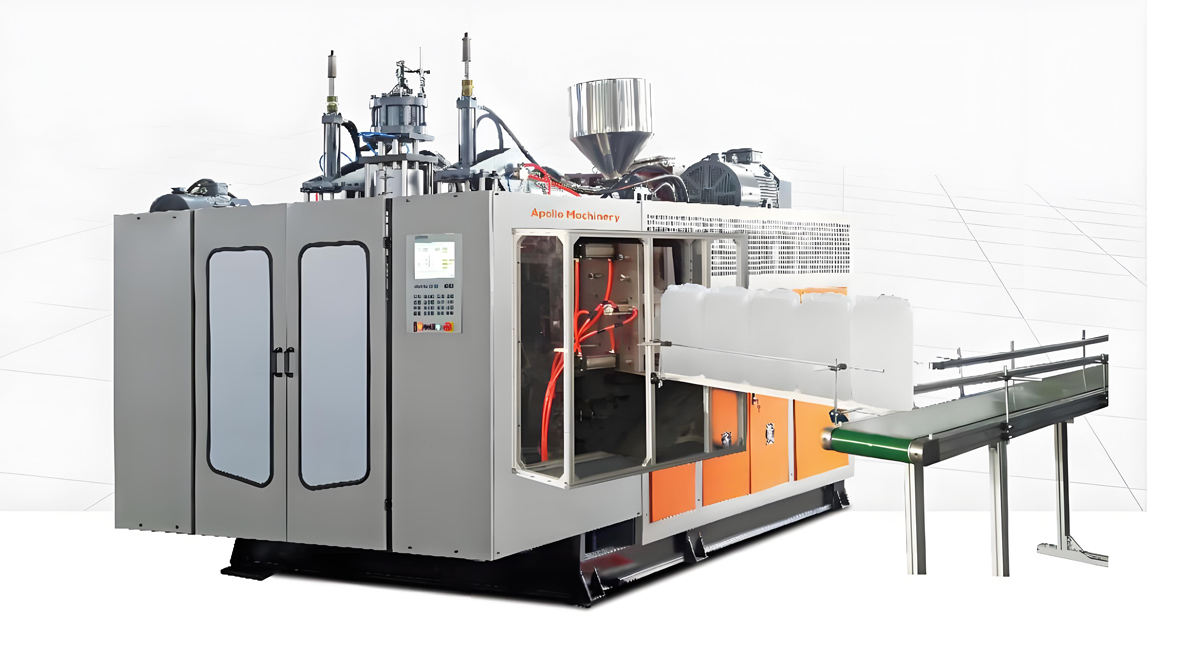
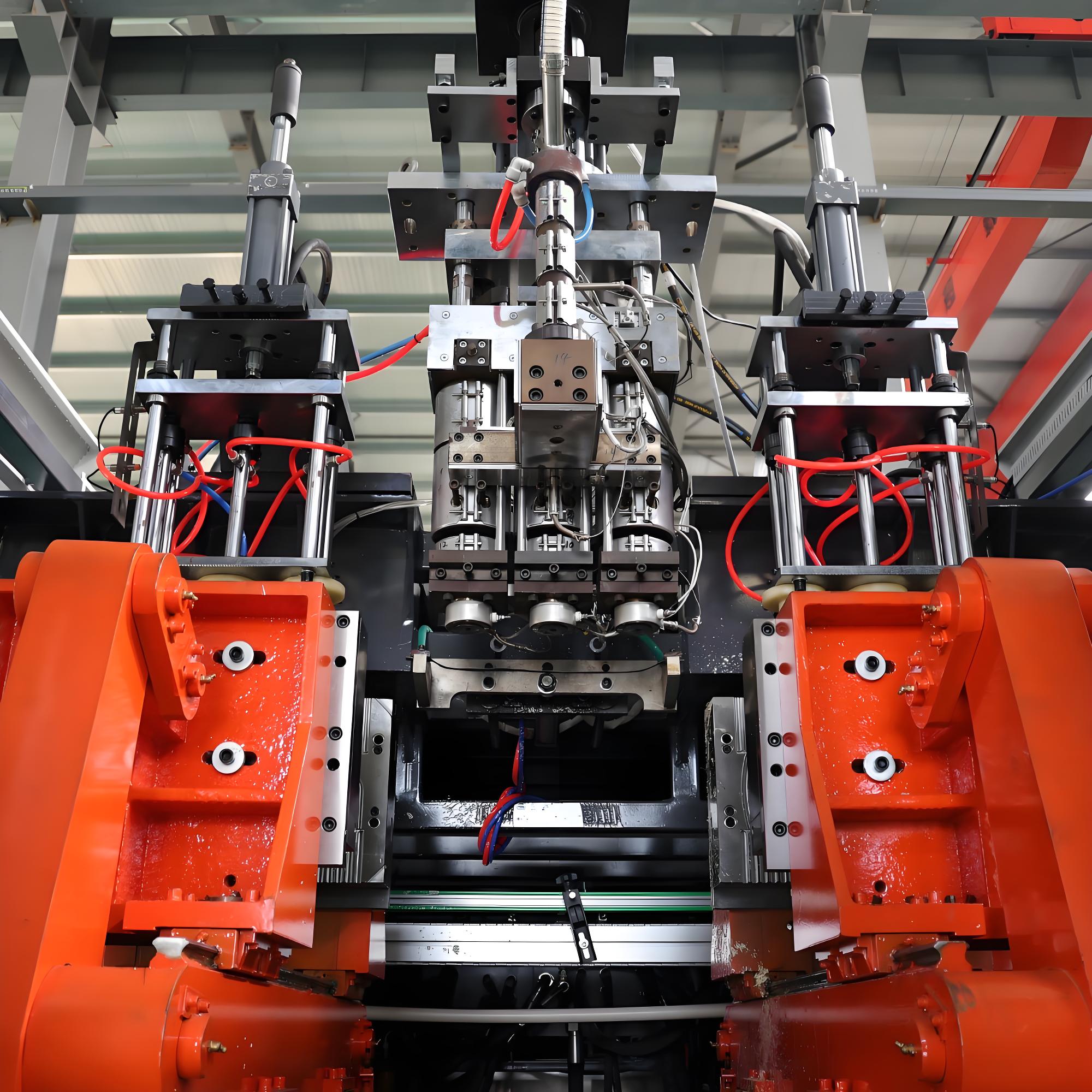
Injection molding (for bottle caps and preforms) and blow molding (for bottle body forming) are the core processes in the production of detergent bottles. Out-of-control process parameters will cause various problems, and the specific manifestations and causes are as follows:
1. Uneven Wall Thickness of Bottle Body: This is one of the most common problems in the blow molding process, manifested by excessive thickness differences in different parts of the bottle body, and too thin stress-concentrated parts such as shoulders and bottoms, which easily lead to insufficient pressure resistance, deformation or leakage of the bottle. The main causes are unreasonable design of blow molding mold cavity, excessive blow-up ratio, uneven melt temperature, unstable blowing pressure or improper blowing timing.
Solutions:
Optimize the design of the mold cavity, reasonably set the gate position and runner structure to ensure uniform distribution of the melt;
Adjust the blow-up ratio to a reasonable range (generally 2-4:1);
Use an extruder with section temperature control to ensure uniform melt temperature;
Install a high-precision air pressure control system to stabilize the blowing pressure, and determine the optimal blowing timing through mold testing, usually blowing after the melt reaches the predetermined temperature and is initially formed.
2. Bubbles and Shrinkage Cavities in Preforms/Bottle Bodies: Manifested by bubbles and depressions inside or on the surface of the bottle body. In the injection molding link, insufficient drying of raw materials (excessive moisture content), excessive melt temperature leading to gas generation from raw material decomposition, and poor mold exhaust will all cause bubble problems; in the blow molding link, insufficient blowing pressure and poor melt fluidity may also lead to bubbles. Shrinkage cavities are mostly caused by uneven cooling speed and inconsistent shrinkage of plastic melt. Such problems will reduce the sealing performance and mechanical strength of the bottle body, affecting the storage safety of the product.
Solutions:
Fully dry the raw materials before injection molding. The drying temperature of PE/PP raw materials is controlled at 80-100℃ for 2-4 hours, and the drying temperature of PET raw materials is 120-140℃ for 4-6 hours;
Reasonably control the melt temperature to avoid exceeding the raw material decomposition temperature, and reduce the screw speed to reduce shear heat generation if necessary;
Optimize the mold exhaust system, and add exhaust grooves (depth 0.01-0.03mm) in areas where gas is likely to accumulate;
Increase the blowing pressure to a reasonable range during blow molding to improve melt fluidity;
Adopt a uniform cooling system and adjust the distribution of mold cooling water channels to ensure uniform shrinkage of the plastic melt.
3. Deformation and Warpage of Bottle Body: Manifested by irregular overall bottle body, skewed bottle mouth, concave bottle bottom, etc. The causes include excessive mold temperature or insufficient cooling time, leading to insufficient cooling and setting of plastics; excessive or uneven injection molding/blow molding pressure, resulting in residual stress inside the bottle body; insufficient mold positioning accuracy, leading to deviation of preform or bottle body position during molding. Deformed bottles will affect the subsequent filling and capping processes, reduce production efficiency, and also affect the appearance of the product.
Solutions:
Reasonably set the mold temperature, adjust the cooling time according to the raw material characteristics, and ensure that the plastic is completely set before demolding. Generally, the cooling time accounts for 50%-70% of the molding cycle;
Optimize the injection molding/blow molding pressure parameters, adopt section pressure control to reduce pressure fluctuations and residual stress of the bottle body;
Regularly check and calibrate the mold positioning device to ensure the mold clamping accuracy and avoid deviation of preform or bottle body during molding;
Perform stress relief treatment on the formed bottle body, such as slow cooling after appropriate heating and heat preservation.
4. Deviation of Bottle Mouth Size: The bottle mouth is a key part for the matching of detergent bottles and bottle caps. Size deviation is manifested by excessive/insufficient bottle mouth diameter, irregular threads, and uneven bottle mouth plane. The main causes are insufficient precision of injection mold cavity size, mold wear, excessive fluctuation of melt temperature, and unstable injection pressure. Deviation of bottle mouth size will lead to poor sealing of the bottle cap, resulting in liquid leakage; if the thread is damaged, it will also affect the opening and use by consumers.
Solutions:
Use high-precision processing equipment to make molds to ensure that the cavity size tolerance is within ±0.01mm;
Regularly check the mold wear, and repair or replace the worn parts;
Install temperature and pressure control systems to stabilize the melt temperature and injection pressure and reduce fluctuations;
Add cooling water channels at the mold mouth to ensure rapid setting of the bottle mouth and improve dimensional accuracy.
(II) Mold-Related Problems
Mold quality directly determines the molding quality of detergent bottles. Common problems include mold cavity wear, unclean mold surface, blockage of mold exhaust channels, and failure of mold cooling system. Mold cavity wear will lead to unsmooth surface and reduced dimensional accuracy of the bottle body; unclean mold surface (residual raw material impurities, oil stains) will cause scratches and stains on the bottle body; blockage of exhaust channels will lead to inability to discharge gas during molding, causing defects such as bubbles and depressions; cooling system failure will lead to uneven plastic cooling speed, resulting in deformation, shrinkage cavities and other problems. In addition, unreasonable mold design (such as complex cavity structure and too small fillet) will also increase the difficulty of molding, leading to potential problems such as stress concentration and cracking of the bottle body.
Solutions:
Establish a regular mold maintenance system, regularly clean, polish and lubricate the mold to avoid impurity residue and surface wear;
Regularly clean the mold exhaust channels to ensure smooth exhaust;
Check the cooling system pipelines, and timely repair faults such as water leakage and blockage to ensure uniform circulation of cooling medium;
Optimize the mold design, simplify the complex cavity structure, increase the fillet radius (generally not less than 2mm) to reduce stress concentration;
Regularly conduct precision testing and calibration on the mold to ensure it meets the production requirements.
III. Problems in Surface Treatment and Printing Link
(I) Insufficient Surface Finish
Insufficient surface finish of detergent bottles is manifested by fogging, roughness and scratches on the bottle body. The causes include precipitation of additives in raw materials, rough or oily mold surface, low melt temperature during molding leading to poor fluidity, and adhesion between the bottle body and the mold during cooling. Insufficient surface finish not only affects the product appearance, but also may lead to reduced adhesion of printing ink and printing peeling problems.
Solutions:
Control the addition amount of additives in raw materials to avoid excessive precipitation;
Regularly polish the mold surface to keep the surface roughness Ra ≤ 0.8μm, and clean the mold surface to remove oil stains and impurities before molding;
Appropriately increase the melt temperature to improve melt fluidity;
Spray mold release agent on the mold surface (products that meet food contact standards should be selected) to avoid adhesion between the bottle body and the mold;
Optimize the cooling process to avoid fogging on the surface caused by too fast cooling speed.
(II) Printing Defects
Printing is an important link for detergent bottles to realize brand identification and product information transmission. Common defects include blurred printing, inaccurate color registration, ink peeling, missing printing, double images, etc. The main causes are: insufficient corona treatment of the bottle body surface (insufficient surface tension), leading to inability of ink to adhere firmly; insufficient precision of printing plate roller, unstable printing pressure, mismatch between printing speed and ink drying speed; poor ink quality or improper ink dilution ratio; unreasonable control of temperature and humidity in the printing environment (high humidity easily leads to slow ink drying, and high temperature easily leads to ink discoloration). Printing defects will directly affect the brand image of the product; if the ink peels off, it may also pollute the detergent and cause safety problems.
Solutions:
Fully corona treat the bottle body surface before printing to ensure the surface tension reaches 38-42mN/m, and print in time after treatment to avoid surface pollution;
Use high-precision plate rollers, regularly check and calibrate printing equipment, stabilize printing pressure and speed, and adjust drying temperature and time according to ink characteristics to ensure matching between printing speed and drying speed;
Select high-quality inks that meet food contact standards, and strictly control the dilution ratio according to the requirements of ink manufacturers;
Control the temperature of the printing workshop at 20-25℃ and the relative humidity at 50%-60%, and equip with temperature and humidity control equipment.
IV. Problems in Assembly and Inspection Link
(I) Mismatch Between Bottle Cap and Bottle Body Assembly
Manifested by difficulty in screwing the bottle cap, loosening after screwing, displacement or falling off of the gasket. The causes include size deviation between the bottle cap and the bottle mouth, insufficient precision of bottle cap thread processing, improper selection or inconsistent size of gasket material, and unstable mechanical pressure during assembly. Such problems will lead to reduced sealing performance of the detergent bottle, resulting in liquid leakage, affecting the storage and transportation safety of the product.
Solutions:
Strictly control the dimensional accuracy of the bottle cap and bottle mouth to ensure the fit gap between them is within 0.02-0.05mm;
Improve the precision of bottle cap thread processing, adopt rolling forming process instead of cutting forming to ensure regular threads;
Select appropriate gasket material (such as acid and alkali resistant EPDM material) according to the characteristics of the detergent, and ensure the gasket size matches the bottle mouth;
Optimize the assembly process, use automatic assembly equipment to stabilize mechanical pressure and avoid displacement or damage of the gasket;
Conduct sampling sealing tests (such as negative pressure test, water immersion test) after assembly to ensure qualified sealing performance.
(II) Omissions in Quality Inspection
Omissions in quality inspection are not directly caused by the production process, but will lead to unqualified products flowing into the market. It is manifested that detergent bottles with appearance defects, size deviations, poor sealing and other problems are not detected. The main causes are unclear inspection standards, insufficient precision of inspection equipment, weak sense of responsibility of manual inspection, and irregular inspection processes (such as failure to conduct sampling pressure resistance tests and sealing tests on finished products). Inspection omissions will increase the risk of product recall, damage the brand reputation, and may bring troubles to consumers.
Solutions:
Formulate clear and detailed quality inspection standards, covering indicators such as appearance, size, mechanical properties and sealing performance, and equip with professional inspection equipment such as high-definition visual inspection equipment, high-precision calipers and pressure resistance testing machines;
Establish a three-level inspection system of “self-inspection, mutual inspection and special inspection”, strengthen the sense of responsibility of operators and inspectors, and carry out regular quality training;
Standardize the inspection process, conduct sampling inspection on each batch of finished products with a sampling ratio of not less than 3‰. The inspection items include appearance defect screening, size measurement, sealing test, pressure resistance test, etc. Unqualified batches need to be fully inspected and reworked;
Establish a quality traceability system, record and file inspection data to facilitate subsequent problem tracing.
V. Problems in Environment and Equipment Maintenance
(I) Improper Control of Production Environment
The temperature, humidity and cleanliness of the production environment have a great impact on the production quality of detergent bottles. High environmental humidity is likely to cause raw materials to absorb moisture, leading to bubble problems during molding; low temperature will affect melt fluidity and cooling setting effect; insufficient workshop cleanliness (such as excessive dust in the air) will cause pollution of raw materials and formed bottle bodies, resulting in appearance defects. The main causes are that the production workshop is not equipped with perfect environmental control equipment, or the environmental control process is not strictly implemented.
Solutions:
Install central air conditioning, dehumidifiers, humidifiers and other environmental control equipment in the production workshop to control the workshop temperature at 18-28℃ and relative humidity at 45%-65%;
Install air purification equipment (such as high-efficiency filters) to ensure the workshop cleanliness reaches 100,000-class standard;
Establish an environmental control account, arrange special personnel to regularly monitor temperature, humidity and cleanliness to ensure they meet production requirements;
Set isolation covers in the raw material feeding area and finished product storage area to avoid dust pollution.
(II) Insufficient Equipment Maintenance
The normal operation of production equipment such as injection molding machines, blow molding machines and printing machines is the basis for ensuring production quality. Insufficient equipment maintenance will lead to wear of equipment components, reduced precision and unstable operation, which will further cause a series of quality problems. For example, wear of the screw of the injection molding machine will lead to uneven melt transportation, leakage of the air pressure system of the blow molding machine will lead to unstable blowing pressure, and wear of the guide roller of the printing machine will lead to inaccurate color registration. The main causes are imperfect equipment maintenance plans, failure to conduct regular equipment inspection and calibration, and operators not using equipment in accordance with specifications.
Solutions:
Establish a sound equipment maintenance plan, clarify the items and standards of daily maintenance and regular inspection (weekly/monthly/annual), such as regularly checking the wear of the screw and barrel of the injection molding machine, the tightness of the air pressure system of the blow molding machine, and the roundness of the guide roller of the printing machine;
Equip professional equipment maintenance personnel to regularly calibrate and debug the equipment to ensure equipment precision;
Strengthen operator training, standardize equipment operation procedures, and avoid equipment damage caused by misoperation;
Establish an equipment maintenance account, record maintenance, inspection and fault handling to facilitate the whole-life cycle management of equipment.
VI. Summary and Countermeasure Suggestions
The problems in the production process of detergent bottles run through all links such as raw materials, molding, surface treatment, assembly and inspection. The causes involve multiple aspects such as raw material quality, equipment status, process parameters, environmental control and personnel operation. These problems not only affect the product appearance and use performance, but also may cause safety hazards and damage the corporate brand image. The previous article has put forward targeted solutions for specific problems in each link. On this basis, the following overall countermeasure suggestions are supplemented from the perspective of full-process control:
First, establish a full-process quality control system, integrate quality requirements into every link of raw material procurement, production and processing, and finished product inspection, and clarify the quality responsibilities of each post;
Second, strengthen investment in technological research and development, regularly introduce advanced production equipment and testing technologies, optimize production processes, and improve the stability of product quality;
Third, strengthen personnel management, carry out regular skill training and quality awareness training, and improve the professional quality of operators and managers;
Fourth, establish a quality problem feedback and improvement mechanism, timely analyze the causes of quality problems in the production process, formulate rectification measures, and continuously optimize the production process.
Through full-process and all-round quality control and continuous improvement, the incidence of problems in the production process of detergent bottles can be effectively reduced, product quality can be improved, and the market competitiveness of enterprises can be enhanced.