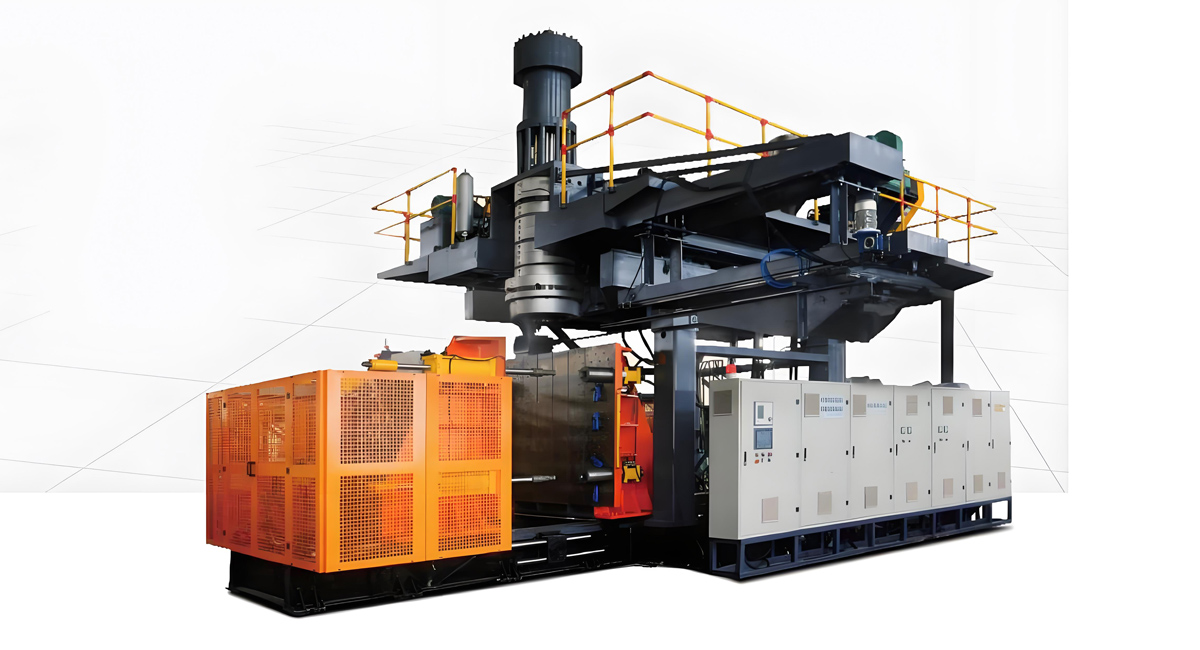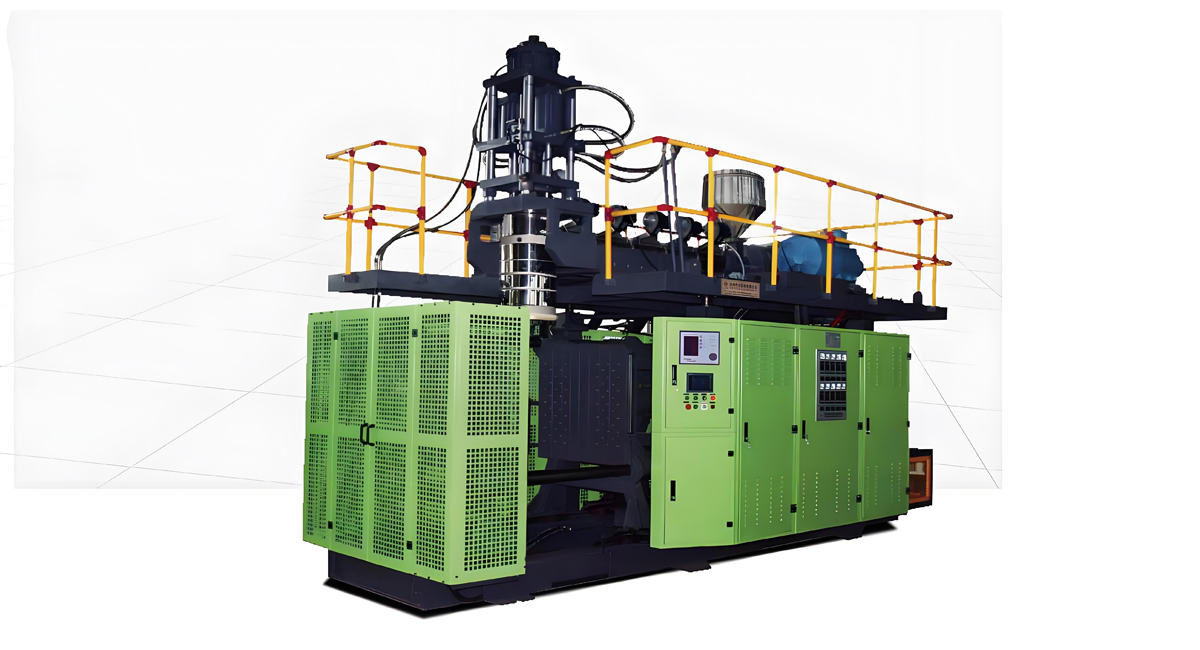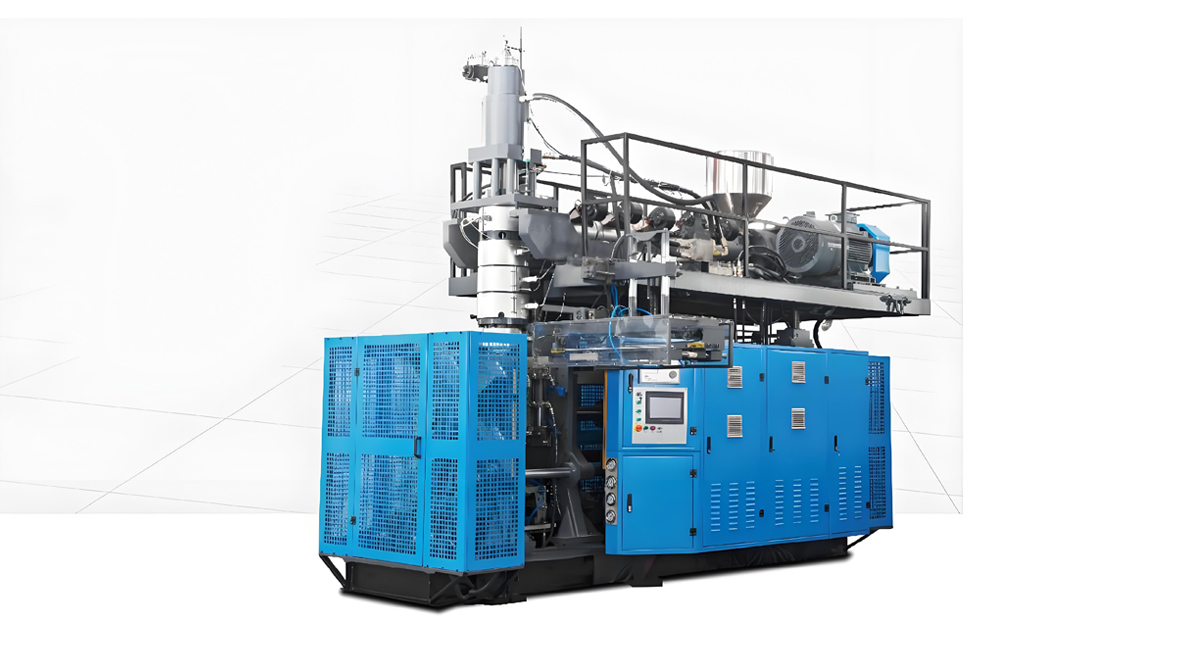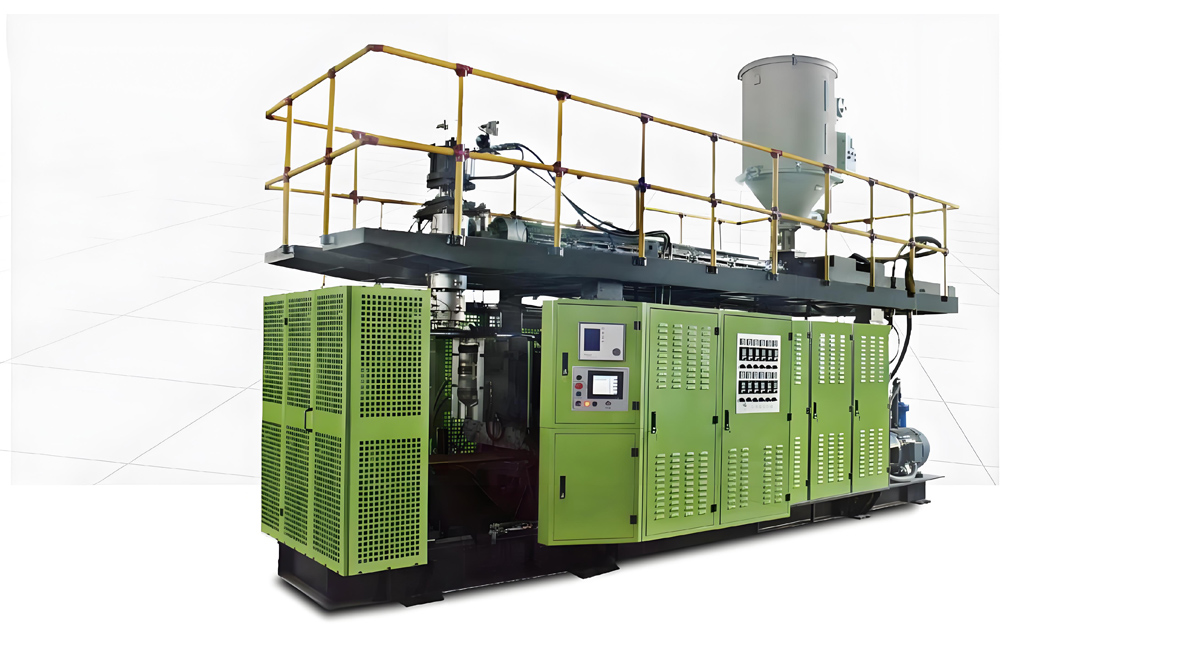
Introduction to Extrusion Blow Molding Machine Types
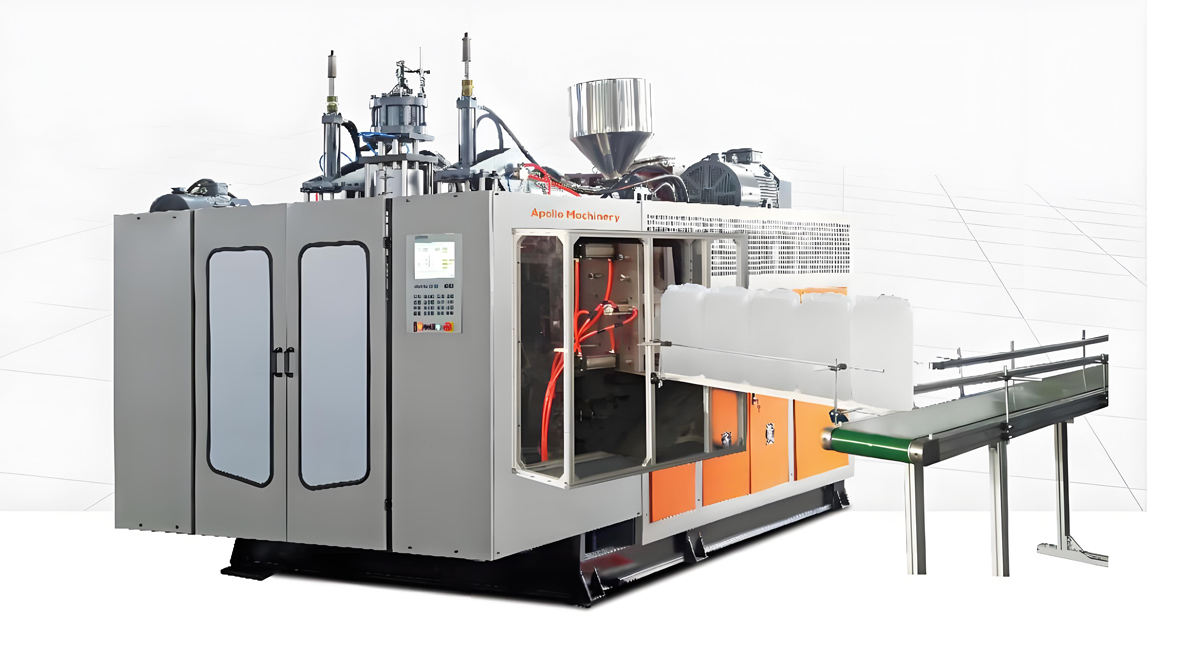
Choosing between automatic and semi-automatic extrusion blow molding machines is a critical decision for any plastic manufacturing operation. The choice will impact production efficiency, labor requirements, product consistency, and overall profitability. Apollo Machinery, with over 20 years of experience producing both automatic and semi-automatic extrusion blow molding machines, understands that there is no one-size-fits-all solution. The decision depends on factors including production volume, product complexity, available labor resources, and overall business strategy. This comprehensive guide will compare automatic and semi-automatic extrusion blow molding machines, exploring their differences in operation, performance, cost, and application suitability. With insights from Apollo’s extensive industry experience and over 4,000 machines operating in 90+ countries, this guide will help manufacturers make informed decisions about the right equipment for their specific needs.
Understanding Extrusion Blow Molding Machine Categories
Before comparing automatic and semi-automatic machines, it’s important to understand the basic classification of extrusion blow molding equipment:
Manual Extrusion Blow Molding Machines
The most basic type of equipment requiring significant manual labor: Manual loading and unloading of molds Hand-controlled plastic extrusion process Limited production capacity and consistency Typically used for small-scale production or prototyping
Semi-Automatic Extrusion Blow Molding Machines
Combines automated processes with manual operation: Automatic plastic extrusion and mold closing Manual loading of preforms and unloading of finished products Balance between automation and operator control Common in medium-scale production environments
Automatic Extrusion Blow Molding Machines
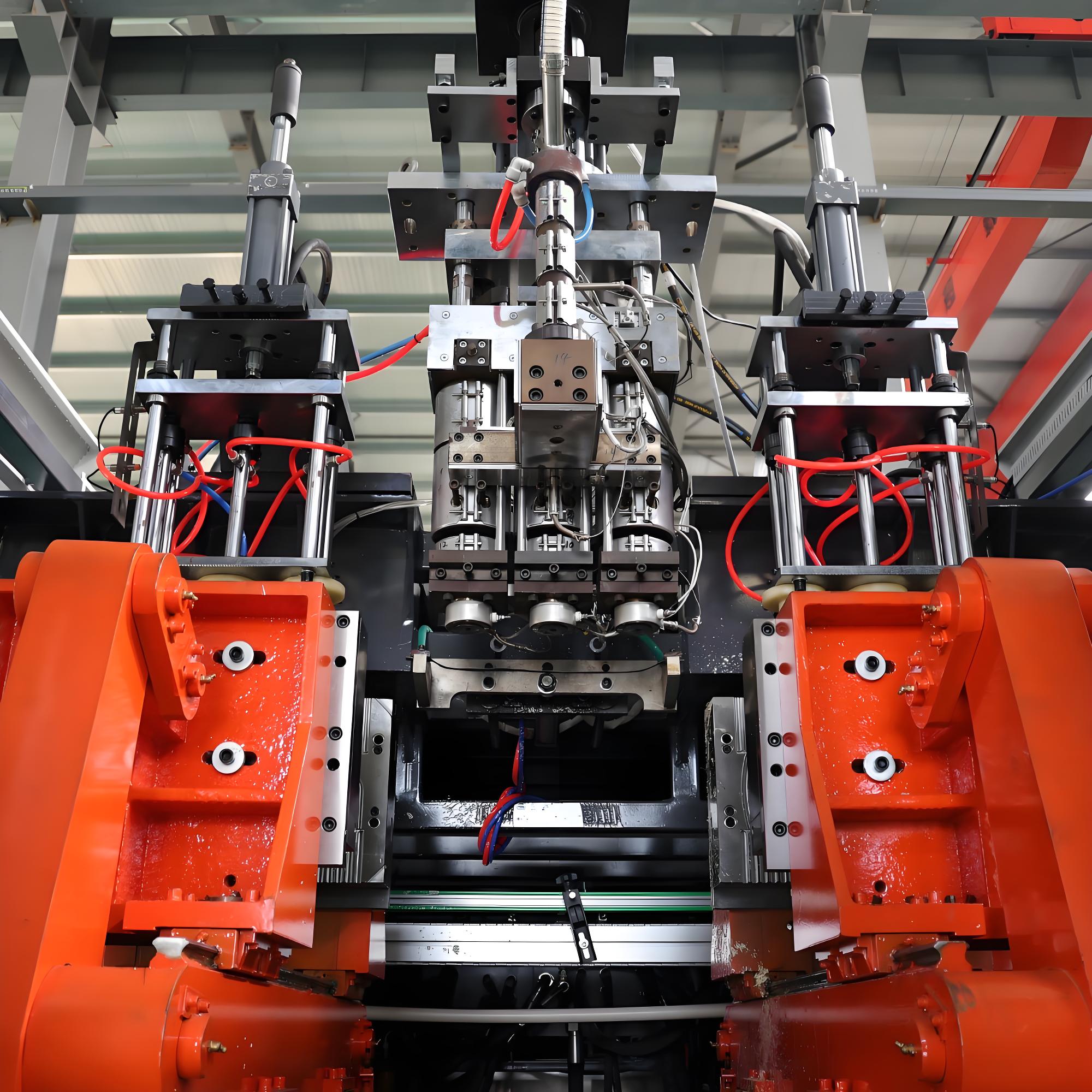
Fully automated production process with minimal operator intervention: Complete automation of extrusion, mold closing, and product handling Advanced control systems for precise production parameters High production output with consistent quality Ideal for large-scale, high-volume production
Fully Electric Extrusion Blow Molding Machines
The latest generation of automatic machines using electric drives: Elimination of hydraulic systems for improved energy efficiency Precision control of all machine movements Low noise and reduced maintenance requirements Advanced automation capabilities for complex production processes
Operational Differences: Automatic vs Semi-Automatic
The most significant differences between automatic and semi-automatic machines lie in their operational characteristics and level of human intervention required.
Production Process Automation
Semi-automatic machine operation typically involves: Manual preparation of molds and raw materials Automatic extrusion and mold closing under operator supervision Manual removal of finished products from molds Periodic machine adjustments and parameter changes by operators Automatic machine operation provides: Complete process automation from material feeding to finished product collection Computer-controlled production parameters with minimal human intervention Integrated robotic systems for mold handling and product packaging Remote monitoring and diagnostics capabilities for predictive maintenance
Operator Responsibilities
For semi-automatic machines, operators must: Monitor production process and quality parameters Load and unload molds and products as needed Perform routine maintenance and cleaning tasks Adjust machine parameters as required for different products With automatic machines, operator roles shift to: Overseeing overall production process and system performance Managing raw material supply and waste disposal Performing regular maintenance and system calibration Troubleshooting technical issues when they arise
Control System Complexity
Semi-automatic machines feature: Basic control panels with simple parameter adjustment options Limited production data collection and reporting capabilities Manual override options for operator control Simpler programming requirements for production changes Automatic machines incorporate advanced control systems: Intuitive touchscreen interfaces with comprehensive monitoring tools Advanced data logging and production analysis capabilities Remote access and control features for off-site management Complex programming for custom production sequences and parameters
Production Line Integration
Semi-automatic machines typically operate as standalone units: Limited integration capabilities with other production equipment Manual transfer of products between different production stages Simpler line layout and installation requirements Automatic machines are designed for complete production line integration: Seamless connection with material handling systems Integration with robotic packaging and labeling equipment Advanced communication protocols for factory-wide automation Centralized control of multiple production units
Production Performance Comparison
Production performance represents a critical factor in the decision between automatic and semi-automatic extrusion blow molding machines.
Production Speed and Efficiency
Semi-automatic machines offer: Production speeds limited by manual loading/unloading rates Typical output ranges of 10-30 cycles per minute for small products Production efficiency directly tied to operator skill and speed Lower overall throughput compared to automatic equipment Automatic machines provide: Significantly higher production speeds up to 60+ cycles per minute Consistent cycle times independent of operator performance Production output optimized through advanced motion control systems Higher overall equipment effectiveness (OEE) through reduced downtime
Product Quality and Consistency
Semi-automatic production quality depends heavily on operator skill: Potential variations in product dimensions and wall thickness Quality inconsistencies due to manual handling processes Higher scrap rates resulting from human error during production Dependency on operator training and quality control vigilance Automatic production ensures consistent quality: Precision control of all production parameters minimizing variations Uniform wall thickness distribution through advanced parison programming Reduced product defects through automated quality monitoring systems Consistent performance maintained over long production runs
Material Utilization Efficiency
Semi-automatic material usage characteristics: Material waste from manual trimming and handling processes Potential over-extrusion due to less precise control systems Variable material usage between different production cycles Typical material utilization rates of 80-85% for simple products Automatic machines optimize material usage: Advanced control systems minimizing plastic waste during extrusion Precision parison programming reducing material over-extrusion Automated trimming systems maximizing material recovery Material utilization rates often exceeding 95% for optimized processes
Production Flexibility and Versatility
Semi-automatic machines offer flexibility advantages: Simpler mold change processes for small production runs Easy adaptation to different product sizes and shapes Lower setup time for quick product changeovers Ideal for low-volume, high-variety production environments Automatic machines provide specialized high-volume production: Longer setup times for dedicated production runs Optimized for consistent production of similar products Greater complexity in product changeover processes Better suited for high-volume, low-variety production scenarios
Cost Considerations and Return on Investment
Cost analysis represents a crucial factor in selecting between automatic and semi-automatic extrusion blow molding machines.
Initial Equipment Investment
Semi-automatic machine costs typically range: Entry-level models starting at $15,000-$30,000 Mid-range semi-automatic machines $30,000-$50,000 Lower initial investment barrier for small manufacturers Simple infrastructure requirements with lower installation costs Automatic machine pricing structures: Basic automatic machines starting at $50,000-$80,000 Advanced fully automatic systems $80,000-$150,000 High-end fully electric machines $100,000-$200,000 Significantly higher initial investment for full automation
Labor Cost Analysis
Semi-automatic production labor requirements: Typically require 1-2 operators per machine Labor costs representing significant operational expense Dependency on skilled labor availability in local market Higher risk of labor shortages affecting production capacity Automatic production labor savings: Minimal operator requirements for multiple machines Labor cost reduction through process automation Reduced dependency on specialized manufacturing skills Shift to higher-skill maintenance and supervision roles
Energy and Maintenance Costs
Semi-automatic machine operational costs: Relatively simple maintenance requirements with lower costs Traditional hydraulic systems with higher energy consumption Simpler component design reducing repair complexity Typical annual maintenance costs of 2-3% of machine value Automatic machine cost characteristics: Advanced technology requiring specialized maintenance expertise Fully electric machines offering 20-30% energy cost savings Higher component precision potentially increasing repair costs Annual maintenance costs typically 3-5% of machine value
Total Cost of Ownership (TCO)
Calculating total cost of ownership involves considering: Initial purchase price and installation costs Annual labor expenses for operation and maintenance Energy consumption and utility costs over machine lifecycle Warranty coverage and spare parts costs Potential downtime costs and production losses Resale value of equipment at end of operational life For low-volume production, semi-automatic machines typically offer lower TCO due to reduced initial investment. For high-volume operations, automatic machines provide lower TCO through reduced labor and material costs over time.
Return on Investment (ROI) Analysis
Semi-automatic machine ROI characteristics: Faster payback period for small-scale production operations Lower overall investment with lower risk exposure ROI typically achieved within 2-3 years for well-managed operations Reduced impact of production volume fluctuations on profitability Automatic machine ROI considerations: Longer payback period due to higher initial investment Greater profitability potential for large-volume production ROI achieved within 3-5 years for optimized high-volume operations Higher sensitivity to production volume and market demand stability
Application Suitability: Choosing the Right Machine Type
The optimal machine type depends on specific production requirements and business objectives.
Small Business and Startup Considerations
Semi-automatic machines may be more suitable for: Limited initial capital investment capabilities Low to medium production volume requirements Flexibility to produce diverse product lines Availability of skilled labor in local market Need for quick return on initial investment
Mid-Size Manufacturing Operations
Mid-size manufacturers might consider: Semi-automatic machines for product diversity and flexibility Automatic machines for high-volume standard product lines Hybrid production strategies combining both machine types Balancing production efficiency with operational flexibility
Large-Scale Industrial Production
Automatic machines offer significant advantages for: High-volume production with consistent quality requirements Integration with comprehensive production line automation Reduced labor costs and improved production efficiency Advanced quality control and process optimization capabilities
Product-Specific Requirements
Product complexity and characteristics should also influence machine selection: Semi-automatic machines for: – Prototyping and small batch production – Complex custom products requiring manual intervention – Low-volume specialty product lines – Products with frequent design changes Automatic machines for: – High-volume standard product production – Consistently uniform product requirements – Integration with automated packaging systems – Production requiring minimal human contact (e.g., medical products)
Industry-Specific Considerations
Different manufacturing sectors have unique requirements: Food and beverage packaging: Automatic machines for consistent food safety compliance High-volume production needs for consumer goods packaging Integration with automated quality control systems Chemical and industrial products: Semi-automatic flexibility for diverse product requirements Manual oversight for specialized production processes Lower investment requirements for niche chemical applications Medical and pharmaceutical industries: Fully automatic systems for sterile production environments Precision control ensuring product consistency and compliance Integration with specialized packaging and inspection systems Automotive component manufacturing: High-volume production for standard automotive parts Automatic systems for consistent quality requirements Integration with just-in-time production supply chains
Case Studies: Real-World Applications
Small Business Success with Semi-Automatic Machines
A startup plastic packaging company in Canada invested in two semi-automatic extrusion blow molding machines to produce custom HDPE containers for local businesses. Key factors in their decision: Limited initial capital requiring lower investment entry point Need for production flexibility to handle diverse customer orders Availability of skilled labor in their local manufacturing community Short-term focus on building customer base with varied product offerings Results achieved: Successful business launch within budget constraints Rapid production start-up with minimal training requirements Ability to handle small and medium production runs efficiently Profitability achieved within first 18 months of operation
Mid-Size Manufacturer Transition to Automatic Production
A Mexican household chemical producer upgraded from semi-automatic to fully automatic machines to meet increasing demand for their cleaning product lines. Transition drivers: Rising labor costs increasing operational expenses Need for improved production consistency and quality High-volume production requirements for standard product lines Integration with automated packaging and distribution systems Outcomes realized: 30% reduction in labor costs through process automation 25% increase in overall production efficiency Significant improvement in product quality consistency Enhanced product safety through reduced human contact with materials
Large Industrial Operation with Fully Electric Automation
A German automotive supplier implemented fully electric automatic extrusion blow molding machines to produce complex plastic fuel tanks for European car manufacturers. Implementation benefits: Compliance with strict European environmental regulations 35% reduction in energy costs compared to previous hydraulic machines Precision control ensuring consistent product quality and safety Integration with advanced quality inspection and tracking systems
Comparing Apollo’s Machine Models: ABLB, ABLD and Fully Electric Series
Apollo offers a comprehensive range of extrusion blow molding machines to meet diverse production needs:
ABLB Series: Versatile Semi-Automatic Production
The ABLB series includes models suitable for both semi-automatic and automatic operation: Production capacity from 200ml to 20L for diverse product applications Flexible configuration options for manual or automatic operation Advanced control systems for production parameter optimization Suitable for both small-scale and mid-volume production environments
ABLD Series: Heavy-Duty Automatic Production
The ABLD series focuses on large-scale automatic production: Production capacity from 20L to 1500L for industrial applications Heavy-duty construction for continuous high-volume production Advanced automation features for process optimization Integration with material handling and packaging systems
Fully Electric Series: Advanced Automatic Technology
Apollo’s fully electric series represents the cutting edge of automatic production: Complete electric drive systems for energy efficiency and precision Advanced control technologies for complex production processes Reduced maintenance requirements and operating costs Suitable for specialized applications requiring high precision
Decision-Making Framework: Choosing Between Machine Types
A structured decision-making process can help manufacturers select the right machine type for their specific needs.
Assessment of Production Requirements
Evaluate key production parameters: Current and projected production volume needs Product diversity and changeover frequency requirements Quality control standards and consistency requirements Material handling and integration needs with existing systems
Financial Analysis and Budget Considerations
Conduct comprehensive financial analysis: Initial investment and total cost of ownership projections Labor and operational cost comparisons over machine lifecycle Return on investment analysis for different machine types Potential financing options and payment arrangements
Evaluation of Technical Capabilities
Compare machine technical specifications: Production speed and cycle time characteristics Precision and control system capabilities Energy efficiency and environmental impact metrics Maintenance requirements and spare parts availability
Human Resource Considerations
Assess labor requirements and availability: Current skilled labor pool and training requirements Future labor market trends and availability projections Organizational ability to manage advanced automation technology Potential impact on workforce structure and employee roles
Strategic Alignment with Business Goals
Ensure equipment selection aligns with long-term objectives: Market positioning and competitive strategy considerations Future expansion and production growth potential Technological adoption and innovation objectives Sustainability and environmental responsibility goals
Overcoming Challenges in Adopting Automatic Technology
Transitioning from semi-automatic to automatic production presents challenges that must be addressed:
Overcoming Initial Investment Barriers
Explore financing options including: Equipment leasing and financing programs Government grants and incentives for technology upgrades Supplier financing arrangements and flexible payment terms Strategic partnerships for shared investment and risk
Addressing Workforce Transition Issues
Manage workforce changes through: Comprehensive operator training and development programs Job transition assistance for employees affected by automation Communication strategies to address workforce concerns Skill development for maintenance and technical support roles
Managing Technical Integration Complexities
Ensure smooth technology integration through: Comprehensive facility evaluation and preparation Engaging experienced system integrators for installation Phased implementation approach to minimize disruption Comprehensive testing and validation before full production
Mitigating Transition Risks
Reduce transition risks through: Pilot projects to test automatic technology implementation Phased adoption strategy to maintain production continuity Backup systems and contingency planning during transition Comprehensive support from equipment suppliers during changeover
Future Trends in Extrusion Blow Molding Automation
The extrusion blow molding industry continues to evolve with advances in automation technology:
Industry 4.0 Integration
Emerging trends include: Industrial Internet of Things (IIoT) connectivity for data-driven production Artificial intelligence applications for predictive maintenance Big data analytics for production optimization Digital twin technology for virtual production simulation
Advanced Robotic Systems
Robotics technology is transforming extrusion blow molding: Integrated robotic systems for product handling and packaging Collaborative robots working alongside human operators Advanced vision systems for quality inspection and defect detection Autonomous mobile robots for material transport within facilities
Energy Efficiency Improvements
The industry continues to focus on sustainable production: Development of next-generation fully electric machines Energy recovery systems capturing waste energy Advanced heating technologies reducing overall energy consumption Carbon footprint reduction through process optimization
Customized Automation Solutions
Manufacturers are offering tailored automation options: Modular machine design allowing flexible automation upgrades Scalable solutions matching specific production needs Industry-specific automation packages for targeted applications Hybrid systems combining manual and automatic operation modes
Conclusion: Making the Right Machine Choice
Choosing between automatic and semi-automatic extrusion blow molding machines requires careful consideration of production requirements, financial constraints, and long-term business objectives. There is no universal “better” machine type – the optimal choice depends on the specific circumstances of each manufacturing operation. Semi-automatic machines offer advantages in flexibility, lower initial investment, and suitability for low-volume, high-variety production. Automatic machines provide benefits in production efficiency, consistent quality, and cost savings for high-volume, standard product manufacturing. Apollo Machinery’s comprehensive product line includes both semi-automatic and automatic extrusion blow molding machines to meet diverse production needs. With extensive industry experience and global customer support, Apollo can help manufacturers select and implement the right machine type to achieve their production goals. As extrusion blow molding technology continues to advance, manufacturers must balance technological innovation with practical considerations of cost, labor availability, and market demand. By carefully evaluating all relevant factors and working with experienced equipment suppliers, manufacturers can make informed decisions that support their long-term business success and competitiveness in the global plastic manufacturing industry.