Introduction
China has emerged as a global powerhouse in extrusion blow molding machine manufacturing, offering exceptional OEM (Original Equipment Manufacturer) capabilities that enable companies worldwide to establish and expand their equipment brand presence. The combination of advanced manufacturing technology, competitive pricing structures, and flexible customization options has positioned Chinese manufacturers as preferred partners for global companies seeking OEM solutions. This comprehensive guide examines the OEM capabilities available from Chinese manufacturers, with particular focus on Apollo’s extensive experience and proven track record in delivering customized extrusion blow molding machines under private label arrangements.
OEM partnerships with Chinese extrusion blow molding machine manufacturers provide strategic advantages including access to advanced technology, reduced development time, lower capital investment, and ability to focus on core business competencies while leveraging specialized manufacturing expertise. The OEM model allows companies to establish their brand identity in markets worldwide without the substantial capital investment and technical expertise required for in-house machine manufacturing. Apollo, with over 20 years of manufacturing experience and more than 4,000 machines operating in over 90 countries, represents an ideal OEM partner with proven capabilities and global support infrastructure.
The decision to pursue OEM manufacturing partnerships involves careful evaluation of technical capabilities, quality standards, delivery performance, and cost structures. This guide provides comprehensive analysis of these factors, drawing from Apollo’s extensive experience as both an OEM manufacturer and direct equipment supplier. Understanding the full spectrum of OEM capabilities enables companies to make informed decisions that support their strategic objectives and market positioning.
Understanding OEM Manufacturing in Extrusion Blow Molding Industry
OEM manufacturing in the extrusion blow molding industry encompasses a wide range of collaboration models from simple branding to comprehensive customization involving machine design, performance specifications, and feature sets tailored to specific market requirements. The complexity and scope of OEM arrangements varies significantly based on the brand partner’s technical expertise, market requirements, and strategic objectives.
OEM Partnership Models
The OEM manufacturing relationship typically follows one of several partnership models, each offering different levels of customization and involvement from the brand partner. Understanding these models helps companies select the most appropriate arrangement for their specific situation and objectives.
Private label branding represents the simplest form of OEM partnership, where the manufacturer produces standard machines under the brand partner’s nameplate and marketing materials. In this model, the brand partner focuses on marketing, sales, and customer service while the manufacturer handles all design, engineering, and production activities. Apollo frequently provides this service to companies that want to establish equipment presence without developing manufacturing capabilities. Typical pricing for private label arrangements involves a 10-15% premium over standard machine pricing to cover additional documentation, brand-specific testing, and documentation requirements.
Custom specification OEM involves tailoring machine specifications to meet the brand partner’s specific performance requirements while utilizing the manufacturer’s established design platforms. This model enables brand differentiation through performance characteristics while leveraging the manufacturer’s proven technology. Apollo’s modular machine design facilitates customization of key parameters including output capacity, automation level, material compatibility, and control system features. Custom specification projects typically add 15-25% to development costs and may add 5-10% to unit costs depending on the extent of customization.
Co-design OEM represents the most comprehensive partnership model where brand partners and manufacturers collaborate on machine design, creating unique solutions that address specific market needs. This model requires significant technical collaboration and typically involves longer development timelines but can result in highly differentiated products with strong competitive advantages. Apollo’s engineering team frequently engages in co-design projects, particularly for specialized applications such as medical device production, automotive components, or innovative packaging solutions. Co-design projects typically require 18-24 months development time and add 30-50% to development costs, but can deliver products with superior market positioning and profit potential.
Strategic Advantages of Chinese OEM Manufacturing
Chinese extrusion blow molding machine manufacturers offer compelling strategic advantages that make OEM partnerships increasingly attractive for global companies. These advantages extend beyond simple cost savings to include technology access, time-to-market benefits, and flexible production capabilities.
Advanced manufacturing capabilities in China have evolved dramatically over the past two decades, with companies like Apollo investing heavily in state-of-the-art manufacturing facilities and engineering capabilities. Apollo’s factory in Zhangjiagang features 8,000 square meters of manufacturing space equipped with advanced CNC machining centers, precision assembly equipment, and comprehensive testing facilities. This investment enables production of high-precision components and reliable machine assembly meeting international quality standards. The advanced manufacturing infrastructure supports rapid prototyping, flexible production scheduling, and consistent quality across production runs.
Supply chain advantages in China provide significant cost and flexibility benefits. The concentration of component suppliers in China’s manufacturing regions enables rapid procurement of high-quality components at competitive prices. Apollo’s long-standing relationships with suppliers of electrical components, hydraulic systems, and precision machining enable quick turnaround times for customized components while maintaining cost advantages. The mature supply chain also supports rapid scaling when market demand increases, as Apollo demonstrated by ramping production from 50 to 100 machines annually while maintaining quality and delivery performance.
Engineering expertise in China has developed to world-class levels, particularly in companies like Apollo with long-term focus on extrusion blow molding technology. Apollo’s engineering team combines deep domain knowledge with advanced analytical tools including finite element analysis, computational fluid dynamics, and advanced control system design. This expertise enables development of innovative solutions for complex applications while maintaining proven reliability. The engineering team’s experience across diverse markets provides insight into global requirements and preferences, enabling development of machines that succeed across different regional markets.
Quality Standards and Certifications
Quality assurance represents a critical consideration for OEM partnerships, as brand partners entrust their reputation to the manufacturer’s quality systems. Leading Chinese manufacturers like Apollo have invested significantly in quality systems, certifications, and testing capabilities to meet and exceed international standards.
Apollo maintains comprehensive quality management systems certified to ISO 9001 standards, ensuring consistent processes and continuous improvement across all aspects of manufacturing. The quality system encompasses incoming material inspection, in-process quality control, final machine testing, and post-delivery support. Each machine undergoes comprehensive testing including performance verification, accuracy testing, and extended operation testing before shipment. This rigorous testing ensures that machines meet specifications and deliver reliable performance from day one of operation.
Certifications from international organizations provide assurance of compliance with global standards. Apollo machines carry CE certification for European markets, demonstrating compliance with safety, electromagnetic compatibility, and machinery directives. Additional certifications include UL listing for North American applications and regional certifications as required by specific markets. These certifications facilitate market access and reduce regulatory barriers for brand partners expanding into new markets.
Testing capabilities enable verification of machine performance against specifications and customer requirements. Apollo’s testing laboratory includes equipment for precise measurement of production capacity, energy consumption, dimensional accuracy, and product quality. The laboratory also supports environmental testing for temperature extremes, humidity, and power variations that machines may encounter in different operating environments. Comprehensive testing documentation provides traceability and confidence in machine performance across varied operating conditions.
Apollo’s OEM Capabilities and Customization Options
Apollo has developed extensive OEM capabilities through 20 years of serving global markets, including numerous OEM partnerships with companies worldwide. This experience has enabled development of flexible manufacturing processes, comprehensive customization capabilities, and proven support infrastructure that enables successful OEM partnerships.
Machine Customization Capabilities
Apollo’s modular machine design enables extensive customization while maintaining proven reliability and cost-effectiveness. The customization capabilities span virtually every aspect of machine configuration, allowing brand partners to create differentiated products that meet specific market needs.
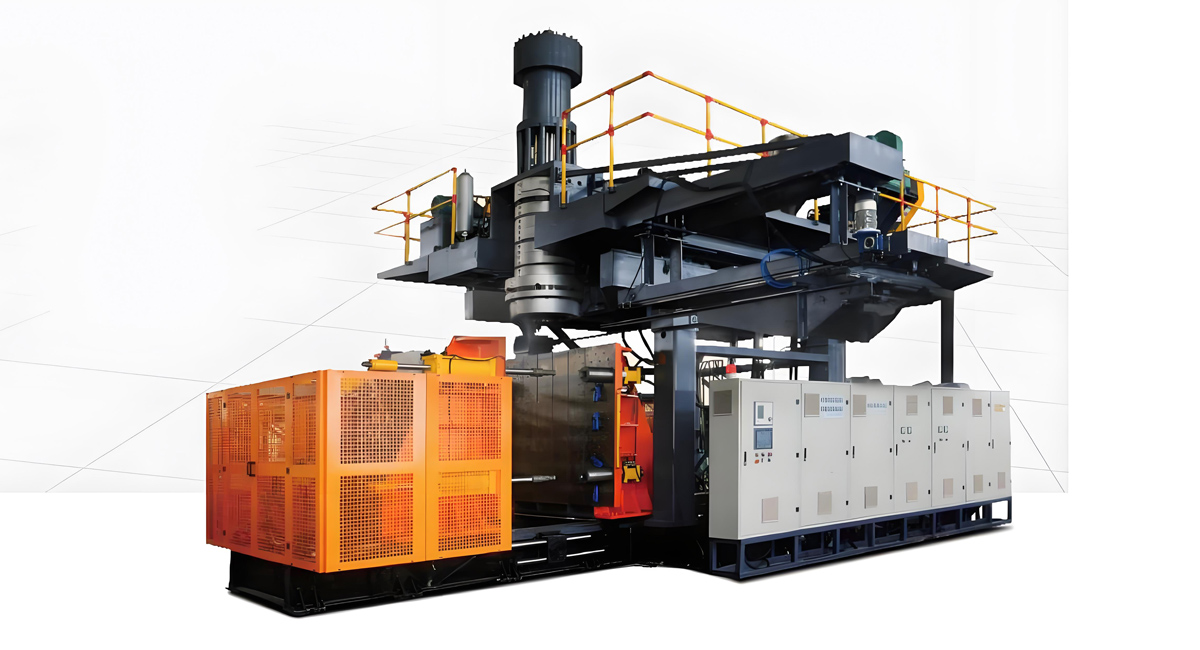
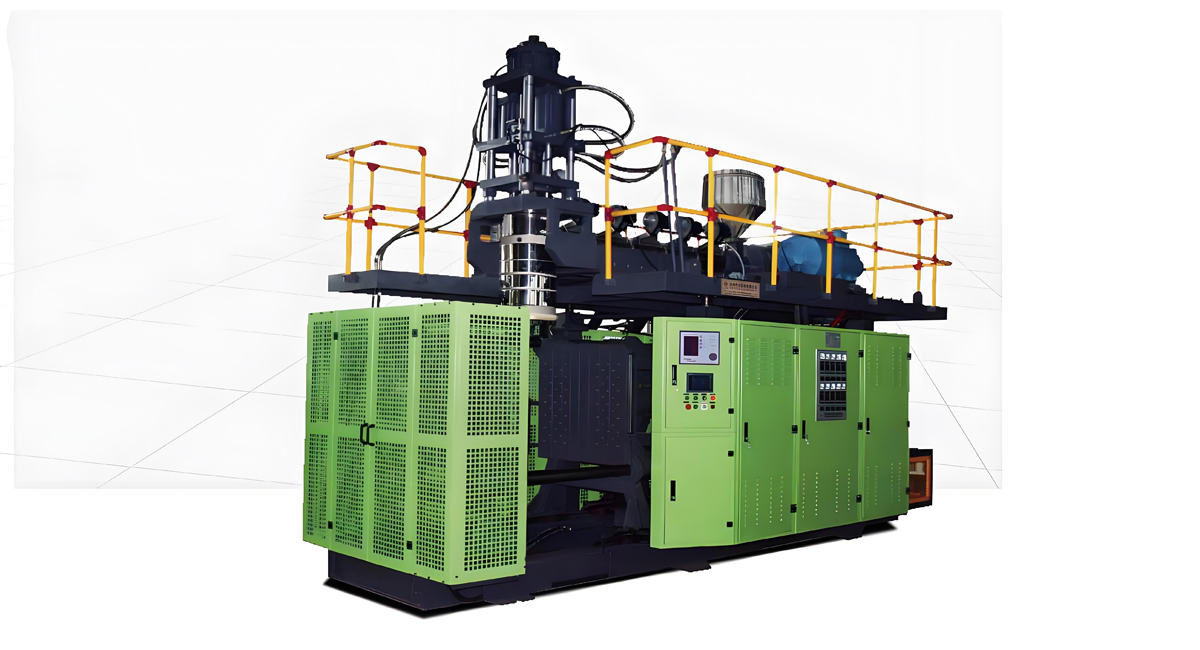
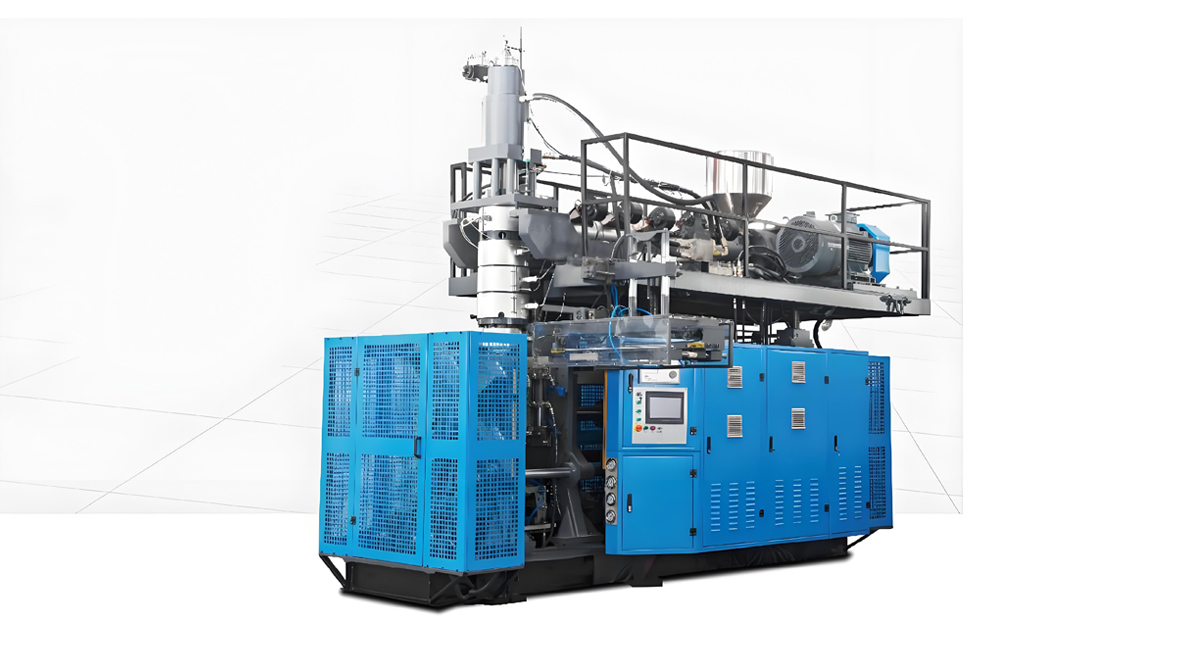
Capacity customization represents one of the most common OEM requirements, with different markets and applications demanding different production capabilities. Apollo’s machine platforms can be configured across a wide output range from 200ml to 5000L capacity. The screw diameter, barrel design, and drive system can be scaled to match required output while maintaining optimal performance characteristics. For example, Apollo offers the ABLB series for 200ml-20L applications, ABLD series for 20L-1500L capacity, and fully electric models for applications requiring premium precision and cleanliness. Each series can be further customized within its capacity range through multiple model options.
Automation level customization enables brand partners to position products across different market segments from cost-sensitive applications to premium automated solutions. Apollo offers a spectrum of automation options including manual operation, semi-automatic with basic controls, fully automatic with product handling, and advanced systems with integrated quality inspection and statistical process control. The flexibility allows brand partners to offer appropriate solutions for different customer segments while maintaining consistent quality standards across the product line.
Control system customization provides opportunity for brand differentiation and market positioning. Apollo machines feature advanced PLC-based control systems with intuitive HMI interfaces that can be customized with brand-specific graphics, terminology, and functionality. The control system architecture supports integration with factory automation systems, remote monitoring capabilities, and advanced data acquisition. Premium options include touch-screen interfaces with multi-language support, recipe management systems, and predictive maintenance capabilities that can serve as competitive differentiators in target markets.
Brand Customization and Integration
Brand customization extends beyond simple nameplate application to include comprehensive integration of brand identity throughout the machine. Apollo’s OEM services include complete brand integration that creates consistent brand experience from machine design through documentation and support materials.
Visual brand integration encompasses machine color schemes, nameplates, control panel graphics, and documentation presentation. Apollo can match exact brand color specifications through custom powder coating processes, ensuring perfect brand representation. Control panel graphics can be customized with brand logos, terminology, and color schemes while maintaining intuitive operation. Technical documentation including operation manuals, maintenance guides, and troubleshooting procedures can be produced with brand-specific formatting, logo placement, and terminology.
User experience customization allows adaptation of machine interfaces and operation procedures to match brand expectations and user preferences. Apollo’s control system flexibility enables customization of menu structures, terminology, alarm presentations, and operational sequences. The HMI can be configured with brand-specific layouts, color schemes, and terminology while maintaining operation safety and efficiency. This customization level enables brand partners to maintain consistent user experience across their product portfolio.
Brand-specific testing protocols ensure that machines meet brand quality standards and customer expectations. Apollo can implement brand-specific acceptance testing procedures, quality inspection criteria, and performance verification tests. The testing documentation includes brand-specific formats and terminology, enabling seamless integration with brand quality systems. This customization ensures that machines meet brand expectations while providing documentation traceability for brand quality audits and customer requirements.
Technical Customization Options
Apollo’s technical customization capabilities enable brand partners to address specific market requirements and differentiate products based on technical capabilities. These customization options range from material compatibility enhancements to specialized feature sets tailored for particular applications.
Material system customization addresses the diverse material requirements across different markets and applications. Apollo machines can be configured for optimal processing of specific materials including HDPE, PP, PVC, PC, ABS, PS, EVA, TPU, and PETG. Material-specific customization includes screw design optimization, barrel heating zone configuration, temperature control algorithms, and venting arrangements. For applications involving recycled materials or specialty compounds, Apollo can configure material handling systems including drying equipment, material feeders, and blending systems optimized for specific material characteristics.
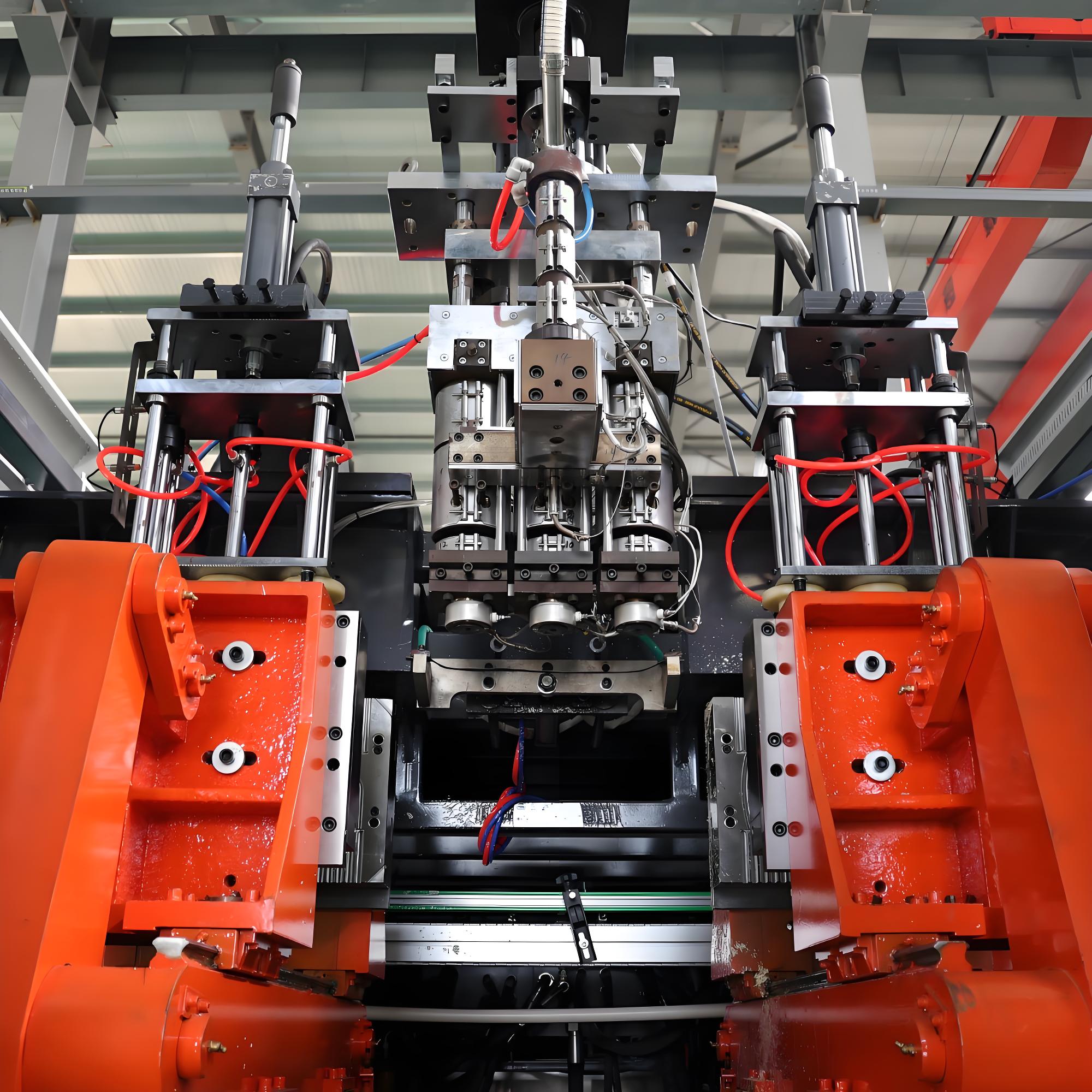
Specialized feature sets address unique market needs or application requirements. Apollo has developed numerous specialized features including multi-layer co-extrusion capabilities, parison wall thickness control, in-mold labeling systems, and integrated quality inspection systems. These features can be individually selected or combined to create differentiated product offerings. For example, a brand targeting premium market segments might specify parison wall thickness control, integrated leak testing, and statistical process control, while a value-oriented offering might focus on basic automation and reliable performance.
Regional customization addresses the specific requirements of different markets including electrical specifications, safety systems, and documentation languages. Apollo’s experience across 90 countries enables comprehensive understanding of regional requirements and expectations. Machines can be configured for specific voltage ranges, plug types, and safety system requirements. Documentation and HMI interfaces support multiple languages, enabling localization for target markets. This regional customization reduces barriers to market entry and enhances customer acceptance.
OEM Partnership Development Process
Successful OEM partnerships require systematic development processes that ensure alignment between brand partner requirements and manufacturer capabilities. Apollo has developed proven processes for OEM partnership development that minimize risks and accelerate time-to-market for brand partners.
Initial Requirements Analysis
Comprehensive requirements analysis forms the foundation of successful OEM partnerships. Apollo’s experienced business development team works closely with brand partners to understand their strategic objectives, market requirements, and technical specifications. This analysis ensures that proposed solutions address brand partner needs while being feasible from manufacturing and cost perspectives.
Market analysis conducted during requirements definition helps Apollo understand the competitive landscape and target customer expectations. This analysis includes examination of competing products, pricing structures, feature sets, and customer requirements in target markets. Understanding market dynamics enables Apollo to propose appropriate machine configurations and feature sets that position the brand competitively while achieving profit objectives. The analysis also identifies opportunities for differentiation through unique features or performance characteristics.
Technical requirements analysis encompasses detailed examination of performance specifications, material requirements, production capacity needs, and quality standards. Apollo’s engineering team collaborates with brand partner technical representatives to understand specific technical requirements and develop specifications that meet or exceed these requirements. The analysis includes consideration of production volume, automation level, integration requirements, and long-term reliability needs. This detailed technical understanding enables accurate cost estimation and realistic delivery schedules.
Cost structure analysis ensures that proposed OEM solutions meet brand partner profit objectives while providing manufacturer with adequate margin. The analysis considers manufacturing costs, customization costs, documentation expenses, and support requirements. Apollo’s extensive experience enables accurate cost estimation and identification of cost optimization opportunities. The analysis includes examination of different manufacturing approaches and feature sets to identify the optimal balance between performance and cost-effectiveness.
Design and Development Phase
The design and development phase transforms requirements into detailed specifications and prototypes that enable verification that proposed solutions meet brand partner needs. Apollo follows systematic development processes that minimize risk while enabling rapid iteration and optimization.
Concept design involves creation of preliminary machine designs and specifications that address brand partner requirements. Apollo’s engineering team develops multiple concept options for consideration, each addressing requirements through different technical approaches. Concept designs include performance estimates, cost projections, and risk assessments that enable informed decision-making. Brand partners participate in concept selection, ensuring alignment with strategic objectives and market positioning.
Detailed design develops selected concepts into complete machine specifications including all components, assemblies, and systems. This phase involves extensive engineering analysis including finite element analysis for critical components, computational fluid dynamics for extrusion system optimization, and control system architecture design. The detailed design phase includes development of manufacturing documentation, procurement specifications, and testing protocols. Comprehensive documentation ensures that manufacturing can proceed efficiently while meeting all requirements.
Prototype development and testing validates design assumptions and enables refinement before full-scale production. Apollo typically produces one or more prototypes for comprehensive testing under actual operating conditions. Testing includes performance verification, accuracy measurement, reliability testing, and validation of all customized features. Test results inform final design refinements to optimize performance, reliability, and manufacturability. Prototypes also provide opportunity for brand partner review and approval before proceeding to full-scale production.
Manufacturing and Quality Assurance
Manufacturing phase transforms designs into production machines while maintaining strict quality standards. Apollo’s manufacturing processes emphasize quality, consistency, and traceability throughout production.
Manufacturing planning involves preparation of production processes, procurement of components, and scheduling of production runs. Apollo’s experienced manufacturing planning team ensures that all components meet specifications and are available when needed for assembly. The planning includes consideration of component lead times, capacity constraints, and quality requirements. Effective planning enables on-time delivery while maintaining quality standards.
Component quality control ensures that all components meet specifications before assembly. Apollo implements rigorous incoming inspection procedures for critical components including electrical systems, hydraulic components, precision machined parts, and control system components. The inspection includes dimensional verification, performance testing, and documentation review. Components that do not meet specifications are rejected or reworked, ensuring that only qualified components proceed to assembly.
Assembly quality control implements systematic quality checks throughout the assembly process. Apollo’s assembly technicians follow documented procedures and checklists to ensure consistent assembly quality. In-process quality checks include dimensional verification, electrical testing, and functional verification at key assembly stages. This systematic approach catches issues early when correction is most cost-effective and prevents problems from propagating to final machines.
Final machine testing represents the comprehensive verification that completed machines meet all specifications. Each machine undergoes extensive testing including performance verification, accuracy testing, safety system verification, and extended operation testing. The testing follows documented test procedures with pass-fail criteria for each test. Test results are documented and archived for traceability. Machines that do not meet specifications undergo rework and re-testing before shipment to ensure quality.
Cost Analysis and Economic Considerations
Economic analysis represents a critical component of OEM partnership decisions, with total cost implications extending beyond simple purchase price considerations. Comprehensive cost analysis considers development costs, unit costs, support costs, and total cost of ownership over equipment life.
Development Cost Structure
Development costs for OEM partnerships vary widely based on customization level and complexity. Understanding the cost structure enables budget planning and evaluation of economic feasibility.
Initial development and tooling costs represent upfront investment in establishing OEM capability. For private label arrangements with minimal customization, initial development costs typically range from $25,000 to $50,000 for documentation, brand integration, and testing activities. Custom specification projects involving moderate customization typically require $50,000 to $150,000 in development costs, depending on extent of technical changes and documentation requirements. Co-design projects involving significant engineering collaboration can range from $150,000 to $500,000 or more, reflecting substantial engineering effort and prototyping requirements.
Unit cost premiums for customized machines reflect the additional costs of customization and reduced manufacturing efficiency compared to standard production. Private label arrangements typically add 10-15% to standard machine prices. Custom specification arrangements typically add 15-25% to base machine costs. Co-developed machines may add 25-40% or more to comparable standard machine costs, reflecting the unique nature of these machines and lack of manufacturing economies of scale.
Ongoing development costs include documentation updates, technical support, and potential design refinements. Brand partners should budget approximately 5-10% of unit costs annually for ongoing development and support activities. These costs include documentation updates to reflect design changes, technical support for field issues, and potential minor design improvements based on field experience. Budgeting for ongoing development ensures continuous improvement and customer satisfaction.
Production Cost Optimization
Production cost optimization strategies help minimize unit costs while maintaining quality and performance requirements. Apollo’s experience enables identification of cost optimization opportunities without compromising critical characteristics.
Component selection optimization balances performance requirements with cost considerations. Apollo’s extensive supplier relationships and component knowledge enable identification of components that meet specifications while providing cost advantages. In some cases, alternative components may offer 15-25% cost savings while maintaining performance requirements. Component selection optimization typically requires early involvement of manufacturing engineering to ensure compatibility and manufacturability.
Design for manufacturing emphasizes manufacturability during design phase to reduce production costs. Apollo’s engineering team incorporates manufacturing considerations early in design to minimize assembly complexity, reduce special handling requirements, and enable use of standard manufacturing processes. Effective design for manufacturing can reduce assembly costs by 20-30% while maintaining or improving quality through reduced opportunity for assembly errors.
Production scale considerations affect unit costs through manufacturing efficiency and component purchasing leverage. Higher volume production enables economies of scale in both component purchasing and manufacturing efficiency. For OEM partners committing to significant annual volumes, Apollo can develop dedicated production cells or tooling that reduce unit costs by 15-25%. Volume commitments also enable negotiation of better component pricing from suppliers, providing additional cost savings.
Total Cost of Ownership Considerations
Total cost of ownership (TCO) analysis provides the most complete economic evaluation by considering all costs over equipment life, not just initial purchase price. TCO analysis often reveals that higher initial cost machines offer better long-term economics through improved reliability, reduced operating costs, and longer service life.
Energy efficiency directly impacts operating costs over equipment life. Apollo’s servo-driven and fully electric machines consume 30-60% less energy than conventional hydraulic machines. For a machine processing 100kg/hour of HDPE operating 6000 hours annually, annual energy savings can reach $30,000-$50,000 depending on electricity rates. Over a 10-year equipment life, these savings can exceed $300,000-$500,000, far exceeding any premium for energy-efficient technology.
Maintenance cost variations significantly affect total cost of ownership. Apollo’s machines are designed for reliability and ease of maintenance, with typical annual maintenance costs of 3-5% of machine value. Machines with less robust designs may have maintenance costs of 8-12% annually. Over equipment life, these differences in maintenance cost can represent $200,000-$400,000 for a $100,000 machine, making initial cost premiums for quality machines economically compelling.
Productivity differences affect total cost of ownership through production output and utilization. Machines with higher reliability and faster cycle times produce more output per year, reducing capital cost per unit produced. Apollo’s advanced machines typically achieve 15-25% higher output than conventional machines through faster cycle times and reduced downtime. For a machine with annual output value of $2,000,000, a 20% productivity improvement represents $400,000 annual benefit, quickly justifying premium investment.
Legal and Intellectual Property Considerations
Intellectual property (IP) protection and legal considerations represent critical aspects of OEM partnerships. Proper IP protection ensures that brand partners can maintain competitive advantage while enabling successful collaboration with manufacturing partners.
Intellectual Property Protection
Comprehensive IP protection frameworks safeguard brand partner investments and prevent unauthorized use of proprietary technology. Apollo has developed robust IP protection systems and processes that protect both brand partner and manufacturer interests.
Confidentiality agreements establish the foundation for IP protection by defining confidential information and restricting its use. Apollo employs comprehensive confidentiality agreements that protect brand partner designs, specifications, customer information, and business strategies. The agreements specify permitted uses, protection measures, and remedies for breaches. Strong confidentiality agreements enable open collaboration while protecting intellectual property.
Patent and trademark protection for customized features and brand elements ensures that brand partners can protect their investments in innovation and brand identity. Apollo supports brand partners in pursuing patent protection for novel features developed through co-design projects. Additionally, Apollo can register trademarks on behalf of brand partners in China and other manufacturing jurisdictions, providing protection against unauthorized use of brand identities.
Design right protection covers aesthetic aspects of machine design that contribute to brand identity. Apollo can secure design right protection for customized machine designs, preventing competitors from copying distinctive design elements. Design right protection is particularly valuable for machines with distinctive styling or user interface elements that contribute to brand recognition.
Contractual Frameworks
Robust contractual frameworks define the rights and responsibilities of both parties, minimizing disputes and ensuring clear expectations. Apollo has developed standard OEM contract templates that address key considerations while providing flexibility for unique situations.
Scope of work definitions clearly specify what the manufacturer will deliver, including customization level, documentation requirements, testing procedures, and support commitments. Clear scope definitions prevent misunderstandings and ensure that both parties have aligned expectations. The scope typically includes machine specifications, customization details, deliverables, acceptance criteria, and support obligations.
Performance specifications define minimum acceptable performance for key machine characteristics. Specifications include production capacity, accuracy, energy consumption, reliability metrics, and quality characteristics. Well-defined performance specifications provide objective criteria for machine acceptance and protect both parties from subjective disputes.
Support obligations specify the level and duration of technical support provided by manufacturer. Apollo typically provides comprehensive support including installation assistance, operator training, spare parts availability, and ongoing technical support. Support obligations typically include response time commitments, availability of technical personnel, and warranty terms that protect brand partner interests.
Market Entry and Sales Support
Successful OEM partnerships extend beyond manufacturing to include comprehensive market entry and sales support that helps brand partners establish presence and achieve market success. Apollo provides extensive support for market entry and sales activities.
Market Entry Support
Market entry support helps brand partners establish presence efficiently and effectively. Apollo’s extensive global experience provides insights into market entry strategies and customer acquisition approaches that accelerate market penetration.
Regulatory compliance support ensures that machines meet target market requirements for certifications, safety standards, and documentation. Apollo maintains knowledge of regulatory requirements across global markets and can assist with certification processes, safety system configuration, and documentation preparation. This support reduces regulatory barriers and accelerates time-to-market for new market entries.
Market research and competitive intelligence provide insights that inform market positioning and sales strategy. Apollo’s global experience includes understanding of competitive landscapes, pricing structures, and customer preferences across different markets. This intelligence helps brand partners develop effective market entry strategies and competitive positioning.
Customer identification and qualification helps brand partners focus sales efforts on qualified prospects. Apollo’s experience in target markets enables identification of customer segments, companies, and decision-makers that represent strong prospects for specific machine offerings. This qualification focus improves sales efficiency and accelerates market penetration.
Sales and Technical Support
Comprehensive sales and technical support ensures customer satisfaction and repeat business. Apollo provides multi-level support structures that serve both direct support and support through brand partner networks.
Sales training programs equip brand partner sales teams with product knowledge, application expertise, and competitive differentiation. Apollo develops customized training programs that address brand partner sales team needs, including product features, competitive analysis, application examples, and objection handling. Well-trained sales teams improve sales effectiveness and customer satisfaction.
Technical support teams provide engineering expertise for application consulting, startup support, and troubleshooting. Apollo maintains technical support teams with extensive application experience who can assist brand partners with customer applications, machine startups, and technical problem resolution. Support is available through multiple channels including remote support, on-site assistance, and training programs.
Spare parts and service infrastructure ensures ongoing machine operation throughout equipment life. Apollo maintains comprehensive spare parts inventories and can establish regionally located parts depots to support brand partner customer bases. Service infrastructure includes trained technicians, test equipment, and repair facilities to support ongoing maintenance and repair needs.
Conclusion
China extrusion blow molding machine OEM partnerships offer compelling strategic advantages for companies seeking to establish or expand equipment manufacturing capabilities without substantial capital investment in manufacturing infrastructure. Apollo, with 20 years of manufacturing experience, over 4,000 machines installed worldwide, and proven OEM capabilities, represents an ideal partner for companies seeking OEM manufacturing relationships. The combination of advanced manufacturing capabilities, comprehensive customization options, proven quality systems, and extensive global support infrastructure enables successful OEM partnerships that deliver competitive advantage and market success.
Successful OEM partnerships require careful planning, clear expectations, and strong collaborative relationships built on mutual trust and benefit. The development process outlined in this guide provides a framework for establishing successful partnerships, from initial requirements analysis through manufacturing, quality assurance, and ongoing support. Apollo’s extensive OEM experience has refined these processes to minimize risks while accelerating time-to-market for brand partners.
Economic analysis of OEM partnerships reveals compelling value when total cost of ownership is considered. While customized machines may command premium pricing compared to standard models, the total cost over equipment life often favors higher quality, more efficient machines through reduced operating costs, higher productivity, and longer service life. Brand partners should conduct comprehensive total cost of ownership analysis rather than comparing only initial purchase prices.
As extrusion blow molding technology continues to evolve, OEM partnerships provide a pathway to stay current with technological advances without bearing the full cost of continuous technology development. Apollo’s commitment to research and development ensures that OEM partners have access to state-of-the-art technology that maintains competitive advantage. For companies seeking to build or strengthen their presence in global extrusion blow molding equipment markets, Apollo’s OEM capabilities provide a proven foundation for success.