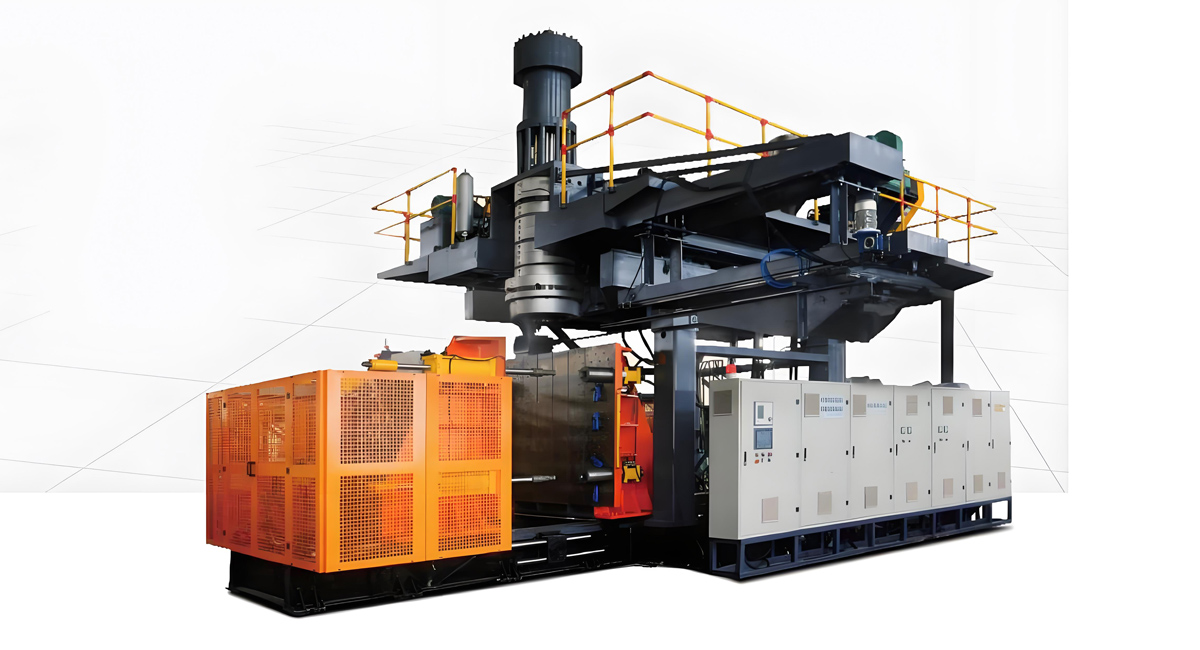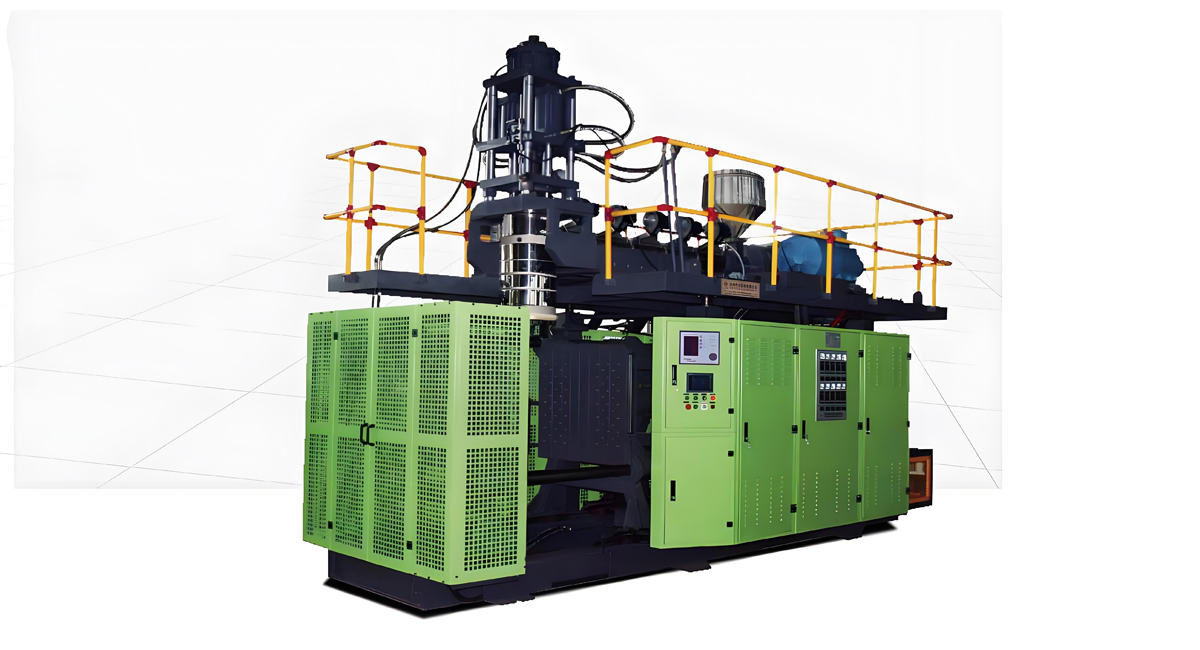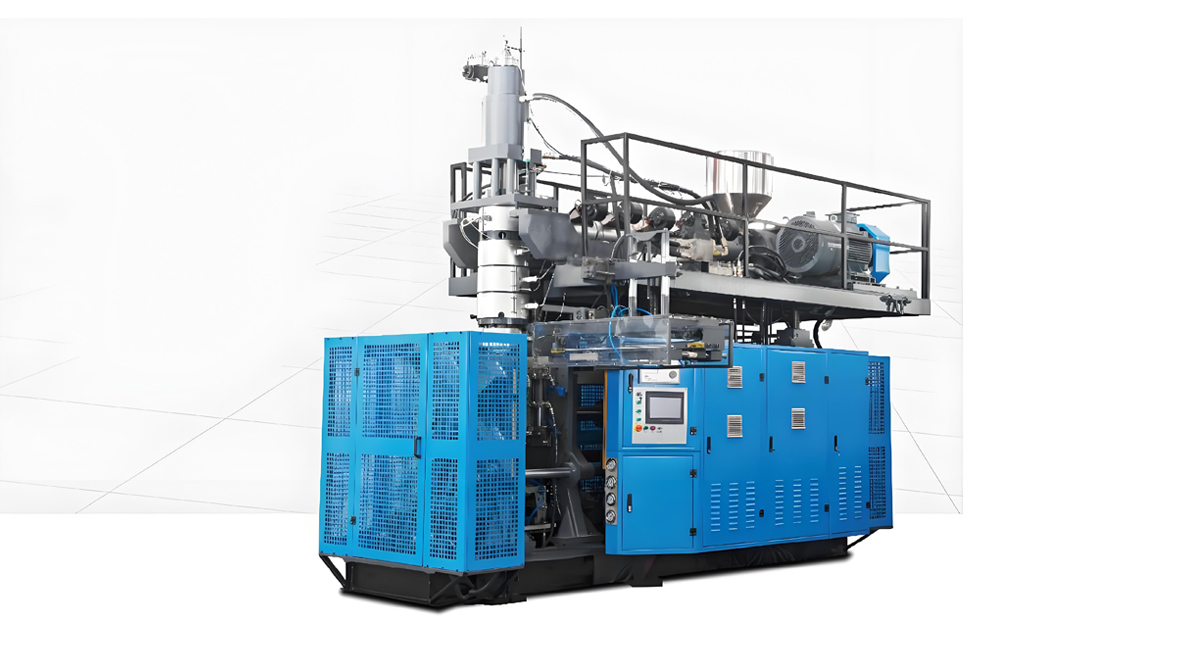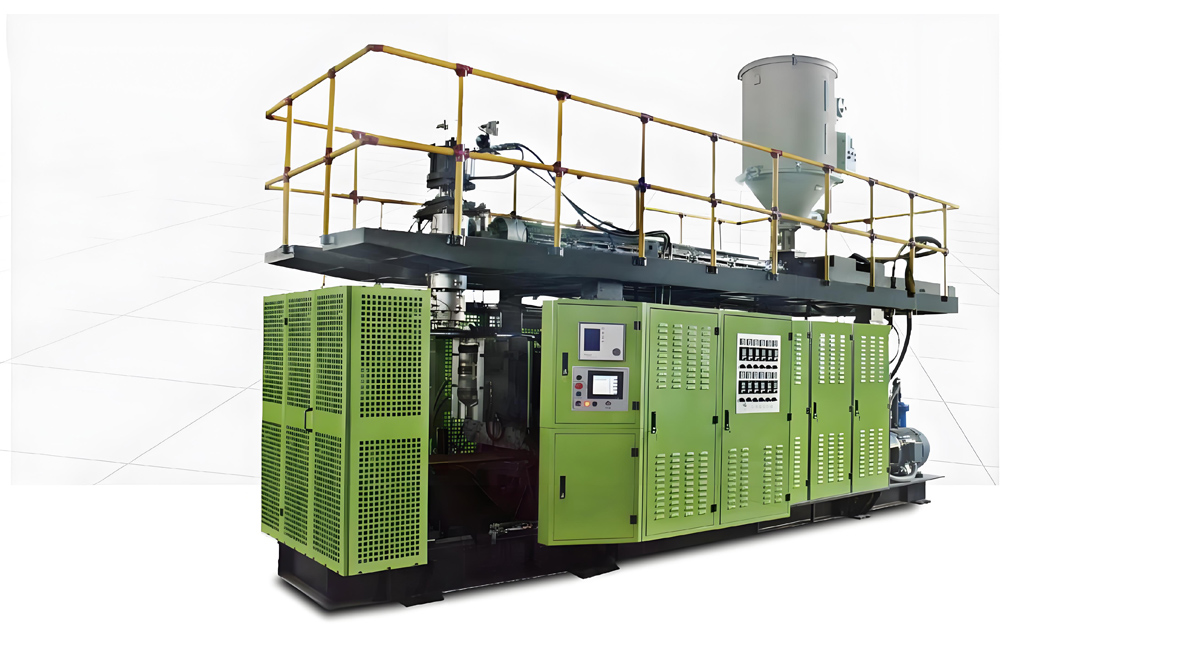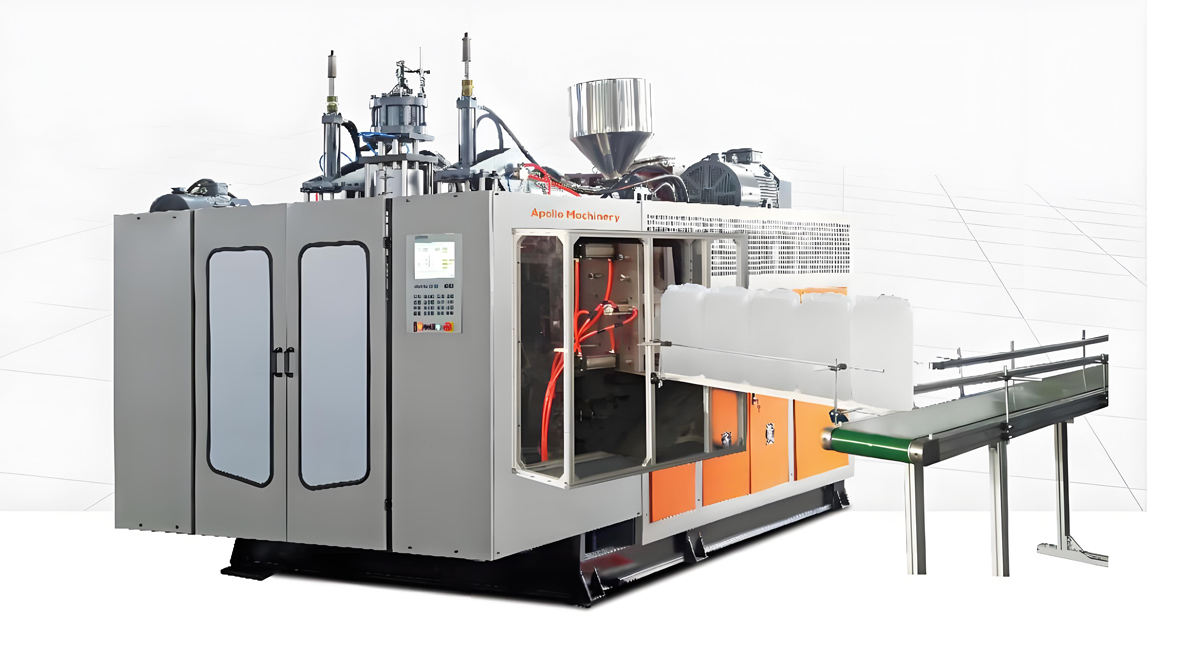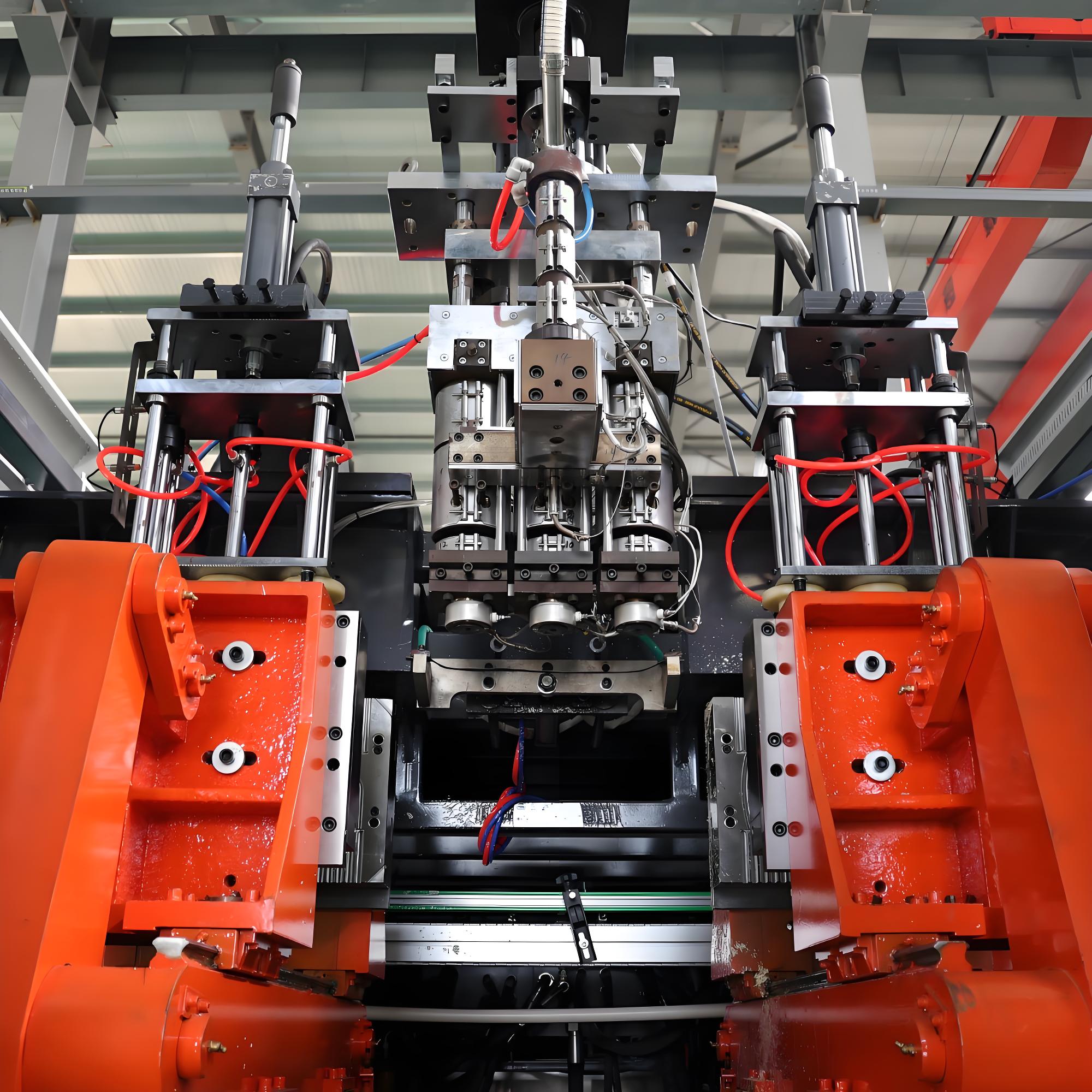
A full-electric extrusion blow molding machine is a technologically advanced system that uses electric servo motors for all machine movements instead of conventional hydraulic power. This creates a highly efficient, precise, and clean production environment, making it ideal for industries that demand accuracy, sustainability, and stable output.
Below is an expanded breakdown of its core features:
1. Fully Electric Drive System
A full-electric blow molding machine eliminates hydraulic cylinders entirely and replaces them with precision-controlled servo motors. Every critical movement—such as mold closing, extrusion head adjustments, parison programming, blow pin insertion, take-out automation, and carriage movement—is driven by independent servo units.
This results in:
Highly consistent motion control
Precise repeatability in every cycle
Improved synchronization between modules
Drastic reduction in mechanical backlash
Servo motors ensure that each operation happens with micron-level accuracy, enhancing the overall quality of every molded product.
2. High Energy Efficiency and Reduced Operating Costs
Traditional hydraulic machines run pumps continuously, consuming energy even when idle. In contrast, a full-electric blow molding machine consumes power only during active movement.
Key advantages include:
30–70% energy savings, depending on machine size
No energy lost through hydraulic system heat dissipation
Lower electricity bills, especially during high-volume production
Reduced cooling requirements due to minimal heat generation
Electric machines therefore provide long-term cost efficiency with faster return on investment (ROI).
3. Clean, Oil-Free, and Environmentally Safe Operation
Because full-electric machines do not use hydraulic oil, they offer an exceptionally clean operating environment. This eliminates:
Oil leakage risks
Oil mist contamination around machine areas
The need for oil change, disposal, and filtration systems
This makes the machine suitable for industries where cleanliness is critical, such as pharmaceutical packaging, food and beverage containers, cosmetics, and medical devices. The oil-free nature also reduces fire hazards and workplace accidents.
4. Superior Precision and Repeatability
Electric servo motors provide extremely fine control over positioning and speed, resulting in:
Uniform parison thickness
Improved wall thickness distribution
Better part weight consistency
Reduced material wastage
This precision is especially important when producing high-quality bottles, thin-wall containers, or multi-layer packaging. Over thousands of cycles, electric systems maintain accuracy far better than hydraulics, ensuring trustworthy repeatability.
5. Faster Cycle Time and Higher Productivity
Servo-driven mechanisms generally move faster than hydraulic cylinders and offer instant response. The machine can execute operations such as mold opening/closing and parison cut-off with optimized timing.
Benefits include:
10–25% shorter cycle times
Ability to achieve higher output per hour
Increased machine utilization rate
Faster startup and recipe changeover
The result is overall greater production efficiency and throughput, essential for competitive manufacturing.
6. Low Noise Levels for Improved Working Environment
Hydraulic pumps are one of the biggest contributors to factory noise. With no pumps or high-pressure fluid movement, full-electric blow molding machines operate extremely quietly.
Advantages:
Low noise level throughout operation
Reduced noise-induced fatigue for operators
Pleasant production environment, especially in enclosed spaces
Quiet machines are often important in facilities located near offices or residential areas.
7. Minimal Maintenance Requirements
Without hydraulic systems, maintenance becomes simpler and less frequent. Key maintenance reductions include:
No hydraulic leaks or seal replacements
No oil change or oil filter service
Fewer mechanical components prone to wear
Less downtime due to system failures
Servo motors and ball screws typically require only periodic lubrication and basic checks, resulting in much lower long-term maintenance cost.
8. Advanced Automation, Controls, and Monitoring
Full-electric extrusion blow molding machines typically feature advanced control systems such as Siemens, Allen-Bradley, or Mitsubishi PLCs along with user-friendly HMI touchscreens.
Common control features include:
Automated parison thickness programming
Recipe storage for quick mold changeover
Real-time data monitoring: temperature, speed, pressure, energy use
Self-diagnostic functions for troubleshooting
Intelligent alarms and safety interlocks
Optional integration with MES/ERP systems
These systems enhance production reliability, reduce human error, and improve traceability.
9. Environmentally Friendly Operation
Full-electric machines reduce environmental impact through:
Lower energy consumption
Zero hydraulic oil waste
Decreased heat emission
Reduced carbon footprint of the manufacturing process
For companies following environmental certifications such as ISO 14001 or sustainability programs, electric machines significantly support green manufacturing goals.
10. Improved Consistency and Production Quality
The combination of stable extrusion conditions, accurate servo control, and intelligent monitoring creates consistently high product quality.
Typical improvements include:
Better bottle clarity and uniformity
Highly stable extrusion rate
Reduced scrap and startup waste
Greater dimensional accuracy across batches
This is essential for brand owners who demand tight tolerances and aesthetic consistency.
11. Additional Options and Customizations
Many full-electric machines can be equipped with advanced modules depending on production requirements:
Multi-layer co-extrusion (2–6 layers) for barrier bottles
In-mold labeling (IML) systems
Robotic deflashing and trimming
Vision inspection for QA/QC
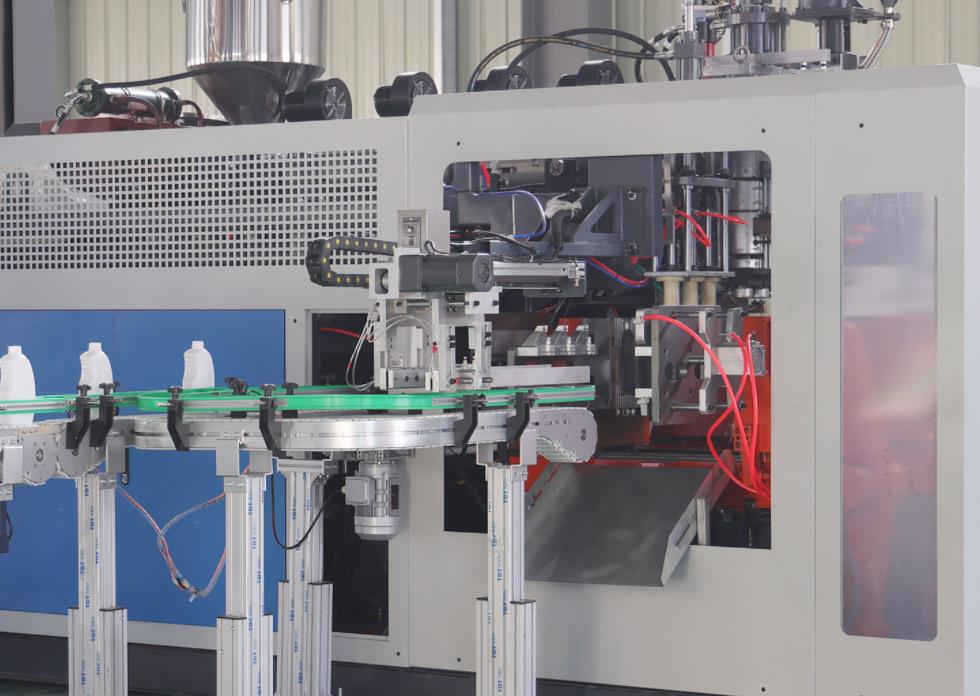
Automation conveyors and stacking systems
Parison thickness control upgrades
Multi-station or multi-cavity configurations
These features help manufacturers scale production, enhance quality, and increase automation levels.
12. Ideal Applications
A full-electric extrusion blow molding machine is particularly suited for:
Food & beverage packaging
Cosmetic bottles
Pharmaceutical containers
Dairy bottles
Chemical and household product bottles
Medical-grade plastic parts
Small jerry cans and industrial packaging
Its clean and stable operation is especially important in sectors that require strict hygiene and consistent product geometry.
Full-Electric vs. Traditional (Hydraulic / Hybrid) Extrusion Blow Molding Machines
A complete comparison across all major areas:
1. Power System and Motion Control
Full-Electric Machine
Uses servo motors for all movements—mold closing, carriage, blow pin, extrusion head, parison control.
Motion is controlled with high accuracy, typically within microns.
Every movement is programmable and repeatable.
Traditional Hydraulic Machine
Uses hydraulic cylinders powered by pumps.
Motion depends on oil pressure, which fluctuates with temperature and viscosity.
Repeatability is lower due to hydraulic lag, backlash, and pressure variations.
Result: Electric systems offer superior precision and responsiveness.
2. Energy Consumption
Full-Electric
Consumes power only when moving.
30–70% lower energy consumption overall.
Minimal heat generation → reduced need for cooling.
Hydraulic
Hydraulic pumps run continuously.
Energy is constantly consumed to maintain pressure.
Heat generated by hydraulic systems increases total power usage.
Result: Electric machines are far more energy-efficient and cheaper to operate long-term.
3. Cleanliness and Environment
Full-Electric
Completely oil-free.
No risk of hydraulic oil leaks.
Ideal for medical, food, and cosmetic packaging.
Hydraulic
Oil leaks, oil mist, and contamination are common.
Requires regular oil change, oil filtration, and disposal.
Not suitable for cleanroom environments unless heavily modified.
Result: Electric machines offer an ultra-clean production environment.
4. Precision and Product Consistency
Full-Electric
Servo motors offer very consistent parison thickness control.
Wall thickness distribution is more stable.
Part weight variation is minimal (often ±0.1 g).
Less scrap and waste.
Hydraulic
Parison control depends on oil pressure stability.
Variation in wall thickness and bottle weight is common.
More scrap at startup due to unstable extrusion.
Result: Electric machines provide superior repeatability and product quality.
5. Process Speed and Cycle Time
Full-Electric
Faster and smoother motion due to high-speed servo actuation.
Mold movements are optimized and fully synchronized.
10–25% shorter cycle time on average.
Hydraulic
Slower response and movement.
Speed is limited by oil flow rate and valve capability.
Acceleration and deceleration are less precise.
Result: Electric machines typically achieve higher productivity and more cycles per hour.
6. Noise Levels
Full-Electric
Very quiet—no pumps running.
Often below 70 dB during normal operation.
Hydraulic
Constant pump noise.
Noise spikes during pressure changes or valve operations.
Result: Full electric blow molding machines are much quieter and more operator-friendly.
7. Maintenance Requirements
Full-Electric
Very low maintenance.
No hydraulic oil, pumps, valves, or filters.
Servo systems require minimal servicing.
Less downtime.
Hydraulic
High maintenance due to:
Oil changes
Seal replacements
Valve service
Pump failures
Oil contamination issues
More downtime and higher maintenance cost.
Result: Electric machines drastically reduce maintenance workload and cost.
8. Machine Lifetime and Reliability
Full-Electric
Lower wear on components.
Much better thermal stability.
Electric actuators typically last longer than hydraulic cylinders.
Hydraulic
Hydraulic leakages and pressure spikes increase component wear.
Pump failures can lead to major downtime.
Oil contamination accelerates system breakdown.
Result: Electric machines generally offer longer lifespan and higher reliability.
9. Environmental Impact
Full-Electric
Lower carbon footprint.
Zero hydraulic oil waste.
Designed for sustainability.
Hydraulic
Oil disposal creates environmental burden.
Higher energy consumption.
Result: Electric machines are more environmentally friendly.
10. Operator Safety
Full-Electric
No high-pressure hydraulic lines in the machine.
Lower risk of fires and burns.
Hydraulic
High-pressure oil systems may leak or rupture.
Higher risk of fire if oil contacts hot surfaces.
Result: Electric machines provide safer working conditions.
11. Cost and Investment Considerations
Full-Electric
Much lower running cost: energy, maintenance, downtime.
Higher initial machine price.
Long-term ROI is better for high-volume, continuous production.
Hydraulic
Lower purchase price.
Higher operating and maintenance costs.
Better for low-budget or low-duty-cycle applications.
Result: Electric machines cost more upfront but pay back quickly through savings and efficiency.
12. Suitability for Applications
Full-Electric
Best for:
Medical & pharmaceutical bottles
Cosmetics containers
High-precision small bottles
Cleanroom production
Thin-wall containers
High-volume production runs
Hydraulic
Still preferred for:
Large industrial containers (10–30L)
Heavy-duty jerry cans
Low-budget operations
Factories where precision is not critical
Result: Application choice depends on bottle size, cleanliness needs, and budget.