
Introduction to EBM Machine Troubleshooting
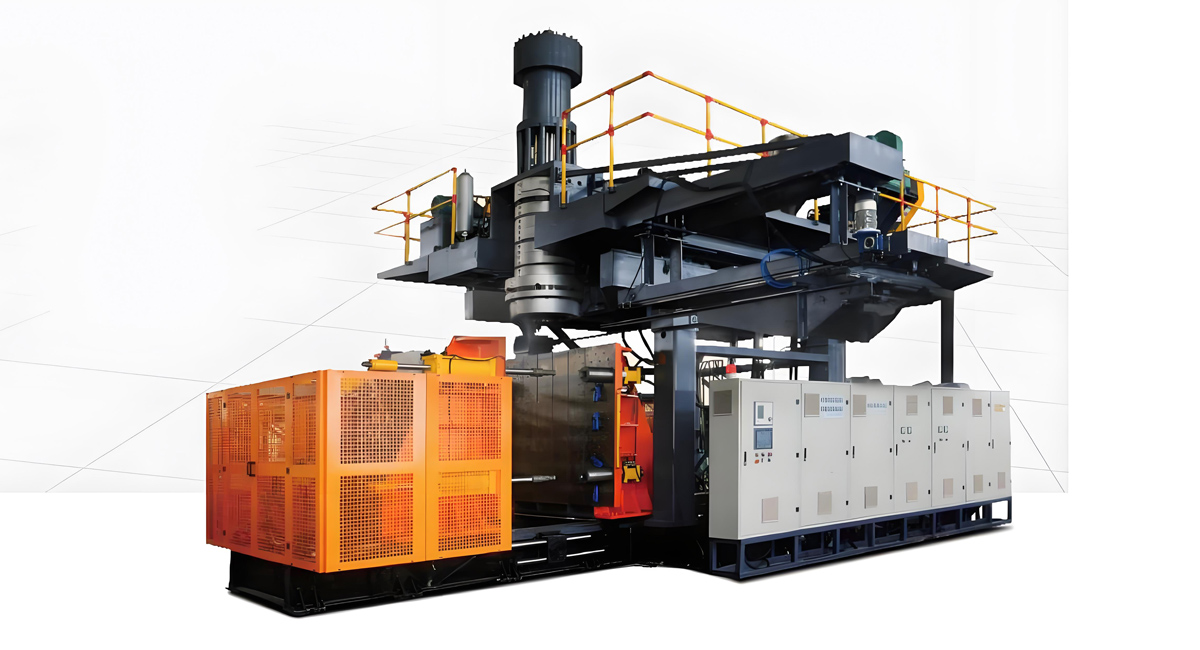
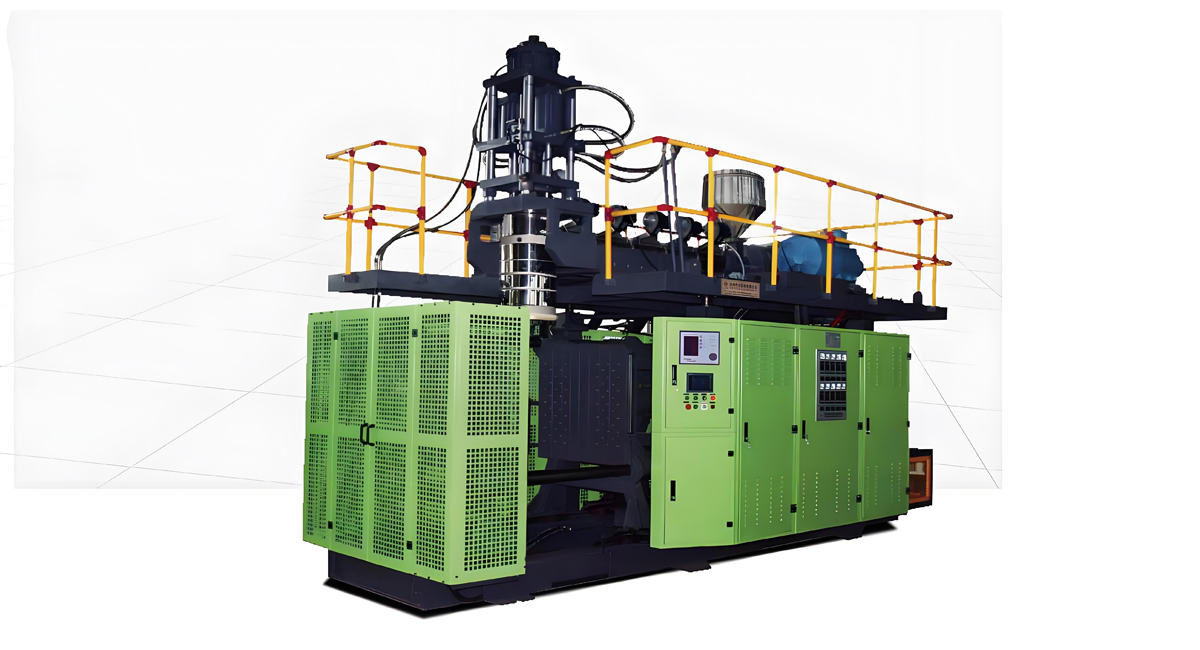
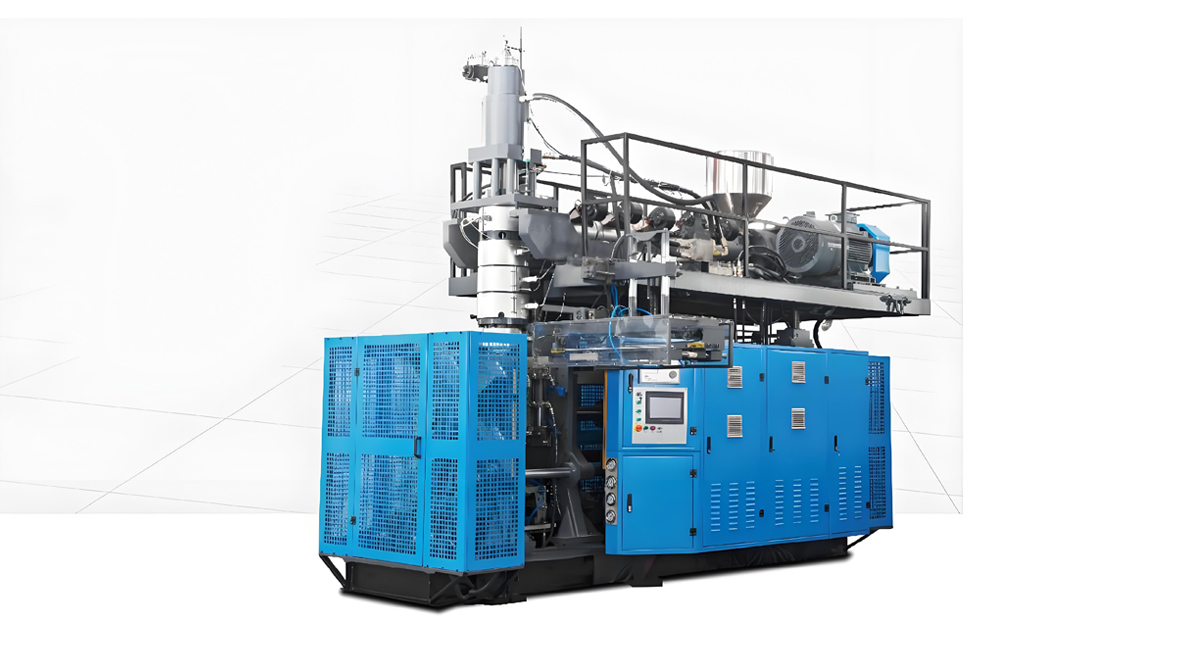
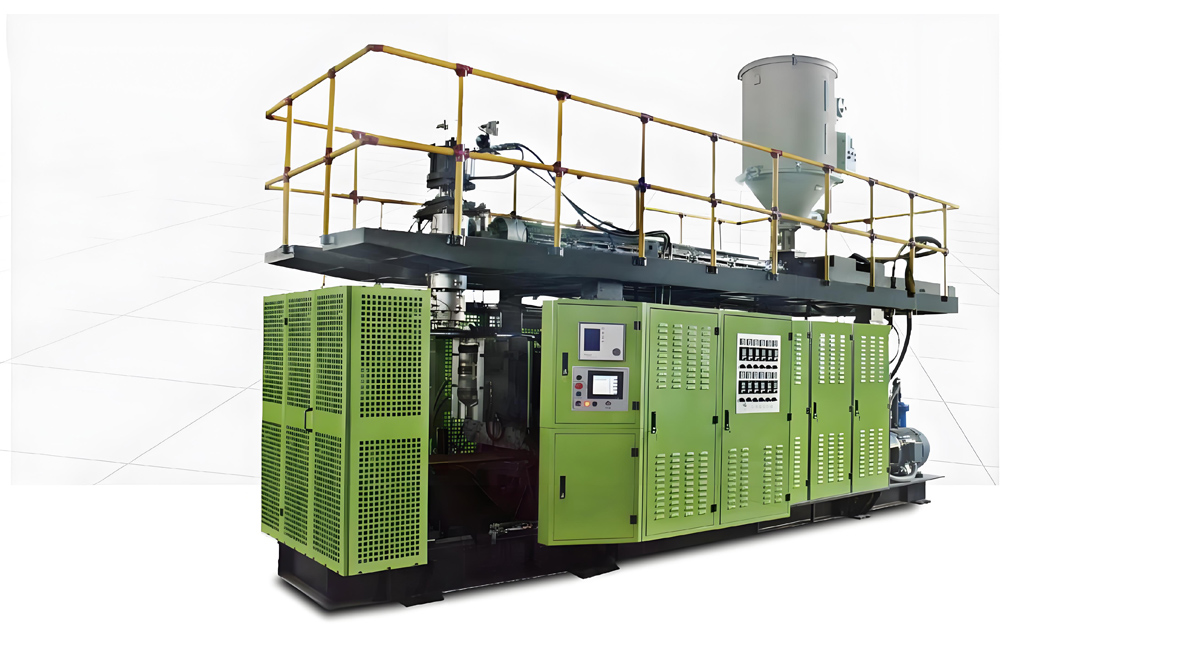
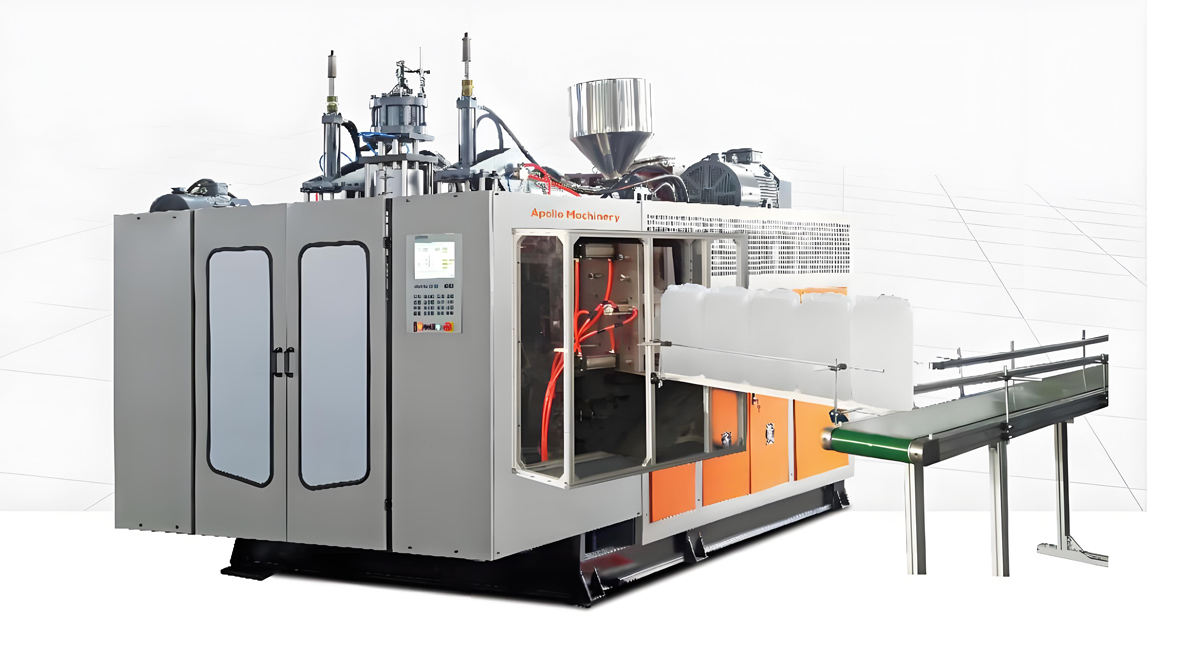
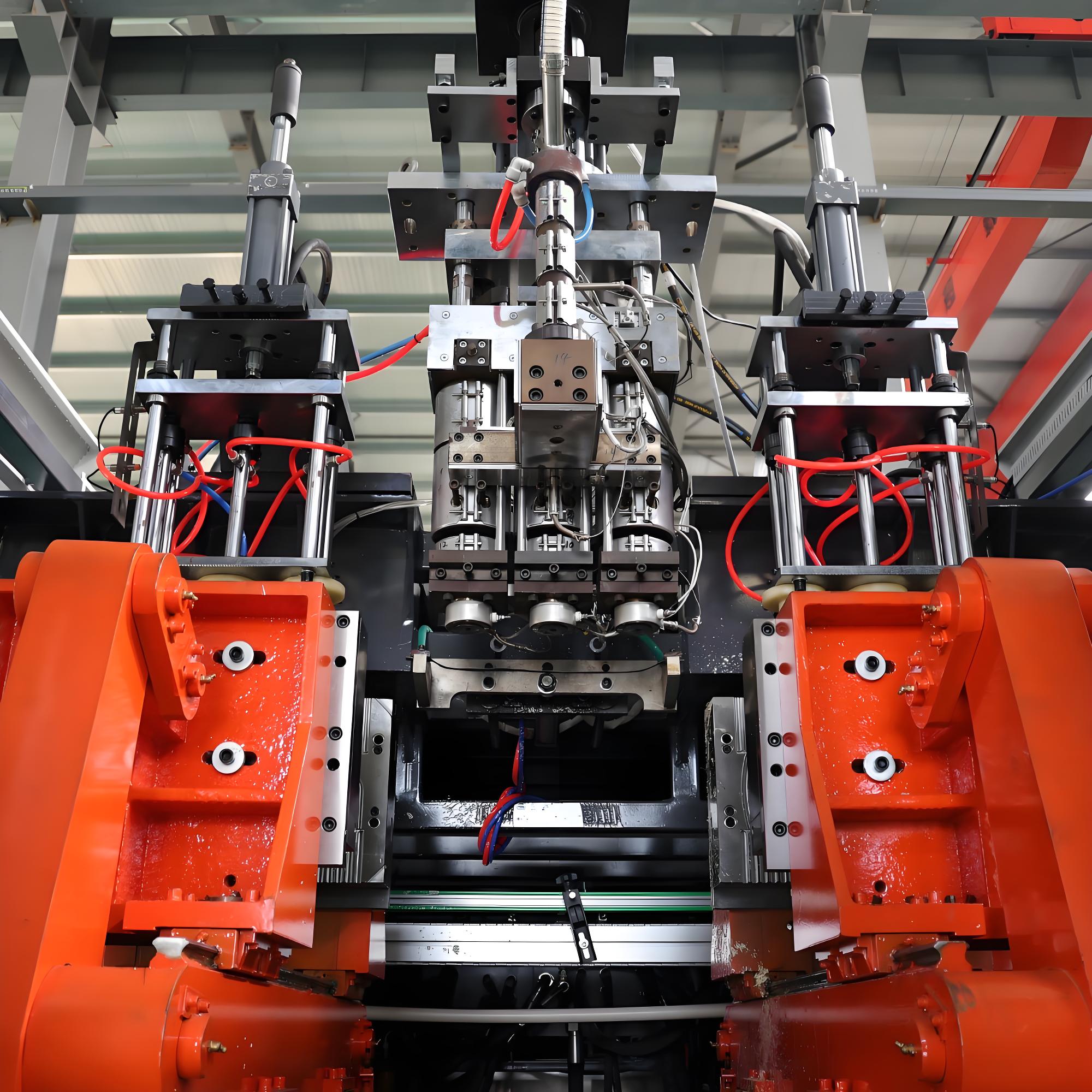
Extrusion blow molding (EBM) machines are widely used in the plastic industry for producing a variety of hollow plastic products such as bottles, containers, and toys. However, like any other industrial equipment, EBM machines are prone to malfunctions and breakdowns, which can lead to production downtime and increased costs. Effective troubleshooting is essential to quickly identify and resolve these issues, minimizing downtime and ensuring the smooth operation of the production line. This article provides a comprehensive guide to EBM machine troubleshooting, covering common malfunctions, their causes, and step-by-step solutions.
The Importance of Effective Troubleshooting
Effective troubleshooting is crucial for maintaining the efficiency and productivity of EBM machines. Here are some of the key reasons why troubleshooting is important:
Minimizing Downtime
Production downtime can be costly for manufacturers, especially in industries where time-to-market is critical. Effective troubleshooting allows technicians to quickly identify and resolve issues, minimizing downtime and ensuring that the production line is back up and running as soon as possible.
Reducing Maintenance Costs
Early detection and resolution of malfunctions can prevent more serious damage to the machine, reducing the need for expensive repairs and replacements. Troubleshooting also helps identify potential issues before they escalate, allowing for proactive maintenance and reducing the overall maintenance costs of the machine.
Improving Product Quality
Malfunctions in EBM machines can result in poor product quality, such as uneven wall thickness, defects, or dimensional inaccuracies. Effective troubleshooting ensures that the machine is operating within optimal parameters, producing high-quality products that meet industry standards.
Ensuring Safety
Some malfunctions in EBM machines can pose safety hazards to operators and other personnel. Effective troubleshooting helps identify and resolve these issues, ensuring the safety of the work environment and compliance with safety regulations.
Troubleshooting Basic Process
Troubleshooting EBM machines typically follows a systematic process that involves observing the symptoms, analyzing the possible causes, and implementing the appropriate solutions. Here is a step-by-step guide to the troubleshooting process:
Step 1: Observe and Collect Information
The first step in troubleshooting is to observe the symptoms of the malfunction and collect relevant information. This includes:
- Noticing any unusual sounds, vibrations, or odors coming from the machine
- Checking for error messages or alarms on the machine’s control panel
- Reviewing the machine’s operating history, including any recent changes or maintenance activities
- Interviewing operators to gather information about the malfunction and any recent events that may have contributed to it
Step 2: Analyze Possible Causes
Based on the information collected in Step 1, the next step is to analyze the possible causes of the malfunction. This involves using logical reasoning and technical knowledge to narrow down the potential causes. Some common causes of EBM machine malfunctions include:
- Mechanical issues such as worn or damaged components, misalignment, or loose connections
- Electrical issues such as faulty wiring, blown fuses, or malfunctioning sensors
- Hydraulic or pneumatic issues such as leaks, low pressure, or malfunctioning valves
- Process issues such as incorrect temperature settings, improper material feeding, or insufficient cooling
Step 3: Perform Diagnostic Tests
Once the possible causes have been identified, the next step is to perform diagnostic tests to confirm the root cause of the malfunction. This may involve using various tools and techniques such as:
- Using a multimeter to measure voltage, current, and resistance in electrical components
- Using a pressure gauge to check the pressure in hydraulic or pneumatic systems
- Performing visual inspections to check for signs of wear, damage, or leaks
- Running diagnostic programs or self-tests on the machine’s control panel
Step 4: Implement Solutions
After the root cause of the malfunction has been confirmed, the next step is to implement the appropriate solutions. This may involve:
- Replacing worn or damaged components
- Adjusting or realigning mechanical parts
- Repairing or replacing faulty electrical components
- Fixing leaks in hydraulic or pneumatic systems
- Adjusting process parameters such as temperature, pressure, or speed
Step 5: Test and Verify
Once the solutions have been implemented, the next step is to test the machine to verify that the malfunction has been resolved. This may involve running a test production cycle, checking for error messages or alarms, and inspecting the quality of the produced products. If the malfunction persists, the troubleshooting process should be repeated to identify and resolve any remaining issues.
Common Malfunctions and Troubleshooting Solutions
Here are some of the most common malfunctions in EBM machines and their corresponding troubleshooting solutions:
Malfunction 1: Machine Fails to Start
Possible Causes:
- No power supply to the machine
- Blown fuses or circuit breakers
- Emergency stop button is pressed
- Faulty start button or control panel
- Malfunctioning motor or drive system
Troubleshooting Solutions:
- Check the power supply to the machine, ensuring that the power cord is properly plugged in and the circuit breaker is on
- Check and replace any blown fuses or reset circuit breakers
- Release the emergency stop button and try starting the machine again
- Check the start button and control panel for signs of damage or malfunction, and replace if necessary
- Check the motor and drive system for faults, and repair or replace if necessary
Malfunction 2: Extrusion Process is Unstable
Possible Causes:
- Incorrect temperature settings in the extruder or die head
- Insufficient or inconsistent material feeding
- Worn or damaged screw or barrel
- Clogged die head or nozzle
- Unstable pressure in the hydraulic or pneumatic system
Troubleshooting Solutions:
- Adjust the temperature settings in the extruder and die head to the recommended range for the material being processed
- Check the material feeding system, ensuring that the material is being fed consistently and at the correct rate
- Inspect the screw and barrel for signs of wear or damage, and replace if necessary
- Clean or unclog the die head or nozzle to ensure proper material flow
- Check the hydraulic or pneumatic system for leaks or pressure fluctuations, and fix as necessary
Malfunction 3: Parison Thickness is Uneven
Possible Causes:
- Incorrect parison thickness settings
- Malfunctioning parison thickness control system
- Worn or damaged die head or mandrel
- Unstable extrusion pressure
- Uneven cooling of the parison
Troubleshooting Solutions:
- Adjust the parison thickness settings to the desired value
- Check the parison thickness control system for faults, and repair or replace if necessary
- Inspect the die head and mandrel for signs of wear or damage, and replace if necessary
- Check the extrusion pressure system for instability, and fix as necessary
- Ensure that the parison is being cooled evenly, adjusting the cooling system if necessary
Malfunction 4: Mold does not Close Properly
Possible Causes:
- Incorrect mold clamping force settings
- Malfunctioning clamping system
- Worn or damaged mold or clamping components
- Obstructions or debris in the mold area
- Uneven mold temperature
Troubleshooting Solutions:
- Adjust the mold clamping force settings to the appropriate value for the mold size and material being processed
- Check the clamping system for faults, and repair or replace if necessary
- Inspect the mold and clamping components for signs of wear or damage, and replace if necessary
- Remove any obstructions or debris from the mold area
- Ensure that the mold is being heated or cooled evenly, adjusting the mold temperature system if necessary
Malfunction 5: Products have Defects or Imperfections
Possible Causes:
- Incorrect process parameters such as temperature, pressure, or speed
- Worn or damaged mold or die head
- Contaminated or low-quality raw materials
- Insufficient cooling of the products
- Malfunctioning blow molding system
Troubleshooting Solutions:
- Adjust the process parameters to the recommended values for the material and product being produced
- Inspect the mold and die head for signs of wear or damage, and replace if necessary
- Ensure that the raw materials are of high quality and free from contaminants, replacing if necessary
- Check the cooling system to ensure that the products are being cooled sufficiently, adjusting if necessary
- Check the blow molding system for faults, and repair or replace if necessary
Malfunction 6: Excessive Noise or Vibration
Possible Causes:
- Worn or damaged bearings or gears
- Misaligned or unbalanced rotating components
- Loose or poorly fixed components
- Obstructions or debris in the machine
- High operating speed or load
Troubleshooting Solutions:
- Inspect the bearings and gears for signs of wear or damage, and replace if necessary
- Align or balance the rotating components to reduce noise and vibration
- Tighten or secure any loose or poorly fixed components
- Remove any obstructions or debris from the machine
- Reduce the operating speed or load if necessary, ensuring that the machine is operating within its rated capacity
Troubleshooting Techniques and Tools
Here are some of the common troubleshooting techniques and tools used in EBM machine troubleshooting:
Sensory Diagnosis
Sensory diagnosis involves using the senses of sight, sound, touch, and smell to identify malfunctions in the machine. This technique can help technicians quickly identify potential issues such as leaks, overheating, or abnormal noises.
Instrument Testing
Instrument testing involves using various tools and instruments to measure parameters such as temperature, pressure, voltage, and current. Some common instruments used in EBM machine troubleshooting include:
- Multimeter: Used to measure voltage, current, and resistance in electrical components
- Thermometer: Used to measure temperature in the extruder, die head, or mold
- Pressure gauge: Used to measure pressure in hydraulic or pneumatic systems
- Vibration analyzer: Used to analyze vibration patterns in rotating components
Replacement Method
The replacement method involves replacing a suspected faulty component with a known good one to determine if the malfunction is resolved. This technique is particularly useful for troubleshooting electrical or electronic components such as sensors, control modules, or motors.
Logical Deduction
Logical deduction involves using logical reasoning and technical knowledge to narrow down the possible causes of a malfunction. This technique requires a thorough understanding of the machine’s operating principles and the interrelationships between its components.
Safety Precautions for Troubleshooting
When troubleshooting EBM machines, it is important to follow safety precautions to ensure the safety of technicians and other personnel. Here are some of the key safety precautions:
Turn Off the Power
Before performing any troubleshooting activities, turn off the power to the machine and lock the power switch to prevent accidental startup. This ensures that technicians can work safely on the machine without the risk of electrical shock or injury.
Release Hydraulic and Pneumatic Pressure
If the malfunction involves the hydraulic or pneumatic system, release all pressure from the system before performing any troubleshooting activities. This prevents the sudden release of pressure, which can cause injury or damage to the machine.
Wear Personal Protective Equipment (PPE)
Technicians should wear appropriate personal protective equipment (PPE) such as safety glasses, gloves, and hard hats when troubleshooting EBM machines. This protects them from potential hazards such as flying debris, chemicals, or electrical shock.
Follow Operating Instructions
Always follow the operating instructions and safety guidelines provided by the machine manufacturer. This ensures that technicians are familiar with the machine’s specific requirements and limitations, reducing the risk of accidents or injuries.
Report and Record Malfunctions
After resolving a malfunction, report the issue and the solution to the maintenance department and record it in the machine’s maintenance log. This helps identify recurring issues and implement preventive maintenance measures to reduce future downtime.
Preventive Maintenance Strategies
Preventive maintenance is essential to reduce the occurrence of malfunctions in EBM machines and extend their service life. Here are some key preventive maintenance strategies:
Daily Inspection and Cleaning
Perform daily inspections and cleaning of the machine to remove debris, check for leaks, and ensure that all components are in good working condition. This helps identify potential issues early and prevents them from escalating into major malfunctions.
Regular Lubrication
Regularly lubricate the machine’s moving components such as bearings, gears, and slides to reduce friction and wear. Follow the manufacturer’s recommended lubrication schedule and use the appropriate lubricants to ensure optimal performance.
Periodic Replacement of Wear Parts
Periodically replace wear parts such as screws, barrels, dies, and molds according to the manufacturer’s recommended schedule. This ensures that the machine is operating with fresh, high-quality components, reducing the risk of malfunctions and improving product quality.
Monitoring and Analyzing Data
Use data monitoring and analysis tools to track the machine’s operating parameters such as temperature, pressure, and speed. This helps identify trends or deviations that may indicate potential malfunctions, allowing for proactive maintenance and reducing downtime.
Operator Training
Provide regular training to operators on the proper operation and maintenance of the EBM machine. This ensures that operators are familiar with the machine’s features and limitations, reducing the risk of operator errors and improving the overall efficiency of the production line.
Conclusion
Effective troubleshooting is essential for maintaining the efficiency, productivity, and safety of EBM machines. By following a systematic troubleshooting process, identifying common malfunctions and their causes, and implementing the appropriate solutions, technicians can quickly resolve issues and minimize downtime. Additionally, implementing preventive maintenance strategies can help reduce the occurrence of malfunctions and extend the service life of the machine. With proper troubleshooting and maintenance, EBM machines can continue to produce high-quality plastic products for many years to come.