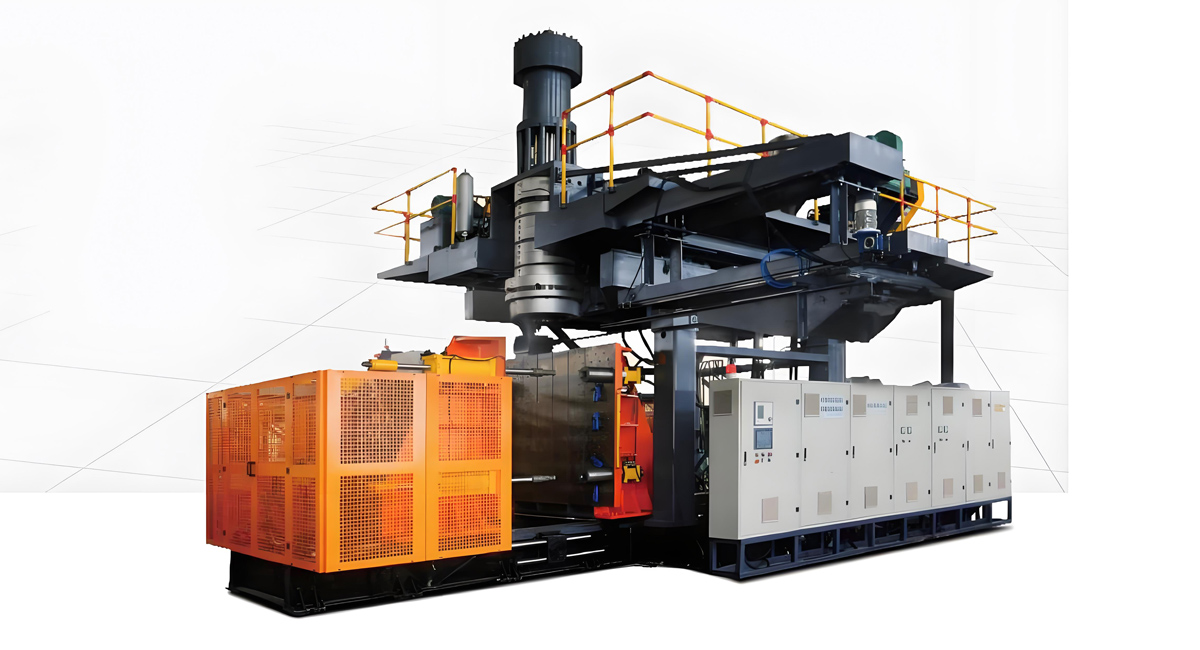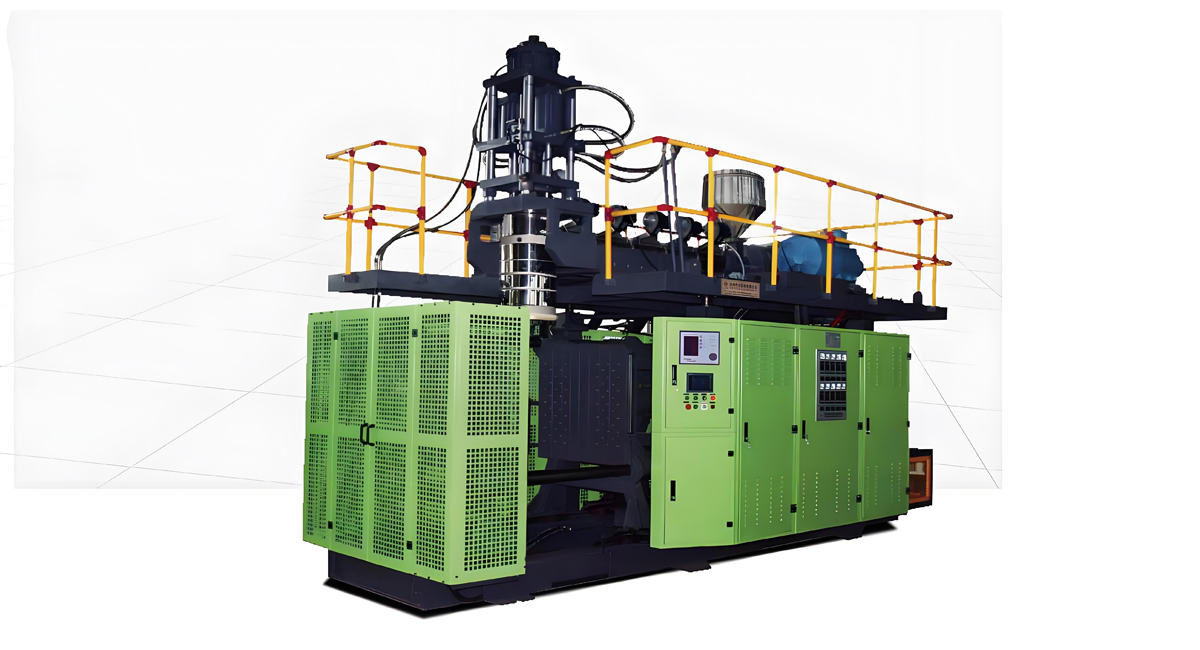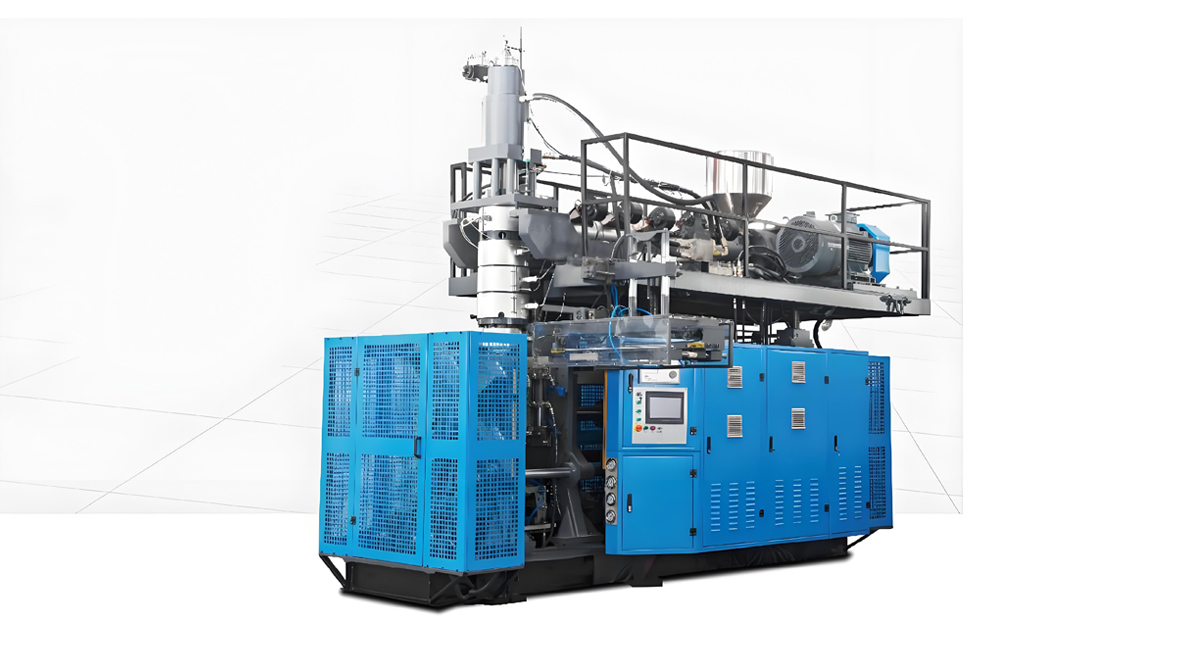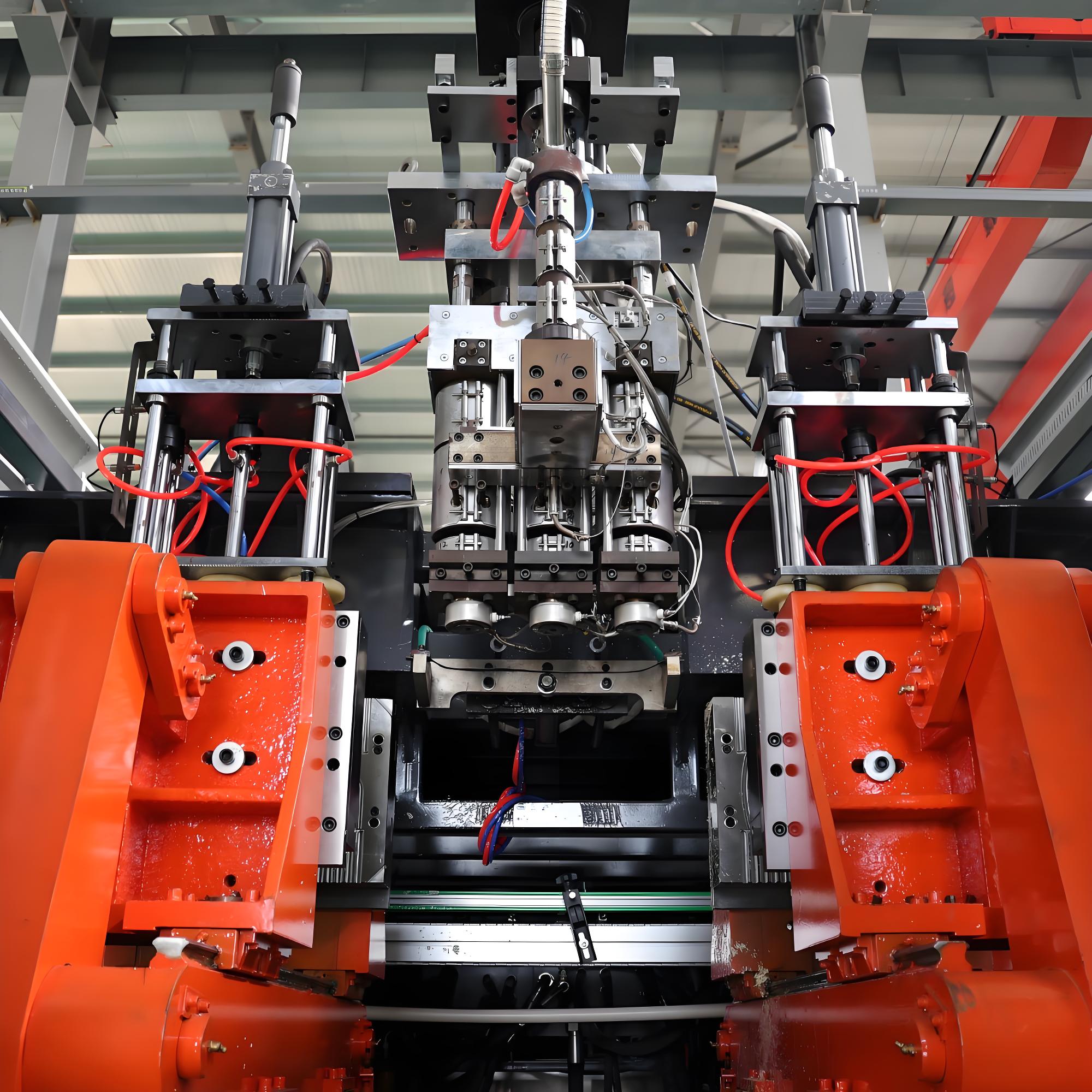
China has long been the “factory of the world,” but in recent years, it has transformed into a hub for high-tech manufacturing. The Chinese extrusion blow molding (EBM) machine industry has evolved from producing low-cost copies to engineering world-class machinery that competes with European and American brands on quality, while maintaining a significant price advantage. For global buyers, sourcing EBM machines from China offers a compelling value proposition, provided they choose the right partner. This article explores the landscape of Chinese EBM manufacturing, focusing on quality standards, export logistics, and why Apollo-China is a preferred supplier for international markets.
The Evolution of Chinese EBM Manufacturing
Twenty years ago, Chinese EBM machines were known for poor reliability and inconsistent quality. Today, leading manufacturers like Apollo-China have closed the gap. They invest heavily in R&D, import high-precision CNC machining centers from Japan and Germany, and employ experienced engineers. The Chinese supply chain for components (motors, PLCs, steel) is mature and cost-effective. This allows Chinese manufacturers to produce machines that meet ISO 9001, CE, and UL standards at a fraction of the cost of Western competitors. The “China Price” is no longer just about cheap labor; it is about scale, supply chain efficiency, and rapid iteration.
Quality Control and International Standards
The biggest concern for international buyers is quality. Reputable Chinese exporters have implemented rigorous QC processes that rival Western OEMs.
1. ISO 9001 Certification
Almost all top-tier Chinese EBM manufacturers hold ISO 9001 certification. This ensures standardized processes for design, procurement, production, and testing. Apollo-China’s factory is ISO 9001:2015 certified, with strict documentation for every component batch.
2. CE and UL Compliance for Export
To sell in Europe (CE) or North America (UL/CSA), machines must undergo third-party testing. Chinese manufacturers now routinely hire agencies like SGS, TUV, or Intertek to test their machines for safety and EMC. A machine leaving a Chinese port for Hamburg will have a full CE technical file, including risk assessments and test reports, ensuring smooth customs clearance. Apollo-China has a dedicated export compliance team that handles all documentation, including Certificates of Origin and Form A for tariff reductions.
3. Component Sourcing
The quality of an EBM machine depends on its components. Top Chinese manufacturers use international brands for critical parts: Siemens or Delta for PLCs, Schneider for electricals, ABB or Yaskawa for servos, and Festo or SMC for pneumatics. The barrel and screw are usually made from high-grade tool steel (like 38CrMoAlA) that is nitrided for wear resistance. By using global standard components, the machine is easier to maintain worldwide, and spare parts are readily available.
Cost Advantages of Sourcing from China
The primary reason to buy from China is cost. However, it’s important to understand where the savings come from.
1. Manufacturing Scale
Chinese manufacturers produce in high volume. A factory like Apollo-China might produce hundreds of extruders a year. This economies of scale reduces the per-unit cost of machining and assembly.
2. Labor and Overhead
While wages in China have risen, they are still lower than in Europe or the US. More importantly, the overhead costs (factory rent, utilities) are lower. This allows for a pricing structure that is typically 30-40% lower than European equivalents for comparable specifications.
3. Government Incentives
The Chinese government supports high-tech exports through tax rebates (VAT refunds) and export credit insurance. Manufacturers pass some of these benefits to the buyer to remain competitive globally.
Price Comparison Example:
A 70mm EBM machine for bottles:
– European Brand (e.g., Sidel, Krones subsidiary): $150,000 – $200,000
– Chinese Premium Brand (Apollo-China): $60,000 – $80,000
– Chinese Low-Cost Brand: $30,000 – $40,000 (Risk of poor quality)
The Apollo machine offers 90% of the performance at 50% of the price of the European brand, making the ROI extremely attractive.
Logistics and Export Process
1. Packaging and Shipping
EBM machines are heavy (5-15 tons) and delicate (precision electronics). They are packed in fumigated wooden crates with shock-absorbing foam. For sea freight, they are loaded into 40ft High Cube containers or as break-bulk on Ro-Ro vessels. Apollo-China has a dedicated logistics department that manages booking, insurance, and customs brokerage. They offer “DDP” (Delivered Duty Paid) or “CIF” (Cost, Insurance, Freight) terms to simplify the buying process for international clients.
2. Installation and Commissioning
The biggest fear of buying from China is the lack of after-sales support. Leading exporters solve this by sending engineers to the client’s site for installation and training. Apollo-China offers two options:
1. Remote Commissioning: Using video calls and IoT data to guide the local electrician/mechanic.
2. On-Site Service: Sending a technician for 1-2 weeks to install, train staff, and run the first production batch. The cost of on-site service (flights, visa, per diem) is usually quoted separately but is often subsidized for large orders.
The “Apollo-China” Advantage in Global Export
Apollo-China has built its export business on trust and customization. Unlike some factories that only produce standard models, Apollo works closely with international clients to adapt machines to local requirements:
1. Customization for Local Markets
– Voltage/Frequency: Configuring motors and heaters for 110V/60Hz (USA) or 230V/50Hz (Europe) or 415V/50Hz (Australia).
– Language: Translating the HMI and manuals into English, Spanish, French, Arabic, or Russian.
– Climate: Adding extra cooling capacity for machines operating in hot climates (Middle East, Southeast Asia) or heaters for cold climates (Russia, Canada).
2. Spare Parts Availability
One of the biggest pain points is waiting for spare parts from China. Apollo-China maintains a global warehouse network or partners with local distributors in key markets (e.g., Mexico for North America, Poland for Europe, Thailand for SE Asia). They guarantee that critical wear parts (screws, barrels, seals) are shipped via air freight within 48 hours, minimizing downtime.
3. Warranty and Support
Standard warranty is 12 months for parts and 6 months for labor/travel. Extended warranties (2 years) are available for a fee. Apollo-China provides 24/7 technical support via WhatsApp or WeChat, often responding within hours due to time zone overlaps with Asia/Europe/Americas.
Risks and How to Mitigate Them
While sourcing from China is beneficial, there are risks:
1. Communication Barriers: Time zones and language differences can cause delays. Mitigation: Use dedicated project managers who speak the buyer’s language.
2. Intellectual Property: Fear of design theft. Mitigation: Sign strict NDAs. Reputable companies like Apollo value their reputation and IP rights.
3. Payment Security: Risk of fraud. Mitigation: Use secure payment methods like Irrevocable Letter of Credit (LC) at sight through a reputable bank, rather than T/T (Telegraphic Transfer) for the full amount upfront. A typical safe payment split is 30% deposit, 70% before shipment (after inspection).
Case Study: Successful Export to Europe
A mid-sized packaging company in Poland needed to upgrade their bottle line but had a limited budget of €80,000. European quotes were over €150,000. They contacted Apollo-China. After a detailed requirement analysis, Apollo recommended a 90mm accumulator-head EBM machine with servo drive. The machine was shipped to Gdansk. Apollo sent an engineer for 10 days of commissioning. The machine achieved a cycle time of 18 seconds for 1L bottles, meeting the target. The total landed cost (machine + shipping + installation) was €95,000. The client saved €55,000 upfront and was able to invest the savings in molds and raw material. Three years later, the machine is running with 98% uptime, and they have ordered a second line.
Conclusion
China is no longer just a low-cost manufacturer; it is a powerhouse of high-quality industrial machinery. For Extrusion Blow Molding machines, Chinese exporters like Apollo-China offer a perfect blend of advanced technology, rigorous quality control, and competitive pricing. By leveraging the scale of the Chinese supply chain and adhering to international standards, they provide global manufacturers with the tools to succeed in a competitive market. When sourcing from China, due diligence is key—choose a partner with a proven track record, strong export documentation, and a commitment to after-sales service. With the right partner, the “China Price” becomes a strategic advantage, delivering high ROI and rapid payback for your packaging operations.