Introduction to Detergent Bottle Production Technology
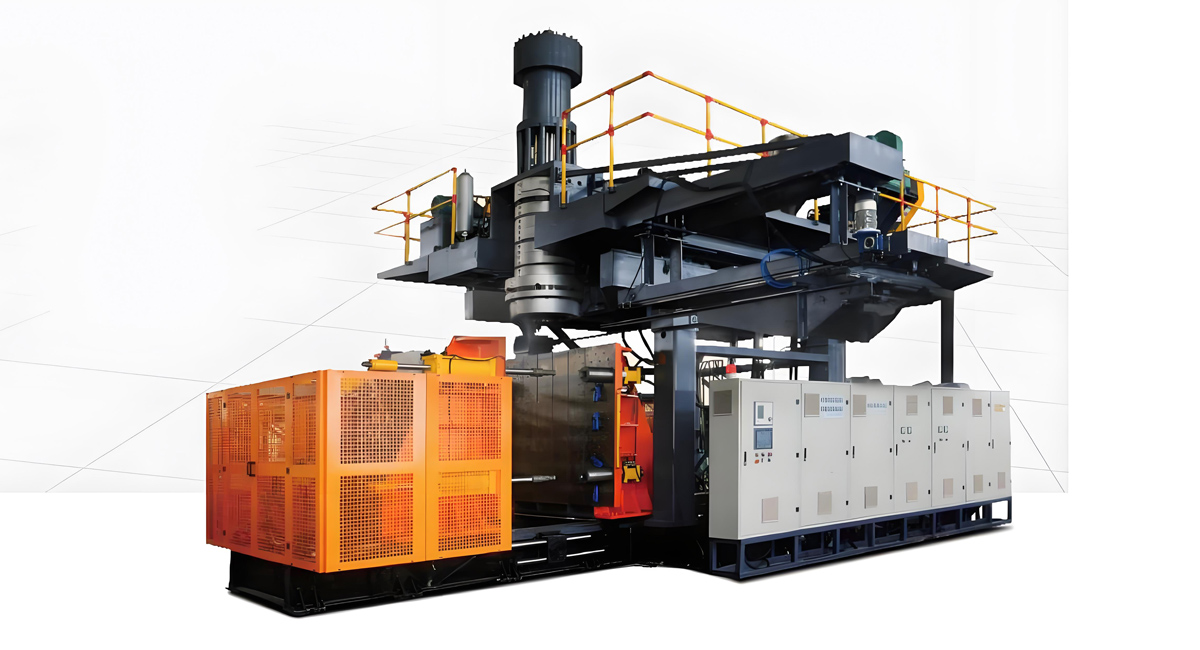
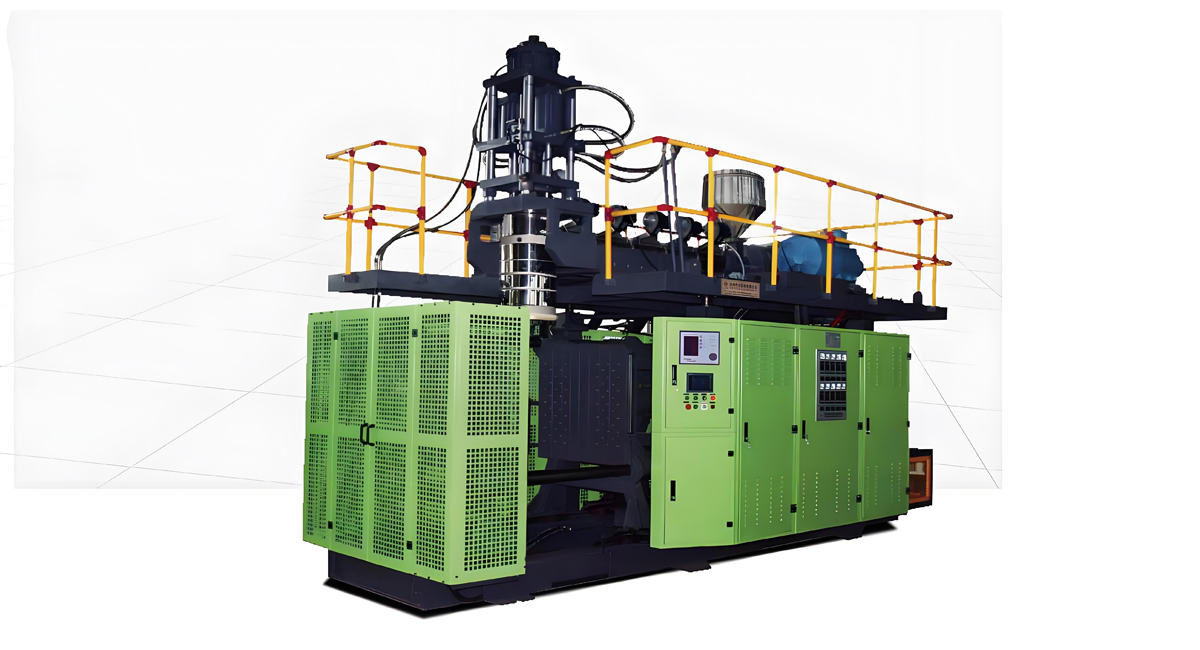
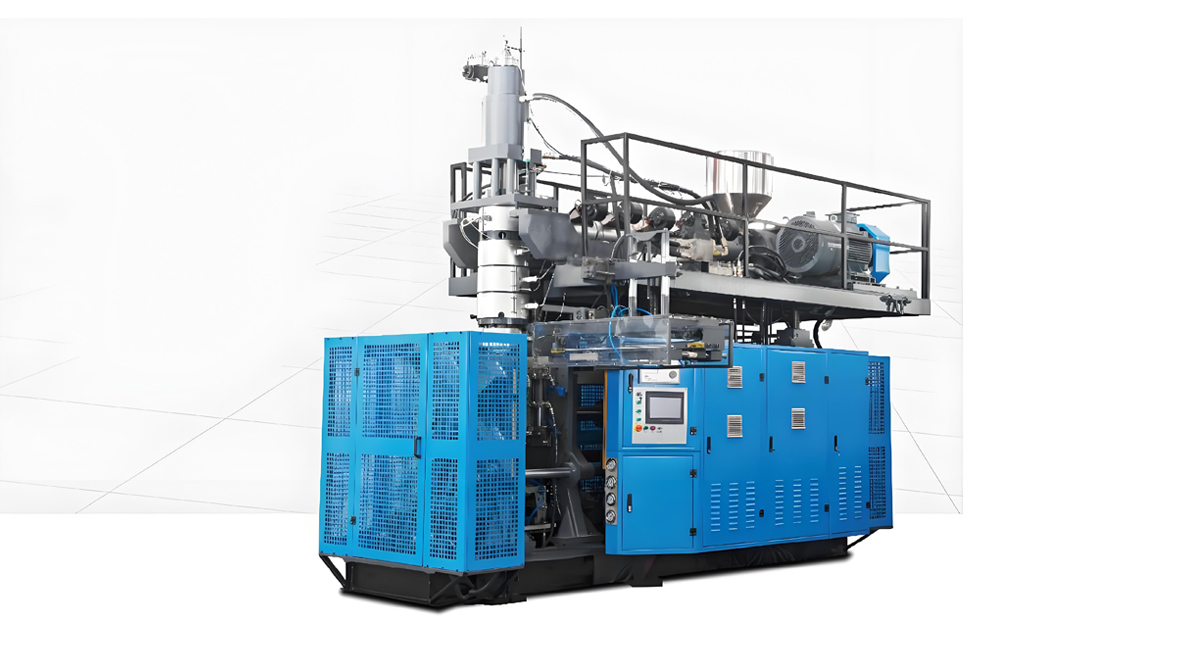
Detergent bottle production represents one of the largest and most competitive segments of the plastic packaging industry, with manufacturers constantly seeking faster production speeds, better cost efficiency, and superior product quality to maintain market position. The global detergent market, including laundry detergents, dishwashing liquids, household cleaners, and industrial cleaning products, demands billions of plastic containers annually, creating substantial opportunities for efficient production equipment. Apollo extrusion blow molding machines, with over 20 years of manufacturing experience and installations in more than 90 countries, deliver the speed, efficiency, and reliability required for competitive detergent bottle manufacturing.
Modern detergent bottles must meet demanding requirements including chemical resistance to withstand corrosive cleaning agents, structural integrity for safe handling and stacking, aesthetic appeal for consumer appeal and brand differentiation, and cost-effectiveness to maintain competitive pricing. Extrusion blow molding technology has become the dominant production method for detergent bottles due to its versatility, efficiency, and capability to produce complex shapes with excellent performance characteristics. Apollo machines specifically optimized for detergent bottle production deliver exceptional performance across all these critical requirements.
The detergent bottle market encompasses diverse product types including 500ml-1L small household cleaner bottles, 1L-5L laundry detergent containers, 5L-20L industrial cleaner containers, and specialty containers with handles, measurement markings, and special features. Apollo offers comprehensive machine coverage across this range, from ABLB series for smaller bottles to ABLD series for large containers, enabling manufacturers to serve the complete detergent bottle product line with a single equipment partner.
Detergent Bottle Material Requirements and Selection
Material selection for detergent bottles involves balancing chemical resistance, cost, processing characteristics, and performance requirements. HDPE and PP are the predominant materials for detergent packaging, each offering specific advantages for different applications. Understanding material characteristics enables appropriate material selection and machine configuration for optimal production results.
HDPE for Detergent Bottles
High-density polyethylene (HDPE) represents the most widely used material for detergent bottles due to its excellent chemical resistance, good stiffness, impact strength, and cost-effectiveness. HDPE provides excellent resistance to a wide range of household and industrial chemicals including acids, bases, and surfactants commonly found in cleaning products. The material’s natural opacity provides excellent light protection for light-sensitive contents while accepting colorants for brand identification.
Apollo extrusion blow molding machines are fully optimized for HDPE processing, with ABLB series models delivering 30-200 kg/h HDPE output depending on machine size. The machines feature precision temperature control systems maintaining temperatures within ±1°C for consistent processing. Optimized screw designs ensure excellent plasticization and homogeneous melt quality. For detergent bottle production, Apollo machines typically process HDPE at barrel temperatures of 160-200°C, with die temperatures of 180-220°C depending on material grade and bottle design.
PP for Detergent Bottles
Polypropylene (PP) offers specific advantages for certain detergent bottle applications including higher temperature resistance, better transparency for clear bottles, and superior stress crack resistance for demanding chemical applications. PP provides good clarity for color-coded product lines while maintaining chemical resistance to many cleaning formulations. The material’s higher stiffness enables thinner walls for material cost reduction while maintaining container strength.
Apollo machines process PP with excellent results, though processing temperatures are higher than HDPE, typically 200-240°C for barrel zones and 220-260°C for die heads. Apollo temperature control systems with multiple heating zones provide precise thermal management for PP processing, preventing thermal degradation while ensuring adequate melt quality. Specialized screw configurations for PP ensure sufficient plasticization and homogeneous melt. Apollo ABLB 82 PC material model specifically designed for high-temperature materials demonstrates Apollo expertise in processing demanding polymers like PP and PC.
Material Additives and Enhancements
Detergent bottles often incorporate material additives to enhance performance characteristics including UV stabilizers for outdoor storage, antioxidants for extended shelf life, antistatic agents for improved handling, and colorants for brand identification and product differentiation. These additives must be properly incorporated into the polymer to achieve desired performance while maintaining processability and product quality.
Apollo extrusion blow molding machines handle additive-modified materials with excellent results. The efficient plasticization systems ensure homogeneous distribution of additives throughout the melt. Temperature control precision prevents additive degradation during processing. For applications requiring masterbatch addition, Apollo machines feature multiple feeding ports and precision feeding systems for accurate additive incorporation. Material handling systems can be configured for automatic additive feeding and color change for efficient multi-product production.
Recycled Material Compatibility
Sustainability initiatives increasingly drive use of recycled content in detergent bottles, requiring equipment capable of processing recycled HDPE and PP materials effectively. Recycled materials may contain contaminants, have varying viscosity, and require different processing conditions compared to virgin materials. Equipment must handle these variations while maintaining product quality and production efficiency.
Apollo extrusion blow molding machines demonstrate excellent capability with recycled materials for detergent bottle production. Robust screw designs handle material variations and potential contaminants. Extended L/D ratios provide adequate residence time for melting and homogenization recycled materials. Enhanced filtration systems remove contaminants from recycled material streams. Temperature control systems compensate for thermal variations in recycled materials. Apollo machines enable manufacturers to incorporate recycled content while maintaining product quality and production efficiency.
Machine Selection for Detergent Bottle Production
Selecting appropriate extrusion blow molding equipment for detergent bottle production requires careful consideration of production requirements, product specifications, and economic objectives. Apollo offers comprehensive machine coverage from small-scale production to high-volume industrial lines, enabling appropriate equipment selection for any detergent bottle application.
Small Detergent Bottles (200ml-5L)
Small detergent bottles including household cleaners, small laundry detergents, and specialty cleaning products typically range from 200ml to 5L capacity. These applications require high production speeds for economic viability, consistent quality for consumer acceptance, and flexibility for multiple product sizes and designs. Apollo ABLB series machines are ideally suited for this segment, offering excellent speed and precision for small container production.
Apollo ABLB 45 model produces 1L-2L detergent bottles at 1550 pieces per hour (single station) or 1400 pieces per hour (double station) with 30 kg/h HDPE output. ABLB 55 produces 2L-3L bottles at 1100 pieces per hour (single station) or 1900 pieces per hour (double station) with 60 kg/h output. ABLB 65 produces 3.5L-5L bottles at 1000 pieces per hour (single station) or 1600 pieces per hour (double station) with 75 kg/h output. These machines deliver exceptional production speed while maintaining quality consistency required for detergent bottles. Pricing for ABLB series ranges from USD 25,000-42,000 depending on model and configuration.
Medium Detergent Bottles (5L-20L)
Medium detergent bottles including large laundry detergent containers, bulk household cleaner containers, and mid-sized industrial cleaner containers range from 5L to 20L capacity. These applications require robust construction for heavier containers, adequate clamping force for larger molds, and appropriate production speed for economic operation. Apollo ABLB series larger models and ABLD series models serve this segment effectively.
Apollo ABLB 75 produces 8L detergent bottles at 800 pieces per hour (single station) or 1600 pieces per hour (double station) with 100 kg/h output and 80KN clamping force. ABLB 80 produces 10L bottles at 700 pieces per hour (single station) or 1400 pieces per hour (double station) with 110-120 kg/h output and 100KN clamping force. ABLB 90 produces 16L bottles at 800 pieces per hour (single station) or 1000 pieces per hour (double station) with 130-150 kg/h output and 120KN clamping force. These machines deliver robust performance for larger detergent bottles while maintaining excellent production efficiency.
Large Detergent Containers (20L-60L)
Large detergent containers including industrial cleaner containers, bulk laundry detergent containers, and specialty cleaning product containers range from 20L to 60L capacity. These applications require accumulator head technology for large parison formation, substantial clamping force for large molds, and appropriate production output for commercial viability. Apollo ABLD series accumulator head machines are specifically designed for this segment.
Apollo ABLD 80 produces 30L detergent containers at 600 pieces per hour with 120 kg/h output, 210KN clamping force, and 4.4L accumulator. ABLD 90 produces 60L containers at 450 pieces per hour with 150 kg/h output, 320KN clamping force, and 6.6L accumulator. These machines feature accumulator head technology for large parison formation, robust construction for industrial duty, and appropriate production speeds for large container economics. ABLD series pricing ranges from USD 150,000-180,000 depending on capacity and configuration.
High-Speed Production Configurations
High-speed production configurations for detergent bottle production maximize output through multi-cavity molds, multi-station machines, and automated downstream equipment. These configurations significantly increase production capacity and reduce per-unit production costs, providing competitive advantage in high-volume markets. Apollo offers multiple high-speed configuration options for detergent bottle production.
Double-station configurations increase production output by 50-100% compared to single-station machines. Multi-cavity molds (2-4 cavities for small bottles) further increase output capacity. Automated downstream equipment including take-out robots, trimming stations, leak testing, and packaging systems create complete production lines minimizing labor requirements. Apollo ABLB double-station models with automated downstream equipment can achieve production speeds exceeding 2000 pieces per hour for 1L detergent bottles, providing exceptional production capacity for high-volume manufacturers.
Production Line Configuration for Detergent Bottles
Optimizing detergent bottle production requires comprehensive line configuration integrating blow molding equipment with appropriate auxiliary systems and downstream equipment. Complete line design considers material handling, production requirements, quality assurance, and packaging needs to create efficient, cost-effective production operations.
Material Handling and Preparation
Material handling and preparation systems ensure consistent material supply and quality to the blow molding machine. Proper material handling prevents contamination, ensures consistent material quality, and enables efficient material changeover for multi-product production. Apollo provides comprehensive material handling solutions for detergent bottle production.
Material handling systems include automatic loaders with dust removal for clean material supply, gravimetric dosing units for precise additive addition, and material drying systems for hygroscopic materials. For production requiring multiple colors, central material distribution with automated color change enables efficient multi-product production. Apollo material handling systems integrate seamlessly with blow molding equipment, ensuring consistent material quality and supply while minimizing labor requirements for material management.
Mold Design and Technology
Mold design significantly affects detergent bottle quality, production speed, and cost. Proper mold design enables fast cooling, easy demolding, consistent wall thickness, and excellent surface finish. Apollo provides custom mold design and manufacturing services optimized for detergent bottle production requirements.
Detergent bottle molds from Apollo feature optimized cooling channels for rapid cycle times, precision machining for consistent dimensions, and appropriate surface finish for product appearance. For bottles with handles, special mold designs enable handle formation without cycle time penalty. Neck finish molds ensure consistent cap fit. Measurement marking molds enable accurate volume indication. Apollo mold engineering expertise ensures optimal mold design for specific detergent bottle requirements, maximizing production efficiency and quality.
Automation and Downstream Equipment
Automation and downstream equipment transform blow molding machines into complete production lines, reducing labor requirements, increasing production capacity, and improving quality consistency. Apollo provides comprehensive automation solutions for detergent bottle production lines.
Automation systems include take-out robots for bottle removal from molds, automatic trimming stations for flash removal, leak testing equipment for quality assurance, and packaging systems for final product preparation. Vision inspection systems detect cosmetic defects and sorting equipment removes defective bottles. Complete automation enables unattended operation for extended periods, significantly reducing labor costs per unit. Apollo automation systems integrate seamlessly with blow molding equipment, creating efficient, reliable production lines.
Quality Control Systems
Quality control systems ensure detergent bottles meet specifications for dimensions, wall thickness, leak performance, and appearance. Effective quality control prevents defective products from reaching customers while providing process feedback for continuous improvement. Apollo integrates quality control systems into production lines for comprehensive quality assurance.
Quality control systems include automated dimensional inspection for critical bottle dimensions, wall thickness measurement systems for consistent container performance, leak testing equipment for container integrity, and vision inspection systems for cosmetic quality. Statistical process control systems track quality trends and alert operators to developing issues before defects occur. Apollo quality control systems ensure consistent product quality while minimizing waste and customer returns.
Production Speed and Efficiency Optimization
Production speed and efficiency directly affect detergent bottle production economics. Optimizing cycle times, reducing downtime, and maximizing output capacity are essential for competitive manufacturing. Apollo extrusion blow molding machines incorporate multiple features and technologies for maximum production efficiency.
Cycle Time Optimization
Cycle time optimization reduces time per bottle, increasing production output and reducing per-unit production costs. Cycle time components including parison formation, mold closing, blowing, cooling, and mold opening must be optimized while maintaining product quality. Apollo machines feature multiple technologies for cycle time optimization.
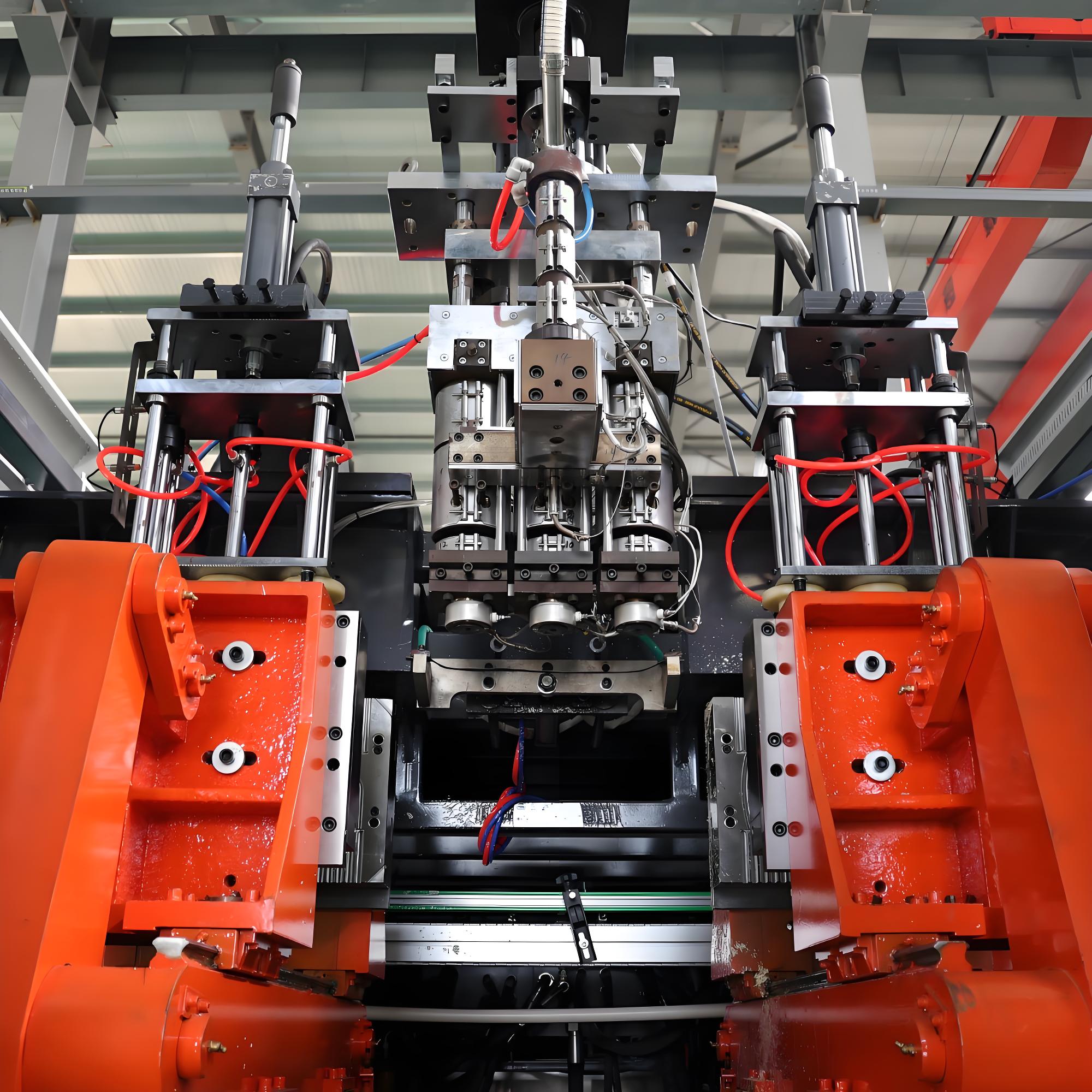
Fast parison formation through optimized screw design and die geometry reduces parison formation time. Rapid mold closing via servo-controlled clamping systems minimizes mold closing time. Efficient blowing systems with adequate air volume and pressure reduce blowing time. Enhanced cooling through optimized mold design and cooling capacity reduces cooling time. Apollo machines achieve cycle times of 4.5-8 seconds for 1L-5L detergent bottles, enabling production speeds of 500-1900 pieces per hour depending on machine configuration.
Energy Efficiency
Energy efficiency significantly affects operating costs and environmental impact. Reducing energy consumption per bottle lowers production costs and improves sustainability credentials. Apollo machines incorporate multiple energy-saving technologies for efficient operation.
Servo-driven systems consume energy only during actual motion, eliminating constant energy consumption of hydraulic pumps. Insulated heating systems reduce heat loss and improve thermal efficiency. Variable speed drives match motor power to actual load, avoiding energy waste. Optimized process parameters minimize unnecessary energy consumption. Apollo fully electric machines achieve 30-40% energy savings compared to conventional hydraulic machines. For typical 1L detergent bottle production, energy consumption per bottle ranges from 0.08-0.15 kWh depending on machine size and configuration.
Minimizing Downtime
Minimizing downtime maximizes effective production time and output capacity. Downtime sources including maintenance, material changes, and product changeovers must be minimized through reliable equipment design and efficient operational procedures. Apollo machines feature robust design for reliable operation and features that minimize downtime.
Robust construction with quality components including Siemens motors and YUKEN hydraulic components ensures reliable operation. Quick-change mold systems reduce mold changeover time. Automated color change systems reduce material changeover time. Comprehensive preventive maintenance requirements minimize unplanned downtime. Remote diagnostic capabilities enable rapid troubleshooting and repair. Apollo machines typically achieve availability exceeding 95% with proper maintenance, maximizing effective production capacity.
Labor Productivity
Labor productivity affects per-unit production costs through labor requirements per unit output. Reducing labor requirements through automation and efficient line design improves labor productivity and reduces costs. Apollo production lines incorporate automation and efficient design to maximize labor productivity.
Automated material handling reduces manual material loading requirements. Take-out robots eliminate manual bottle removal. Automated trimming and quality control reduce manual inspection requirements. Integrated packaging systems reduce manual packaging labor. Complete production line automation can reduce labor requirements by 60-80% compared to manual operations. Apollo automated production lines enable one operator to manage multiple machines, significantly improving labor productivity and reducing per-unit labor costs.
Cost Analysis and Economic Performance
Cost analysis and economic performance assessment enable informed investment decisions and operational optimization for detergent bottle production. Understanding equipment costs, operating costs, and revenue potential ensures profitable operations and appropriate return on investment.
Equipment Investment Costs
Equipment investment costs for detergent bottle production vary based on capacity, configuration, and automation level. Basic single-station machines for small bottles start around USD 25,000-35,000. Double-station configurations increase capacity and cost to USD 35,000-42,000. Mid-range machines for 5L-20L containers range from USD 45,000-80,000. Large accumulator head machines for 20L-60L containers range from USD 150,000-180,000. Fully automated production lines including downstream equipment can reach USD 200,000-300,000 depending on capacity and configuration.
Apollo detergent bottle machines offer excellent value across this price range. ABLB 55 for 2L-3L bottles costs approximately USD 27,000-35,000. ABLB 75 for 8L bottles costs approximately USD 37,000-42,000. ABLD 80 for 30L containers costs approximately USD 150,000-170,000. These prices represent 20-30% savings compared to European alternatives while maintaining comparable performance and quality.
Operating Cost Breakdown
Operating costs for detergent bottle production include material costs, energy costs, labor costs, maintenance costs, and miscellaneous overhead. Material costs typically represent 40-50% of total operating costs, making material efficiency critical for economic performance. Energy costs represent 5-10% of operating costs, with efficient equipment reducing this percentage. Labor costs represent 10-20% depending on automation level. Maintenance costs represent 5-8% of equipment cost annually. Miscellaneous costs including utilities, consumables, and overhead represent 10-15%.
For typical 1L detergent bottle production on Apollo ABLB 55 double-station machine, operating cost breakdown includes material USD 0.15-0.20 per bottle, energy USD 0.015-0.025 per bottle, labor USD 0.02-0.04 per bottle with automation, maintenance USD 0.01-0.02 per bottle, and miscellaneous USD 0.03-0.05 per bottle. Total operating cost of USD 0.225-0.335 per bottle provides good margin potential for manufacturers with appropriate pricing.
Production Capacity and Revenue
Production capacity and revenue potential depend on machine configuration, product size, and operating hours. Understanding capacity and revenue enables appropriate equipment sizing and business planning. Apollo machines provide excellent capacity across the detergent bottle product range.
Apollo ABLB 55 double-station produces approximately 1900 pieces per hour for 2L-3L detergent bottles. At 6000 operating hours annually, annual production reaches 11.4 million bottles. At selling price of USD 0.60-0.80 per bottle depending on market and specifications, annual revenue reaches USD 6.84-9.12 million. This substantial revenue potential provides excellent return on equipment investment and supports profitable operations for manufacturers.
Return on Investment Analysis
Return on investment analysis for detergent bottle production equipment considers equipment investment, operating costs, revenue, and profit potential. Payback periods vary based on market conditions, product mix, and operational efficiency but typically range from 1-2 years for well-run operations.
For typical investment of USD 35,000 in Apollo ABLB 55 double-station machine producing 11.4 million bottles annually with profit of USD 0.10-0.15 per bottle after all costs, annual profit reaches USD 1.14-1.71 million. This provides payback of 2-3 months and exceptional return on investment over equipment service life of 15-20 years. Even conservative profit estimates deliver payback under one year, making detergent bottle production equipment an excellent investment for growing manufacturers.
Quality Assurance and Performance Standards
Quality assurance and performance standards ensure detergent bottles meet customer requirements and regulatory specifications. Comprehensive quality management systems, testing protocols, and process controls ensure consistent quality and customer satisfaction.
Dimensional Accuracy and Consistency
Dimensional accuracy and consistency are critical for proper cap fit, labeling equipment compatibility, and customer acceptance. Apollo machines deliver excellent dimensional control through precision components and advanced control systems. Dimensional tolerances of ±0.1-0.3mm are typical for detergent bottles depending on size, with Apollo machines maintaining consistent dimensions across production runs.
Wall Thickness Control
Wall thickness control affects container strength, material efficiency, and cost. Apollo parison wall thickness control systems maintain wall thickness within ±0.05-0.1mm depending on product size, optimizing material usage while maintaining required strength. Consistent wall thickness prevents weak points and ensures reliable container performance.
Leak Performance
Leak performance is essential for detergent bottles to prevent product loss and ensure customer satisfaction. Apollo machines produce bottles with excellent leak performance through precise control and quality design. Automated leak testing systems verify 100% of production for leak-free performance, preventing defective products from reaching customers.
Chemical Resistance
Chemical resistance ensures detergent bottles withstand aggressive cleaning formulations without degradation. Apollo processing expertise with HDPE and PP materials ensures proper material selection and processing for optimal chemical resistance. Proper material selection based on specific detergent formulations ensures long-term container performance without cracking, stress whitening, or chemical attack.
Conclusion: Competitive Detergent Bottle Production
Extrusion blow molding machines from Apollo provide comprehensive solutions for competitive detergent bottle production across all product sizes and types. With over 20 years of manufacturing experience, proven technology, and global support, Apollo delivers the speed, efficiency, and reliability required for successful detergent bottle manufacturing operations.
Investment in Apollo equipment delivers excellent return through high production speeds, low operating costs, superior quality, and market-leading value. As detergent markets become increasingly competitive, manufacturers with efficient, reliable production equipment will capture growing market share through cost leadership and quality excellence. Apollo provides complete support from equipment selection through installation, training, and ongoing service, ensuring long-term success in detergent bottle production.
For detergent bottle manufacturers seeking competitive advantage through production excellence, Apollo extrusion blow molding machines provide the technology, performance, and value needed for market leadership. With Apollo equipment and support, manufacturers can achieve efficient, profitable, and sustainable detergent bottle production operations.