
Introduction to Material Compatibility in Blow Molding
Material compatibility represents a fundamental consideration in extrusion blow molding machine selection and operation, directly affecting processing capability, product quality, and overall production efficiency. Different polymers exhibit unique characteristics that require specific machine configurations, processing parameters, and equipment designs to achieve optimal results. Understanding material compatibility is essential for manufacturers to select appropriate equipment and develop effective processing strategies that maximize productivity while maintaining consistent product quality. The growing diversity of plastic materials available for packaging applications has expanded the requirements for extrusion blow molding equipment to accommodate various material types.
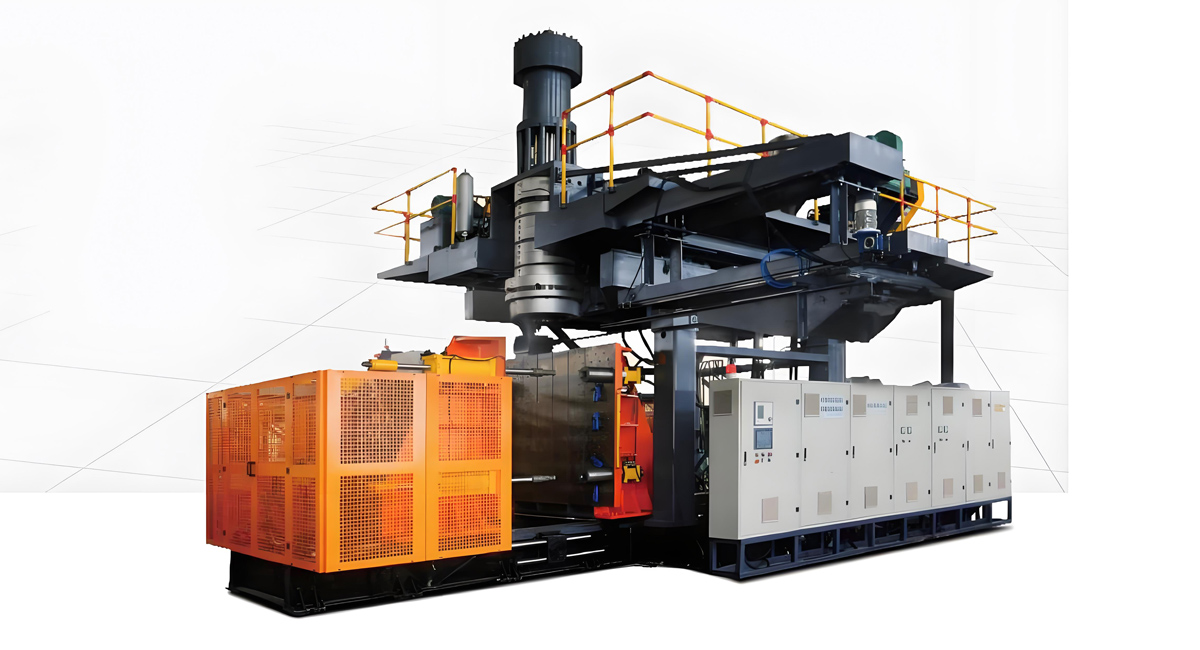
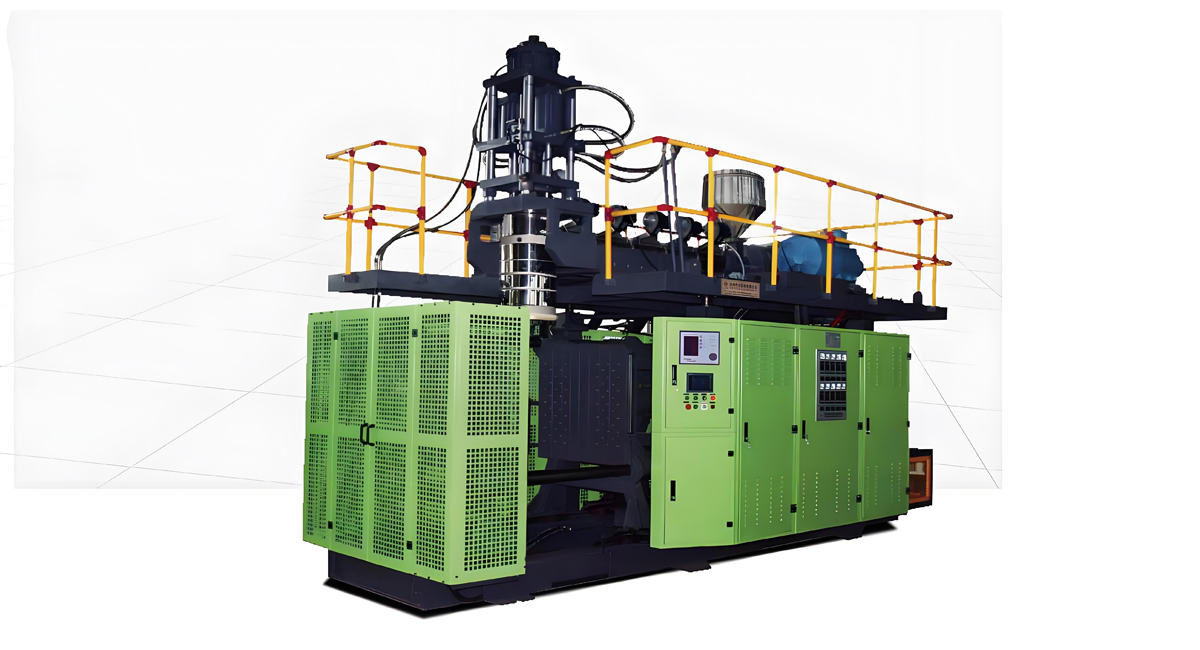
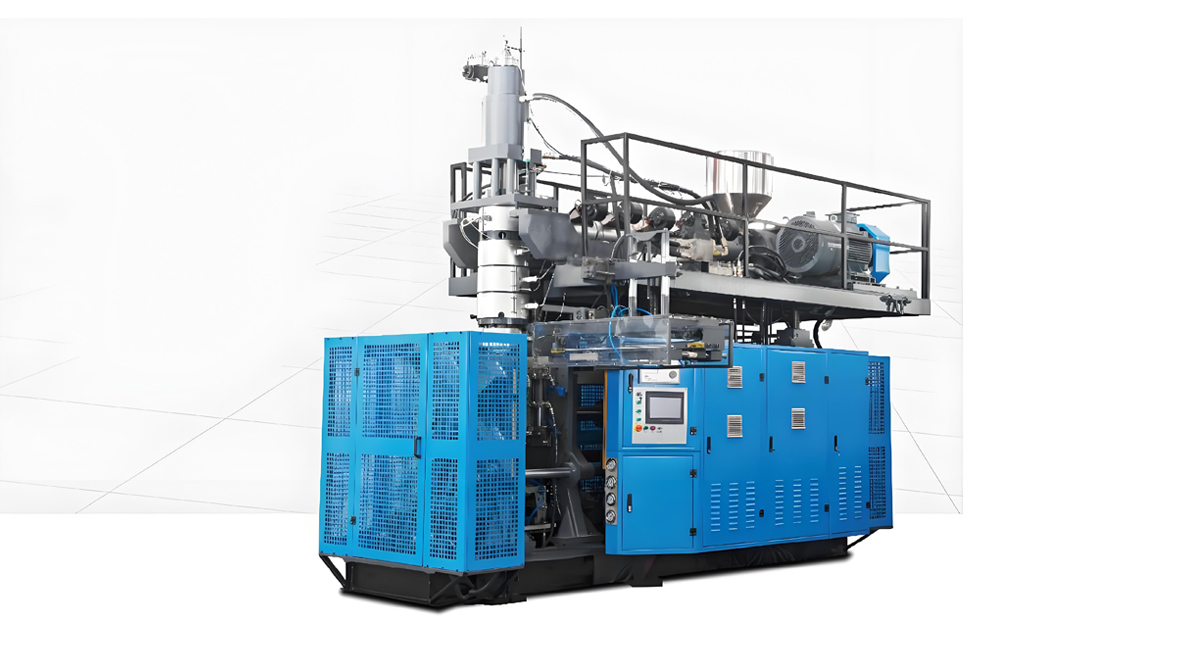
The compatibility between extrusion blow molding machines and polymer materials encompasses multiple factors including thermal characteristics, viscosity behavior, crystallization properties, and mechanical properties during processing. Each material presents specific processing challenges that must be addressed through appropriate machine design, screw configuration, die design, and process control systems. The increasing demand for specialized packaging applications has driven development of extrusion blow molding machines capable of processing multiple material types while maintaining high productivity and product quality. Apollo Extrusion Blow Molding Machines have been engineered to address the diverse material compatibility requirements of modern packaging production.
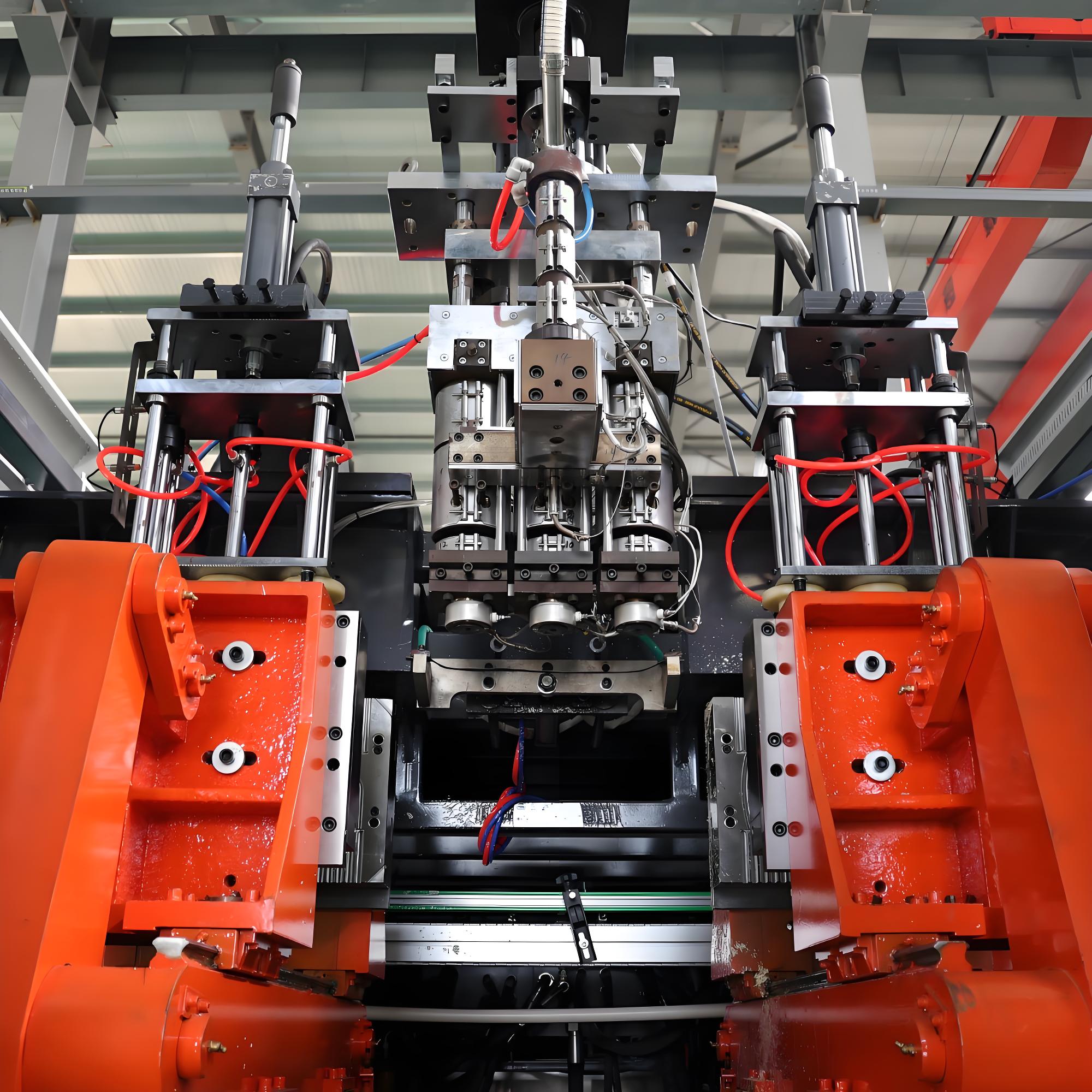
Material-specific considerations in extrusion blow molding include melting behavior, parison formation characteristics, blow moldability, and cooling/solidification behavior. Different materials require different temperature profiles, shear conditions, and processing sequences to achieve optimal parison quality and final product characteristics. The selection of screw configuration, die design, and blow molding parameters must be optimized for each material type. Equipment flexibility to process multiple material types has become increasingly important as manufacturers seek to diversify product offerings and respond to changing market demands.
High Density Polyethylene (HDPE) Processing
High density polyethylene represents one of the most commonly processed materials in extrusion blow molding, widely used for applications ranging from bottles and containers to industrial packaging. HDPE offers excellent chemical resistance, good impact strength, and favorable processing characteristics that make it suitable for blow molding applications. The material’s relatively wide processing window and good parison stability enable efficient production of high-quality containers. HDPE’s good environmental stress crack resistance and barrier properties make it appropriate for a wide range of packaging applications, particularly for chemicals and household products.
HDPE processing in extrusion blow molding machines requires specific screw design and temperature profile optimization. The material typically processes well with general-purpose screw designs featuring moderate compression ratios and adequate mixing sections. Temperature profiles for HDPE typically range from 160 to 220 degrees Celsius, with the specific profile depending on grade and desired melt characteristics. Proper temperature management is essential to achieve appropriate melt viscosity for parison formation while preventing thermal degradation. The material’s relatively low moisture sensitivity simplifies processing compared to some other polymers.
Parison characteristics for HDPE are generally favorable for blow molding, with good melt strength and parison stability. The material exhibits moderate swell behavior that can be accommodated through appropriate die design and process parameter adjustment. HDPE’s crystallization behavior affects blow mold filling and product quality, with rapid crystallization requiring proper mold design and cooling strategies. The material’s semi-crystalline nature influences dimensional stability and shrinkage characteristics that must be considered in product design and mold design.
Apollo extrusion blow molding machines are well-suited for HDPE processing, with screw configurations and temperature control systems optimized for this material. The machines incorporate features that address HDPE’s specific processing requirements, including precise parison control and appropriate cooling systems. The equipment’s flexibility enables processing of various HDPE grades from low-density to high-density materials, accommodating different application requirements. Apollo’s experience with HDPE applications ensures that machines deliver consistent product quality and production efficiency.
Polypropylene (PP) Blow Molding
Polypropylene has emerged as an important material for blow molding applications, offering advantages including high clarity, good chemical resistance, and excellent hot-fill capabilities. PP’s higher melting point compared to HDPE makes it suitable for applications requiring elevated temperature resistance, including hot-fill products and certain chemical containers. The material’s lower density provides weight savings that can be significant in packaging applications. PP’s good barrier properties against moisture and certain gases enhance product shelf life and protect sensitive contents.
PP processing presents unique challenges compared to HDPE due to the material’s different thermal characteristics and crystallization behavior. The higher melting point of PP, typically between 160 and 170 degrees Celsius, requires higher processing temperatures. PP exhibits sharper melting behavior and more rapid crystallization compared to HDPE, affecting parison formation and blow mold filling. The material’s lower melt strength can present challenges for certain container geometries, requiring appropriate parison control and blow molding strategies.
Screw design for PP processing requires consideration of the material’s thermal characteristics and viscosity behavior. Higher compression ratios may be beneficial for PP to achieve adequate melting and homogeneity. The mixing section must provide sufficient distributive mixing while maintaining melt strength for parison formation. Temperature profiles for PP typically range from 180 to 240 degrees Celsius, with careful control needed to prevent thermal degradation. The material’s sensitivity to thermal degradation requires appropriate residence time management and temperature control.
Apollo extrusion blow molding machines incorporate features specifically designed for PP processing, including screw configurations optimized for PP’s thermal characteristics and parison control systems that address the material’s lower melt strength. The machines provide precise temperature control across multiple zones to accommodate PP’s processing requirements. Advanced parison programming enables compensation for PP’s specific swell and crystallization behavior. Apollo’s expertise in PP applications ensures successful processing of this material for various packaging applications.
Polyvinyl Chloride (PVC) Processing
Polyvinyl chloride represents a specialized material for blow molding applications, particularly valued for its chemical resistance, transparency options, and flame retardant properties. PVC’s excellent resistance to many chemicals makes it suitable for containers for aggressive substances including household chemicals and industrial products. The material can be formulated for various clarity levels from crystal clear to opaque, providing design flexibility. PVC’s inherent flame retardancy makes it appropriate for applications where fire resistance is required. The material’s good barrier properties against gases and vapors enhance product protection.
PVC processing requires special considerations due to the material’s thermal sensitivity and complex additive systems. PVC begins to degrade at temperatures above 200 degrees Celsius, requiring careful temperature control to maintain processing within appropriate limits. The material typically includes plasticizers, stabilizers, lubricants, and other additives that affect processing behavior and require appropriate screw design and processing parameters. The presence of these additives necessitates special attention to residence time and thermal management to prevent additive degradation and maintain material properties.
Screw design for PVC processing must address the material’s thermal sensitivity and additive system characteristics. Lower shear designs are typically preferred to prevent excessive heat generation and thermal degradation. The screw should provide adequate mixing for additive homogenization while maintaining appropriate melt characteristics. Temperature profiles for PVC are critical, typically ranging from 160 to 190 degrees Celsius, with precise control needed to prevent degradation. The material’s sensitivity to residence time requires optimization of processing throughput and equipment design.
Apollo extrusion blow molding machines for PVC processing incorporate specialized features designed to address the material’s unique requirements. Temperature control systems provide precise management of processing temperatures within PVC’s narrow processing window. Screw configurations are optimized to provide adequate mixing with minimal shear and heat generation. The machines incorporate appropriate materials and surface treatments to resist potential corrosion from PVC additives. Apollo’s experience with PVC applications ensures reliable processing of this challenging material.
Polyethylene Terephthalate (PET) Blow Molding
Polyethylene terephthalate has become a premium material for blow molding applications, offering exceptional clarity, excellent barrier properties, and good mechanical strength. PET’s superior clarity and gloss make it the preferred material for premium packaging applications including beverage bottles and cosmetic containers. The material’s excellent barrier properties against oxygen and carbon dioxide extend product shelf life and preserve product quality. PET’s good mechanical properties enable production of lightweight containers with adequate strength for handling and distribution.
PET processing presents significant challenges compared to other blow molding materials due to its hygroscopic nature and complex crystallization behavior. PET must be thoroughly dried to very low moisture levels before processing to prevent degradation and property loss. The material’s crystallization behavior is critical for achieving appropriate product properties, with the degree of crystallinity affecting clarity, mechanical strength, and thermal resistance. PET requires more sophisticated processing equipment and control systems compared to HDPE or PP.
Processing equipment for PET must incorporate drying systems to achieve and maintain appropriate moisture levels. Drying typically requires 4 to 6 hours at temperatures between 150 and 180 degrees Celsius to reduce moisture to below 50 ppm. Extruder screw design must provide adequate melting and homogenization while maintaining appropriate thermal history to support crystallization. Temperature profiles for PET typically range from 260 to 290 degrees Celsius, with precise control needed to prevent degradation and support crystallization. The material’s sensitivity to thermal history requires optimization of residence time and cooling profile.
Apollo extrusion blow molding machines for PET processing incorporate advanced features designed to address the material’s demanding requirements. Integrated drying systems ensure proper moisture removal before processing. Temperature control systems provide precise management of PET’s high processing temperatures. Advanced parison control systems address PET’s specific melt characteristics and crystallization behavior. Apollo’s experience with PET applications ensures successful processing of this premium material for high-quality packaging applications.
Multi-Material Processing Capabilities
The ability to process multiple material types on a single extrusion blow molding machine provides significant operational flexibility and economic advantages. Multi-material capability enables manufacturers to respond to changing market demands, produce diverse product lines, and optimize equipment utilization. However, processing multiple materials on one machine requires careful consideration of compatibility requirements and potential cross-contamination issues. Modern extrusion blow molding machines incorporate features that facilitate multi-material processing while maintaining product quality and efficiency.
Material changeover procedures are critical for multi-material processing to prevent cross-contamination and ensure consistent product quality. Procedures should include purging of previous material, cleaning of material contact surfaces, and verification of clean conditions before processing new material. Purging materials and procedures must be appropriate for the materials being changed between, with some material combinations requiring more extensive cleaning than others. Documentation of changeover procedures and verification steps ensures consistent execution and quality assurance.
Equipment design features that facilitate multi-material processing include modular components, accessible material contact surfaces, and appropriate surface treatments. Modular screw and die components enable changeover of critical processing elements between materials. Accessible material contact surfaces simplify cleaning and maintenance activities. Surface treatments that resist material adhesion reduce cleaning requirements and changeover times. These features collectively improve equipment flexibility for multi-material processing.
Apollo extrusion blow molding machines incorporate design features that facilitate multi-material processing capabilities. The machines use modular components that can be changed or reconfigured to optimize performance for different materials. Surface treatments and material contact surface designs minimize material adhesion and simplify cleaning. Comprehensive documentation of changeover procedures and material-specific processing parameters enables efficient multi-material operation. Apollo’s commitment to equipment flexibility ensures that machines can adapt to diverse material requirements.
Material-Specific Equipment Configurations
Material-specific equipment configurations optimize processing performance for particular materials by addressing their unique processing requirements. These configurations may include specialized screw designs, die configurations, temperature control systems, and auxiliary equipment tailored to specific material characteristics. Implementing material-specific configurations can significantly improve processing efficiency, product quality, and operational stability for target materials. Manufacturers must evaluate the benefits of specialization against equipment flexibility requirements when selecting configurations.
Screw designs for different materials vary significantly to address specific processing requirements. HDPE typically processes well with general-purpose screw designs featuring moderate compression and adequate mixing sections. PP may benefit from higher compression ratios to achieve adequate melting and homogenization. PVC requires lower shear designs to prevent thermal degradation. PET processing screws must provide adequate melting and homogenization while maintaining appropriate thermal history for crystallization. The selection of appropriate screw design is fundamental to achieving optimal processing for each material.
Die designs must be optimized for different material characteristics, including swell behavior, melt strength, and thermal properties. HDPE’s moderate swell can be accommodated with standard die designs. PP’s different swell and crystallization behavior may require die design adjustments. PVC processing dies must minimize dead zones and residence time to prevent degradation. PET dies must provide appropriate melt control and support crystallization. Die design significantly affects parison quality and final product characteristics.
Auxiliary equipment requirements vary significantly between materials. PET processing requires drying systems to achieve appropriate moisture levels. Some materials may require specialized material handling equipment to maintain material quality. Temperature control requirements vary, with some materials requiring more precise temperature control than others. Material-specific considerations for auxiliary equipment must be incorporated into overall system design to ensure optimal processing performance.
Processing Parameter Optimization
Optimization of processing parameters is essential for achieving consistent product quality and maximizing production efficiency for each material type. Processing parameters including temperature profiles, screw speed, blow pressure, and mold temperature must be optimized for each material and product combination. Parameter optimization requires systematic experimentation and data collection to identify optimal conditions. Well-documented processing parameters enable consistent reproduction and facilitate troubleshooting when problems arise.
Temperature profile optimization must consider melting behavior, thermal degradation sensitivity, and crystallization requirements for each material. HDPE typically processes well with moderate temperature gradients across the extruder. PP requires careful temperature control due to thermal sensitivity and crystallization behavior. PVC processing demands strict temperature limits to prevent degradation. PET requires high processing temperatures with precise control to support crystallization. Temperature profile optimization significantly impacts melt quality, parison characteristics, and final product properties.
Screw speed optimization balances production throughput against material quality requirements. Higher screw speeds increase production rates but may reduce residence time and mixing quality. The optimal screw speed depends on material thermal stability, mixing requirements, and desired melt characteristics. HDPE typically accommodates a range of screw speeds due to its processing flexibility. PP and PVC require more careful screw speed selection due to thermal sensitivity. PET processing must balance throughput with thermal history requirements for crystallization.
Blow pressure and timing must be optimized for each material’s melt characteristics and crystallization behavior. Higher blow pressures may be required for materials with higher melt strength or crystallization rates. Blow timing must be synchronized with material solidification characteristics to achieve proper mold filling and dimensional accuracy. HDPE typically requires moderate blow pressures and timing. PP may require higher blow pressures due to crystallization behavior. PVC processing demands careful blow parameter control to prevent defects. PET blow parameters must support crystallization while preventing excessive orientation.
Material Testing and Characterization
Comprehensive material testing and characterization programs are essential for successful multi-material processing operations. Testing provides understanding of material behavior under processing conditions and enables optimization of processing parameters. Material characterization should include thermal analysis, rheological testing, and mechanical property evaluation. Ongoing material testing programs ensure consistency of incoming materials and enable early detection of material variations that could affect processing performance.
Thermal analysis techniques including differential scanning calorimetry (DSC) and thermogravimetric analysis (TGA) provide critical information about material thermal behavior. DSC identifies melting points, crystallization behavior, and thermal transitions that affect processing requirements. TGA determines thermal stability and degradation temperatures that establish processing limits. This information guides temperature profile development and parameter optimization for each material type. Thermal analysis should be performed on incoming material lots to ensure consistency.
Rheological testing including melt flow rate and viscosity measurements provides insight into material flow characteristics under processing conditions. Melt flow rate testing according to standard methods provides comparability to material specifications. Viscosity measurements across shear rates and temperatures enable more complete understanding of flow behavior. This information guides screw design, die design, and processing parameter optimization. Rheological testing is particularly important when processing new materials or experiencing processing variations.
Mechanical property testing of processed products verifies that material processing achieves desired product characteristics. Testing should include tensile strength, impact resistance, and dimensional stability measurements. Comparison to specification requirements ensures that processing parameters are appropriate for target product quality. Ongoing mechanical testing enables monitoring of processing consistency and identification of developing problems. Mechanical testing data provides valuable feedback for process optimization and quality assurance.
Cost Analysis for Material Processing
Understanding the cost structure for processing different materials on extrusion blow molding machines is essential for economic planning and pricing decisions. Costs vary significantly between materials due to differences in raw material costs, processing requirements, and productivity levels. Accurate cost analysis enables manufacturers to make informed decisions about material selection and process optimization. Total processing costs must consider capital equipment, operating costs, material costs, and quality-related expenses.
Capital equipment requirements vary between materials, with some materials requiring more sophisticated or specialized equipment. HDPE processing can be accomplished with standard extrusion blow molding equipment. PP processing may require some equipment modifications but generally uses standard equipment. PVC processing may require specialized materials and surface treatments to resist corrosion. PET processing demands drying systems and more sophisticated temperature control systems, increasing equipment requirements. These equipment differences affect capital investment requirements and should be considered in material selection decisions.
Operating costs including energy consumption, maintenance, and labor vary significantly between materials. Energy consumption depends on processing temperatures, cycle times, and equipment efficiency. HDPE typically has moderate energy requirements due to its processing characteristics. PP processing may require higher energy due to higher temperatures and crystallization requirements. PVC processing energy requirements vary but include consideration of thermal management systems. PET processing typically has higher energy requirements due to drying systems and high processing temperatures.
Material costs represent a significant portion of total processing costs and vary widely between material types. HDPE typically costs between 1.50 and 2.50 dollars per kilogram depending on grade and volume. PP typically costs between 1.80 and 3.00 dollars per kilogram. PVC costs vary widely depending on formulation but typically range from 1.50 to 2.50 dollars per kilogram. PET is the most expensive at between 2.50 and 4.00 dollars per kilogram. These material cost differences significantly impact total processing costs and pricing decisions.
Apollo extrusion blow molding machines provide economic advantages across material types through efficient design and reliable operation. Equipment pricing varies based on capacity, configuration, and included features. Mini capacity machines for cosmetics and small containers typically range from 60,000 to 150,000 dollars. Medium capacity machines for general packaging range from 150,000 to 300,000 dollars. Large capacity high-speed machines range from 300,000 to 600,000 dollars. These investments provide capability for efficient material processing across diverse applications.
Quality Considerations by Material
Quality requirements and common defect types vary significantly between different materials, requiring material-specific quality control strategies. Understanding the characteristic quality challenges for each material enables development of appropriate inspection and control systems. Material-specific quality considerations include dimensional accuracy, surface appearance, and functional performance characteristics. Effective quality control programs must address the unique requirements of each material processed.
HDPE quality challenges typically include dimensional stability issues, parison control variations, and appearance defects. Dimensional variations may result from inconsistent cooling or crystallization. Parison wall thickness variations affect product strength and dimensional accuracy. Surface defects including sink marks, surface roughness, and optical clarity issues can occur depending on product requirements. Quality control for HDPE processing should include dimensional monitoring, wall thickness verification, and surface inspection appropriate to product requirements.
PP quality challenges include clarity issues, crystallization-related defects, and parison control problems. Clarity can be affected by improper crystallization or thermal history. Crystallization defects including haze and uneven crystallization affect appearance and mechanical properties. Parison control challenges are more significant for PP due to the material’s lower melt strength. Quality control for PP processing should include clarity assessment, crystallization evaluation, and enhanced parison control monitoring.
PVC quality challenges include thermal degradation defects, additive-related issues, and surface appearance problems. Thermal degradation can cause discoloration and property loss. Additive migration or separation can cause surface defects or performance problems. Surface appearance issues including gloss variations and transparency defects can occur depending on formulation and processing. Quality control for PVC processing should include color monitoring, surface inspection, and appropriate testing for additive-related properties.
PET quality challenges include clarity defects, crystallization variations, and barrier property variations. Clarity can be affected by improper moisture control, thermal history, or crystallization. Crystallization variations affect both appearance and mechanical properties. Barrier property variations can result from processing variations affecting material structure. Quality control for PET processing should include comprehensive clarity assessment, crystallization monitoring, and appropriate barrier property testing for critical applications.
Troubleshooting Material-Specific Issues
Troubleshooting skills for material-specific processing problems are essential for maintaining production efficiency and product quality. Different materials exhibit characteristic problems that require specific diagnostic approaches and solutions. Developing systematic troubleshooting procedures enables rapid problem identification and resolution, minimizing production downtime and scrap. Understanding the relationship between processing parameters and material behavior is fundamental to effective troubleshooting.
HDPE processing problems typically include parison control issues, dimensional variations, and surface defects. Parison swell variations can be addressed through die design adjustments and parison control parameter optimization. Dimensional variations may require temperature profile adjustments or cooling system modifications. Surface defects including sink marks may require mold design changes or processing parameter adjustments. Systematic parameter evaluation and experimental adjustment typically resolve HDPE processing problems.
PP processing challenges often relate to crystallization control and melt strength limitations. Crystallization-related clarity problems may require temperature profile modifications or cooling strategy changes. Parison control problems due to low melt strength may require parison programming modifications or process condition adjustments. Flow marks and surface appearance issues may require die design changes or processing temperature optimization. PP troubleshooting requires attention to the material’s specific thermal and crystallization characteristics.
PVC processing problems often involve thermal degradation and additive-related issues. Discoloration indicates potential thermal degradation requiring temperature profile adjustments and residence time reduction. Surface appearance problems may relate to additive separation or migration requiring formulation or processing condition adjustments. Processing instability may indicate additive degradation requiring material evaluation and potential formulation changes. PVC troubleshooting requires particular attention to thermal management and additive system compatibility.
PET processing challenges frequently involve moisture-related issues and crystallization control. Haze or clarity problems typically indicate moisture issues requiring verification of drying system effectiveness and drying procedures. Crystallization problems including uneven crystallization or inadequate crystallinity may require thermal history adjustments or cooling profile modifications. Acetaldehyde formation indicates thermal degradation requiring temperature profile adjustments and residence time optimization. PET troubleshooting requires systematic evaluation of drying and thermal management systems.
Future Trends in Material Compatibility
The future of material compatibility in extrusion blow molding will be shaped by emerging materials, sustainability requirements, and technological advancements. New materials with improved properties or sustainability characteristics will require adaptation of processing equipment and techniques. Increasing emphasis on sustainability will drive demand for recycled content and bio-based materials. Technological advancements will continue to expand processing capabilities and enable new material applications.
Emerging materials including bio-based polymers and advanced polyolefins will require development of appropriate processing techniques and equipment configurations. Bio-based materials may have different thermal and processing characteristics compared to traditional petroleum-based materials. Advanced polyolefins with improved properties may require modified processing approaches. Equipment flexibility and adaptability will become increasingly important to accommodate diverse material requirements.
Sustainability initiatives will drive increased demand for recycled content processing in blow molding applications. Processing recycled materials presents challenges related to material consistency, contamination potential, and property variations. Equipment must be designed to handle recycled materials while maintaining product quality and processing efficiency. Processing strategies for high recycled content levels will require development and optimization.
Technological advancements in control systems, sensor technology, and process monitoring will enhance material compatibility and processing flexibility. Advanced control systems incorporating artificial intelligence could enable automatic optimization for different materials. Improved sensor technology could provide real-time monitoring of material characteristics during processing. Enhanced process monitoring and control will enable more efficient material changeovers and improved product quality across diverse material types.
Conclusion
Material compatibility represents a fundamental consideration in extrusion blow molding machine selection and operation, directly affecting processing capability, product quality, and operational efficiency. Understanding the specific requirements of different materials including HDPE, PP, PVC, and PET is essential for successful production across diverse applications. Apollo Extrusion Blow Molding Machines incorporate design features and capabilities that address the material compatibility requirements of modern packaging production.
The ability to process multiple material types provides manufacturers with operational flexibility and market responsiveness. Multi-material processing requires appropriate equipment design, systematic changeover procedures, and material-specific processing knowledge. Apollo machines incorporate features that facilitate efficient multi-material operation while maintaining product quality and operational efficiency.
As material diversity continues to expand and sustainability requirements evolve, equipment adaptability and processing flexibility will become increasingly important. Apollo’s commitment to innovation and customer success ensures that extrusion blow molding machines will continue to evolve to meet emerging material processing requirements. Investment in Apollo equipment provides the capability to process diverse materials efficiently while maintaining high product quality standards.