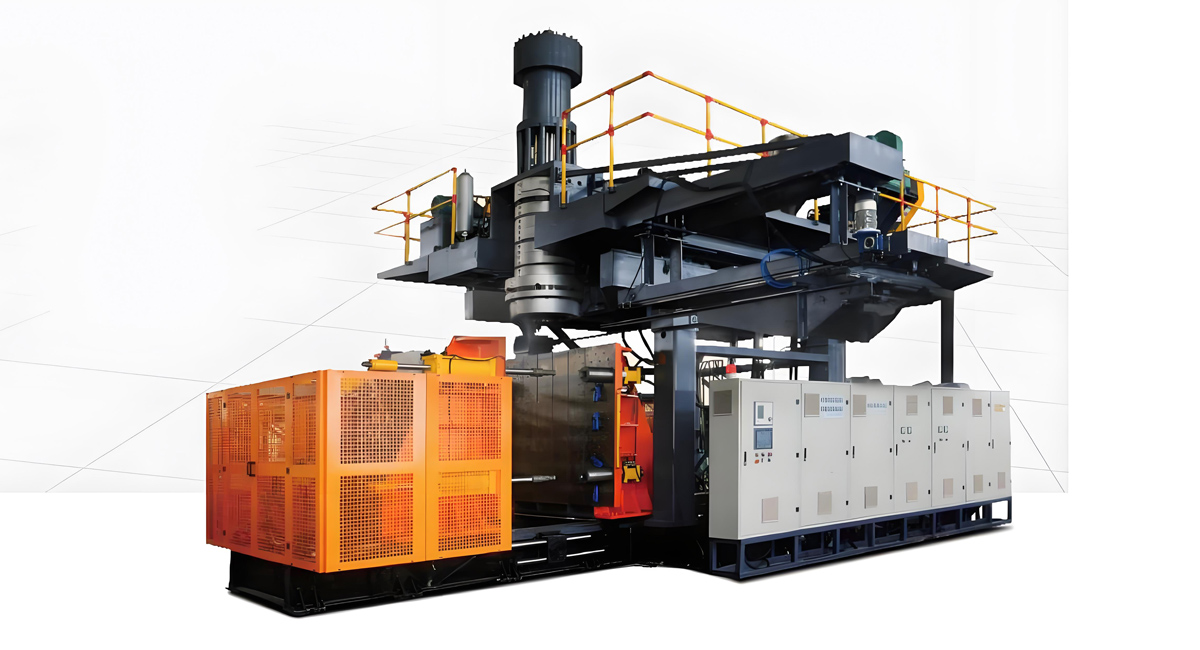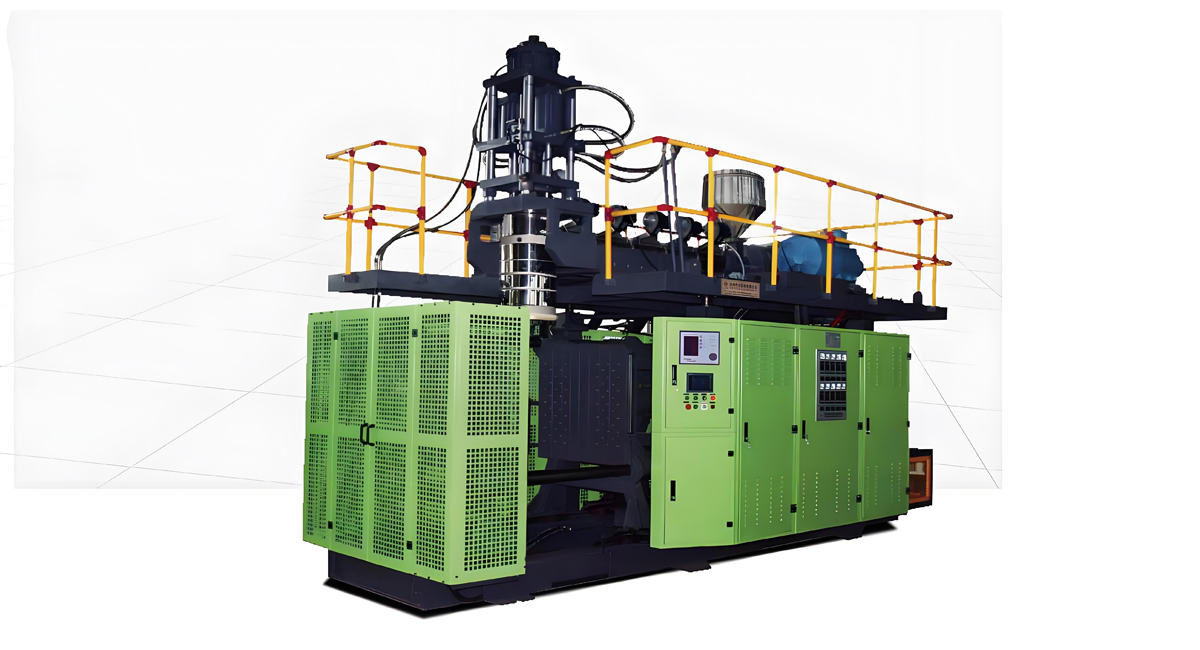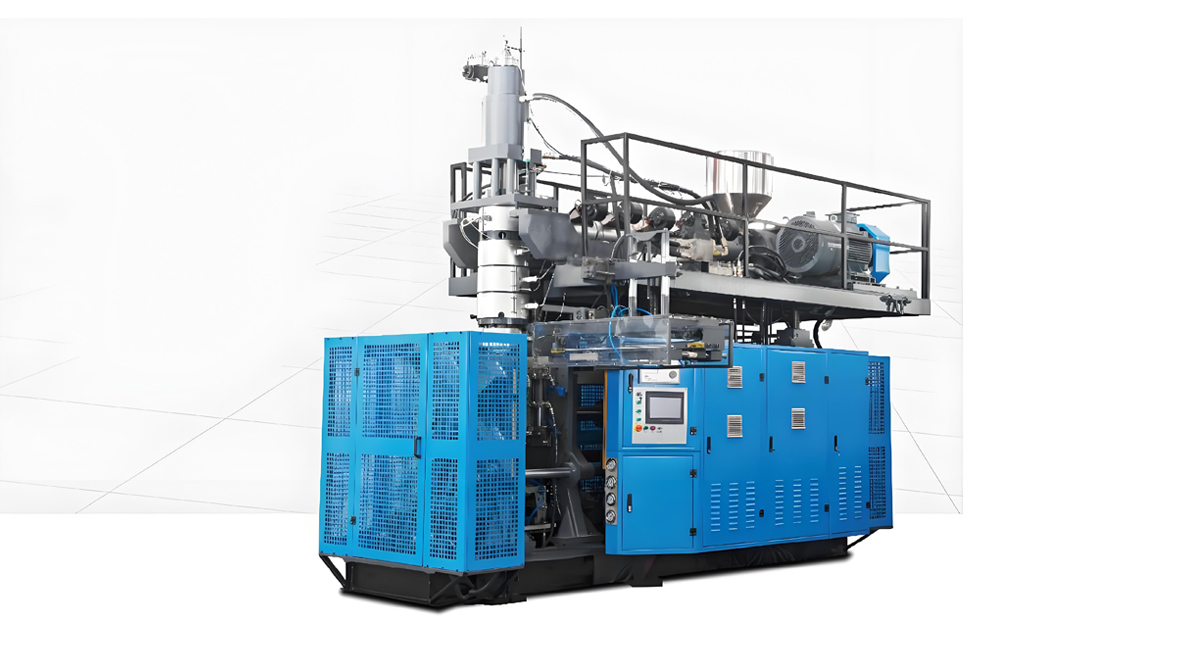

Energy costs represent one of the largest operational expenditures in plastic processing, often accounting for 15-25% of the total production cost. For Extrusion Blow Molding (EBM) machines, which run high-torque extruders and powerful hydraulic or servo systems, power consumption is a critical factor affecting profitability. Optimizing energy usage is not just about reducing utility bills; it is also about improving process stability and extending equipment life. This article explores the technical aspects of power consumption in EBM and provides actionable strategies for optimization, featuring insights from Apollo-China’s energy-efficient designs.
Understanding the Energy Profile of an EBM Machine
To optimize power consumption, one must first understand where the energy goes. An EBM machine is a complex system with several energy-intensive components. The breakdown typically looks like this:
1. Extruder Drive System (40-50%): The motor driving the screw is the largest consumer. Energy is used to overcome the viscous resistance of the melt and friction in the bearings.
2. Heating Bands (20-30%): Electric heaters maintain the barrel temperature. Heat loss through insulation is a major waste source.
3. Hydraulic/Clamping System (15-20%): In traditional machines, hydraulic pumps run constantly, consuming power even when idle. Servo-hydraulic systems improve this significantly.
4. Cooling System (5-10%): Chillers and cooling tower fans consume electricity to remove heat from the mold and barrel.
5. Auxiliaries (5%): Loaders, dryers, and robots add to the total load.
The Physics of Melting and Torque
The specific energy consumption (SEC) is measured in kWh per kg of output. A well-tuned EBM line should aim for an SEC of 0.25-0.35 kWh/kg for HDPE. Higher SEC indicates inefficiency. Torque is directly related to energy; higher torque requires more current. Factors increasing torque include low melt temperature, high screw speed, and high viscosity materials. Optimizing the L/D ratio and screw design (e.g., using barrier flights) reduces the torque required for the same output, directly lowering power draw.
Technical Strategies for Energy Optimization
1. Upgrading to Servo Motor Systems
The single most effective upgrade for reducing power consumption is replacing traditional AC induction motors with Permanent Magnet Synchronous Motors (PMSM) or Servo Motors. Traditional motors run at a fixed speed and consume full power even during idle or low-load periods. Servo motors, however, adjust their speed and torque based on real-time demand. During the cooling phase of the blow molding cycle, when the extruder is not pushing plastic, a servo motor can drop to near-zero power consumption. Apollo-China integrates servo drives on their extruders and clamping units, which can reduce total energy consumption by 30-40% compared to standard machines. While the upfront cost of a servo system is higher (approx.15-20% premium), the ROI through energy savings is typically achieved within 12-18 months.
2. High-Efficiency Heating and Insulation
Older machines use ceramic band heaters that lose heat to the environment. Modern EBM machines use nano-infrared heaters or cast aluminum heaters, which transfer heat more efficiently. Furthermore, proper insulation is critical. Using high-quality ceramic fiber blankets around the barrel can reduce surface temperature to near ambient, minimizing heat loss. This means the heaters cycle on less frequently. Some advanced systems use thermal oil heating instead of electric bands for more stable temperature control, though this adds complexity. For a 100mm extruder, upgrading insulation and heaters can save 3-5 kW of power continuously.
3. Optimizing the Cooling System
The chiller is often oversized or runs inefficiently. Using variable speed drives (VFDs) on chiller pumps and cooling tower fans allows them to ramp down when the heat load is low. Additionally, optimizing mold cooling channels reduces the required water flow rate. If the mold cools faster, the cycle time decreases, and the machine spends less time running per part. Apollo-China designs their molds with conformal cooling channels that increase heat transfer efficiency by 40%, allowing for shorter cooling times and lower chiller loads.
4. Process Parameter Optimization
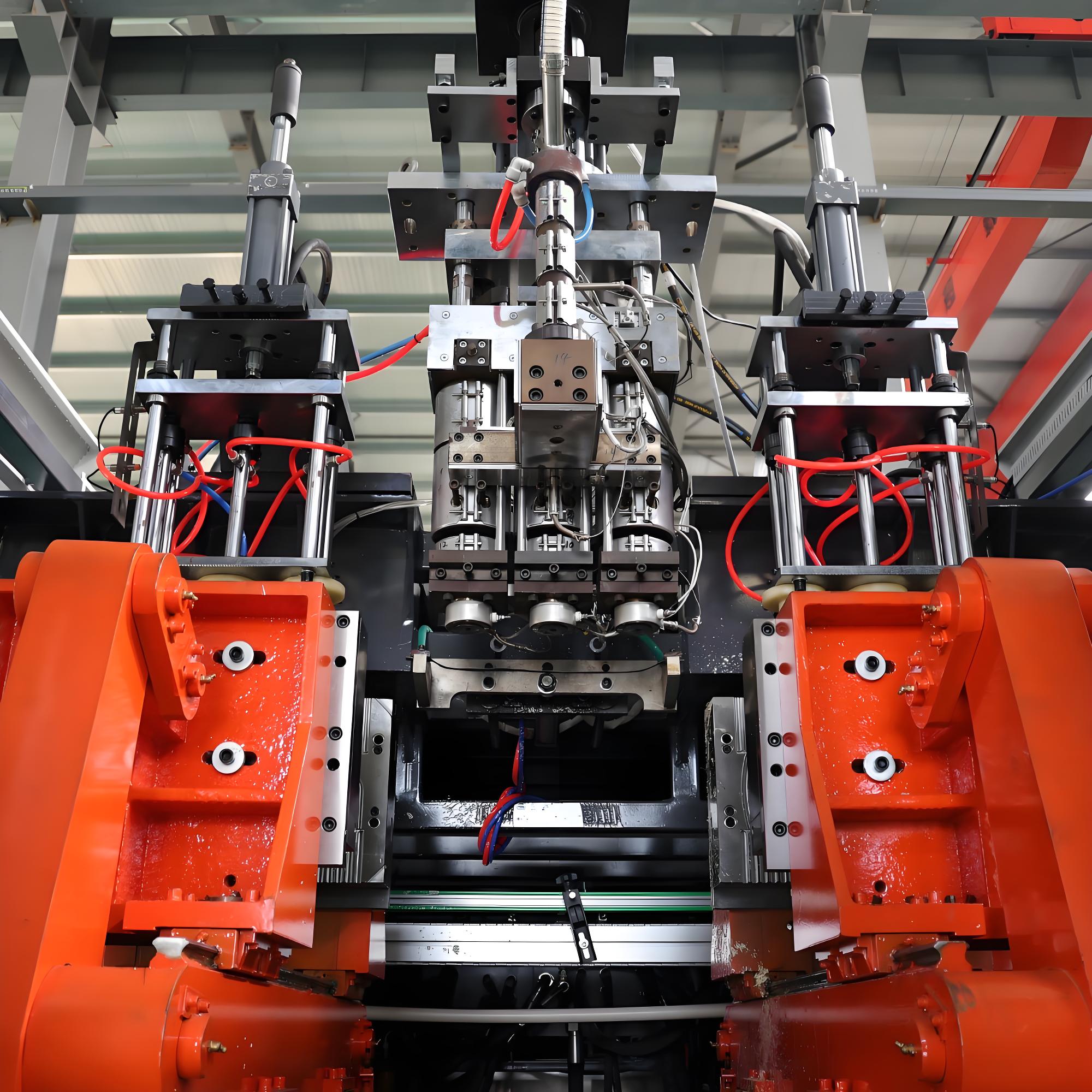
Running the extruder at the lowest possible temperature that still ensures good melting reduces the heat load. However, running too cool increases torque (and power) dramatically. The “sweet spot” is usually 10-20°C above the melting point. Using automatic temperature control loops that adjust heater output precisely prevents overshooting. Additionally, optimizing the screw speed profile—running fast during extrusion and stopping or slowing during clamp/blow phases—saves significant energy. Modern PLCs can automate these “eco-modes.”
Cost Analysis of Energy Optimization
Let’s analyze the financial impact of upgrading a standard EBM line to an energy-optimized configuration.
Scenario: Standard vs. Servo-Hydraulic Machine
Assumptions: Machine runs 16 hours/day, 300 days/year. Electricity cost: $0.12/kWh. Output: 500 kg/hr.
Standard Machine (Induction Motor + Fixed Pump):
Total Power Draw: 120 kW (avg)
Annual Energy Use: 120 kW * 16 * 300 = 576,000 kWh
Annual Cost: 576,000 * $0.12 = $69,120
Optimized Machine (Servo Motor + VFD Pump):
Total Power Draw: 75 kW (avg, 37% savings)
Annual Energy Use: 75 kW * 16 * 300 = 360,000 kWh
Annual Cost: 360,000 * $0.12 = $43,200
Annual Savings: $25,920.
If the upgrade cost is $30,000, the payback period is just over 1 year. Over a 10-year machine life, this saves $259,200 in electricity alone.
Hidden Costs of Inefficiency
Inefficient machines often run hotter, causing faster degradation of hydraulic oil and seals. Frequent seal replacements and oil changes add $5,000-$10,000 annually in maintenance costs. Energy-efficient machines run cooler and put less stress on components, extending service intervals. This “maintenance saving” should be added to the ROI calculation.
Apollo-China’s Approach to Energy Efficiency
Apollo-China integrates energy-saving philosophy into the core design of their extrusion blow molding machines. Their “Green Series” machines feature:
1. Siemens or Delta Servo Systems: High-precision torque control with 96% energy efficiency.
2. Nano-Insulation Heaters: Reducing heat loss by 50% compared to standard bands.
3. Smart Cooling: Automated water flow control based on real-time mold temperature sensors.
4. Optimized Screw Design: Low-compression, high-output screws that require less torque for the same throughput.
By choosing an Apollo machine, manufacturers not only get a reliable production tool but also a cost-saving asset. The company provides energy audit services where they measure the actual power consumption of a line and suggest specific parameter adjustments to lower the kWh/kg ratio.
Maintenance for Energy Efficiency
Even the most efficient machine becomes inefficient if not maintained. Key maintenance tasks include:
1. Heater Band Inspection: Replace any burnt-out or damaged bands immediately. A missing band causes the controller to overwork the remaining bands, wasting energy.
2. Hydraulic Oil Condition: Degraded oil increases friction in valves and pumps. Change oil every 2,000 hours or annually.
3. Filter Cleaning: Clogged air filters on the hopper loader force the motor to work harder. Clean weekly.
4. Alignment Check: Misaligned screws or barrels increase friction. Regular vibration analysis can detect this early.
Neglecting these can increase power consumption by 5-10% over time. A simple maintenance log tracking kWh/kg can alert operators to efficiency drops before they become major problems.
Future Trends in EBM Energy Consumption
The future of EBM power optimization lies in AI and IoT. “Smart Factories” will use machine learning algorithms to predict the optimal heating and cooling profiles based on ambient temperature and material batch variations. Energy recovery systems, where the heat from the chiller is reused to pre-heat process water or facility heating, are also emerging. Apollo-China is actively developing IoT-enabled controllers that allow remote monitoring of energy metrics, enabling factory managers to benchmark efficiency across multiple lines and shifts.
Conclusion
Optimizing the power consumption of an Extrusion Blow Molding machine is a multi-faceted approach involving hardware upgrades (servo motors, efficient heaters), process optimization (temperature profiling, cycle reduction), and diligent maintenance. The savings are substantial, often covering the cost of upgrades within the first year. For manufacturers looking to remain competitive in a market with rising energy costs, investing in an energy-efficient EBM line from a provider like Apollo-China is not just an environmental choice—it is a critical financial strategy. By focusing on reducing the kWh per kilogram of output, plants can significantly improve their operating margins and reduce their carbon footprint simultaneously.