Mastering the operation of an extrusion blow molding machine requires comprehensive training that covers technical skills, safety protocols, and quality control procedures. Whether you are a new operator just starting in the plastic manufacturing industry or an experienced professional looking to enhance your expertise, proper training ensures you can operate extrusion blow molding equipment efficiently, safely, and to the highest quality standards. This comprehensive guide provides detailed information about professional extrusion blow molding machine training programs, skill development strategies, and best practices that transform operators into true manufacturing professionals.
The complexity of modern extrusion blow molding machines demands skilled operators who understand not only basic machine operation but also material science, process optimization, and troubleshooting techniques. Professional operators contribute significantly to production efficiency, product quality, and overall manufacturing success. Investing in comprehensive training develops these critical skills and establishes a foundation for career advancement in the plastic manufacturing industry.
Fundamentals of Extrusion Blow Molding Machine Operation
Understanding the fundamental principles of extrusion blow molding machine operation provides the essential knowledge base that all professional operators must possess. This foundational understanding enables operators to make informed decisions during production, identify potential issues before they cause problems, and optimize machine performance for maximum efficiency. The extrusion blow molding process combines material processing, thermodynamics, and mechanical operations in ways that require integrated understanding.
The Extrusion Blow Molding Process Explained
The extrusion blow molding process transforms plastic resin into hollow plastic products through a carefully controlled sequence of operations. Understanding each stage of this process helps operators appreciate how their actions impact product quality and production efficiency. The process begins with plastic resin being fed into the extruder where it is melted through a combination of heat and mechanical shear. The molten plastic is then extruded through a die head to form a continuous tube called a parison.
As the parison exits the die head, it is captured by two mold halves that close around it, sealing the bottom end while leaving the top open. Compressed air is introduced through a blow pin, inflating the hot plastic against the cooled mold cavity. The air pressure expands the parison to fill the mold cavity, taking on the shape of the mold. Once the plastic cools sufficiently to hold its shape, the mold opens and the finished part is ejected. This entire cycle repeats continuously during production, with cycle times typically ranging from a few seconds to several minutes depending on part size and complexity.
Machine Components and Their Functions
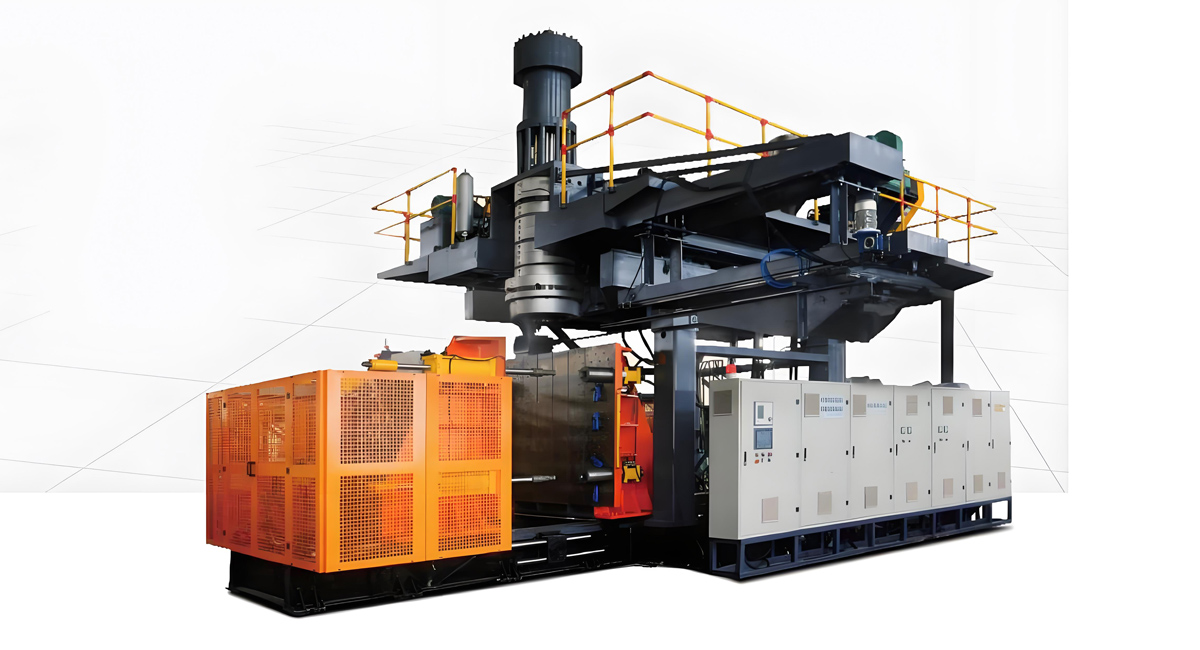
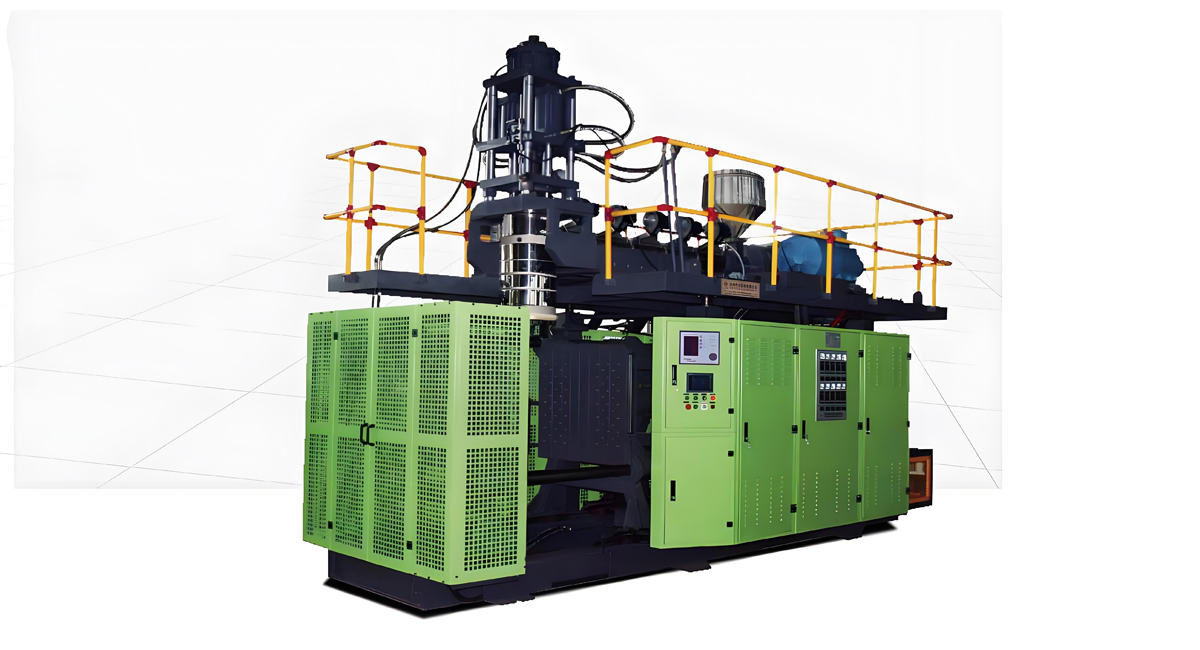
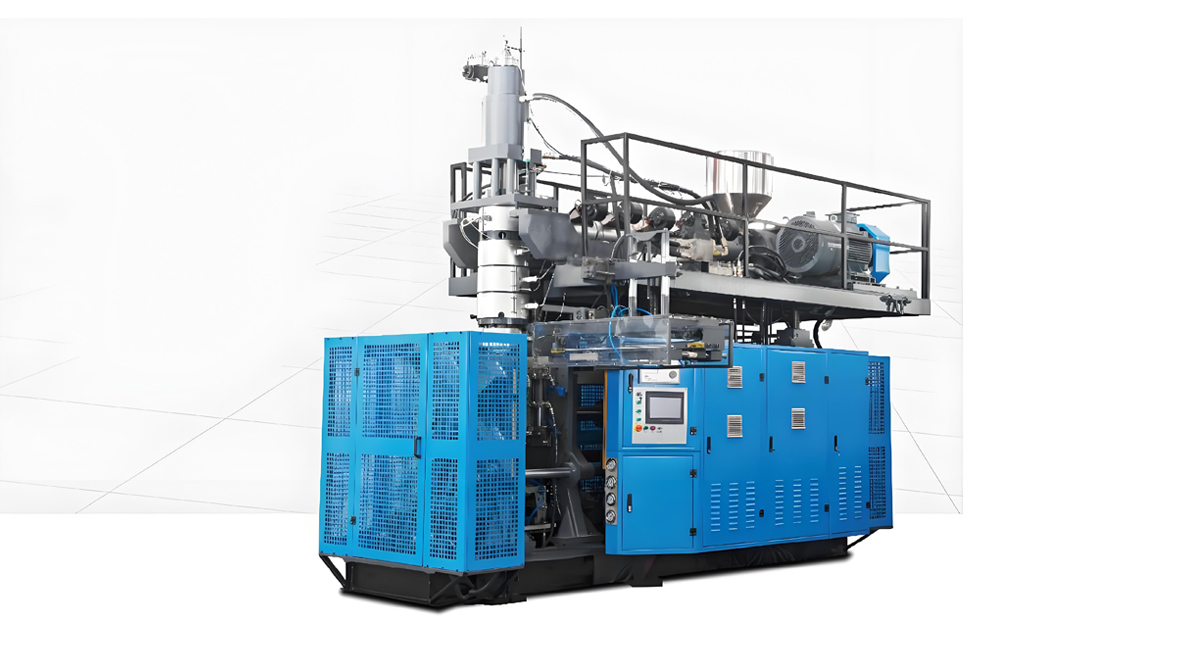
Professional operators must understand the function of each major machine component to operate equipment effectively and troubleshoot issues when they arise. The extruder system includes the hopper where material is loaded, the feed throat where material enters the barrel, the screw that melts and conveys the plastic, and the barrel heating zones that provide additional heat for melting. Understanding how these components work together helps operators maintain proper material processing conditions.
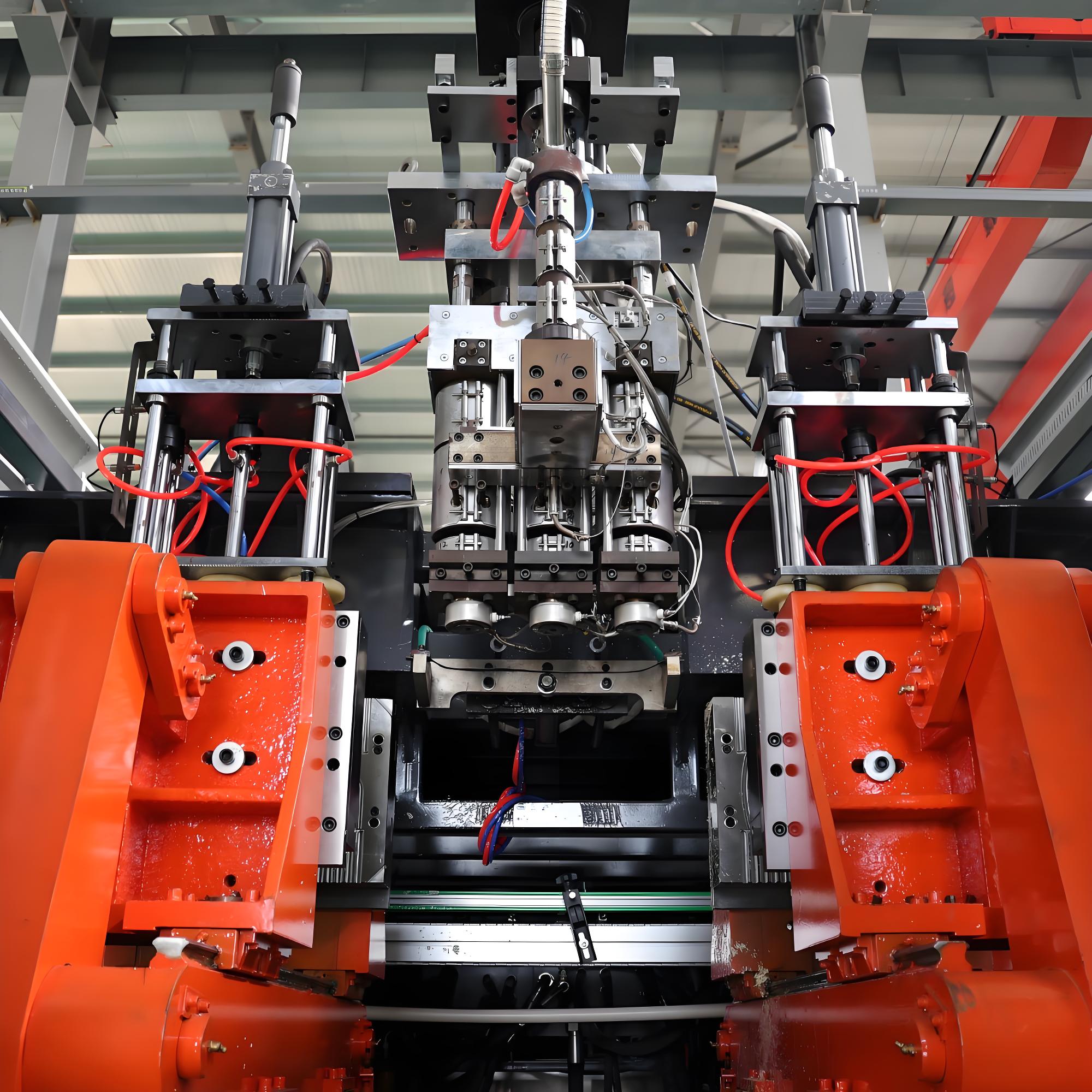
The die head forms the molten plastic into a parison with controlled wall thickness distribution. Modern parison programming systems allow operators to adjust wall thickness profiles throughout the parison length, optimizing material distribution for specific part requirements. The clamping unit consists of mold carriages that hold the mold halves, tie bars that provide structural support, and a hydraulic or mechanical system that forces the mold halves together during the blow cycle. The blow system introduces compressed air into the parison through the blow pin, with precise control over air pressure and timing critical for proper part formation.
Control Panel Operation and Parameter Management
Modern extrusion blow molding machines utilize sophisticated control systems that manage all aspects of the production process. Professional operators must be proficient in navigating control panel interfaces, adjusting production parameters, and interpreting system feedback. Control systems typically include HMI (Human Machine Interface) panels with touch screen displays, PLC controllers that manage machine logic, and various sensors that monitor process conditions throughout the production cycle.
Key parameters that operators must understand and adjust include extrusion temperature profiles across multiple zones, parison wall thickness programming, blow air pressure and timing, cooling time and mold temperature, cycle timing for various machine functions, and ejection timing and mechanisms. Understanding the relationships between these parameters enables operators to optimize settings for different products and materials. Control system training typically forms a core component of comprehensive operator certification programs.
Essential Operator Skills and Competencies
Professional extrusion blow molding machine operators develop a comprehensive set of skills that enable them to maintain efficient production while ensuring product quality and operational safety. These skills span technical knowledge, manual dexterity, problem-solving abilities, and communication capabilities. Developing these competencies requires both formal training and practical experience gained through supervised production work.
Material Handling and Preparation Knowledge
Understanding plastic materials and their handling requirements is essential for producing quality products consistently. Different plastic resins have specific requirements for moisture content, temperature, and processing conditions. Professional operators must understand material properties, storage requirements, drying procedures, and the impact of material variations on product quality.
Common materials processed on extrusion blow molding machines include polyethylene (PE) in various grades, polypropylene (PP), polyvinyl chloride (PVC), polycarbonate (PC), and other specialized resins. Each material has specific drying requirements and processing windows that operators must understand. For example, materials like PVC require careful temperature control to prevent degradation, while hygroscopic materials like polycarbonate require thorough drying before processing to prevent surface defects.
Quality Inspection and Defect Recognition
Professional operators serve as the first line of quality control, identifying defective parts and process variations before they result in significant scrap or customer complaints. Developing sharp inspection skills enables operators to catch issues early and make appropriate adjustments to maintain quality standards. Regular inspection also provides feedback about process conditions that may require attention.
Common defects that operators must recognize include flash (excess material at part lines), short shots (incomplete part formation), wall thickness variations, surface imperfections such as streaks or discoloration, dimensional errors, and weak points that may indicate processing issues. Understanding the root causes of these defects enables operators to make appropriate corrections rather than simply sorting good parts from bad. Effective quality inspection requires both visual examination skills and familiarity with measurement tools and techniques.
Troubleshooting and Problem-Solving Abilities
Production issues will inevitably occur, and professional operators must possess strong troubleshooting skills to identify causes and implement solutions quickly. Effective troubleshooting combines systematic thinking with practical experience and deep understanding of the production process. Operators who develop strong troubleshooting abilities minimize production disruptions and maintain efficient operations.
A systematic troubleshooting approach begins with gathering information about the symptoms observed, then developing hypotheses about potential causes, testing each hypothesis methodically until the root cause is identified, implementing corrective actions, and verifying that the problem has been resolved. This approach prevents operators from making unnecessary adjustments that may create new problems or mask the true cause of issues. Documentation of problems and solutions builds institutional knowledge that helps future troubleshooting efforts.
Safety Training and Protocols
Safety represents the highest priority in any manufacturing environment, and extrusion blow molding operations present specific hazards that operators must understand and respect. Comprehensive safety training ensures operators protect themselves, their colleagues, and the equipment while maintaining efficient production. Safety knowledge should be reinforced regularly and integrated into all aspects of machine operation.
Physical Hazards and Protection Measures
Extrusion blow molding machines present multiple physical hazards that require appropriate protection measures. Hot surfaces including extruder barrels, die heads, and molds can cause severe burns if touched during operation or immediately after shutdown. Hydraulic systems operate under high pressure and can cause serious injury if hydraulic lines fail or are improperly handled. Moving machine components during operation can cause crushing injuries if operators or maintenance personnel are caught in the machinery.
Appropriate personal protective equipment (PPE) for extrusion blow molding operations typically includes heat-resistant gloves for handling hot components, safety glasses or face shields for eye protection, hearing protection in high-noise areas, steel-toed safety boots for foot protection, and appropriate clothing that avoids loose elements that could be caught in machinery. Professional training emphasizes the importance of PPE and develops habits that ensure consistent use throughout every work shift.
Lockout/Tagout Procedures
Lockout/Tagout (LOTO) procedures ensure that machines cannot be energized during maintenance, adjustment, or cleaning operations. These procedures protect maintenance personnel and operators who might be exposed to hazardous energy if machines unexpectedly start or release stored energy. Proper LOTO training is essential for anyone who works on or near extrusion blow molding equipment.
Effective LOTO procedures begin with identifying all energy sources connected to the machine, then systematically isolating each energy source and applying lockout devices that prevent re-energization. Tagout devices provide additional warning and identification information. Verification that the machine cannot be energized completes the procedure before work begins. Professional training ensures operators understand and follow these procedures consistently, protecting themselves and their colleagues from potentially fatal energy-related injuries.
Emergency Response and事故处理
Despite preventive measures, emergencies can occur, and professional operators must be prepared to respond appropriately to protect people, equipment, and products. Emergency response training covers fire response, medical emergencies, environmental spills, and equipment failures. Quick, appropriate response can prevent minor incidents from becoming major disasters.
Emergency stop buttons on extrusion blow molding machines should be clearly identified and accessible, allowing operators to quickly halt machine operation in emergencies. Operators should understand the location and use of fire suppression equipment, first aid stations, and emergency exits. Regular drills and training refreshers help maintain readiness and ensure procedures remain fresh in operators’ minds. Documentation and reporting requirements for incidents and near-misses support continuous improvement in safety performance.
Preventive Maintenance Skills for Operators
While dedicated maintenance personnel handle major repairs and scheduled maintenance, professional operators contribute significantly to equipment reliability through effective preventive maintenance activities. Operators who understand maintenance requirements and perform daily maintenance tasks properly help prevent equipment failures and maintain production efficiency. These shared maintenance responsibilities blur traditional boundaries between operators and maintenance technicians.
Daily Maintenance Tasks and Procedures
Daily maintenance activities keep extrusion blow molding equipment in optimal condition and provide early warning of developing problems. Professional operators incorporate these tasks into their regular routines without significant impact on production schedules. Daily maintenance typically requires 15 to 30 minutes depending on machine complexity and condition.
Essential daily maintenance tasks include visual inspection of the machine for oil leaks, loose components, or unusual conditions, checking and maintaining proper oil levels in hydraulic reservoirs, verifying that all safety devices are functioning properly, cleaning die heads and nozzles to prevent material buildup, inspecting and cleaning air filters on pneumatic systems, and checking material drying equipment operation. Operators should document their daily maintenance activities and report any abnormalities promptly to maintenance personnel or supervisors.
Lubrication and Component Care
Proper lubrication extends machine life and ensures smooth operation, and operators are often responsible for routine lubrication activities. Understanding lubrication requirements for different machine components prevents over-lubrication that can contaminate products or under-lubrication that accelerates wear. Professional training ensures operators apply the right lubricant in the right amounts at the right intervals.
Key lubrication points on extrusion blow molding machines include guide bearings and linear motion components, mold carriage and clamping mechanism bearings, tie bar threads and bearing surfaces, and any manual lubrication points specified by the manufacturer. Different components may require different lubricant types, and operators must understand these requirements to avoid using inappropriate products. Modern machines may utilize automatic lubrication systems that reduce operator involvement but still require periodic verification and maintenance.
Cleaning and Material Changeover Procedures
Maintaining clean equipment prevents contamination that can cause quality problems and ensures consistent product quality. Professional operators understand cleaning requirements for different machine components and perform cleaning activities effectively without damaging equipment. Material changeovers require thorough cleaning to prevent contamination between different material types or colors.
Effective cleaning procedures include purging the extruder when changing materials or colors, cleaning die heads and blow pins to remove material buildup, removing material residue from molds between production runs when required, cleaning material handling equipment to prevent contamination, and maintaining clean work areas around the machine. Material changeovers may require purging compounds or intermediate cleaning steps depending on the materials involved and the acceptable level of contamination for finished products.
Advanced Operating Techniques
Beyond basic operation, professional operators develop advanced techniques that optimize production efficiency, improve product quality, and enable production of challenging products. These advanced skills differentiate experienced professionals from novice operators and contribute significantly to manufacturing success. Developing these capabilities requires ongoing learning and deliberate practice over extended periods.
Process Optimization and Fine-Tuning
Experienced operators develop intuition about process conditions that enables fine-tuning adjustments for optimal results. While basic settings produce acceptable products, optimization extracts maximum efficiency and quality from the equipment. These optimization skills develop through experience and careful attention to the relationships between process parameters and product characteristics.
Process optimization techniques include adjusting temperature profiles to balance melt quality and throughput, optimizing parison programming for minimum material usage while meeting strength requirements, fine-tuning blow pressure and timing for optimal wall distribution, adjusting cooling times to minimize cycle time while preventing quality problems, and balancing machine speed against product quality and equipment stress. Small improvements in each area compound into significant productivity gains over time. Professional operators continuously seek these incremental improvements that enhance overall performance.
Handling Difficult Products and Materials
Standard products with simple requirements can be produced with basic machine settings, but challenging products require advanced operator skills. Complex geometries, thin walls, tight tolerances, and specialized materials all present difficulties that demand skilled handling. Professional operators develop experience with these challenging situations through exposure and deliberate skill development.
Challenging product scenarios that require advanced skills include very small containers with tight dimensional tolerances, large parts requiring extended cooling times, specialty materials with demanding processing requirements, multi-layer products requiring careful material sequencing, and products with unusual shapes that complicate parison distribution. Developing skills to handle these situations requires patience, systematic experimentation, and willingness to learn from both successes and failures. Documentation of successful approaches builds institutional knowledge that helps operators facing similar challenges.
Production Planning and Efficiency Optimization
Professional operators contribute to overall production efficiency by understanding scheduling constraints, minimizing changeover times, and coordinating with upstream and downstream operations. Effective production planning reduces downtime and maximizes utilization of available machine time. Operators who understand production planning principles help ensure smooth workflow and efficient resource utilization.
Efficiency optimization techniques include sequencing production runs to minimize changeover impacts, preparing materials and molds before changeovers to reduce downtime, coordinating with quality control to minimize inspection delays, communicating with material handling to ensure continuous supply, and planning maintenance activities around production schedules. Small efficiency improvements compound over time, and professional operators continuously seek opportunities to eliminate waste and improve flow.
Professional Development and Career Advancement
Operating extrusion blow molding machines can be the foundation for a rewarding career in manufacturing, with opportunities for advancement into supervisory roles, technical specialist positions, or manufacturing management. Professional development extends beyond basic operator training to include leadership skills, technical specialization, and continuous learning. Operators who invest in their development position themselves for career advancement while contributing more value to their organizations.
Certification and Training Programs
Formal certification programs validate operator skills and demonstrate professional competence. Various certification options exist, from manufacturer-specific credentials to industry-standard qualifications. Pursuing certification demonstrates commitment to professional development and provides objective verification of skills. Many employers value certified operators and may provide salary premiums or advancement优先 for those with recognized credentials.
Certification program costs vary widely, with manufacturer training and certification typically ranging from $500 to $3,000 depending on depth and duration. Industry certification programs through professional organizations may have additional costs for testing and credentialing. Many programs require both training completion and practical experience before certification is granted. Continuing education requirements help certified operators maintain current skills and knowledge as technology evolves.
Technical Specialization Opportunities
Beyond general operator skills, opportunities exist for specialization in specific areas that command premium compensation and career opportunities. Technical specialists provide deep expertise that supports organizational capabilities in areas like new product development, process engineering, or equipment troubleshooting. Developing specialized expertise requires additional training and practical experience in focused areas.
Specialization areas relevant to extrusion blow molding include advanced process engineering for complex products, material science and processing technology, equipment troubleshooting and optimization, automation and control system expertise, and quality assurance and control. Each specialization area requires dedicated study and practical experience to develop true expertise. Operators pursuing specialization should seek opportunities for advanced training, mentorship from experienced specialists, and progressively challenging assignments that build specialized skills.
Leadership and Management Development
Experienced operators often advance into supervisory and management roles that leverage their technical knowledge while developing new leadership capabilities. These roles require skills beyond technical expertise, including communication, coaching, scheduling, and business acumen. Professional development for leadership roles prepares operators to succeed in expanded responsibilities.
Leadership development opportunities include supervisory training programs, management courses and certifications, mentoring and coaching skills development, and business and financial literacy training. Many organizations provide formal leadership development programs that prepare internal candidates for advancement. Operators aspiring to leadership roles should seek stretch assignments that develop leadership skills while continuing to build technical credibility.
Training Resources and Learning Strategies
Effective training combines multiple learning approaches to develop comprehensive skills. Different learning methods suit different types of knowledge and skill development, and professional development programs utilize multiple approaches to ensure thorough learning. Understanding available training resources helps operators and employers plan effective development activities.
Manufacturer Training Programs
Machine manufacturers like Zhangjiagang Apollo Machinery Co., Ltd. offer training programs that provide in-depth knowledge of their specific equipment. Manufacturer training ensures operators understand the unique features and capabilities of their machines while learning proper operating procedures. Many manufacturers offer training at their facilities or on-site at customer locations.
Manufacturer training program costs typically range from $1,000 to $5,000 per person depending on duration and whether training occurs at manufacturer facilities or customer sites. On-site training adds travel costs for instructors but may be more practical for groups or when operations cannot spare personnel for off-site training. Manufacturer training often includes comprehensive documentation, hands-on practice, and direct access to manufacturer expertise that ensures thorough understanding of equipment capabilities.
Industry Training and Certification Bodies
Industry organizations provide training programs and certifications that validate skills across equipment types and manufacturers. These programs establish standardized competency requirements that help ensure consistent operator skills throughout the industry. Industry certifications often carry recognition beyond individual manufacturers or employers.
Industry training options include technical schools and community colleges offering manufacturing technology programs, professional associations providing continuing education, trade shows and industry conferences with technical sessions, and online learning platforms offering flexible access to training content. Combining these resources with practical experience builds comprehensive professional capabilities. Many employers support operator participation in industry training through paid time off and tuition assistance programs.
Conclusion
Professional extrusion blow molding machine operation requires comprehensive skills developed through systematic training and continuous learning. From fundamental process understanding to advanced optimization techniques, professional operators develop capabilities that directly impact manufacturing success. Investment in training benefits individual operators through career advancement opportunities while benefiting employers through improved productivity, quality, and safety performance.
The plastic manufacturing industry continues to evolve with new materials, equipment, and production techniques that require ongoing skill development. Professional operators commit to continuous learning throughout their careers, staying current with industry developments and maintaining their competitive value. This commitment to excellence distinguishes true professionals from casual workers and creates opportunities for rewarding careers in manufacturing.
Whether you are starting your journey in plastic manufacturing or seeking to enhance existing skills, comprehensive training provides the foundation for professional success. The investment in training time and resources pays dividends throughout your career through improved job performance, greater career opportunities, and the personal satisfaction of mastering a complex and valuable skill. Begin your professional development journey today and discover the rewards of operating extrusion blow molding machines like a true professional.