Understanding Machine Components and Their Functions
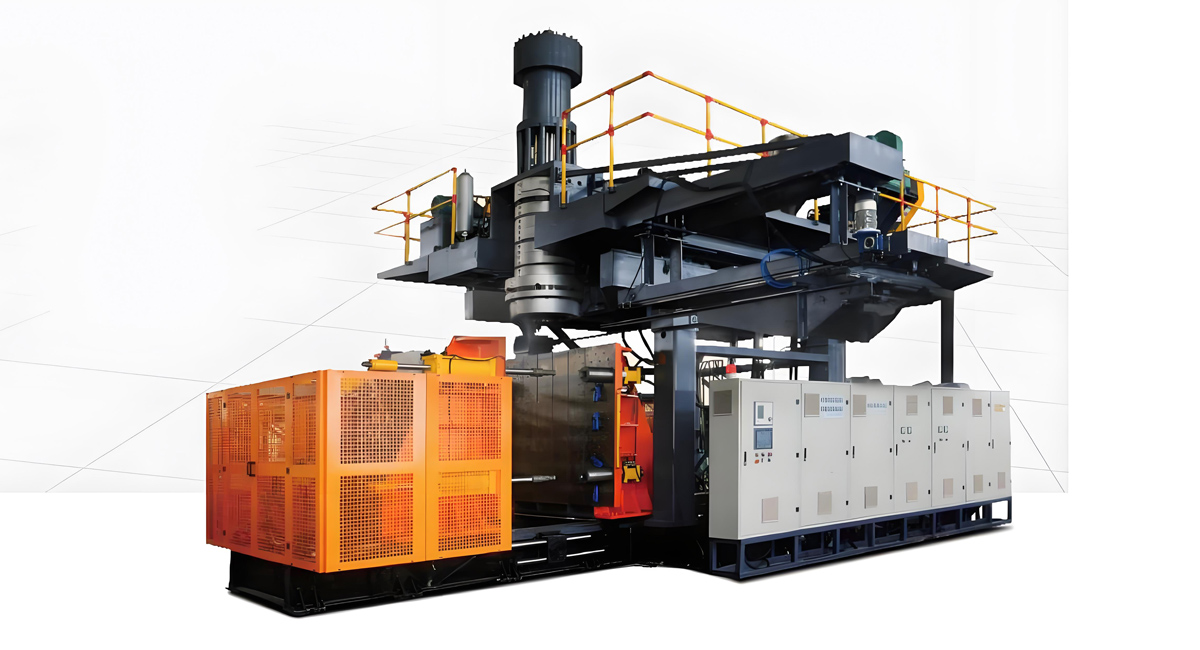
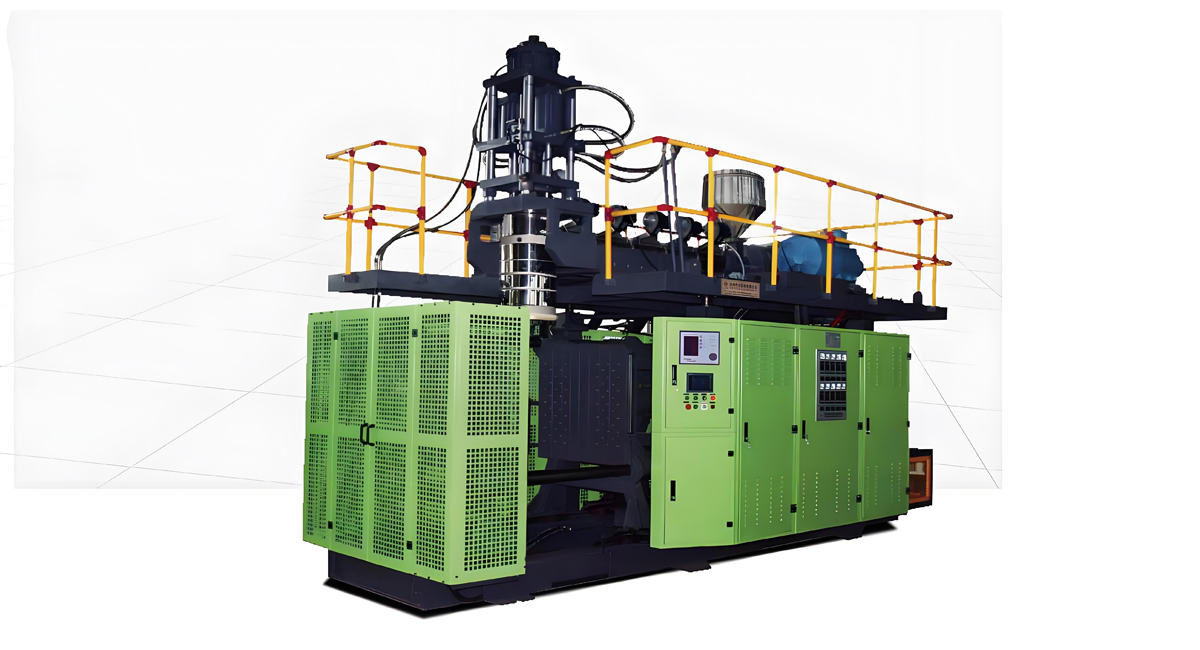
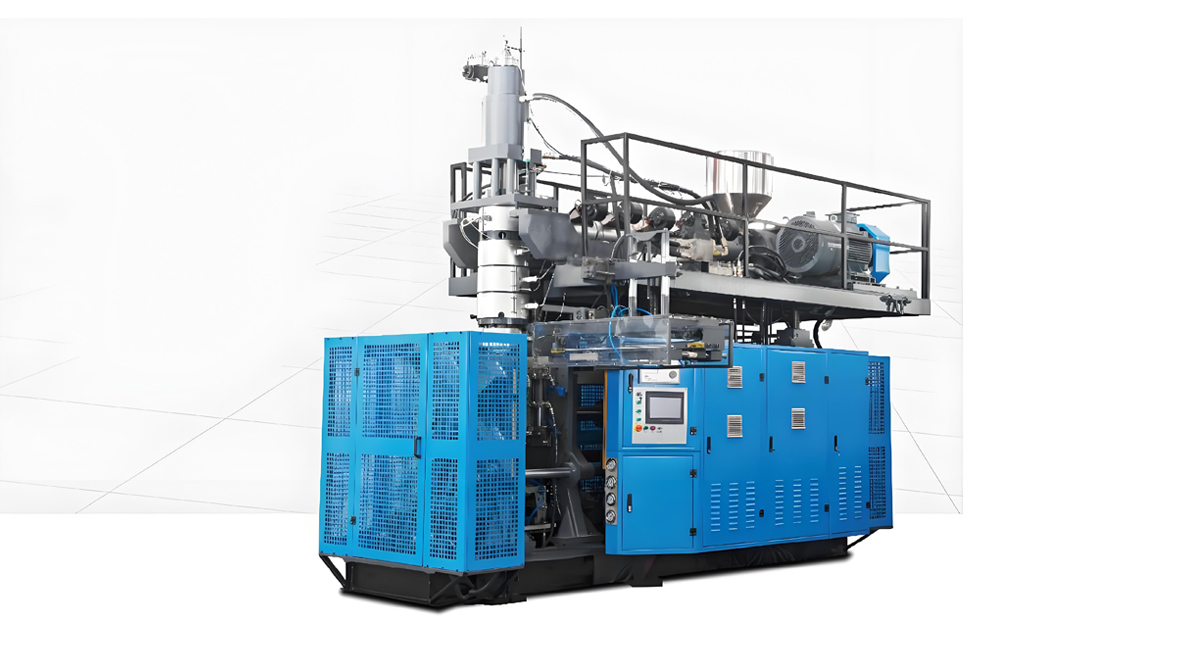
Effective troubleshooting of extrusion blow molding machines requires comprehensive understanding of all major components and their interactions within the system. Apollo Extrusion Blow Molding Machines incorporate sophisticated systems including the extrusion unit, parison programming system, clamping mechanism, blowing unit, control system, and various auxiliary equipment. Each component plays a crucial role in producing quality hollow plastic products. The typical cost of replacement parts ranges from $500 to $50,000 depending on complexity and importance, making proper diagnosis essential for avoiding unnecessary expenses and production downtime.
The extrusion unit serves as the heart of the blow molding process, responsible for melting and homogenizing the plastic material before forming the parison. This unit consists of the barrel, screw, heating elements, and drive motor. Problems in the extrusion unit can manifest as poor melt quality, inconsistent melt temperature, or variations in output rate. Apollo machines feature advanced temperature control systems with multiple heating zones that maintain accuracy within plus or minus 1 degree Celsius. When troubleshooting extrusion problems, operators should first check temperature profiles, then examine screw wear, drive motor performance, and material feeding consistency. The cost of a complete screw replacement typically ranges from $8,000 to $35,000, while drive motor repairs can cost $2,000 to $15,000.
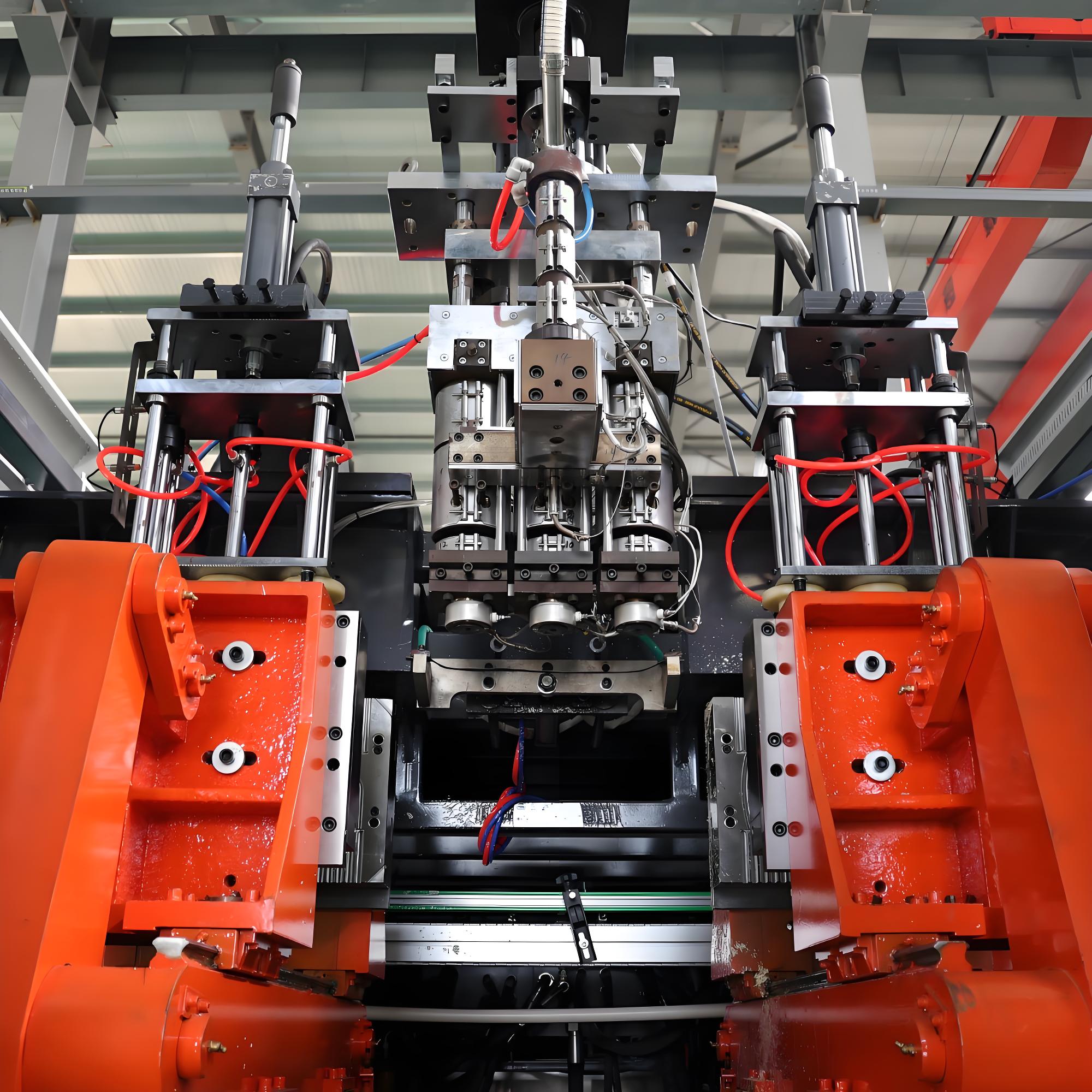
Parison programming systems control the wall thickness distribution along the parison, directly impacting final product quality. These systems use hydraulic or servo-controlled mechanisms to adjust the die lip gap during extrusion. Common problems include inconsistent wall thickness, sagging, or irregular parison shape. Apollo machines offer precision parison control with repeatability better than plus or minus 0.1 millimeter. Troubleshooting parison issues typically begins with verifying proper sensor calibration, then checking hydraulic fluid levels, servo motor performance, and mechanical linkage integrity. Servo motor replacements cost between $3,000 and $12,000, while hydraulic system repairs range from $1,500 to $8,000.
The clamping mechanism secures the mold halves during the blowing process and must provide sufficient force to resist the blowing pressure. Clamping systems can be hydraulic, electric, or pneumatic, with varying capabilities and maintenance requirements. Common problems include insufficient clamping force, uneven pressure distribution, or slow closing times. Apollo machines deliver clamping forces from 10 tons for small models to over 500 tons for large industrial units. When troubleshooting clamping issues, operators should check hydraulic pump performance, seal integrity, and mechanical alignment. Complete hydraulic pump replacements typically cost $5,000 to $20,000, while seal kits range from $500 to $2,500 depending on the system size.
The blowing system delivers pressurized air to expand the parison against the mold walls. This system includes air compressors, pressure vessels, solenoid valves, and flow control valves. Problems in the blowing system can cause incomplete forming, insufficient wall thickness, or excessive cycle times. Apollo machines typically operate at blowing pressures between 3 and 10 bar, with specialized applications requiring up to 25 bar. Troubleshooting blowing system problems involves checking air pressure settings, valve operation, air flow rates, and compressor performance. Air compressor replacements cost between $8,000 and $30,000, while valve repairs typically range from $200 to $1,500.
Common Material-Related Issues
Material problems represent a significant source of production difficulties in extrusion blow molding, affecting both process stability and product quality. Understanding material characteristics and how they influence the process enables operators to quickly identify and resolve material-related issues. The cost of material waste due to material problems can range from $1,000 to $50,000 per day of production, making rapid problem resolution essential for maintaining profitability.
Material moisture content is a critical factor that can cause numerous production problems including voids, surface defects, and reduced mechanical properties. Proper drying is particularly important for hygroscopic materials such as PET and nylon. Apollo machines can be equipped with integrated drying systems that reduce moisture content to below 0.005 percent. Symptoms of moisture-related problems include splay marks, silver streaking, or bubbles in the product walls. The solution typically involves ensuring proper drying conditions, checking dryer performance, and verifying material handling procedures. Dryer maintenance costs typically range from $1,000 to $5,000 annually, while material damage from improper drying can exceed $20,000 in waste.
Material degradation occurs when the polymer is exposed to excessive heat or mechanical stress, causing molecular breakdown that affects both processing and final product properties. Symptoms include discoloration, reduced viscosity, poor melt strength, or surface defects. Apollo machines feature advanced temperature control systems that prevent hot spots and ensure uniform heating. Troubleshooting degradation requires checking temperature profiles, screw speed, residence time, and material compatibility with processing conditions. The cost of replacing degraded material can range from $2,000 to $30,000 per incident, while preventive temperature sensor replacements typically cost $500 to $2,000.
Contamination from foreign materials, degraded polymer, or incompatible additives causes visible defects and weak points in products. Common contamination sources include dust from the environment, material from previous runs, or degraded material stuck in the machine. Symptoms include specks, streaks, color variations, or localized weak areas. Apollo machines incorporate design features that minimize contamination points and facilitate thorough cleaning. Resolving contamination problems typically requires purging the machine, identifying the contamination source, and implementing improved material handling procedures. The cost of production loss due to contamination ranges from $1,000 to $25,000 per incident, while cleaning and purging typically costs $500 to $3,000 in lost production time.
Melt viscosity variations significantly impact parison formation and product quality consistency. Factors affecting viscosity include temperature fluctuations, material composition changes, and shear history. Symptoms include inconsistent parison sag, wall thickness variations, or different blow-up ratios between cycles. Apollo machines provide precise temperature control and adjustable shear through screw speed modifications. Troubleshooting viscosity variations requires checking temperature consistency, material composition, and processing parameters. Adjustments typically involve fine-tuning temperature profiles, screw speed, or material formulations. The cost of scrap due to viscosity problems can range from $1,500 to $20,000 per day.
Material feeding problems including bridging, ratholing, or inconsistent feed rates cause production instabilities and quality variations. These problems typically result from material characteristics, hopper design, or feeding system malfunctions. Symptoms include surging, inconsistent output, or machine stalling. Apollo machines feature feeding systems optimized for various material types and include vibration or agitation devices to prevent flow problems. Resolving feeding issues often involves adjusting hopper conditions, modifying material preparation, or repairing feeding mechanisms. The cost of feeding system repairs ranges from $500 to $5,000, while production losses from feeding problems can reach $10,000 daily.
Parison Formation Issues
Parison formation represents one of the most critical aspects of extrusion blow molding, and problems in this area directly affect product quality and consistency. The parison must have the correct dimensions, wall thickness distribution, and melt strength to produce quality products. Apollo machines employ advanced parison control systems that address common formation issues, but proper operator intervention remains essential for optimal performance.
Inconsistent wall thickness across the parison leads to variations in product wall thickness and potential weak points. This problem can result from parison programming errors, die wear, temperature variations, or material inconsistencies. Symptoms include uneven wall thickness in finished products, excessive material usage, or product failures due to thin areas. Apollo machines feature programmable parison control systems that maintain wall thickness within plus or minus 0.1 millimeters across the parison length. Troubleshooting involves checking parison programming accuracy, inspecting die wear patterns, verifying temperature uniformity, and confirming material consistency. Die resurfacing typically costs $2,000 to $15,000, while parison programming recalibration ranges from $500 to $2,000.
Parison sag causes uneven wall thickness due to the parison stretching under its own weight before blowing. This problem becomes more pronounced with higher melt temperatures, longer parison lengths, or materials with low melt strength. Symptoms include thick bottoms and thin tops in containers, or parison breakage. Apollo machines incorporate sag compensation algorithms that automatically adjust processing parameters to counteract sagging effects. Troubleshooting sag issues involves checking melt temperature, material properties, parison length settings, and sag compensation system operation. Sag compensation system repairs typically cost $1,500 to $8,000, while adjustments and programming usually cost $500 to $1,500.
Parison swell and die swell affect the final dimensions and wall thickness distribution. These phenomena result from the elastic recovery of the polymer melt as it exits the die. Excessive swell can cause processing difficulties, while insufficient swell may not provide enough material for proper forming. Apollo machines feature die designs that account for swell characteristics and allow adjustment through parison programming. Troubleshooting swell-related issues involves adjusting melt temperature, die lip gap, material formulation, or switching to materials with different swell characteristics. Die modifications typically cost $3,000 to $20,000, while processing adjustments require minimal cost but operator expertise.
Parison surface defects including sharkskin, melt fracture, or rough texture affect both product appearance and quality. These problems typically result from inappropriate processing conditions, material characteristics, or die surface conditions. Symptoms include visible surface patterns, poor product appearance, or stress concentration points that can lead to failures. Apollo machines use polished die surfaces and optimized temperature gradients to minimize surface defects. Troubleshooting involves adjusting temperature profiles, screw speed, or modifying material formulations. Die resurfacing typically costs $2,000 to $10,000, while temperature control repairs range from $500 to $3,000.
Parison length consistency is essential for ensuring each cycle produces a complete part without excessive waste. Variations in parison length can result from feed inconsistencies, temperature fluctuations, or drive system issues. Symptoms include incomplete parts, excessive flash, or inconsistent material usage. Apollo machines feature precision feeding systems and drive controls that maintain parison length within plus or minus 0.5 percent. Troubleshooting involves checking feed systems, drive motor consistency, temperature stability, and mechanical linkage wear. Drive motor repairs typically cost $2,000 to $15,000, while feeding system repairs range from $500 to $5,000.
Mold and Clamping Problems
Mold and clamping system problems can significantly impact product quality, cycle times, and overall production efficiency. The mold must close properly, maintain alignment, and provide consistent cavity conditions for producing quality products. Apollo machines feature robust clamping systems designed for precision and reliability, but proper maintenance and troubleshooting remain essential.
Insufficient clamping force causes mold opening during the blowing process, resulting in flash formation, incomplete part formation, or dimensional variations. This problem can result from hydraulic pressure issues, mechanical wear, or incorrect clamping force settings. Symptoms include visible flash, uneven part dimensions, or mold opening during cycles. Apollo machines deliver clamping forces precisely controlled and monitored, with force sensors providing real-time feedback. Troubleshooting involves checking hydraulic pressure, seal integrity, mechanical linkage wear, and force sensor calibration. Hydraulic pump replacements cost $5,000 to $20,000, while seal kits range from $500 to $3,000 depending on system size.
Mold alignment problems cause uneven part dimensions, flash, or wear on mold components. Misalignment can result from improper installation, wear in guiding systems, or thermal expansion issues. Symptoms include flash on one side only, uneven wall thickness, or binding during mold operation. Apollo machines incorporate precision alignment features and guidance systems that maintain mold positioning within 0.05 millimeters. Troubleshooting involves checking alignment, replacing worn guides, and verifying mold mounting. Guide replacements typically cost $500 to $3,000, while realignment services range from $1,000 to $5,000.
Mold venting problems lead to incomplete filling, trapped air, or surface defects. Proper venting allows air to escape from the mold cavity as the parison expands. Symptoms include short shots, blisters, or incomplete forming. Apollo machines provide intelligent venting systems optimized for different product geometries. Troubleshooting venting issues involves cleaning vents, checking for blockages, and verifying venting system operation. Vent cleaning typically costs $200 to $1,000 per session, while vent system modifications range from $1,000 to $8,000.
Mold temperature variations affect cooling rates, cycle times, and product properties. Inconsistent mold temperatures cause differential shrinkage, warping, or stress in finished parts. Symptoms include warped parts, inconsistent dimensions, or varying cycle times between cavities. Apollo machines feature multi-zone temperature control that maintains mold surface temperatures within plus or minus 2 degrees Celsius. Troubleshooting involves checking temperature control unit performance, coolant flow, and sensor accuracy. Temperature control unit repairs range from $2,000 to $15,000, while sensor replacements cost $500 to $2,000.
Mold wear and damage progressively degrade product quality and increase maintenance requirements. Common wear points include parting lines, cavity surfaces, and guide components. Symptoms include increasing flash, surface finish deterioration, or dimensional drift. Apollo machines use high-quality mold materials and construction techniques to extend mold life. Troubleshooting involves inspecting wear patterns, determining if repair or replacement is appropriate, and scheduling maintenance. Mold resurfacing typically costs $2,000 to $25,000 depending on size and complexity, while complete mold replacement ranges from $20,000 to $200,000.
Blowing and Air System Issues
The blowing system delivers the air pressure that expands the parison against the mold cavity, making it essential for proper part formation and product quality. Problems with the blowing system can cause incomplete forming, wall thickness issues, or cycle time variations. Apollo machines feature advanced blowing systems with precise pressure control and efficient air delivery.
Insufficient blowing pressure results in incomplete forming, inadequate wall thickness, or poor definition of mold details. This problem can result from compressor issues, pressure regulator malfunctions, or air leaks. Symptoms include short shots, thin walls, or incomplete mold filling. Apollo machines maintain blowing pressure accuracy within plus or minus 0.1 bar throughout the blowing cycle. Troubleshooting involves checking air compressor performance, pressure regulator operation, leak testing, and valve operation. Compressor repairs range from $2,000 to $15,000, while pressure regulator replacements cost $500 to $2,500.
Air timing problems affect when the blowing cycle initiates and terminates, impacting part formation and cycle efficiency. Premature blowing can cause weak spots or incomplete forming, while delayed blowing extends cycle times unnecessarily. Apollo machines feature programmable air timing with accuracy of plus or minus 0.05 seconds. Troubleshooting involves checking solenoid valve operation, timer accuracy, and programming settings. Solenoid valve replacements typically cost $200 to $800, while timer system repairs range from $500 to $2,000.
Air flow limitations prevent adequate mold filling, particularly for large or complex cavities. Flow restrictions can result from undersized components, partial blockages, or compressor limitations. Symptoms include slow filling, incomplete forming, or differential filling between cavities. Apollo machines feature sizing appropriate for specific applications and include flow monitoring capabilities. Troubleshooting involves checking air flow rates, compressor capacity, and component sizing. Air system upgrades typically cost $3,000 to $25,000, while component cleaning or replacement ranges from $500 to $5,000.
Blowing pressure variations between cycles lead to inconsistent product quality. Variations can result from inconsistent air compressor performance, pressure regulation issues, or system leaks. Symptoms include varying wall thickness, different part weights between cycles, or inconsistent forming. Apollo machines incorporate pressure feedback systems that maintain consistent pressure within tight tolerances. Troubleshooting involves monitoring pressure stability, identifying sources of variation, and addressing root causes. Pressure regulator adjustments typically cost $200 to $1,000, while compressor overhauls range from $3,000 to $12,000.
Air system contamination introduces moisture or particulate matter that can affect product quality and machine performance. Contamination sources include compressor oil, condensation, or system degradation. Symptoms include product defects, valve sticking, or sensor fouling. Apollo machines include filtration and moisture separation systems to maintain air quality. Troubleshooting involves inspecting and replacing filters, checking for contamination sources, and cleaning affected components. Filter replacements typically cost $50 to $500, while system cleaning ranges from $200 to $1,500.
Temperature Control Problems
Temperature control systems maintain precise thermal conditions essential for material processing, parison formation, and part solidification. Temperature problems can cause processing instabilities, quality variations, and increased scrap rates. Apollo machines feature advanced temperature control with multiple zones and feedback mechanisms for precise thermal management.
Temperature fluctuations in the extrusion barrel affect melt viscosity, consistency, and material degradation. Fluctuations can result from heating element failures, sensor malfunctions, or inadequate thermal insulation. Symptoms include inconsistent processing, material degradation, or viscosity variations. Apollo machines maintain zone temperature accuracy within plus or minus 1 degree Celsius. Troubleshooting involves checking heating element operation, sensor accuracy, and thermal insulation. Heating element replacements typically cost $300 to $1,500 per zone, while sensor replacements range from $200 to $800.
Die head temperature variations affect parison formation, wall thickness distribution, and surface quality. The die head requires particularly precise temperature control due to its direct influence on the parison. Symptoms include wall thickness variations, surface defects, or parison instability. Apollo machines provide multi-zone die head temperature control with tight tolerance specifications. Troubleshooting involves checking die head heating systems, verifying temperature uniformity, and examining for air gaps or insulation problems. Die head heater replacements cost $500 to $3,000, while insulation repairs range from $300 to $1,500.
Mold temperature inconsistencies cause differential cooling rates, warping, and stress in finished parts. Temperature variations between mold halves or between different mold cavities lead to quality variations. Symptoms include warped parts, inconsistent dimensions, or varying cycle times between cavities. Apollo machines feature individual mold temperature control for each half and can provide cavity-specific control. Troubleshooting involves checking temperature control unit performance, coolant flow distribution, and sensor calibration. Temperature control unit repairs range from $2,000 to $15,000, while sensor replacements cost $500 to $2,000.
Cooling system inefficiencies increase cycle times and affect product quality. Inadequate cooling can cause part distortion, reduced production rates, or thermal stress in parts. Symptoms include long cycle times, part warpage, or reduced productivity. Apollo machines employ efficient cooling systems with optimized water flow and temperature control. Troubleshooting involves checking coolant flow rates, temperature control unit performance, and mold venting. Cooling system upgrades typically cost $5,000 to $30,000, while maintenance and repairs range from $1,000 to $8,000.
Temperature sensor calibration drift causes gradual performance degradation as actual temperatures diverge from setpoints. This problem develops gradually but can significantly impact product quality and processing efficiency. Symptoms include gradual quality changes, processing instabilities, or increased energy consumption. Apollo machines incorporate periodic calibration procedures and can provide automated calibration verification. Troubleshooting involves checking sensor accuracy against reference standards and recalibrating as needed. Sensor calibration typically costs $200 to $800 per session, while sensor replacements range from $200 to $1,000.
Electrical and Control System Issues
Electrical and control systems provide the intelligence and automation for modern extrusion blow molding machines. Problems in these systems can cause machine malfunctions, safety issues, or complete production stops. Apollo machines feature advanced control systems with comprehensive monitoring and safety features.
Control system malfunctions affect machine operation, parameter control, and automation features. Problems can range from minor operational issues to complete system failures. Symptoms include unresponsive controls, parameter drift, or inconsistent machine operation. Apollo machines feature modular control architectures that facilitate troubleshooting and component replacement. Troubleshooting involves identifying the specific component failure, checking power supplies, and verifying software integrity. Control module replacements typically cost $2,000 to $20,000 depending on complexity, while software reloads cost $500 to $2,000.
Sensor failures affect monitoring accuracy, control feedback, and safety systems. Various sensors monitor temperature, pressure, position, and other critical parameters. Sensor failures can cause inaccurate readings, control problems, or safety system activation. Apollo machines incorporate sensor redundancy in critical systems and provide comprehensive fault detection capabilities. Sensor replacements typically cost $200 to $1,500 depending on type and complexity. Troubleshooting involves identifying failed sensors through diagnostic routines and verifying proper replacement and calibration.
Electrical power problems including voltage fluctuations, phase imbalances, or wiring faults can cause machine malfunctions or component failures. Symptoms include erratic machine behavior, component failures, or unexpected shutdowns. Apollo machines incorporate power monitoring and protection features to guard against electrical problems. Troubleshooting involves checking power supply quality, inspecting wiring and connections, and verifying protective device operation. Electrical repairs typically range from $500 to $5,000, while component replacements cost $200 to $3,000.
Communication bus problems affect data exchange between machine components, potentially causing operational issues or complete stoppage. Modern machines use various communication protocols between components. Symptoms include component isolation, error messages, or unresponsive subsystems. Apollo machines feature robust communication architectures with comprehensive error detection. Troubleshooting involves checking communication cables, verifying termination, and testing individual components. Communication cable replacements typically cost $100 to $800, while module replacements range from $500 to $5,000.
Software issues including bugs, parameter corruption, or configuration errors can cause machine operation problems. Software problems can develop from power interruptions, data corruption, or operator input errors. Symptoms include unexpected machine behavior, parameter changes, or operational restrictions. Apollo machines provide parameter backup and restore capabilities along with comprehensive diagnostic tools. Troubleshooting involves identifying software issues, restoring from backup if necessary, and correcting configuration errors. Software support typically costs $500 to $3,000 per incident, while parameter restoration requires minimal cost but operator training.
Maintenance and Wear-Related Problems
Proper maintenance is essential for preventing problems and ensuring reliable machine operation. Wear and degradation occur over time, and addressing these issues proactively prevents costly breakdowns and quality problems. Apollo machines are designed for maintainability and provide clear maintenance guidelines, but operator vigilance remains essential.
Bearing wear occurs in rotating components including screws, drive systems, and linkages. Worn bearings cause noise, vibration, reduced performance, and eventual failure. Symptoms include unusual sounds, vibration, reduced performance, or increased energy consumption. Apollo machines use high-quality bearings designed for extended service life in demanding applications. Bearing replacements typically cost $500 to $5,000 depending on size and location, with associated downtime costs ranging from $1,000 to $10,000. Preventive maintenance including lubrication and inspection can extend bearing life by 50-100 percent.
Seal failures in hydraulic systems, air systems, and rotating components cause leaks, pressure loss, or contamination. Seal wear is a normal maintenance item that must be addressed regularly. Symptoms include fluid leaks, pressure drops, or contamination of systems. Apollo machines use quality seals designed for durability and provide easy access for maintenance. Seal replacements typically cost $200 to $1,500 per seal or seal kit, with associated downtime costs of $500 to $3,000. Regular inspection and preventive seal replacement prevent more extensive damage and unplanned downtime.
Mechanical wear in moving components including linkages, guides, and mold components affects precision and alignment over time. Wear can cause gradual performance degradation and quality problems. Symptoms include increasing flash, dimensional variations, or alignment problems. Apollo machines incorporate wear-resistant materials and provide adjustment capabilities to compensate for minor wear. Repairs typically cost $1,000 to $15,000 depending on components involved. Regular inspection and preventive maintenance can extend component life by 30-60 percent and prevent unplanned failures.
Heating element degradation reduces heating efficiency and temperature control accuracy over time. Elements gradually lose performance or fail completely, causing processing problems. Symptoms include longer heat-up times, temperature fluctuations, or complete heating failure. Apollo machines use quality heating elements with extended service life and provide easy replacement access. Heating element replacements typically cost $300 to $1,500 per element, with downtime costs of $500 to $2,000. Preventive maintenance including periodic element inspection and replacement prevents unplanned failures.
Cable and wiring degradation from heat, vibration, or mechanical stress causes electrical problems. Degraded cables can cause intermittent faults, reduced performance, or complete failure. Symptoms include intermittent operation, error messages, or complete electrical failures. Apollo machines use industrial-grade cables and provide protection against degradation. Cable replacements typically cost $200 to $2,000 depending on length and complexity, with associated downtime costs of $500 to $3,000. Regular inspection and preventive cable replacement prevent unplanned electrical failures.
Quality Defect Troubleshooting
Quality defects in finished products often have specific root causes that can be identified through systematic troubleshooting. Understanding common defects and their typical causes enables rapid problem resolution and reduced scrap rates. Apollo machines provide the process control and consistency necessary to minimize quality problems.
Flash formation occurs when material escapes from the mold parting line, creating excess material that must be trimmed. Flash increases material waste, requires additional processing, and can indicate mold or clamping problems. Causes include insufficient clamping force, misalignment, mold wear, or excessive blowing pressure. Solutions involve adjusting clamping force, realigning molds, repairing wear, or optimizing blowing parameters. The cost of scrap due to flash can range from $500 to $5,000 daily, depending on production volume and material cost.
Wall thickness variations cause weak points, aesthetic problems, or performance issues. Variations can result from parison programming errors, temperature fluctuations, material inconsistencies, or mold alignment problems. Solutions involve verifying and correcting parison programming, ensuring temperature consistency, checking material properties, and verifying mold alignment. The cost of scrap from wall thickness problems typically ranges from $500 to $8,000 daily, while investigation and correction costs vary widely based on root cause.
Incomplete forming or short shots occur when the parison does not fully fill the mold cavity. This problem results from insufficient parison length, inadequate blowing pressure, venting problems, or mold temperature issues. Solutions involve adjusting parison length, verifying blowing pressure and timing, cleaning or improving venting, and checking mold temperature. Scrap costs from incomplete forming range from $1,000 to $10,000 daily, while correction costs depend on the specific cause.
Surface defects including marks, blemishes, or rough texture affect product appearance and potentially function. Causes include material contamination, die surface issues, mold surface problems, or moisture issues. Solutions involve eliminating contamination sources, repairing or polishing surfaces, addressing moisture problems, and optimizing processing conditions. The value loss from surface defects depends on application but can range from minor aesthetic issues to complete product rejection worth $1,000 to $50,000 daily in scrap.
Dimensional variations cause assembly problems, fit issues, or performance problems. Variations can result from mold temperature inconsistencies, cooling rate variations, material shrinkage differences, or mold wear. Solutions involve ensuring consistent mold temperatures, optimizing cooling rates, using consistent material, and maintaining mold condition. Scrap costs from dimensional problems range from $1,000 to $15,000 daily, while investigation and correction costs vary based on root cause severity.
Conclusion
Effective troubleshooting of extrusion blow molding machines requires systematic problem identification, understanding of machine operations, and knowledge of common failure modes. Apollo Extrusion Blow Molding Machines incorporate design features and control systems that minimize many common problems while providing diagnostic capabilities for rapid problem resolution. The cost of downtime and scrap resulting from unresolved problems can range from $2,000 to $50,000 per day, making efficient troubleshooting essential for maintaining profitability.
Preventive maintenance programs combined with operator training can prevent many problems before they occur. Apollo recommends comprehensive maintenance schedules based on operating hours and provides detailed maintenance guidelines. The investment in preventive maintenance typically ranges from 3 to 6 percent of machine purchase price annually but prevents costly unplanned downtime that can exceed $100,000 per incident for large production operations.
Operator training and process understanding enable rapid identification and resolution of problems as they develop. Apollo provides comprehensive training programs covering machine operation, troubleshooting procedures, and preventive maintenance. The investment in training typically ranges from $2,000 to $8,000 per operator but prevents many problems and significantly reduces scrap rates. Well-trained operators can typically resolve 60 to 80 percent of problems without requiring external technical support.
Documentation and record keeping facilitate systematic troubleshooting by revealing patterns and enabling informed decisions. Apollo machines provide data logging capabilities that record process parameters and alarms. Analysis of this data can identify developing problems before they cause significant production issues. The value of data-driven troubleshooting typically saves $5,000 to $50,000 annually in reduced downtime and scrap.
The combination of reliable equipment design, comprehensive support from Apollo, systematic maintenance practices, and skilled operators provides the foundation for efficient troubleshooting and minimized production losses. By understanding common problems, their causes, and appropriate solutions, production facilities can maintain high efficiency and quality standards while controlling operating costs through rapid problem resolution.