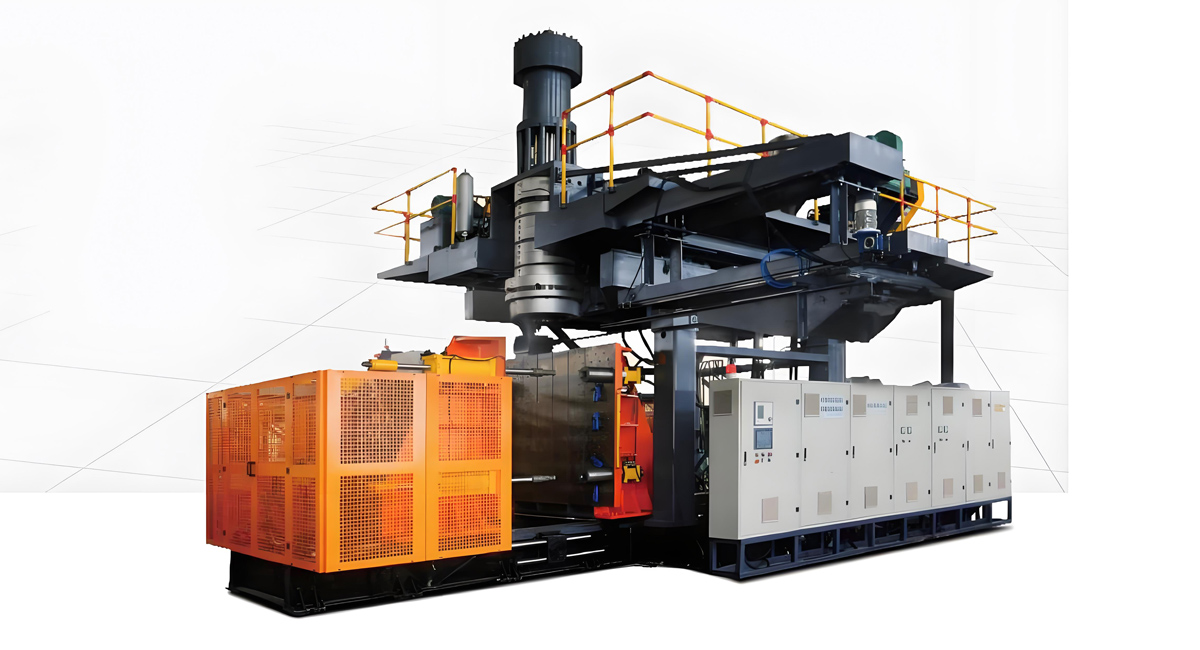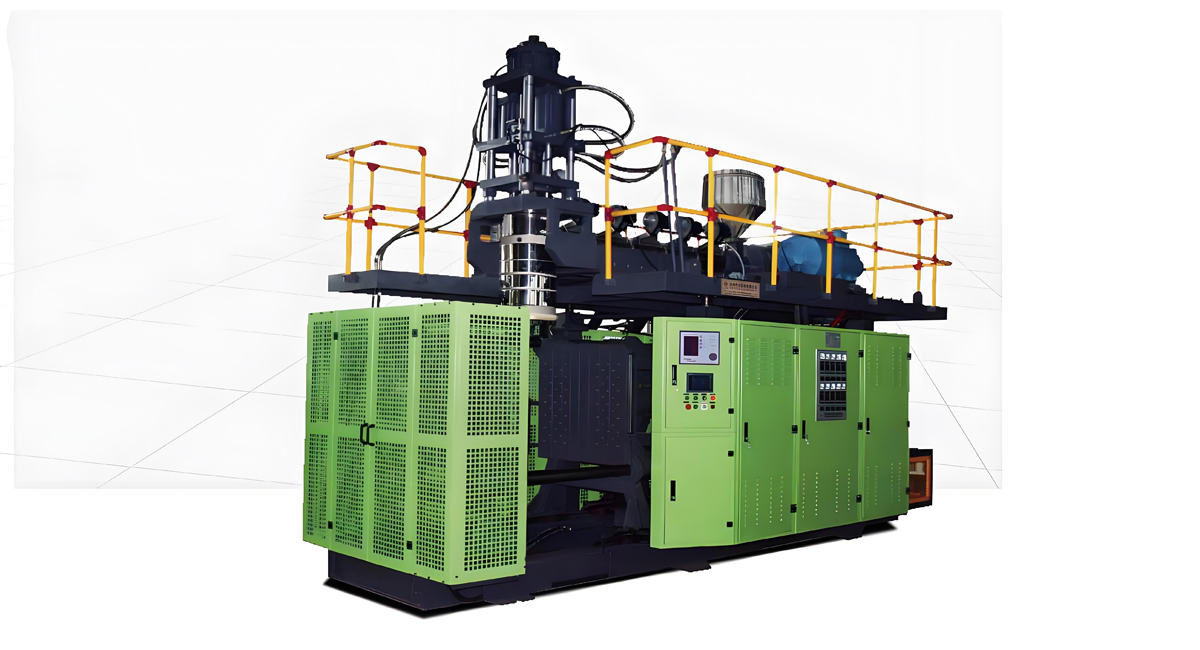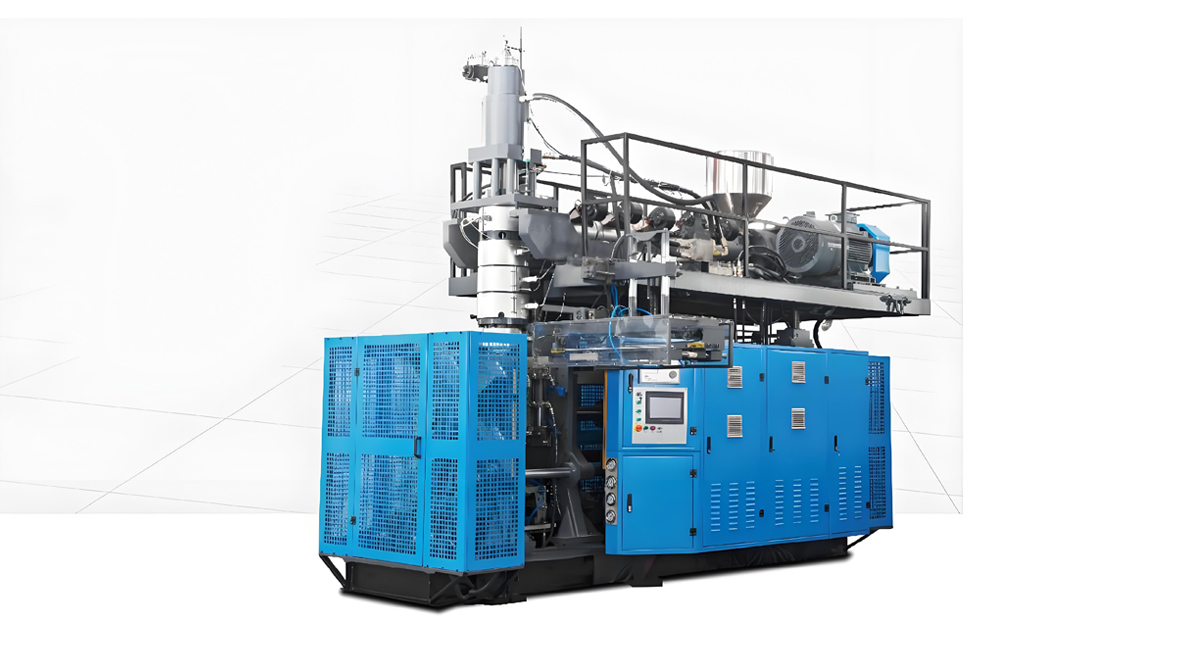
In the competitive landscape of plastic manufacturing, the ability to adapt quickly to changing market demands has become a critical success factor. Fast changeover extrusion blow molding machines represent a revolutionary advancement in manufacturing technology, enabling producers to switch between different products with minimal downtime. This comprehensive guide explores how these flexible production systems can transform your manufacturing operations, reduce costs, and help you meet the ever-changing needs of your customers.
The extrusion blow molding industry has evolved significantly over the past decade, with manufacturers increasingly recognizing that production flexibility is just as important as output volume. A fast changeover extrusion blow molding machine allows you to produce multiple product varieties on the same equipment, eliminating the need for dedicated production lines for each product type. This capability is particularly valuable for companies serving diverse markets or those experiencing seasonal demand fluctuations.
Understanding Fast Changeover Technology in Extrusion Blow Molding
Fast changeover technology encompasses a range of design features and operational practices that minimize the time required to transition from producing one product to another. In the context of extrusion blow molding, changeover activities typically include die head adjustments, mold changes, parameter resets, and material switches. Traditional changeover processes could take hours, significantly impacting overall equipment effectiveness and increasing production costs.
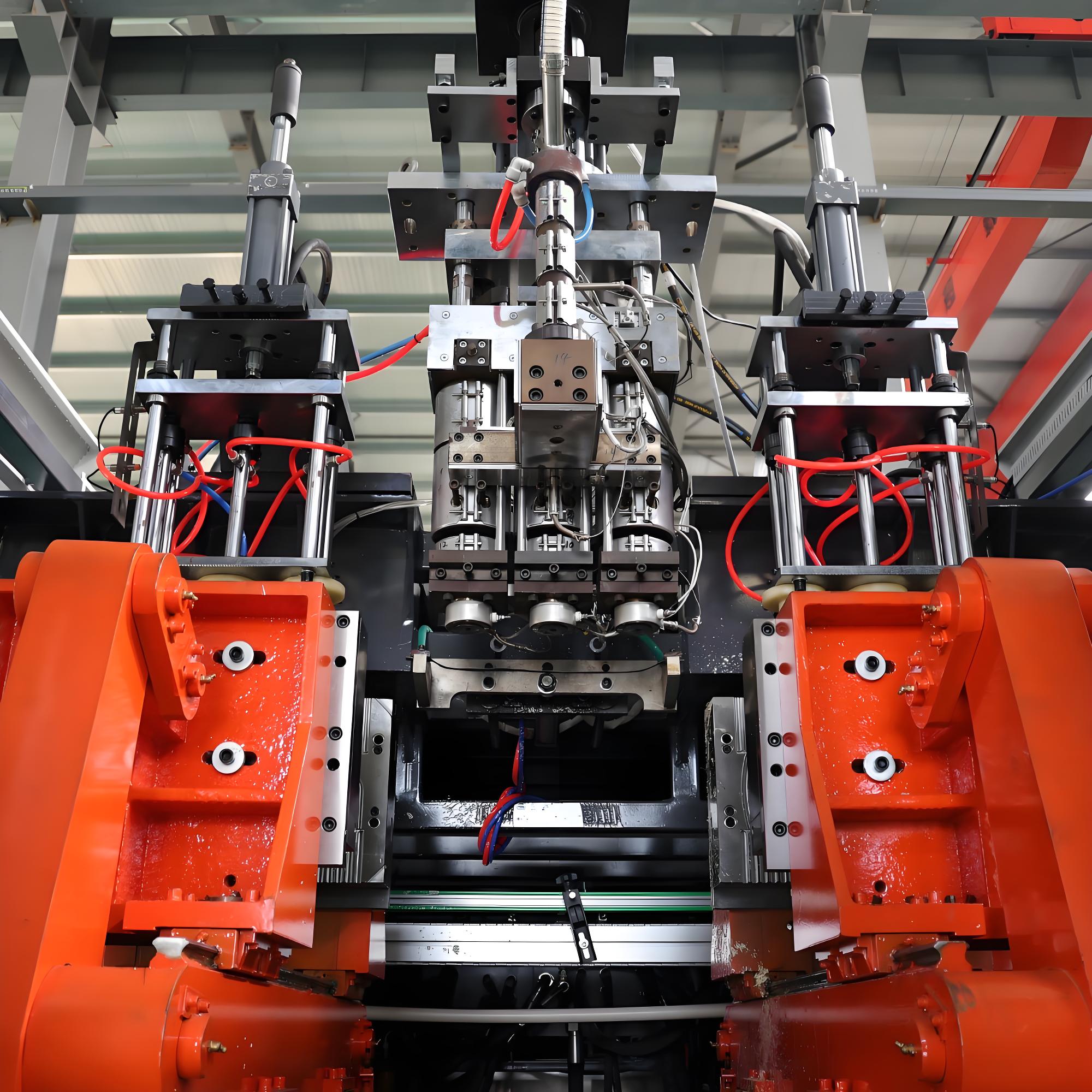
Modern fast changeover extrusion blow molding machines incorporate several innovative features that streamline these transitions. Quick-release clamping systems allow mold changes to be completed in a fraction of the time required by conventional designs. Automated parameter storage and recall functions enable operators to instantly load production settings for different products. Additionally, modular die head designs facilitate rapid tooling changes without extensive realignment procedures.
Key Components Enabling Quick Changeover
The foundation of fast changeover capability lies in the machine’s mechanical design. High-quality extrusion blow molding machines feature precision-engineered clamping units with hydraulic or servo-electric drive systems that provide consistent force application while enabling rapid opening and closing cycles. The clamping system must maintain adequate force to prevent flash and ensure part quality while allowing quick access for mold changes.
Die head technology plays an equally important role in changeover efficiency. Accumulator head designs allow for rapid color and material changes by minimizing the volume of material residing in the head during transitions. Some advanced systems incorporate quick-connect fitting designs that enable tool-free material line connections, further reducing changeover time. The parison programming capability of modern extrusion controls allows operators to adjust wall thickness profiles without mechanical adjustments, eliminating one category of changeover tasks entirely.
The Economics of Changeover Time Reduction
Understanding the financial impact of changeover time helps manufacturers appreciate the value proposition of fast changeover machines. Consider a production facility operating 20 hours per day across 300 production days annually. If each changeover consumes 2 hours instead of 30 minutes, the facility loses approximately 900 machine-hours per year to non-productive transitions. At an hourly production value of 500 dollars, this represents 450,000 dollars in lost output annually.
Beyond the direct cost of lost production time, frequent long changeovers discourage small batch production runs. Manufacturers may choose to maintain excess inventory of certain products simply to avoid the perceived cost of changeovers, tying up working capital and storage space. Fast changeover capability enables a make-to-order production model that reduces inventory carrying costs while improving responsiveness to customer requests.
Benefits of Flexible Production Systems
Flexible production systems powered by fast changeover extrusion blow molding machines deliver multiple benefits that extend throughout the organization. The most immediate impact appears in production scheduling flexibility, where manufacturers can respond to urgent orders without disrupting planned production schedules. This capability proves particularly valuable in just-in-time manufacturing environments where inventory levels are deliberately kept low.
Quality consistency across product transitions represents another significant advantage. When changeover procedures are standardized and automated, the risk of human error during transitions decreases substantially. Operators following consistent procedures produce parts that meet specifications more reliably, reducing scrap rates and rework requirements. Some manufacturers report quality-related cost reductions of 15 to 25 percent after implementing fast changeover practices.
Enhanced Product Variety and Market Responsiveness
Fast changeover capability enables manufacturers to expand their product portfolios without proportional investments in additional equipment. A single extrusion blow molding machine can produce containers ranging from small pharmaceutical bottles to large industrial drums, provided the machine specifications accommodate the size range. This versatility opens opportunities to serve multiple market segments from a consolidated production platform.
Market responsiveness improves dramatically when changeover times decrease. Manufacturers can accept small orders for specialized products without concern about the impact on overall production efficiency. This capability proves especially valuable for companies targeting niche markets or those experiencing highly variable demand patterns. The ability to pivot quickly to different products provides a meaningful competitive advantage in dynamic market conditions.
Labor Efficiency and Operator Satisfaction
Streamlined changeover procedures reduce the physical demands on machine operators while improving job satisfaction. Traditional changeover processes often require multiple workers performing coordinated tasks under time pressure, creating stressful conditions that can lead to errors or injuries. Standardized quick-change procedures distribute workload more evenly and reduce the cognitive burden on operators.
Training requirements for operators decrease when changeover processes become more straightforward. New employees can master changeover procedures more quickly when the steps are logical and well-documented. This accelerated learning curve reduces onboarding costs and improves workforce flexibility. Experienced operators can focus their attention on optimization and continuous improvement rather than merely executing basic changeover tasks.
Technical Features of Fast Changeover Extrusion Blow Molding Machines
Modern fast changeover extrusion blow molding machines incorporate numerous technical features specifically designed to minimize transition times. Understanding these features helps procurement teams evaluate equipment options and select machines best suited to their production requirements. The following sections detail the most impactful technologies currently available in the market.
Quick-Change Molding Systems
Quick-change molding systems represent the most visible advancement in changeover technology. These systems utilize precision-machined mold plates with standardized mounting dimensions, allowing molds to be exchanged as complete assemblies rather than individual components. Guide pin and bushing arrangements ensure accurate positioning when installing new molds, eliminating time-consuming alignment procedures.
Hydraulic clamping systems with programmable force settings enable consistent clamping regardless of mold size variations. Some manufacturers incorporate automatic clamp force calculation based on projected part area, further reducing setup requirements. The combination of quick-release mechanisms and automated force settings can reduce mold changeover time from several hours to under 30 minutes for experienced operators.
Mold heating and cooling systems also contribute to changeover efficiency. Inline mold temperature controllers with quick-connect coolant lines allow preheated molds to be installed and brought online rapidly. Some manufacturers offer heated mold carriers that maintain temperature during transport between storage and the machine, enabling instant production start-up after mold installation.
Advanced Control Systems and Automation
Modern extrusion blow molding machines feature sophisticated control systems that store complete production parameters for multiple products. Recipe management functions allow operators to recall saved settings for different products with a single command, eliminating the time-consuming process of manually adjusting numerous parameters. These systems typically store parison programming, temperature profiles, timing sequences, and quality monitoring thresholds.
Touch-screen operator interfaces provide intuitive access to machine functions and parameter displays. Visual guidance systems walk operators through changeover procedures step by step, reducing reliance on operator memory and training levels. Some systems integrate with factory management software to automatically schedule changeovers based on production orders and optimal sequencing.
Automated material handling systems further reduce changeover burden by managing material transitions without operator intervention. Separate material feed lines for different polymers enable color and material changes through automated purge sequences. Vacuum loading systems with automatic hopper selection can load appropriate materials based on the selected production recipe.
Modular Design and Scalability
Modular machine architecture supports changeover efficiency by enabling incremental capability expansion. Base machine platforms can accommodate additional stations, enhanced control features, or auxiliary equipment as production requirements evolve. This approach prevents premature equipment obsolescence while allowing manufacturers to phase investments over time.
Screw and barrel assemblies designed for quick removal facilitate material changeovers and enable production optimization for specific polymer types. Barrel liner replacement options allow manufacturers to process abrasive materials without dedicated equipment. These modular capabilities support production flexibility while protecting core machine investments.
Cost Analysis and Return on Investment
Evaluating the financial case for fast changeover extrusion blow molding machines requires comprehensive analysis of both acquisition costs and operational savings. While machines incorporating advanced changeover technology typically carry higher purchase prices, the operational benefits often generate attractive returns on investment. This section provides framework for evaluating these investments.
Initial Investment Considerations
Fast changeover extrusion blow molding machines range in price from approximately 80,000 dollars for basic models with limited automation to over 500,000 dollars for fully automated systems with comprehensive changeover features. The wide price range reflects differences in production capacity, automation level, and build quality. Small-scale machines suitable for prototyping and low-volume production fall at the lower end of the range.
Mid-range machines with semi-automatic changeover features typically cost between 150,000 and 300,000 dollars. These machines offer meaningful changeover time reductions compared to basic models while remaining accessible for small to medium-sized manufacturers. Full automation systems with robotic mold handling and automated material management command premium prices but deliver the most significant changeover performance improvements.
Additional equipment costs may include auxiliary systems for material handling, temperature control, and part handling. Installation and commissioning services, foundation preparation, and utility connections add to the total investment. Manufacturers should budget 10 to 20 percent above equipment prices for ancillary costs and contingencies.
Operational Cost Savings
Operational savings from fast changeover capability manifest in multiple areas. Reduced downtime directly increases production throughput, improving the return on all production costs including labor, overhead, and equipment depreciation. The incremental production volume generated by shorter changeovers effectively lowers the per-unit cost of all products manufactured on the equipment.
Inventory carrying cost reductions result from the ability to produce smaller batches more frequently. Companies can shift from make-to-stock to make-to-order production models, reducing working capital requirements and storage costs. A typical manufacturer might reduce inventory levels by 20 to 40 percent after implementing fast changeover practices, generating significant cash flow improvements.
Quality improvements from standardized changeover procedures reduce scrap and rework costs. Fewer defective parts mean more production capacity available for good parts, effectively increasing output without additional equipment investment. Some manufacturers report scrap rate reductions of 30 to 50 percent after implementing controlled changeover processes.
Calculating Return on Investment
Return on investment calculations should incorporate all relevant cost factors. The basic formula compares the annual benefit of changeover improvements to the incremental investment required. Benefits include the value of additional production, reduced inventory costs, and quality-related savings. Investment costs include the price premium for changeover features plus installation and training expenses.
A practical example illustrates the calculation approach. Assume a machine with fast changeover features costs 80,000 dollars more than a conventional model. Annual benefits include 200,000 dollars in additional production value from reduced downtime, 30,000 dollars in reduced inventory carrying costs, and 20,000 dollars in quality-related savings. The simple payback period equals 80,000 dollars divided by 250,000 dollars annually, or approximately 3.8 months.
More sophisticated analysis should consider the time value of money and the long-term operating cost trajectory. Fast changeover machines often exhibit lower maintenance requirements due to standardized operation and reduced wear from fewer changeover-related operations. Energy efficiency improvements in modern equipment also contribute to long-term operating cost reductions.
Implementing Fast Changeover Practices
Acquiring fast changeover equipment represents only the first step toward realizing flexibility benefits. Successful implementation requires attention to procedures, training, and organizational factors that influence actual changeover performance. Manufacturers who neglect these implementation aspects often fail to achieve expected results despite significant equipment investments.
Standard Operating Procedures Development
Documented standard operating procedures ensure consistent changeover execution regardless of which operator performs the task. Procedures should specify each step in logical sequence, identify tools and materials required, and define quality checks to verify successful completion. Clear documentation reduces variability and supports training of new operators.
Procedures should address both routine changeovers and exception handling. Standard scenarios include product changes, material changes, and color changes. Exception procedures cover troubleshooting, recovery from errors, and escalation pathways for issues beyond operator authority. Well-designed procedures empower operators while maintaining appropriate control over critical processes.
Visual documentation through photographs and diagrams enhances procedure clarity and accessibility. Some manufacturers place laminated procedure cards at machine stations for quick reference during changeovers. Digital procedure libraries accessible through control system interfaces provide version control and ensure operators always access current documentation.
Operator Training and Skill Development
Comprehensive training programs ensure operators develop the skills required for efficient changeover execution. Training should combine theoretical instruction on machine function with hands-on practice performing actual changeovers. Competency verification through observation and evaluation confirms operator readiness before assigning independent changeover responsibilities.
Cross-training enables flexible workforce deployment and supports continuous improvement. Operators who understand multiple machines and changeover scenarios contribute more value to the organization. Training investments also improve operator engagement by demonstrating organizational commitment to employee development.
Ongoing skill development through coaching, feedback, and advanced training maintains high performance levels over time. Regular review of changeover metrics identifies opportunities for improvement and guides targeted skill development efforts. High-performing changeover teams often develop innovative approaches that benefit the broader organization.
Continuous Improvement Methodology
Fast changeover implementation benefits from structured continuous improvement approaches adapted from lean manufacturing methodologies. Time studies of actual changeovers reveal improvement opportunities and track progress over time. The goal should be steady reduction in changeover time through systematic elimination of unnecessary steps and optimization of essential activities.
Changeover time decomposition separates total time into elements such as preparation, execution, and verification. This analysis highlights activities that could be performed while the machine is running, transferring work outside the critical path. SMED (Single Minute Exchange of Dies) methodology provides a systematic framework for changeover reduction.
Kaizen events focused on changeover improvement bring together cross-functional teams to address specific challenges. These concentrated improvement efforts generate rapid results while building organizational capability for ongoing improvement. Celebration of achievements reinforces the importance of changeover optimization and motivates continued effort.
Apollo Fast Changeover Extrusion Blow Molding Solutions
Apollo Manufacturing produces a comprehensive line of extrusion blow molding machines incorporating advanced fast changeover technology. The company’s equipment portfolio spans from compact laboratory-scale machines to large industrial systems capable of producing containers exceeding 200 liters in volume. All Apollo machines emphasize reliability, ease of operation, and changeover efficiency.
Product Range and Capabilities
Apollo’s flagship fast changeover models feature hydraulic clamping systems with programmable force control and rapid cycle capability. Standard changeover packages include recipe storage for up to 200 product configurations, quick-connect mold mounting systems, and automated parison programming. These features enable changeover times under 30 minutes for most product transitions.
Control systems utilize industrial-grade programmable logic controllers with touch-screen operator interfaces. Recipe management functions enable one-touch product changeover by automatically loading all associated parameters. Built-in diagnostic capabilities support proactive maintenance and rapid troubleshooting when issues occur.
Machine construction emphasizes durability and precision to ensure consistent performance over extended production runs. Heavy-duty frame designs provide stable platform for high-speed operation. Premium component selection reduces maintenance requirements and extends machine service life, protecting the original investment over many years of production.
Support and Service
Apollo provides comprehensive support services to help customers maximize the value of their equipment investments. Installation and commissioning services ensure proper equipment setup and operator training. Ongoing technical support addresses operational questions and troubleshooting needs through multiple communication channels.
Training programs at Apollo facilities enable customers to develop deep understanding of machine capabilities and best practices. Hands-on training sessions cover changeover procedures, maintenance practices, and optimization techniques. Refresher training maintains skill levels and introduces new capabilities as machine software evolves.
Spare parts availability ensures minimal equipment downtime when maintenance is required. Global parts distribution networks provide rapid delivery to customer locations worldwide. Preventive maintenance programs help customers avoid unexpected breakdowns and maintain optimal equipment performance throughout the machine lifecycle.
Conclusion and Recommendations
Fast changeover extrusion blow molding technology represents a significant advancement in manufacturing flexibility, enabling producers to respond rapidly to market demands while optimizing production efficiency. The economic case for these systems proves compelling in most production environments, with attractive returns on investment achievable through reduced downtime, lower inventory costs, and improved quality performance.
Manufacturers considering fast changeover equipment should evaluate their specific production requirements and changeover frequency to determine appropriate technology levels. Equipment demonstrations and consultation with experienced suppliers help ensure selected machines match actual production needs. Thorough implementation planning including procedure development and operator training maximizes the likelihood of achieving projected benefits.
The competitive advantages enabled by fast changeover capability extend beyond direct cost savings. Manufacturers gain flexibility to serve diverse markets, respond to customer requests, and adapt production to changing demand patterns. These strategic benefits compound over time as organizations develop capabilities that differentiate them from competitors operating with less flexible equipment.